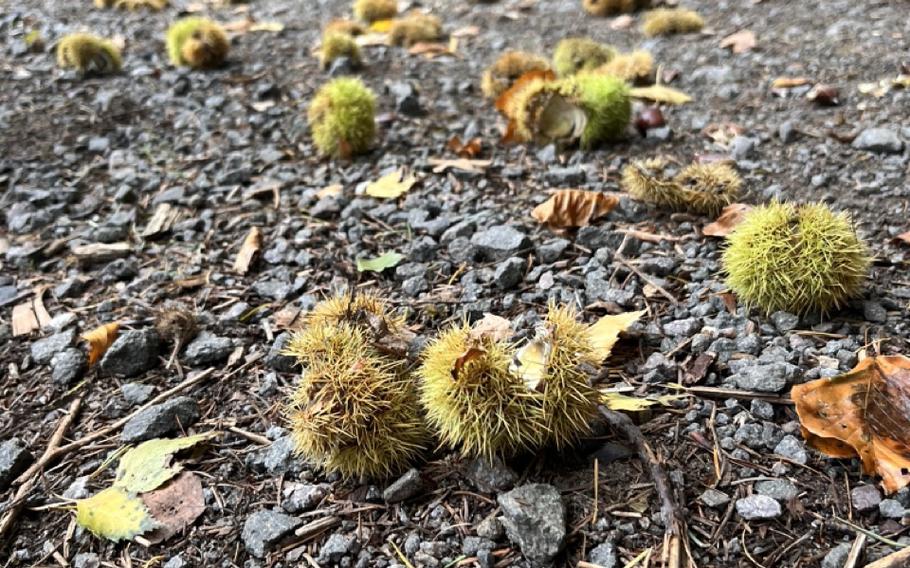
Confused by chestnuts vs water chestnuts? Learn what each one is, how they taste, when you’ll find them, how to prep them, and the best uses (plus substitutes).
Delishing
What Do Chestnuts Taste Like?

Maya Brooks
Maya Brooks is a dedicated home cook and the lead recipe developer at Delishing, where she shares practical, foolproof meals for everyday life. With over a decade of hands-on kitchen experience, she specializes in creating approachable dishes that fit a variety of dietary needs and modern cooking methods. Maya is passionate about helping busy people get delicious, stress-free food on the table without needing formal culinary training.
Chestnuts are the nut I most often hear people describe as “surprising.” Not because they are weird, but because they do not taste like most other nuts. A cooked sweet chestnut is mild, gently sweet, and more starchy than crunchy. Think somewhere between a roasted potato and a hazelnut, with a buttery, slightly earthy finish.
Quick clarity before we get into flavor: this article is about edible sweet chestnuts (the kind you roast and snack on), not crunchy water chestnuts, and definitely not horse chestnuts, which are toxic and should not be eaten.
If you have been eyeing the little bags at the store and wondering if you will actually like them, I have good news. Chestnuts are beginner-friendly as long as you know what flavor to expect and which cooking method brings out their best side.
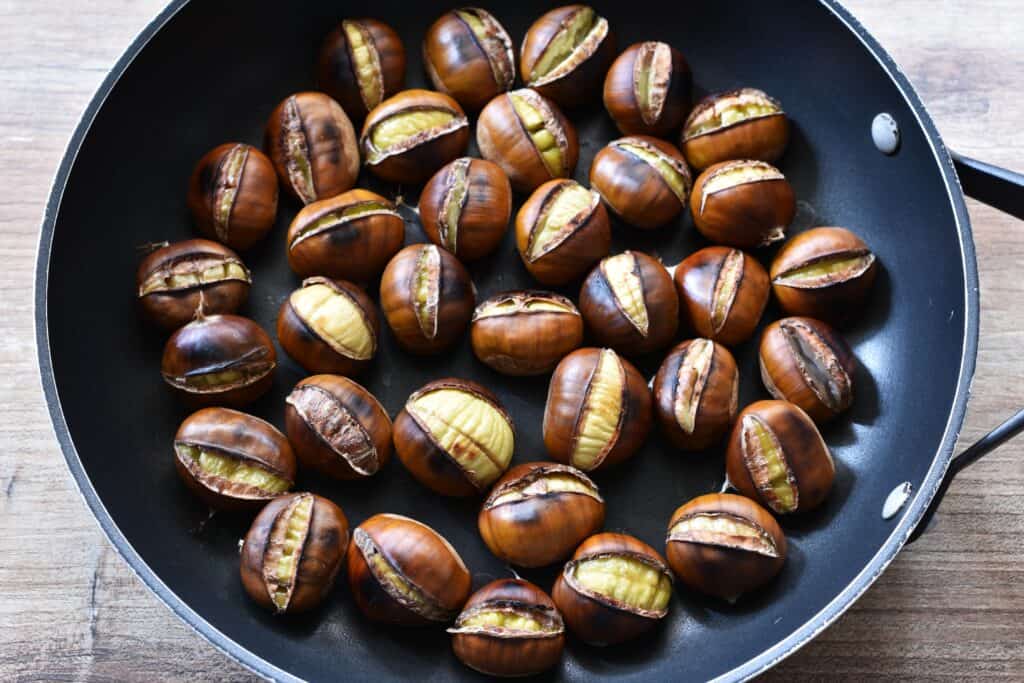
The short answer: mild, sweet, and starchy
Cooked sweet chestnuts taste:
- Mildly sweet, like a sweet potato without the strong caramel notes
- Starchy, almost bread-like when they are very fresh
- Nutty, but softer and less oily than almonds or pecans
- Earthy in a cozy, fall way, especially when roasted
Texture-wise, chestnuts are usually tender and a little crumbly, not crunchy. When perfectly cooked and peeled, they can feel almost creamy in the center.
Roasted, boiled, or candied
How you cook chestnuts makes a bigger difference than you might expect. Here’s what to expect from the most common versions.
Roasted chestnuts: the most flavorful
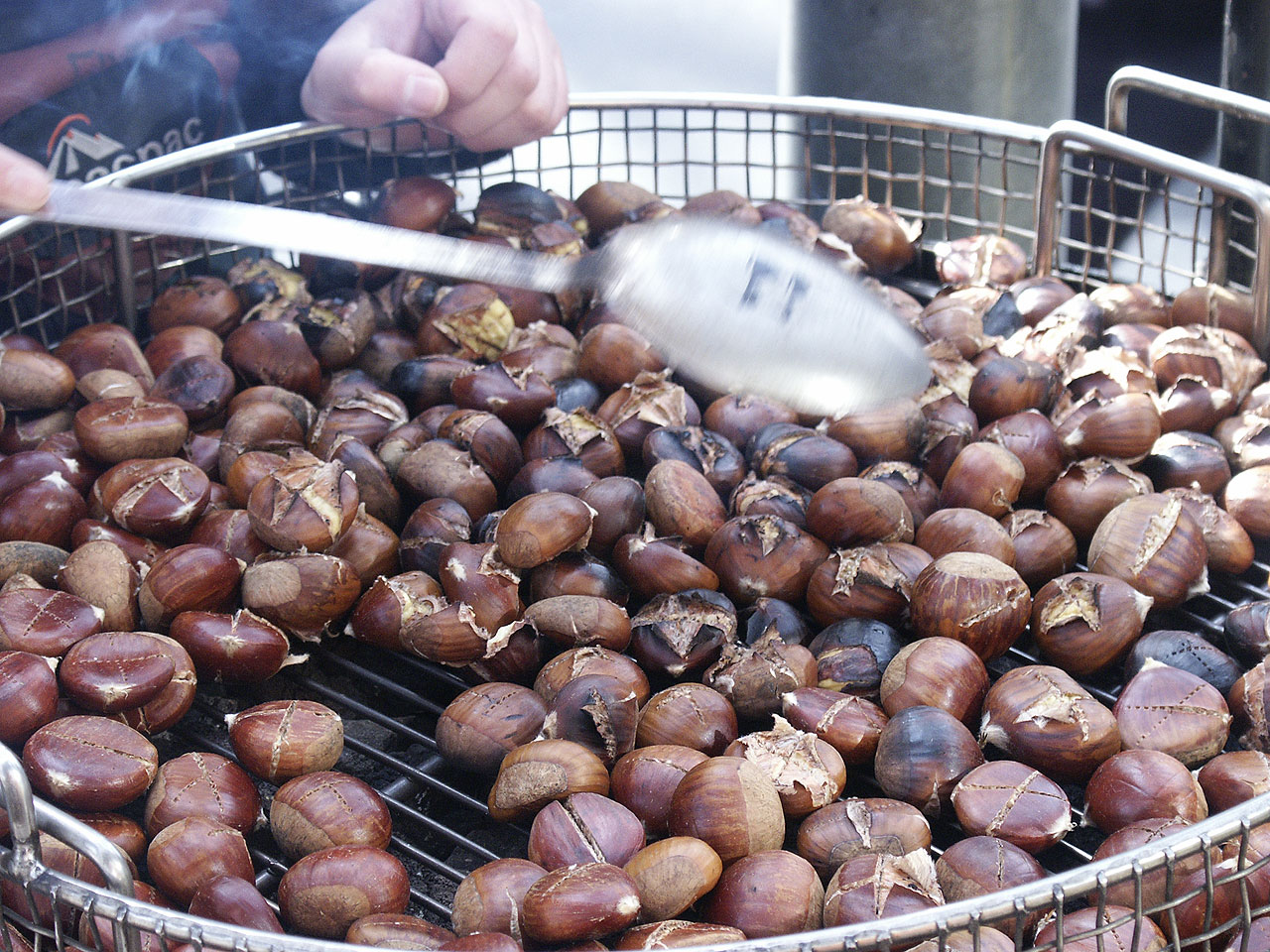
Roasting concentrates flavor and adds a toasted aroma. A well-roasted chestnut tastes warmer and nuttier, with a slightly drier, fluffier interior.
- Flavor: mildly sweet, toasty, nutty
- Texture: tender, fluffy, a bit crumbly
- Best for: snacking, chopping into stuffing, tossing into roasted vegetables
If you want the classic experience, start here. Delishing has a step-by-step guide to how to roast chestnuts.
Boiled chestnuts: gentler and sometimes bland
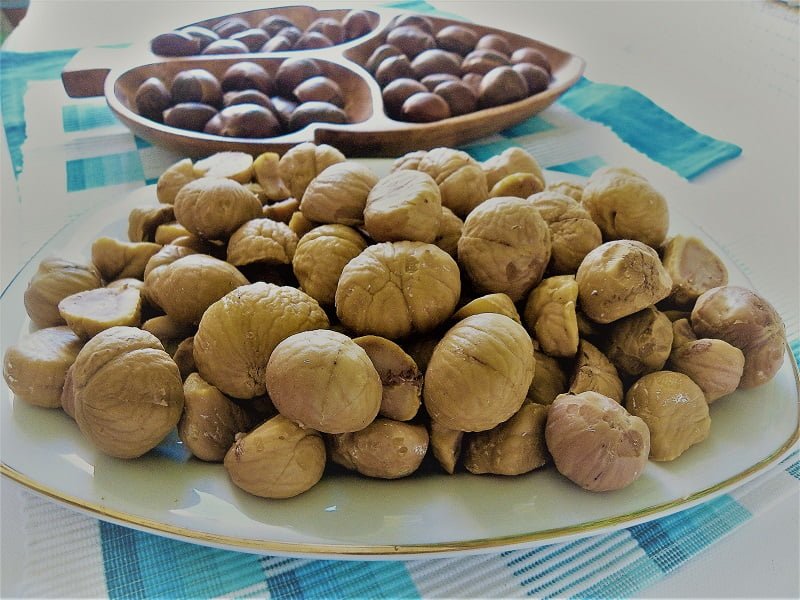
Boiling softens chestnuts quickly and makes them moist, but it also dilutes flavor. Boiled chestnuts can taste very mild, especially if they were not super fresh to begin with.
- Flavor: mild, lightly sweet, less nutty
- Texture: softer, more moist, sometimes a little pasty
- Best for: purées, soups, mixing into batters and fillings
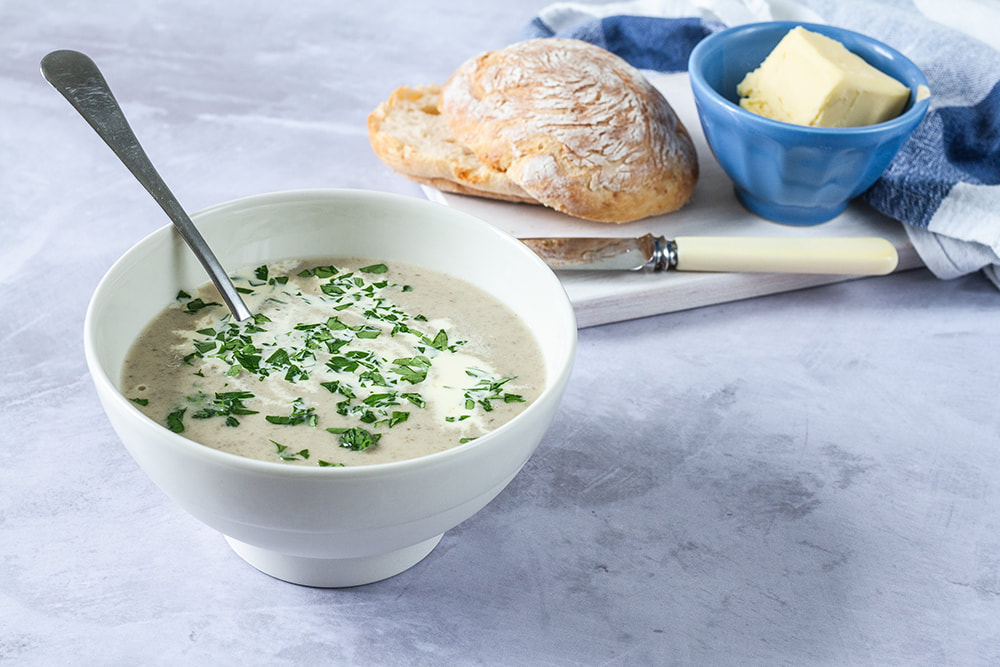
If you try boiled chestnuts and think, “That is it?” you are not alone. They shine more when turned into something like chestnut purée or blended into chestnut soup.
Candied chestnuts: sweet and dessert-like
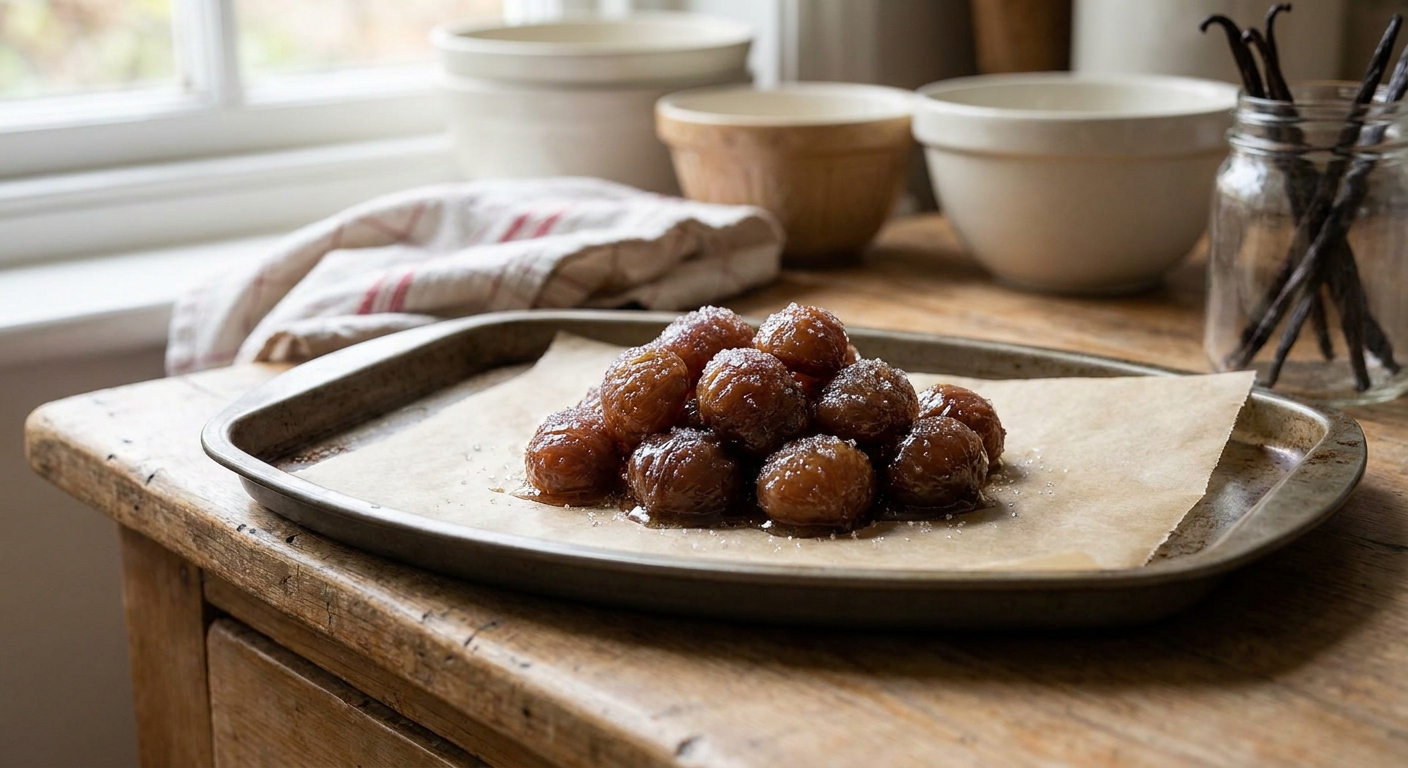
Candied chestnuts (often sold as marrons glacés) taste like chestnuts wearing a sugar coat. The nutty, earthy notes become background, and you get a rich, holiday-dessert sweetness.
- Flavor: sweet, buttery, subtly nutty
- Texture: tender, slightly chewy on the outside, soft in the center
- Best for: dessert platters, chopping into cakes, topping ice cream
If you want that sweet version without hunting for specialty sweets, you can make or buy candied chestnuts.
What chestnuts do not taste like
This is the part that saves a lot of first-time disappointment.
- They do not taste like water chestnuts. Water chestnuts are crunchy and neutral. Sweet chestnuts are tender and starchy. If you are curious about that difference, see chestnuts vs water chestnuts.
- They do not taste like peanuts or cashews. Those are richer and oilier. Chestnuts are lower in fat and more like a “carb-y nut.”
- They are not super sweet on their own. If you expect candy, plain roasted chestnuts will feel subtle.
Packaged chestnuts: what to expect
Many first-timers start with vacuum-packed or jarred chestnuts because they are already cooked and peeled. That is totally fine, just know the flavor is usually milder and less toasty than freshly roasted, and the texture can lean a bit softer.
A quick warm-up and a little seasoning helps a lot. If you go this route, follow how to cook jarred chestnuts to make them taste their best.
Why some chestnuts taste bland
I have absolutely roasted a batch and thought, “Okay, why does everyone get so poetic about these?” Bland chestnuts usually come down to one of these issues:
- They are not very fresh. Chestnuts dry out over time, and flavor fades with the moisture.
- They were boiled when roasting would have helped. Boiling is naturally more muted.
- They were undercooked. Undercooked chestnuts taste flat and feel a little chalky.
- Not enough salt. A tiny pinch of salt makes the sweetness and nuttiness pop, even for snacking.
If you are buying fresh, take a minute to read how to buy fresh chestnuts, and once you get them home, use how to store fresh chestnuts so they stay plump and flavorful.
Why chestnuts can taste bitter
Bitterness is not “normal chestnut flavor,” so if you get a bitter bite, something is off. Common culprits:
- They are old or starting to spoil. Chestnuts can spoil (mold, sour or fermented odors) or develop off flavors. Check how to tell if chestnuts have gone bad.
- Burnt shells or scorched spots. Over-roasting can create bitter notes, especially if the nut itself dries out.
- Inner skin (pellicle) left on. That papery layer can be tannic and unpleasant. Peeling thoroughly matters more than people think.
- Wrong type of “chestnut.” Sweet chestnuts are for eating. Horse chestnuts are toxic and should not be eaten. If that is a concern, read horse chestnuts vs sweet chestnuts.
How to know if you will like them
If you tend to love these foods, chestnuts are a good bet:
- Roasted sweet potatoes or winter squash
- Buttery mashed potatoes
- Mild nuts like cashews or macadamias (but less rich)
- Cozy, lightly sweet fall flavors
You might be underwhelmed if you only like bold, salty, crunchy nuts and expect that kind of punch right away. Chestnuts are more subtle and comforting than intense.
My easy first try
If this is your first time, I recommend starting with roasted chestnuts because the flavor is at its peak.
- Buy a small amount, enough for one snack session so there is no pressure.
- Roast them using our roasting method.
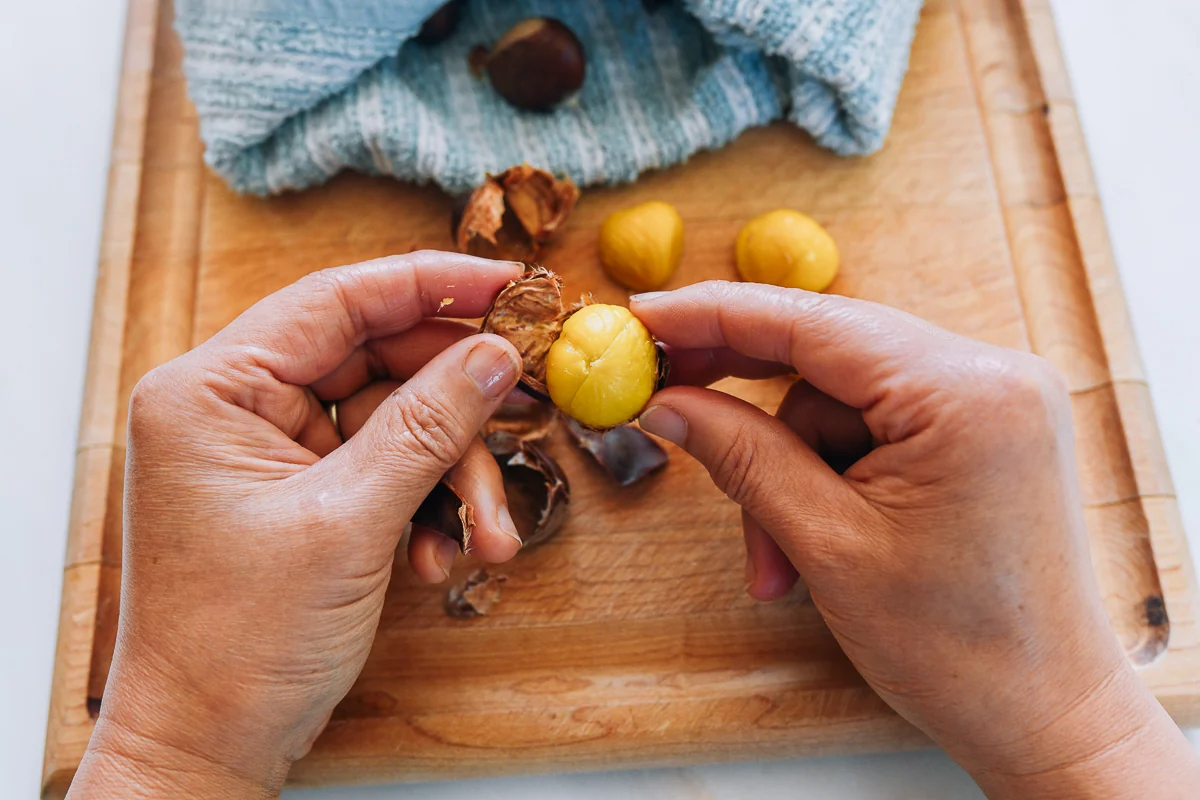
- Peel while warm, and do not skip removing the inner skin when you can.
- Season simply with a pinch of salt and a tiny dab of butter.
Once you know you like the flavor, chestnuts are amazing in savory dishes like chestnut stuffing or sweet recipes like chocolate covered chestnuts.
FAQ
Are chestnuts sweet or savory?
Both. Plain cooked chestnuts are mildly sweet, but not sugary. They work beautifully in savory recipes because their starchiness acts like a soft, nutty “bread cube” vibe.
Do chestnuts taste like hazelnuts?
A little, especially when roasted, but chestnuts are much starchier and less oily. Hazelnuts are more intensely nutty and crunchy.
Do roasted chestnuts taste like potatoes?
They can. The closest comparison is a fluffy roasted potato or sweet potato, plus a gentle nutty flavor.
Can you eat chestnuts raw?
Sweet chestnuts are typically cooked before eating because raw chestnuts are very hard and not pleasant to chew. If you are curious about safety and texture, see can you eat chestnuts raw.
What if I want to try them without cooking?
Look for cooked, peeled chestnuts (often vacuum-packed or jarred). The flavor is milder than freshly roasted, but it is a low-effort way to learn whether you enjoy the chestnut taste. If you go that route, use how to cook jarred chestnuts to warm and season them so they taste their best.