Stop chestnuts from drying out or turning moldy. Learn the best way to refrigerate raw chestnuts, spot spoilage, and freeze raw or peeled cooked chestnuts fo...
Delishing
How to Tell if Chestnuts Have Gone Bad

Maya Brooks
Maya Brooks is a dedicated home cook and the lead recipe developer at Delishing, where she shares practical, foolproof meals for everyday life. With over a decade of hands-on kitchen experience, she specializes in creating approachable dishes that fit a variety of dietary needs and modern cooking methods. Maya is passionate about helping busy people get delicious, stress-free food on the table without needing formal culinary training.
If you have a bag of sweet chestnuts sitting on your counter or tucked in the fridge, you are probably in the exact spot I have been in more than once: you bought them with big cozy plans, then a busy week happened. Now you are holding one up to your ear like it is a tiny maraca, wondering if it is still safe.
Good news: chestnuts tend to give pretty clear signals when they are past their prime, especially through smell, mold, and texture changes. Below are the telltale signs I use at home to decide whether to keep them or toss them.
The quick verdict
When in doubt, throw it out. Fresh, in-shell sweet chestnuts tend to have more moisture than most pantry nuts, which makes them more perishable. If you notice any mold, slime, or a sour fermented smell, do not taste to check. Just discard them.
If you are pregnant, immunocompromised, or serving someone who is, I would be extra cautious and skip anything that is even slightly questionable.
5 signs chestnuts have gone bad
I like to check chestnuts in this order: smell first, then look and feel the shell, then do the shake test, and finally confirm what the nutmeat looks like once opened. Here are the red flags.
1) Mold, especially at the tip
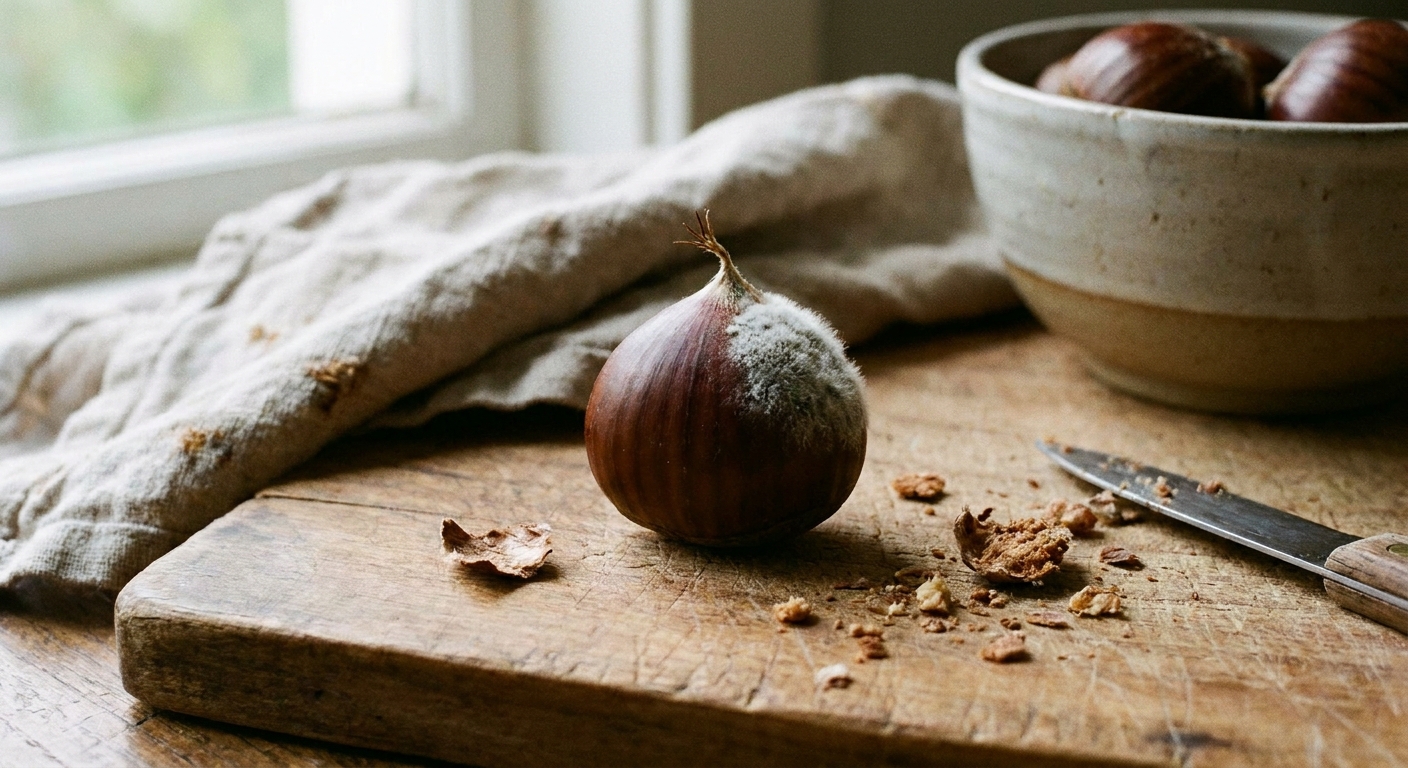
One of the most common places to spot mold is at the pointy tip or along the seam. It can look like white fuzz, gray dusting, or greenish specks. Sometimes it is subtle until you tilt the chestnut under a bright light.
- Toss it if you see any mold anywhere on the shell.
- Inspect the rest one by one and discard any with mold or an off smell. If multiple chestnuts are moldy, I usually discard the whole batch.
2) Sour or fermented smell
Fresh sweet chestnuts smell mild and slightly sweet, kind of earthy. Bad ones smell sharp, sour, boozy, or fermented. If opening the bag releases a funky odor, trust your nose.
- Toss any chestnuts with off odors.
- If only one smells bad, check the rest individually because spoilage can spread.
3) A hollow rattle when you shake it
This is my fastest no-mess test. Hold a chestnut close to your ear and shake it.
- Bad sign: a clear hollow rattle, like the nutmeat has pulled away from the shell.
- What it usually means: the chestnut has dried out and is likely old.
- Important: rattling is mostly a freshness and texture clue, not a definitive safety test. If it rattles, I open it and rely on smell plus what the nutmeat looks and feels like before I decide.
4) Shriveled, chalky, or hard nutmeat inside
When you crack open a good chestnut, the nutmeat should look plump and feel firm but not rock hard. If it is deeply wrinkled, very dry, or has a dull chalky look, it is past its best.
This is the moment I decide based on quality and safety:
- Toss if it is also discolored, smells off, or has any sliminess.
- You can technically cook with it if it smells normal and is just dry, but the texture will be crumbly and the flavor flat.
5) Slime after refrigeration
If chestnuts have been stored in the fridge in a sealed plastic bag or a too-damp container, they can develop a slippery, tacky film on the shell or on the nutmeat after peeling. That slimy feel is a hard stop for me because it can be a sign of microbial growth and decay.
- Toss any chestnuts that feel slimy, sticky, or slick.
- Do not rinse and use anyway. The texture change is a sign they are breaking down.
What good chestnuts look like
If you are trying to confirm the good ones in the batch, these are the traits I look for:
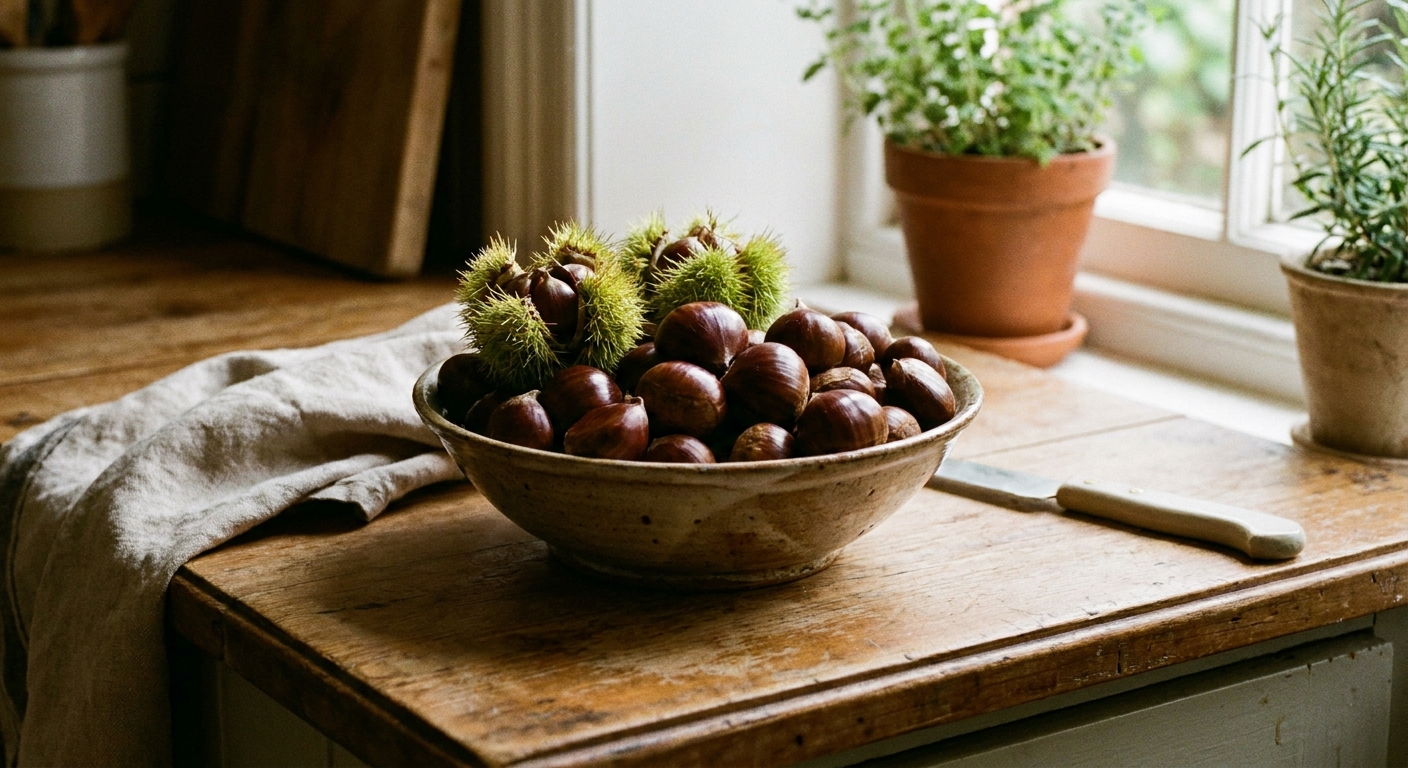
- Shell: glossy, firm, and heavy for its size.
- No cracks: small surface scuffs are fine, but avoid split seams.
- No soft spots: the shell should not give when pressed.
- No odor: mild and neutral to lightly sweet, never sharp.
- Inside: pale cream to light golden, not gray, not streaky, not wet or mushy.
Common questions
There is a little white dust on the shell
If it wipes off cleanly and there is no fuzziness, smell, or dampness, it might be harmless surface residue. If it looks fuzzy, spreads, or comes back, treat it as mold and discard.
The shell looks dull and the chestnut feels lighter
That usually points to drying out. Not always unsafe, but it is a big clue the nutmeat will be shriveled and bland. I would open one and check texture and smell before cooking the rest.
Black spots inside
Small specks can happen, but larger dark patches, streaking, or any bitter or sour smell means toss it. When I am on the fence, I do not gamble because chestnuts spoil in ways that are not worth testing with a bite.
The shell is cracked or punctured
I treat cracked shells like an express lane to spoilage. A crack lets in air and moisture and can invite mold. If the shell is cracked, I use those chestnuts first, and I discard them immediately if there is any off smell, softness, wetness, or discoloration inside.
How to store chestnuts
Chestnuts are more like a starchy vegetable than a dry pantry nut. Treat them gently and keep them cool. Also, timing varies a lot based on how fresh they were when you bought them and whether they are in-shell or peeled. In-shell chestnuts usually last longer than peeled.
Quick timeline
- Counter: best within a few days in a cool spot.
- Fridge: often 1 to 2 weeks for in-shell chestnuts, sometimes longer if they were very fresh to start.
- Freezer: best for longer storage, especially after roasting and peeling.
Short term (a few days)
- Keep them in a cool, dry spot out of sunlight.
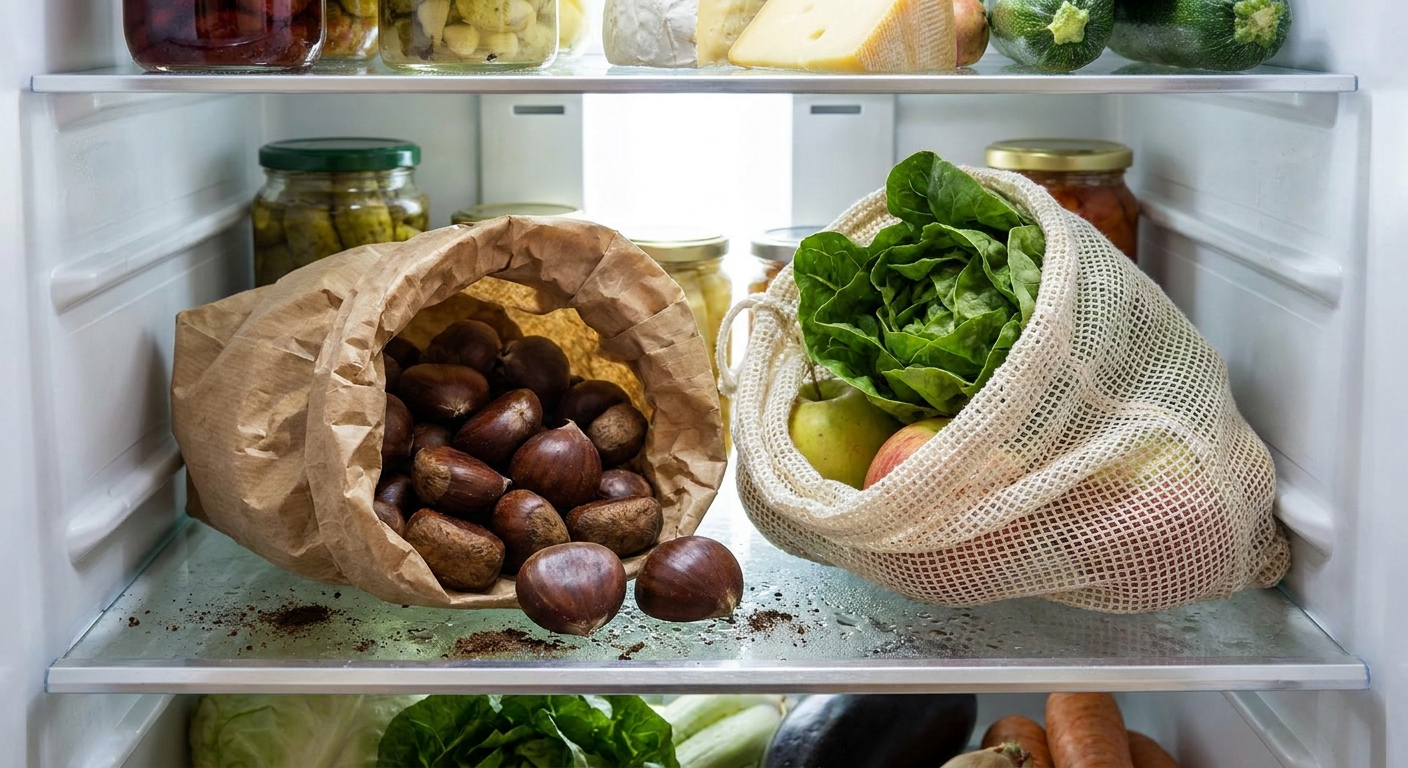
- Use a breathable bag if you can. Trapped moisture encourages mold.
Longer storage (about a week or two)
- Refrigerate in a vented bag or a loosely closed container so they can breathe.
- Check them every few days and remove any that show mold or soft spots.
Freezing (best for avoiding waste)
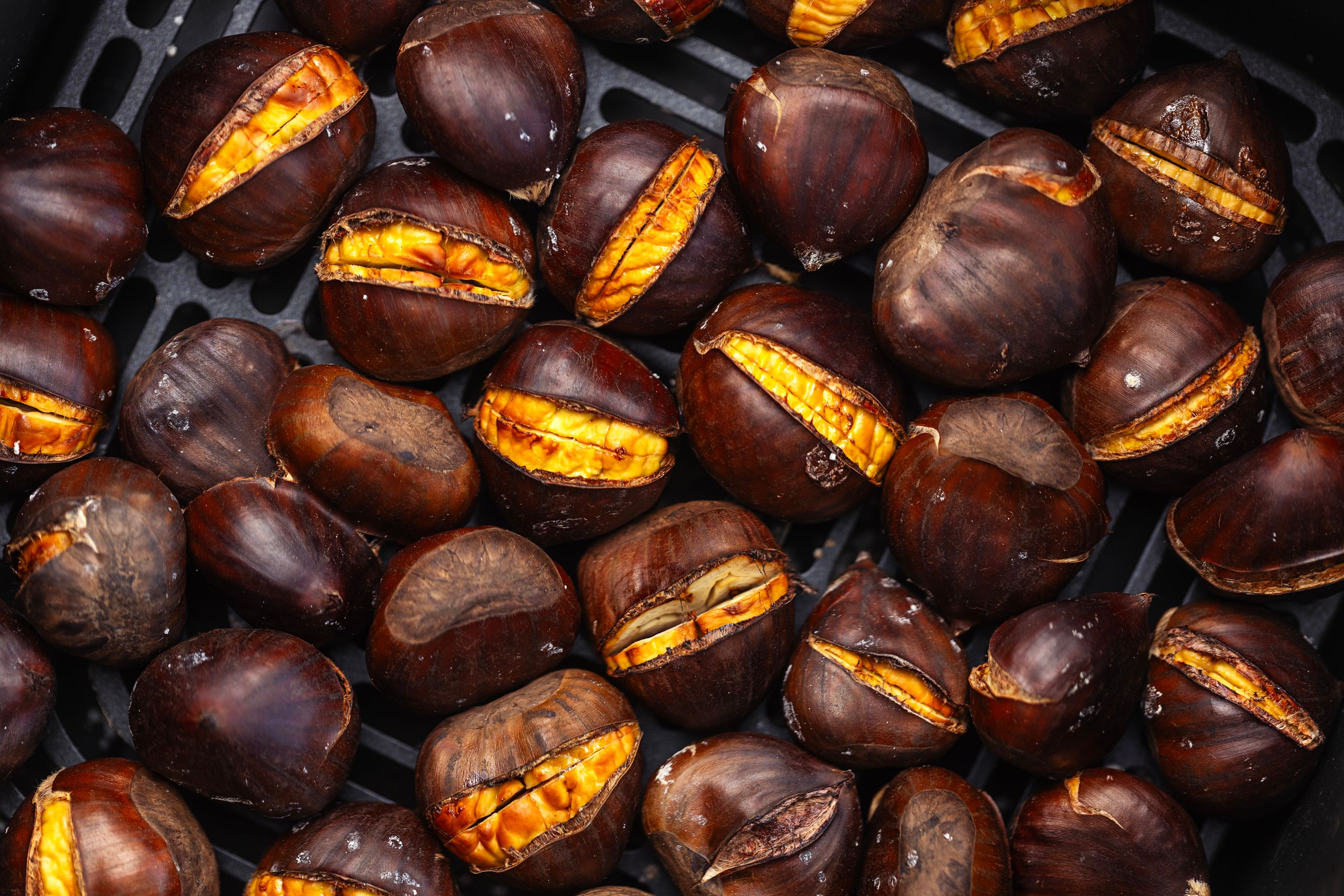
If you know you will not get to them soon, freezing is my favorite option. Many home cooks freeze chestnuts successfully, especially after roasting and peeling. If you want a cooking method once you have confirmed your chestnuts are still good, head over to How to Roast Chestnuts or try my faster method in Air Fryer Chestnuts.
FAQ
Can you eat chestnuts past the date on the package?
Dates are helpful, but chestnuts should be judged by condition. If there is any mold, sour smell, slime, or major discoloration, discard them even if the date says they are fine. If they pass the smell and visual test, they are generally fine to cook.
Is a dried-out chestnut bad, or just old?
Sometimes it is just old and will taste stale and mealy. The safety line is crossed when there is mold, off smell, wetness, slime, or odd discoloration. If it is merely dry but otherwise normal, it is not ideal but it may still be usable.
What if only one chestnut is moldy?
Throw that one away and inspect the rest closely. Discard any with visible mold or an off smell. If several are moldy or the bag smells off, I recommend discarding the batch.
Are chestnuts supposed to be squishy?
No. The shell should feel hard and solid. Any soft, spongy, or damp-feeling chestnut should be tossed.
Are sweet chestnuts the same as water chestnuts?
No, they are different foods. If you are curious (and it is a common point of confusion), I broke it down here: Chestnuts vs Water Chestnuts.