Not sure if your chestnuts are still safe? Use these 5 quick checks—mold, sour smell, hollow rattle, dry or discolored nutmeat, and slime—plus simple storage...
Delishing
How to Buy Fresh Chestnuts

Maya Brooks
Maya Brooks is a dedicated home cook and the lead recipe developer at Delishing, where she shares practical, foolproof meals for everyday life. With over a decade of hands-on kitchen experience, she specializes in creating approachable dishes that fit a variety of dietary needs and modern cooking methods. Maya is passionate about helping busy people get delicious, stress-free food on the table without needing formal culinary training.
If you’ve ever brought home a bag of chestnuts and ended up with a few that were weirdly hollow, tough, or just… not great, you are not alone. Chestnuts are a little different from most nuts because they are high in moisture, which means freshness matters a lot. The good news is you can spot the best ones in about 30 seconds at the store once you know what to look for.
Buy them in season
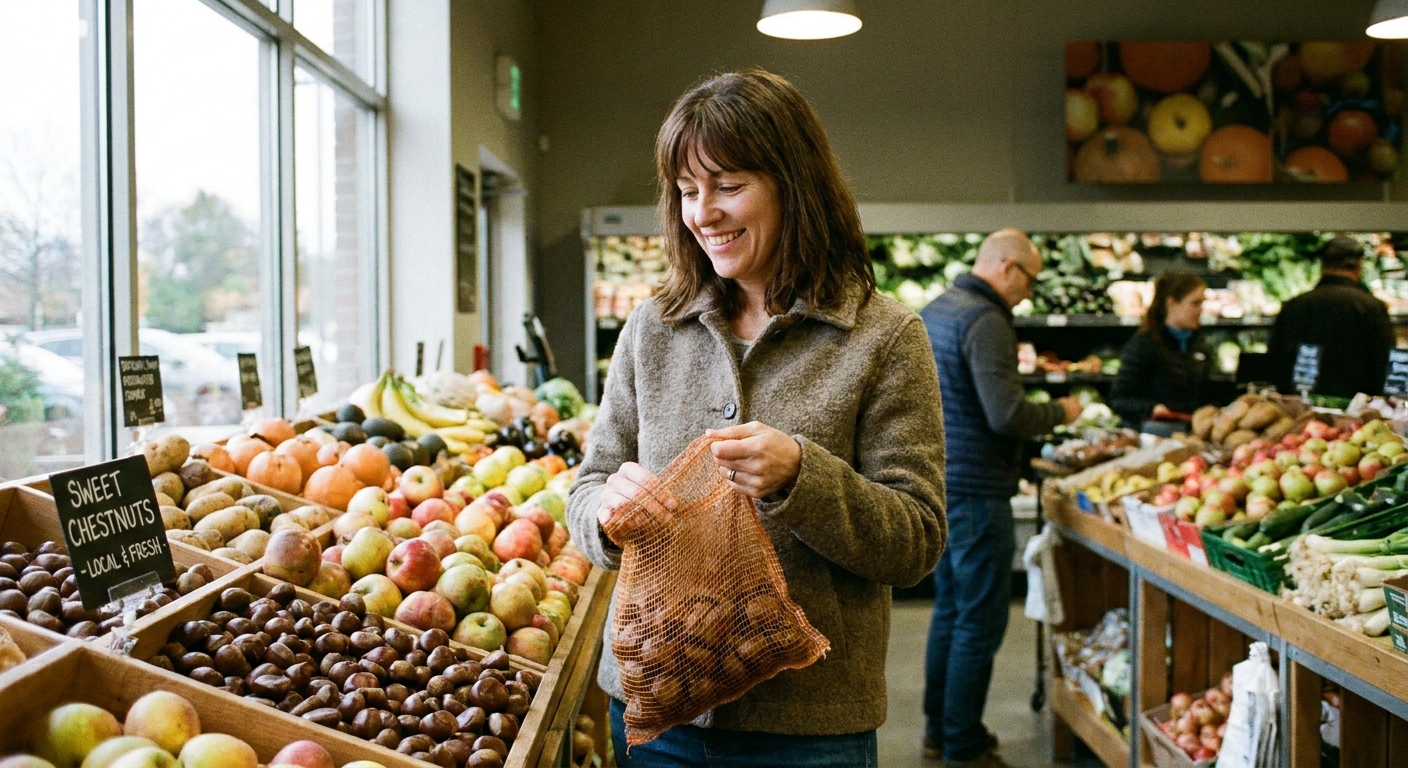
Fresh sweet chestnuts are a cool-weather treat. In most U.S. grocery stores, they typically show up in the fall and stick around through the winter holidays. Some stores also stock imported chestnuts, so you might see them a little earlier or later, but out-of-season nuts are more likely to have been sitting longer, which is when you get more dried-out duds.
- Best window: late fall through December, often with some availability into January depending on your region and sourcing.
- Where to look: the produce section near other holiday items, sometimes in mesh bags or bulk bins.
If you are planning a chestnut recipe for a specific day, try to buy them as close to cooking day as you can. They lose moisture gradually in storage.
The quick pick-up test: choose chestnuts that feel heavy
This is the fastest test and the one I use most. Pick up a few chestnuts of similar size and compare.
- Choose: chestnuts that feel heavy for their size.
- Skip: chestnuts that feel light. That usually means they have dried out inside.
Think of it like choosing citrus. Heavier usually equals juicier, and for chestnuts, juicier equals tender and sweet once cooked.
What a good shell looks like
You want a shell that looks like it is doing its job: sealing moisture in and protecting the nut.
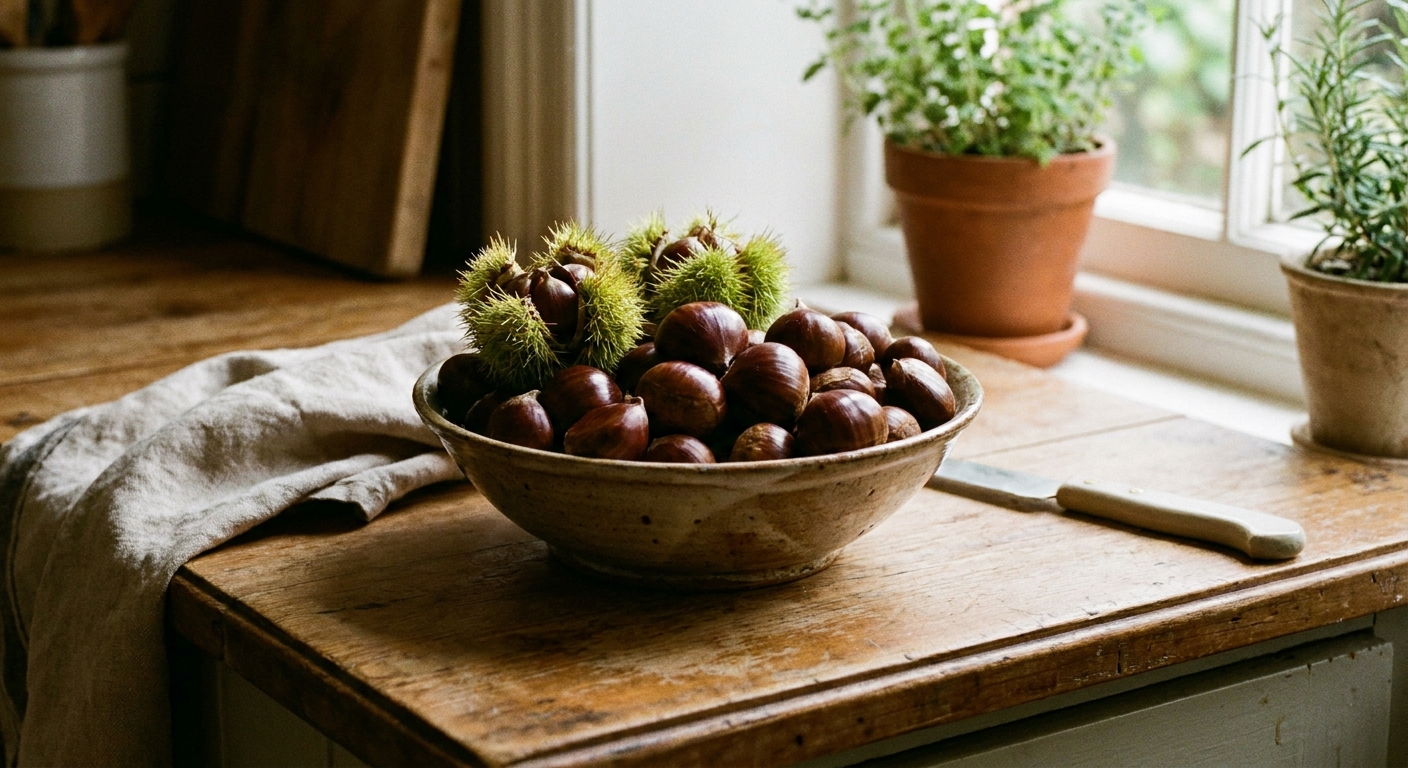
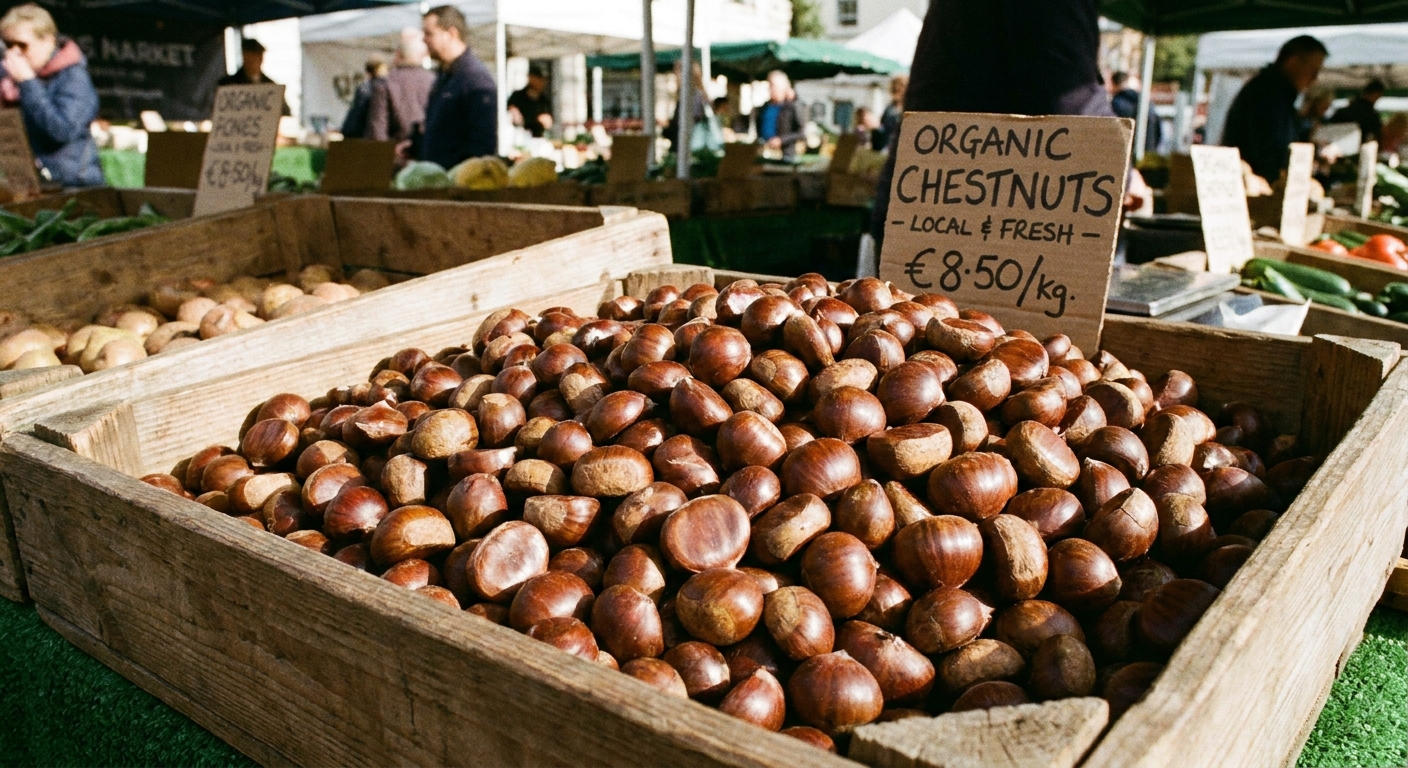
- Smooth, tight shell: Look for shells that feel snug and intact.
- Natural sheen: Many good chestnuts have a gentle shine, but some varieties are more matte. I treat shine as a bonus, not a requirement.
- Firm and hard: It should not feel soft or spongy anywhere.
- Minimal wrinkling: A wrinkly shell can be a sign the nut has started to dry out.
What to avoid: holes, mold, and rattling
Chestnuts can look totally fine at first glance, so I like to do a quick inspect-and-listen routine before they go in my cart.
1) Tiny holes in the shell
Small pinholes can indicate insect damage. Even one hole is enough for me to put it back.
- Skip: chestnuts with pinholes, cracks that look deep, or any signs something burrowed in.
2) Mold at the tip
Check the lighter-colored tip area. If you see fuzzy spots, dark staining that looks wet, or a musty smell, choose a different one.
- Skip: anything with visible mold, dampness, or sticky residue.
3) Nuts that rattle when you shake them
This is the sneaky one because it is easy to miss until you actually pick one up. Hold a chestnut close to your ear and give it a little shake.
- Skip: any chestnut that rattles. That usually means the nut has shrunk away from the shell as it dried out.
- Choose: chestnuts that feel solid and quiet.
Choose the right package (and how to check bagged chestnuts)
Bagged chestnuts are convenient, but you lose the ability to inspect every single nut. If you are buying a bag, here is how to improve your odds:
- Look for condensation: A little moisture is not always a dealbreaker, but you do not want a wet, foggy bag. Too much moisture can encourage mold.
- Scan for moldy tips: Rotate the bag and look closely at what you can see.
- Check for lots of light ones: Gently lift and shift the bag. If it feels like it is full of “empty” shells, grab a different bag.
- Smell if possible: If the bag is open or vented, a sour or musty odor is a no.
If you are buying bulk, build yourself a good pile as you go. It takes an extra minute, but it saves you from disappointment later.
The simple water test for dried-out chestnuts
If you are not sure about a batch, you can do an easy water test at home. This does not tell you everything, but it is helpful for catching chestnuts that have dried out too much.
How to do it
- Fill a bowl with cool water.
- Add your chestnuts and let them sit for 5 to 10 minutes.
- See what floats.
How to interpret it
- Sinkers: Generally a better sign. They tend to be denser and fresher.
- Floaters: A strong warning sign. They are often dried out or damaged inside, but it is not a guarantee. A fresh chestnut can occasionally float because of an air pocket.
Important: After any water test, drain them well and pat dry. You do not want extra surface moisture hanging around.
How many chestnuts to buy
Because a few will inevitably be duds, I recommend buying a little more than you think you need.
- For snacking or serving whole: plan on extra for discards and stubborn shells.
- For chopped chestnuts in stuffing or soup: you can be slightly less generous, but still expect to toss a few.
If you are cooking for guests, I like to have a buffer so I am not counting on every single nut being perfect.
Once you get home: store them well
Fresh chestnuts are happiest when they stay cool and do not dry out. Fridge humidity varies a lot, so I aim for storage that limits dehydration without trapping puddles of moisture.
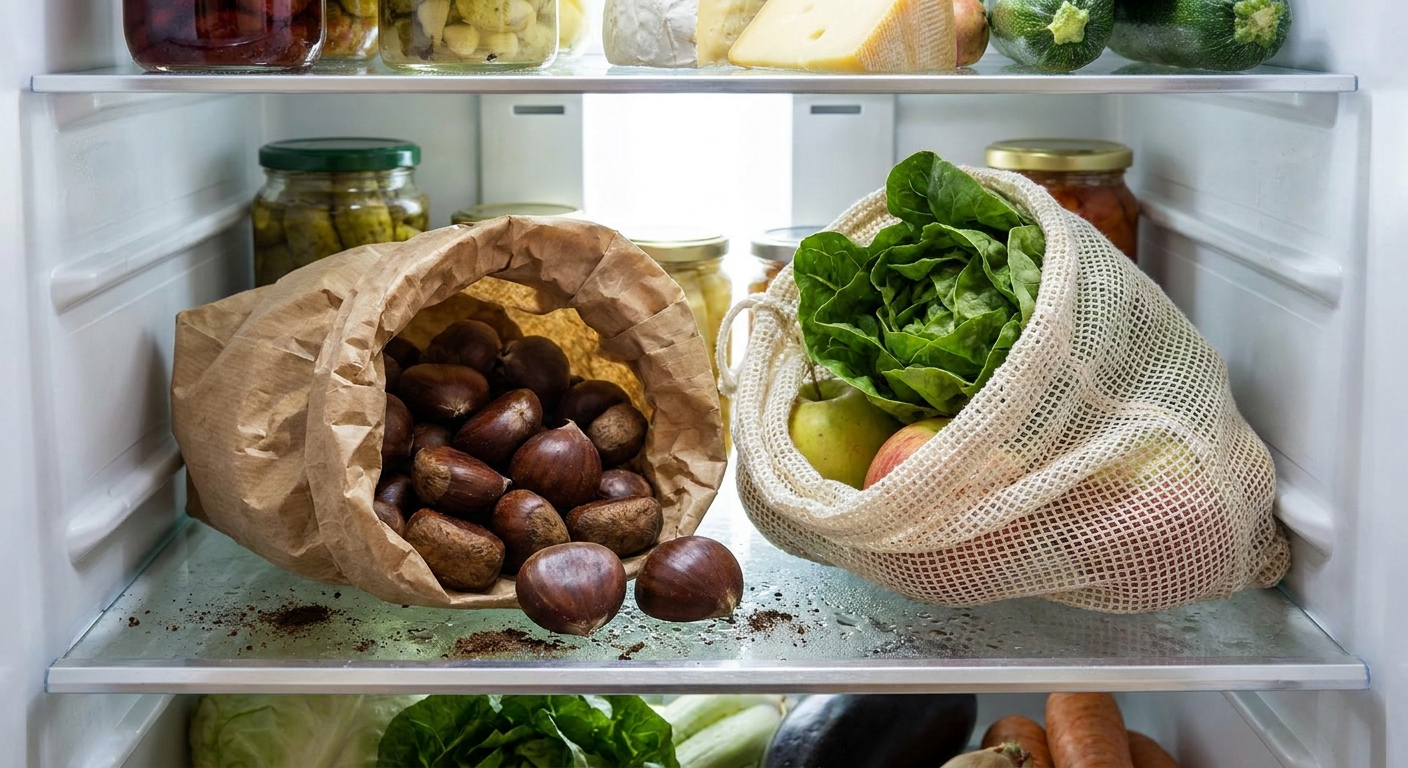
- Best storage: in the refrigerator, in a loosely closed produce bag or container. If you tend to get condensation, tuck in a paper towel and swap it if it gets damp.
- Use sooner rather than later: they are at their best within about a week, though they can sometimes last longer when very fresh.
If you want to cook them right away, you are already ahead of the game.
Quick safety note
Buy chestnuts from a reputable grocery store or market. If you are foraging, make sure you can positively identify edible sweet chestnuts, not horse chestnuts. If you are curious about the difference, see Horse Chestnuts vs Sweet Chestnuts.
What to look for after opening
Even with careful shopping, you might hit a dud. Once you crack one open, I toss it if the flesh is gray, blackened, or smells sour or musty. Good chestnuts should smell mild and nutty, and the flesh should look creamy and firm.
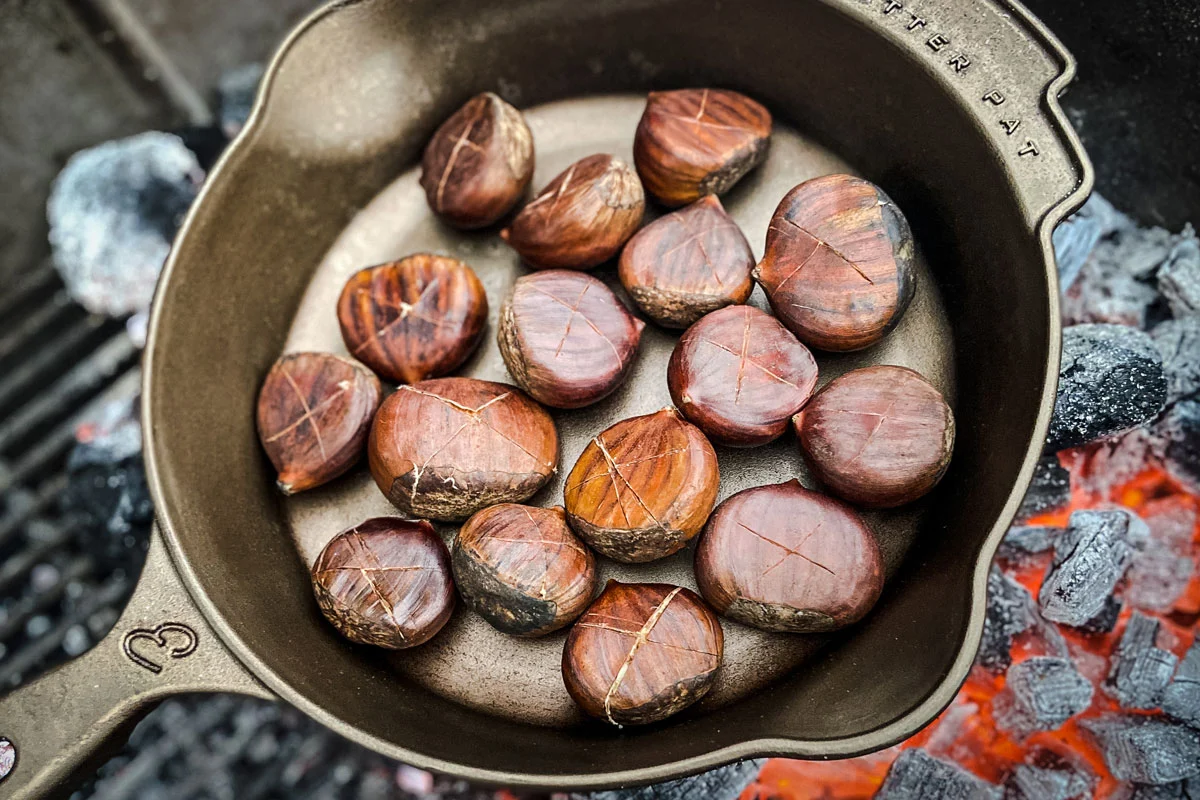
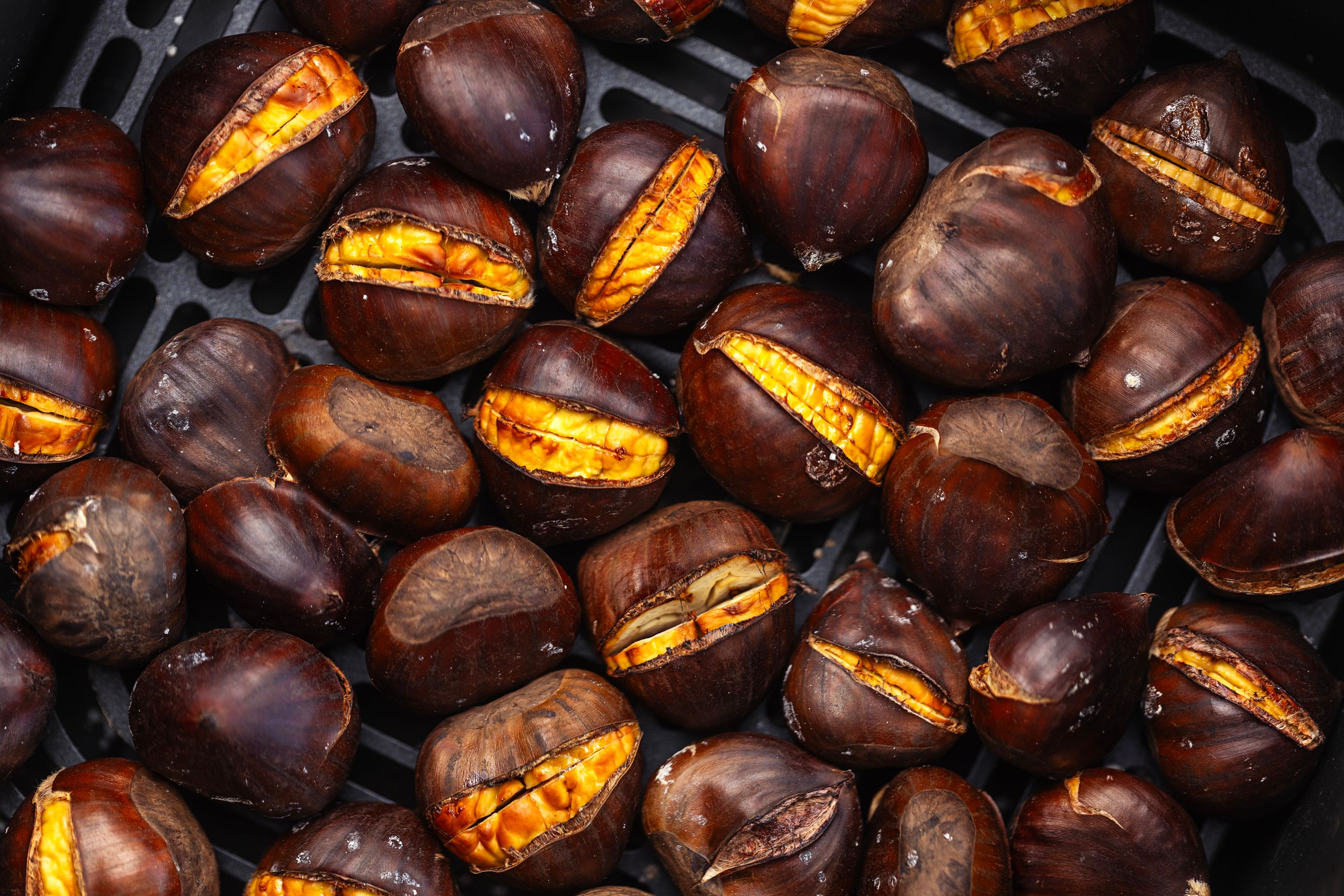
When you are ready for the next step, head over to How to Roast Chestnuts. If you are using an air fryer, you might also like Air Fryer Chestnuts.