Roast chestnuts the easy way with oven or skillet directions, safe scoring tips, and the steam-and-peel trick for shells that actually come off. Includes sto...
Delishing
Horse Chestnuts vs Sweet Chestnuts

Maya Brooks
Maya Brooks is a dedicated home cook and the lead recipe developer at Delishing, where she shares practical, foolproof meals for everyday life. With over a decade of hands-on kitchen experience, she specializes in creating approachable dishes that fit a variety of dietary needs and modern cooking methods. Maya is passionate about helping busy people get delicious, stress-free food on the table without needing formal culinary training.
I get why this question comes up every fall. You spot a glossy brown “chestnut” on the sidewalk or in your yard and think, Perfect, I will roast these. Here’s the important part: not every chestnut-looking nut is edible. Horse chestnuts are poisonous and unsafe to eat, and they are commonly planted as shade trees. Sweet chestnuts are the edible kind sold as food.
If you remember nothing else, remember this: Cook and eat only sweet chestnuts sold as food. If what you picked up is from a yard tree and you are not 100 percent sure, throw it out.
The quick safety rule
- Edible: Sweet chestnuts (Castanea species) sold in the produce section, farmers markets, or packaged as food.
- Not edible: Horse chestnuts (Aesculus species), also known as conkers, and closely related to buckeyes. Do not cook or eat them.
When I say “food-grade” here, I simply mean chestnuts sourced and sold for eating, not picked up under an ornamental tree where the species (and safety) is unknown.
Delishing recipes that use chestnuts, including roasting, assume you are starting with food-grade sweet chestnuts. If you are looking for cooking guidance for the edible kind, head here: How To Roast Chestnuts.
How to tell them apart
When you are holding a “mystery chestnut,” three clues are especially helpful: the husk, the stem scar, and the overall shape. None of these is foolproof on its own, and lookalikes exist, so treat identification as a safety check, not a fun gamble.
1) The husk (the outer shell on the ground)
This is the easiest giveaway when you can find it nearby.
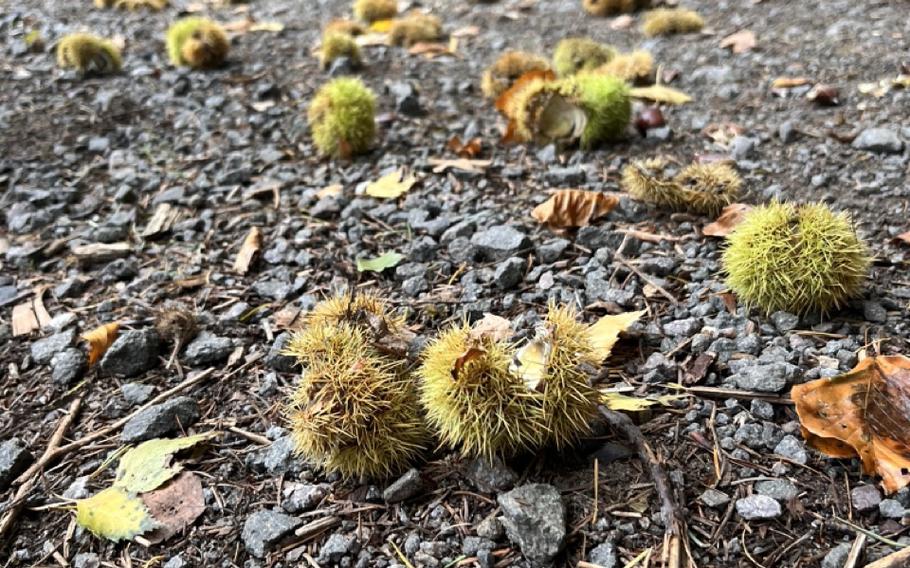
- Sweet chestnut husk: A round burr covered in lots of long, thin, needle-like spines. It looks truly prickly and will absolutely poke through thin gloves. When it opens, it often reveals 2 to 3 (sometimes more) nuts inside.
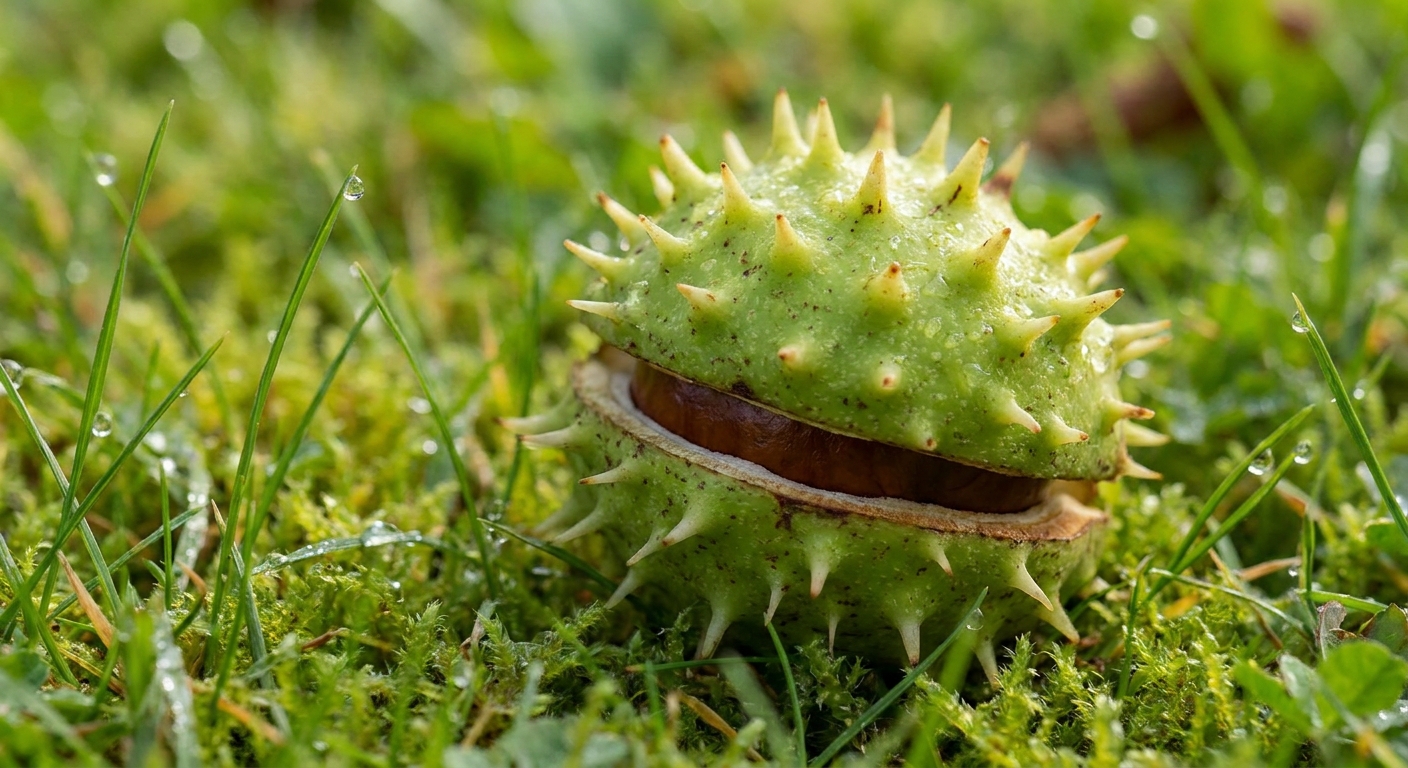
- Horse chestnut husk: A green, leathery husk with fewer, thicker bumps or short spikes. It is spiky, but not “porcupine-level” spiky. It usually contains one large nut.
2) The stem scar (the pale patch on the nut)
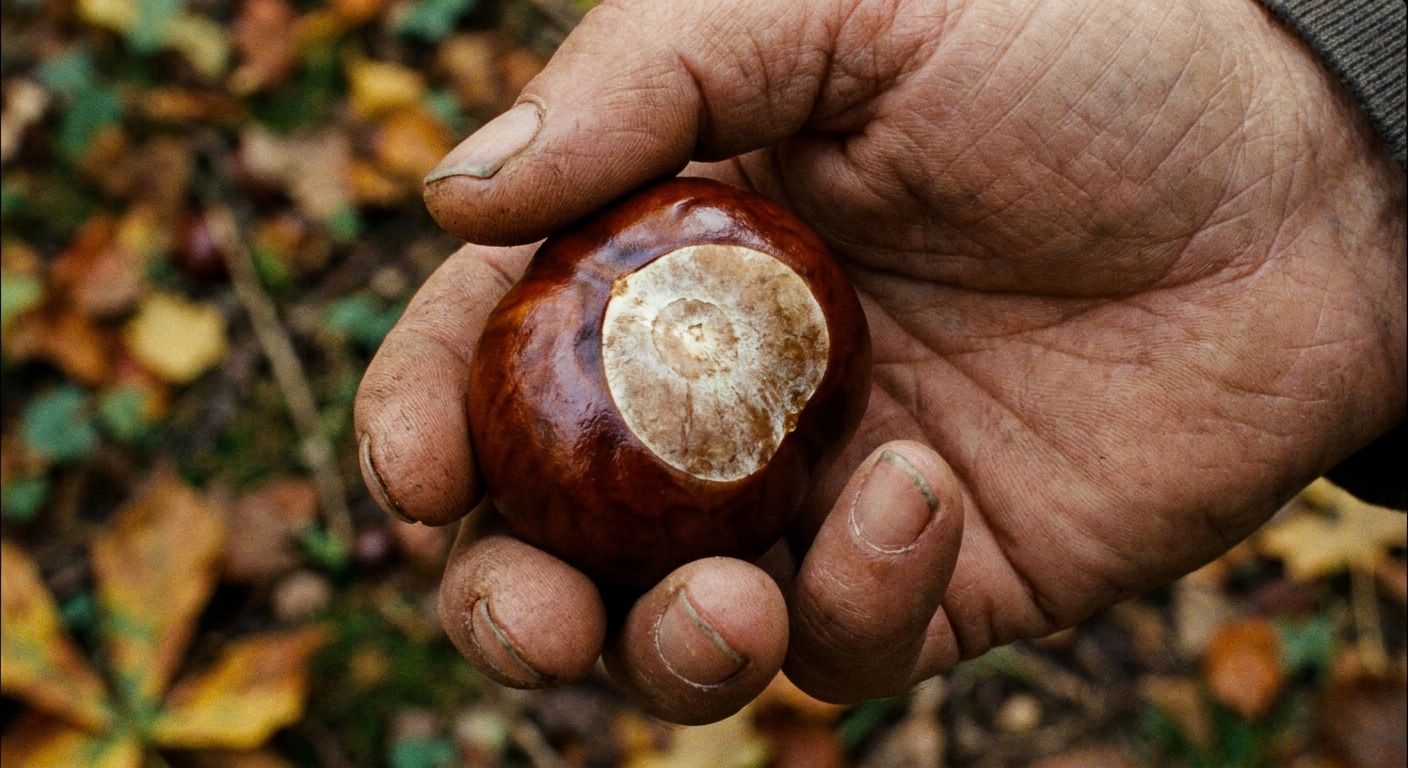
Flip the nut over and look at the light-colored spot where it was attached inside the husk. This is a classic identification point, but it can vary, so use it alongside other clues.
- Sweet chestnut: Often has a smaller, lighter tan patch, and the nut frequently comes to a slight point or tufted tip on the opposite end.
- Horse chestnut: Often has a large, pale circular scar that can look like a big “eye” on one side. The nut is commonly very round and smooth, like a polished wooden bead.
If you only have the nut and not the husk, also consider the overall shape: sweet chestnuts are often a bit flatter on one side with a point, while horse chestnuts are more spherical and very glossy. If you cannot confidently identify it as a food chestnut, do not eat it.
3) The season (and where you found it)
Season is a helpful supporting clue, not the only clue, because regions vary.
- Sweet chestnuts: Generally drop in fall, and you are more likely to see them at markets starting in autumn and into winter.
- Horse chestnuts: Also drop in fall, often in large quantities under ornamental street or yard trees. That is why they fool so many people. They show up right when everyone is thinking about roasted chestnuts.
If you found a pile of shiny nuts under a common landscaping tree in a neighborhood, assume horse chestnut until proven otherwise.
What sweet chestnuts look like as food
If you are used to seeing “chestnuts” only in holiday photos, here are a few normal clues you are holding the edible kind.
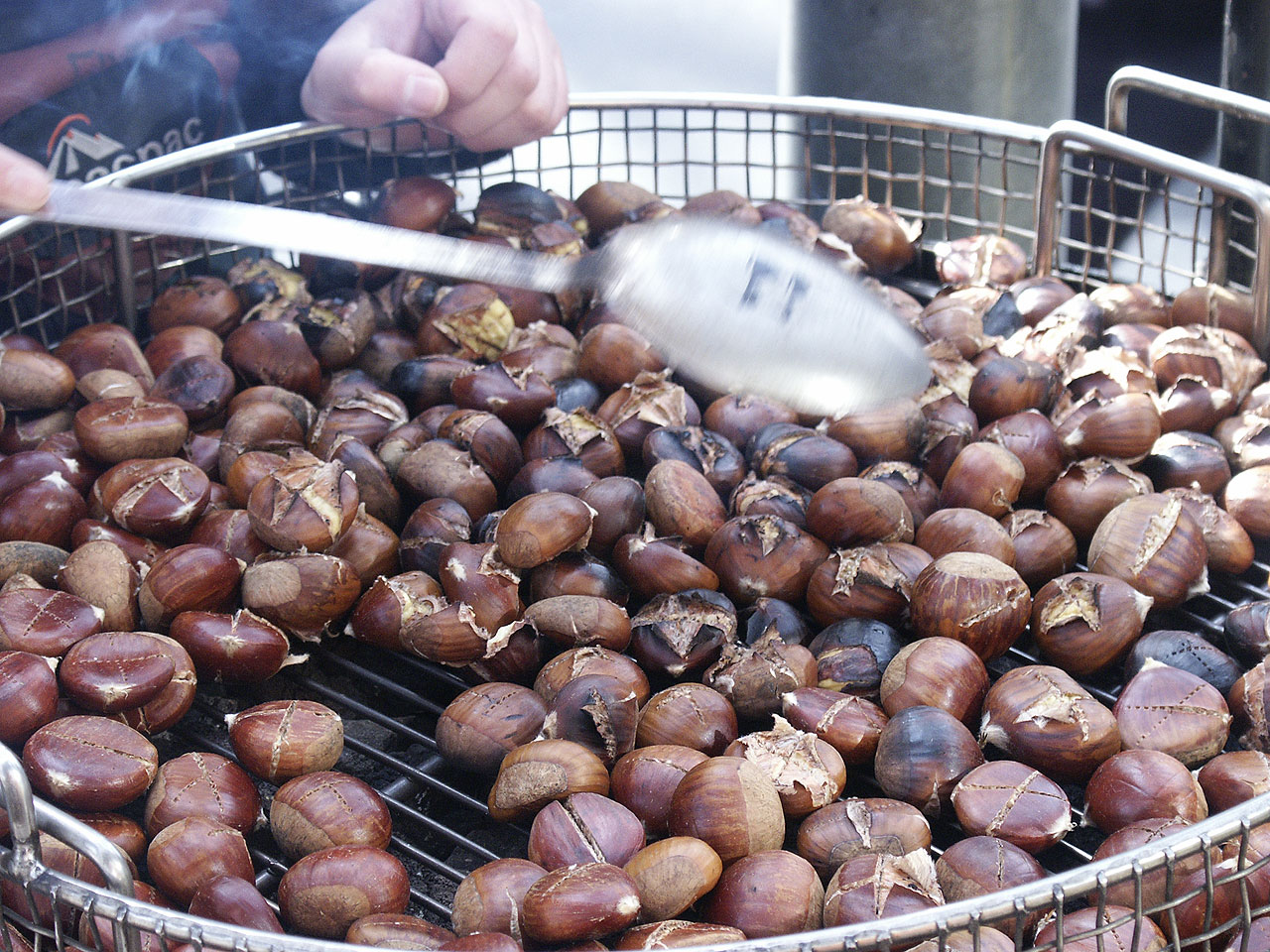
- They are sold in mesh bags or bins labeled chestnuts in the produce section.
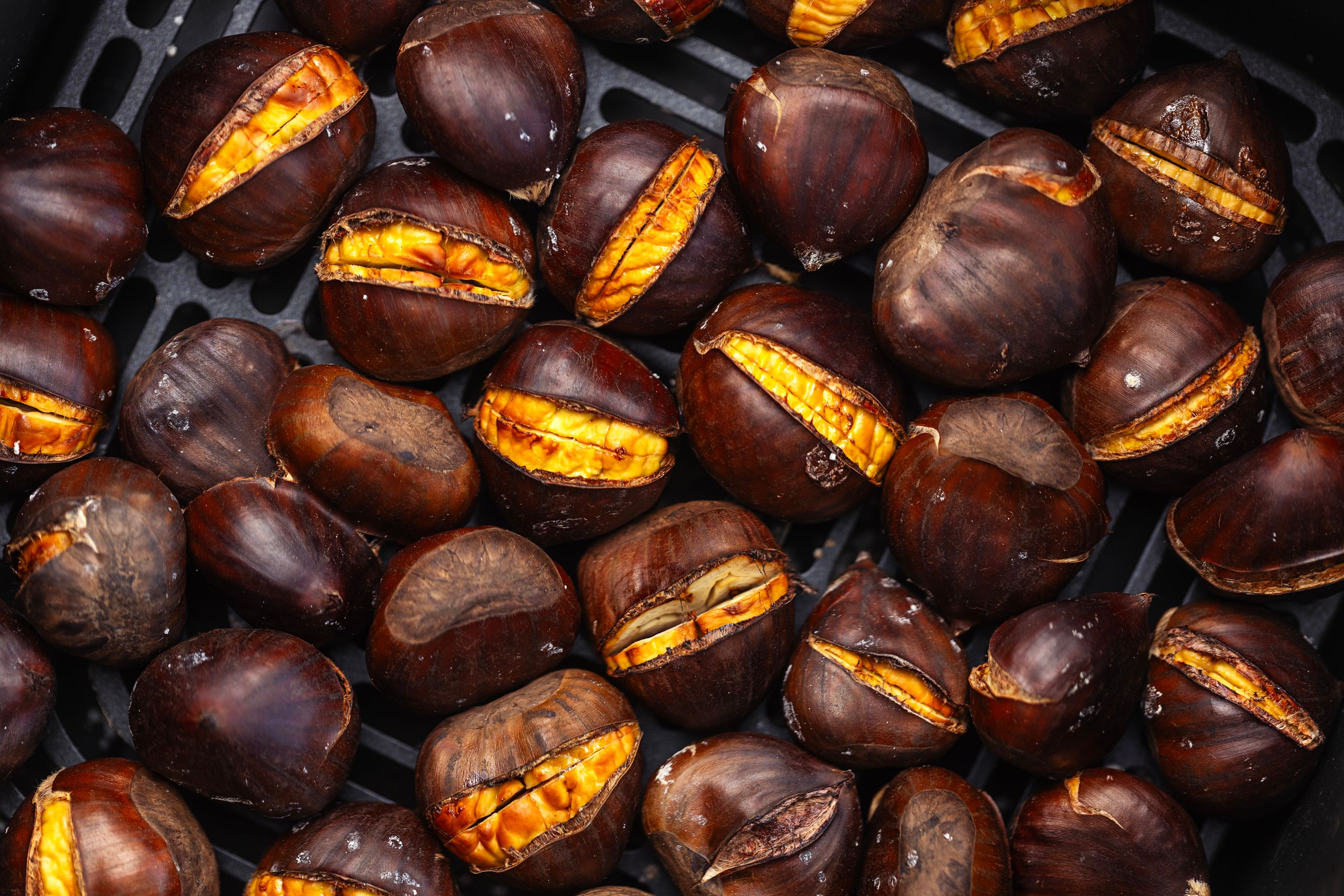
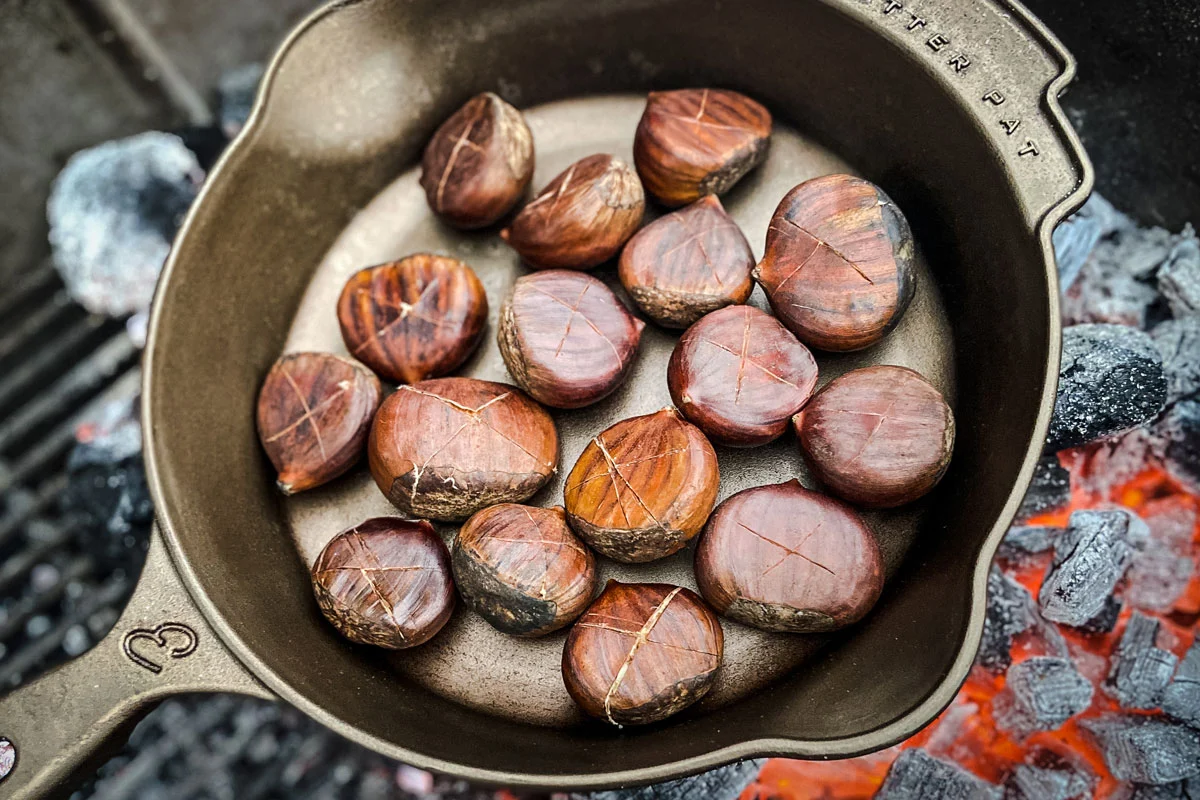
- The shells are medium brown and can look slightly matte, not always super glossy.
- Many have a slightly flattened side and a little pointed tip.
If you want a different type of “chestnut” entirely, the crunchy sliced kind used in stir-fries is a separate ingredient. Water chestnuts are an aquatic tuber, not a tree nut. This article covers that difference: Chestnuts vs. Water Chestnuts.
If you think you picked up horse chestnuts
My kitchen rule is boring but safe: when in doubt, throw it out.
- Do not cook or eat horse chestnuts.
- Keep them away from kids and pets who might treat them like a snack.
- Dispose of them in the trash or yard waste according to your local rules.
If a person or pet might have eaten one, do not “wait and see.” Call your local poison control center (or your vet for pets) for advice based on the amount and symptoms. Common reactions include stomach upset like nausea, vomiting, and diarrhea, and severity can vary.
FAQ
Are horse chestnuts and sweet chestnuts the same thing?
No. They come from different genera. Sweet chestnuts (Castanea) are edible. Horse chestnuts (Aesculus) are not.
Can cooking make horse chestnuts safe?
There is no reliable home method to make horse chestnuts safe to eat. Do not attempt to “fix” them by roasting, boiling, soaking, or any other method. Only eat sweet chestnuts sold as food.
What if I only have the nut and not the husk?
Use the stem scar and overall shape clues, but do not rely on one detail alone. If you cannot confidently identify it as a food chestnut, discard it and buy sweet chestnuts from a grocery store instead.
Are “conkers” edible?
Conkers are typically horse chestnuts. They are used for crafts and games, not for eating.