Roast chestnuts the easy way with oven or skillet directions, safe scoring tips, and the steam-and-peel trick for shells that actually come off. Includes sto...
Delishing
Chestnuts vs. Water Chestnuts

Maya Brooks
Maya Brooks is a dedicated home cook and the lead recipe developer at Delishing, where she shares practical, foolproof meals for everyday life. With over a decade of hands-on kitchen experience, she specializes in creating approachable dishes that fit a variety of dietary needs and modern cooking methods. Maya is passionate about helping busy people get delicious, stress-free food on the table without needing formal culinary training.
If you have ever stood in the grocery aisle holding a can of water chestnuts and wondered if it is the same thing as those shiny brown chestnuts people roast in winter, you are not alone. They share a name, but they are completely different ingredients with different seasons, flavors, and best uses.
At a glance
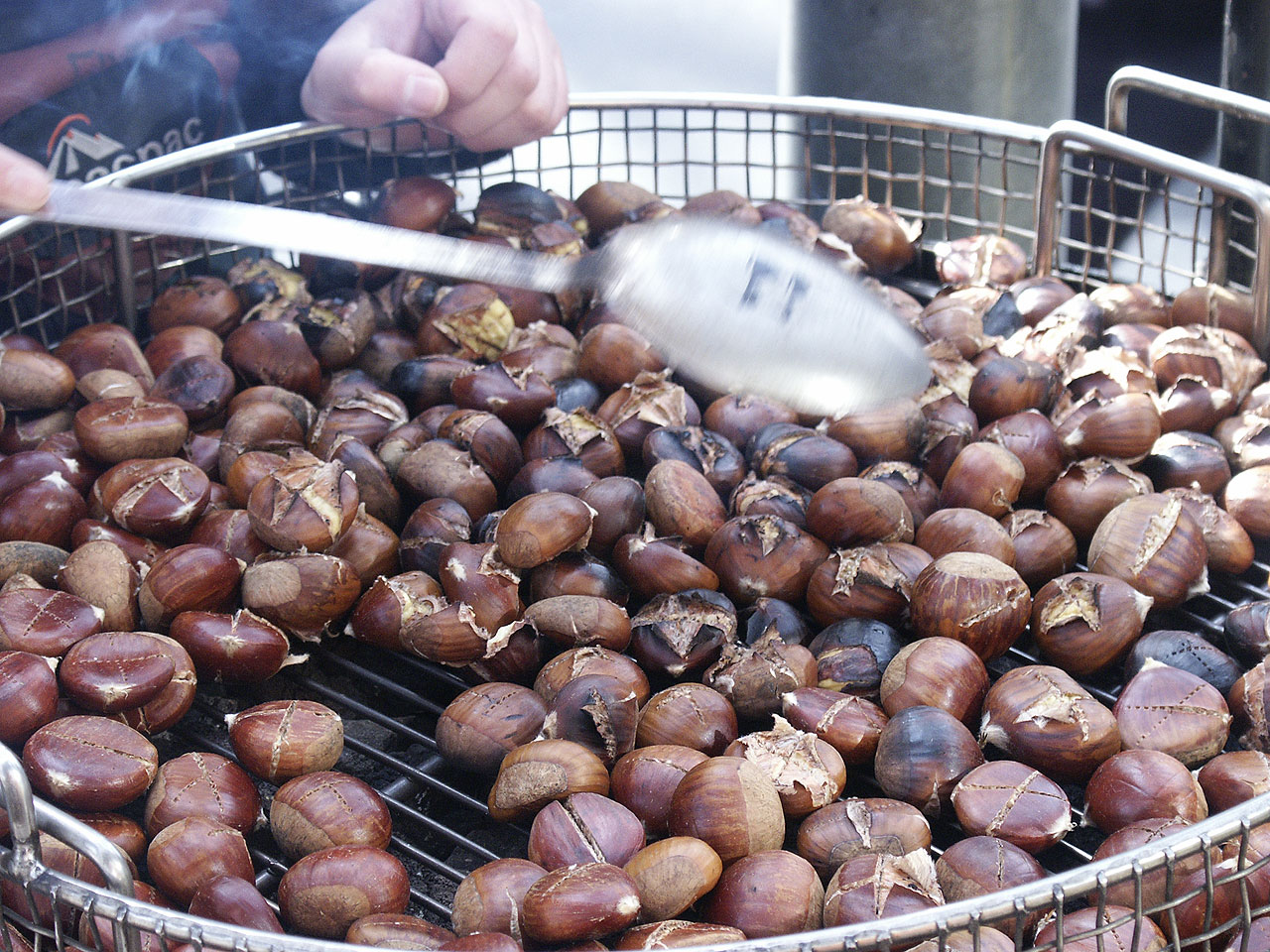
- Chestnuts are a sweet, starchy tree nut that come in a hard shell. They are the ones associated with holiday roasting.
- Water chestnuts are not nuts at all. They are an aquatic vegetable, specifically the crunchy corm of a water plant. In U.S. supermarkets, they are most commonly sold peeled and canned.
In short, no, you cannot swap them 1:1 and expect the same results. Think of chestnuts as closer to a mild sweet potato in how they eat, and water chestnuts as a crisp add-in like jicama or bamboo shoots.
What chestnuts are
Chestnuts come from chestnut trees. Unlike most nuts, they are low in fat and high in starch, which is why their texture is more tender and creamy than crunchy once cooked.
Flavor and texture
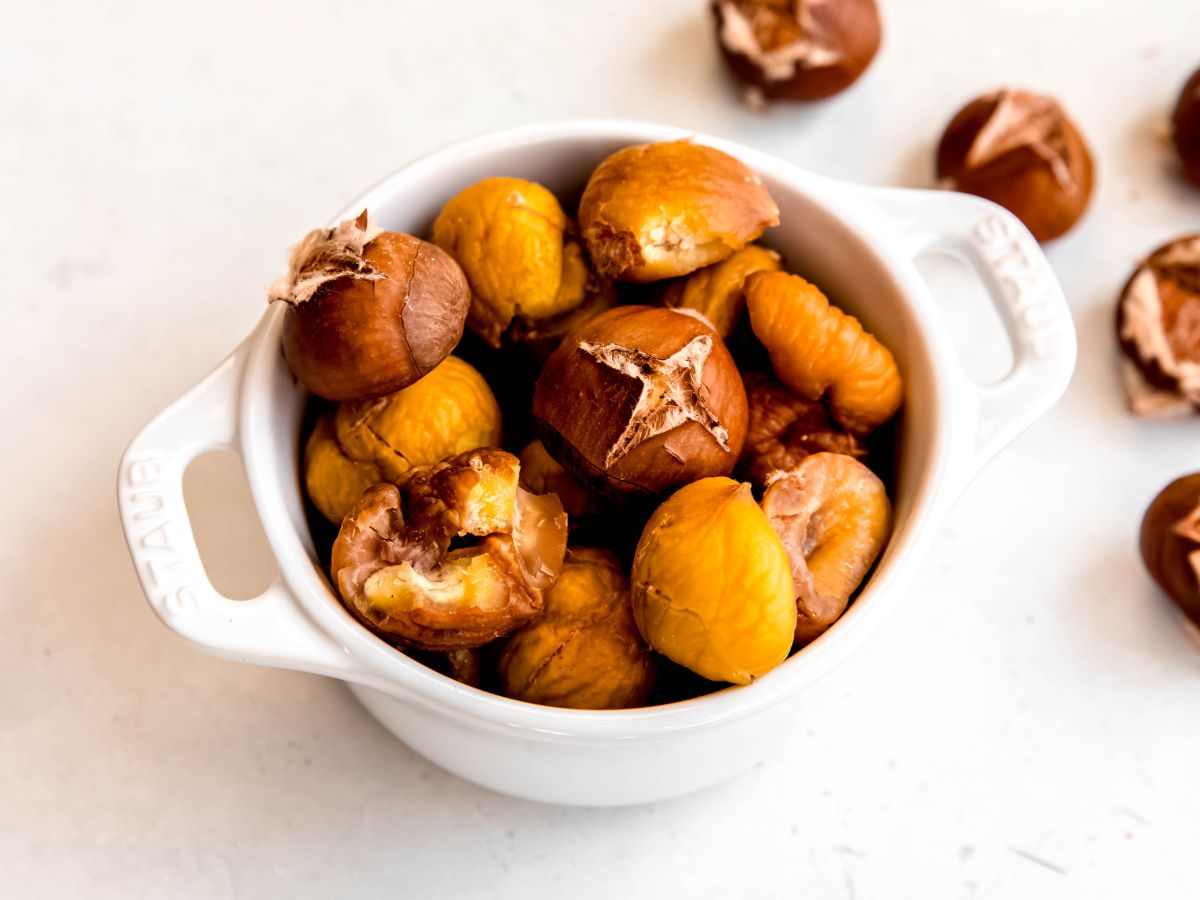
- Flavor: sweet, nutty, and warm, with a gentle earthy note.
- Texture when cooked: soft and crumbly, almost like a cross between a baked potato and a roasted nut.
Season and where you see them
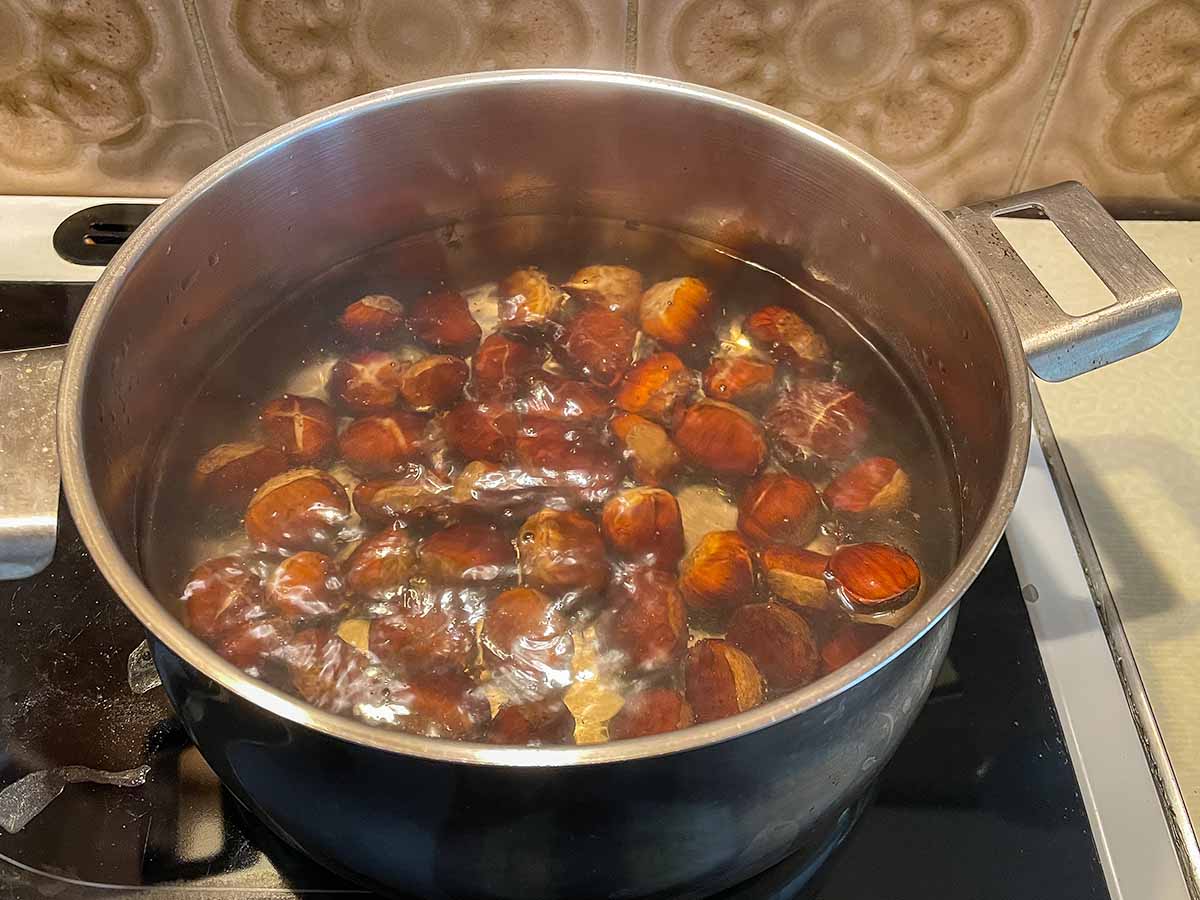
Fresh chestnuts are a classic late fall and winter ingredient. In many stores they show up in mesh bags near other seasonal produce and holiday items. You can also find them vacuum-packed (already cooked and peeled), which is a lifesaver when you want the flavor without the prep.
One quick safety note: chestnuts are typically cooked before eating. Raw chestnuts are very hard and not pleasant to snack on.
What water chestnuts are
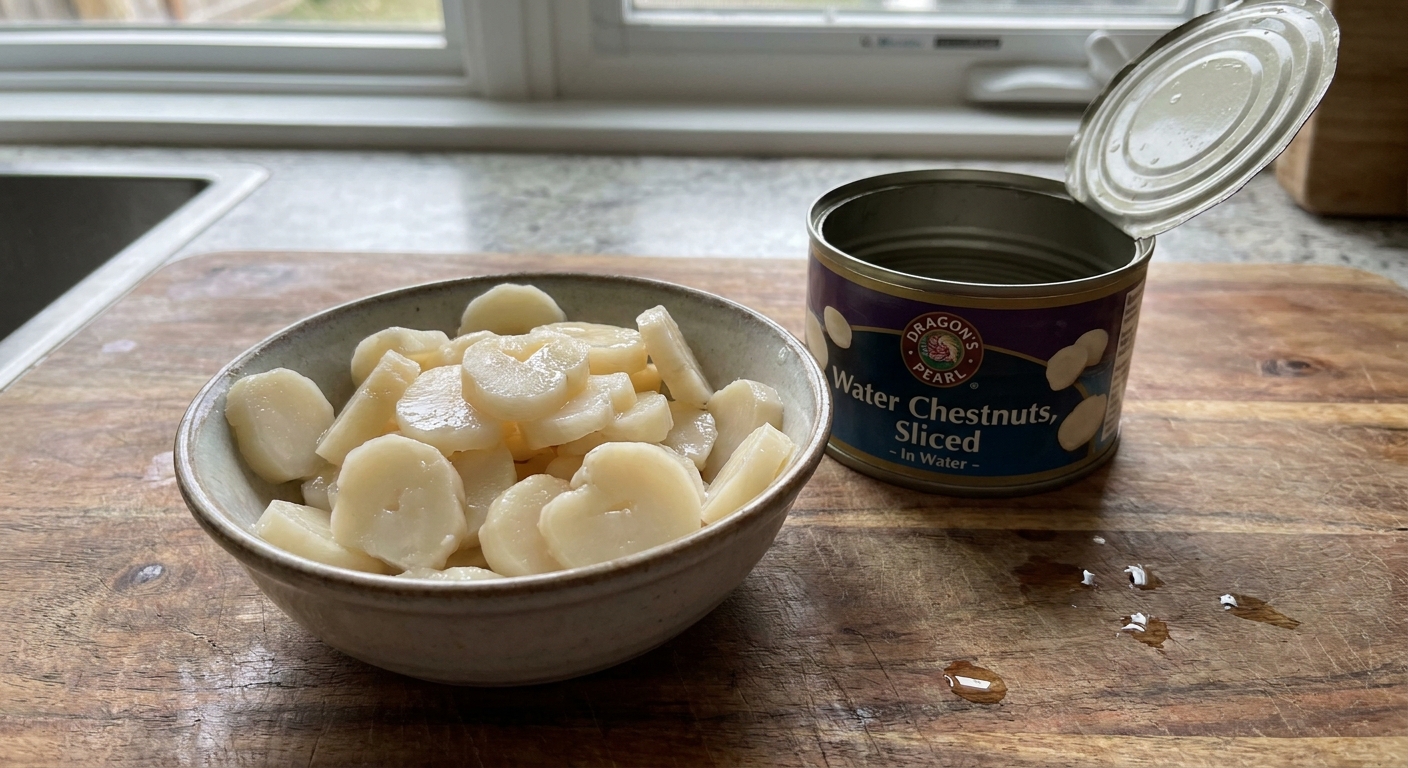
Water chestnuts come from marshy, flooded fields. The part we eat is the corm, which is a swollen underground stem. In the U.S., you will most often find them sliced or whole in cans.
Flavor and texture
- Flavor: very mild, slightly sweet, clean, and fresh tasting.
- Texture: crisp and snappy, even after cooking, which is their standout feature.
Season and where you see them
Because they are commonly sold canned, water chestnuts are a year-round pantry ingredient. They are a staple in many stir-fries, lettuce wraps, dumpling fillings, and party dips because they add crunch without taking over the flavor of the dish.
Scoring and roasting
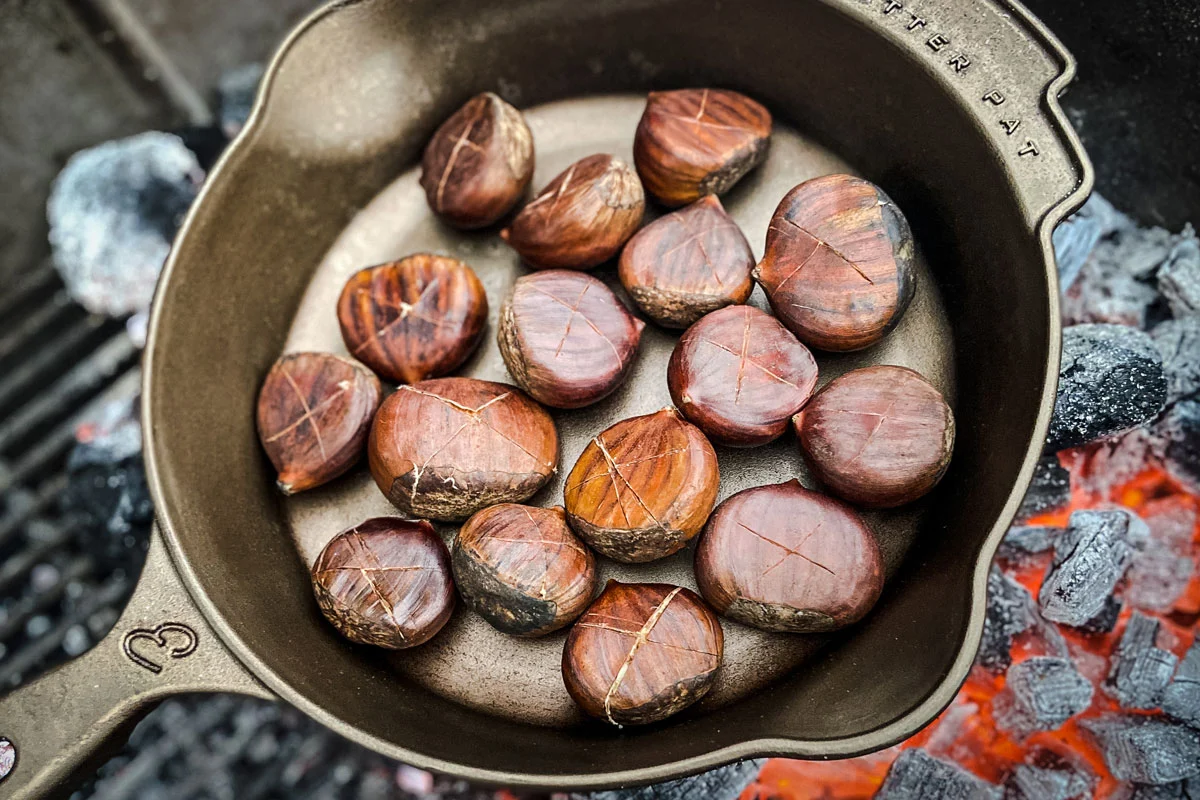
Chestnuts are the ones you score. Fresh chestnuts have a hard outer shell and a thin inner skin. Scoring helps steam escape and makes them easier to peel after cooking. Water chestnuts are typically sold already peeled (especially canned), so there is no scoring step.
If you are looking specifically for the holiday snack version, you want fresh chestnuts in the shell. On Delishing, our related guide is here: /how-to-roast-chestnuts/.
Best uses for chestnuts
Chestnuts shine when you want gentle sweetness and a tender bite. I reach for them when a dish needs something cozy and a little special, but not fussy.
- Holiday stuffing and dressing: chestnuts plus herbs plus bread is a classic combo.
- Soups: blended chestnuts make soups creamy without a lot of dairy.
- Pasta and risotto: chopped cooked chestnuts add sweetness and richness.
- Desserts: chestnut puree shows up in cakes, creams, and spreads.
Flavor pairings I love: butter, sage, thyme, rosemary, mushrooms, caramelized onions, apples, pears, and chocolate.
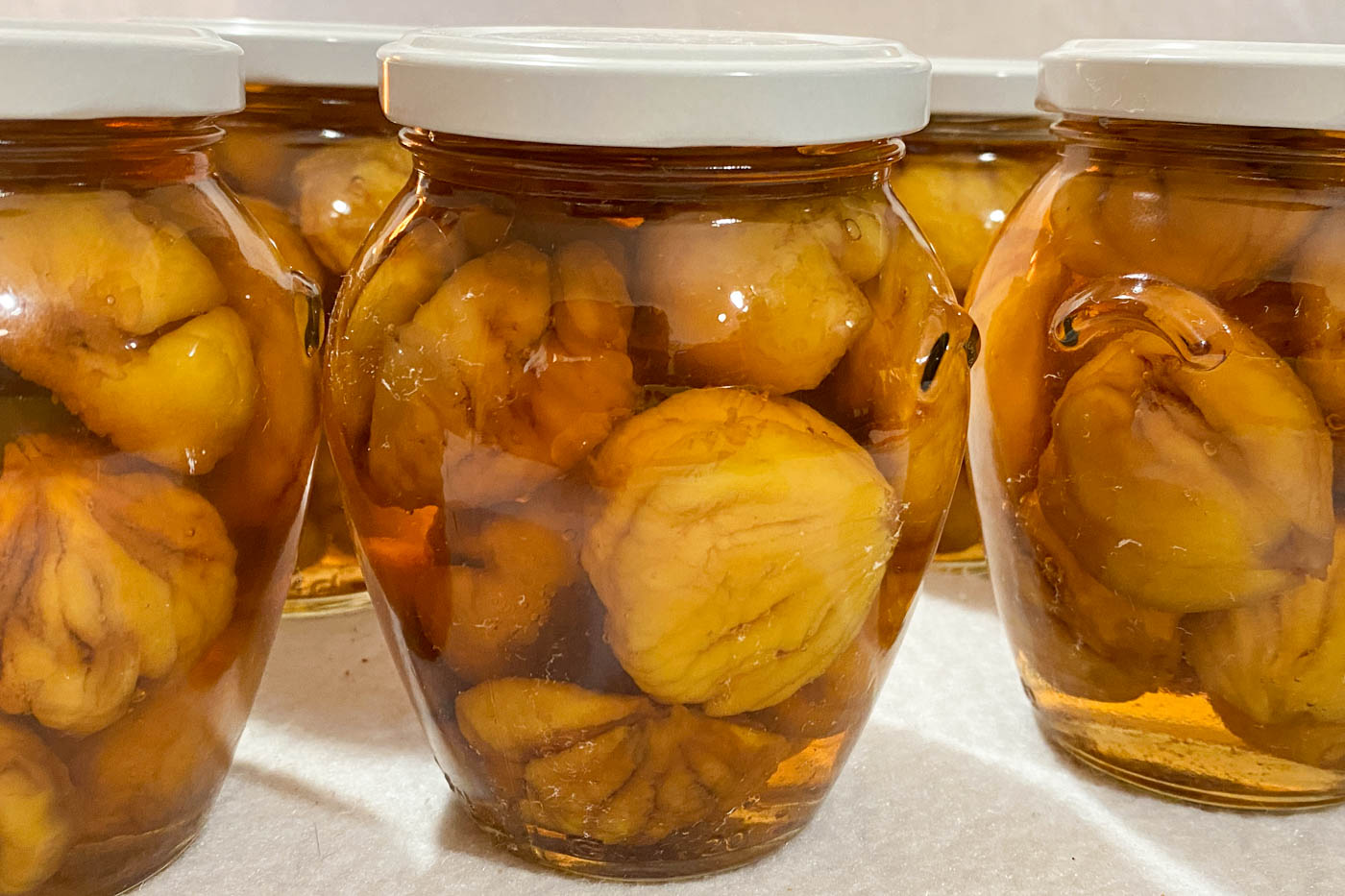
Shopping clarification: vacuum-packed cooked chestnuts are usually unsweetened and ready to chop into savory dishes. Sweetened chestnut spread or chestnut puree is a different product and behaves more like a jam or dessert filling.
Best uses for water chestnuts
Water chestnuts are all about texture. When dinner is feeling a little soft and beige, a handful of chopped water chestnuts can fix it fast.
- Stir-fries: slice or chop and add near the end so they stay crisp.
- Lettuce wraps: they bring crunch to chicken, turkey, tofu, or mushroom fillings.
- Dumplings and potstickers: finely chopped water chestnuts add snap.
- Dips and casseroles: classic in some spinach dips and retro party bakes for texture contrast.
Flavor pairings that work well: soy sauce, ginger, garlic, scallions, sesame oil, chili crisp, hoisin, and peanut sauce.
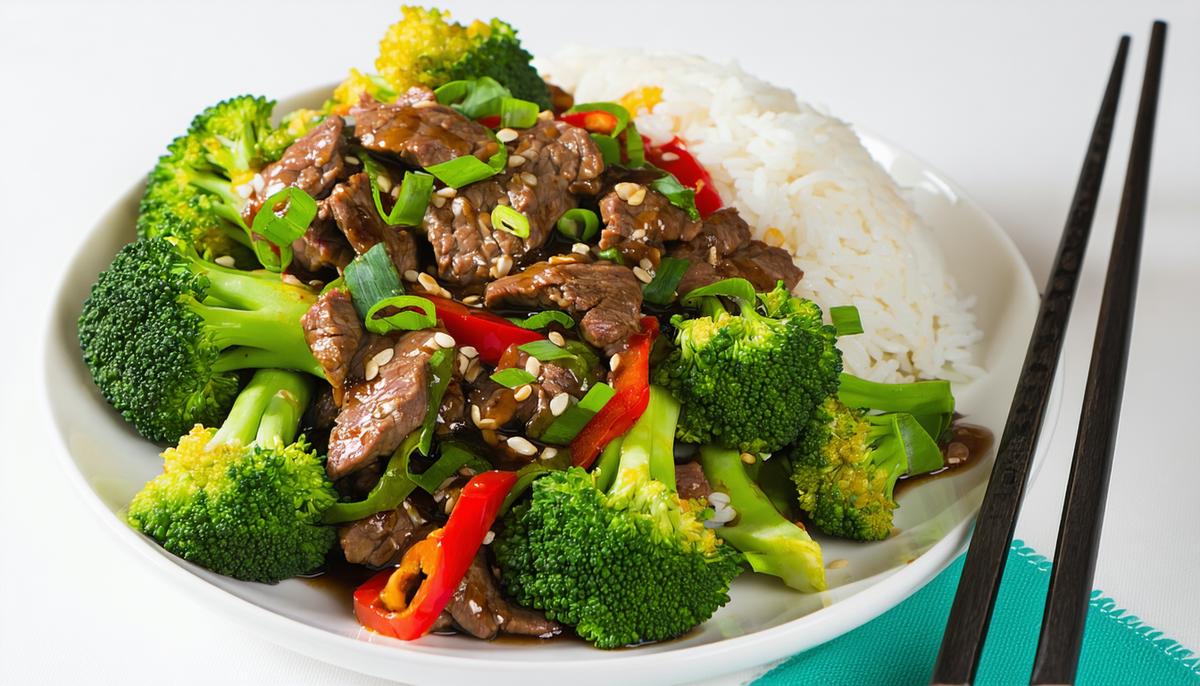
If you need a weeknight-friendly stir-fry idea, this is a good jumping-off point: /beef-broccoli-stir-fry-recipe/.
Can you substitute?
Usually, no. They play totally different roles.
- If a recipe calls for chestnuts: it likely wants sweetness and a tender, starchy bite. Water chestnuts are much milder and stay crunchy, so the flavor and texture will not match.
- If a recipe calls for water chestnuts: it likely wants crunch. Chestnuts will turn soft and change the whole texture of the dish.
Better substitutes
- For chestnuts: cooked diced sweet potato, roasted butternut squash, or even chickpeas in savory dishes (not the same flavor, but similar hearty feel). If you need more nutty flavor, try toasted hazelnuts or pecans, but note they are much fattier and crunchier.
- For water chestnuts: jicama, celery, kohlrabi, bamboo shoots, or chopped bell pepper depending on the dish.
Shopping tips
Buying chestnuts
- Look for nuts that feel heavy for their size with glossy, unwrinkled shells.
- Avoid any with visible mold, cracks, or very light weight (they can be dried out).
- If you want convenience, look for cooked and peeled chestnuts in vacuum packs. They are great for chopping into stuffing or soups.
Buying water chestnuts
- In many U.S. grocery stores, they are sold canned. Check for "whole" or "sliced" depending on your recipe.
- After opening, rinse and drain to remove the canning liquid taste.
- For maximum crunch, add them toward the end of cooking.
Storage and prep
Chestnuts
- Fresh: store in the refrigerator if you are not using them right away. They are more perishable than most nuts because of their moisture content.
- Cooked and peeled: keep sealed packages as directed, then refrigerate after opening and use within a few days.
Water chestnuts
- Unopened cans: pantry stable.
- After opening: transfer to a container, cover with water, refrigerate, and use within a few days for best texture.
Quick FAQ
Are chestnuts and water chestnuts related?
No. They share a common name in English, but chestnuts are tree nuts and water chestnuts are aquatic vegetables (corms).
Do water chestnuts taste like nuts?
Not really. They are mild and slightly sweet, but their main appeal is crunch, not nuttiness.
Why are chestnuts so different from other nuts?
Chestnuts are much starchier and lower in fat than most nuts, so they cook up soft and tender rather than oily and crunchy.
Which one is the holiday snack?
Fresh chestnuts in the shell are the classic holiday snack. Water chestnuts are a stir-fry and lettuce wrap ingredient.