Roast chestnuts the easy way with oven or skillet directions, safe scoring tips, and the steam-and-peel trick for shells that actually come off. Includes sto...
Delishing
How to Cook Jarred Chestnuts

Maya Brooks
Maya Brooks is a dedicated home cook and the lead recipe developer at Delishing, where she shares practical, foolproof meals for everyday life. With over a decade of hands-on kitchen experience, she specializes in creating approachable dishes that fit a variety of dietary needs and modern cooking methods. Maya is passionate about helping busy people get delicious, stress-free food on the table without needing formal culinary training.
Jarred or vacuum-packed chestnuts are one of my favorite “panic-to-polished” pantry items. They taste like the holidays, but they do not require the whole score, roast, peel, swear, burn-your-fingertips routine. The key is treating them gently, because many of these products are already cooked. All we are doing here is warming them through and giving them a little flavor boost.
Quick safety check: read the label. Most packs say “cooked,” “steamed,” or “ready to eat.” If yours says “raw” or gives a specific cook time, follow the package instructions.
Choose the right chestnuts
There are two very different products that can look chestnut-ish at a glance.
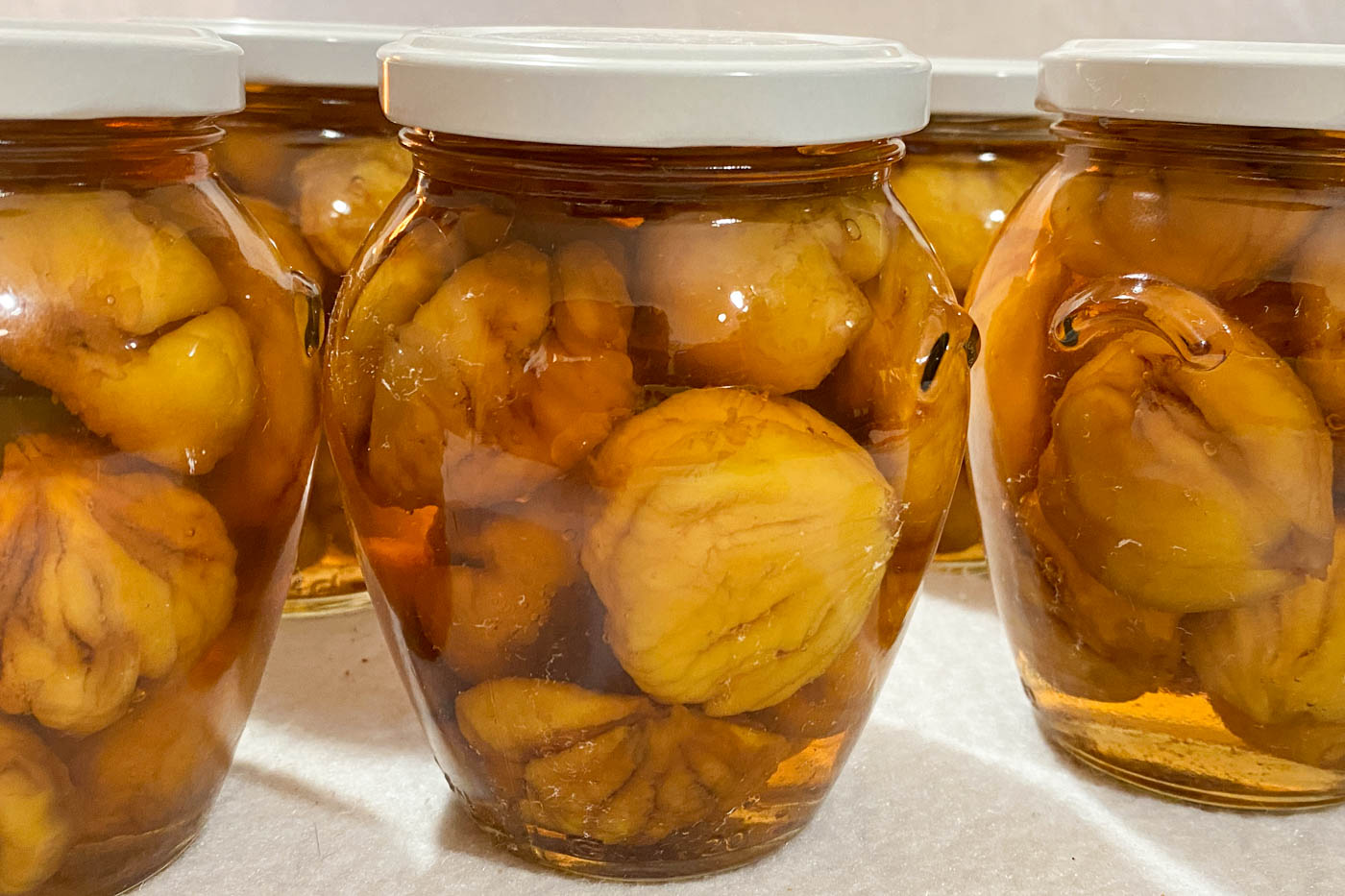
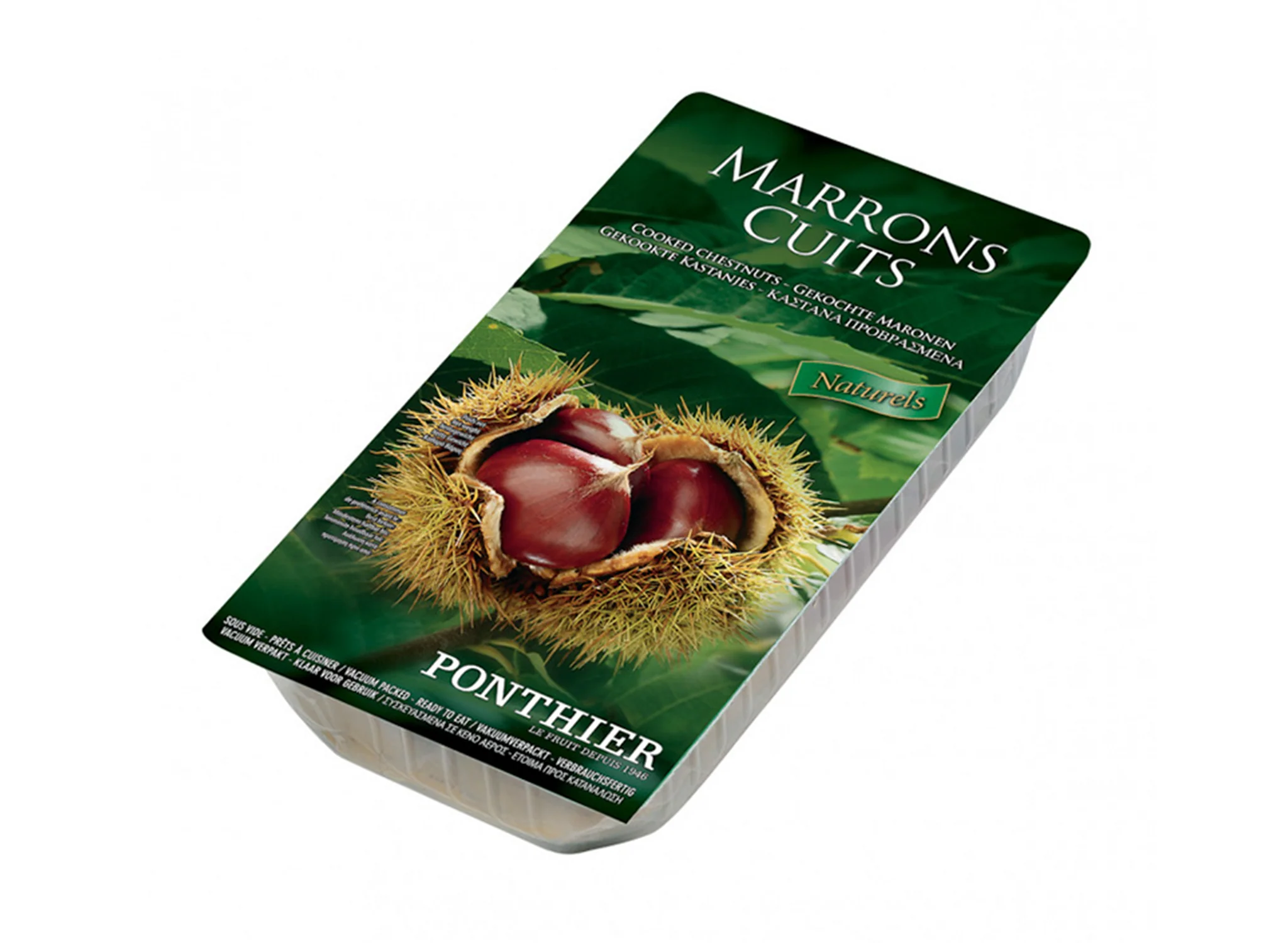
Jarred or vacuum-packed (the kind we are cooking here)
- Usually peeled and sold whole or in pieces
- Often cooked (look for “cooked,” “steamed,” or “ready to eat” on the label)
- Sold in glass jars, vacuum-sealed pouches, or shelf-stable packs
- Color is tan to deep golden brown, with a firm but slightly tender texture
Raw chestnuts in the shell (different method)
- Hard, shiny brown shells and a lighter patch on one side
- Sold loose by the pound or in mesh bags
- Need a different process entirely to cook
If you have raw chestnuts in the shell, use my roasting method here: How to Roast Chestnuts.
Best ways to heat jarred chestnuts
If your chestnuts are labeled cooked or ready-to-eat, think: warm and buttery, not aggressively sautéed. You want them heated through without drying out.
Method 1: Warm in butter (my go-to)
This gives you the most flavor for the least effort.
- Drain chestnuts if they are in a jar with liquid. Pat dry if they seem wet.
- In a skillet over medium-low heat, melt 1 to 2 tablespoons butter.
- Add 8 to 10 ounces jarred or vacuum-packed chestnuts (whole or pieces).
- Cook, stirring gently, for 4 to 6 minutes, until warmed through.
- Season with salt and black pepper. Optional: a tiny pinch of nutmeg or cinnamon for a warm, classic chestnut vibe.
Tip from my notebook: If the chestnuts look like they are catching or turning tough at the edges, lower the heat and add a teaspoon more butter. Chestnuts go from tender to dry faster than you think.
Method 2: Simmer in stock (best for stuffing and savory sides)
This keeps them soft and adds savory depth, especially if you are folding them into a dish.
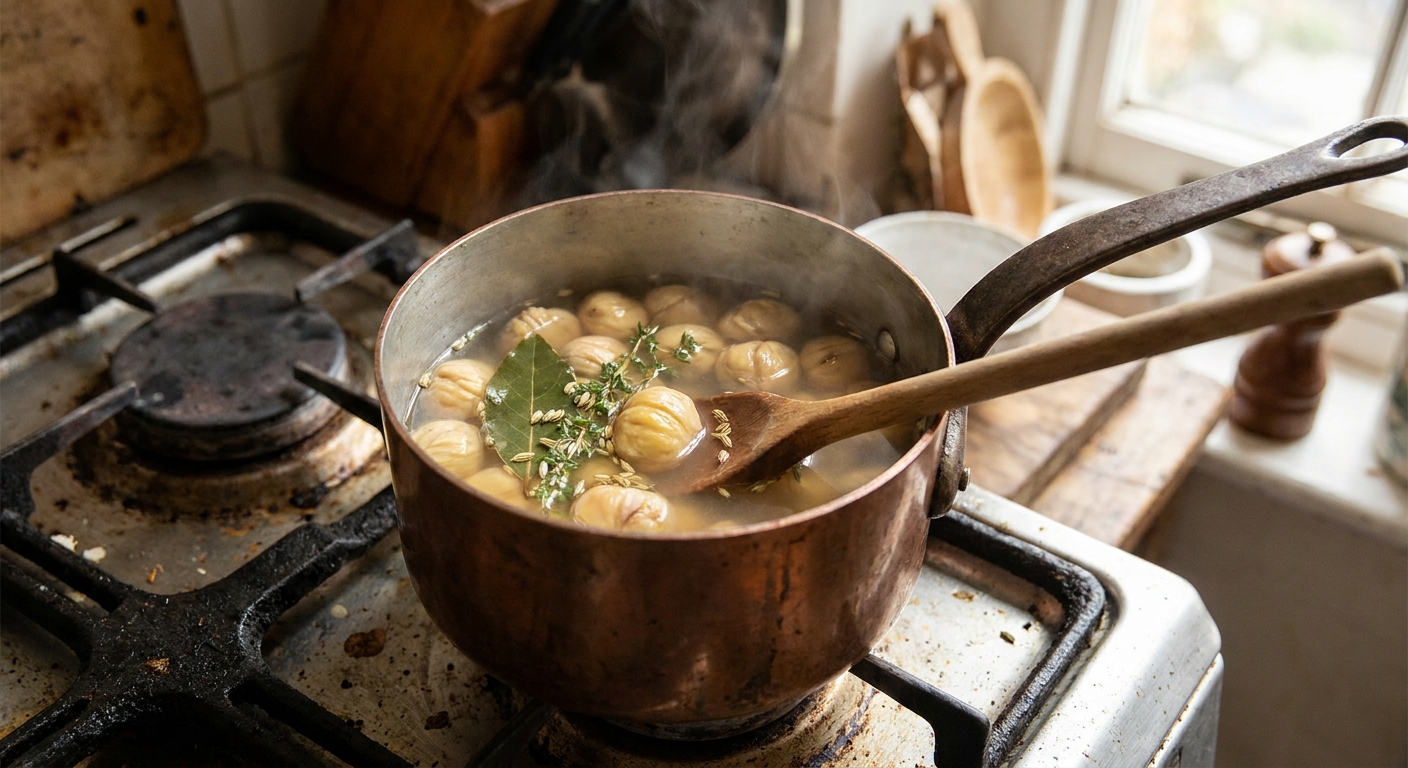
- In a small saucepan, add chestnuts in a loose layer if possible, then add just enough chicken or vegetable stock so they are partially submerged (usually 1/4 to 1/2 cup for a standard pack).
- Bring to a gentle simmer over medium, then reduce to low.
- Cover and simmer 5 to 8 minutes, stirring once or twice.
- Drain, or simmer uncovered for 1 to 2 minutes to reduce any remaining stock to a light glaze. Finish with a small knob of butter and salt.
If you want a little sweetness without going full dessert, a drizzle of maple syrup in the last minute is lovely.
Method 3: Microwave (fastest, surprisingly good)
This is what I do when I am already juggling three burners and a timer that is beeping for no reason.
- Put chestnuts in a microwave-safe bowl with 1 teaspoon butter (or a splash of stock).
- Cover loosely (a plate works).
- Microwave on high in 20 to 30 second bursts, stirring gently, until warm (usually 45 to 90 seconds total).
- Season after heating. If they look dry, add another small pat of butter.
Method 4: Oven warm (hands-off for big meals)
Perfect when the stovetop is a parking lot.
- Heat the oven to 300°F.
- Put chestnuts in a small baking dish with 1 to 2 tablespoons butter (or a splash of stock).
- Cover tightly with foil and warm for 10 to 15 minutes, stirring once halfway through.
How to season jarred chestnuts
Chestnuts are mildly sweet and fairly gentle, so they benefit from a clear direction: savory, sweet, or herby.
Simple savory
- Butter + salt + black pepper
- Butter + fresh thyme or rosemary (add at the end)
- Butter + garlic (use a tiny amount, 1 small clove, and keep the heat low)
Sweet and cozy
- Butter + pinch of cinnamon + pinch of salt
- Butter + maple syrup + pinch of nutmeg
Bright finish (my favorite for salads)
- Butter + salt, then a squeeze of lemon right before serving
- Butter + chopped parsley for a clean, fresh lift
Chestnuts can fall apart if you stir too aggressively, especially if they are broken pieces to begin with. Use a gentle fold, not a fast sauté.
How long do opened chestnuts keep?
Once opened, treat them like a cooked ingredient, and also follow any storage guidance on the package.
- Refrigerator: Transfer leftovers to a clean airtight container and refrigerate. They are best within 3 to 5 days.
- Do not keep dipping into the jar or pouch and calling it storage. Move them to a clean container so the flavor stays fresh and you reduce contamination risk.
- Freezer: You can freeze chestnuts in a freezer bag with the air pressed out. For best quality, use within 2 to 3 months. Thaw overnight in the fridge, then warm gently in butter or a splash of stock.
When to toss: If they smell sour, taste bitter, look slimy, or have visible mold, discard them. Chestnuts should taste sweet, nutty, and a little starchy, not sharp or funky.
Easy ways to use warmed chestnuts
Once they are warmed and seasoned, you can keep it simple or fold them into something bigger.
- Toss into salads for sweet, nutty crunch. (Try them with arugula, shaved Parmesan, and lemony dressing.)
- Stir into soups right at the end, especially creamy vegetable soups.
- Fold into grain bowls with roasted vegetables and a punchy sauce.
- Scatter over roasted veggies for a holiday-ready side. If you need a vegetable base, I love Roasted Brussels Sprouts or Garlic Roasted Vegetables.
- Chop and add to stuffing or casseroles for richness.
Quick FAQ
Do jarred chestnuts need to be cooked?
Usually, no. Most jarred and vacuum-packed chestnuts are already cooked. Still, check the label. If yours is not marked “ready to eat” (or it lists a cook time), follow the package.
Can I brown jarred chestnuts?
You can get a little golden color, but go gently. Use medium-low heat, plenty of butter, and keep the cook time short. If you push high heat, they tend to dry out and turn mealy.
Should I rinse jarred chestnuts?
If they are packed in liquid and taste a little briny or “canned,” a quick rinse and pat dry helps. If they are vacuum-packed and dry, no rinse needed.
What if my chestnuts are crumbly?
That is normal with some brands, especially broken pieces. Warm them in stock instead of a skillet, and stir minimally.