Delishing
Classic Vegetable Soup

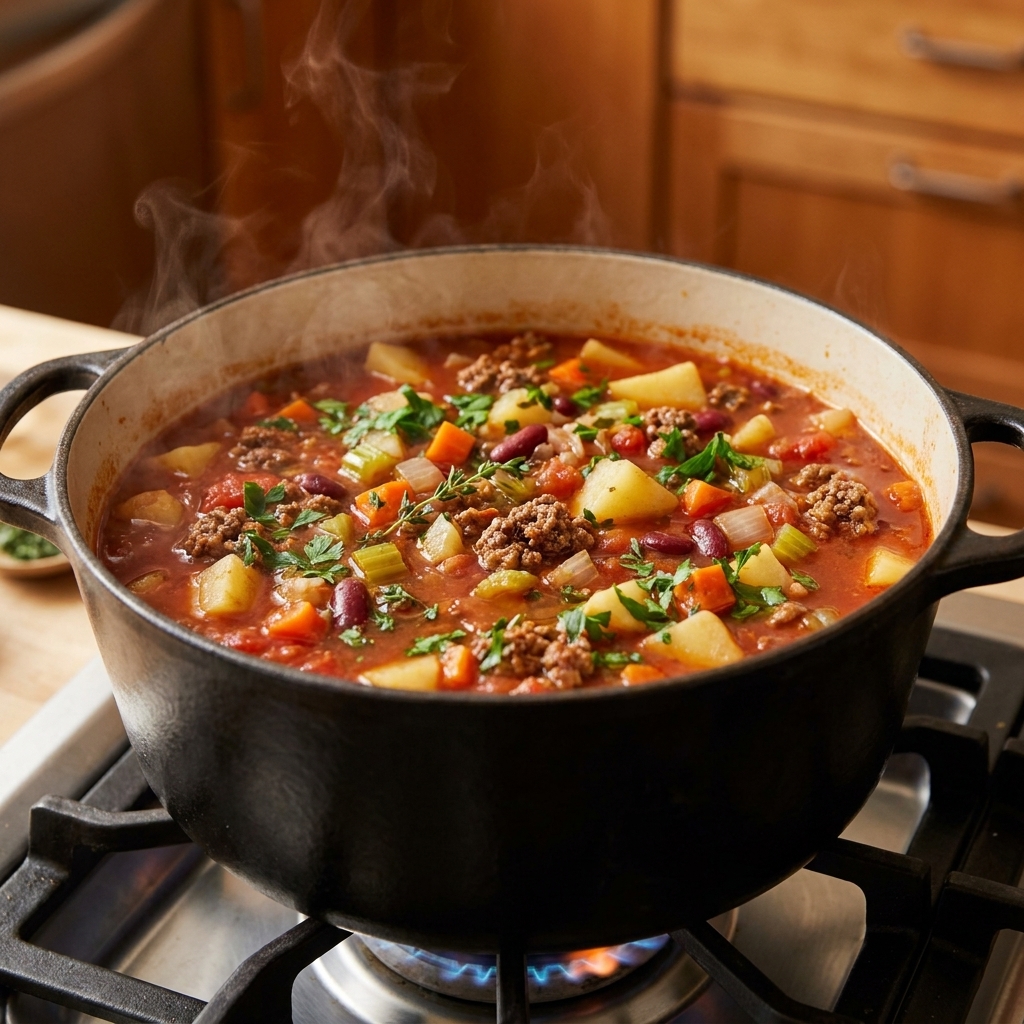
Vegetable soup is my reset button meal. It is what I make when the fridge has a handful of odds and ends, everyone is hungry, and I need dinner to feel like a warm blanket without being complicated. Over the years (and after a few pots that turned into very tasty vegetable mush), I started treating veggie soup like a timing game: sauté for flavor, simmer for tenderness, and add the delicate stuff at the end.
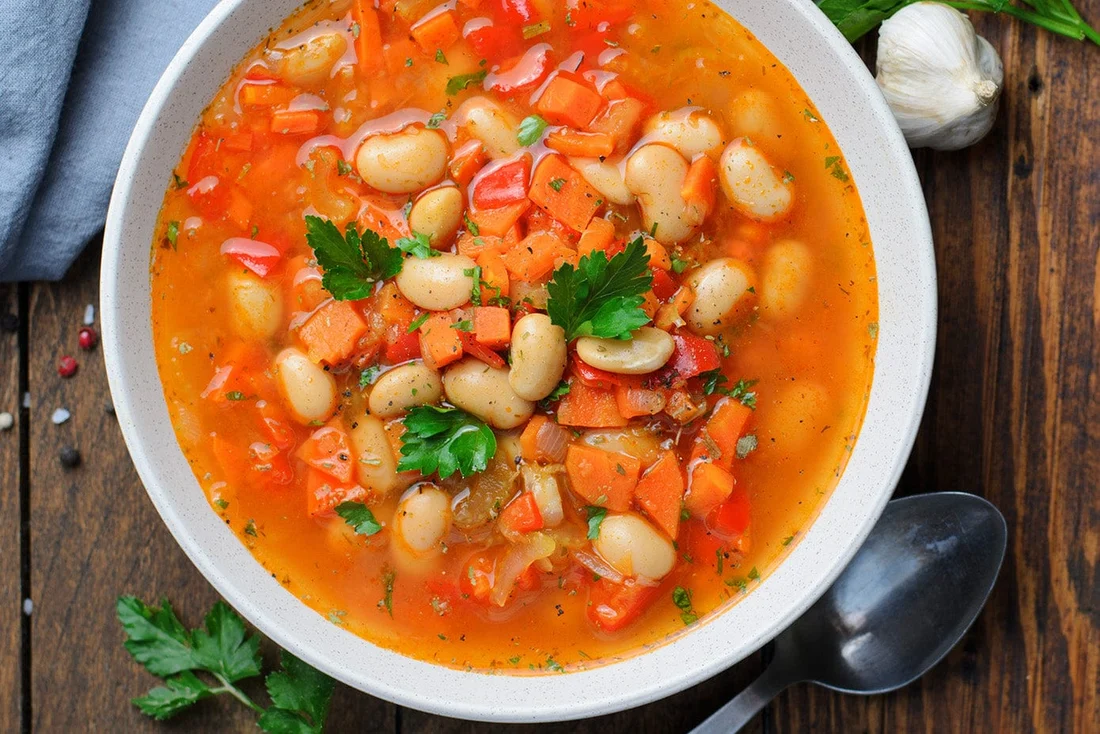
This is a classic mixed-vegetable soup that is meatless by default. You can keep it brothy and light, go more tomato-forward, or thicken it into a cozy, stew-like bowl without adding cream. I also built in a simple order of operations so the vegetables that should hold their shape actually do.
What it tastes like
Comforting, slightly sweet from carrots, savory from sautéed onion and garlic, and brightened with a little tomato. The broth stays clean and sip-worthy, with tender potatoes and green beans that keep a pleasant bite instead of disintegrating.
Broth base or tomato base
I make this soup in one of two directions depending on what I am craving:
- Broth-forward: Use vegetable broth (or a mix of broth and water). The flavor is lighter and more herb-forward. Great if you want the vegetables to taste like themselves.
- Tomato-leaning: Add a small can of diced tomatoes. You still get a brothy soup, but with a gentle tang and a little more body. This is the default in the recipe card below.
If you love a deeply tomato soup, you will probably want something different than this classic. For a tomato-centered bowl, head to Tomato Basil Soup (with grilled cheese) instead.
Vegetables that hold up
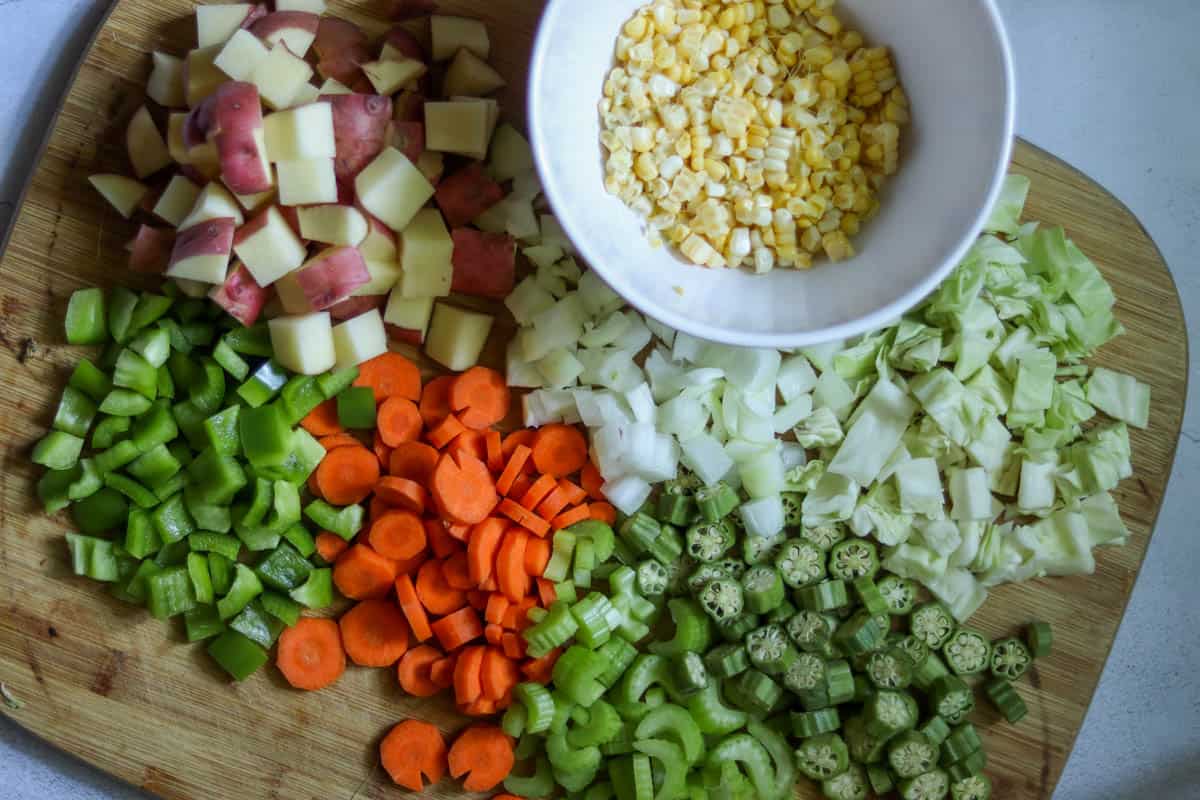
Not all vegetables behave the same once they hit a simmer. These are my most reliable “holds up well” picks:
- Carrots: Sweet, sturdy, and they keep a pleasant bite.
- Celery: Adds savory flavor and can stay slightly crisp-tender if you cut it a little thicker and keep the simmer gentle.
- Green beans: Add later so they stay bright and snappy.
- Potatoes: Use Yukon Gold for creamy edges that still hold, or red potatoes for the firmest cubes.
- Cabbage: Optional, but great for body and it does not melt away.
Vegetables I add at the end so they do not go soft: peas, spinach, zucchini, corn.
How long to simmer
Think of simmering in two phases. The clock is helpful, but the vegetables get the final vote.
- Phase 1, build flavor (about 6 to 10 minutes): Sauté onion, carrot, and celery until the onions turn translucent and everything smells sweet and savory. This makes the broth taste like you tried harder than you did.
- Phase 2, cook to tender (often 18 to 30 minutes): Simmer potatoes first, then add green beans once the potatoes are halfway tender. The exact timing depends on how small you cut everything and what potato you use.
The main doneness cue is the potato. When a fork slides in easily but the cubes still look like cubes, you are there.
Seasoning basics
The difference between “fine” soup and “I need another bowl” soup is usually seasoning, not more ingredients.
- Salt in layers: I add a little early so the vegetables start absorbing it, then adjust once the potatoes are tender.
- Herbs: Bay leaf plus an Italian-style blend is my easy classic route. If you are using dried herbs, let them simmer long enough to bloom in the broth.
- Finish with acid: A small splash of lemon juice or vinegar at the end makes everything taste brighter and helps the broth stay clean and lively.
Two easy ways to thicken it
I thicken vegetable soup when I want it to feel like a full meal in a bowl. Here are two foolproof options:
- Blend a portion: Scoop 2 cups of soup (try to get mostly potatoes and carrots plus some broth), blend until smooth, then stir it back in. This gives you a thicker, glossy broth without flour or cream.
- Mashed potato method: Mash a few potato cubes right in the pot with the back of a spoon. It is low effort and surprisingly effective.
If you prefer a flour-thickened soup, you can whisk 1 to 2 tablespoons of all-purpose flour into the sautéed vegetables before adding broth, then cook it for about 30 to 60 seconds so it does not taste raw. I keep the main recipe gluten-free friendly by default, so that step is optional.
Optional add-ins
This soup is meatless on purpose, but if you want it to be more filling, stir in one of these near the end:
- Beans: 1 can of cannellini beans or chickpeas, drained and rinsed (warm through 3 to 5 minutes).
- Pasta: Small shapes like ditalini or elbows. Cook separately if you want leftovers that are not overly thick.
- Chicken: Shredded rotisserie chicken is the fastest option, stirred in just long enough to heat.
Why it works
- Staggered veggie timing: Potatoes go in early, green beans go in later, and peas go in last, so everything hits the bowl at the right texture.
- Sauté first, simmer second: Building a quick aromatic base makes the soup taste richer without extra ingredients.
- Tomatoes for balance: A little diced tomato brightens the broth and adds body without turning this into a tomato soup.
- Natural thickening option: Blending a portion gives you a thicker soup without dairy.
Ingredient notes
- Onion, carrot, celery: The classic soup starter. Dice them fairly evenly so they cook at the same rate.
- Garlic: Add after the onion softens so it does not scorch.
- Potatoes: Yukon Gold are my favorite for a creamy-but-not-mushy texture. Red potatoes stay a bit firmer.
- Green beans: Fresh or frozen both work. If using frozen, add them straight from the freezer.
- Diced tomatoes: Choose plain diced tomatoes. Fire-roasted adds a smokier vibe and is great here too.
- Vegetable broth: Use a broth you like the taste of on its own. If yours is salty, start with less added salt and adjust at the end.
- Italian seasoning and bay leaf: This is my no-fuss herb combo for “classic soup” flavor.
- Peas: Stir in at the end so they stay sweet and green.
- Lemon juice or vinegar: A small splash at the end makes the vegetables taste brighter.
Equipment
- Large Dutch oven or heavy-bottom soup pot (5 to 7 quarts)
- Cutting board and sharp knife
- Wooden spoon
- Ladle
- Blender or immersion blender (optional, for thickening)
Pro tips
- Cut potatoes a bit larger than carrots. Potatoes cook faster and can break down if they are too small.
- Keep it at a gentle simmer. A hard boil bashes the vegetables around and makes them fall apart faster.
- Salt in layers, then finish. Add a small pinch early, then adjust once the potatoes are tender.
- Want a clearer broth? Skim any foam that rises in the first few minutes of simmering.
- For thicker leftovers: Store any cooked pasta or rice separately and add to bowls as you reheat.
Substitutes
- No vegetable broth: Use water plus an extra pinch of salt and herbs. It will be a bit lighter but still good.
- No potatoes: Swap in sweet potato cubes (slightly sweeter) or use cauliflower florets added later for a lighter soup.
- No green beans: Use chopped zucchini (add in the last 5 to 7 minutes) or extra carrots.
- Lower sodium: Choose low-sodium broth and lean on lemon juice at the end for flavor.
- Gluten-free: The base recipe is naturally gluten-free. If adding pasta, use gluten-free small pasta shapes.
Variations
- Minestrone-ish: Add 1 can of cannellini beans and a handful of small pasta (cook pasta separately for best leftovers).
- Extra green: Stir in 2 to 3 big handfuls of baby spinach at the end until just wilted.
- Spicy: Add a pinch of red pepper flakes with the garlic.
- Herby: Finish each bowl with chopped parsley or basil.
- Creamy without cream: Blend 3 cups of the soup instead of 2 for a thicker, creamier pot.
Serving ideas
- Serve with warm bread or rolls. If you are in a baking mood, Homemade Bread Rolls are perfect for dunking.
- Top with grated Parmesan or a drizzle of olive oil.
- Pair with a simple sandwich like Grilled Cheese for a classic soup-and-sandwich dinner.
- Add crunch with crackers. I love it with the vibe of soup with crackers, just in vegetable form.
Storage
- Refrigerate: Cool, then store in an airtight container for up to 4 days.
- Freeze: Freeze for up to 3 months. Leave a little headspace for expansion.
- Reheat: Warm gently on the stove over medium-low heat until simmering. Add a splash of broth or water if it thickened in the fridge.
Common mistakes
- Everything turns soft: The simmer was too vigorous or the quick-cooking vegetables went in too early. Next time keep it at a gentle simmer and add peas, zucchini, and greens at the end.
- It tastes flat: Add salt a pinch at a time, then finish with lemon juice or a tiny splash of vinegar.
- Too salty: Add more water or unsalted broth, then simmer 5 minutes to rebalance. A diced potato can also absorb some salt while simmering.
- Too thick: Stir in a bit more broth or water as you reheat.
- Too thin: Blend a portion or mash some potatoes in the pot.
FAQ
Which vegetables should I avoid?
You do not have to avoid anything, but I add very soft vegetables later so they do not fall apart. Zucchini, spinach, and peas are best in the last few minutes. Very starchy vegetables (like russets cut small) can dissolve and make the soup cloudy, which is not bad, just different.
Can I make it without tomatoes?
Yes. Skip the diced tomatoes and add an extra 1 cup broth or water. Finish with a little lemon juice for brightness.
How do I keep the vegetables from getting mushy?
Use a gentle simmer, cut vegetables into similar sizes, and add them in stages. Potatoes first, green beans once the potatoes are on their way to tender, peas last.
Can I thicken it without flour or cream?
Absolutely. Blend 2 cups of the soup and stir it back in, or mash some potatoes directly in the pot.
Can I make it in advance?
Yes, and it is even better the next day. If you are adding pasta or rice, cook and store it separately so it does not soak up all the broth.
Classic Vegetable Soup with tender potatoes, crisp-tender green beans, and a light tomato-leaning broth. Naturally meatless, easy to thicken, and great for leftovers.
- Prep Time
- 15 minutes
- Cook Time
- 35 minutes
- Total Time
- 50 minutes
- Servings
- 6
Ingredients
- 2 tbsp olive oil
- 1 medium yellow onion, diced
- 2 medium carrots, peeled and sliced into 1/4-inch rounds
- 2 celery ribs, diced
- 3 cloves garlic, minced
- 1 tsp Italian seasoning
- 1 bay leaf
- 1 1/2 tsp kosher salt, plus more to taste
- 1/2 tsp black pepper
- 6 cups vegetable broth
- 1 (14.5 oz) can diced tomatoes (with juices)
- 2 medium Yukon Gold potatoes, cut into 3/4-inch cubes (about 3 cups)
- 1 1/2 cups green beans, trimmed and cut into 1-inch pieces (fresh or frozen)
- 1 cup frozen peas
- 1 tbsp lemon juice (or 2 tsp apple cider vinegar)
- Optional toppings: chopped parsley, grated Parmesan, extra olive oil
- Optional add-in (choose one): 1 (15 oz) can cannellini beans or chickpeas, drained and rinsed; or 2 cups shredded cooked chicken
Instructions
- Sauté the base. In a large Dutch oven or soup pot, heat olive oil over medium heat. Add onion, carrots, and celery. Cook, stirring occasionally, until the onion is translucent and the carrots begin to soften, about 8 to 10 minutes.
- Add aromatics. Stir in garlic, Italian seasoning, bay leaf, salt, and pepper. Cook until fragrant, about 30 seconds.
- Add broth and tomatoes. Pour in vegetable broth and add diced tomatoes with their juices. Stir, scraping up any browned bits on the bottom of the pot.
- Simmer with potatoes. Add the cubed potatoes. Bring to a boil, then immediately reduce heat to maintain a gentle simmer. Simmer 12 minutes.
- Add green beans. Stir in green beans and continue simmering until the potatoes are fork-tender and the green beans are crisp-tender, about 10 to 12 minutes more.
- Add peas. Stir in frozen peas and simmer 2 minutes, just until heated through.
- Thicken (optional). For a thicker soup, remove about 2 cups of soup (try to scoop mostly potatoes and carrots plus some broth). Carefully blend until smooth, then stir back into the pot. Alternatively, mash a few potato cubes directly in the pot with the back of a spoon.
- Finish and adjust. Turn off heat. Stir in lemon juice (or vinegar). Taste and adjust salt and pepper.
- Serve. Ladle into bowls and top with parsley, Parmesan, or a drizzle of olive oil if you like.
- Optional add-in. If using beans or chickpeas, stir them in after Step 6 and warm 3 to 5 minutes. If using shredded cooked chicken, stir in at the end and warm 2 to 3 minutes.
Notes
- Broth-forward version: Skip the diced tomatoes and add 1 extra cup broth or water. Finish with lemon juice for brightness.
- Best texture tip: Keep the soup at a gentle simmer. A hard boil can break down vegetables quickly.
- For make-ahead lunches: Store pasta or rice separately if you add it, then combine when reheating.