I used to think baking was for people with endless patience and fancy kitchens. My early attempts? Burnt cookies and cakes that sank like my confidence…
Delishing
Homemade Bread Rolls Recipe

Maya Brooks
Maya Brooks is a dedicated home cook and the lead recipe developer at Delishing, where she shares practical, foolproof meals for everyday life. With over a decade of hands-on kitchen experience, she specializes in creating approachable dishes that fit a variety of dietary needs and modern cooking methods. Maya is passionate about helping busy people get delicious, stress-free food on the table without needing formal culinary training.
The Art of Perfect Dinner Rolls
Gather 'round folks, we're diving into homemade bread rolls. Not the supermarket kind, but fiercely DIY rolls that'll make your kitchen smell like a cozy corner bakery.
I remember my first successful batch: the excitement of watching the dough rise, the joy of seeing those golden puffs take shape. That satisfaction of pulling a warm, soft roll apart is incomparable.
For that soft, fluffy inside with a glowing golden exterior, here are a few tricks. First, yeast. Make sure it's fresh – unless you want flat rolls and shattered dreams. It loves warmth more than a cat does a sunbeam, so proof it in warm milk.
Space your rolls apart in the baking tray; they need room to grow into wonderfully pillowy creations. For that classic "golden" look, cover them during the final rise. Preheat your oven because no one likes being thrown into a cold situation unprepared.
As they bake, your home transforms into a haven of buttery aromas. Don't forget the final touch, a gentle brush of butter on top right out of the oven. They're best savored warm, but hey, that's just my suggestion.
These rolls aren't just food; they're a celebration of creating something with your own hands. Each one embodies the warmth of home, making them a staple on my table, no matter the occasion.
Choosing the Right Ingredients
Let's break down the magic behind dinner rolls. Flour is your foundation—all-purpose works fine, but bread flour gives a chewier texture. Yeast is the tiny hero that makes the dough rise. Instant yeast can be added directly to your flour mix, while active dry yeast needs a brief warm bath first.
Milk brings richness and tenderness. Whole milk is preferred, but 2% or even almond milk can work in a pinch. Butter transforms your rolls from blah to brilliant. Can't do dairy? Olive oil or vegan butter could be your stand-ins.
Don't forget salt. It's the ingredient you can't really taste until it's missing, lifting up all the other flavors.
Measuring ingredients, especially flour, can make or break the recipe. Gently spoon it into your cup and level off, avoiding packing it in. There you have it—simple ingredients ready to make their magic happen.
Mastering the Dough
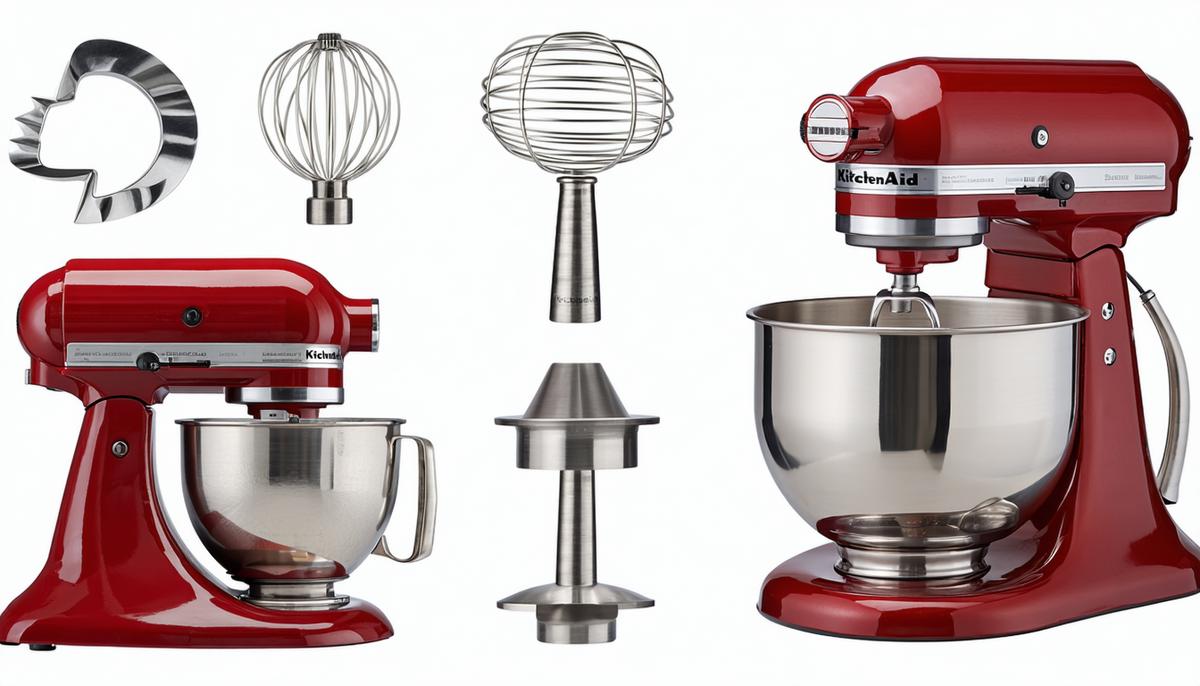
Time to plunge into dough perfection. Whether you're using a stand mixer or relying on elbow grease, the goal is a cohesive, soft dough that's ready to shine.
Keep an eye on consistency. You want a dough that's soft and supple, but not sticky like a clingy toddler. If it's more glue than dough, sprinkle in a bit of flour—but go easy.
Kneading develops gluten, giving the dough strength and stretch. By hand, use a rhythmic motion of pushing, folding, and turning. With a mixer, let it do the heavy lifting. Your dough is ready when it's smooth and elastic, bouncing back gently when poked.
Resting allows the dough to rise and become airy. Find a cozy, draft-free spot for it to double in size. Missteps like over-flouring can result in heavier, less dreamy rolls.
In my baking adventures, I've learned the dough is ready when it feels alive under your palms—that perfect blend of softness with a resilient spring. Those little kitchen mishaps? They're learning curves that teach us the dance between too much and just right.
Shaping and Rising Techniques
Now let's turn that dough into cute, cozy dinner companions. Divide it into 12 to 16 equal sections using a sharp knife or bench scraper. Keeping them similar in size ensures uniform baking.
Shape each portion into a smooth, tight ball under your palm. Don't fret if they're not perfect—a bit of unevenness adds homemade charm.
For the second rise, place the dough balls in a greased baking dish, slightly apart. Cover them and let them puff up at room temperature until doubled in size. This step adds extra fluffiness, making a noticeable difference in texture.
Don't rush this rise. Allow the dough to work its magic in a warm, draft-free spot. Remember, baking is part science and part art. Embrace any slight imperfections—they're a reflection of the love that went into making them from scratch.
Baking to Perfection
It's showtime for your dinner rolls! Position the oven rack in the middle for even baking. Preheat to 375°F and let it fully heat up—skipping this is like rushing a good story.
Once the oven's ready, slide in your lovingly crafted rolls. Resist peeking too often; each door opening lets out precious heat.
Want that bakery-worthy glow? Brush the tops with melted butter or an egg wash before baking. A sprinkle of flaky sea salt can elevate them from plain to irresistible.
When you pull those perfectly golden rolls from the oven, take a moment to breathe in that warmth. There's a unique satisfaction in seeing your efforts turn into beautifully baked rolls, their tops glistening and interiors ready for your favorite toppings.
Recipe
Ingredients:
- 4 cups all-purpose flour, divided
- 2 ¼ teaspoons instant yeast
- ¼ cup granulated sugar
- 1 large egg, room temperature
- 1 teaspoon kosher salt
- 1 ½ cups whole milk, warmed to 110°F
- 2 tablespoons salted butter, melted
- Additional butter for brushing
- Flaky sea salt for finishing
Instructions:
- In a stand mixer bowl with dough hook, combine 3 cups flour, yeast, sugar, egg, and salt.
- Add warm milk and melted butter to the flour mixture.
- Mix on medium speed until combined, scraping the bowl as needed.
- Gradually add remaining flour, kneading until dough forms a soft, sticky ball.
- Knead on medium speed for 5-7 minutes until smooth and elastic.
- Place dough in a greased bowl, cover, and let rise until doubled (about 1 hour).
- Gently punch down dough and turn onto a lightly floured surface.
- Divide into 12-16 equal pieces.
- Shape each piece into a ball.
- Arrange in a greased 9x13-inch baking pan, leaving space between rolls.
- Cover and let rise until doubled (30-45 minutes).
- Preheat oven to 375°F.
- Brush risen rolls with melted butter and sprinkle with flaky sea salt.
- Bake for 15-20 minutes until golden brown.
- Remove from oven and brush again with melted butter if desired.
- Serve warm. Freeze extras or store in an airtight container for up to 3 days.
Nutritional information (per roll, based on 16 servings):
kcal: 165
carbohydrates: 27g
protein: 4g
fat: 4g
saturated fat: 2g
cholesterol: 20mg
sodium: 160mg
fiber: 1g
sugar: 4g
- Figoni P. How Baking Works: Exploring the Fundamentals of Baking Science. 3rd ed. Wiley; 2010.
- McGee H. On Food and Cooking: The Science and Lore of the Kitchen. Scribner; 2004.
- Corriher SO. BakeWise: The Hows and Whys of Successful Baking. Scribner; 2008.