Not every “chestnut” you find is edible. Learn how to identify sweet chestnuts vs poisonous horse chestnuts using the husk, stem scar, shape, and safe handli...
Delishing
Can You Eat Chestnuts Raw?

Maya Brooks
Maya Brooks is a dedicated home cook and the lead recipe developer at Delishing, where she shares practical, foolproof meals for everyday life. With over a decade of hands-on kitchen experience, she specializes in creating approachable dishes that fit a variety of dietary needs and modern cooking methods. Maya is passionate about helping busy people get delicious, stress-free food on the table without needing formal culinary training.
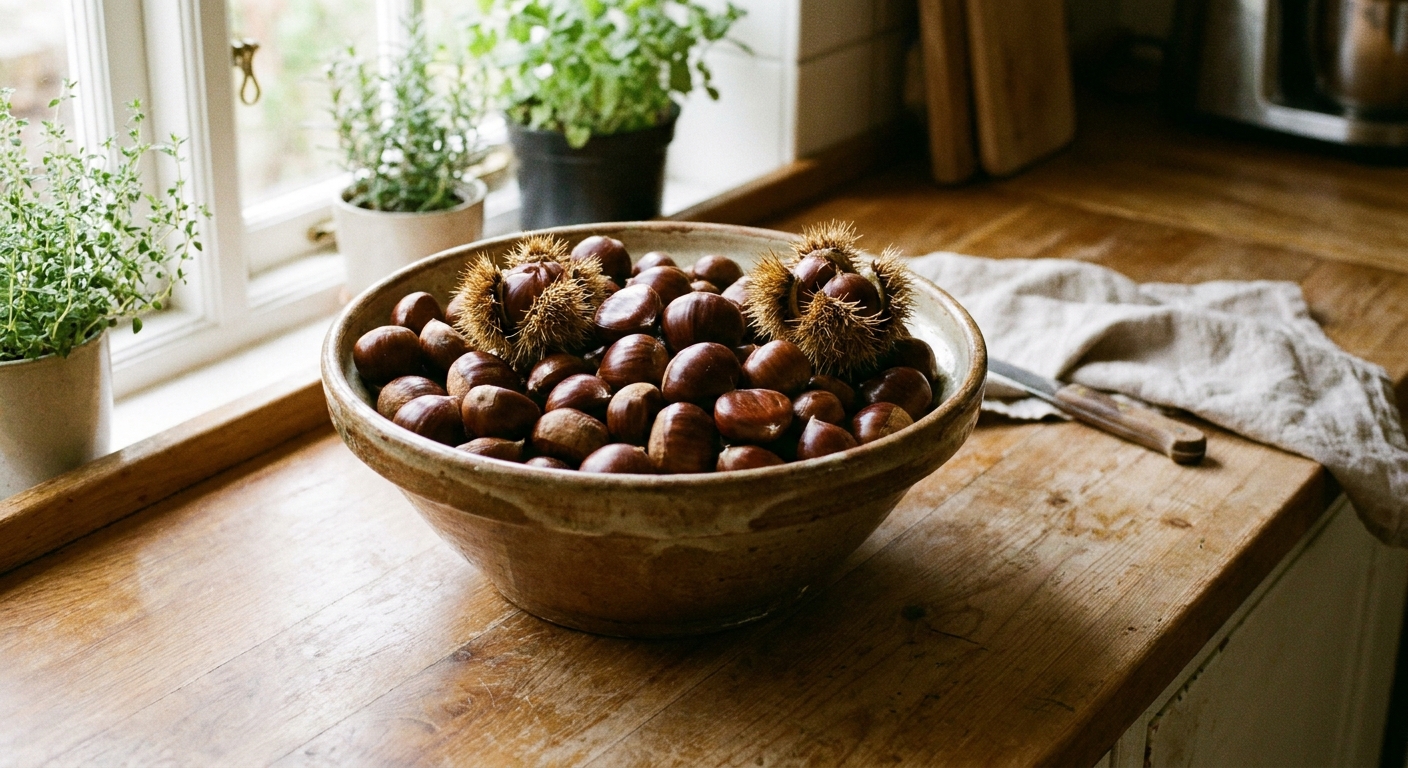
If you have ever stood at the counter with a bowl of shiny brown chestnuts and thought, “Could I just eat one like a walnut?” you are not alone. I asked the same question the first time I bought fresh chestnuts, mostly because I was hungry and impatient. Here is the honest home cook answer.
Yes, but most people will not enjoy them
Fresh sweet chestnuts can be eaten raw. They are not inherently “poisonous” the way certain non-edible chestnut lookalikes can be. But raw sweet chestnuts are usually hard, starchy, and mildly astringent, especially compared to roasted chestnuts, which turn sweet, tender, and fragrant.
In my kitchen notebook, raw chestnuts always get the same description: “crunchy in the wrong way.” The texture is more like a very firm water chestnut crossed with a raw potato, not the cozy snack most of us are picturing.
Why raw chestnuts taste starchy
Chestnuts are different from most nuts. They are higher in starch and lower in fat, which is why they behave a bit like a starchy vegetable.
- Starch-heavy: Cooking gelatinizes the starches, which is what transforms the texture from tough to tender.
- Less natural “nutty” richness: Since chestnuts are not oily like almonds or pecans, raw chestnuts can taste flat.
- Astringency: Some raw chestnuts have a slightly drying, puckery sensation. Cooking mellows that out and brings forward sweetness.
That is the core reason nearly every traditional way of eating chestnuts starts with heat: roasting, boiling, steaming, or buying them as pre-cooked, ready-to-eat chestnuts.
Fresh vs. packaged chestnuts
This is where people get tripped up, because the chestnuts you buy in a bag, jar, or pouch are often already cooked.
Fresh chestnuts (in the shell)
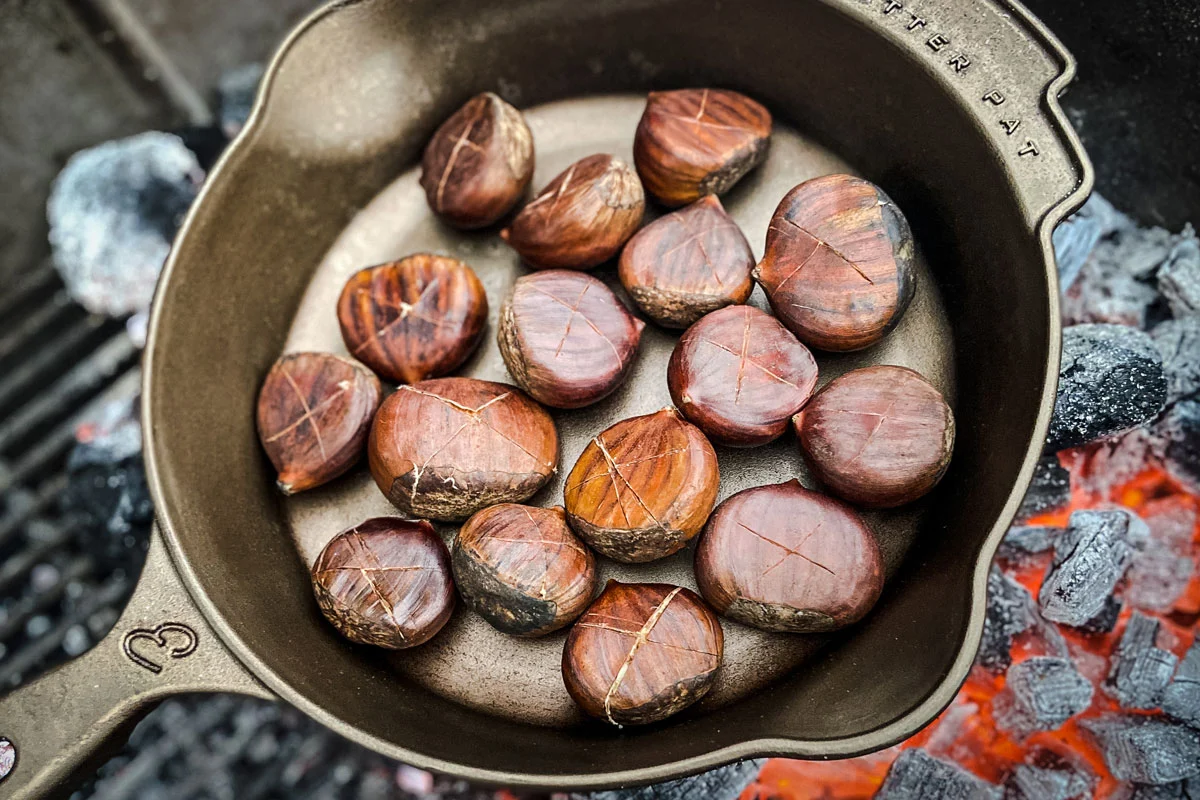
These are raw. They are the ones you score and cook before peeling for snacking, stuffing, soups, or desserts. If you are buying them in-season in the produce section, they are almost always sweet chestnuts sold as food.
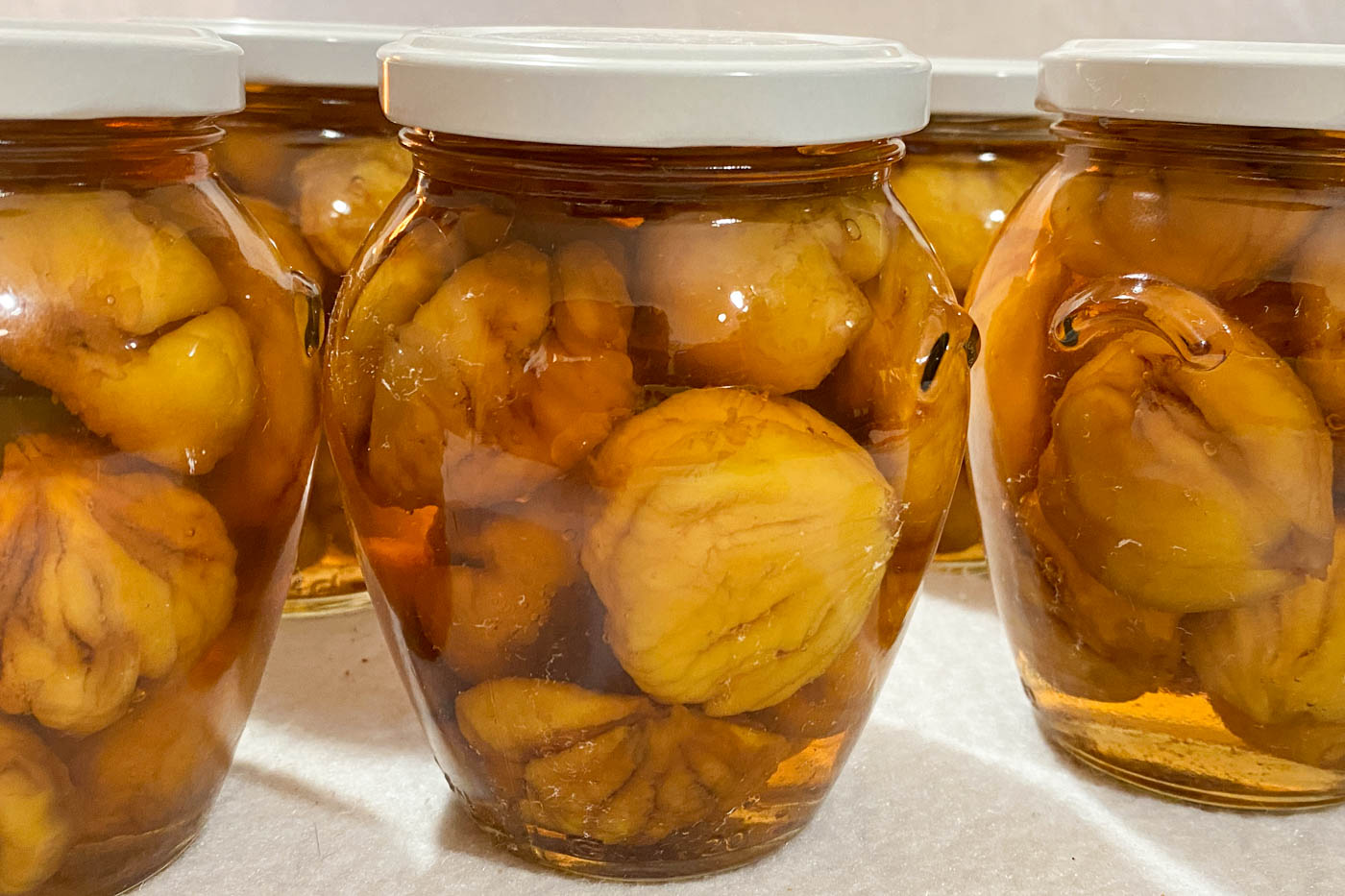
Jarred, vacuum-packed, or pouched chestnuts
These are usually cooked and peeled, so you can often eat them straight from the package. They tend to be softer and a little sweeter than fresh raw chestnuts because they have already been heat-processed. That said, it can vary by brand, so rely on the label.
If you have a jar or pouch and you are unsure, check for “cooked,” “roasted,” “steamed,” or “ready to eat.”
For the cooked-from-the-jar route, start here: How to Cook Jarred Chestnuts.
Frozen chestnuts
Frozen chestnuts can be either raw or cooked depending on the product. Some are raw and in the shell, others are peeled and pre-cooked. The packaging will tell you.
If yours are frozen and you want the simplest approach, this guide helps you start from what you have: How to Cook Frozen Chestnuts.
Why cooking comes first
Cooking chestnuts is not just about tradition. It solves the two biggest issues with raw chestnuts: tough texture and muted flavor.
- Better texture: Cooking makes the interior tender and biteable.
- More sweetness: Heat brings out the naturally sweet, buttery notes chestnuts are famous for.
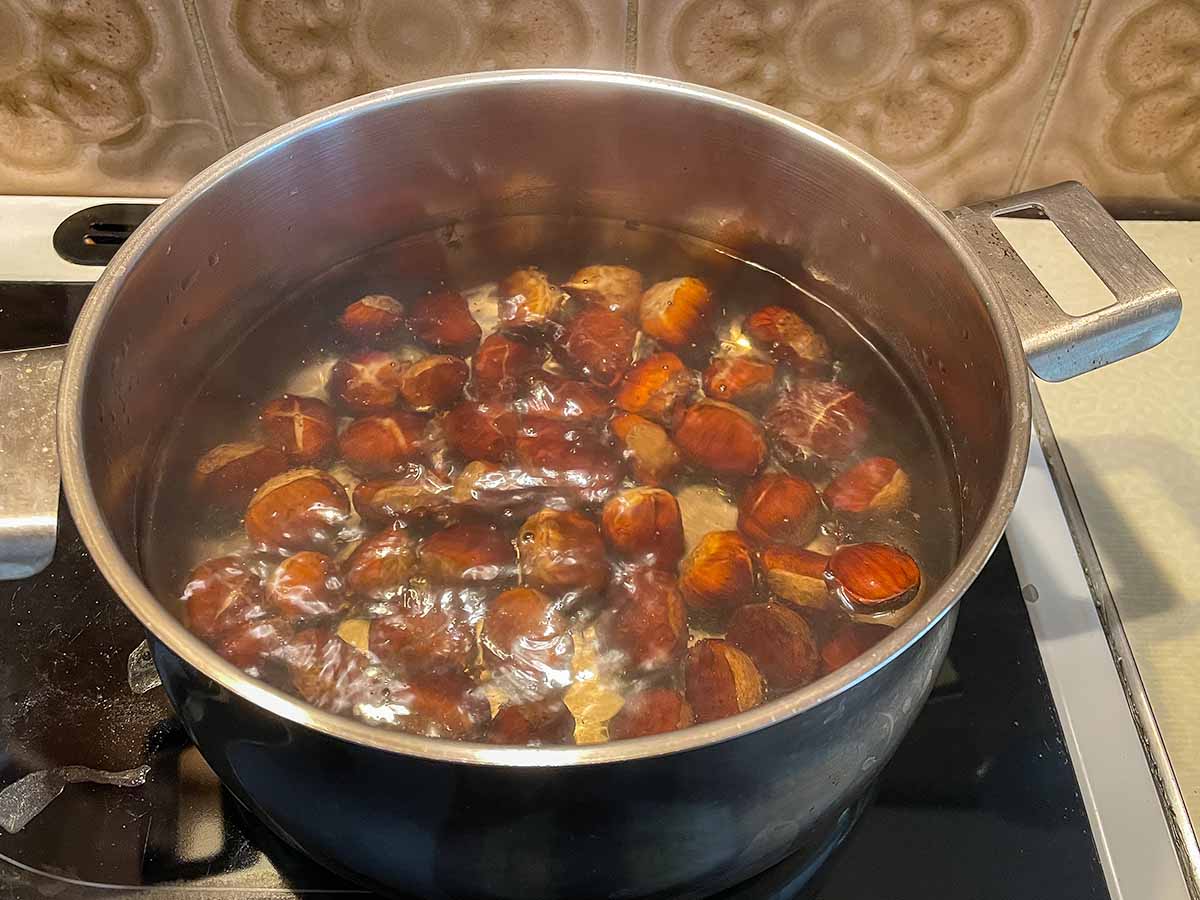
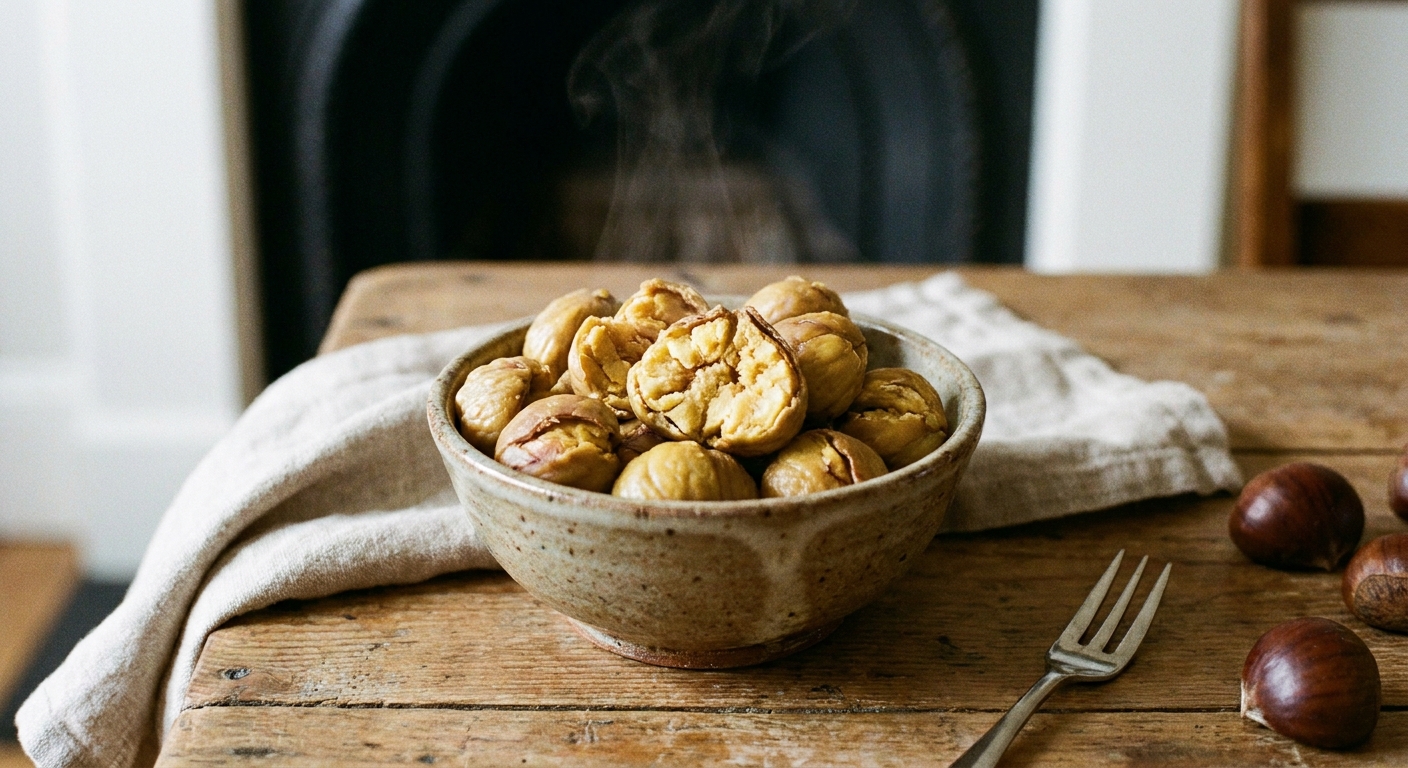
- Easier peeling: Chestnuts are typically easiest to peel when they are properly scored, cooked, and still warm. Boiling or steaming can feel a little more forgiving than roasting if peeling is your main battle.
If you are planning the classic warm snack experience, head to How to Roast Chestnuts. If you prefer a gentler, less hands-on method, Boiled Chestnuts is a great option too.
If you insist on trying one raw
If curiosity is winning, keep it low-stakes. Peel the chestnut completely (shell and the papery inner skin), slice it very thin, and try a small piece first. If it tastes bland or oddly starchy, that is normal. At that point, I would cook the rest and call it a lesson learned.
Safety check
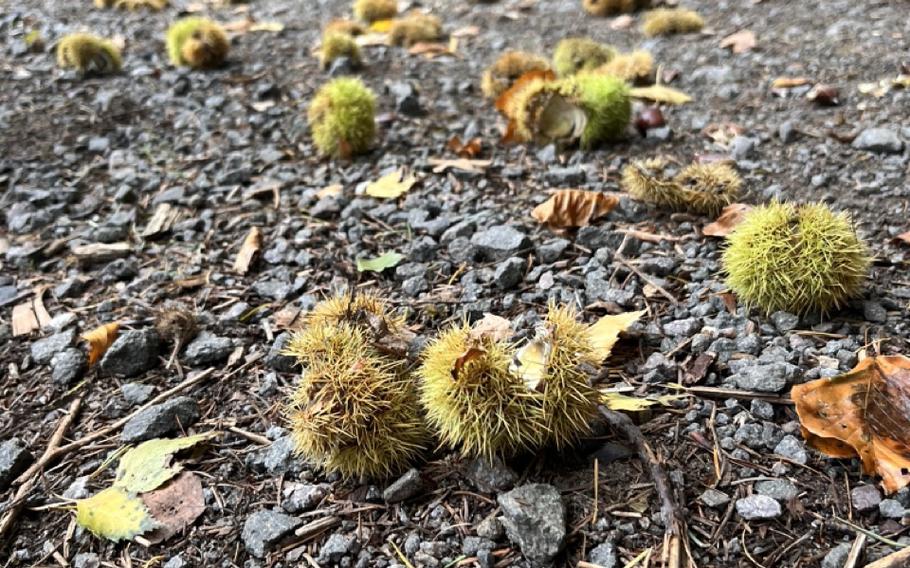
When people ask about eating chestnuts raw, I always add one important kitchen sanity check: make sure you are working with edible sweet chestnuts, not horse chestnuts (also called conkers), which are not used as food and can cause unpleasant symptoms.
The bigger risk here is foraged or unidentified “chestnuts.” Store-bought fresh chestnuts sold in the produce section are generally sweet chestnuts meant to be eaten, once cooked.
If you want a clear, non-stressy breakdown, see Horse Chestnuts vs. Sweet Chestnuts.
Storage matters too
One more practical note from real-life shopping: chestnuts can mold or dry out if they sit too long. If your chestnuts smell off, feel unusually light for their size, or show signs of mold, skip them.
For the basics, see How to Store Fresh Chestnuts and How to Tell If Chestnuts Have Gone Bad.
If you already ate one raw
If you tried a small bite of a fresh sweet chestnut and it just tasted bland or weirdly starchy, that is very typical. Most cooks simply pivot and cook the rest for better flavor and texture.
Separate from taste, if you feel unwell after eating any wild-foraged or unidentified “chestnut,” it is safest to contact a medical professional. I cannot give medical advice, but I can say this is one of those foods where correct identification matters.
FAQ
Are raw chestnuts crunchy like other nuts?
Not really. Raw chestnuts are firm, but the crunch is more starchy than crisp. Once cooked, they become tender and creamy instead of crunchy.
Can you eat chestnuts from a vacuum pack without cooking?
In many cases, yes, because vacuum-packed chestnuts are usually pre-cooked and peeled. Confirm by checking for “ready to eat” or “cooked” on the package.
Do roasted chestnuts taste sweeter than raw?
Yes. Roasting and other cooking methods bring out chestnuts’ sweetness and make the flavor more nutty and rich.