Jarred or vacuum-packed chestnuts are usually already cooked—this guide shows how to warm them gently in butter, stock, microwave, or oven, plus simple seaso...
Delishing
How to Cook Frozen Chestnuts

Maya Brooks
Maya Brooks is a dedicated home cook and the lead recipe developer at Delishing, where she shares practical, foolproof meals for everyday life. With over a decade of hands-on kitchen experience, she specializes in creating approachable dishes that fit a variety of dietary needs and modern cooking methods. Maya is passionate about helping busy people get delicious, stress-free food on the table without needing formal culinary training.
Frozen peeled chestnuts are one of my favorite shortcut ingredients because they taste special, but they cook like a weeknight staple. When I have a bag in the freezer, I can turn a bland side dish into something holiday-level cozy in about 10 minutes.
This guide is for the common supermarket product: frozen, peeled chestnuts (shell and inner skin removed, then frozen). Some brands are pre-cooked before freezing, and some are sold raw. Either way, your goal here is not to roast and peel them. Your goal is to heat them through and make them taste buttery and glossy, not dry or chalky.
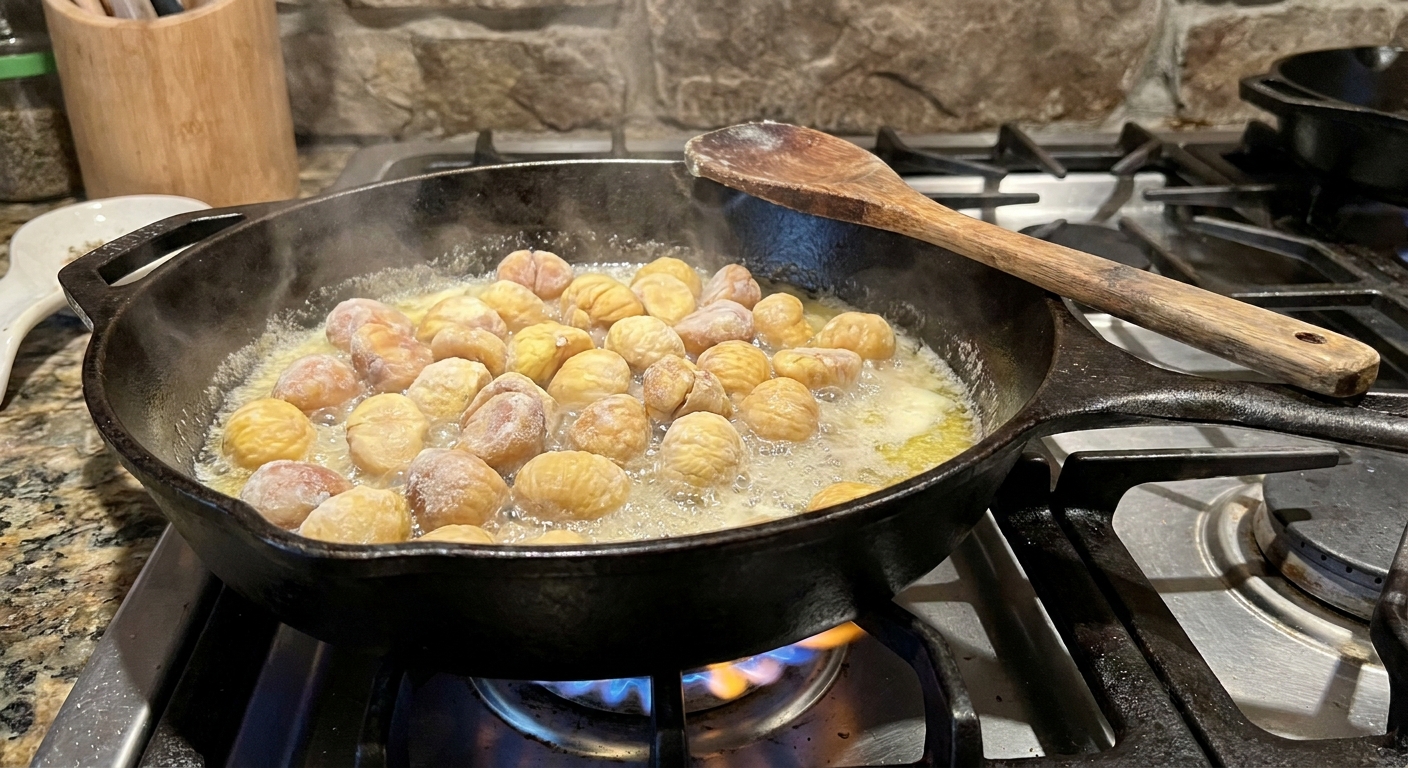
Before you start: check the bag
Frozen chestnuts vary by brand. Some are labeled cooked (or “ready to eat”), while others are simply “peeled.” The methods below work for both, but the timing can change.
- If the package says cooked: you are mostly warming and seasoning.
- If the package says raw: plan on a longer, gentler cook until the centers are fully tender (more on that below).
- Size matters: whole chestnuts take longer than broken pieces.
- Ice matters: brush off any loose ice crystals so you get more even heating and better browning.
Thawing vs cooking from frozen
Option 1: Thaw first (best texture, most even)
If you have time, thawing gives you the most control and the most even heat-through.
- Overnight: Place chestnuts in the fridge in a covered bowl.
- Quick thaw: Put chestnuts in a sealed bag and submerge in cold water for 20 to 30 minutes. Drain well and pat dry.
Why I thaw when I can: thawed chestnuts brown a little better in butter, and they are less likely to split or turn crumbly.
Option 2: Cook from frozen (fastest, still great)
Cooking from frozen is absolutely fine. Just use medium-low heat and give them a few extra minutes so the center warms before the outside dries out.
My rule of thumb: add 3 to 5 minutes to the thawed timing, and include a tiny splash of water or stock at the start if your pan is running dry.
Quick timing chart
These times are for peeled frozen chestnuts cooked in a single layer. If you pile them up, add a couple minutes and stir more often.
Note: timing varies a lot by brand, size, and whether the chestnuts are pre-cooked or raw. Use the doneness cues below as your final guide.
| Method | Thawed chestnuts | From frozen |
|---|---|---|
| Skillet (butter, covered then uncovered) | 6 to 8 minutes | 9 to 12 minutes |
| Oven (sheet pan) | 10 to 14 minutes at 375°F | 15 to 20 minutes at 375°F |
Skillet method (my favorite for flavor)
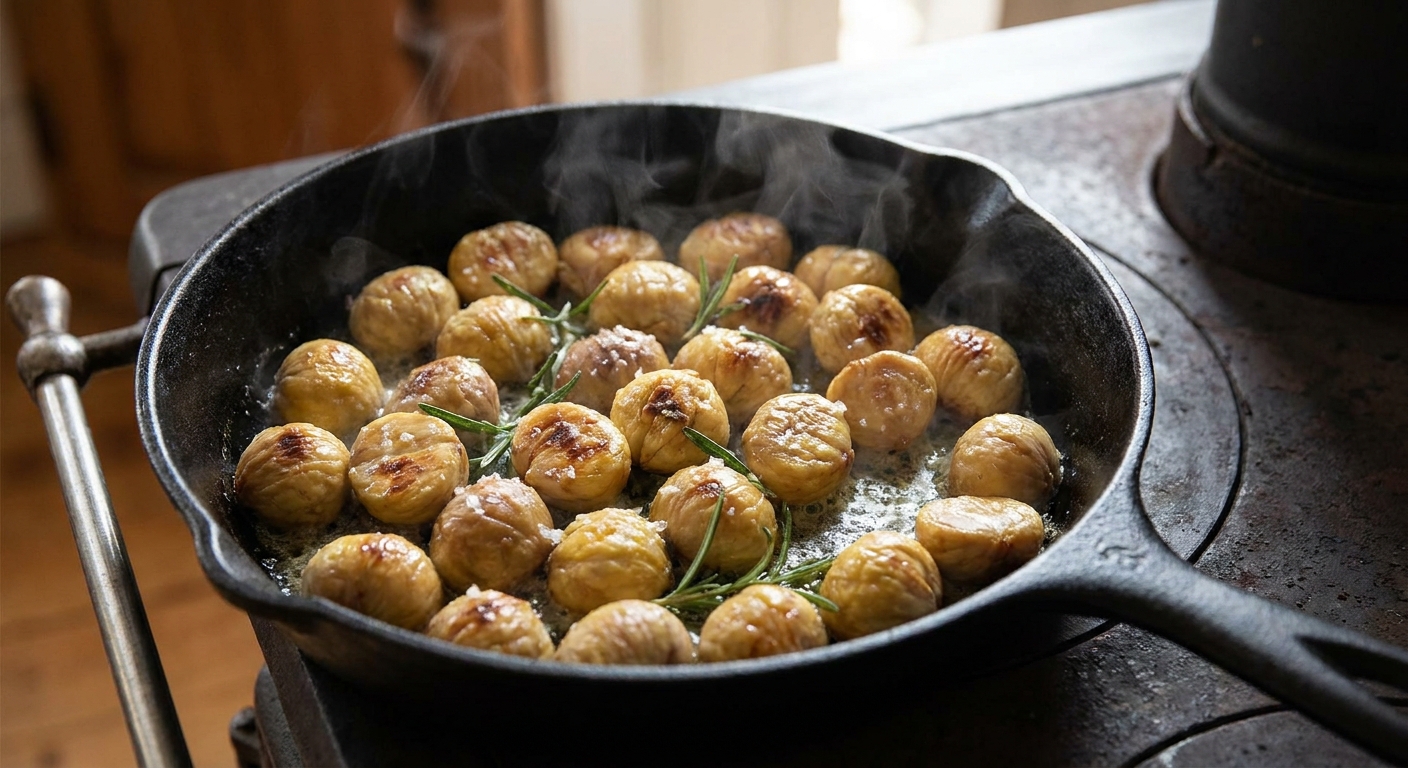
This is the method I use when I want chestnuts that taste rich and finished, not just warmed.
Ingredients
- 1 bag frozen peeled chestnuts (about 8 to 10 ounces)
- 1 to 2 tablespoons butter (or olive oil)
- Salt, about 1/8 teaspoon to start (then adjust)
- Optional: 2 to 4 tablespoons stock or water
Steps
- Melt the butter: Warm a skillet over medium-low heat. Add butter and let it melt gently.
- Add chestnuts: Add chestnuts (thawed and dried, or straight from frozen). Toss to coat in butter.
- Cover to heat through: Cover and cook 3 to 5 minutes, stirring once or twice. If the pan looks dry or the chestnuts are still icy, add 2 tablespoons stock or water.
- Uncover and finish: Uncover and cook 3 to 7 minutes more, stirring occasionally, until chestnuts are hot all the way through and lightly glossy. Taste and add salt.
How to tell they are done
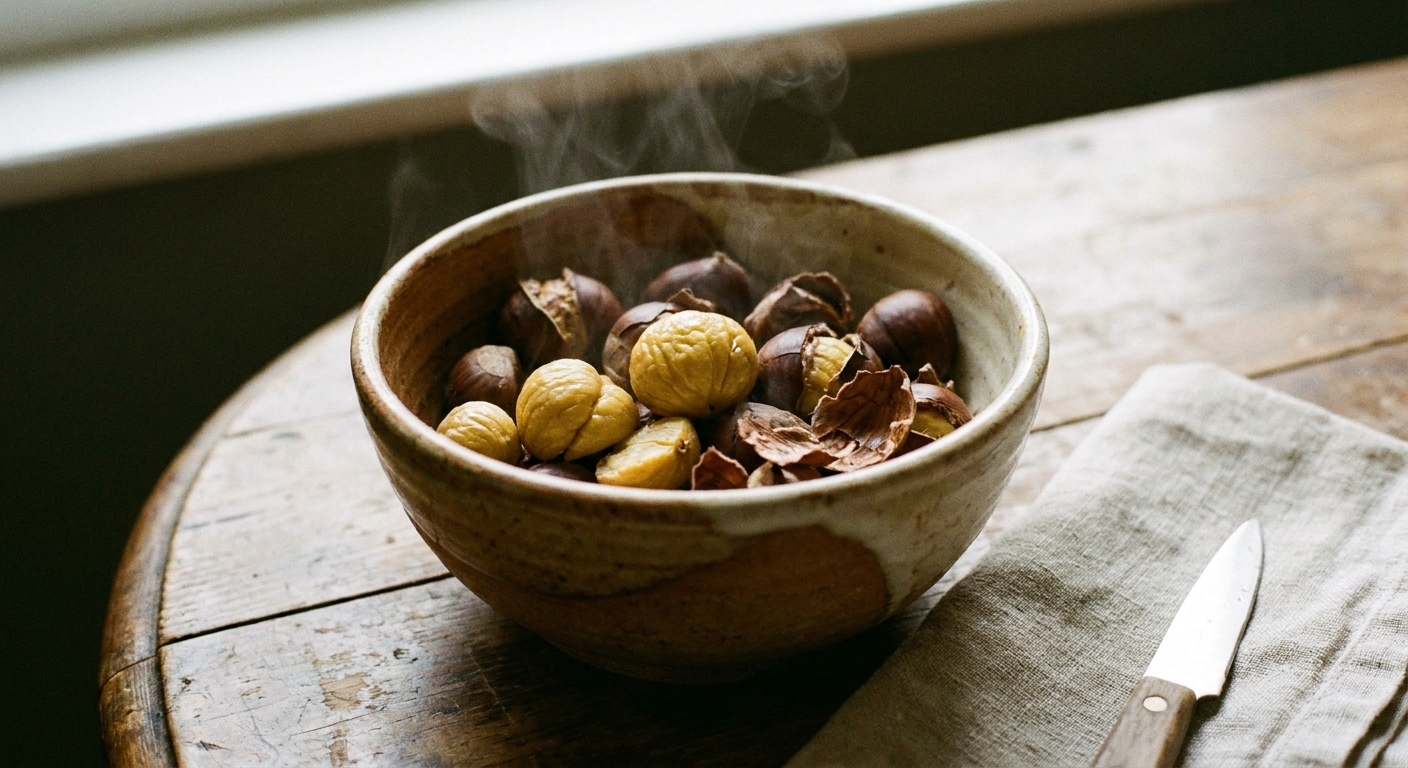
- The chestnuts should feel hot in the center when you split one.
- They should be tender and creamy, not tough.
- If they taste dry or chalky, first confirm they are heated through. Then add fat and a little moisture (butter plus a splash of stock) instead of cranking up the heat.
If your frozen chestnuts are raw
Raw peeled chestnuts can look similar in the bag, but they need more time to become truly tender. In a skillet, I treat them like a gentle braise.
- Skillet approach: Start with butter or oil, add the chestnuts, then add 1/4 cup stock or water. Cover and simmer gently on low to medium-low, stirring occasionally, until fully tender, about 15 to 25 minutes depending on size. Uncover at the end to reduce any extra liquid, then finish with butter and salt.
- What “fully tender” looks like: you can easily pierce one with a fork, and the center tastes sweet and creamy, not starchy or crunchy.
Oven method (hands-off and great for bigger batches)
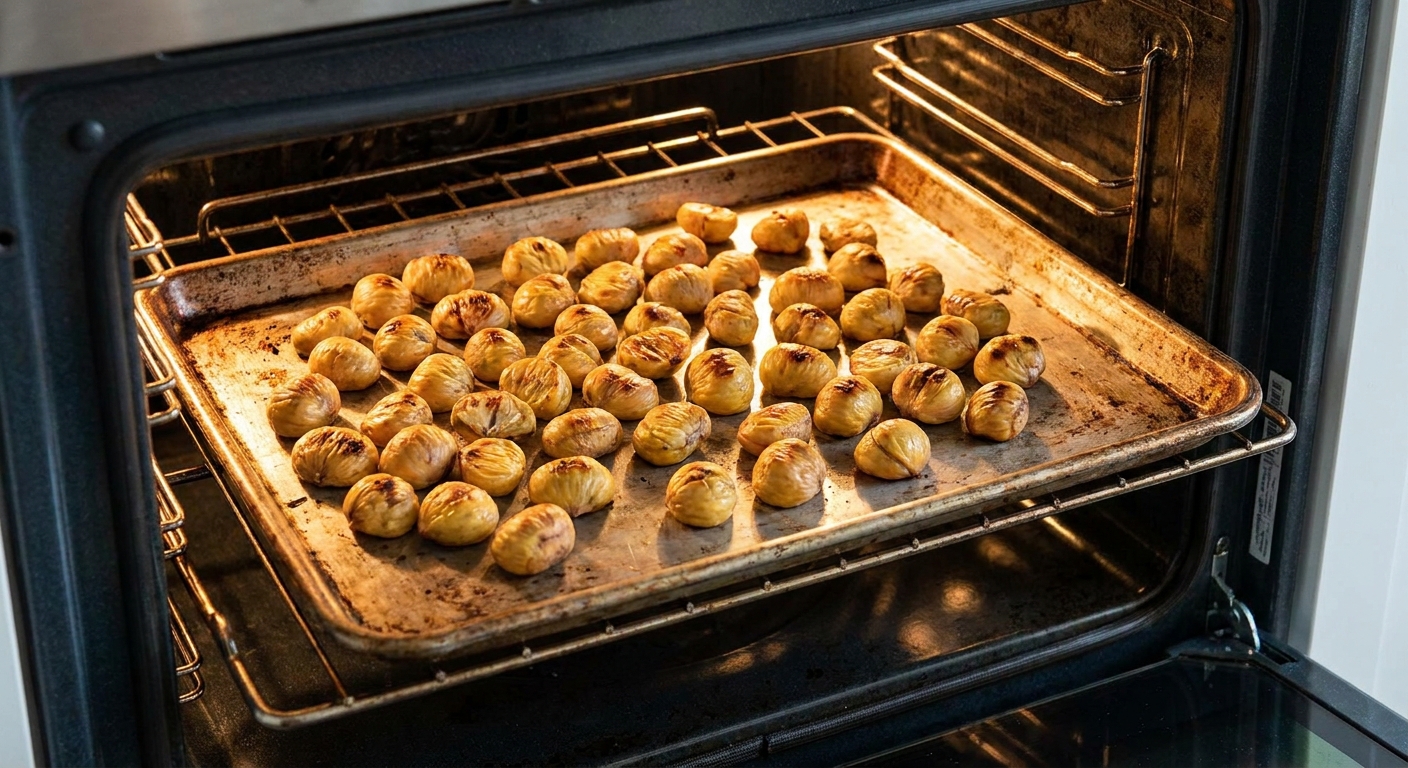
If you are already roasting something else, the oven is an easy way to warm chestnuts without babysitting a pan.
Steps
- Heat the oven: Preheat to 375°F.
- Season: Toss chestnuts with 1 tablespoon melted butter or olive oil plus a pinch of salt. If cooking from frozen, add 1 tablespoon stock or water to help them heat gently.
- Spread out: Arrange in a single layer on a sheet pan.
- Bake: Bake thawed chestnuts for 10 to 14 minutes, or frozen for 15 to 20 minutes. Stir once halfway through.
- Finish: Toss with a little more butter right after baking for the best flavor.
Maya tip: If you want a little browning, use the last 2 minutes under the broiler, but stay close. Chestnuts can go from golden to dry fast.
Best finishes
Chestnuts are naturally starchy and mild, which is why they love a final quick “sauce” moment. These are my two weeknight-friendly finishes.
1) Butter-glossy
- When chestnuts are hot, add 1 tablespoon butter.
- Toss until melted and shiny.
- Finish with a pinch of salt.
2) Stock-glazed
- Add 2 to 4 tablespoons chicken or vegetable stock to the skillet.
- Simmer 1 to 2 minutes, tossing, until the liquid reduces and clings to the chestnuts.
- Optional: add a tiny splash of soy sauce for depth.
Flavor add-ins
- Herbs: thyme, rosemary, or sage (add near the end so they stay fragrant)
- Sweet-leaning: a drizzle of maple syrup or honey with butter
- Warm spice: cinnamon plus a pinch of salt (sounds odd, tastes amazing)
- Citrus: orange zest right before serving
- Allium: a minced shallot sautéed in the butter before adding chestnuts
Chestnut product guide
This matters because the cooking method changes a lot depending on what you bought.
Frozen peeled chestnuts
- What they are: chestnuts with the shell and inner skin removed, then frozen
- Best approach: thaw and warm, or cook gently from frozen
- Goal: heat through and add flavor with butter or stock
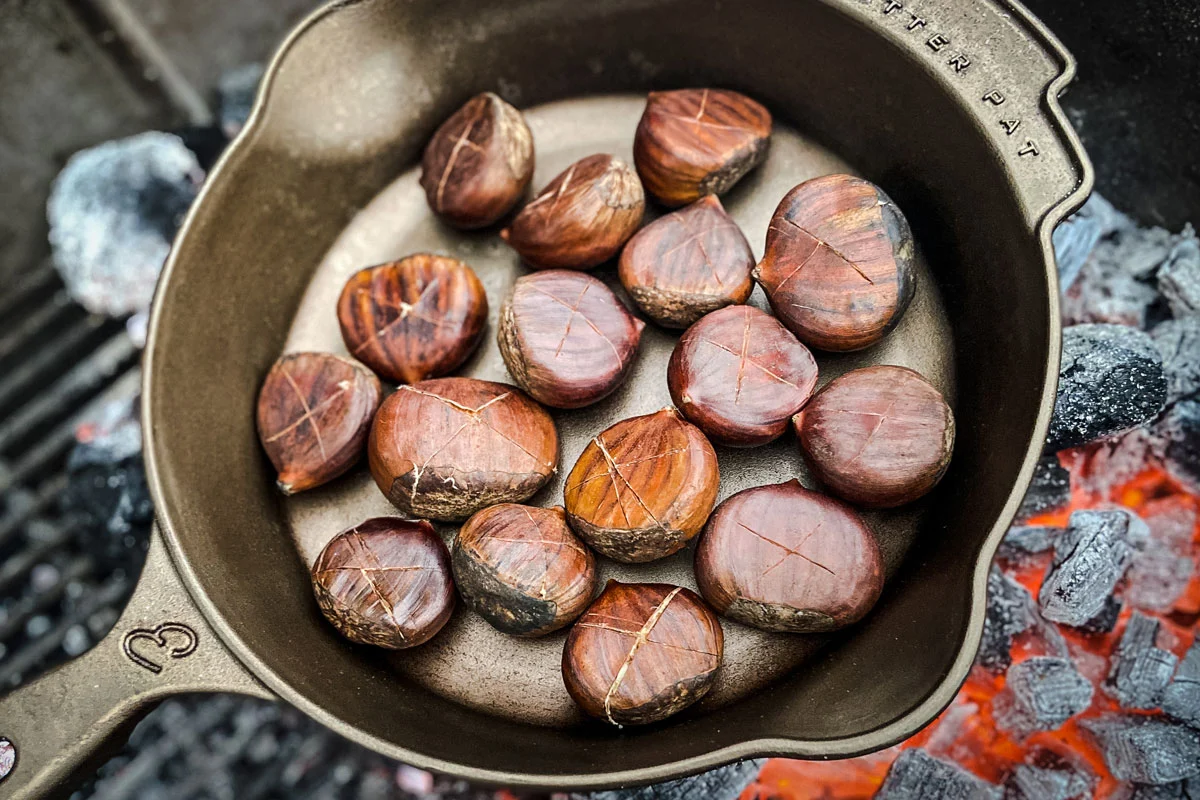
Raw chestnuts in the shell
- What they are: fresh whole nuts with a hard shell and inner skin
- Big difference: you must score them and cook them to loosen the shells, then peel while warm
- Use this guide instead: How to Roast Chestnuts
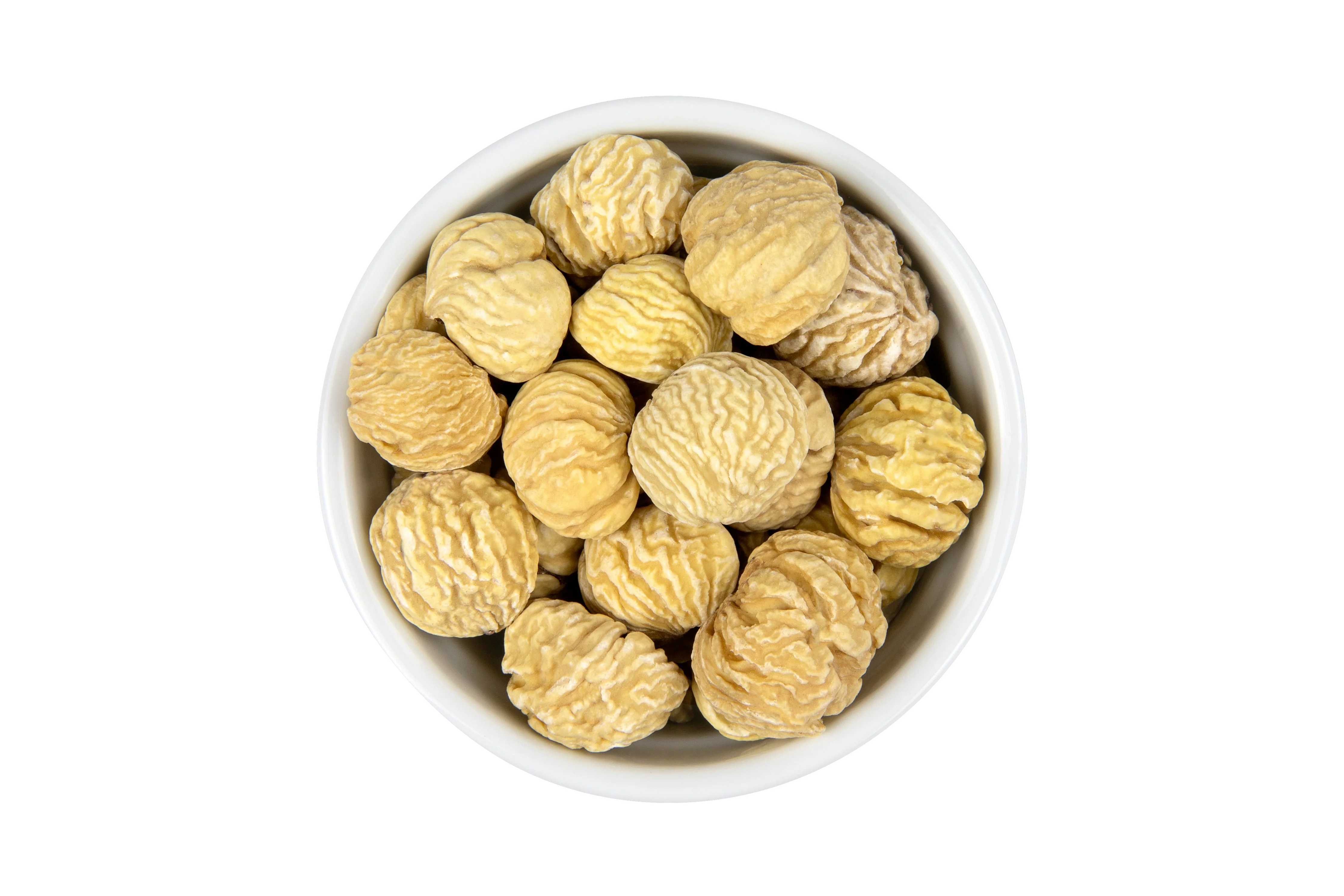
Dried chestnuts
- What they are: dehydrated chestnuts that are hard and shelf-stable
- Big difference: they need rehydration (soaking and simmering) before they taste tender
- More help here: How to Cook Dried Chestnuts
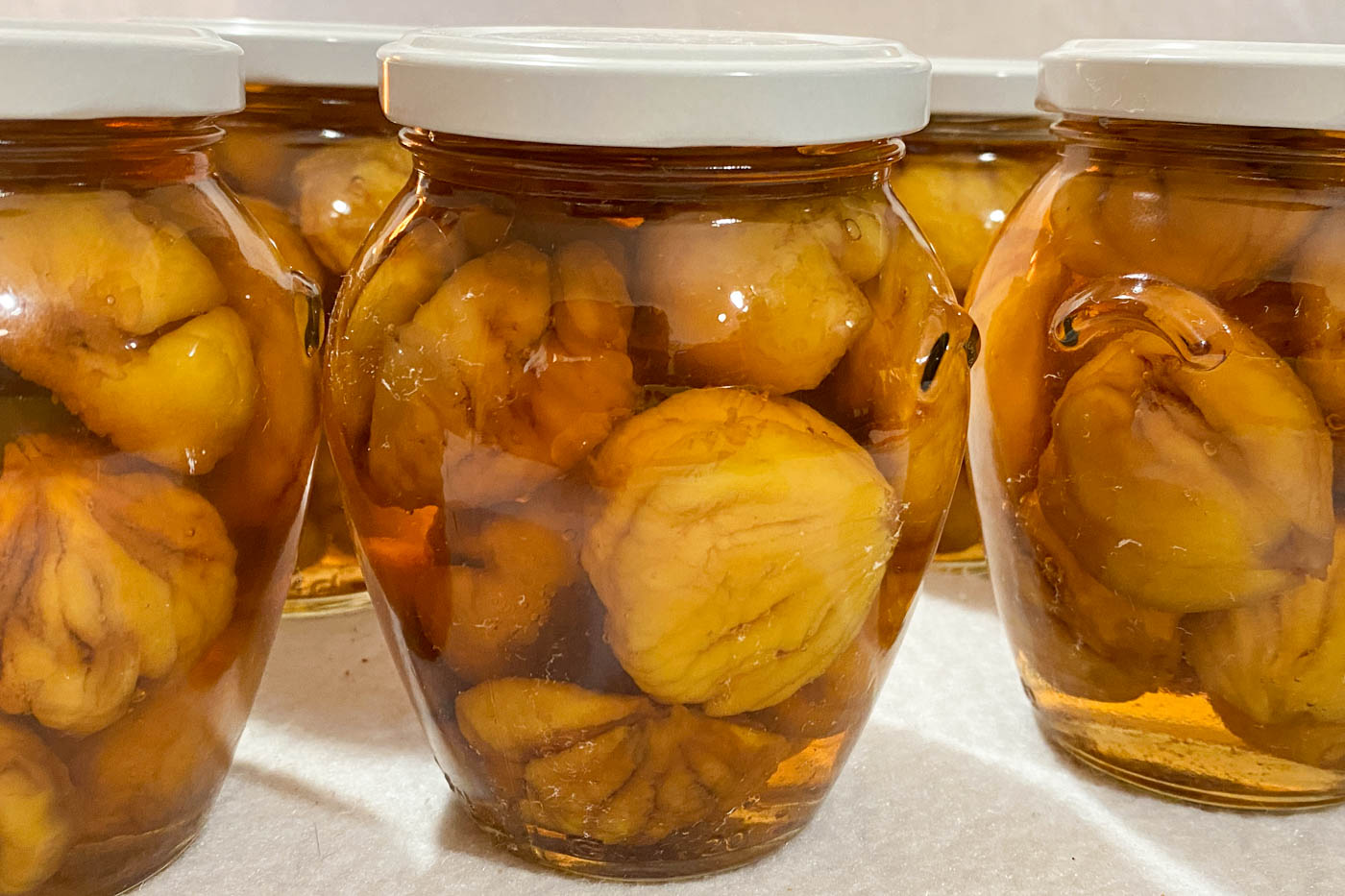
Jarred chestnuts
- What they are: peeled chestnuts packed in a jar, often already cooked and very moist
- Big difference: they are usually softer and can break if you stir aggressively
- More help here: How to Cook Jarred Chestnuts
Common problems
My chestnuts turned dry and crumbly
- Lower the heat next time.
- First make sure they are hot all the way through.
- Add butter plus 1 to 2 tablespoons stock and toss until glossy.
They are hot outside but cold in the middle
- Cover the skillet for the first few minutes to trap gentle steam.
- Use medium-low heat, not medium-high.
- If they are raw, they simply need more time covered with a bit more liquid.
They broke apart
- Stir less and use a soft spatula.
- Thaw first for better structure, especially if you want whole pieces.
Storage and reheating
- Thawing: Thaw in the fridge, or use the cold-water method (sealed bag, cold water) and cook right away.
- Leftovers: Store cooked chestnuts in an airtight container in the fridge for up to 3 to 4 days.
- Reheating: Warm gently in a skillet with a small pat of butter and a splash of water or stock, just until hot.
Ways to use cooked chestnuts
- Stir into chestnut stuffing for extra richness.
- Blend into chestnut soup to make it silky and hearty.
- Toss with roasted vegetables, especially Brussels sprouts. If you are using an air fryer, start with air fryer Brussels sprouts, then fold in warm chestnuts at the end.
FAQ
Can you roast frozen peeled chestnuts like fresh chestnuts?
You can heat them in the oven, but it is not the same as roasting fresh in-shell chestnuts. Fresh chestnuts are cooked to open the shells and develop flavor. Frozen peeled chestnuts are already past the peeling step, so you are mainly heating and seasoning.
Do I need to thaw frozen chestnuts before cooking?
No. Thawing improves evenness and reduces breakage, but cooking from frozen works well if you keep the heat gentle and add a splash of stock or water if needed.
What is the best fat to use?
Butter tastes the most classic. Olive oil is great if you are keeping things dairy-free. For extra depth, a small spoon of bacon fat is incredible, especially if the chestnuts are going into stuffing.
Can I microwave frozen chestnuts?
You can, but the texture can get a little mealy. If you do microwave, cover them with a damp paper towel and heat in short bursts, then finish with butter in a warm pan for best flavor. For a dedicated microwave approach, see microwave chestnuts.