Delishing
Chestnut Soup

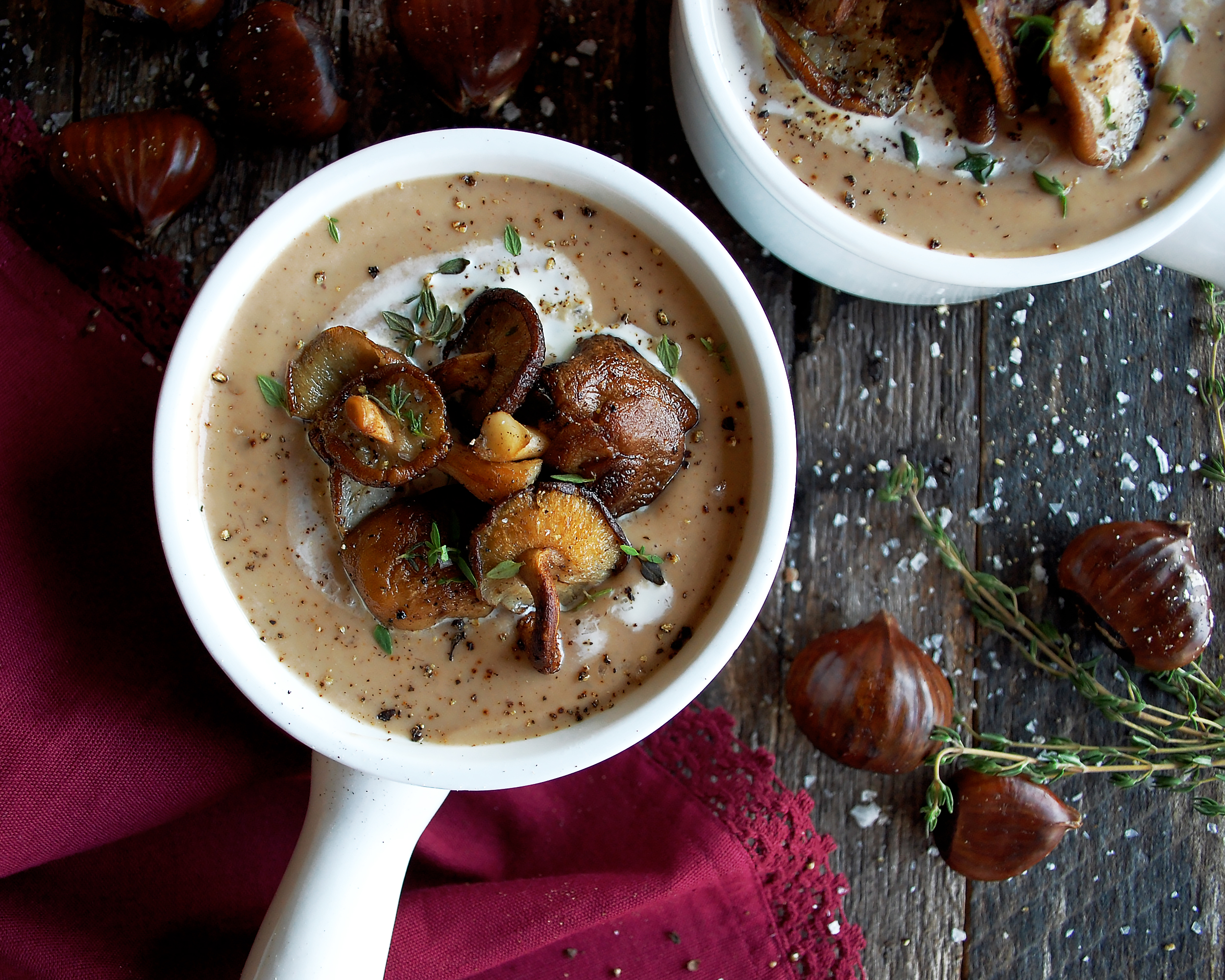
Cozy blended chestnut soup
This is the kind of soup I make when I want something that feels a little fancy but behaves like a weeknight recipe. Chestnuts are naturally sweet and starchy, so once they simmer in stock and hit the blender, they turn into a velvety puree. A small splash of cream makes it extra lush, but you are not relying on dairy alone to get that silky texture.
The vibe here is simple and unfussy: take a few extra minutes to brown the onion until it is fragrant and lightly golden, then let everything simmer until the chestnuts are fully soft before blending. That one step is what keeps the finished soup from tasting flat.
The most important detail is one I learned the hard way after oversalting more than one pot of blended soup: wait to salt until the end. Stock reduces, chestnuts vary in sweetness, and you will get a cleaner, more balanced flavor if you season after blending and after you add your finish.
Speaking of the finish, you have options. I love a classic swirl of heavy cream, but full-fat coconut milk works beautifully for a dairy-free bowl and still tastes cozy, not coconutty, once it is warmed through. A tiny squeeze of lemon at the end is also my quiet trick for making the whole thing taste brighter and more savory.
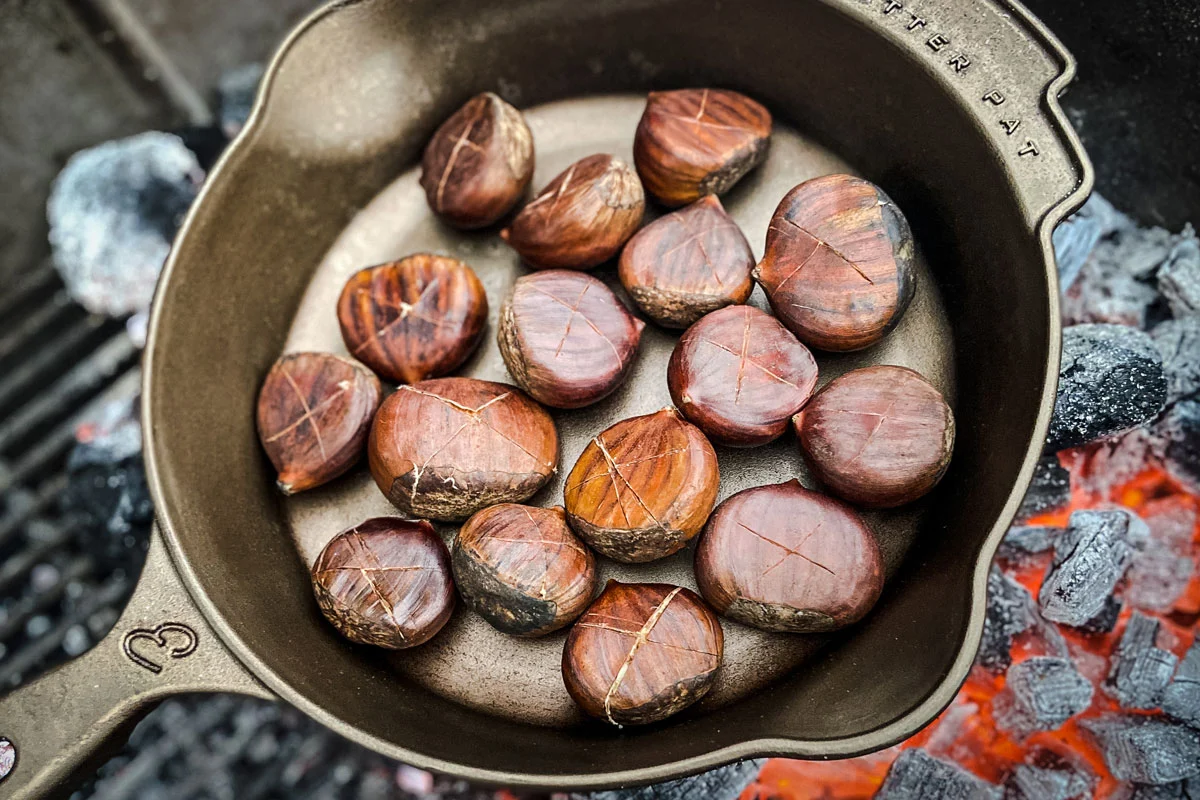
For chestnuts, use whatever fits your day. Fresh roasted chestnuts are incredible if you have the time, and I keep my go-to method here: How to Roast Chestnuts. Vacuum-packed or jarred cooked chestnuts are my weeknight move and they blend up wonderfully after a quick simmer.
Why this recipe works
- Browning the onion first builds a savory base that keeps the soup from tasting one-note sweet.
- Chestnuts thicken naturally, so the soup turns creamy once blended even with minimal dairy.
- Simmering until very soft is the secret to a smooth puree with no gritty bits.
- Salting at the end lets you adjust after the stock reduces and after blending changes perceived seasoning.
Ingredient notes
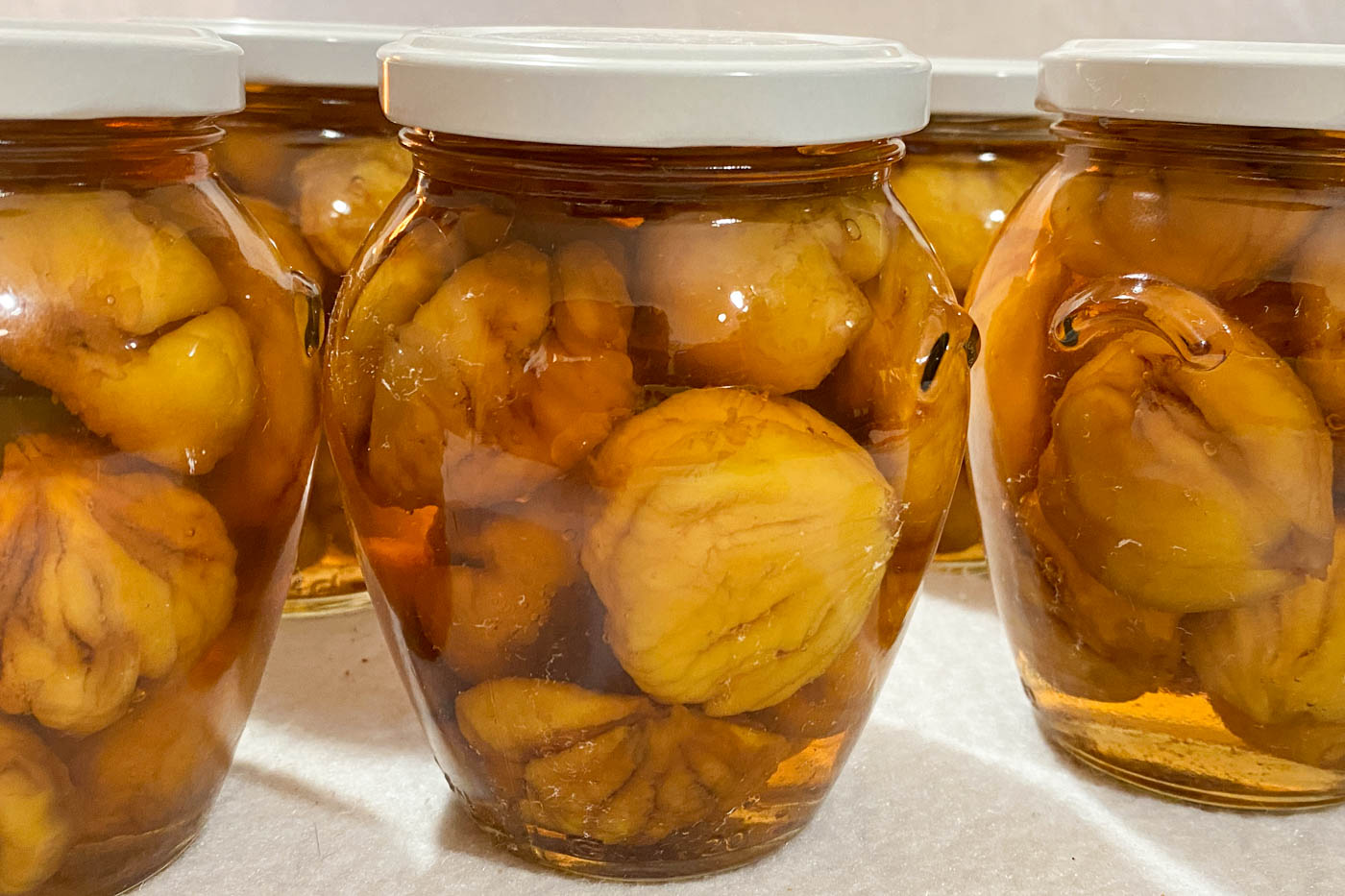
- Cooked chestnuts: Use peeled roasted chestnuts you made yourself, vacuum-packed cooked chestnuts, or jarred cooked chestnuts. Avoid sweetened chestnuts meant for desserts.
- Onion: Yellow onion gives the best balance of sweetness and savoriness. Take time to brown it lightly.
- Garlic: One to two cloves is plenty. Too much can overpower the chestnuts.
- Stock: Vegetable stock keeps it vegetarian; chicken stock adds deeper savoriness. Choose low-sodium if possible so you can season precisely at the end.
- Thyme and bay leaf (optional but helpful): A small amount adds warmth without making the soup taste herbal.
- Creamy finish: Heavy cream is classic, but full-fat coconut milk or cashew cream also works beautifully for dairy-free.
- Acid: A squeeze of lemon or a tiny splash of apple cider vinegar at the end makes the flavor pop.
Equipment
- Large pot or Dutch oven
- Blender (standard blender is best for ultra-smooth texture) or immersion blender
- Cutting board and chef’s knife
- Ladle
Pro tips
- Blend safely: If using a countertop blender, vent the lid and cover with a towel. Hot soup expands fast.
- Go for fully tender chestnuts: If they are even a little firm, simmer longer before blending. Smooth soup starts with soft solids.
- Texture control: Blend first, then thin with a little extra stock if needed. It is easier than trying to thicken later.
- Season last: Add salt and pepper after blending and after you add cream or your dairy-free option.
- Finish with something crunchy: Toasted bread cubes, crispy bacon, or roasted chickpeas add the contrast that makes the bowl feel complete. If you like crunchy toppings, my Roasted Chickpeas are a great option.
Substitutes
- Dairy-free: Swap heavy cream for full-fat coconut milk or cashew cream. Use olive oil instead of butter.
- Vegetarian: Use vegetable stock.
- No thyme: Use a small pinch of rosemary, or skip herbs and lean on black pepper and a touch of nutmeg.
- Onion alternatives: Leeks work well. Cook them gently and rinse well first.
Variations
- Apple-chestnut: Add one peeled, diced apple with the chestnuts for extra sweetness and body.
- Smoky: Add a small pinch of smoked paprika to the onions as they brown.
- Herby: Finish with chopped chives or parsley.
- Extra-luxurious: Use half stock and half milk, then finish with a small splash of cream.
Serving ideas
- Serve with a grilled cheese. If you want a classic pairing, try Grilled Cheese on the side.
- Top with croutons and a swirl of cream or coconut milk.
- Add a simple salad like Caprese Salad for an easy dinner.
- For a holiday starter, serve in small bowls with a drizzle of olive oil and fresh thyme leaves.
Storage and reheating
- Refrigerate: Cool completely, then store in an airtight container for up to 4 days.
- Freeze: Freeze for up to 3 months. If using dairy, the texture can separate slightly after thawing, but it usually smooths out when reheated and whisked.
- Reheat: Warm gently on the stove over medium-low heat, stirring often. Add a splash of stock or water if it thickens too much.
Common mistakes (and how to avoid them)
- Not browning the onion: If you only soften it, the soup can taste flat. Let the onion pick up a little color.
- Salting too early: Stocks vary and reduce. Blend first, then salt.
- Under-simmering the chestnuts: Even pre-cooked chestnuts need time in the pot to become puree-smooth.
- Blending too little: Give it time. A full minute or two in a blender can be the difference between okay and restaurant-silky.
FAQ
Can I make this with jarred or packaged chestnuts?
Yes. Just make sure they are plain cooked chestnuts, not candied or sweetened. They still benefit from a simmer in stock before blending.
Do I have to use cream?
No. Chestnuts are naturally creamy when blended. You can finish with coconut milk, cashew cream, or simply a drizzle of olive oil for a lighter bowl.
Why does my chestnut soup taste bland?
Usually it needs one of three things: more browning on the onions, a little more salt added at the end, or a small pop of acid like lemon juice. Taste, adjust, then taste again.
My soup is too thick. What should I do?
Whisk in a splash of stock or water over low heat until it loosens. Thickening is normal as it cools because chestnuts are starchy.
Can I use an immersion blender?
Yes. It will be creamy, but a countertop blender typically gets it smoother. If using an immersion blender, blend a bit longer than you think you need.
Blended Chestnut Soup
Velvety chestnut soup made by browning onion and garlic, simmering chestnuts in stock until very soft, then blending and finishing with cream or a dairy-free option. Season with salt at the end for the best balance.
- Prep time
- 10 minutes
- Cook time
- 30 minutes
- Total time
- 40 minutes
- Servings
- 4
Ingredients
- 2 tbsp olive oil or unsalted butter
- 1 medium yellow onion, finely chopped
- 2 garlic cloves, minced
- 4 cups low-sodium vegetable stock or chicken stock, plus more as needed
- 12 oz cooked, peeled chestnuts (about 2 to 2 1/2 cups)
- 1 bay leaf (optional)
- 1 tsp fresh thyme leaves or 1/2 tsp dried thyme (optional)
- 1/2 cup heavy cream, or full-fat coconut milk for dairy-free
- 1 to 2 tsp lemon juice or 1 tsp apple cider vinegar, to taste
- Kosher salt, to taste (added at the end)
- Freshly ground black pepper, to taste
- Optional toppings: chopped chives or parsley, extra drizzle of cream or olive oil, croutons or toasted bread
Instructions
- Brown the aromatics: In a large pot or Dutch oven, heat the olive oil or butter over medium heat. Add the onion and cook, stirring often, until softened and lightly golden, 8 to 10 minutes.
- Add garlic: Stir in the garlic and cook until fragrant, about 30 seconds.
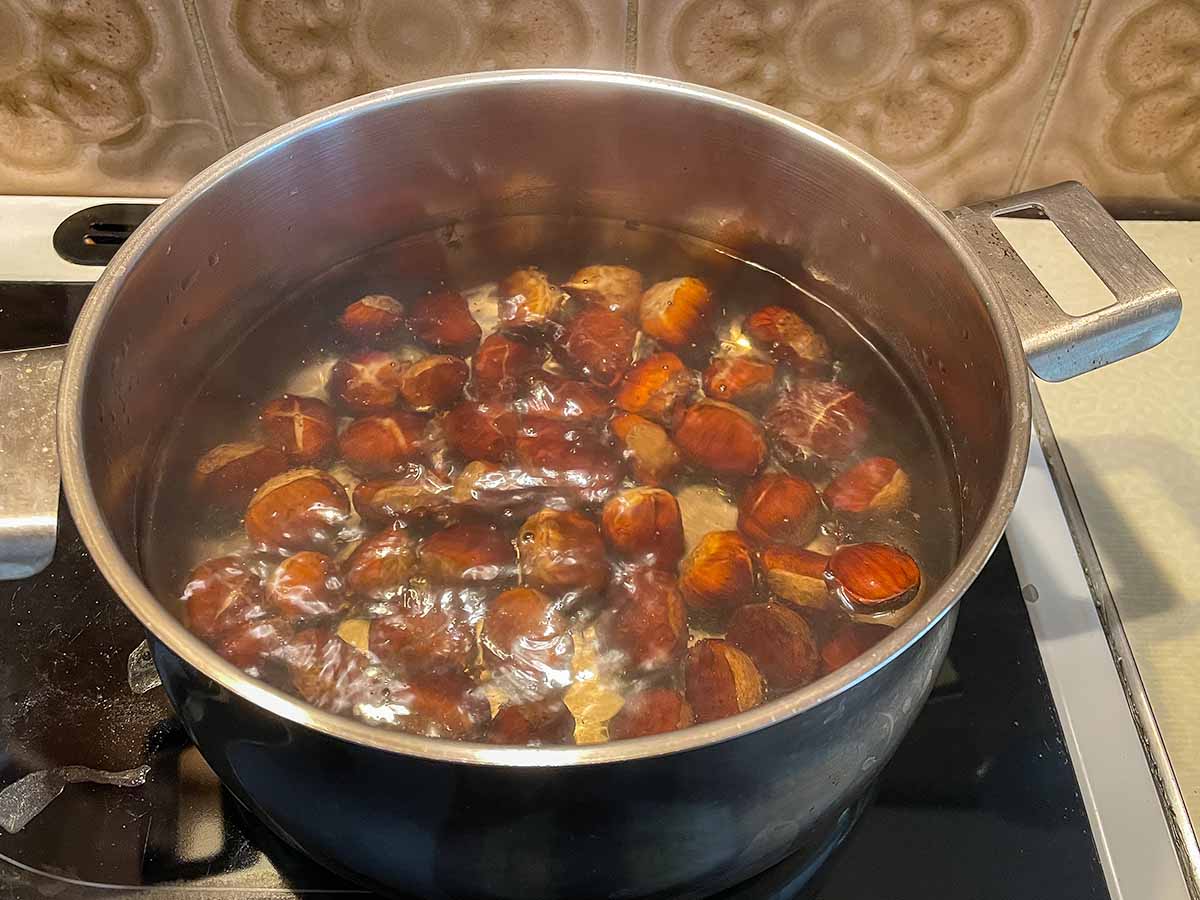
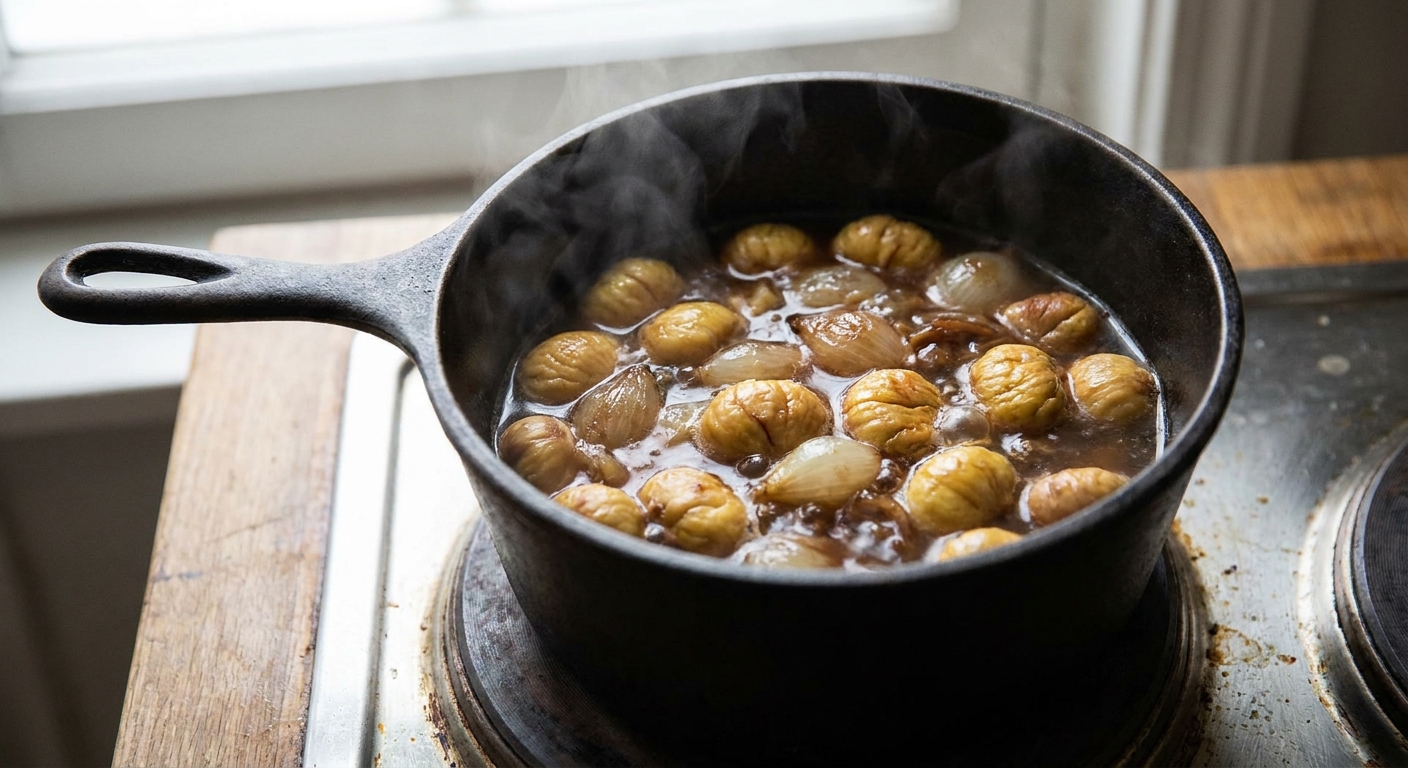
- Simmer: Add the stock, chestnuts, bay leaf, and thyme (if using). Bring to a simmer, then reduce heat to maintain a gentle simmer. Cook until the chestnuts are very soft, 15 to 20 minutes.
- Blend: Remove and discard the bay leaf. Carefully blend the soup until completely smooth, either in batches in a countertop blender or directly in the pot with an immersion blender.
- Finish: Return the soup to the pot (if blended in batches). Stir in the heavy cream or coconut milk. Warm over low heat for 2 to 3 minutes, stirring, without boiling.
- Season at the end: Stir in lemon juice (or vinegar). Add salt and black pepper to taste. If the soup is thicker than you like, thin with a splash of stock.
- Serve: Ladle into bowls and add any toppings you love.
Notes
Salt timing matters: Stocks vary a lot, and the soup reduces as it simmers. For the cleanest flavor, wait to salt until after blending and after adding your creamy finish.
Blender safety: When blending hot soup in a countertop blender, vent the lid and cover with a towel to prevent pressure buildup.