Delishing
Chestnut Purée

Chestnut purée is one of those quiet, behind-the-scenes ingredients that makes holiday cooking feel more “chef-y” without adding real stress. At its simplest, it is peeled, cooked chestnuts blended with a little liquid until smooth. If you want pastry-shop silkiness, you can also press it through a fine-mesh sieve, but that part is optional.
One quick thing before we go any further: chestnut purée is not the same as sweetened chestnut spread (often sold as crème de marrons). The spread is dessert-ready and already sweet. This purée can be kept plain for recipes, sweetened lightly for baking, or turned savory with salt and butter for sauces and gravies.
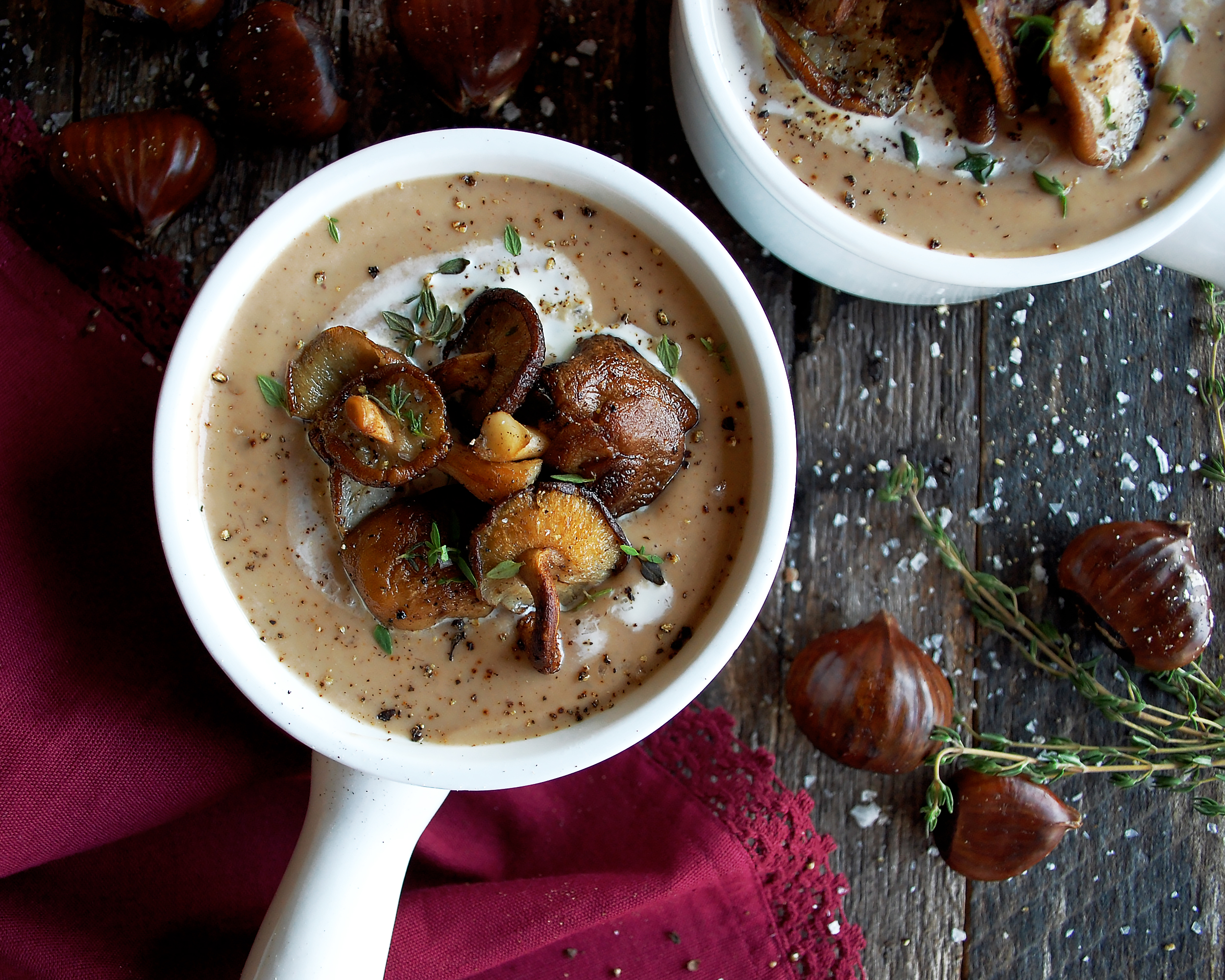
I started making chestnut purée after one too many recipes told me to “add chestnut purée” as if everyone keeps it in the fridge next to ketchup. Once I began blending my own, I realized it is a make-ahead superpower. You can roast and peel chestnuts in advance, blend them when you have five minutes, then pull out exactly what you need later for Chestnut Soup, a cake batter, or a quick pan gravy on a busy night.
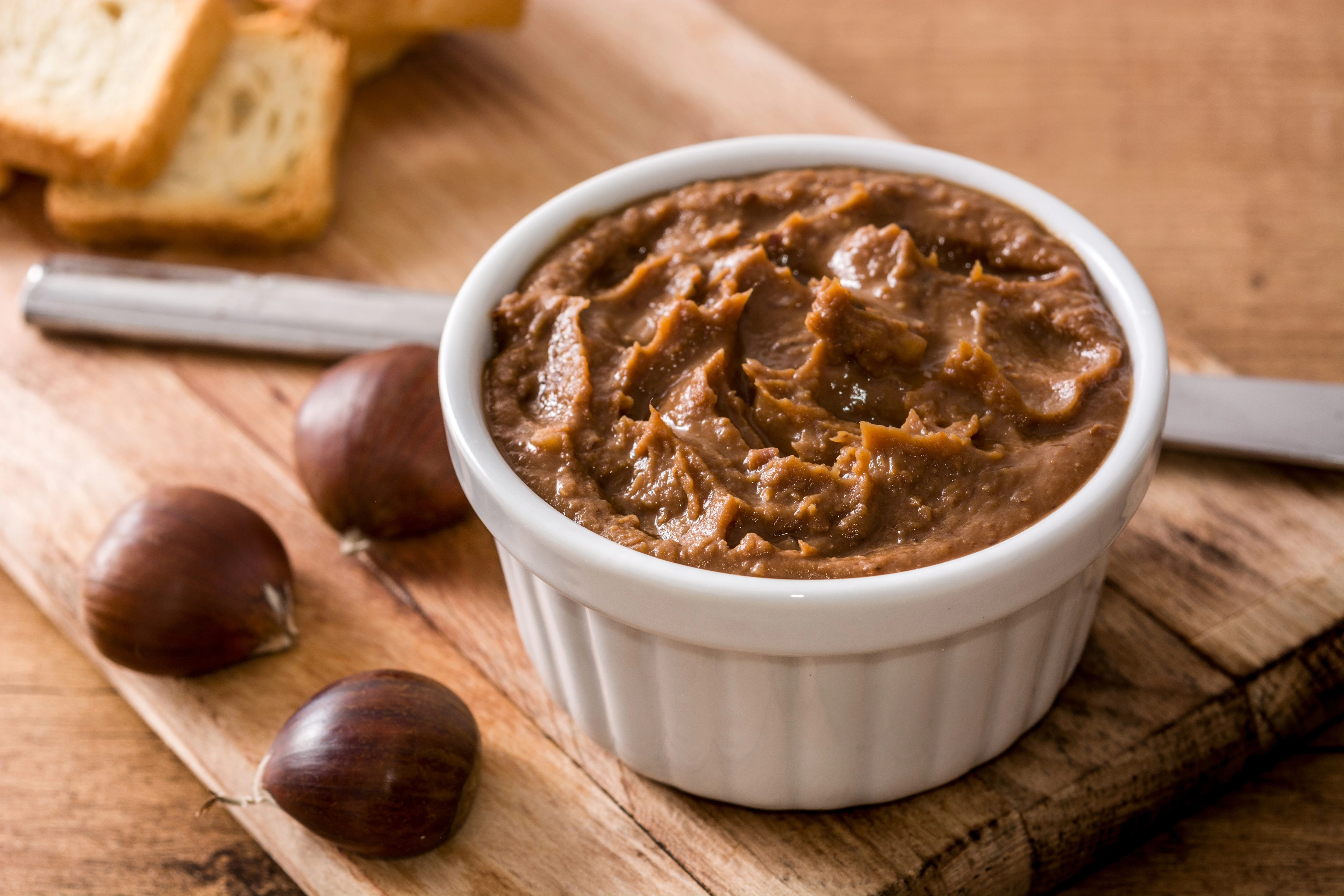
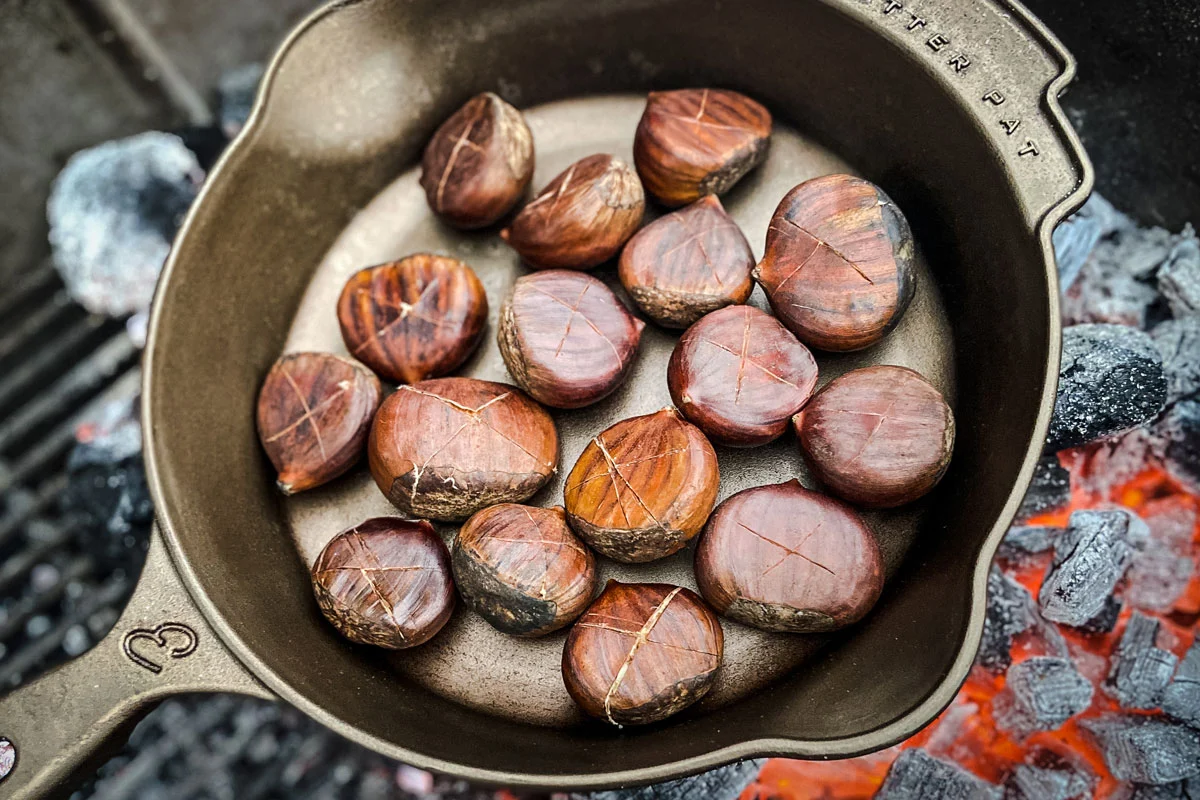
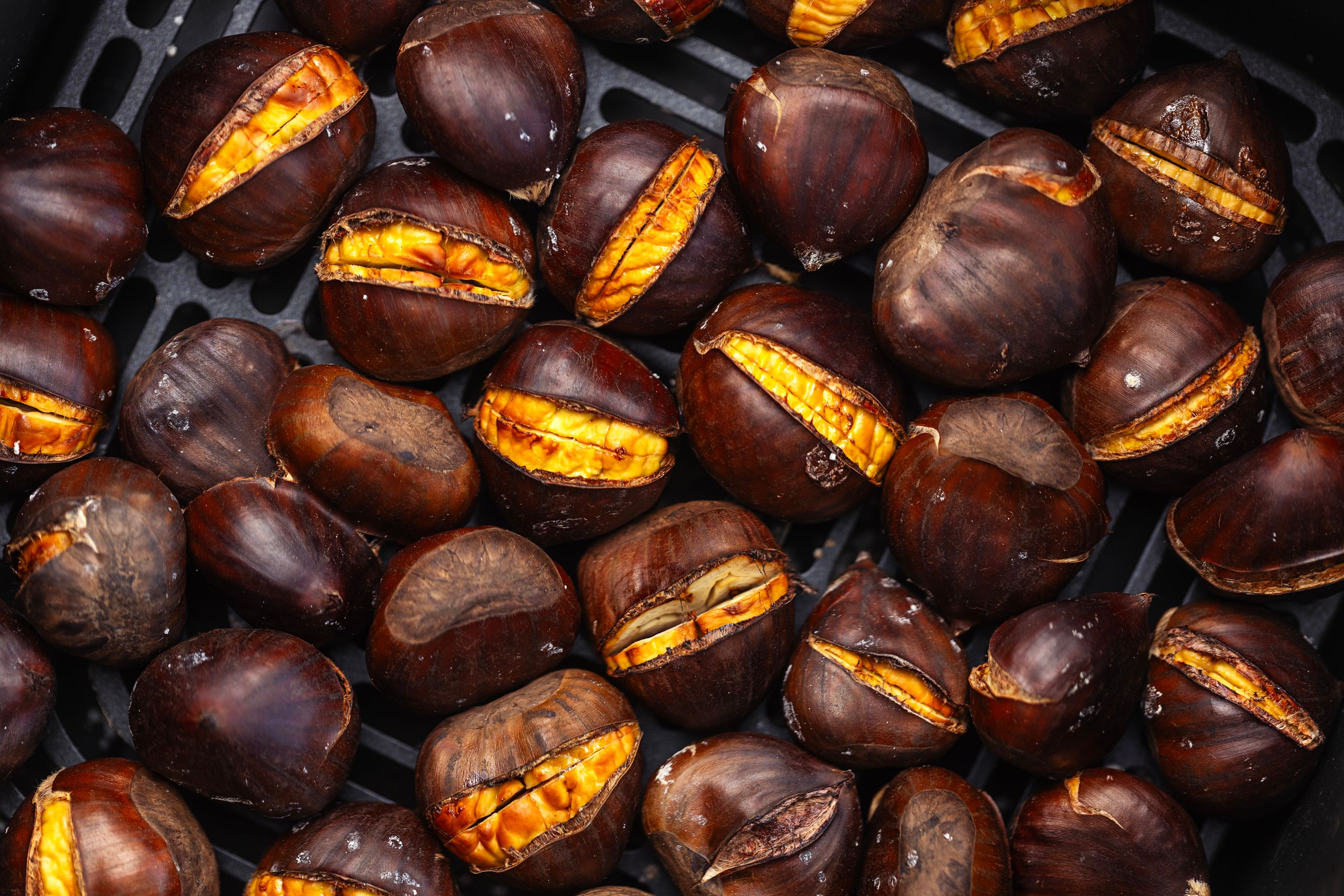
Below, I will walk you through the texture you are aiming for, the best liquids to use, how to adjust sweetness or savoriness, and exactly how long it lasts in the fridge and freezer. If you still need help getting to the peeled chestnut stage, start with How To Roast Chestnuts or the faster Air Fryer Chestnuts.
Why it works
- Chestnuts blend best while warm. Warm chestnuts purée faster and smoother, which means less liquid and a thicker, richer base.
- You control the final thickness. Start with minimal liquid, then add more a tablespoon at a time so your purée can be spoonable for baking or looser for soup.
- Neutral base first, flavor second. Making an unsweetened purée gives you maximum flexibility, and you can portion and flavor later for sweet or savory recipes.
- Freezes beautifully. Chestnut purée is one of the easiest holiday prep items to make ahead, freeze flat, and thaw quickly.
Ingredient notes
Cooked, peeled chestnuts
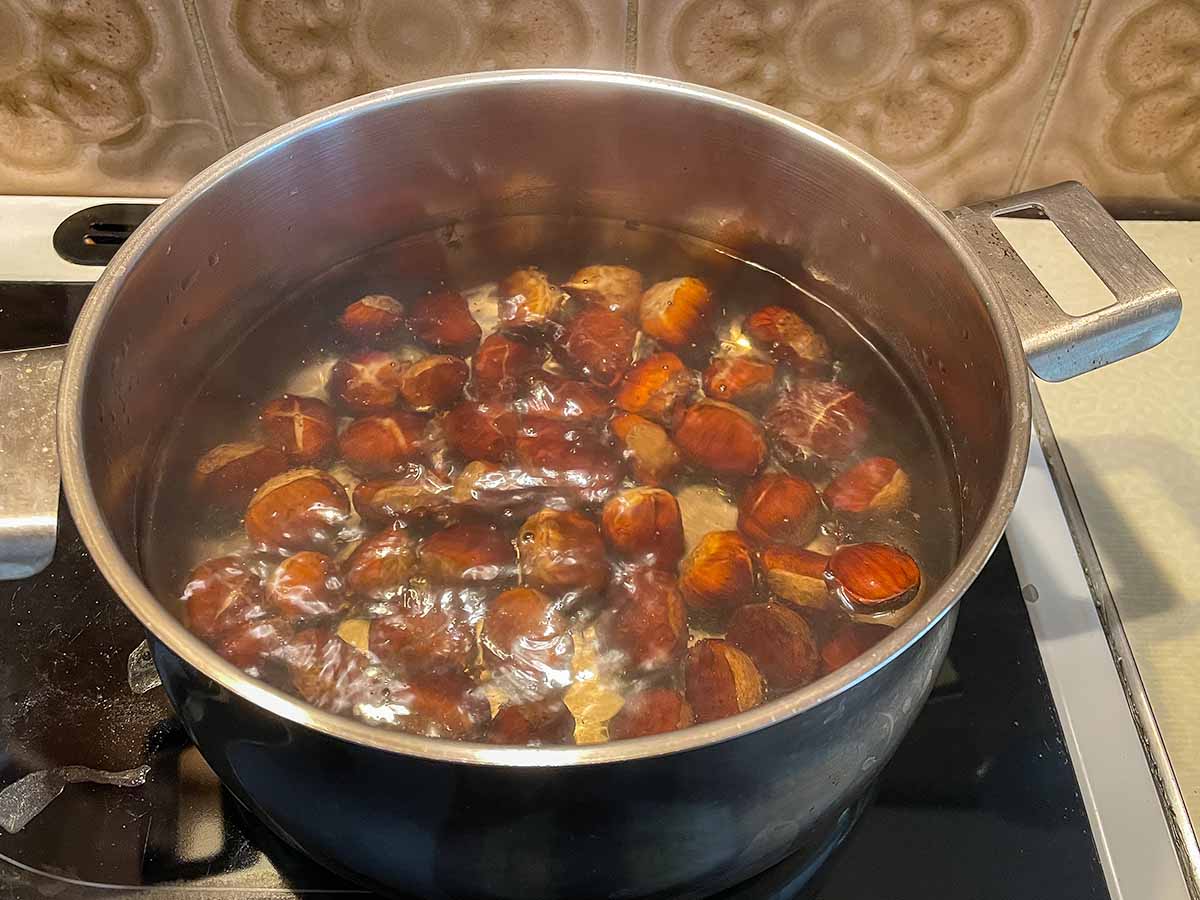
You need chestnuts that are fully cooked and peeled, with the papery inner skin removed. Roasted chestnuts bring deeper flavor, boiled chestnuts are slightly lighter and cleaner tasting. If you are starting from fresh, use How To Roast Chestnuts or Boiled Chestnuts.
Liquid options
- Water: best for an all-purpose, unsweetened purée (especially if you do not know what you will use it for yet).
- Milk (dairy or unsweetened plant milk): makes a creamier purée for desserts and fillings.
- Stock or broth: perfect for savory purée intended for soup, gravy, or sauces.
Sweeteners (optional)
Powdered sugar dissolves instantly, honey and maple syrup add flavor but can make the purée slightly looser. For a “lightly sweet” purée, start small and taste as you go.
Fat and seasoning (optional)
Butter or olive oil adds richness and helps the purée feel extra smooth. Salt is not optional in savory purée, and a tiny pinch is still helpful in sweet versions.
Equipment
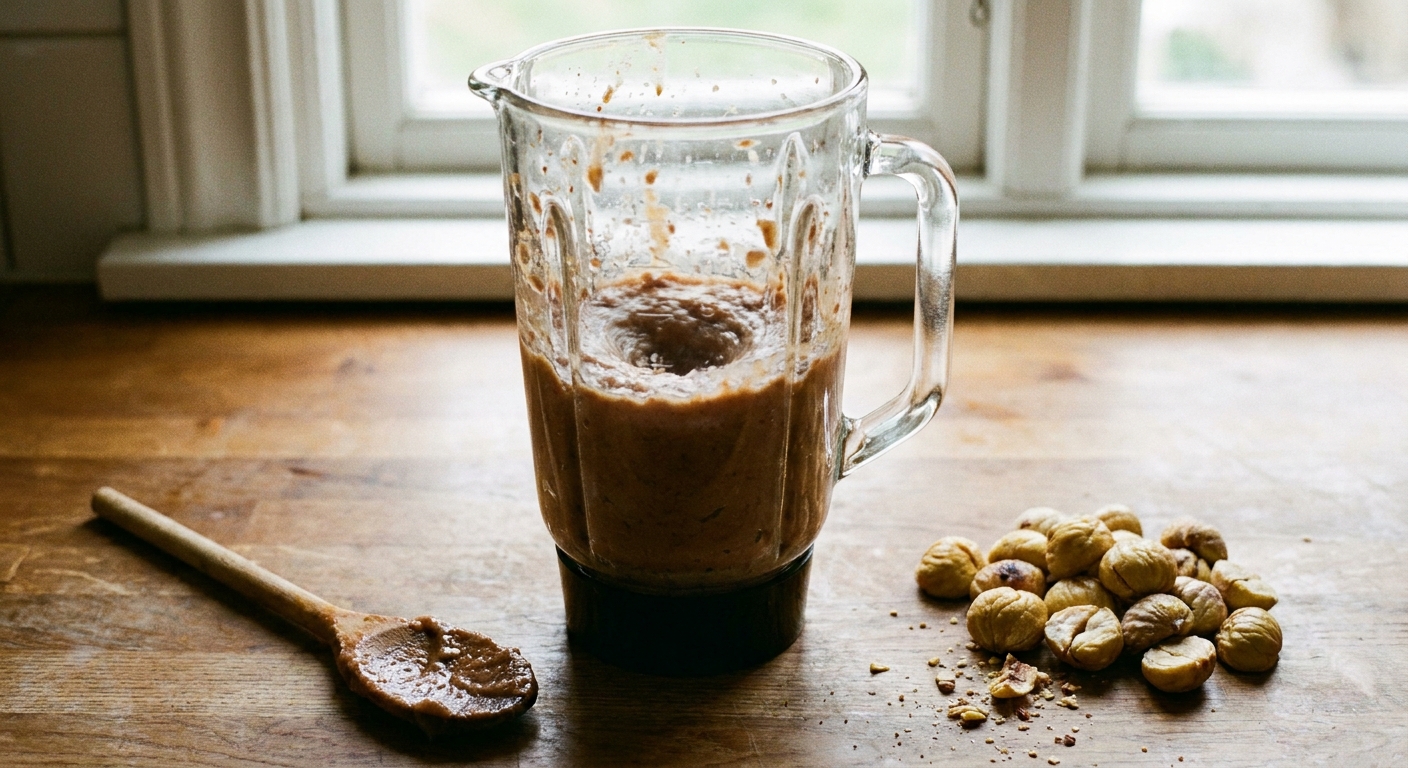
- Food processor: my favorite for thick, spoonable purée because it can handle a denser mixture.
- High-speed blender: great for ultra-smooth purée, especially if you plan to make soup and do not mind adding a bit more liquid.
- Fine-mesh sieve (optional): if you want a pastry-level smoothness for fillings and mousse-like desserts.
- Flexible spatula: for scraping down the bowl so you do not over-add liquid.
Pro tips
- Start with less liquid than you think. Chestnuts hold moisture differently depending on how they were cooked. Add liquid 1 tablespoon at a time until it moves smoothly in the processor.
- Warm purée, better texture. If your chestnuts are cold and stiff, warm them briefly (even a quick microwave warm-up) before blending.
- For dessert purée, go silky. After blending, press through a fine-mesh sieve if you are using it in cake, roulade, or fillings. It is an extra step, but it levels up the final texture.
- Season in layers. A pinch of salt makes sweet chestnut purée taste more “chestnut-y,” not salty.
- Label your portions. If you freeze both sweet and savory versions, label the bag or container clearly. Ask me how I know.
Substitutes
- Liquid: Swap water for milk or broth depending on your end use. Unsweetened oat milk or almond milk works well in sweet purée.
- Butter: Use olive oil for a dairy-free savory purée, or vegan butter for a dessert-friendly option.
- Sweetener: Maple syrup, honey, or light brown sugar all work. If using granulated sugar, blend longer to fully dissolve.
What you cannot truly substitute is the chestnut itself. Water chestnuts are a different ingredient entirely. If you are unsure which you have, see Chestnuts vs. Water Chestnuts.
Variations
Unsweetened chestnut purée (all-purpose)
Blend cooked chestnuts with water (or a neutral milk) and a pinch of salt. This is the version I freeze most often because it can become sweet or savory later.
Lightly sweet chestnut purée
Blend with milk, then sweeten gently with powdered sugar or maple syrup. Optional: vanilla extract for dessert applications.
Savory salted chestnut purée
Blend with warm stock and finish with butter or olive oil, plus salt and pepper. Optional: a tiny clove of garlic (blended) or a pinch of thyme for a holiday vibe.
How to use chestnut purée
Think of chestnut purée as a thick, flavorful base. Here are my favorite ways to use it later, especially during the holiday crush.
In soup
- Stir it into simmering broth with sautéed onions, then blend again for a velvety finish.
- Use it to thicken and add natural sweetness to Chestnut Soup style recipes.
In cake and dessert batters
- Fold into sponge cake or quick bread batter for moisture and a subtle nutty sweetness.
- Swirl into cheesecake batter or brownie batter for a seasonal twist (it reads cozy, not loud).
In gravy or pan sauces
- Whisk a few spoonfuls into turkey or chicken drippings to make gravy taste rich and faintly sweet.
- Stir into mushroom sauce for a deep, wintery flavor that feels restaurant-level with almost no effort.
Storage
Refrigerator
Store chestnut purée in an airtight container for up to 5 days. Press a piece of parchment or plastic wrap directly onto the surface to reduce browning and drying.
Freezer
Freeze for up to 3 months. I like freezing in 1 cup portions or in an ice cube tray for small “add-in” amounts, then transferring to a freezer bag once solid.
Thawing and refreshing
- Thaw in the fridge overnight for best texture.
- If it looks slightly grainy after thawing, re-blend with 1 to 2 teaspoons warm water, milk, or broth until smooth again.
Common mistakes
- Not peeling thoroughly. That papery inner skin can make purée taste bitter and look speckled. Take the extra minute to remove it.
- Adding too much liquid too early. It is easy to thin it out, but harder to fix a watery purée. Add liquid slowly.
- Blending cold chestnuts. Cold chestnuts purée into a thicker, sometimes crumbly paste that tempts you to over-add liquid. Warm them first.
- Skipping salt entirely. Even sweet versions benefit from a pinch. Savory versions need enough salt to taste like something.
FAQ
Is chestnut purée the same as chestnut butter?
No. Chestnut butter (often called crème de marrons) is sweetened and typically more spreadable, like a jam. Chestnut purée can be unsweetened, lightly sweet, or savory, and is meant to be a flexible cooking base.
Why is my chestnut purée grainy?
Usually it is either not blended long enough, not enough liquid, or the chestnuts were a bit dry. Re-blend while warm, add liquid a teaspoon at a time, and for extra smoothness press it through a fine-mesh sieve.
Can I make chestnut purée from jarred or packaged chestnuts?
Yes, as long as they are cooked and peeled. Start with less liquid since packaged chestnuts can be softer and moister. If you need help prepping them, see How to Cook Jarred Chestnuts.
Does chestnut purée need lemon juice to prevent browning?
It is optional. Chestnut purée can darken slightly, but flavor is usually fine. If you want to keep a lighter color for desserts, a small splash of lemon juice can help, just add carefully so it does not turn your purée tangy.
How much purée do I get from 1 pound of chestnuts?
It varies with peeling loss and how thick you blend it, but expect roughly 1 1/2 to 2 cups of purée from 1 pound of chestnuts.
Chestnut Purée
A flexible, make-ahead base made from cooked chestnuts blended smooth. Keep it unsweetened for cooking, lightly sweet for baking, or savory for soups and gravies.
Prep Time: 10 minutes
Cook Time: 0 minutes
Total Time: 10 minutes
Makes: About 2 cups
- 3 cups cooked, peeled chestnuts (about 1 pound fresh chestnuts before cooking and peeling)
- 1/2 cup warm water, milk, or broth, plus more as needed
- 1/4 teaspoon fine salt (use 1/8 teaspoon for sweet versions)
- Optional for lightly sweet purée: 2 to 4 tablespoons powdered sugar or 1 to 2 tablespoons maple syrup, plus 1/2 teaspoon vanilla extract
- Optional for savory purée: 1 tablespoon butter or olive oil, plus black pepper to taste
- Add chestnuts to the processor. Place the cooked, peeled chestnuts in a food processor (or high-speed blender).
- Start blending with a little liquid. Add 1/2 cup warm water, milk, or broth and the salt. Blend, scraping down the sides as needed, until the mixture starts to look smooth.
- Adjust to the texture you need. Add more warm liquid, 1 tablespoon at a time, blending between additions, until you have a thick, smooth purée. For baking, aim for spoonable and thick. For soup, go slightly looser.
- Choose your finish.
- Unsweetened: Taste and add a pinch more salt if needed. Stop here.
- Lightly sweet: Add powdered sugar (or maple syrup) and vanilla. Blend until fully smooth. Taste and adjust sweetness.
- Savory: Blend in butter or olive oil, then add black pepper to taste. Taste and adjust salt.
- Optional for extra-silky purée. Press the purée through a fine-mesh sieve with a spatula.
- Cool and store. Cool to room temperature, then transfer to an airtight container. Refrigerate up to 5 days or freeze up to 3 months.
Note: Chestnuts purée best when warm. If yours are cold, warm them briefly so you do not need to add excess liquid.