Delishing
Roasted Chestnut Latte

Every year when the weather turns crisp, I start craving that coffee-shop flavor of toasted nuts and brown sugar. A roasted chestnut latte hits the spot, but I wanted a version I could make on a random Tuesday without fancy syrups or barista gear.
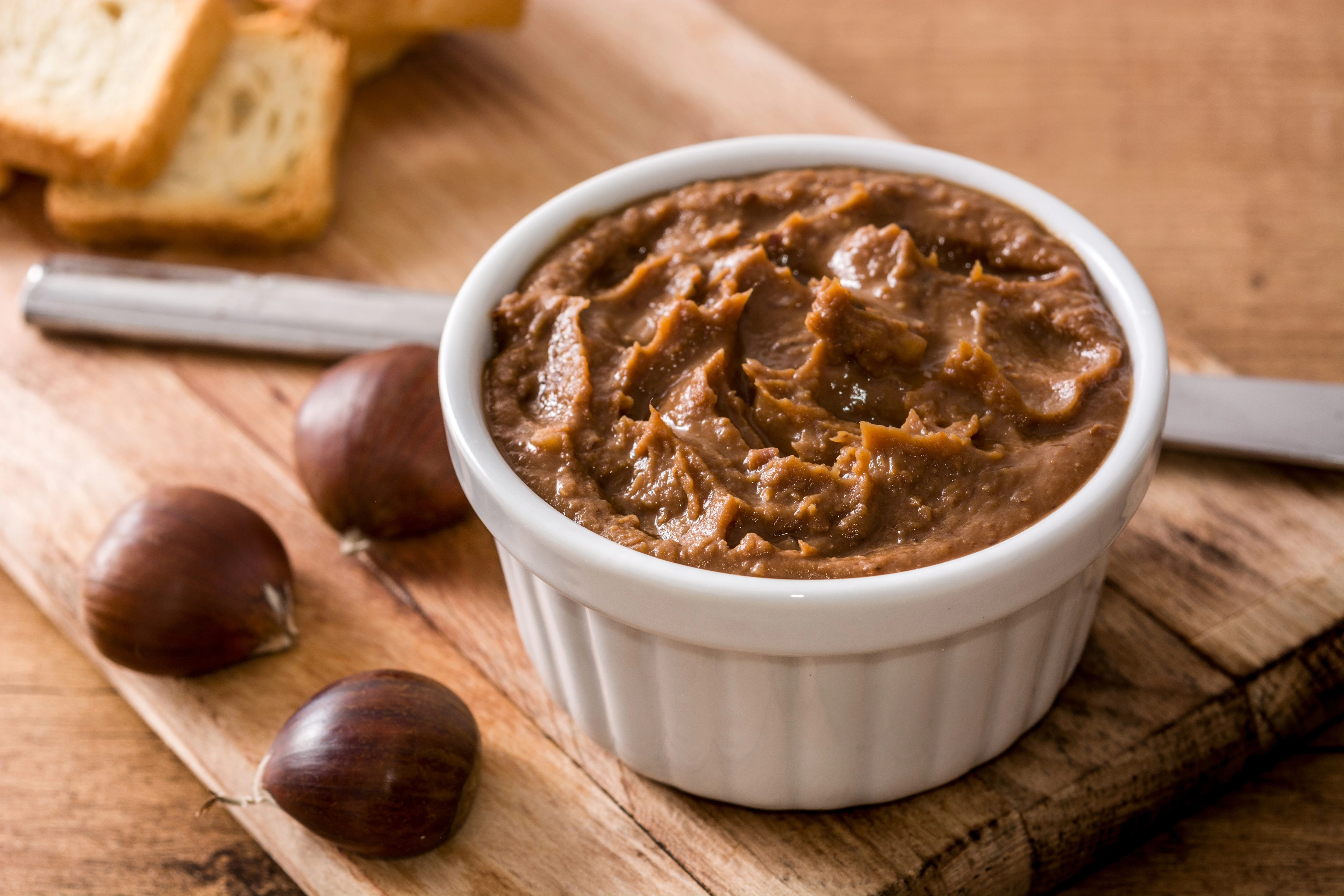
This recipe gives you two easy routes. You can make a quick homemade chestnut syrup from sweetened chestnut spread (often sold as crème de marrons or sweetened chestnut purée), or you can use a bottled, store-bought chestnut syrup if you already have one on hand. Quick note: products labeled “chestnut purée” vary a lot. For the homemade syrup route here, I mean the sweetened, jammy spread that you can spoon from a jar, then thin into a pourable syrup.
I am also including my most reliable milk steaming and foaming tricks, plus hot and iced directions, so you can keep that toasty flavor going even when your house is overheated.
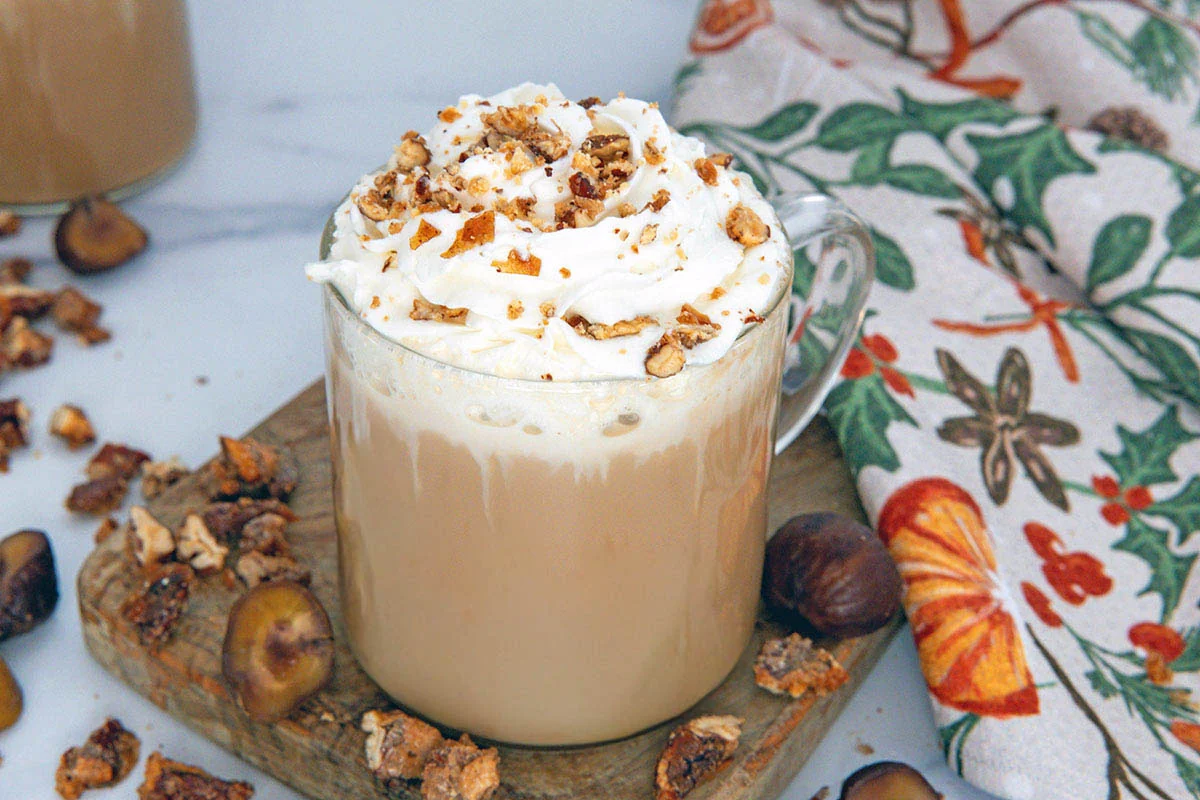
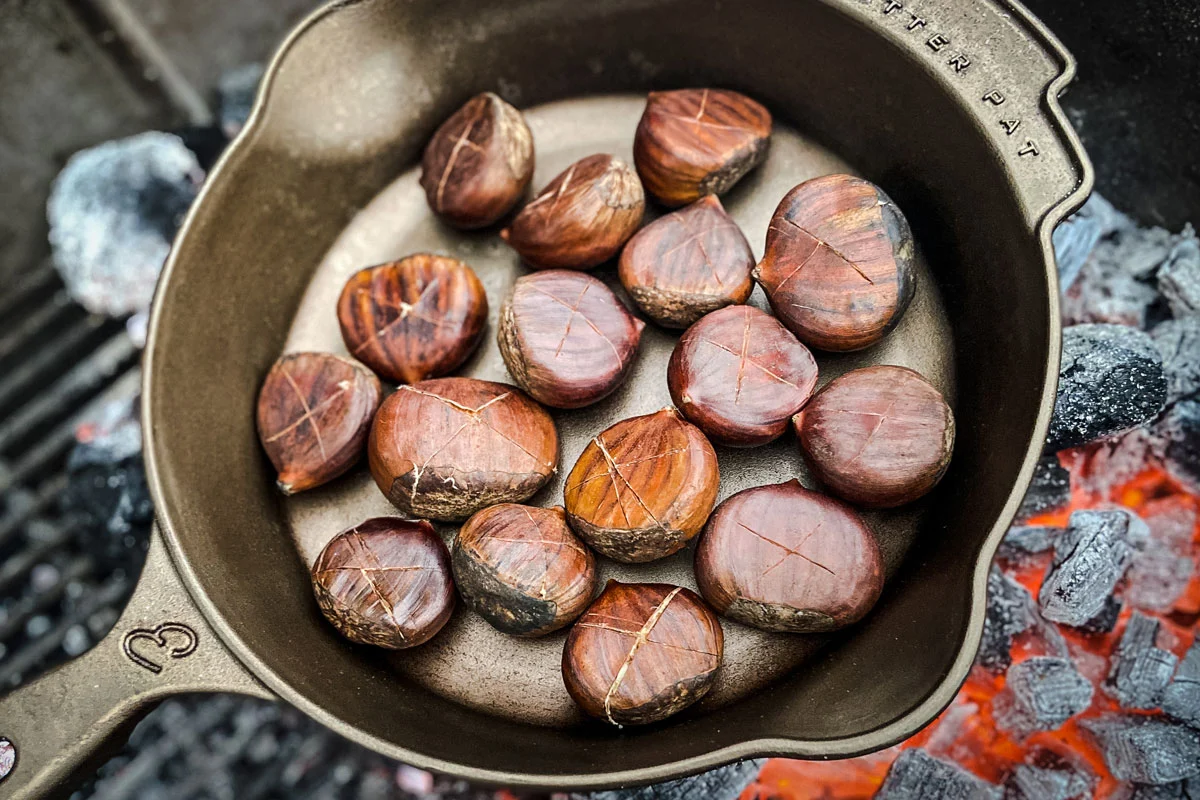
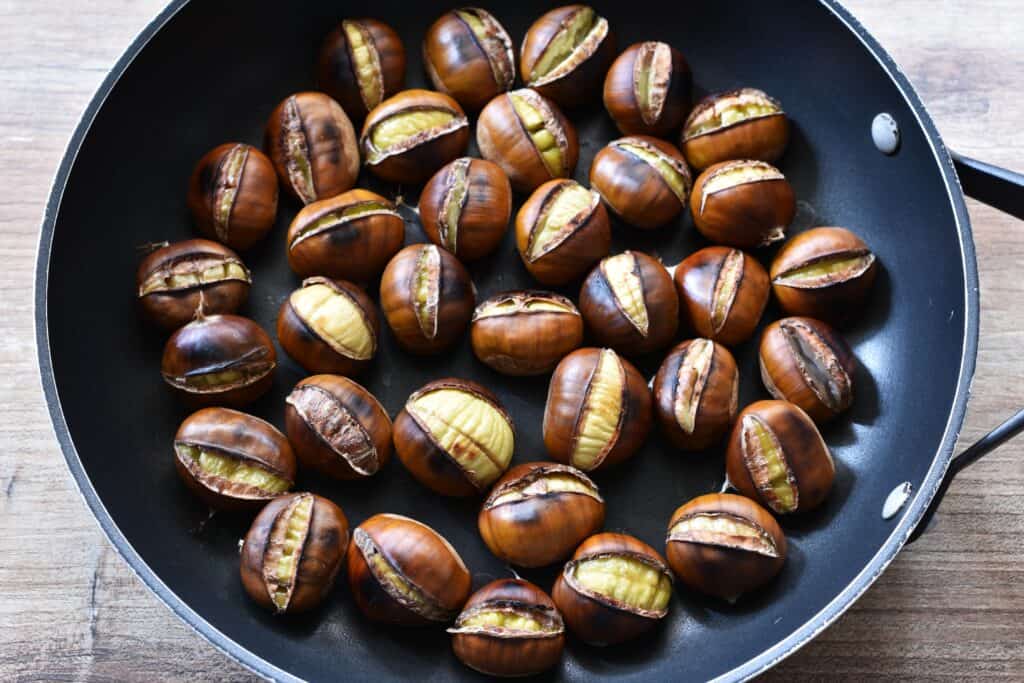
If you love chestnuts in general, you might also like our method for perfect peeling and roasting over on How to Roast Chestnuts, and if you have leftover purée or spread, it is fantastic in desserts like Chestnut Cheesecake.
What it tastes like
Think nutty, lightly caramel-like sweetness with a soft vanilla note. Chestnuts are not bitter the way coffee can be, and to me, the flavor reads lighter and less oily than hazelnut, so the whole drink comes across warm and cozy rather than heavy.
Quick overview
- You will make a small batch of chestnut syrup (or use bottled chestnut syrup). If what you have is chestnut spread or crème de marrons, that is perfect for the homemade syrup route.
- Plan on 1 to 2 tablespoons of syrup for a 10 to 12 ounce latte, depending on how sweet you like it.
- Hot latte: syrup + espresso + steamed milk.
- Iced latte: syrup + espresso + cold milk + ice. I like to let the espresso sit for 1 to 2 minutes first. For even less dilution, you can chill the espresso fast by pouring it over one ice cube, then discard that cube and build your drink with fresh ice.
- No espresso machine? A moka pot, AeroPress, or very strong brewed coffee all work.
Tip from my notebook: if your syrup is even slightly cool, it mixes best when you stir it into the hot espresso first, then add milk.
Why it works
- Chestnut purée makes a syrup with real roasted-nut flavor without needing extracts.
- A pinch of salt and vanilla make the chestnut taste rounder and more like a coffee-shop drink.
- Dissolving syrup into espresso first prevents gritty settling at the bottom of your mug or glass.
- Simple foam technique options mean you can get a creamy top even without an espresso machine.
Ingredient notes
Sweetened chestnut purée
Look for sweetened chestnut purée (sometimes labeled chestnut spread or crème de marrons). It is already sweet, which is why this syrup comes together quickly. If you only have unsweetened chestnut purée, you can still use it, but you will want to add more sugar to taste.
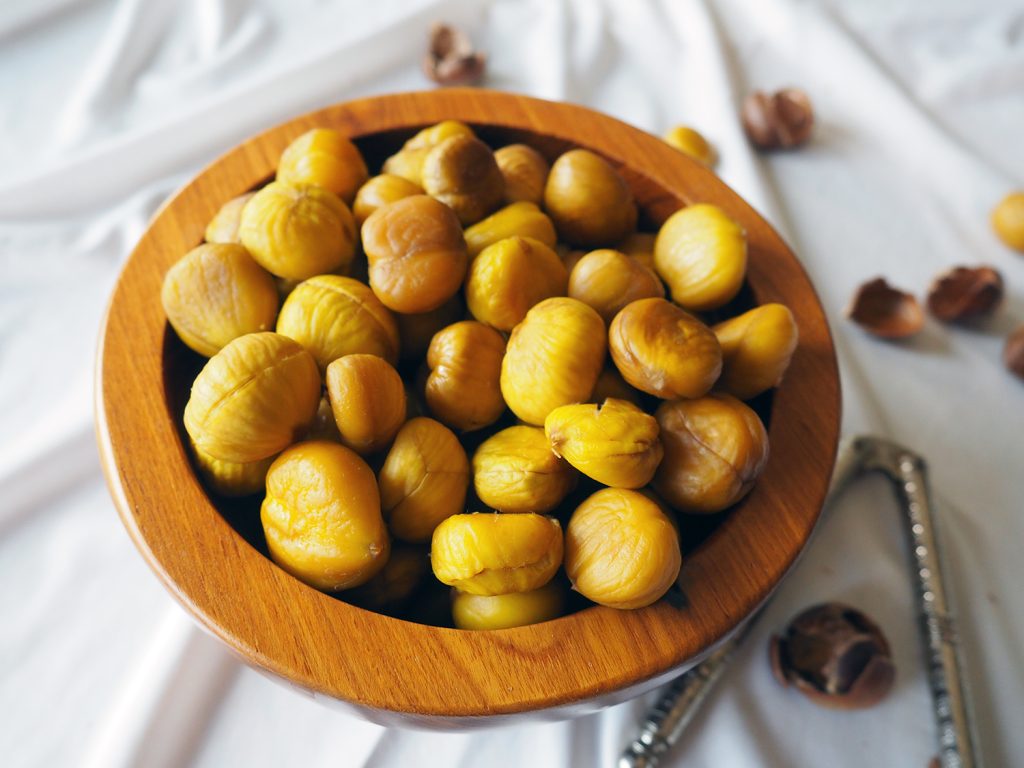
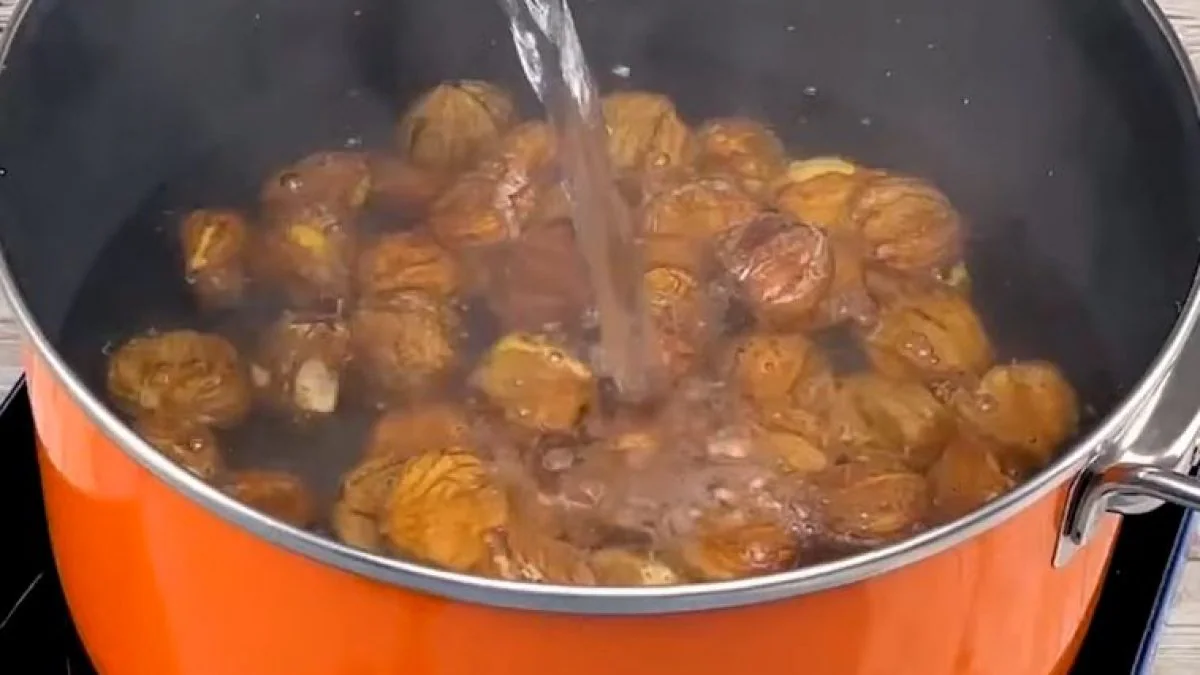
If you want to make purée from scratch, start with cooked and peeled chestnuts. Our roasting guide helps a lot with that part.
Espresso
Fresh espresso is ideal, but strong coffee can work in a pinch. If using coffee, brew it stronger than usual so the chestnut flavor does not dominate.
Milk
Whole milk foams most easily. For dairy-free, barista-style oat milk is my most consistent choice for foam and texture.
Vanilla and cinnamon
Vanilla makes the chestnut taste more dessert-like. Cinnamon is optional, but it is a nice cozy accent, especially for hot lattes.
Equipment
- Small saucepan
- Whisk
- Fine-mesh strainer (optional, for extra-smooth syrup)
- Espresso machine, moka pot, or strong coffee maker
- Milk frother, steam wand, or a lidded jar for shaking foam
- Heat-safe mug (hot) or tall glass (iced)
If you are shopping for basics, our equipment guides can help you pick tools that make everyday cooking easier.
Pro tips
How much chestnut syrup to use
- Lightly sweet: 1 tablespoon syrup per 8 to 10 ounces total drink
- Coffee-shop sweet: 1 1/2 tablespoons
- Sweet treat: 2 tablespoons
Milk foam, no stress
- Steam wand: Keep the tip just under the surface for a few seconds to introduce air, then submerge slightly to heat and spin until the pitcher feels hot but not scorching.
- Hand frother: Warm milk first, then froth in a tall cup to avoid splashes.
- Jar method: Add warm milk to a jar, seal, shake hard for 20 to 30 seconds, then microwave 15 to 25 seconds to set the foam.
My most important foam note: overheated milk tastes flat. Aim for hot and steamy, not boiling.
Substitutes
- No chestnut purée: Use store-bought chestnut syrup if you have it. Start with 1 tablespoon per latte and adjust.
- No espresso: Use 1/2 cup very strong brewed coffee per serving.
- No brown sugar: Use granulated sugar, maple syrup, or honey. Maple is especially nice with chestnut.
- Dairy-free: Barista oat milk foams best, then soy. Almond milk works but makes lighter foam.
Need more chestnut ideas? Browse our chestnut recipes like Candied Chestnuts and savory favorites such as Chestnut Stuffing.
Variations
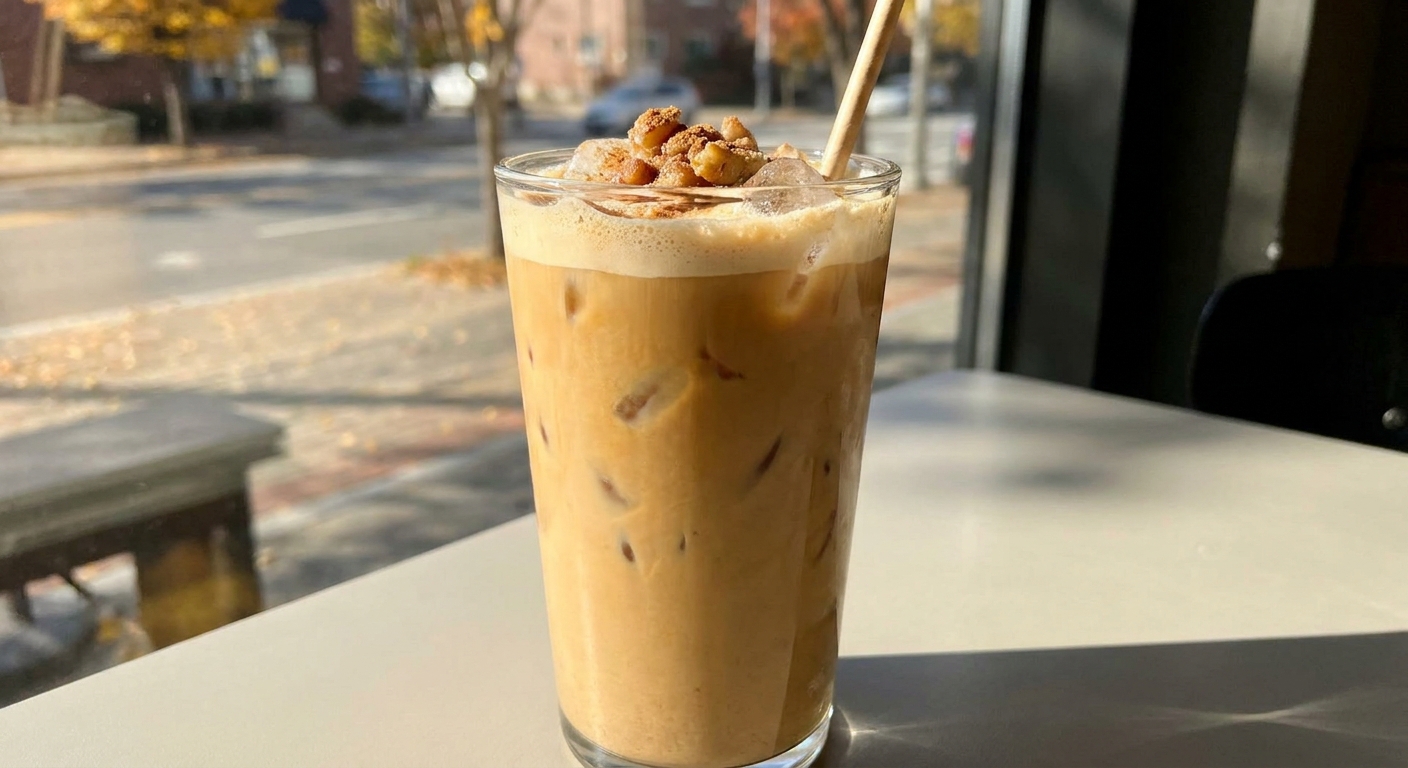
- Iced roasted chestnut latte: Let espresso cool for 2 minutes so it does not instantly melt your ice, then build over ice.
- Chestnut vanilla latte: Add an extra 1/4 teaspoon vanilla to the syrup or a splash to the mug.
- Spiced chestnut latte: Add a pinch of cinnamon and a tiny pinch of nutmeg to the syrup while it simmers.
- Mocha chestnut latte: Stir 1 to 2 teaspoons cocoa powder (or chocolate syrup) into the espresso with the chestnut syrup.
Serving ideas
- Dust the foam with cinnamon or cocoa powder.
- Top with a small dollop of lightly sweetened whipped cream for a dessert-style latte.
- Serve with something chestnut-forward like Chestnut Cookies or a slice of Chocolate Chestnut Cake.
Storage
Chestnut syrup
Store homemade chestnut syrup in a clean jar or bottle in the refrigerator for up to 2 weeks. It will thicken when cold. Warm it briefly (or stir vigorously) before using.
Made lattes
A prepared latte is best right away. If you need to make one ahead, keep the syrup and espresso separate from the milk, then combine just before drinking.
Common mistakes (and easy fixes)
- Syrup tastes grainy: Whisk longer while simmering, or strain through a fine-mesh strainer. Next time, use lower heat and give it a steady whisk at the start.
- Chestnut flavor is too subtle: Use 1 1/2 to 2 tablespoons syrup, or reduce the syrup an extra minute to concentrate it.
- Latte is too sweet: Start with 1 tablespoon syrup. You can always add more, but you cannot take it out.
- Milk will not foam (dairy-free): Use barista-style oat milk or soy milk, and froth when warm, not cold.
- Iced latte tastes watery: Cool the espresso briefly and use plenty of ice. Strong espresso also helps.
FAQ
Can I make this without an espresso machine?
Yes. A moka pot, AeroPress, or very strong brewed coffee all work. The key is intensity so the chestnut flavor does not overpower the coffee.
Is chestnut syrup the same as marron syrup?
They are very similar. Marron often refers to sweetened chestnut products (like crème de marrons). If the ingredient is sweetened chestnut purée or spread, you are in the right place.
Can I use unsweetened chestnut purée?
Yes, but taste as you go. You will likely need more brown sugar or a little maple syrup to get a latte-style sweetness.
Are chestnuts gluten-free?
Chestnuts themselves are naturally gluten-free. If you are sensitive, double-check any packaged chestnut purée or syrup for additives. For more detail, see Are Chestnuts Gluten-Free?
What milk is best for a dairy-free chestnut latte?
Barista oat milk is the most reliable for creamy texture and foam. Soy is a close second.
Roasted Chestnut Latte
A cozy espresso latte flavored with homemade chestnut syrup made from sweetened chestnut purée. Includes hot and iced directions, plus an easy dairy-free option.
Prep Time: 5 minutes
Cook Time: 5 minutes
Total Time: 10 minutes
Servings: 1 latte (makes extra syrup)
- For the homemade chestnut syrup (makes about 3/4 cup):
- 1/2 cup sweetened chestnut purée (chestnut spread or crème de marrons)
- 1/2 cup water
- 2 tbsp packed light brown sugar
- 1/2 tsp vanilla extract
- Pinch of fine salt
- For 1 hot latte:
- 2 shots espresso (about 2 oz), or 1/2 cup very strong brewed coffee
- 1 to 2 tbsp chestnut syrup (start with 1 tbsp and adjust)
- 6 to 8 oz milk (whole milk or dairy-free barista oat milk), steamed and foamed
- Optional: pinch of cinnamon for topping
- For 1 iced latte:
- 2 shots espresso (about 2 oz), or 1/2 cup very strong brewed coffee
- 1 to 2 tbsp chestnut syrup
- 6 to 8 oz milk (dairy or dairy-free)
- 1 cup ice (more as needed)
- Make the chestnut syrup: In a small saucepan over medium-low heat, whisk together the sweetened chestnut purée, water, and brown sugar until smooth. Bring to a gentle simmer and cook 2 to 3 minutes, whisking often, until slightly thickened. Remove from heat and whisk in the vanilla and salt. (Optional: strain through a fine-mesh strainer for an ultra-smooth syrup.) Let cool 5 minutes.
- Pull espresso (or brew strong coffee): Make 2 shots espresso.
- Build a hot roasted chestnut latte: Add 1 to 2 tablespoons chestnut syrup to a mug. Pour in the hot espresso and stir until fully dissolved. Steam and foam 6 to 8 ounces milk, then pour into the mug, holding back foam with a spoon and topping with foam at the end. Optional: dust with a pinch of cinnamon.
- Build an iced roasted chestnut latte: Add 1 to 2 tablespoons chestnut syrup to a tall glass. Pour in espresso and stir to dissolve. Add ice, then pour in 6 to 8 ounces milk and stir gently.
- Taste and adjust: If you want it sweeter, add another teaspoon of syrup at a time. If it is too sweet, add a splash more milk or an extra ounce of espresso.
How much syrup to use: For an 8 to 10 ounce drink, 1 tablespoon is lightly sweet and 1 1/2 tablespoons is closer to coffee-shop sweetness. Use 2 tablespoons for a dessert-style latte.
Dairy-free note: For best foam, use barista-style oat milk. Warm it before frothing.
Storage: Refrigerate leftover chestnut syrup in a sealed jar up to 2 weeks. Stir well before using since it thickens when cold.