Chestnut flour is sweet, gluten-free, and can turn bakes crumbly if swapped 1:1. Get the best ratios, structure tips, and moisture adjustments for cakes, coo...
Delishing
Are Chestnuts Gluten-Free?

Maya Brooks
Maya Brooks is a dedicated home cook and the lead recipe developer at Delishing, where she shares practical, foolproof meals for everyday life. With over a decade of hands-on kitchen experience, she specializes in creating approachable dishes that fit a variety of dietary needs and modern cooking methods. Maya is passionate about helping busy people get delicious, stress-free food on the table without needing formal culinary training.
Yes, plain sweet chestnuts are gluten-free by nature. They are a starchy tree nut (more accurately, a seed from the chestnut tree), not a wheat product, and they do not contain gluten on their own.
That said, gluten-free living is rarely just about the ingredient. It is about what happens around the ingredient, like shared roasting equipment, seasoning blends, and factory processing. Here is what to buy, and what to avoid, if you need to be strict.
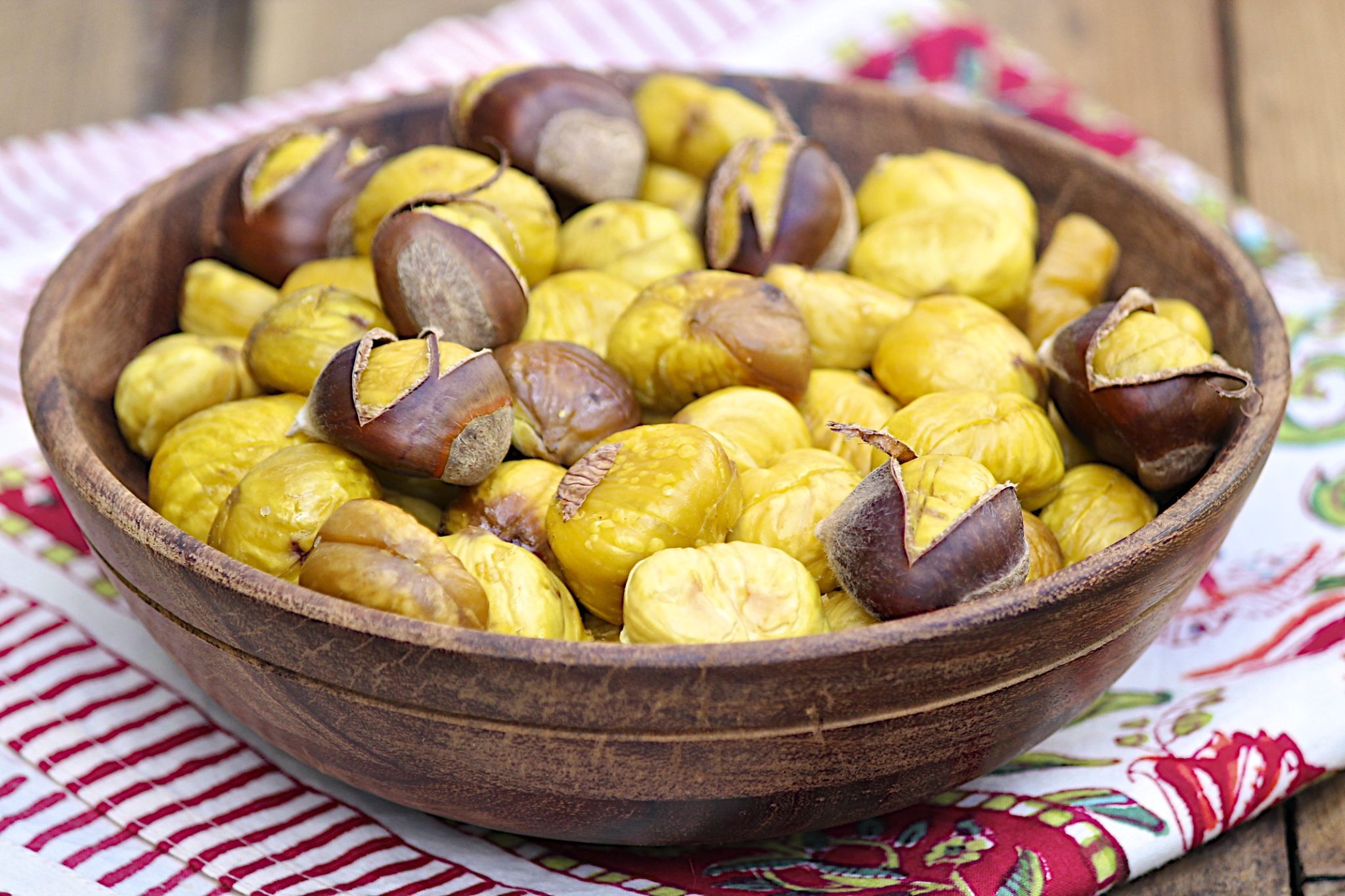
Chestnuts are gluten-free, but labels matter
Gluten is found in wheat, barley, rye, and foods made from them. Sweet chestnuts are not part of that group, so a plain chestnut is gluten-free.
Where people get tripped up is when chestnuts are:
- Prepared with seasonings (some spice mixes contain wheat or malt ingredients)
- Coated or candied (glazes can sometimes include wheat-based thickeners or flavorings)
- Processed in facilities that also handle gluten (cross-contact risk depends on the manufacturer and controls)
If you are highly sensitive or have celiac disease, the ingredient is only step one. The label and the handling matter just as much.
Sweet chestnuts vs. horse chestnuts
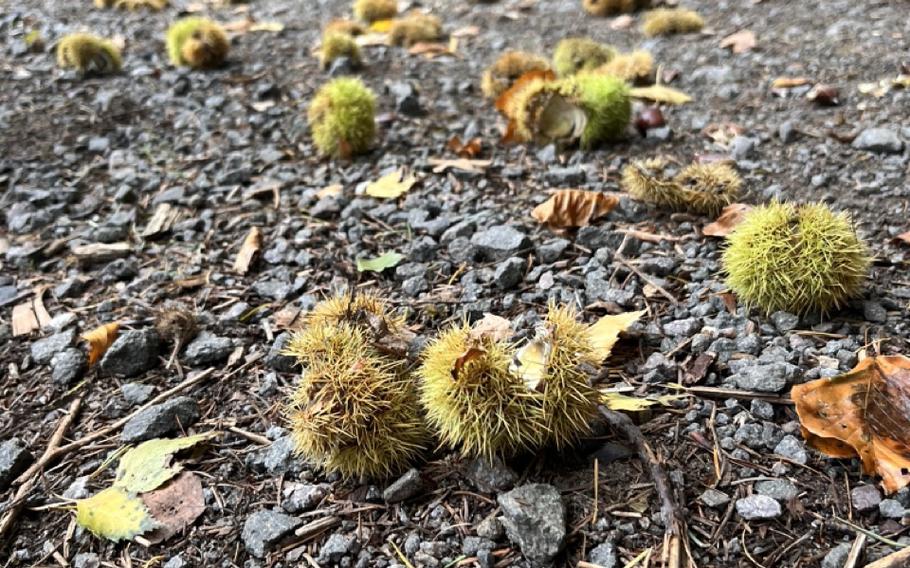
One quick safety note before we go further: sweet chestnuts are the edible kind. Horse chestnuts are not food and can be toxic if eaten. If you have ever wondered which is which (especially at markets), see horse chestnuts vs. sweet chestnuts.
Cross-contact is the biggest real-world risk
Cross-contamination (also called cross-contact) can happen when chestnuts touch surfaces, oils, utensils, or production lines that also touch gluten-containing foods.
Common scenarios:
- Shared roasting drums or pans also used for flour-dusted nuts or snacks
- Shared scoops and bins in bulk sections
- Shared packaging lines for snack mixes, crackers, cereals, or baked goods
When you need to be strict, I prioritize chestnuts that are plain and come in sealed packaging with clear allergen and gluten statements.
Street-vendor roasted chestnuts
I love the smell of roasted chestnuts from a street cart as much as anyone, but this is one of those places where “simple food” can still be a question mark.
Potential gluten issues with vendor chestnuts can include:
- Shared equipment used for other roasted snacks that may be dusted with seasonings
- Seasoning blends (even something that tastes like plain salt can be a blend)
- Handling and storage near breads or baked goods at markets
If you want to try them, ask what goes on the chestnuts and what else is cooked in the same roaster. If the answers are unclear, I consider that a “not worth the gamble” situation for someone who must avoid gluten strictly.

Packaged chestnuts: what to look for
Packaged chestnuts are often the easiest option for gluten-free households because you can actually read the label. Many are sold as roasted and peeled, sometimes vacuum-packed.
Green lights
- Ingredients: chestnuts (and maybe salt)
- “Gluten-free” labeling, especially from brands that also disclose allergen controls
- Clear allergen statements and manufacturer contact info
Yellow flags
- “May contain wheat” or “processed in a facility that also processes wheat”
- Flavorings listed without detail (for very sensitive eaters, this is worth a closer look)
- Seasoned or sweetened products where thickening agents might be used
Also watch for chestnut products that are part of snack packs or trail mixes. The chestnuts may be fine, but the mix-ins are where gluten tends to sneak in.
Jarred chestnuts and chestnut puree
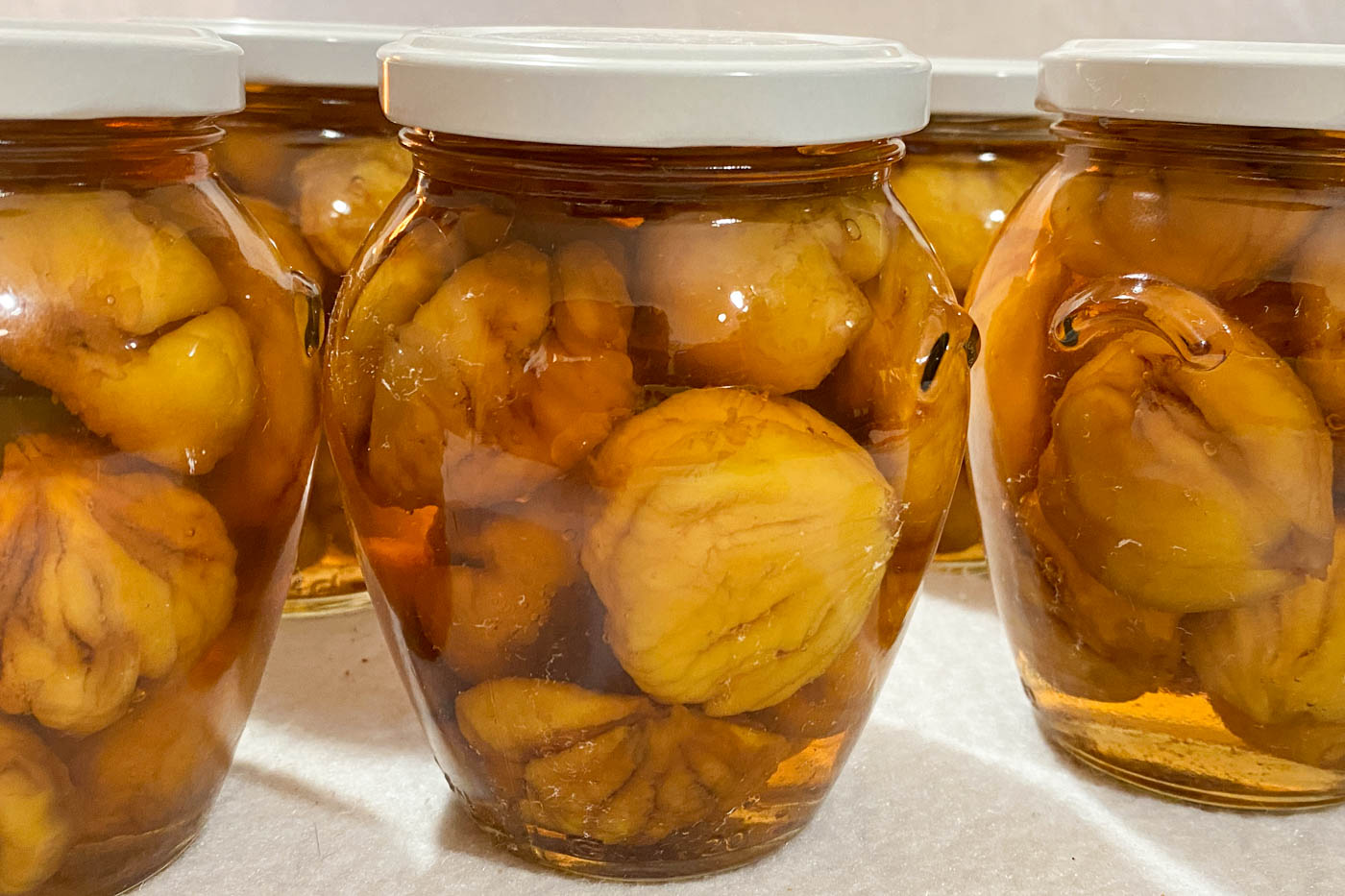
Jarred chestnuts and chestnut puree can be fantastic pantry staples, but they are more “ingredient-like” than whole chestnuts, which means more opportunity for add-ins.
On the ingredient list, keep an eye out for:
- Thickeners or starches that are not specified
- Malt or malt extract (typically barley-based, not gluten-free)
- Flavorings and stabilizers in sweetened purees
If you are shopping for someone with celiac disease or high sensitivity, the simplest rule I use is: short ingredient list, clear labeling, sealed product.
If you want more detail on what’s in these pantry-friendly options, see our guide to how to cook jarred chestnuts (it also covers what to expect from different package types).
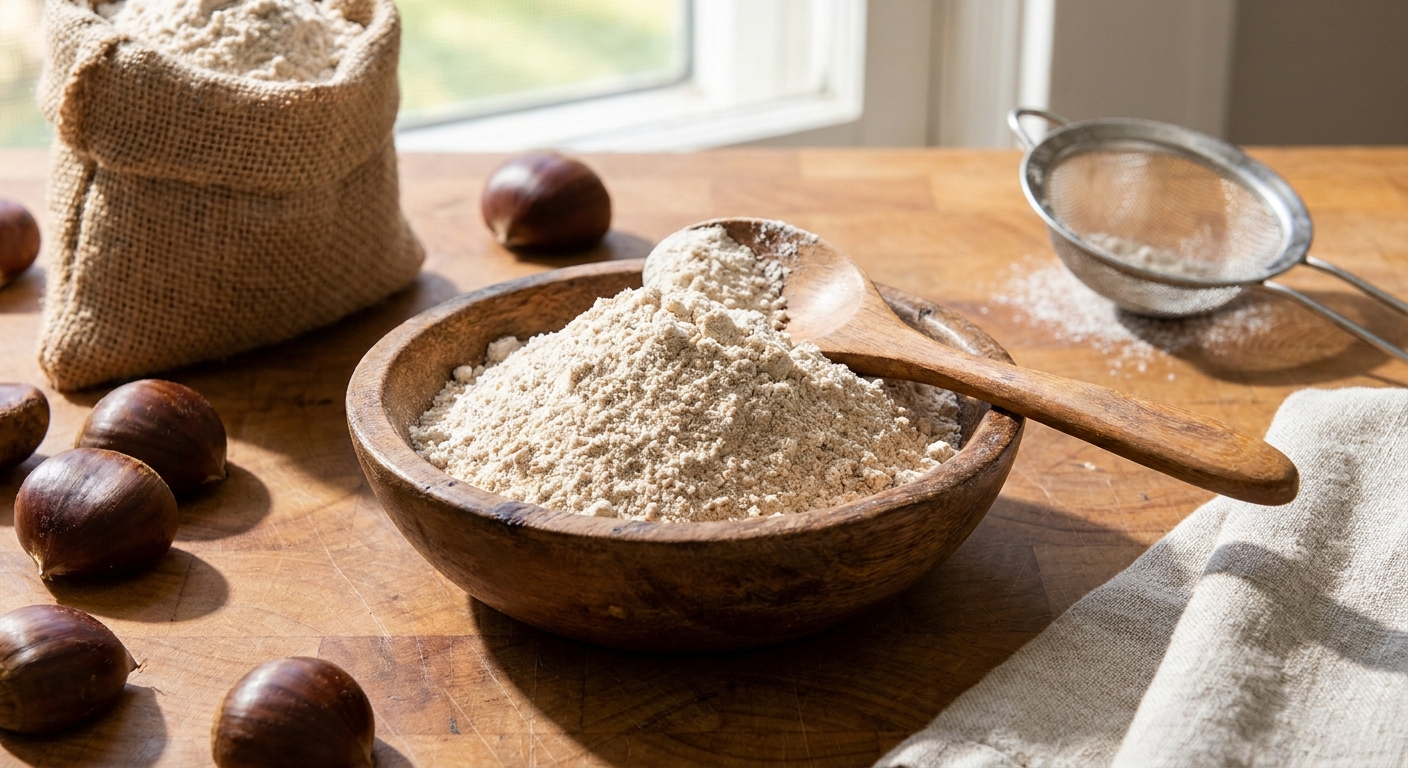
Chestnut flour: gluten-free by nature, higher-risk for cross-contact
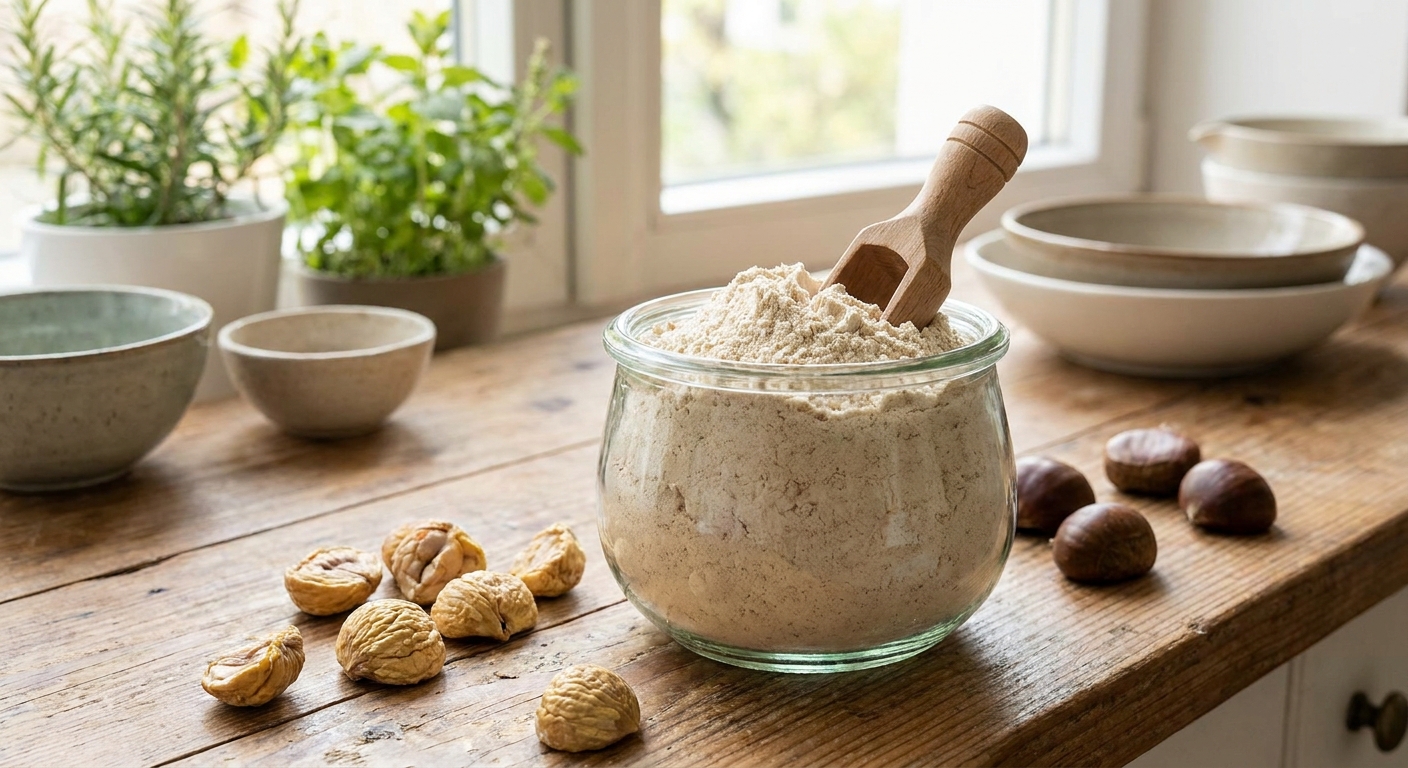
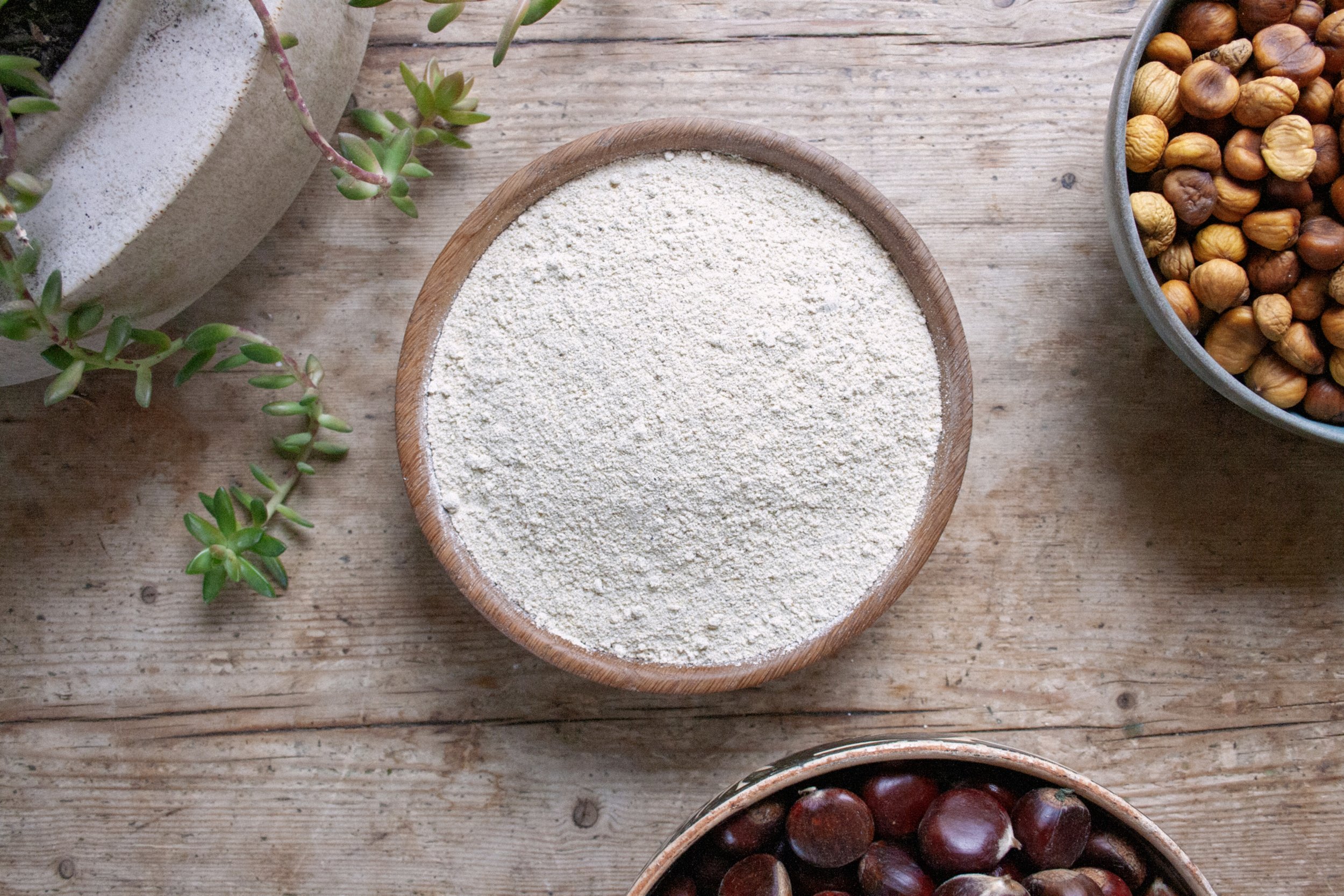
Chestnut flour is gluten-free by nature because it is made from chestnuts, not grains that contain gluten. But flour tends to be a higher-risk category for cross-contact because it is often milled, packed, and shipped in facilities that also handle wheat flour.
When buying chestnut flour, I recommend looking for:
- “Gluten-free” on the label (helpful, but still read the rest of the package)
- Third-party certification marks if you rely on certified products
- “Processed in a dedicated gluten-free facility” or similar manufacturing statements
And if the label includes a wheat-related advisory statement, treat it as a real risk if you must be strict.
If you are new to it, you might also like our basics on how to bake with chestnut flour and how to make chestnut flour (both focus on what to expect from the ingredient, not medical guidance).
Quick answers
Are roasted chestnuts gluten-free?
Plain roasted chestnuts are gluten-free. The main concern is cross-contact if they are roasted on shared equipment or tossed with seasonings that contain gluten.
Are vacuum-packed roasted and peeled chestnuts gluten-free?
Often yes, but it depends on the brand. Check the ingredient list and any gluten-free claim or advisory statements.
Are water chestnuts gluten-free?
Water chestnuts are a different ingredient entirely. They are a corm (often grouped with tubers), not a nut. Plain water chestnuts are typically gluten-free, but prepared products can vary. If you are curious about the difference, see chestnuts vs. water chestnuts.
Do chestnuts have gluten like wheat does?
No. Chestnuts are not a wheat product and do not contain gluten naturally.
What if I have celiac disease?
If you have celiac disease or are highly sensitive, I stick to a simple checklist: plain ingredients, sealed package, clear gluten-free labeling. I also avoid bulk bins and situations where handling is uncertain (like some street vendors). For personal medical guidance, your clinician or dietitian is the best source.