Delishing
How to Make Chestnut Flour

The first time I tried to make chestnut flour, I learned the hard way that “dry” and “dry enough to mill” are not the same thing. If there is even a little hidden moisture left in the nut, your grinder won’t give you flour. It gives you paste, clumps, and frustration.
The good news is that once your chestnuts are truly bone-dry, making chestnut flour is wonderfully simple: grind, sift, and store. In this guide, I’ll show you exactly how dry the nuts need to be, what to look and listen for while grinding, how to sift for a finer flour, and how to keep it fresh so it stays sweet and nutty instead of stale.
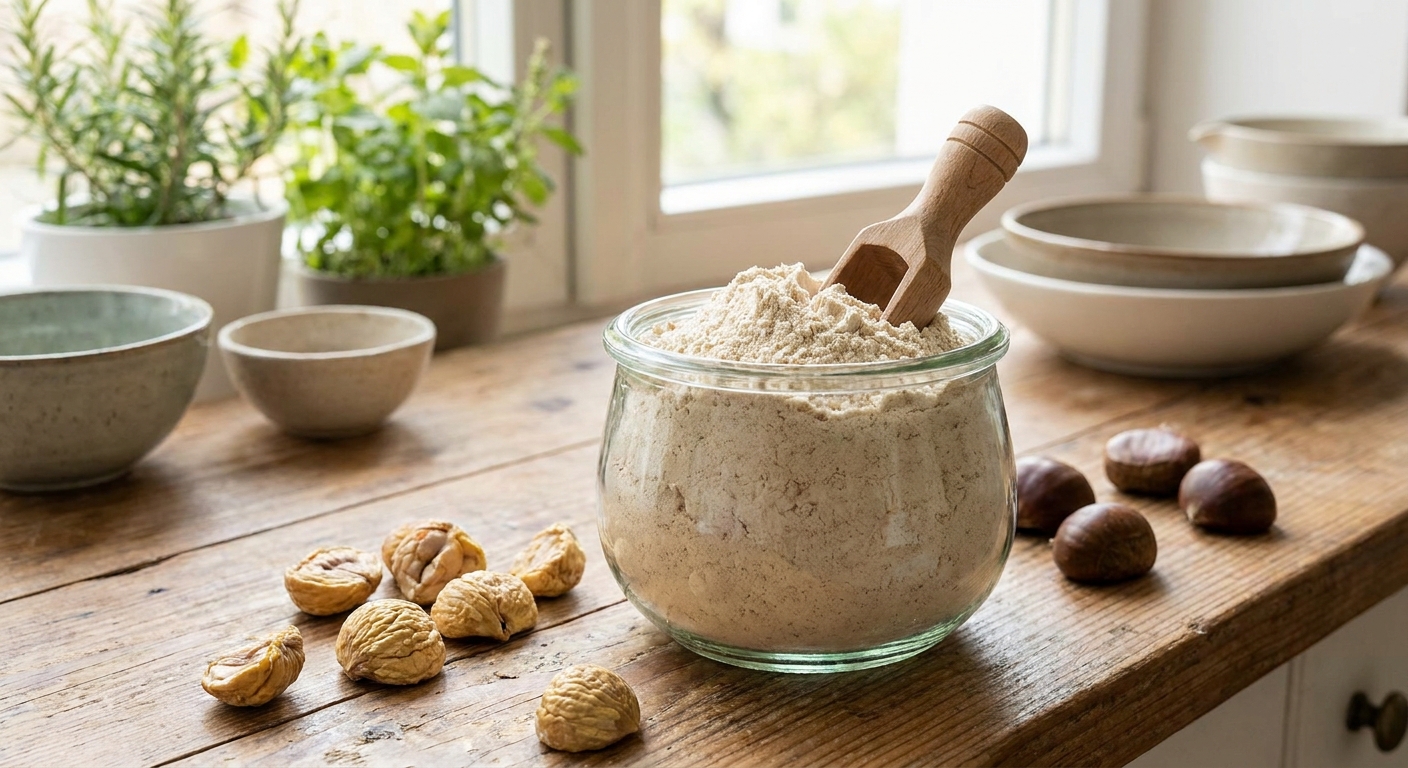
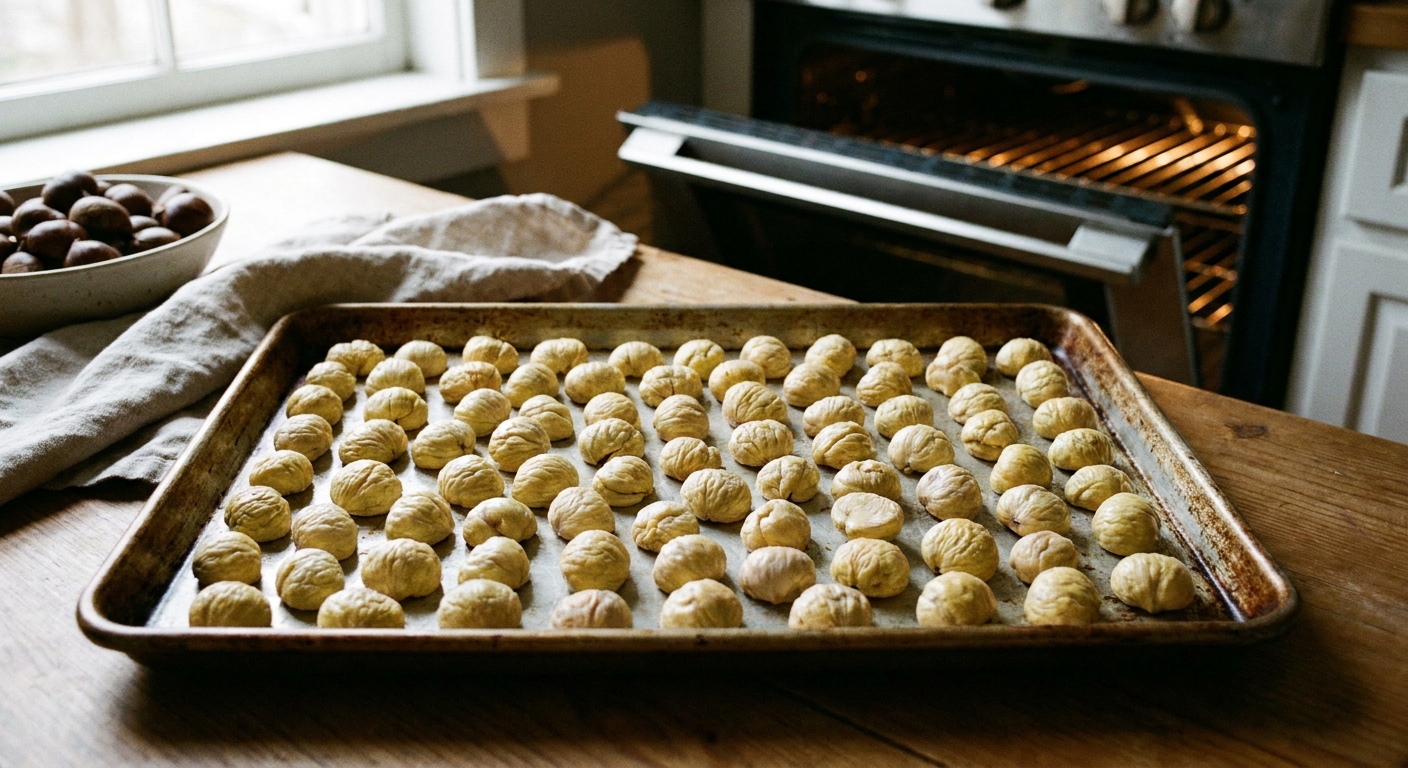
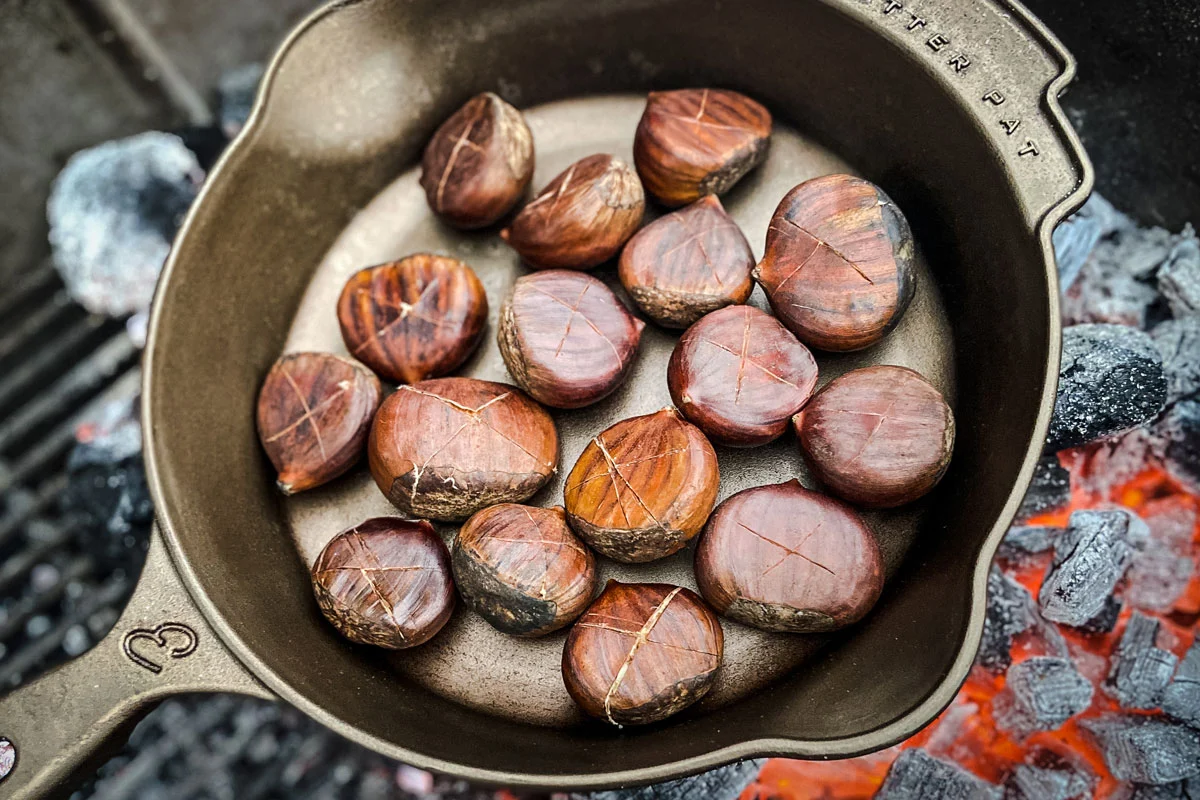
If you are starting from fresh chestnuts, roast and peel them first, then dry them fully before milling. Here is my go-to: How to Roast Chestnuts. After roasting and peeling, dry them completely (use the dryness checklist below) before you grind. And if you already have chestnut flour and want help using it in baking, head here: How to Bake with Chestnut Flour.
What it looks and smells like
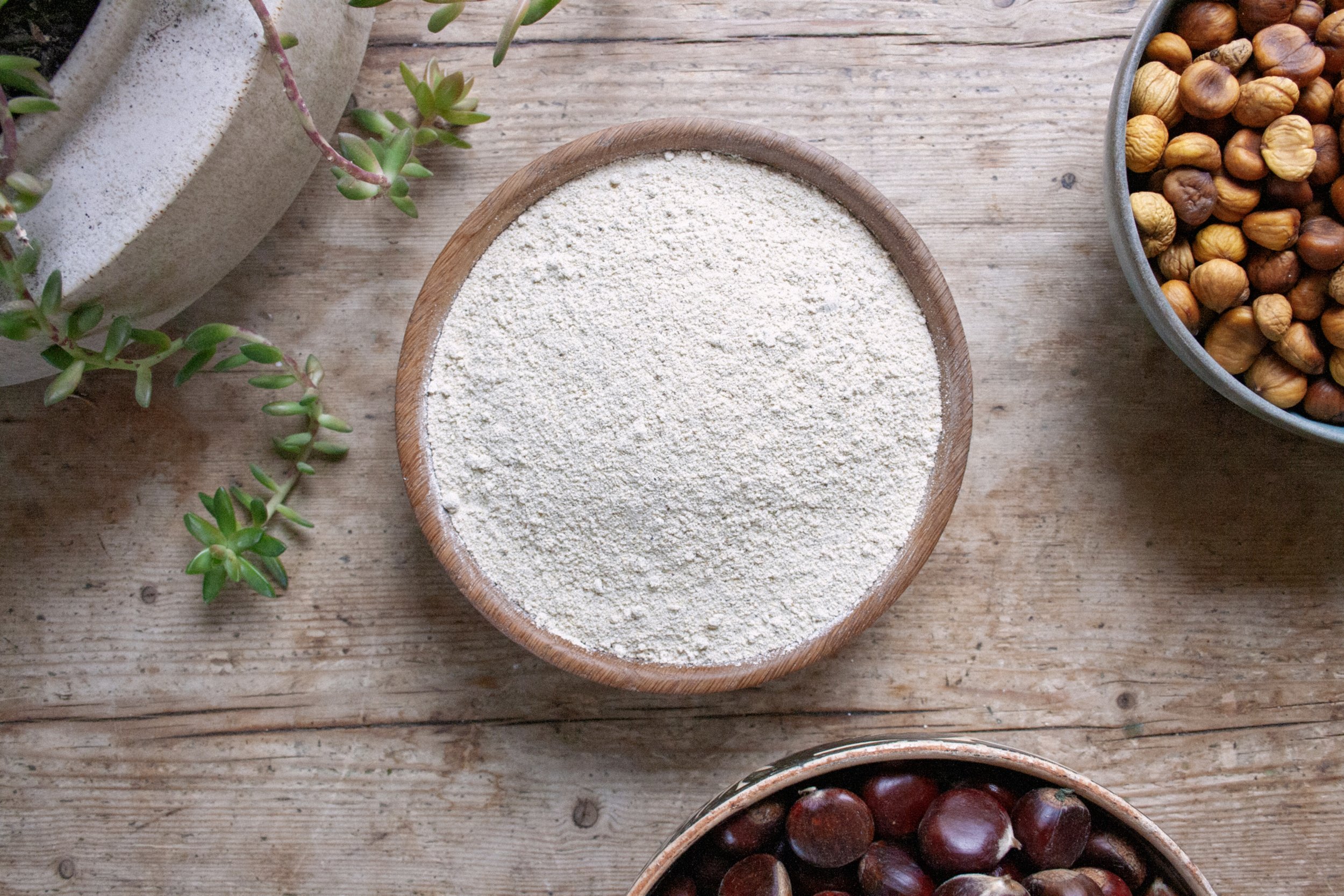
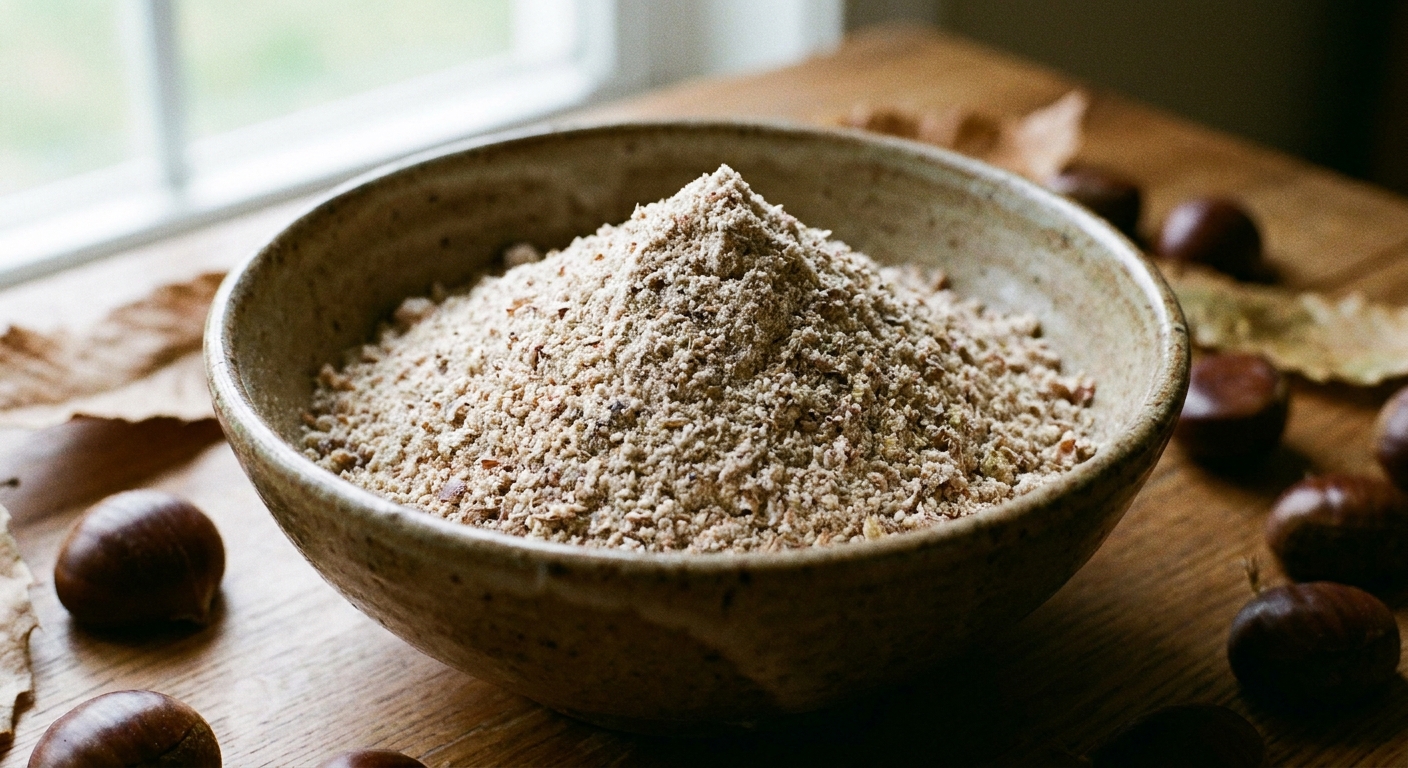
Homemade chestnut flour is usually a warm beige to light tan, depending on the variety and how dark the chestnuts were dried or roasted before drying. It smells sweet and nutty, almost like toasted graham crackers. If it smells sharp, sour, musty, or “old pantry,” toss it.
Chestnuts are starchier than most nuts, but the flour can still go stale because it contains some fat, and powders can pick up odors easily. That is why storage matters more than you might expect.
How dry the chestnuts must be
This is the make-or-break step. For flour, chestnuts need to be fully dried, hard, and brittle. If they are leathery, flexible, or at all tacky in the center, keep drying.
Quick dryness checklist
- Texture: The chestnuts should feel hard all the way through, not chewy.
- Snap test: A dried chestnut should snap cleanly when you break it. If it bends or tears, it is not dry enough.
- Sound: When you shake a handful in a bowl, they sound light and clicky, not dull.
- Center check: Break the biggest pieces in half. The center must be dry, not slightly darker, gummy, or cool-looking.
If you need help calibrating what “fully dried” feels like, see How to Cook Dried Chestnuts for background on dried chestnuts, then come back here for the milling step.
Best grinders
You can make chestnut flour with several tools, but the results are different.
- High-speed blender: My favorite for a fine flour. Work in small batches so it stays powdery and does not heat up.
- Electric spice or coffee grinder: Great for very small batches and quick sifting. Expect to grind in multiple rounds.
- Food processor: Works, but often leaves a coarser meal. You can still sift and regrind to get it finer.
- Stone grain mill: Excellent if you have one, but not required.
Whichever tool you use, the chestnuts must be completely dry. Even a powerful blender cannot turn damp chestnuts into flour.
Grinding cues
This is the part I wish someone had spelled out for me. Grinding chestnuts is not hard, but it is very sensory. A few simple cues will keep you from overworking the machine or accidentally warming the flour.
What to look for
- At the start: You will see obvious chunks bouncing around.
- Midway: The mix starts to look like coarse sand with fewer big pieces.
- When it is ready to sift: Most of it looks like a soft powder, with only a few stubborn granules left.
What to listen for
The sound shifts from loud rattling (chunks hitting the sides) to a steadier, softer whoosh as the batch turns powdery. If you still hear heavy thunks, you have larger pieces that need more pulsing, or you need to stop and shake things loose.
How to avoid caking
- Pulse, do not run it nonstop: Short bursts keep the flour cooler and help prevent smearing.
- Stop and shake or stir: Especially with blenders and small grinders, this moves bigger bits toward the blades.
- Watch for warmth: If the jar or grinder cup feels warm, pause and let it cool before continuing.
Sifting
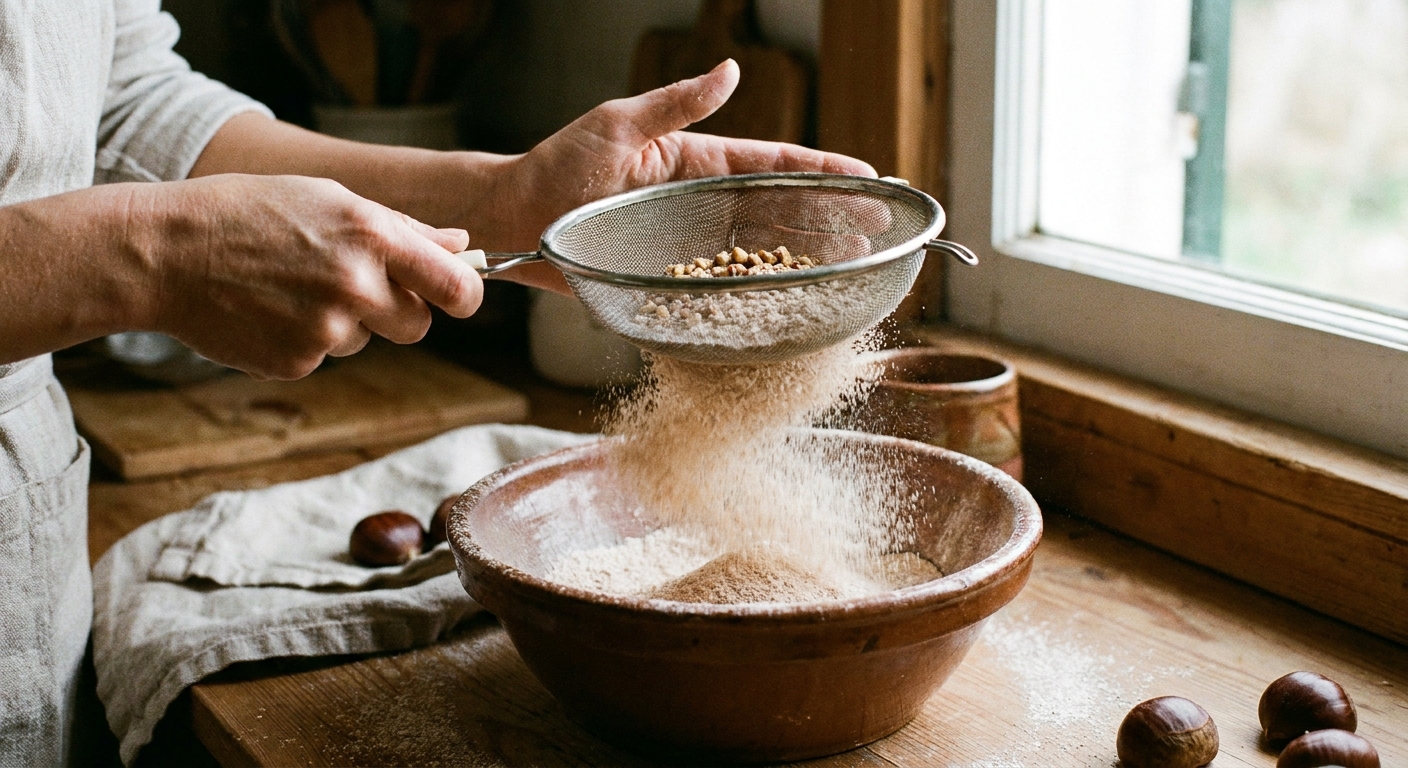
Sifting is what takes you from “pretty good” to “bakes evenly.” I like a fine-mesh sieve for most home baking. Anything that does not pass through easily is not a failure, it is just the part you regrind.
What to do with coarse bits
Save them and pulse again, then sift again. Repeat until you have as much fine flour as you want. If you intentionally want a more rustic texture, you can keep a small portion unsifted and mix it back in.
Keeping it fresh
Chestnut flour goes stale faster than many people expect. The biggest enemies are moisture, heat, and strong odors.
Cooling matters
If your flour feels warm after grinding, let it cool completely before you seal the jar. Trapping warm flour can create condensation, and condensation is how clumps and off smells start.
Best storage setup
- Container: A truly airtight jar or container, clean and completely dry.
- Location: A cool, dark spot away from the stove and away from anything strongly scented.
- Odor protection: Chestnut flour can pick up nearby aromas. Keep it away from garlic, onions, coffee, and spices.
- Label it: Date the jar. It is a small step that saves a lot of guesswork later.
If you ever notice a musty smell, damp clumps, or a sour edge, discard it. It is not worth trying to save flour that has picked up moisture.
Why it works
- Bone-dry chestnuts grind into powder. Removing moisture prevents clumping and helps keep the flour more shelf-stable.
- Pulsing reduces heat. Short bursts keep the flour from warming up, which can push it toward pasty clumps.
- Sifting makes it consistent. You get a finer flour for baking, plus you can regrind the larger bits instead of wasting them.
Ingredient notes
Dried, peeled chestnuts
Use fully dried chestnuts that are already peeled (no shell, no papery skin). You can dry peeled chestnuts at home, or start with purchased dried chestnuts. The key is that they are hard and brittle before they ever touch the grinder.
Optional: a spoonful of starch for easier grinding
If you live somewhere humid or your grinder tends to smear powders, you can add 1 teaspoon cornstarch or arrowroot per cup of dried chestnuts while grinding. This is optional and not necessary when the chestnuts are truly dry, but it can help keep the powder more free-flowing.
Equipment
- High-speed blender, spice grinder, or food processor
- Fine-mesh sieve
- Large bowl
- Airtight jar or container
- Optional: digital scale for consistent batches
Pro tips
- Start with room-temperature chestnuts. Cold chestnuts can attract condensation in a warm kitchen, especially in humid weather.
- Grind in small batches. Overfilling the blender traps larger pieces at the bottom and encourages uneven grinding.
- Pulse, then shake. In a blender or grinder, pulse a few times, stop, and shake or stir so the bigger bits move toward the blades.
- Listen for the change. The sound shifts from loud rattling (chunks) to a softer, steady whoosh (powder). That cue is surprisingly reliable.
- Sift, then regrind. Don’t keep grinding forever in one go. Sifting separates what is already fine so you can focus on the coarse pieces without overheating the flour.
Substitutes
If you cannot make chestnut flour right now, your best substitute depends on what you are baking:
- Almond flour: Nutty and tender, but higher fat and very different absorbency.
- Oat flour: Mild and easy to use, but lacks chestnut’s sweetness.
- Rice flour: Neutral and common in gluten-free baking, but less flavorful.
Chestnut flour has a unique naturally sweet, toasty flavor, so substitutions will change the final taste.
Variations
- Extra-fine chestnut flour: Sift twice through a fine-mesh sieve, then regrind any remaining grit until it all passes through.
- Rustic chestnut meal: Skip sifting and use the coarser grind for heartier textures.
- Lightly toasted flour: If your flour tastes a little flat, you can toast it in a dry skillet over low heat, stirring constantly, just until fragrant. Cool completely before storing.
Serving ideas
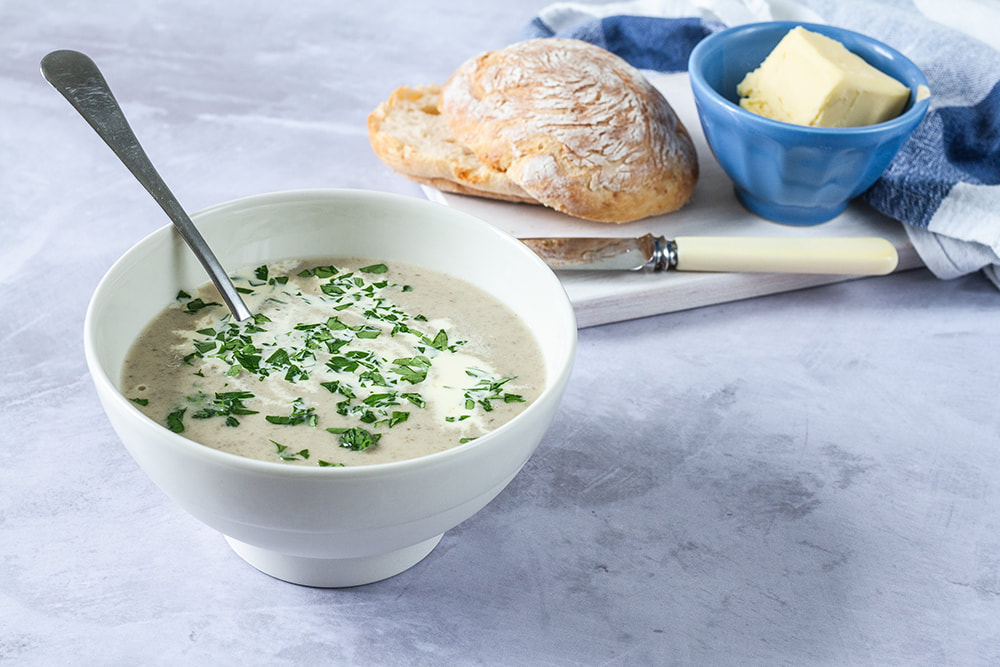
Once your flour is milled, use it anywhere you want that cozy, slightly sweet chestnut flavor. I keep recipes separate, but here are a few great places to start on Delishing:
Storage
Short-term
Store chestnut flour in a tightly sealed jar in a cool, dark pantry for up to 1 month.
Best for freshness
For longer storage, keep it in the refrigerator for up to 3 months.
Long-term
Freeze for up to 6 months for the best flavor. Let the jar come to room temperature before opening to prevent condensation from forming inside.
Important: If your flour ever smells musty or looks clumpy and damp, discard it. Moisture is the enemy of homemade flour.
Common mistakes
Your chestnuts turn into paste
Cause: They are not fully dried, or the grinder is overheating.
Fix: Stop and dry the chestnuts longer before trying again. If heat is the issue, grind in shorter bursts and let the machine cool between rounds.
The flour is gritty
Cause: The grind is too coarse or uneven.
Fix: Sift the flour. Regrind the larger bits until they pass through the sieve.
The flour tastes bland
Cause: Very gently dried chestnuts can produce a mild flour.
Fix: Lightly toast the flour in a dry skillet, then cool fully before storing.
The flour clumps in the jar
Cause: Residual moisture or condensation.
Fix: Discard if it seems damp. Next time, confirm the snap test before grinding and cool flour completely before sealing.
FAQ
Can I make chestnut flour from roasted chestnuts?
Yes, but only if the roasted chestnuts are peeled and then fully dried until brittle. Fresh roasted chestnuts (the kind you snack on) are still moist and will not grind into flour.
Do I have to peel chestnuts before drying and grinding?
Yes. Shells and the papery inner skin do not grind smoothly and can add bitterness and gritty texture.
How fine should chestnut flour be?
For most baking, aim for a fine, soft powder that passes easily through a fine-mesh sieve. If you prefer rustic texture, you can leave it slightly coarser, but consistency matters. Sifting helps.
Why does my grinder cake up with chestnut flour?
Usually it is lingering moisture in the chestnuts or heat buildup from long grinding. Dry longer, grind in smaller batches, and pulse instead of running the machine continuously.
Is chestnut flour gluten-free?
Chestnuts are naturally gluten-free, but cross-contamination can happen in processing or in your kitchen. If you need strict gluten-free, use chestnuts labeled gluten-free and clean your equipment well before grinding.
Are chestnuts considered tree nuts?
They are technically tree nuts, but chestnuts are quite different from many common nuts in nutrition and behavior in baking. If you are navigating allergies, check with your healthcare team. More background here: Are Chestnuts Tree Nuts?.
- 2 cups fully dried, peeled chestnuts (hard and brittle)
- Optional: 2 teaspoons cornstarch or arrowroot (1 teaspoon per cup), for extra insurance against clumping
- Confirm the chestnuts are fully dry. Break a few of the largest pieces in half. They should snap cleanly and be dry all the way through. If they are chewy or leathery, dry longer before continuing.
- Set up for sifting. Place a fine-mesh sieve over a large bowl and keep it nearby. This makes it easy to sift in rounds and avoid overheating your grinder.
- Grind in small batches. Add about 1/2 to 1 cup dried chestnuts to a high-speed blender, spice grinder, or food processor. If using the optional starch, add it now.
- Pulse to a powder. Pulse in short bursts, stopping to shake the blender jar or stir the grinder cup as needed. Keep going until most pieces look like a fine powder. Listen for the sound change from rattling chunks to a softer, steady whoosh.
- Sift. Pour the ground chestnuts through the sieve into the bowl. Stir and tap the sieve so the fine flour falls through. Leave any coarse bits in the sieve.
- Regrind the coarse bits. Return the larger pieces to the grinder and pulse again, then sift. Repeat until you have as much fine flour as possible.
- Cool completely. If the flour feels warm from grinding, let it sit uncovered until fully cool and dry to the touch.
- Store airtight. Transfer the flour to a clean, dry jar with a tight lid. Store in a cool pantry (short-term), or refrigerate or freeze for longer freshness.