Delishing
Castagnaccio (Tuscan Chestnut Flour Cake)

Castagnaccio is my kind of baking: stir a few pantry ingredients in one bowl, pour a thin batter into a pan, and let the oven do the work. It is a rustic Tuscan chestnut flour cake that bakes up flat and tender, with a gently crisp edge, a deep nutty sweetness, and a savory aroma from olive oil and rosemary.
If you have ever bought chestnut flour and then stared at it at 5 p.m. wondering what to do next, this is the recipe I reach for. It is made without wheat flour, and it does not rely on butter or layers to be good. The texture is more like a moist, sliceable pancake-cake hybrid than a fluffy sponge, which is exactly what makes it so forgiving. Classic mix-ins like raisins and pine nuts give you little bursts of sweetness and richness in every slice.
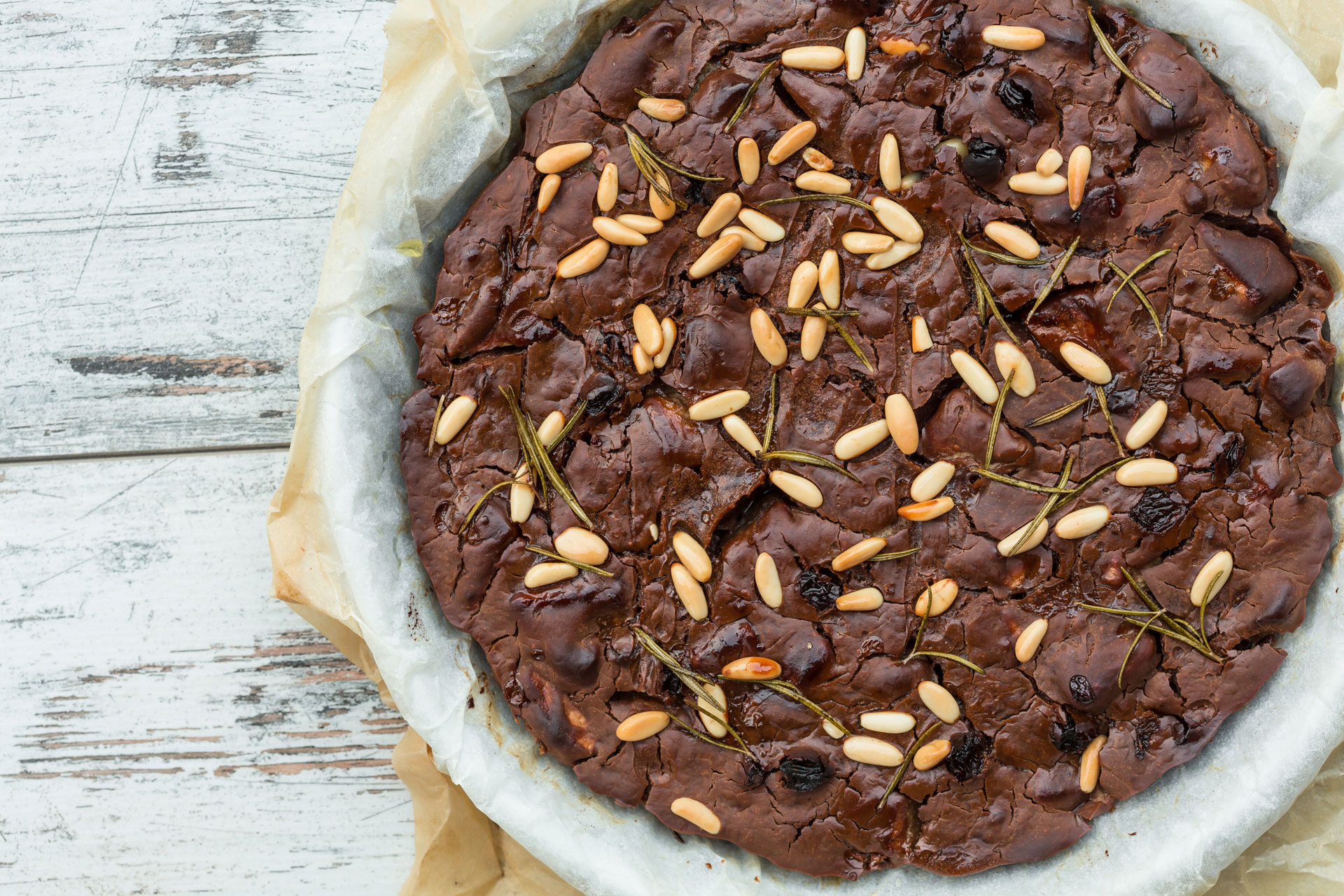
A key detail here is thickness. Castagnaccio is meant to be thin so it bakes evenly and sets without drying out. In this version, the batter should spread into a thin layer in a 9-inch round pan, about 1/4 inch thick, more like crepe batter than a typical cake pour. Once you have that dialed in, it becomes a reliable, repeatable bake.
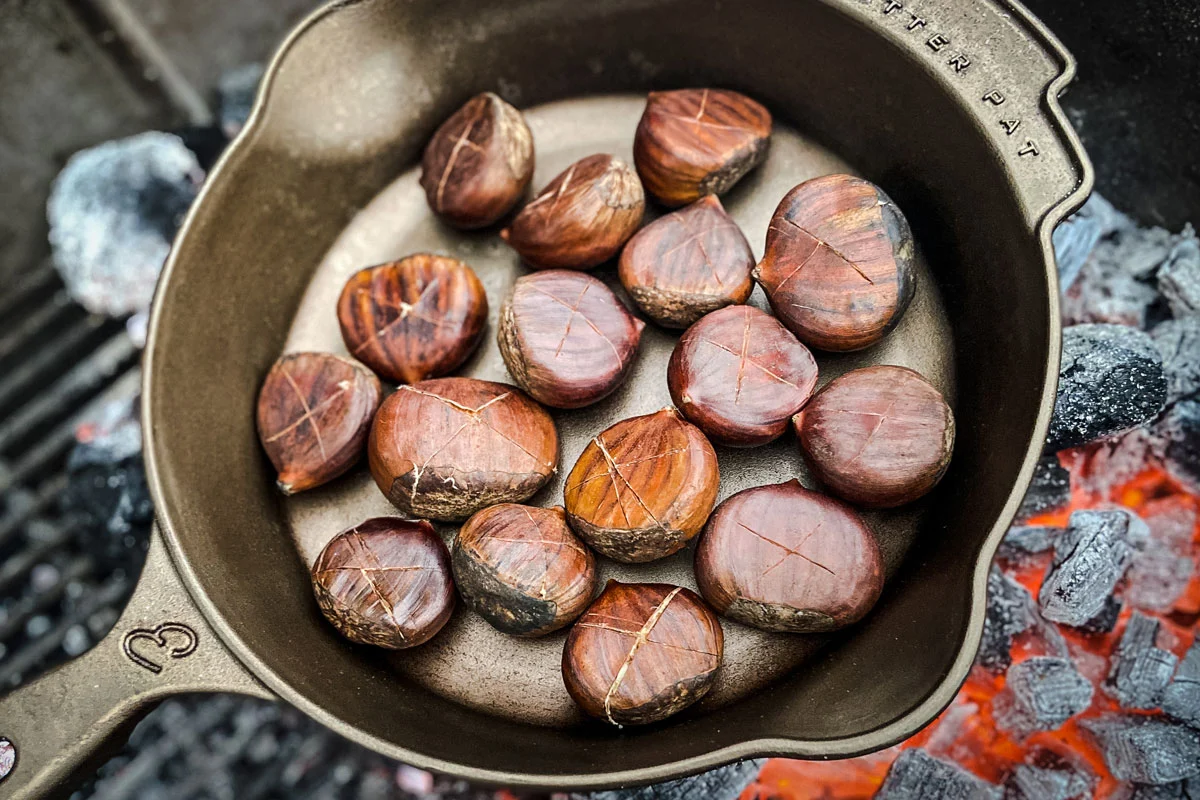
I like castagnaccio as a snack with coffee, but it also works as a not-too-sweet dessert or even a cozy breakfast slice. If you want to lean into the season, serve it with roasted chestnuts on the side. I have a full walkthrough here: How To Roast Chestnuts.
Why this recipe works
- Thin batter equals the right texture. Castagnaccio is traditionally flat, not tall. Spreading the batter to about 1/4 inch helps it set into tender slices with lightly crisp edges.
- Olive oil does double duty. It adds flavor and keeps the crumb moist, which matters because chestnut flour can dry out if baked too thick.
- Raisins and pine nuts balance chestnut flour. Chestnut flour has a natural sweetness and earthiness. Raisins add pops of sweetness, pine nuts add richness, and rosemary keeps it from tasting one-note.
- No leavening needed. This cake sets from the flour itself, so you do not have to worry about overmixing or whether your baking powder is fresh.
Ingredient notes
Chestnut flour
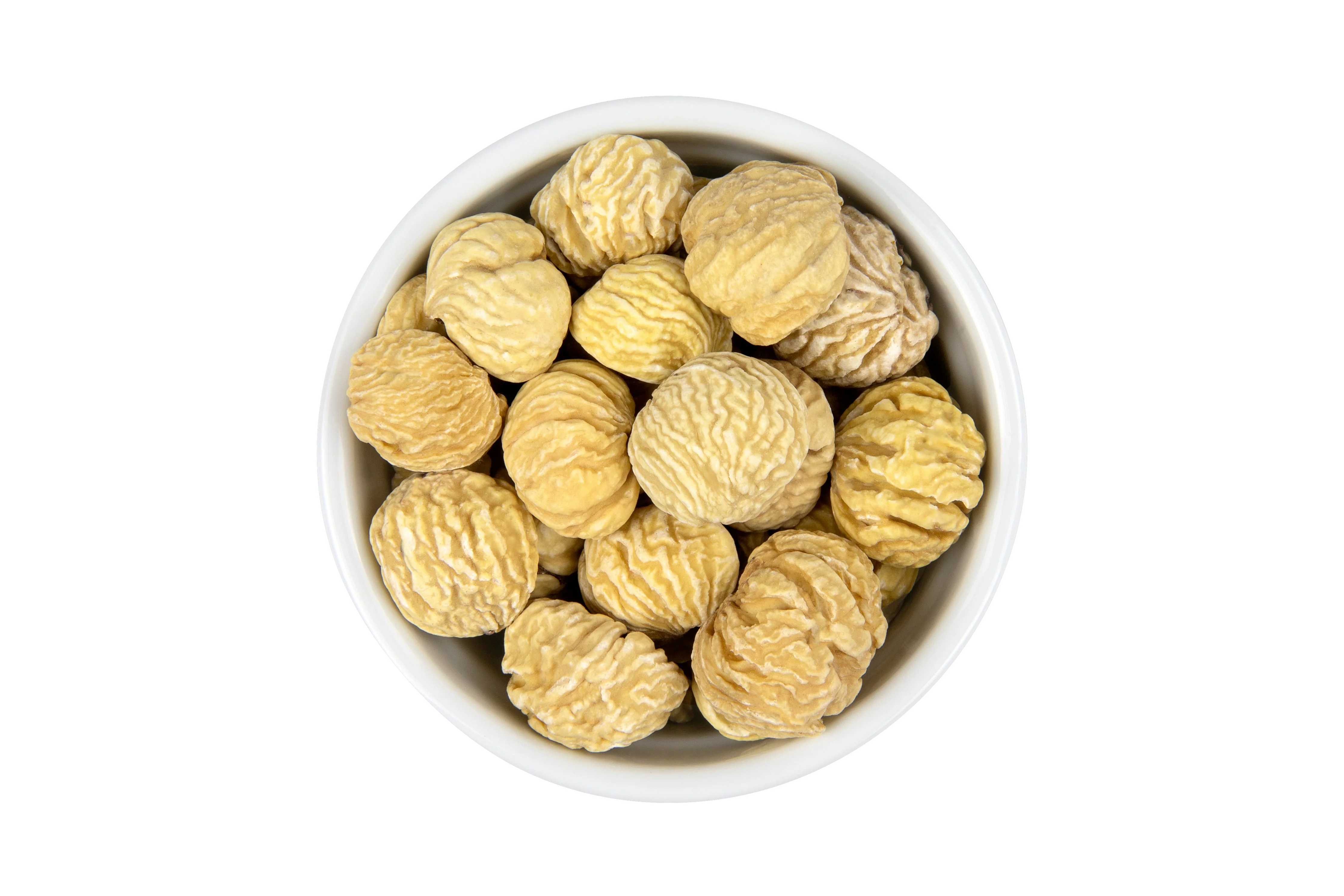
Chestnut flour is naturally sweet, nutty, and a little earthy. It can vary in grind and freshness, so use the batter thickness and doneness cues in this recipe as your guide. If your flour smells stale or musty, skip it. Fresh chestnut flour smells pleasantly sweet and nutty.
Olive oil
Use a good extra-virgin olive oil, because you will taste it. This is not the moment for a strongly bitter oil. Think smooth, fruity, and medium-bodied.
Raisins
Traditional castagnaccio often includes raisins. I like to soak them briefly in warm water so they stay plump and do not steal moisture from the batter.
Pine nuts
Pine nuts can be pricey, so do not stress if you want to swap them. I list options below, but pine nuts are the classic finish and they toast beautifully on top.
Rosemary
Fresh rosemary gives the most aroma. Use a light hand. You want a perfume, not a mouthful of needles.
Salt
Do not skip it. Salt keeps the chestnut flavor from reading as flat or overly sweet.
Equipment
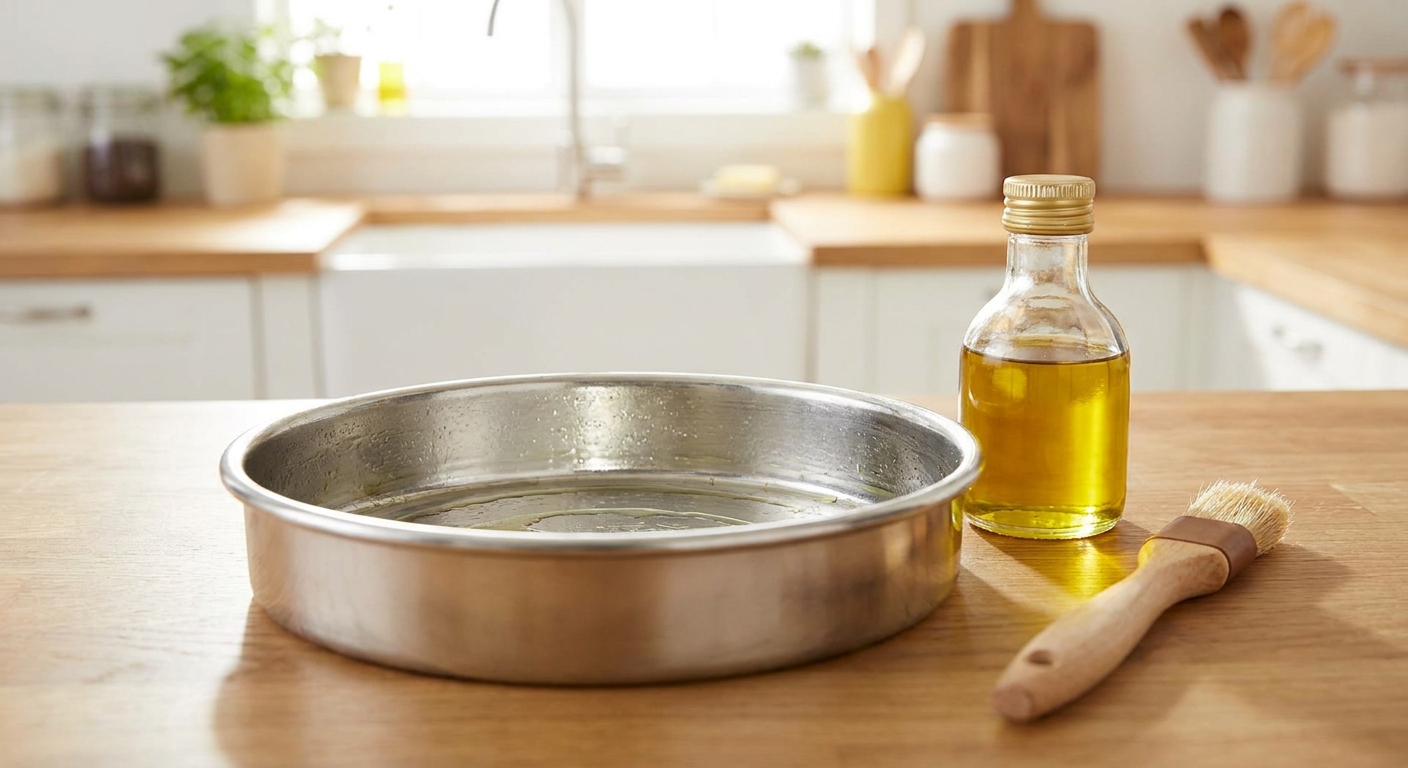
- 9-inch round cake pan (or 9-inch springform), lightly oiled
- Mixing bowl
- Whisk
- Fine-mesh sieve (helpful if your chestnut flour is clumpy)
- Measuring cups and spoons
- Wire rack for cooling
Pro tips for reliable castagnaccio
- Target a batter thickness of about 1/4 inch in the pan. If your pan is larger, the cake will be thinner and may bake faster. If your pan is smaller, the cake will be thicker and can turn gummy in the center.
- Whisk, rest, whisk again. Chestnut flour hydrates slowly. A 10-minute rest helps the batter smooth out and bake more evenly.
- Use the doneness cue, not just the clock. You are looking for a dry, set surface with fine cracks and edges that pull slightly from the pan.
- Do not overdo the toppings. It is tempting to pile on nuts and rosemary. Keep it light so the thin cake can set evenly.
- Cool before slicing. It firms up as it cools. If you slice too early, it can seem underbaked even when it is not.
Substitutes
- Pine nuts: Swap in chopped walnuts, chopped hazelnuts, or sliced almonds.
- Raisins: Use chopped dried figs or chopped dates for a more caramel-like sweetness.
- Rosemary: Try fresh thyme for a softer herbal note, or skip the herbs entirely for a more dessert-like slice.
- Water: You can use an unsweetened plant milk if you want a slightly richer result. The batter should still be pourable and thin.
Variations
Orange zest and rosemary
Add 1 teaspoon finely grated orange zest to the batter. It brightens the chestnut flavor without making it taste like citrus cake.
Chocolate chip castagnaccio
Scatter a small handful of mini chocolate chips over the top with the pine nuts. Keep it modest so the cake still bakes through cleanly.
More savory
Reduce the sugar slightly and lean into the rosemary and olive oil. Serve it with a cheese board style spread.
Serving ideas
- Simple: Serve at room temperature with coffee or tea.
- Cozy dessert: Add a spoonful of lightly sweetened ricotta or Greek yogurt on the side.
- Holiday snack plate: Pair with roasted chestnuts and fruit. If you want to roast your own, see How To Roast Chestnuts.
- Breakfast-y slice: Drizzle with a little honey and add extra chopped nuts.
Storage
- Room temperature: Store covered for up to 1 day.
- Refrigerator: Store in an airtight container for up to 4 days. The texture firms as it chills.
- To serve: Bring to room temperature, or warm slices briefly in a low oven until just heated through.
- Freezing: You can freeze slices, wrapped well, for up to 2 months. Thaw overnight in the fridge.
Common mistakes (and how to fix them)
Making it too thick
This is the number one issue. A thick pour can bake up dense or gummy in the center. Use a 9-inch pan and aim for about 1/4 inch of batter depth.
Underbaking
Castagnaccio will not look tall or domed, so it is easy to pull early. Wait for a fully set surface with fine cracks and edges that look slightly dry and begin to pull from the pan.
Overbaking
If it goes too long, it can turn dry and crumbly. Start checking a few minutes before the end of the bake time, especially if your oven runs hot.
Skipping the rest
Chestnut flour can clump. A short rest lets the flour hydrate, which helps the cake bake evenly and slice cleanly.
FAQ
Is castagnaccio supposed to be flat?
Yes. It is traditionally a thin, flat cake, not a fluffy one. Think about 1/4 inch thick in the pan, not 2 inches.
Does chestnut flour contain wheat?
Chestnut flour is made from dried chestnuts, not wheat. That said, always check the label for cross-contact warnings if you need strict gluten-free assurance.
Why is my castagnaccio gummy in the middle?
The most common causes are a batter that is too thick in the pan or pulling it from the oven before the surface is set and crackled. Use the recommended pan size and doneness cue, and let it cool before slicing.
Can I make it ahead?
Yes. It actually slices more cleanly once it has cooled and rested. I like it best the day it is made, but it holds well in the fridge for a few days.
Do I need baking powder or eggs?
No. Traditional castagnaccio is unleavened. It sets as it bakes and cools.
Recipe
Castagnaccio (Tuscan Chestnut Flour Cake): a thin, rustic chestnut flour cake baked with olive oil, rosemary, raisins, and pine nuts. Made without wheat flour and wonderfully snackable.
Prep Time: 15 minutes
Cook Time: 30 minutes
Total Time: 45 minutes
Servings: 8 slices
- 1 cup (120 g) chestnut flour
- 2 tbsp granulated sugar
- 1/4 tsp fine sea salt
- 1 1/2 cups (360 ml) water, plus more as needed
- 1/4 cup (60 ml) extra-virgin olive oil, plus more for the pan
- 1/3 cup (50 g) raisins
- 2 tbsp pine nuts
- 1 tsp fresh rosemary leaves (from 1 to 2 small sprigs)
- Heat the oven. Arrange a rack in the middle of the oven and heat to 375°F (190°C).
- Oil the pan. Lightly oil a 9-inch round cake pan (or 9-inch springform), including the sides.
- Plump the raisins. Put the raisins in a small bowl, cover with very warm water, and let sit 10 minutes. Drain well.
- Mix dry ingredients. In a medium bowl, whisk together the chestnut flour, sugar, and salt. If your flour is clumpy, sift it first.
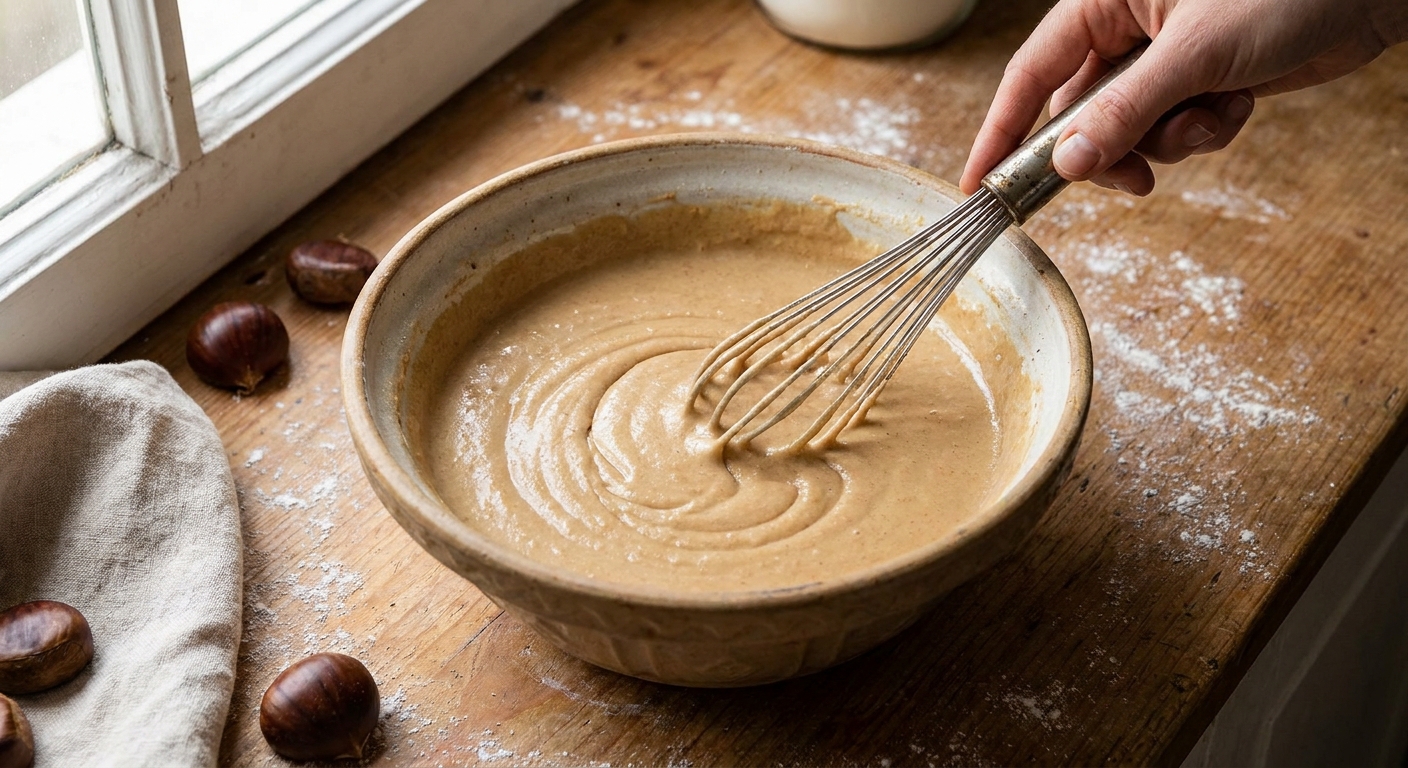
- Whisk in liquids. Slowly whisk in the 1 1/2 cups water, then whisk in the 1/4 cup olive oil. The batter should be smooth and pourable, similar to a thin pancake batter.
- Rest the batter. Let the batter rest 10 minutes, then whisk again. If it has thickened noticeably, whisk in 1 to 3 tablespoons more water until it returns to a thin, pourable consistency.
- Pour to the right thickness. Pour the batter into the prepared pan and tilt the pan to spread it evenly. You want a thin layer, about 1/4 inch thick across the pan.
- Add toppings. Scatter the drained raisins and pine nuts evenly over the top, then sprinkle with the rosemary leaves. Drizzle the surface lightly with a teaspoon or two of olive oil.
- Bake. Bake for 25 to 35 minutes, until the surface is set and looks dry with fine cracks, and the edges begin to pull slightly away from the pan.
- Cool, then slice. Cool in the pan 10 minutes, then run a thin knife around the edge and transfer to a rack to cool to warm or room temperature before slicing.
Doneness cue: This cake will stay flat. Look for a fully set top with fine cracks and lightly crisped edges, not a big rise.
Pan size matters: A 9-inch round pan gives the classic thin castagnaccio. If you use a larger pan, start checking early. If you use a smaller pan, expect a longer bake and a denser center.
Rosemary tip: Chop large rosemary leaves so you do not end up with long needles in a bite.
Gluten-free note: Chestnut flour is made from dried chestnuts, not wheat. If you need it strictly gluten-free, check labels for cross-contact warnings.