Confused by chestnuts vs water chestnuts? Learn what each one is, how they taste, when you’ll find them, how to prep them, and the best uses (plus substitutes).
Delishing
Are Chestnuts Tree Nuts?

Maya Brooks
Maya Brooks is a dedicated home cook and the lead recipe developer at Delishing, where she shares practical, foolproof meals for everyday life. With over a decade of hands-on kitchen experience, she specializes in creating approachable dishes that fit a variety of dietary needs and modern cooking methods. Maya is passionate about helping busy people get delicious, stress-free food on the table without needing formal culinary training.
If you have ever stood in the grocery aisle holding a bag of roasted chestnuts and thought, “Wait, are these actually tree nuts?”, you are not alone. Chestnuts are one of those foods that live right on the line between pantry category and botany, and the label does not always make it feel clearer.
This guide sticks to identification and label reading only: how sweet chestnuts are typically treated on ingredient lists and allergy labels, how that differs from water chestnuts, and why a package warning is still worth your attention.
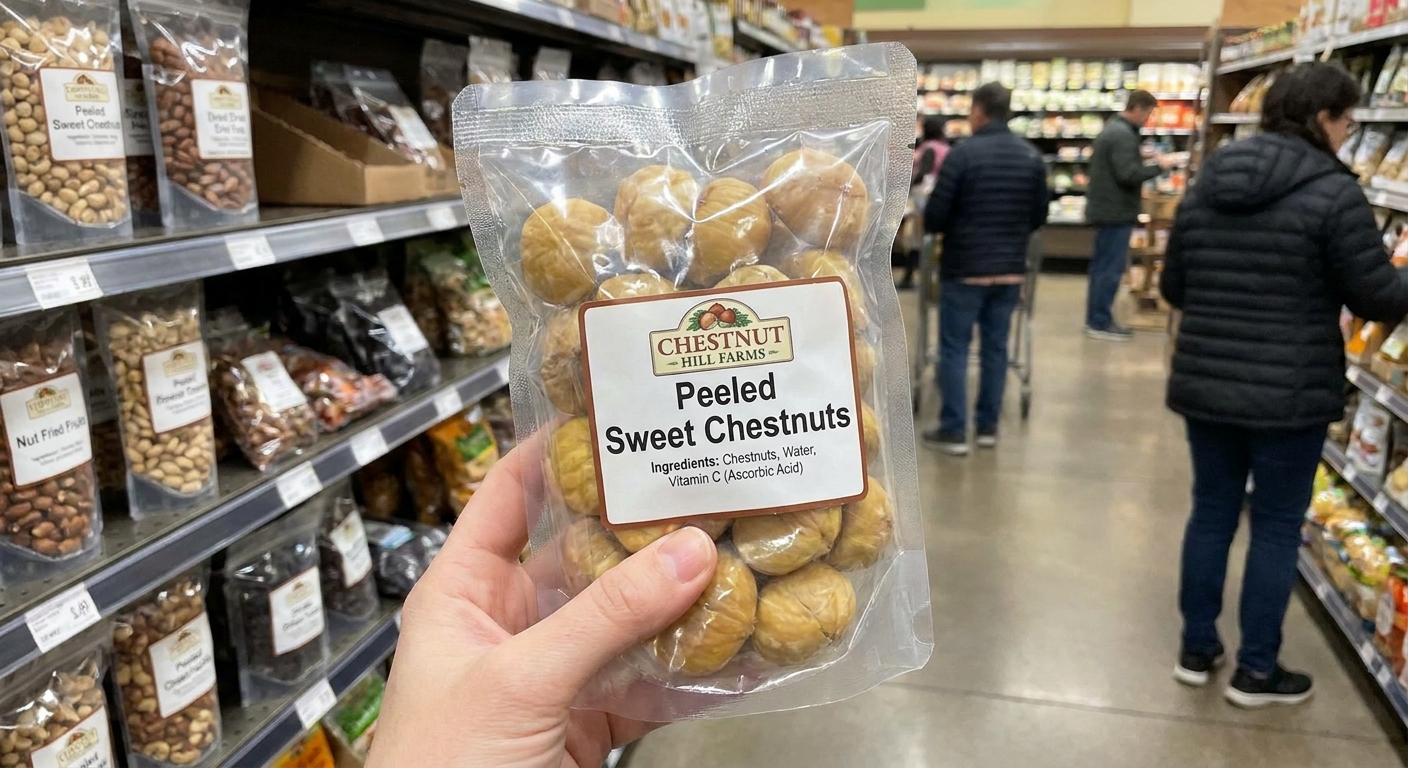
Sweet chestnuts: a tree-grown nut (label rules vary)
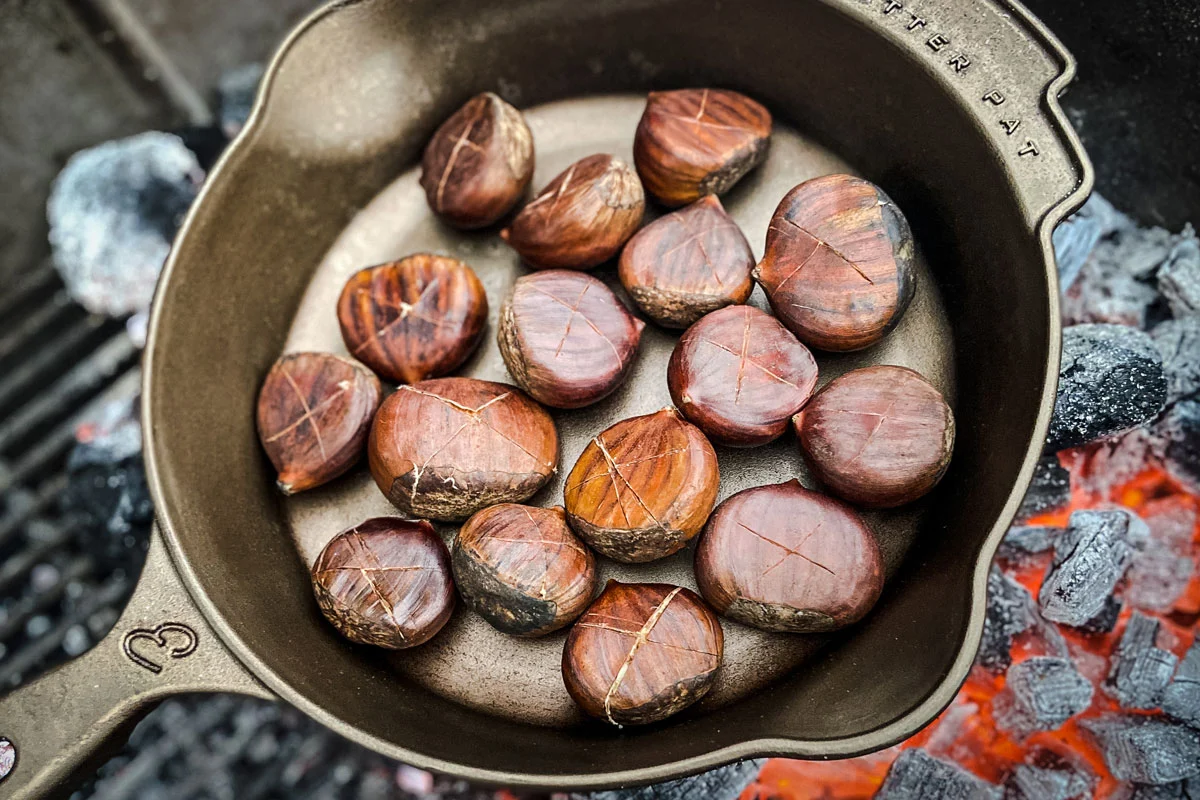
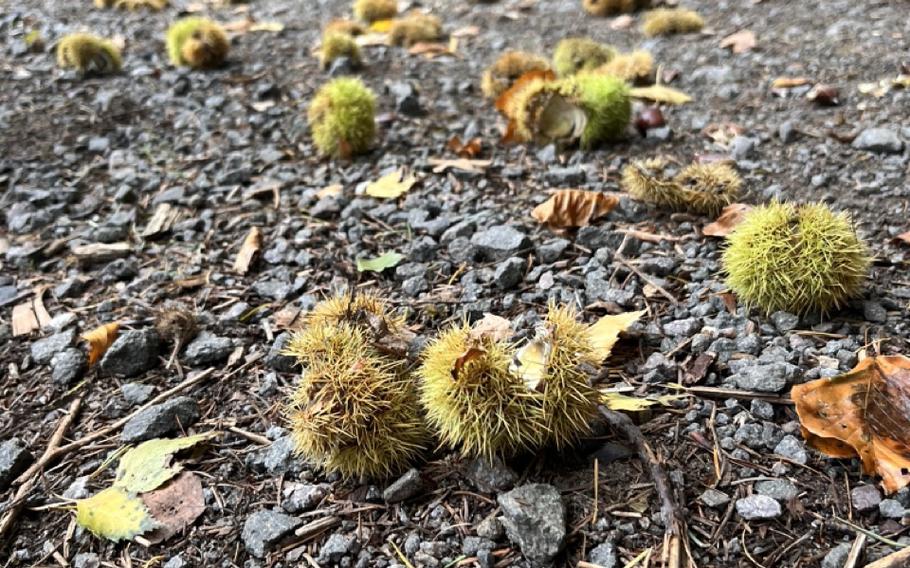
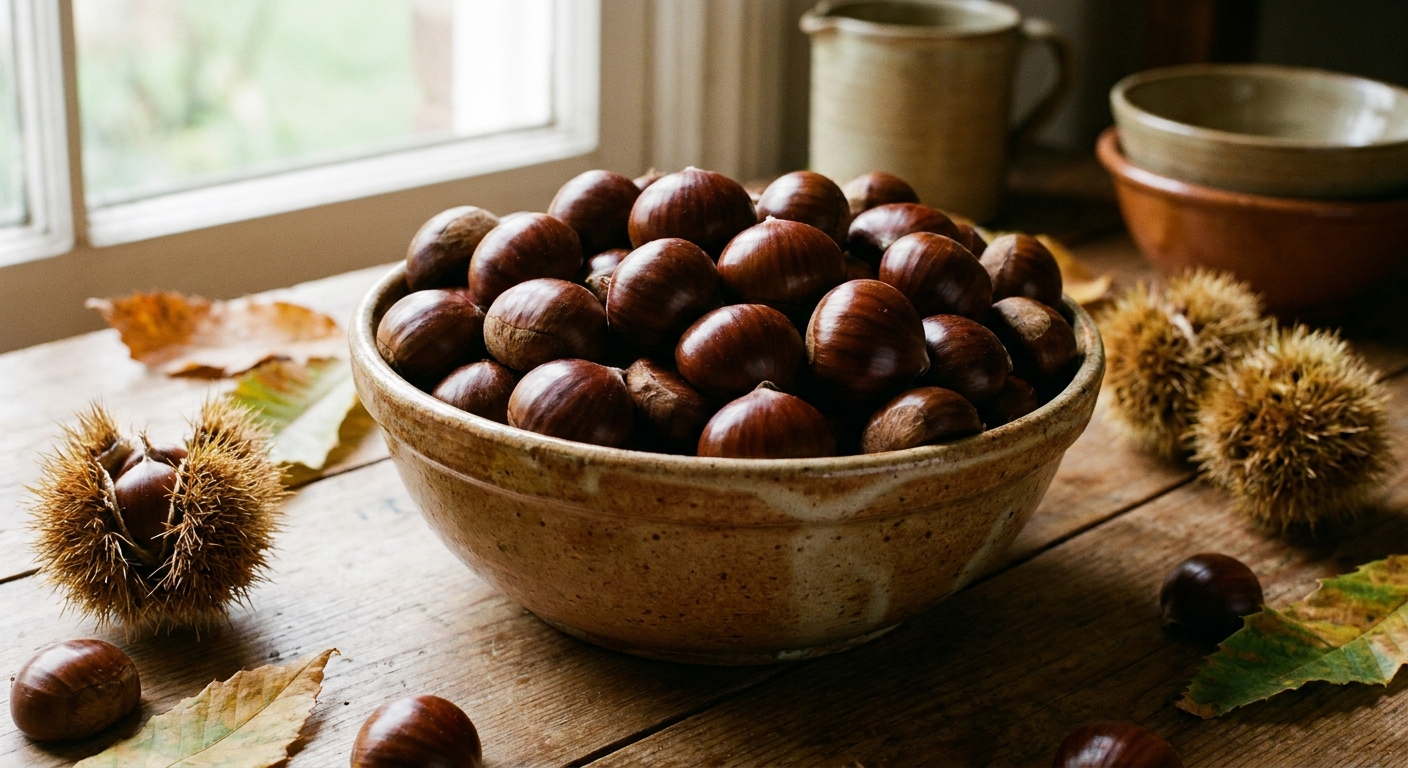
Sweet chestnuts, the kind you roast and peel, come from chestnut trees in the genus Castanea (often Castanea sativa). Botanically, they are a nut produced by a tree.
Here is the practical takeaway for shoppers: chestnut can show up in foods without being flagged the same way across every “tree nut” allergen statement. Allergen rules and the exact list of named tree nuts differ by jurisdiction, and manufacturers do not all format “Contains” statements the same way. That means you might see chestnut listed clearly in the ingredients, but not called out in a separate “Contains: tree nuts” line.
So for label reading, treat chestnut like its own ingredient to verify, not something you will always catch via a single “tree nuts” callout.
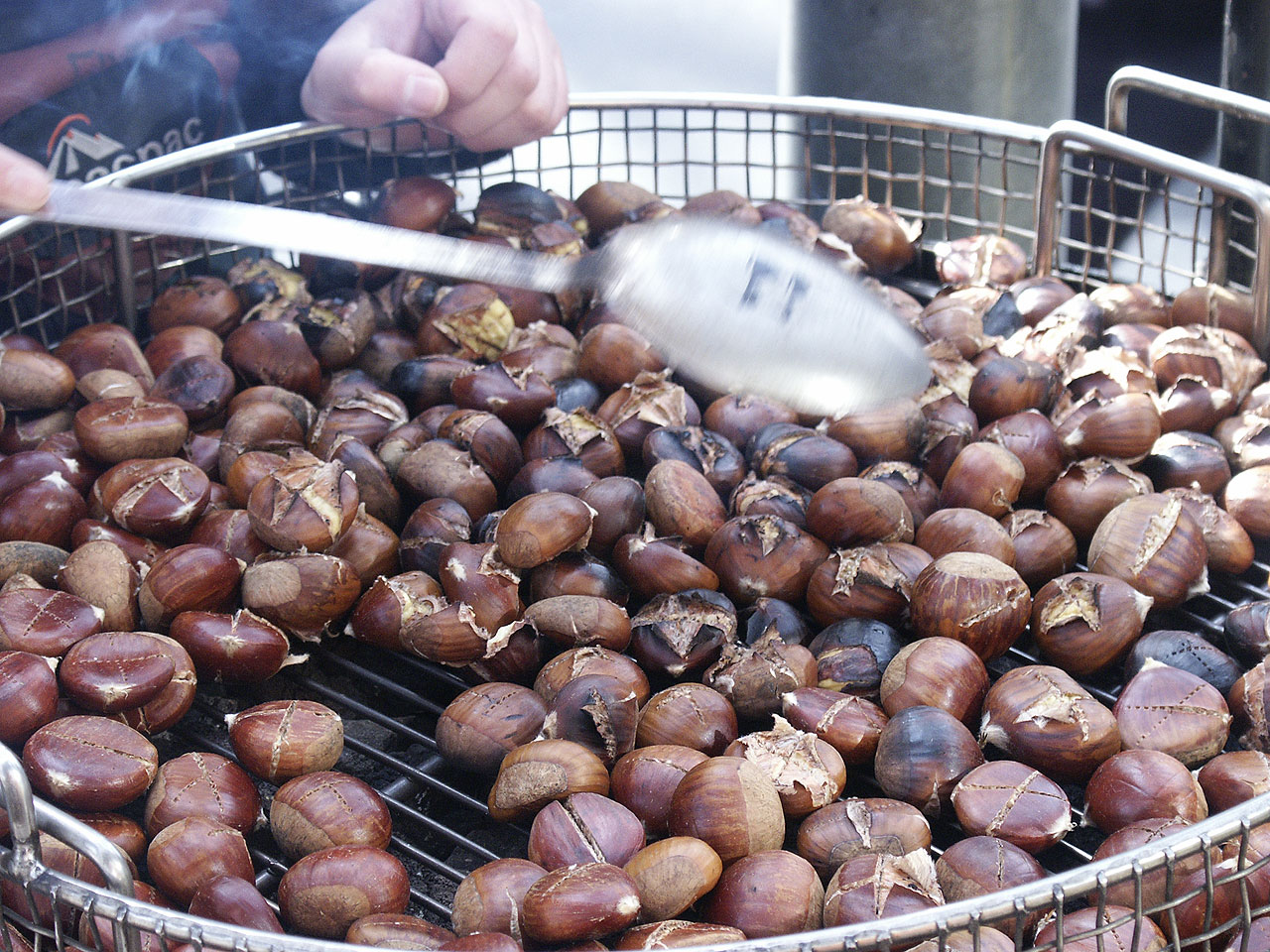
If you are cooking with fresh chestnuts, our step-by-step method is here: How To Roast Chestnuts.
Water chestnuts are not nuts
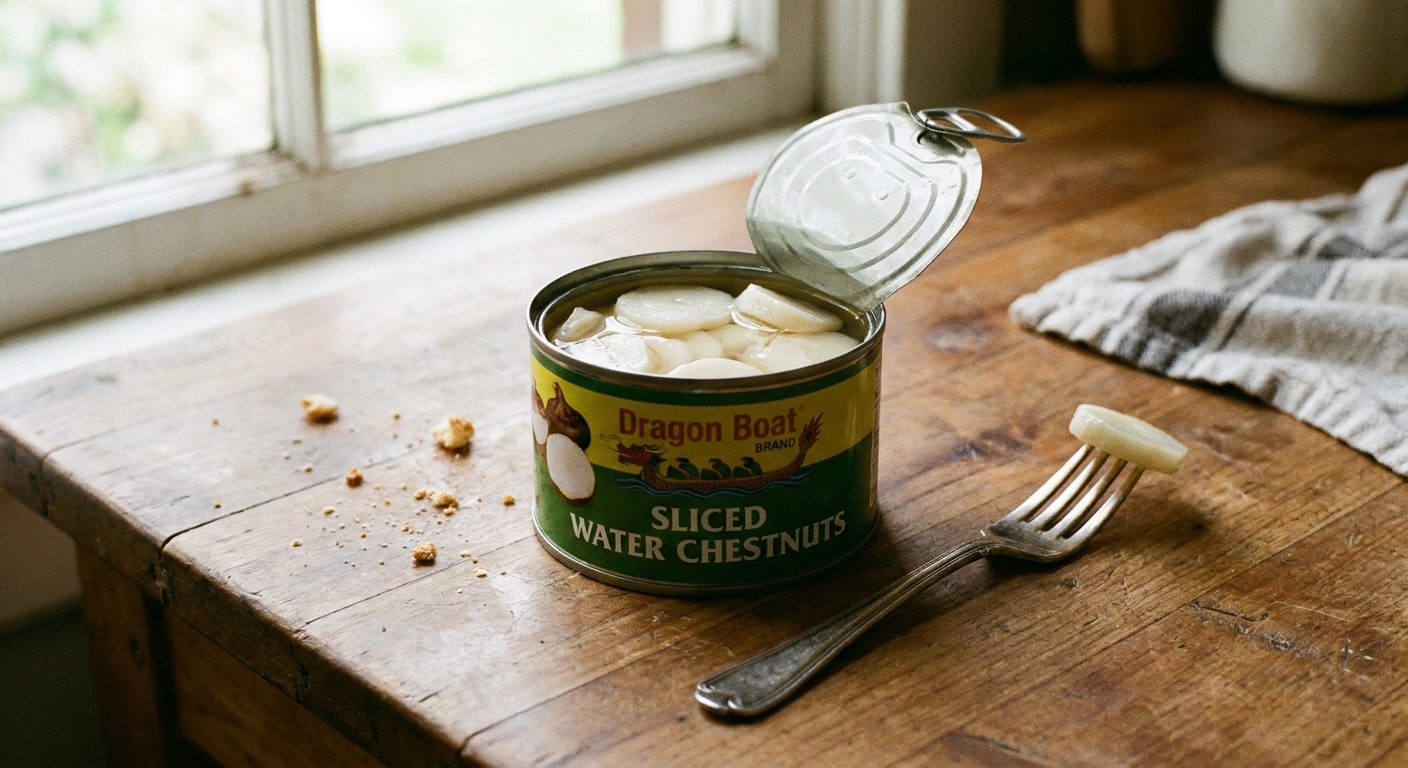
Water chestnuts are a totally different ingredient. They are an aquatic vegetable (a corm), harvested from a plant that grows in marshy water, and they are commonly sold sliced or whole in cans and used for crunch in stir-fries and lettuce wraps.
So while the names sound alike, water chestnuts are not nuts from a tree and are not botanically related to sweet chestnuts.
If you want the cooking and flavor differences in plain terms, I break that down here: Chestnuts vs. Water Chestnuts.
How labels usually show chestnuts
Labels can feel inconsistent because there are a few different pieces at play: the ingredient list, any allergen statement, and any cross-contact advisory warning.
1) Ingredient list
If sweet chestnuts are in the food, you should see them listed as something like chestnuts, sweet chestnuts, roasted chestnuts, peeled chestnuts, chestnut purée, chestnut flour, or a botanical name such as Castanea sativa.
You may also see French-style naming on desserts and specialty imports, including marron, marrons, or crème de marrons (a sweetened chestnut spread). Ingredient lists are your first stop because they are the most direct: if it is listed, it is in there.
2) “Contains” allergen statements
Some packages include a separate line such as “Contains: Chestnut” or “Contains: Tree nuts (chestnut).” Others will not, even when chestnut is present, depending on local rules and the manufacturer’s practices.
Bottom line for label reading: do not rely on the “Contains” line alone. Always scan the ingredient list, too.
3) “May contain” and shared-facility warnings
Advisory statements like these are often voluntary and not standardized, which is why you will see variability across brands:
- “May contain tree nuts”
- “Processed in a facility that also processes tree nuts”
- “Made on shared equipment with tree nuts”
Even though these statements are not the same as an ingredient declaration, they still matter for label reading because they signal potential cross-contact in the company’s process.
Why warnings still matter
In real kitchens and real factories, ingredients share space. Chestnuts might be packaged on equipment that also handles almonds, hazelnuts, walnuts, or other tree nuts. A warning is basically the company saying, “We cannot guarantee separation to the level we would need to say there is no risk.”
Here are a few common situations where warnings show up:
- Mixed-nut processing lines: Even if the product is “just chestnuts,” the facility may handle other nuts.
- Seasoned or flavored chestnuts: Added spices, flavor blends, or chocolate coatings can introduce additional allergen handling at the supplier level.
- Holiday seasonal items: Seasonal production runs sometimes share lines to keep up with demand.
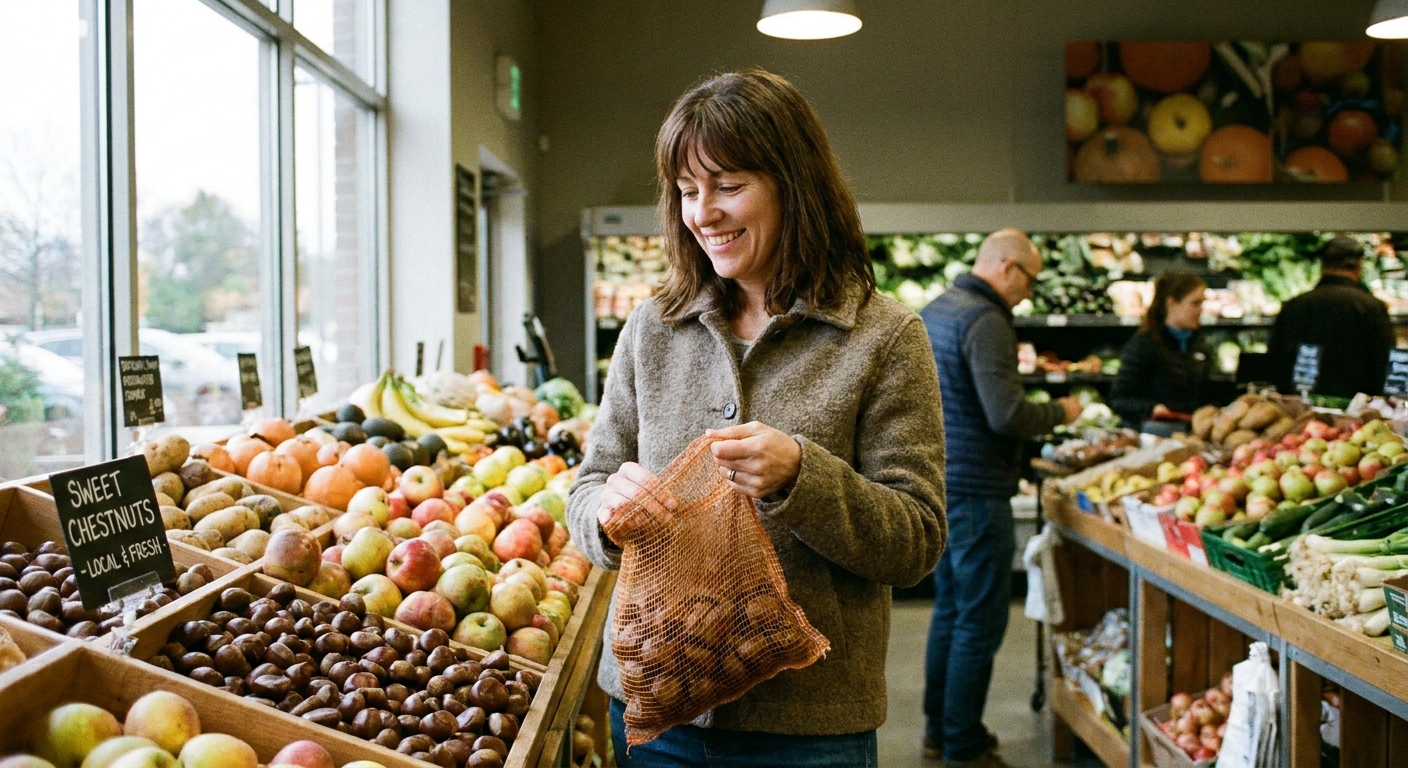
If you are shopping for fresh chestnuts and want to reduce surprises before you even get to the ingredient label, this helps: How To Buy Fresh Chestnuts.
Quick ID: sweet vs. water chestnuts
If you are label-checking fast, this mini checklist helps you confirm what you are actually holding.
Sweet chestnuts (from a tree)
- Usually sold fresh in the produce section in spiky shells seasonally, or vacuum-packed peeled and cooked
- Often described as roasted, peeled, ready-to-eat, whole chestnuts, or sweet chestnuts
- Used in stuffing, soups, purées, and desserts
Water chestnuts (aquatic vegetable)
- Usually sold canned or jarred
- Often described as sliced, whole, or stir-fry ready
- Used for crunch in savory dishes
Common label pitfalls
- Assuming “chestnut” always means water chestnut: In many packaged foods, “chestnut” refers to sweet chestnuts unless it specifically says “water chestnut.”
- Missing chestnut flour and purée: In baking and gluten-free products, chestnuts might appear as chestnut flour, chestnut purée, or Castanea sativa.
- Not recognizing marron: On some European-style products, chestnut can appear as marron, marrons, or crème de marrons.
- Over-trusting the front of the package: “Nut-free” claims and marketing callouts can be confusing. Ingredient lists are more reliable than front-panel claims.
FAQ
Are chestnuts considered tree nuts on allergy labels?
Sweet chestnuts come from a tree and are a nut botanically, but how “tree nuts” are defined and highlighted on labels varies by jurisdiction. For label reading, the most reliable move is to check the ingredient list for “chestnut” (and related terms), because chestnut may appear there even if it is not highlighted in a separate “Contains: tree nuts” statement.
Are water chestnuts safe for people avoiding tree nuts?
Water chestnuts are not botanically nuts, but this article does not provide medical guidance. For label reading purposes, they are a different ingredient from sweet chestnuts, and you should still check the full ingredient list and any advisory warnings on the specific product you are buying. Some people with tree nut allergies avoid chestnut and some do not, so follow the plan you have been given.
Do roasted chestnuts count as nuts?
If they are sweet chestnuts (the kind roasted and peeled), they come from the chestnut tree. “Roasted” is just the preparation style.
What about horse chestnuts?
Horse chestnuts are a different plant and are not the edible chestnuts sold for roasting. If you are trying to identify them in the real world, see: Horse Chestnuts vs Sweet Chestnuts.