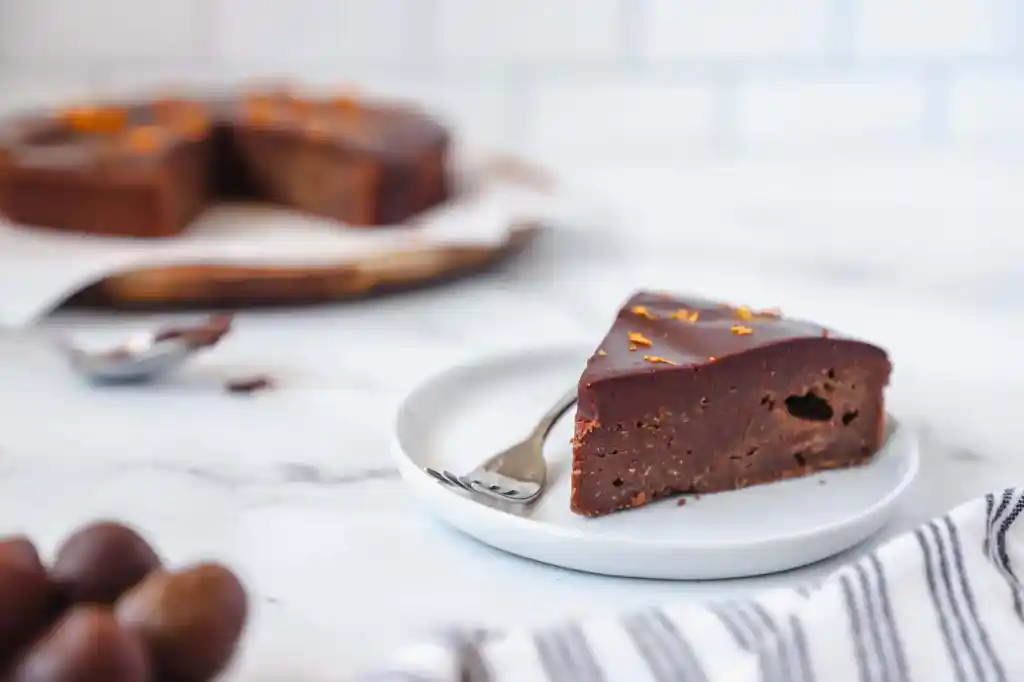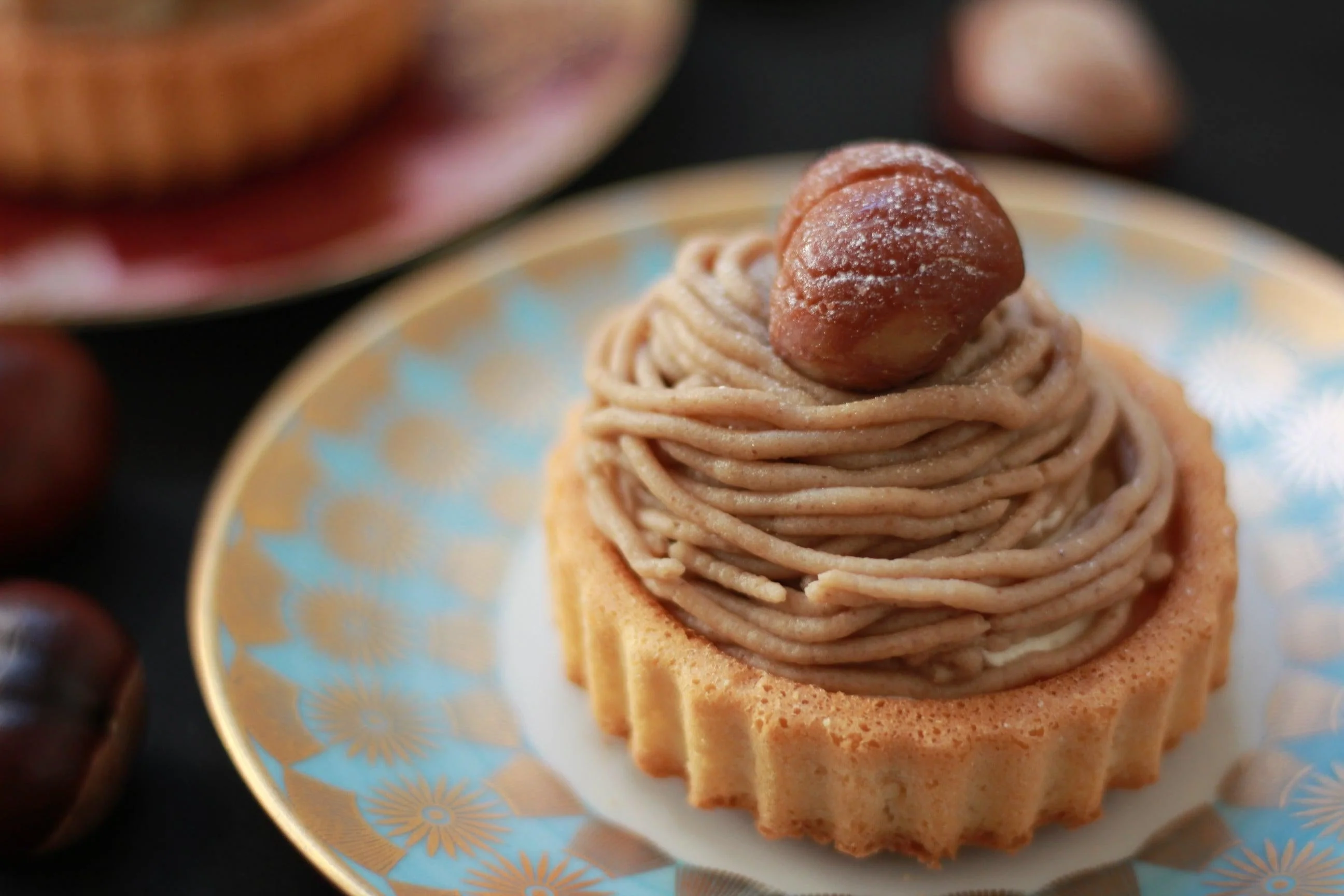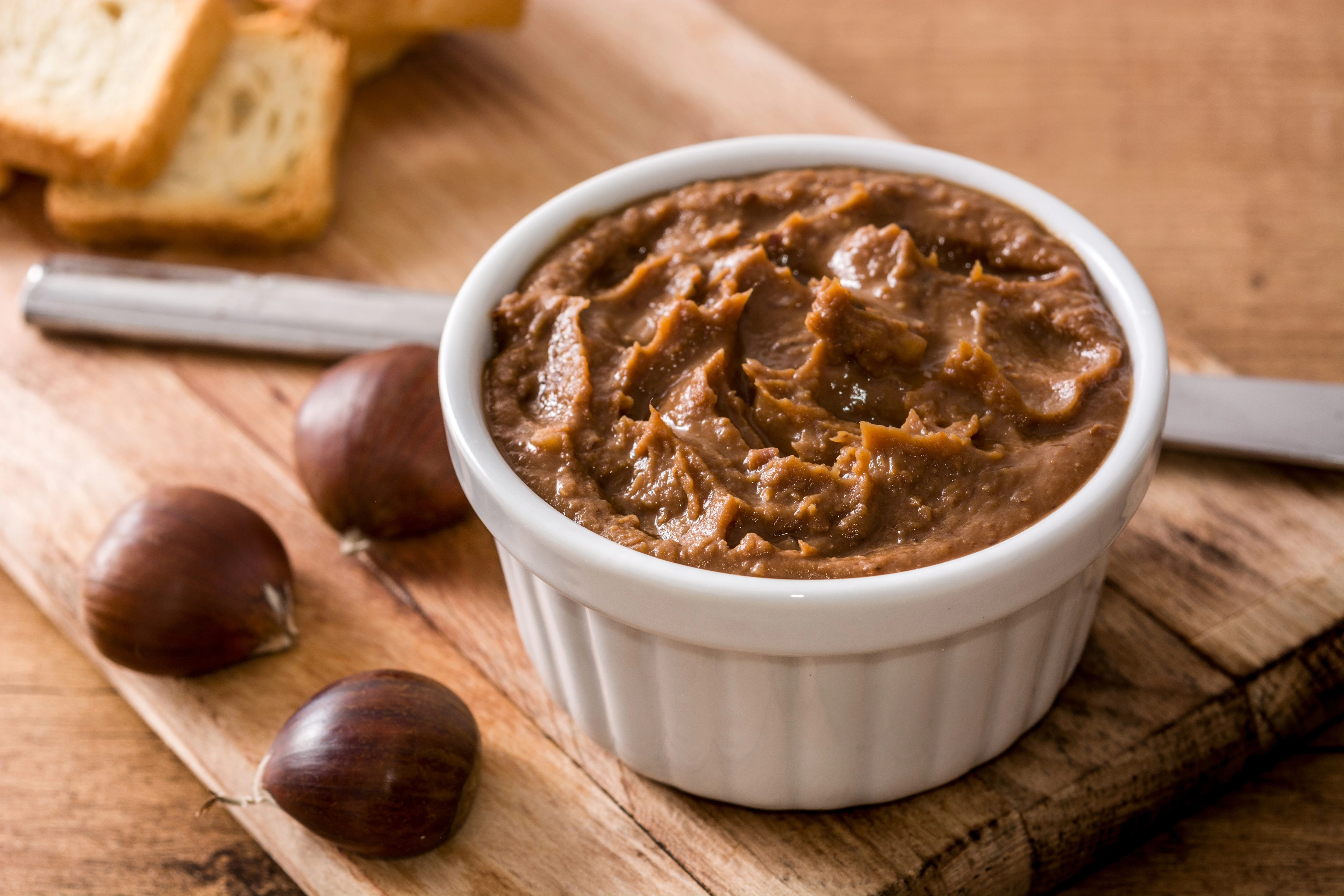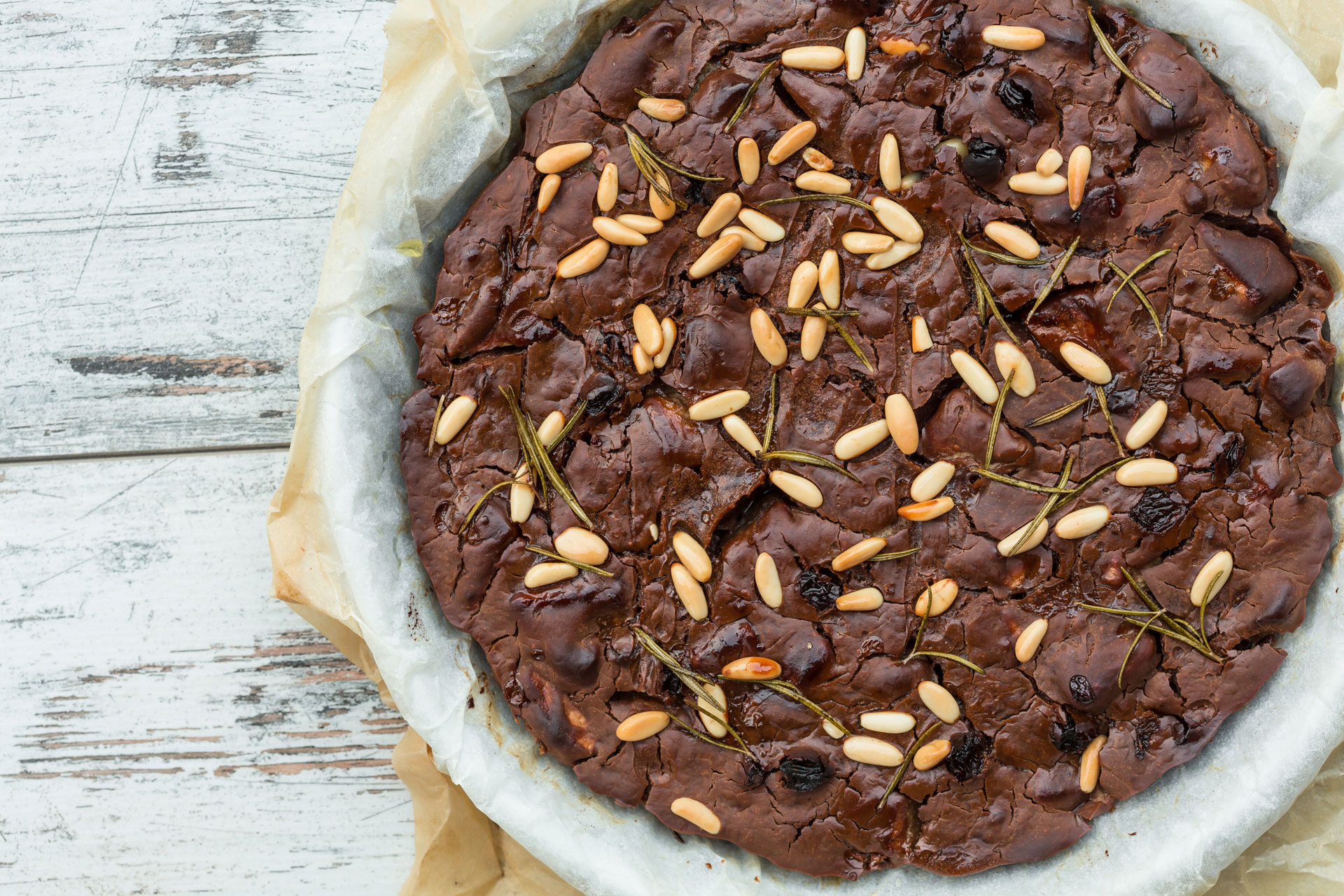
This rustic Tuscan castagnaccio is a thin, tender chestnut flour cake with crisp edges, olive oil and rosemary aroma, plus sweet raisins and pine nuts. Natur...
Delishing
How to Bake with Chestnut Flour

Maya Brooks
Maya Brooks is a dedicated home cook and the lead recipe developer at Delishing, where she shares practical, foolproof meals for everyday life. With over a decade of hands-on kitchen experience, she specializes in creating approachable dishes that fit a variety of dietary needs and modern cooking methods. Maya is passionate about helping busy people get delicious, stress-free food on the table without needing formal culinary training.
The first time I baked with chestnut flour, I treated it like a cute 1:1 swap for all-purpose flour. The flavor was incredible. The texture was not. My cake came out tender but crumbly, like it wanted to fall apart the second I looked at it. After a few notebook pages of tweaks, here is what chestnut flour does best, what it struggles with, and how to use it in the bakes you already love.
What chestnut flour is like in baking
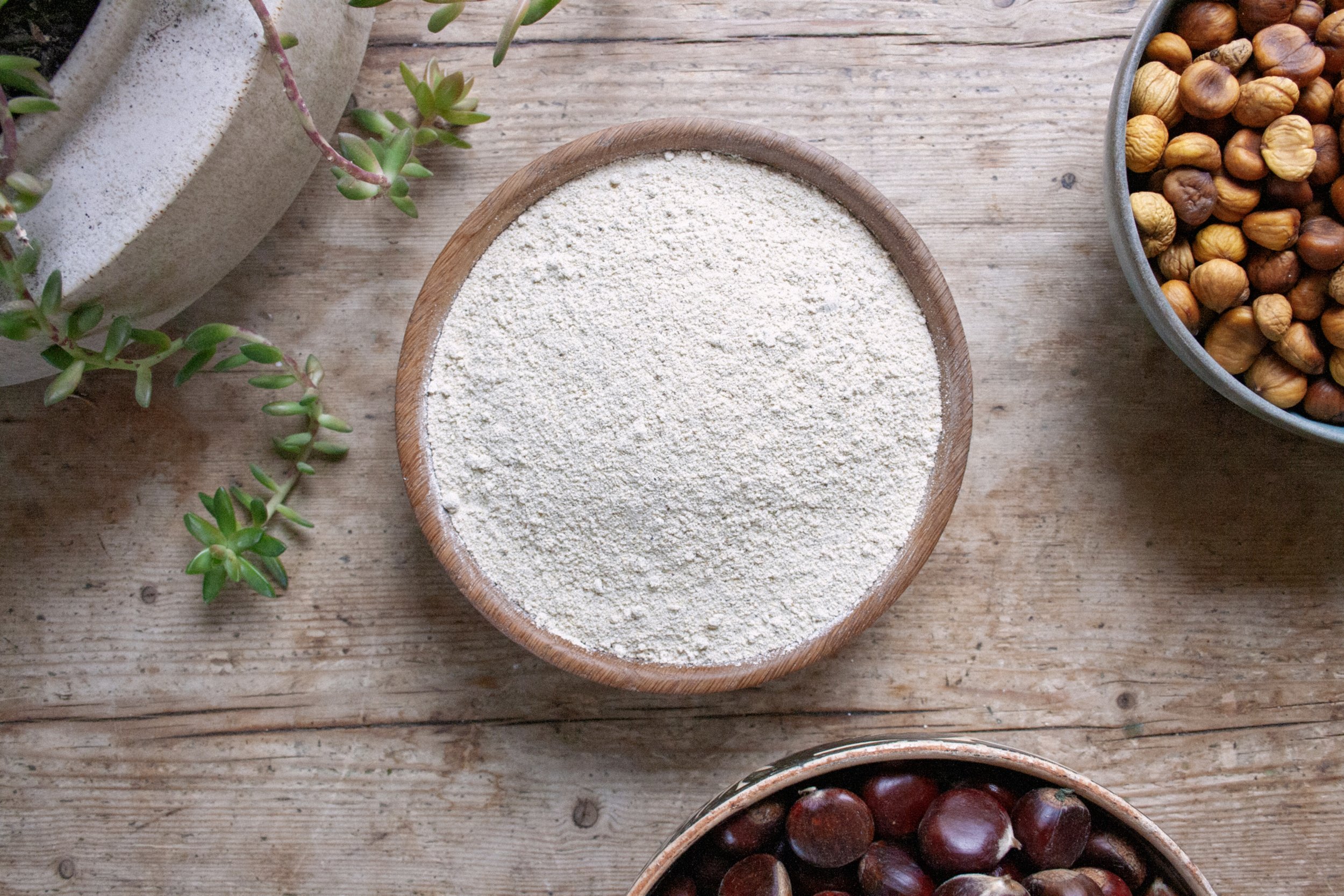
Chestnut flour is typically made from sweet chestnuts that are cooked or dried (sometimes gently, sometimes roasted) and then milled into a fine, tan-brown flour. It is naturally gluten-free, and it behaves like a sweet, starchy gluten-free flour rather than a wheat flour.
- No gluten network: You will not get the elastic structure that traps gases and creates a springy crumb. That is why chestnut flour bakes can crumble if the recipe is not adjusted.
- Naturally sweet: Chestnuts are sweeter than most “nut flours.” That sweetness encourages browning and may increase spread in some cookie formulas.
- Thirsty but not stretchy: It absorbs liquid, but it does not develop chew. If it is under-hydrated, the crumb can feel dry and sandy. If it is balanced well, it bakes up tender and cake-like.
- Earthy aroma and color: Expect a warm beige to light brown batter and a toasty smell that reads like fall baking even without spices.
If you are starting from whole chestnuts, you will want them cooked and dried before milling. For cooking methods, see How To Roast Chestnuts or Air Fryer Chestnuts.
Flavor and pairings
Chestnut flour tastes gently sweet, nutty, and slightly earthy. To me it sits somewhere between toasted hazelnut, sweet potato, and brown sugar. It can make a plain vanilla batter taste deeper and more “baked” even before it hits the oven.
Easy pairings
- Warm spices: cinnamon, nutmeg, ginger, cardamom
- Chocolate and coffee: cocoa, espresso powder, mocha flavors
- Fruits: pear, apple, fig, orange zest
- Nuts: walnuts, hazelnuts, almonds
- Dairy notes: browned butter, mascarpone, ricotta, yogurt
If you are curious how it behaves in a traditional, naturally gluten-free bake, take a look at Castagnaccio (Tuscan Chestnut Flour Cake). It is a great reference point for the flour’s natural personality.
Best uses
If you want the quickest wins, chestnut flour shines in bakes where tenderness is a feature, not a problem.
- Quick breads and muffins: especially with warm spices or citrus zest
- Brownies and bar cookies: eggs and chocolate do a lot of the structural work
- Shortbread-style cookies: where a delicate crumb makes sense
- Pancakes and waffles: a little chestnut flour adds depth fast, like in Almond Flour Pancakes style batters where structure comes from eggs
Gluten-free structure
In a wheat flour cake or cookie, gluten provides structure and a little insurance against crumbling. With chestnut flour, you need structure from somewhere else. You have three main options, and many successful bakes use a combination:
- Eggs: add binding and lift. Extra yolk can improve tenderness and reduce crumbling.
- Starches: tapioca starch, cornstarch, or potato starch can add cohesion and a cleaner set.
- Gums or binders: xanthan gum or psyllium can help trap moisture and hold slices together, especially in cakes and quick breads.
If you are swapping chestnut flour into a recipe that already includes eggs, you are halfway there. If it is an egg-free cookie or a vegan cake, chestnut flour usually needs a thoughtful binder to avoid a fragile result.
Swap ratios
I am going to save you the mistake I made at the beginning: do not start with a 1:1 replacement for all-purpose flour unless the recipe is specifically developed for chestnut flour.
Cakes, muffins, and quick breads
- Start with 25% chestnut flour in place of the wheat flour by weight.
- If the texture feels too “regular” and you want more chestnut flavor, move up to 35%.
- Beyond 40%, many standard cake recipes start to turn delicate unless you add extra structure (more egg, starch, or a binder).
Example: If a cake uses 200 g all-purpose flour, try 50 g chestnut flour plus 150 g all-purpose flour for your first test.
Cookies and bars
- Start with 15% to 25% chestnut flour by weight, depending on the cookie style.
- Use the lower end for thin, crispy cookies that already spread a lot.
- Use the higher end for thicker cookies, chewy bars, and brownies (where structure comes from eggs and chocolate).
Going fully gluten-free: It is possible, but it is not a simple chestnut-for-wheat swap. For a reliable first attempt, use chestnut flour as a flavor flour and combine it with a gluten-free base blend or starches rather than trying to make it carry the entire structure alone.
Liquid and fat adjustments
Chestnut flour changes batter hydration in two ways: it absorbs moisture, and it tends to bake up more tender and fragile, which makes dryness feel worse. The fix is usually slightly more liquid and slightly more fat, added slowly.
My starting adjustments
- If you replace 25% of the flour with chestnut flour, start by adding about 1 to 2 teaspoons extra liquid per cup of total flour in the recipe, then adjust by feel. (Liquid can be milk, water, coffee, citrus juice, or even an extra egg white, depending on the bake.)
- Add fat in small increments if the crumb seems sandy. For cakes, that can mean 1 to 2 teaspoons more melted butter or oil. For cookies, it might mean an extra teaspoon of butter, or swapping in one extra egg yolk if the recipe already has eggs.
- Watch browning: chestnut flour can brown quickly. If the edges are getting dark before the center sets, you can try lowering the oven temp by 25°F. For cakes and quick breads, tenting loosely with foil for the last stretch can also help.
What to look for in the bowl
- Cake batter: should be pourable but not thin like crepe batter. If it pours in ribbons and then slowly levels out, you are in a good range.
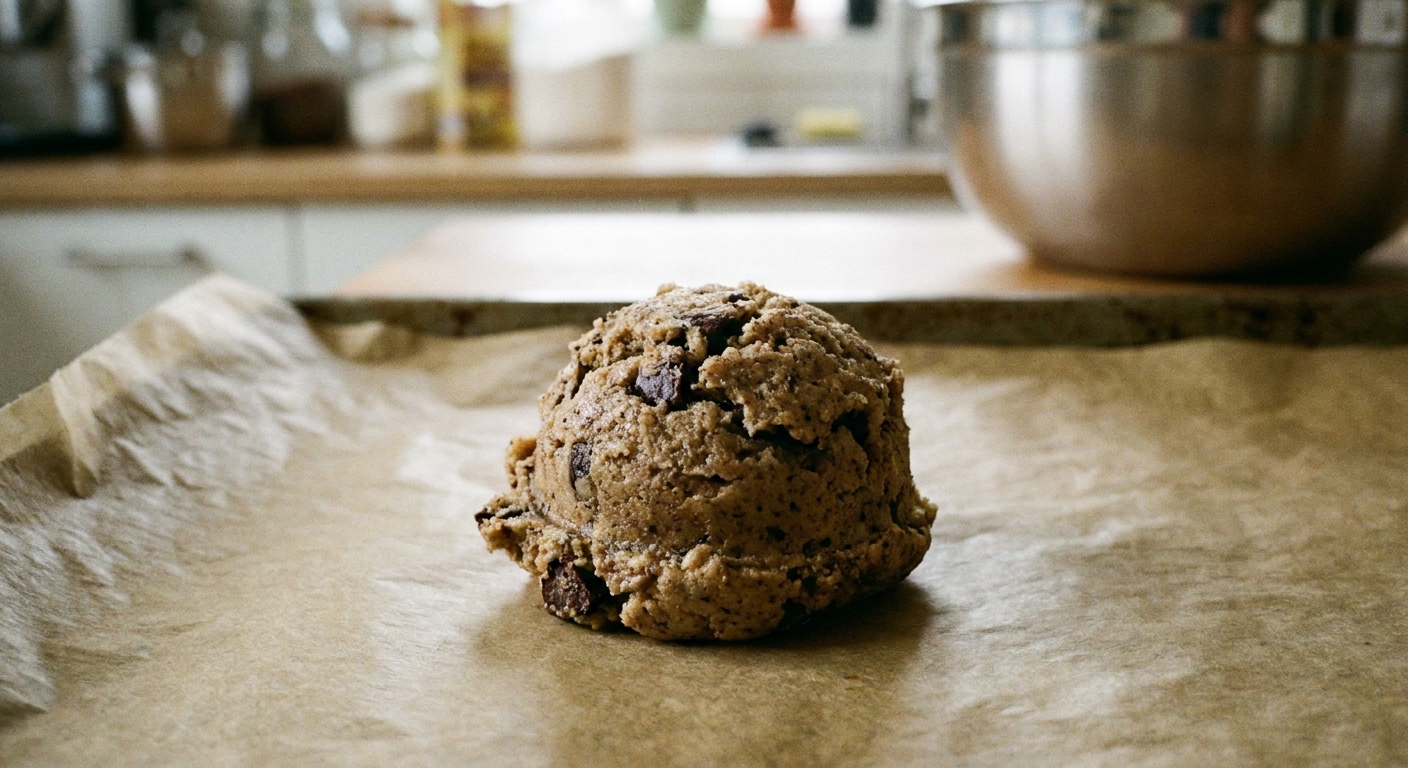
- Cookie dough: should feel a touch softer at room temp than you are used to, because chestnut flour will firm as it hydrates. Resting the dough 15 to 30 minutes before baking can help.
Mini test bake
If you want a fast reality check, do a mini bake test. This is my go-to when I am swapping any flour, and it takes the panic out of experimenting.
The 1-cookie or 1-muffin test
- Mix your batter or dough as written with your chestnut flour swap.
- Let it sit 10 minutes so the flour hydrates.
- Bake a tiny portion first: one cookie on a sheet, or one muffin cup with batter.
- Cool 10 minutes, then test texture.
How to read the results:
- Crumbly and dry: add 1 teaspoon liquid, mix, rest 5 minutes, test again.
- Dense (not rising much): check your leavening, and consider adding 1 to 2 tablespoons starch for a lighter set next time. Slightly more liquid can help too, if the batter looks tight.
- Gummy (wet, sticky center): bake a little longer, cool fully, and next time reduce liquid slightly. If you added xanthan or psyllium, dial it back a touch.
- Spreads too much (cookies): chill dough 30 minutes, or reduce sugar slightly next time.
- Holds together but tastes flat: add a pinch more salt and a little vanilla or warm spice to highlight the chestnut flavor.
Tips for consistent results
- Weigh it if you can. Chestnut flour can pack differently than wheat flour. A kitchen scale makes swaps much more predictable.
- Sift for cakes. It can clump, and those clumps bake into dry pockets.
- Rest batters and doughs briefly. Ten minutes helps hydration and improves texture.
- Cool completely before slicing. Chestnut flour bakes often firm up as they cool. Cutting too early is a recipe for crumbles.
- Expect some brand variability. A finely milled flour absorbs and bakes differently than a coarser grind. When you switch brands, start on the lower end of the swap range and adjust from there.
Storage
Chestnut flour can pick up off flavors and go stale over time, especially once the bag is opened.
- Short term: Store it airtight in a cool pantry.
- Long term: The freezer is your best friend. Just let the flour come back to room temp before measuring, so condensation does not create clumps.
When not to use it
I love chestnut flour, but I do not force it into recipes where gluten is doing the heavy lifting.
- Yeasted breads: Not a good first project. Without gluten, you will not get the same rise and chew.
- Stretchy doughs: pizza dough, bagels, laminated pastries. These need structure chestnut flour cannot provide on its own.
- Ultra-light sponge cakes: Possible, but it becomes a more advanced formula change (egg handling, starch balance, bake temp).
For those bakes, I prefer using chestnut flour as a smaller percentage for flavor, or choosing a recipe designed around gluten-free structure from the start.
Quick FAQ
Is chestnut flour gluten-free?
Yes, chestnut flour is naturally gluten-free. If you are baking for someone with celiac disease or a serious sensitivity, look for packaging that indicates the flour is processed in a gluten-free facility to reduce cross-contact risk.
Does chestnut flour taste like nuts?
It tastes nutty, but also sweet and starchy. Think toasted, gently caramel-like, and earthy rather than “peanutty.” If you are avoiding nuts, note that chestnuts are sometimes discussed separately from typical tree nuts. For a deeper dive, see Are Chestnuts Tree Nuts?
Will my bake turn darker?
Usually, yes. Chestnut flour bakes up tan to light brown and can brown faster at the edges, especially in cookies.