Delishing
Chestnut Mont Blanc

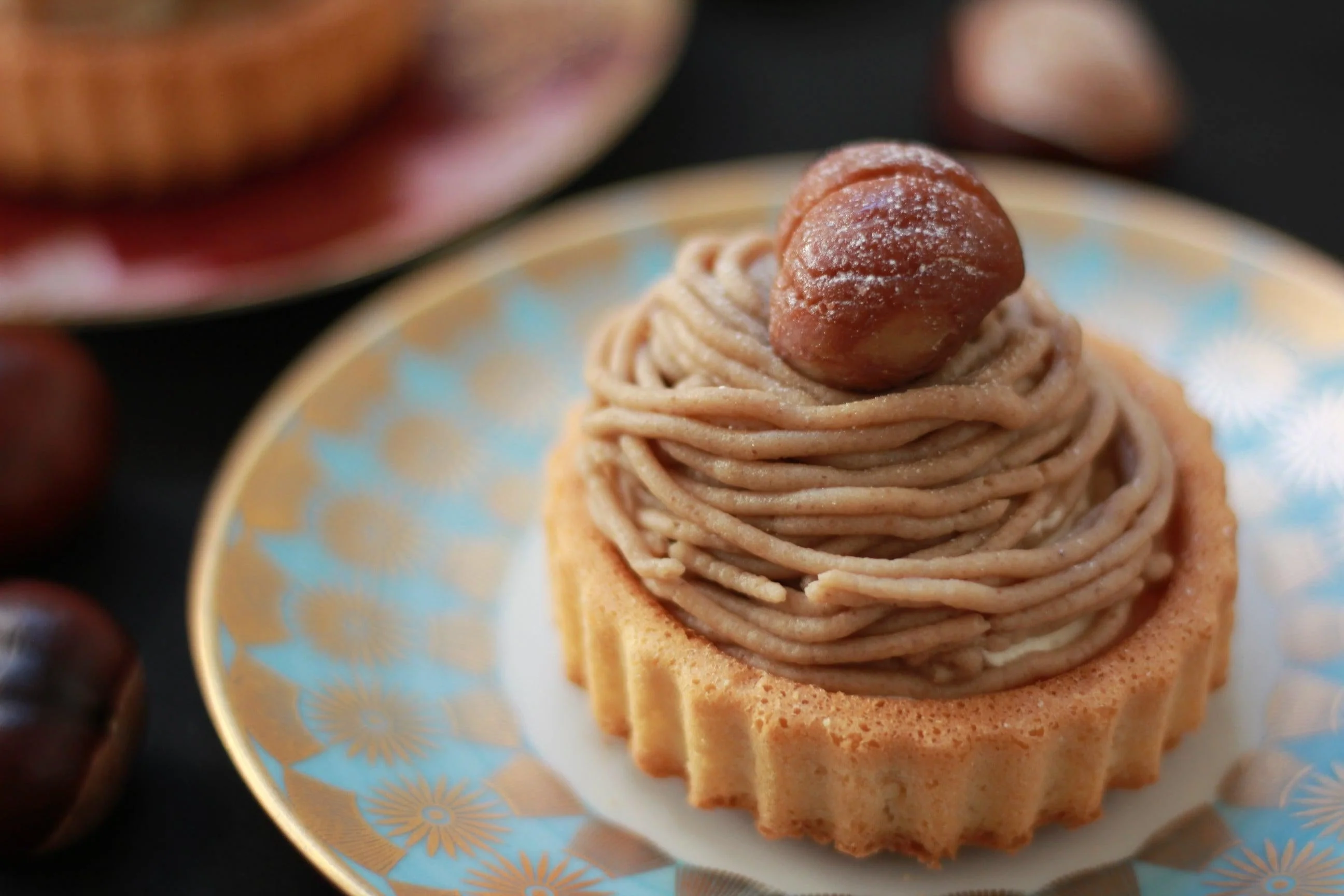
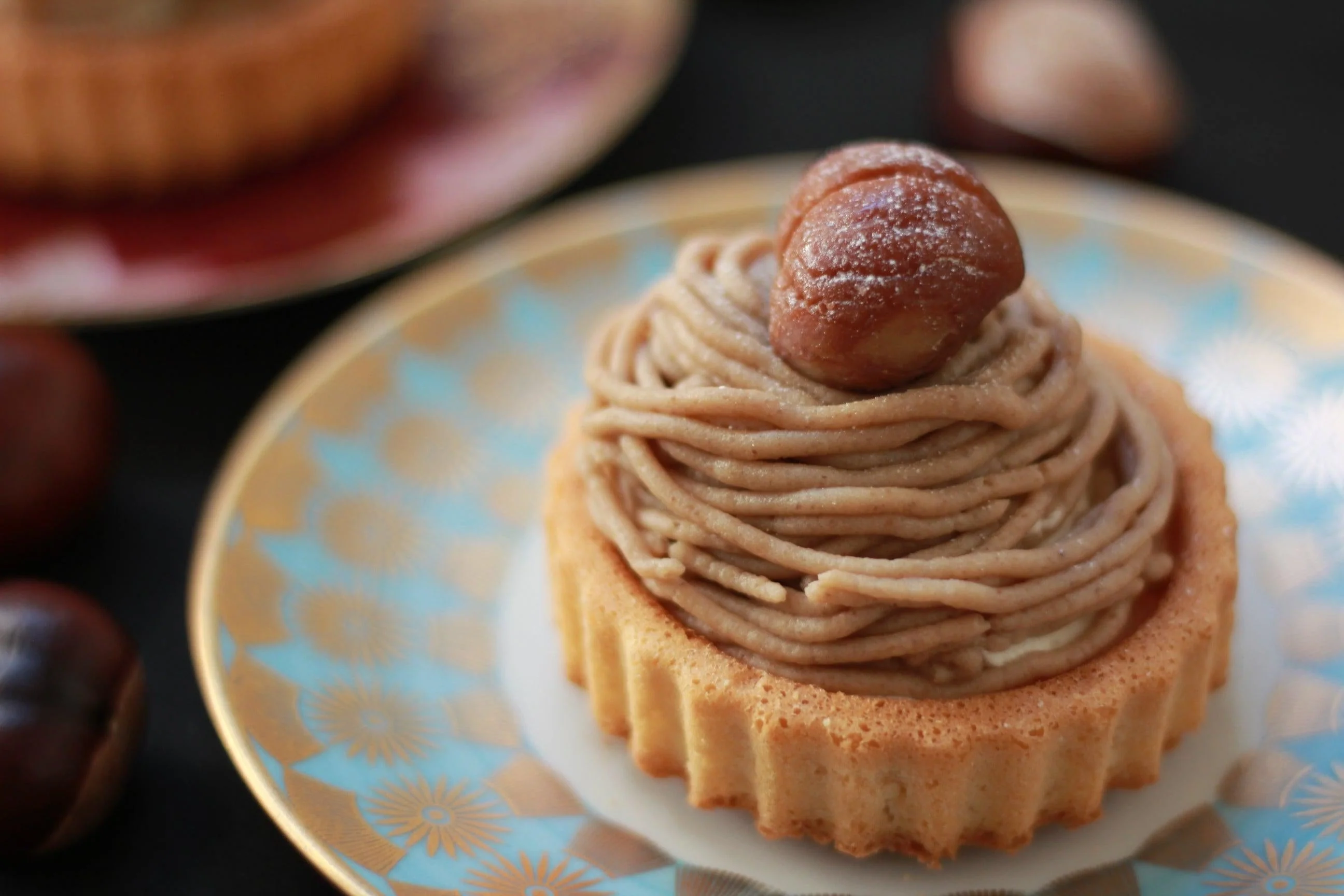
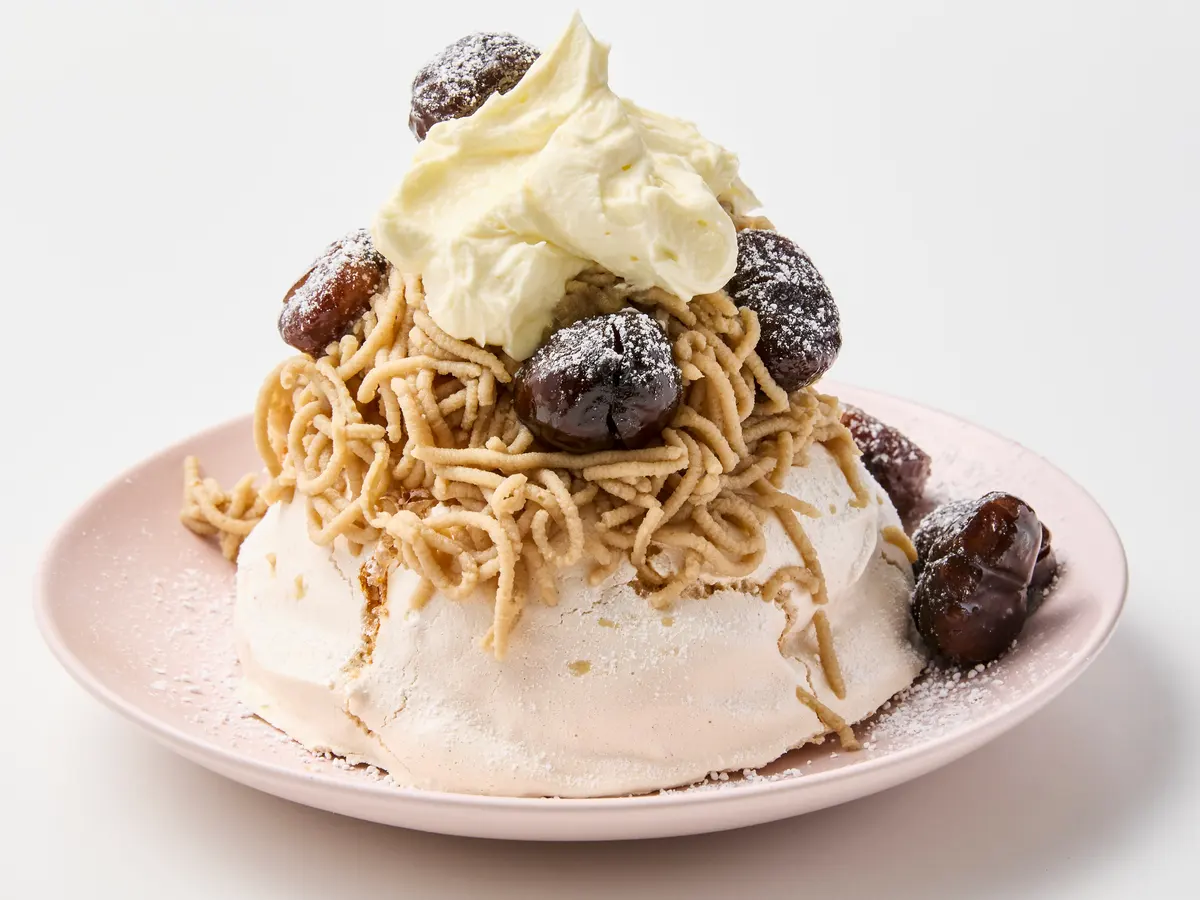
Chestnut Mont Blanc looks like the kind of dessert you only order in a pastry shop, but it is secretly one of the most doable “fancy” sweets you can make at home. Think of it as three simple parts stacked into a showstopper: a crisp base, a cloud of whipped cream, and sweetened chestnut paste pressed into spaghetti-like strands that drape over the top.
I started making Mont Blanc during a very real weeknight “I need something special but I am tired” phase. For this home version, there is no baking required if you choose a cookie-crumb base, and the whole thing is built as individual desserts so you do not have to slice or stress.
The only part that feels technical is the piping, but you have options. A Mont Blanc multi-hole tip gives you those classic, delicate strands. If you do not have one, you can still pipe thicker lines with a small round tip and it will be just as delicious.
I will walk you through exactly how stiff the chestnut mixture should be so the strands hold, what to do if it is too thick or too loose, and how to assemble neatly plated individual Mont Blancs without smearing everything.
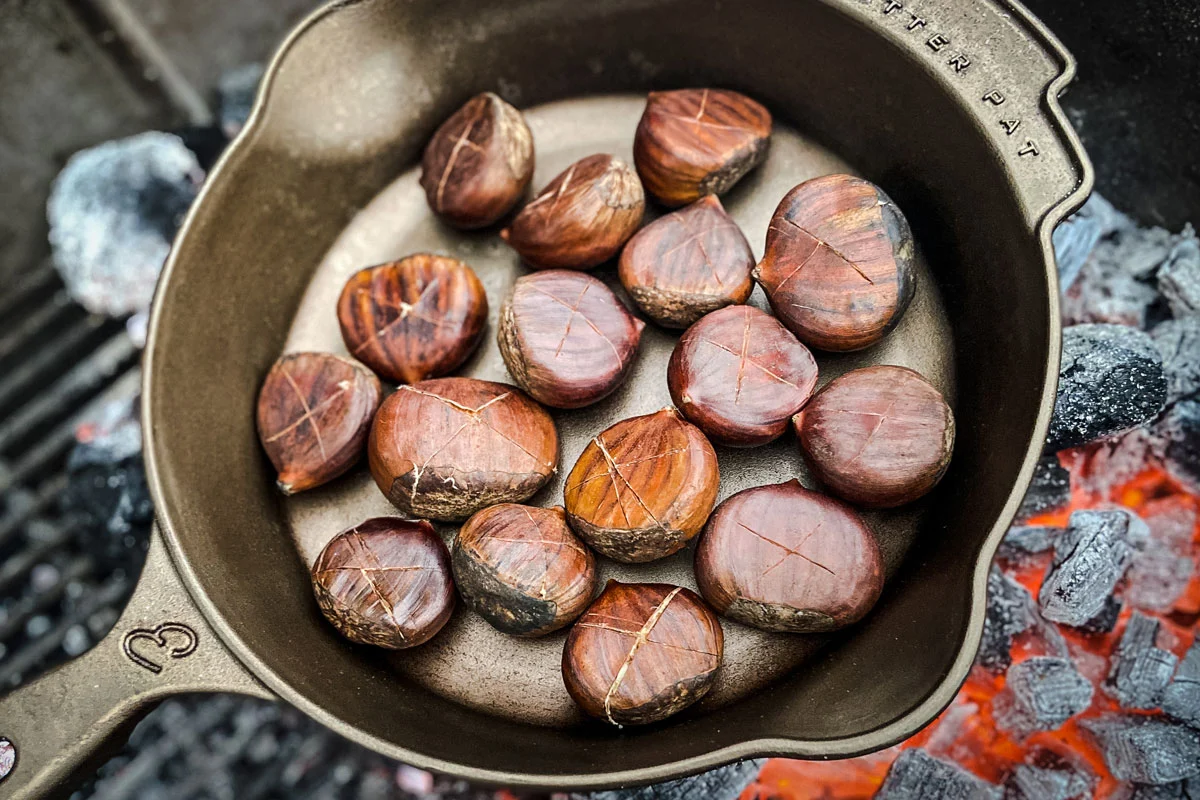
If you want to start from scratch with your chestnuts, roast and peel them first, then purée them until smooth. (A splash of liquid can help the purée blend silky.) Here is my step-by-step on how to roast chestnuts, plus a guide to making a smooth base in chestnut purée.
Why it works
- The texture is engineered for piping. A combination of chestnut purée, powdered sugar, and softened butter makes a paste that is firm enough to extrude into strands and keep definition.
- Individual portions stay tidy. Building each Mont Blanc on its own base prevents the classic “collapsed slice” problem.
- Whipped cream does the heavy lifting. A stable, lightly sweetened whipped cream supports the chestnut strands so they do not sink.
- No-bake friendly. You can use a simple cookie crumb base (or a small store-bought meringue) so the dessert is mostly assembly.
Ingredient notes
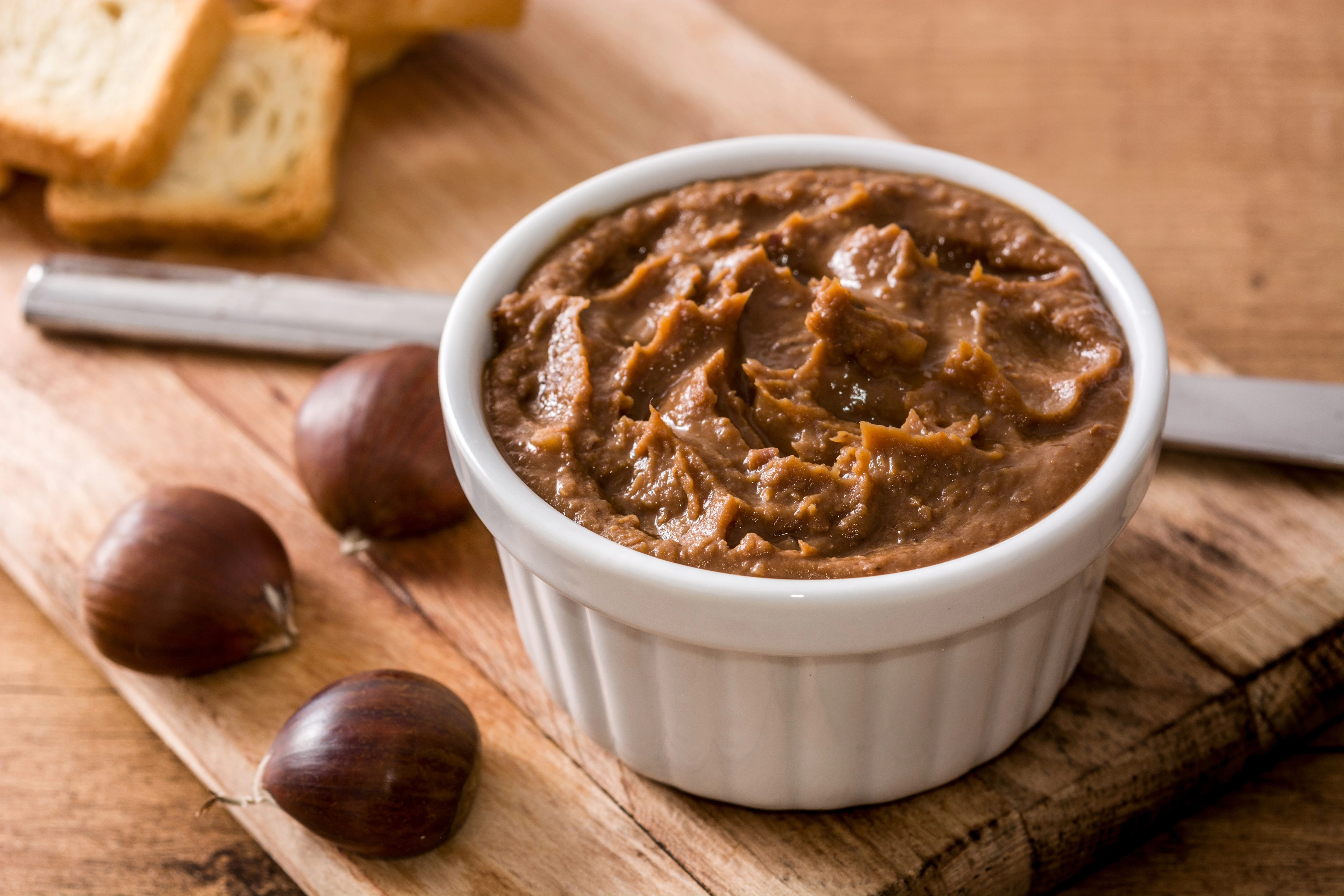
Chestnut purée
You want unsweetened chestnut purée if possible so you control sweetness. If your purée is already sweetened (sometimes labeled chestnut spread), cut back the powdered sugar and taste as you go. For a smooth result, press the purée through a fine-mesh sieve or briefly blend it if it is at all grainy.
Powdered sugar
Powdered sugar dissolves quickly and keeps the paste silky. Granulated sugar can feel gritty unless fully dissolved and that is not what we want for fine strands.
Butter
Softened butter adds richness and, more importantly, structure. It firms up slightly when chilled, helping the piped strands hold their shape.
Vanilla and a pinch of salt
Chestnuts are naturally sweet and mild. Vanilla and salt make the flavor taste more “finished,” not flat.
Heavy cream
Use cold heavy cream for the whipped cream layer. If you have time, chilling the bowl and whisk helps it whip faster and hold longer.
Base options
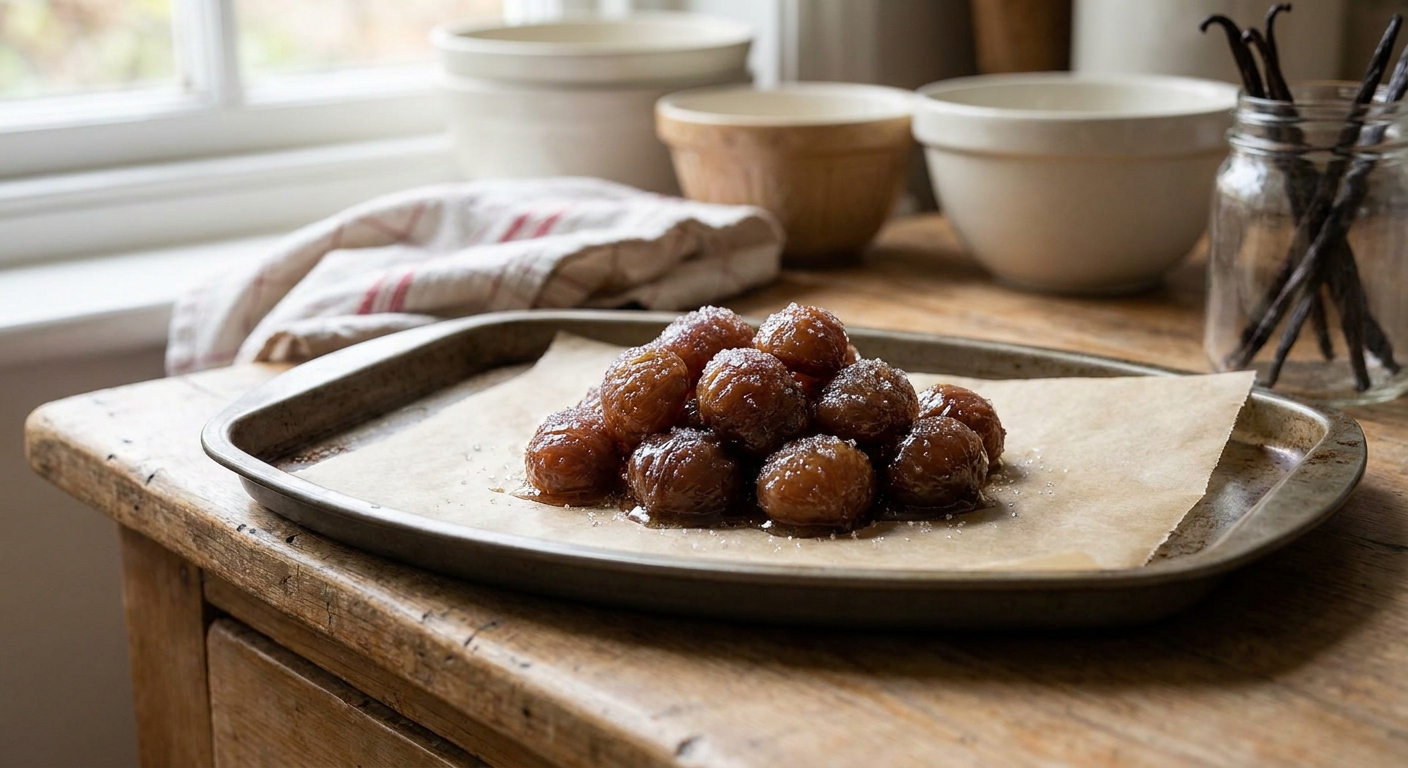
This recipe uses an easy cookie crumb base, but you can also build on a small meringue. If you are curious about chestnut desserts beyond Mont Blanc, my candied chestnuts are gorgeous as a topper too.
Equipment
- Mont Blanc piping tip (multi-hole or “spaghetti” tip). If you do not have one, a small round tip works, but you will get thicker lines instead of strands.
- Disposable or reusable piping bags
- Hand mixer or stand mixer for whipped cream
- Fine-mesh sieve (helpful if your purée is textured)
- 4 small dessert rings (optional) for neat crumb bases
Pro tips for perfect strands
How stiff the chestnut paste should be
The paste needs to be stiff enough to hold ridges, but soft enough to extrude smoothly through multiple tiny holes.
- Correct texture cue: Scoop a spoonful and drag a spoon through it. The groove should stay open, not slump closed. When you press it against the side of the bowl, it should look like thick frosting.
- Too thick: It will be hard to squeeze, and strands may break. Fix it by mixing in 1 teaspoon cream at a time.
- Too loose: Strands will blur together or droop. Fix it by chilling the mixture 10 to 15 minutes, or mixing in 1 tablespoon powdered sugar and re-testing.
Use short, steady pressure
Long squeezes can heat the paste in the bag, especially if your hands run warm. I pipe in short passes around the whipped cream, rotating the plate as I go.
Chill between steps if your kitchen is warm
If the whipped cream starts to look soft or the chestnut paste feels greasy, pause and refrigerate components. Mont Blanc is a cold dessert and it behaves best cold.
Substitutes
- No cookie crumbs: Use small store-bought meringues as the base.
- Dairy-free: Use a dairy-free whipping cream alternative for the cream layer and a plant-based butter in the chestnut paste. Chill well for structure.
- Alcohol-free: Skip rum entirely. Vanilla and salt still give plenty of depth.
- Sweetened chestnut spread: Reduce powdered sugar and taste before adding more.
Variations
- Chocolate Mont Blanc: Add 1 to 2 tablespoons cocoa powder to the chestnut paste and a little extra cream if needed to keep it pipeable.
- Citrus Mont Blanc: Add finely grated orange zest to the whipped cream.
- Espresso Mont Blanc: Dissolve 1 teaspoon instant espresso in 1 tablespoon cream, then mix into the chestnut paste.
- Gluten-free: Use gluten-free cookies for the crumb base.
Serving ideas
- Single plated desserts: Assemble on small dessert plates so you can pipe directly over the whipped cream without moving the finished Mont Blanc.
- Finish like a patisserie: Top with one whole candied chestnut or a roasted chestnut piece. A light dusting of powdered sugar is pretty but optional.
- Pairing: Serve with coffee, black tea, or a lightly sweet dessert wine.
Storage
- Best day-of: Mont Blanc is at its prettiest the day you pipe it.
- Make-ahead: You can prepare the crumb bases and the chestnut paste up to 2 days ahead and refrigerate both. Whip cream and assemble within a few hours of serving.
- Leftovers: Store assembled Mont Blancs in the refrigerator, loosely covered, for up to 24 hours. The strands will soften slightly as they sit.
Common mistakes (and easy fixes)
- Grainy chestnut paste: Sieve the purée or blend it before mixing. Grainy paste will clog a Mont Blanc tip.
- Strands melting into a blob: The paste is too warm or too loose. Chill the paste, then re-pipe. Also make sure the whipped cream is whipped to medium-stiff peaks.
- Tip keeps clogging: There are usually tiny purée chunks. Push the paste through a sieve, or switch to a single-hole round tip as a backup.
- Whipped cream collapsing: Cream was not cold enough or was under-whipped. Start with very cold cream and stop at medium-stiff peaks so it supports the topping.
FAQ
What is Mont Blanc dessert made of?
Traditionally, Mont Blanc is sweetened chestnut purée piped into thin strands over whipped cream, usually on a meringue base. This home version uses a quick cookie-crumb base, which gives a similar contrast without extra baking.
Do I need a Mont Blanc piping tip?
You will get the most classic look with a Mont Blanc tip, but you can still make a delicious dessert with a small round tip. The topping will look more like piped ribbons than fine “noodles.”
Why won’t my chestnut paste pipe into strands?
Most often it is either too thick (add a teaspoon of cream and mix) or not smooth enough (sieve or blend). If it is too warm, chill it briefly so it firms up.
Can I assemble Mont Blanc ahead of time?
You can, but I recommend assembling within a few hours of serving for the best definition. The whipped cream and chestnut topping both soften as they sit.
Are chestnuts actually nuts?
Chestnuts are commonly treated like nuts in the kitchen, but botanically they are a little different than many tree nuts. If allergies are a concern, check with your medical professional and read more in my explainer on are chestnuts tree nuts?
Recipe
A classic Chestnut Mont Blanc built as individual desserts: a quick cookie-crumb base, a swirl of whipped cream, and sweetened chestnut paste piped into delicate strands that hold their shape.
- 1 cup fine cookie crumbs (graham crackers, vanilla wafers, or digestive biscuits)
- 3 tbsp unsalted butter, melted
- 1 tbsp granulated sugar (optional, for the crumb base)
- 1 1/2 cups unsweetened chestnut purée
- 1/2 cup powdered sugar, plus more to taste
- 4 tbsp unsalted butter, softened
- 1 tsp vanilla extract
- Pinch of fine salt
- 1 to 4 tbsp heavy cream (only as needed to adjust piping texture)
- 1 cup cold heavy cream
- 1 to 2 tbsp powdered sugar (for the whipped cream)
- 1/2 tsp vanilla extract (for the whipped cream)
- 4 whole roasted or candied chestnuts (optional, for topping)
- Make the bases. In a bowl, mix the cookie crumbs, melted butter, and (if using) granulated sugar until the texture resembles wet sand and holds together when pinched. Divide into 4 portions and press firmly into the bottoms of 4 small dessert plates or into 4 rings set on plates to form compact rounds. Refrigerate while you prepare the filling.
- Mix the chestnut paste for piping. In a bowl, combine chestnut purée, powdered sugar, softened butter, vanilla, and salt. Mix until very smooth. If the mixture seems grainy, push it through a fine-mesh sieve or blend briefly, then return to the bowl.
- Adjust the texture. Transfer a spoonful to a piping bag and test-pipe. If it is too stiff to squeeze or strands break, mix in heavy cream 1 teaspoon at a time. If it is too loose and looks glossy or droopy, chill the mixture 10 to 15 minutes or mix in 1 tablespoon powdered sugar, then re-test. The goal is a thick, frosting-like paste that holds grooves when stirred.
- Whip the cream. In a cold bowl, whip the cold heavy cream with powdered sugar and vanilla to medium-stiff peaks. It should hold its shape but still look smooth and creamy, not curdled.
- Assemble each Mont Blanc. Spoon or pipe a generous mound of whipped cream onto each chilled crumb base, creating a dome shape with height in the center.
- Pipe the chestnut strands. Fit a piping bag with a Mont Blanc multi-hole tip and fill with the chestnut paste. Starting near the base of the whipped cream dome, pipe thin strands in a circular motion around and over the cream, working upward until the cream is mostly covered. Use steady pressure and rotate the plate as you pipe.
- Finish and chill briefly. Top each dessert with a whole roasted or candied chestnut if desired. Refrigerate 15 to 30 minutes before serving for the cleanest look and best texture.
Notes
- Key texture note: The chestnut paste should be stiff enough to hold definition. If your strands melt together after piping, the mixture is too warm or too loose. Chill and adjust with powdered sugar.
- Smoothness matters: Even tiny bits of chestnut can clog a Mont Blanc tip. If your purée is not silky, sieve it before mixing.
- Serving tip: Assemble directly on the plates you will serve on. Moving finished Mont Blancs is when most smudges happen.