Delishing
Chestnut Bread

Chestnut bread is the kind of loaf that makes a regular weeknight feel a little more special. It is gently sweet, warmly nutty, and soft in the center with a crust that begs for salted butter. I started testing this loaf when I realized I loved the flavor of chestnuts but did not always want dessert. I wanted something I could toast for breakfast, serve next to soup, or turn into an overachieving sandwich.
This is a yeasted 9x5-inch loaf pan bread that replaces part of the wheat flour with chestnut flour for that unmistakable chestnut aroma, plus chopped chestnuts for little pockets of cozy flavor. Quick note if it matters for you: chestnut flour is gluten-free, but this bread is not, because we use wheat flour for structure.
Chestnut flour can absorb liquid differently depending on the brand and grind, so this dough often benefits from a touch more hydration than you might expect. Instead of chasing a specific number, I chase the feel: you are aiming for a dough that is tacky and supple, not dry and stiff.
And yes, there is a clear finish line. If you own a thermometer, use it and pull the loaf when the center hits 195°F to 200°F. If you do not, the hollow tap works too.
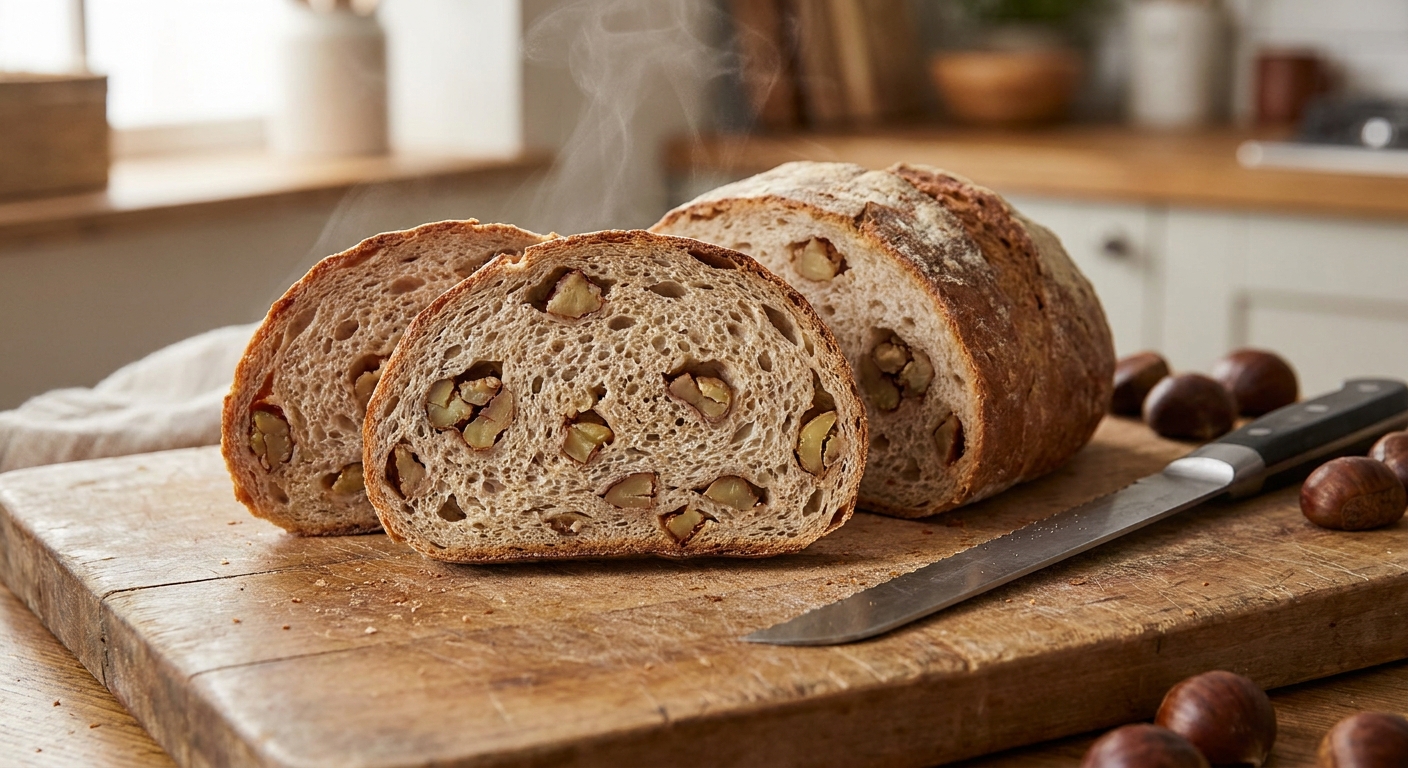
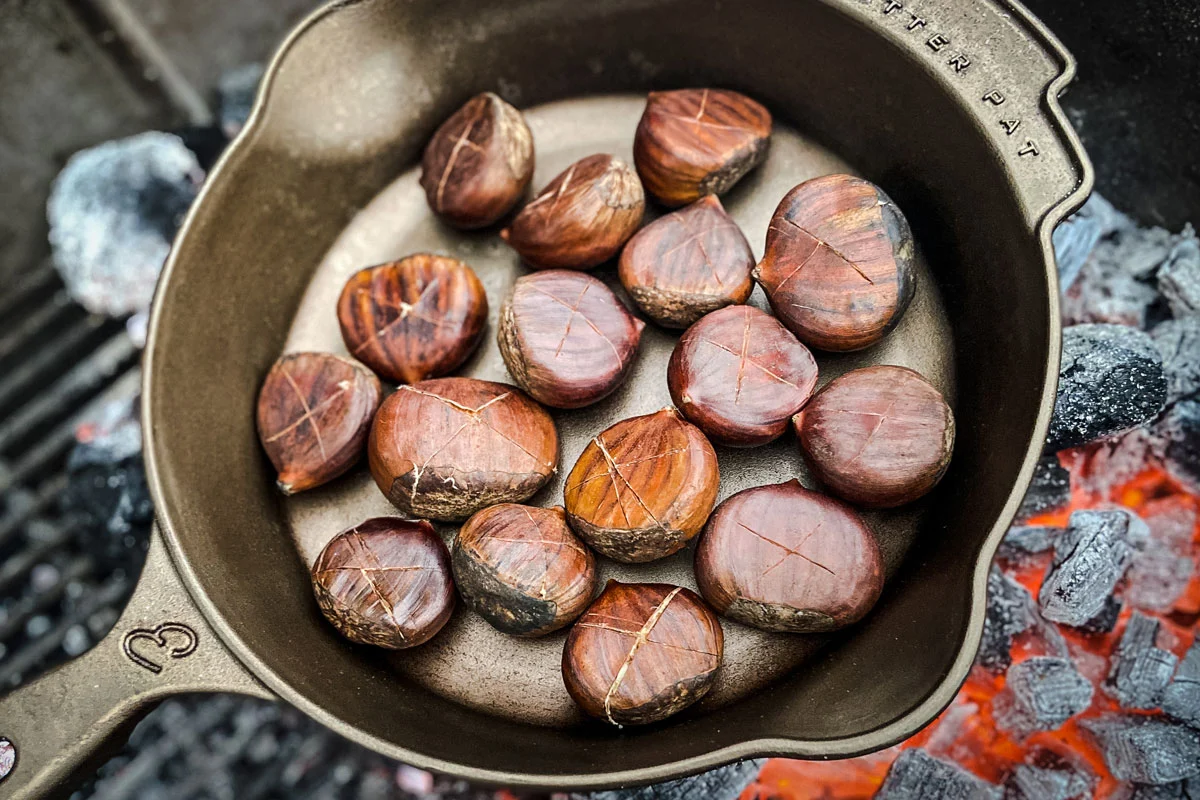
If you need to prep your chestnuts first, you can roast them using my guide on how to roast chestnuts, or take a shortcut with jarred chestnuts that are already peeled.
What to expect
- Flavor: nutty, lightly sweet, and rich from butter without adding much sugar
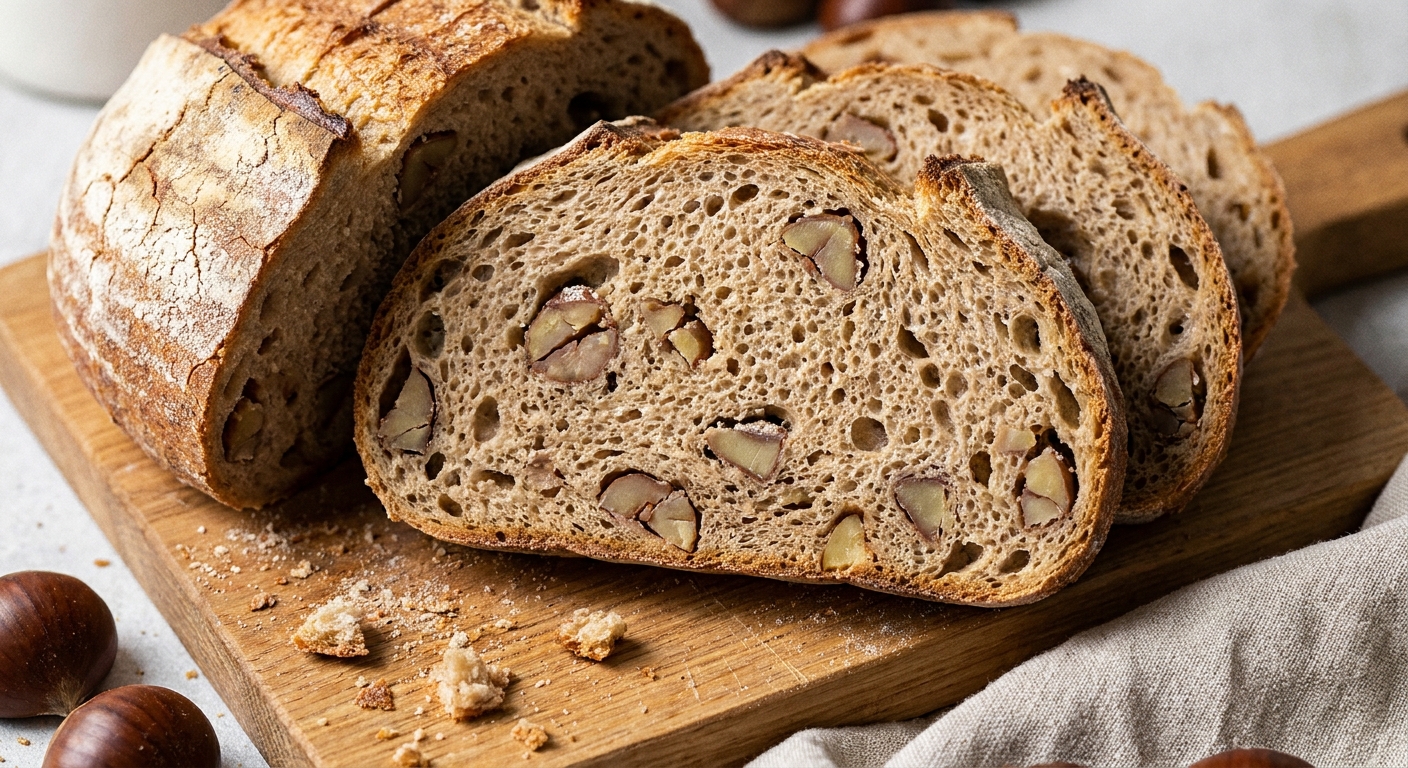
- Texture: soft and sliceable, with a slightly tighter crumb than an all-wheat sandwich loaf
- Time: about 15 minutes hands-on, plus rising and baking
- Dough feel: chestnut flour varies, so aim for tacky and supple, not dry
Why it works
- Partial swap, not a full swap: Chestnut flour has no gluten, so replacing only part of the wheat flour keeps the loaf tall and sliceable.
- Flexible hydration: Chestnut flour varies, and a slightly wetter dough helps prevent a dry, crumbly loaf.
- Two layers of chestnut flavor: Chestnut flour gives aroma and color, while chopped chestnuts give texture and little sweet bites.
- Clear doneness cue: Baking to an internal temperature of 195°F to 200°F avoids a gummy center.
Ingredient notes
Chestnut flour
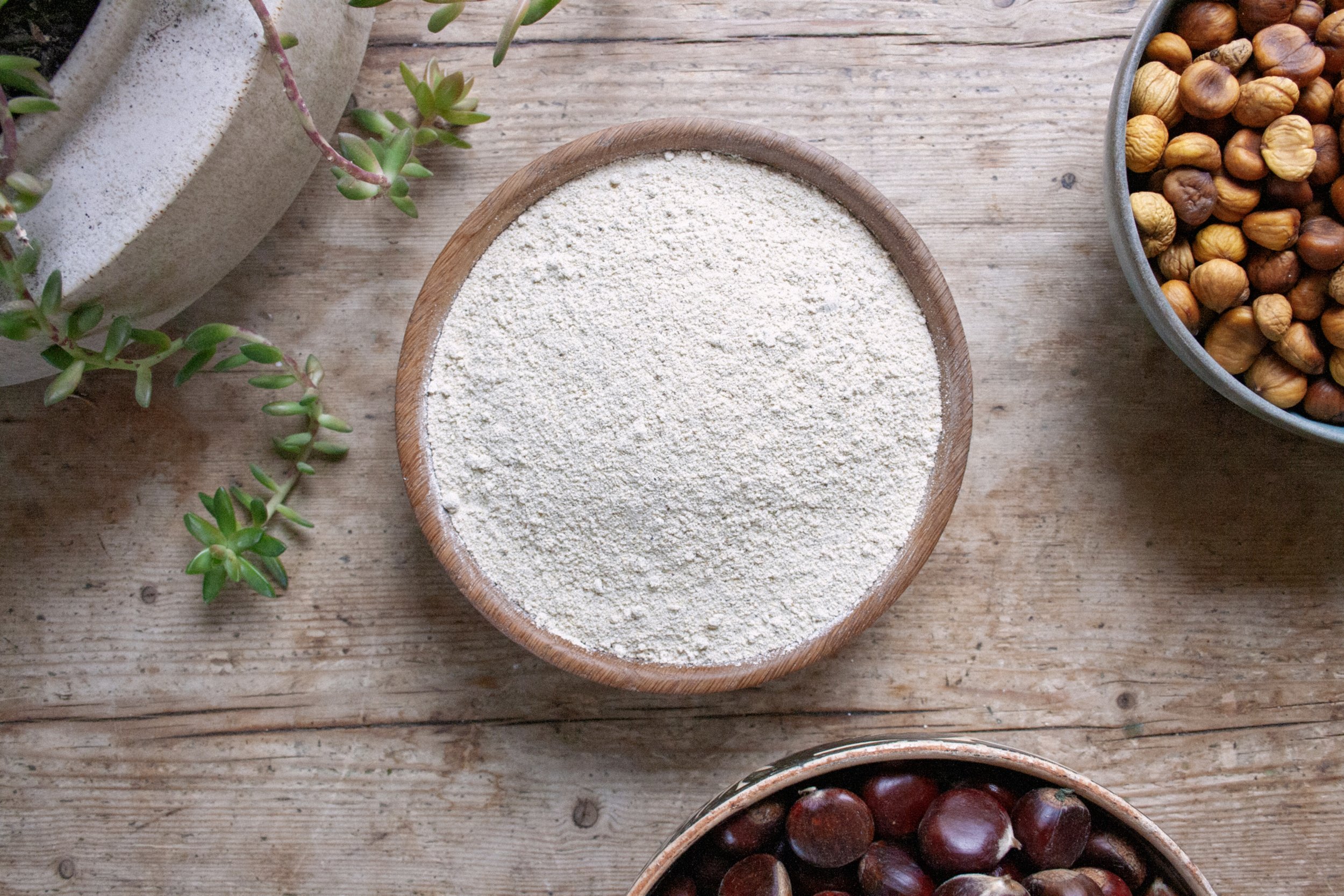
Chestnut flour is naturally sweet and turns the crumb a warm tan color. It is also gluten-free, which is why we pair it with bread flour. If you are new to it, my guide to baking with chestnut flour is a helpful read.
Bread flour
Bread flour gives this loaf structure and a better rise. All-purpose flour works in a pinch, but the loaf will be a bit shorter and softer.
Chestnuts (cooked and peeled)
Use roasted, boiled, air fried, or jarred chestnuts. Chop them into small pieces so they do not create big tunnels in the crumb. If you are starting from raw, you can use air fryer chestnuts or boiled chestnuts as your prep method.
Milk and water
I like a milk plus water blend for tenderness without making the dough too rich. Warm liquid should feel like a comfortable bath, not hot, so you do not harm the yeast.
Butter
Butter softens the crumb and adds flavor. Use softened butter so it mixes in smoothly.
Equipment
- 9x5-inch loaf pan
- Large mixing bowl or stand mixer
- Kitchen scale (highly recommended for consistent flour hydration)
- Instant-read thermometer (best doneness check)
- Bench scraper (helpful for shaping, optional)
Pro tips
- Chase texture, not the clock: In dry weather, you may need an extra splash of water. The dough should be tacky and elastic, not stiff.
- Hold back a little liquid: Start with most of the liquid, then add the rest only if the dough looks dry after the flour hydrates.
- Mix-in timing matters: Add chopped chestnuts after the dough has developed some strength. If you add them too early, they can tear the gluten as you knead.
- Proof gently: Chestnut dough can look less puffy than a standard white loaf. Use the finger poke test: a gently pressed indentation should slowly spring back.
- Best doneness cue: Remove the loaf when the center reads 195°F to 200°F. If you do not have a thermometer, tap the bottom of the unmolded loaf. It should sound hollow.
Substitutes
- No milk: Use water only, or use an unsweetened non-dairy milk. The loaf will be slightly less rich.
- No butter: Use olive oil in the same amount for a more savory vibe.
- No loaf pan: Shape into a freestanding boule. Bake on a parchment-lined sheet pan and start checking doneness a little earlier.
- Only have all-purpose flour: Use it in place of bread flour. Expect a slightly smaller rise.
Variations
- Rosemary chestnut bread: Add 1 to 2 teaspoons chopped fresh rosemary for a savory loaf that is amazing with soup.
- Honey chestnut loaf: Add 1 to 2 tablespoons honey for a slightly sweeter slice that toasts beautifully.
- Cinnamon breakfast version: Add 1 teaspoon cinnamon and a pinch of nutmeg. Keep it subtle so it does not read like cake.
- Seeded crust: Brush the top with a little water before baking and sprinkle with sesame or pumpkin seeds.
Serving ideas
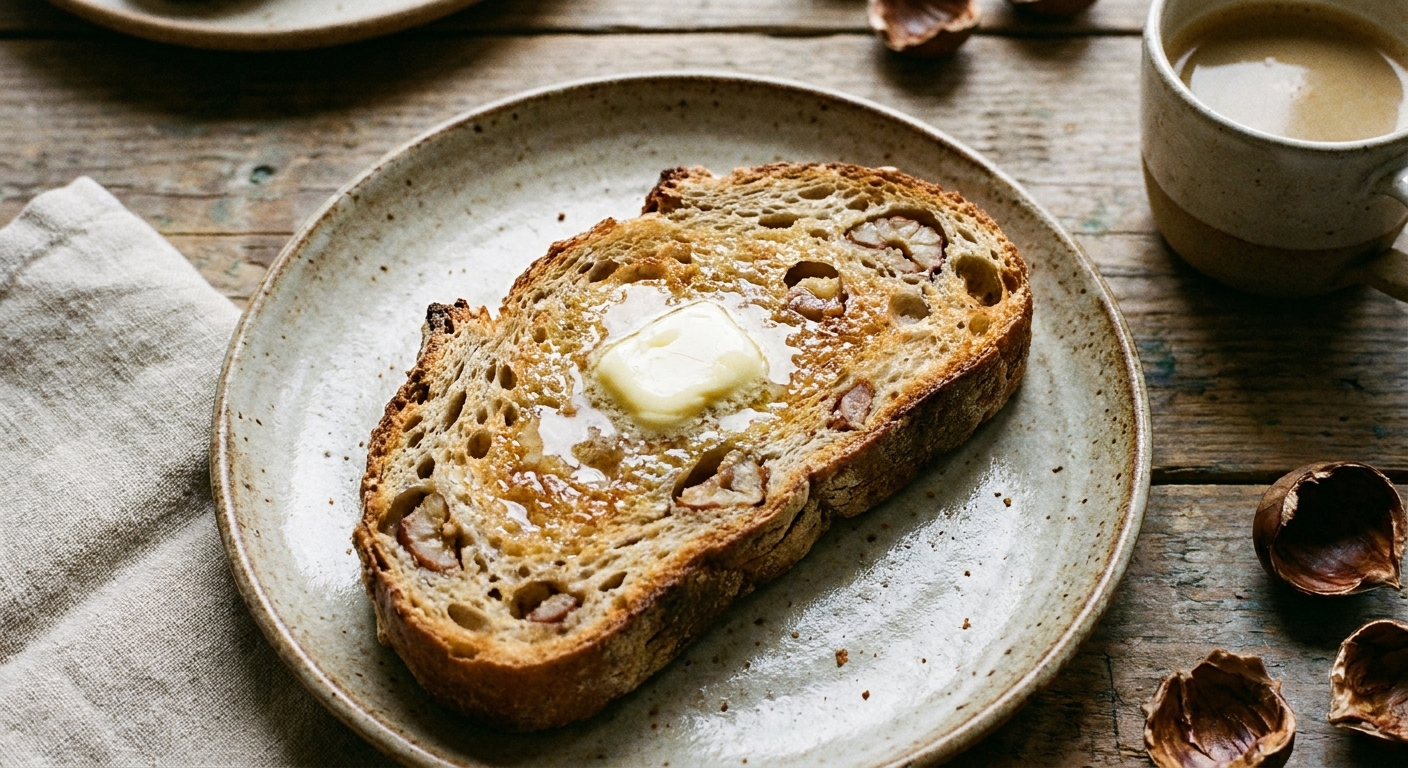
- Thick toast with butter and a little jam
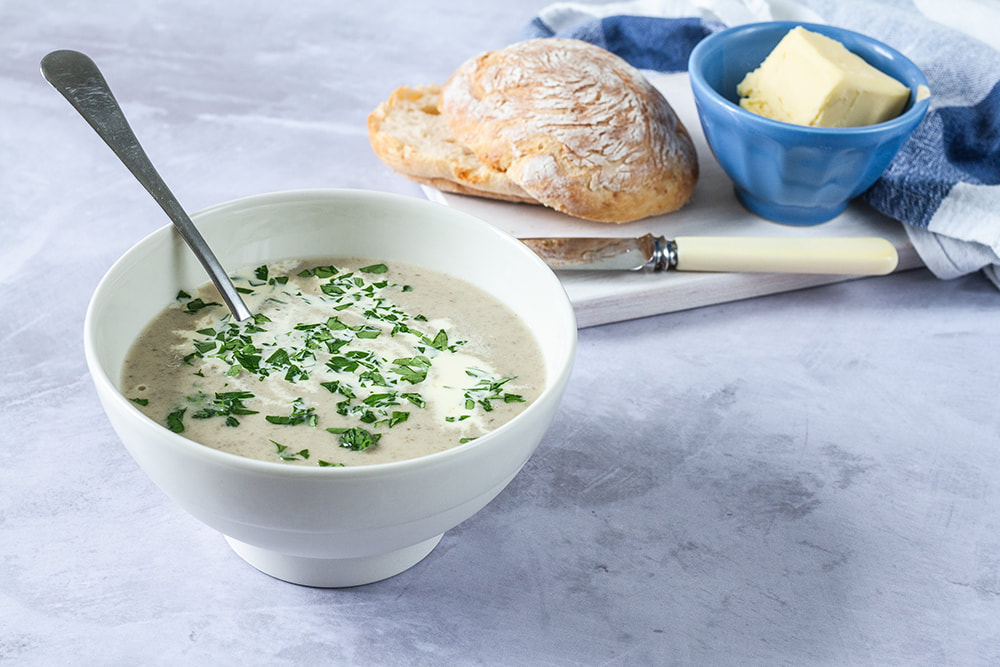
- Alongside chestnut soup for a very cozy dinner
- As a sandwich bread with turkey and sharp cheddar
- With olive oil and flaky salt as an appetizer bread
Storage
- Room temperature: Store tightly wrapped for up to 2 days. Chestnut flour can dry out faster than wheat flour, so keep it well sealed.
- Refrigerator: Not my favorite for bread because it stales faster, but it is fine for 3 to 4 days if your kitchen runs warm. Re-toast to revive.
- Freezer: Slice, then freeze in a freezer bag for up to 2 months. Toast slices straight from frozen.
Common mistakes
- Using too much chestnut flour: It is tempting, I get it. But too high a percentage can make the loaf dense and crumbly. Stick to a partial swap.
- Dry dough: If the dough feels stiff early on, it usually bakes up dry. Add a teaspoon or two of water at a time until tacky.
- Underbaking: A loaf can look golden and still be gummy inside. Use 195°F to 200°F internal temperature as your finish line.
- Slicing too soon: Let the loaf cool at least 1 hour. Cutting early compresses the crumb and makes it feel sticky.
FAQ
Is chestnut flour gluten-free?
Yes. Chestnut flour has no gluten. That is why this recipe combines it with bread flour to create structure for a good rise.
Is this chestnut bread gluten-free?
No. Even though chestnut flour is gluten-free, this loaf uses wheat flour (bread flour) for structure.
Can I make chestnut bread with only chestnut flour?
Not as a classic yeasted loaf. Without gluten, it will not trap gas the same way and tends to bake up dense and fragile. If you need gluten-free baking, you will want a dedicated gluten-free bread formula designed around binders and a gluten-free flour blend.
Do I have to add chopped chestnuts?
No, but they are my favorite part. If you skip them, the loaf still tastes nutty from the chestnut flour, just more uniform in texture.
How do I know it is done without a thermometer?
Unmold the loaf carefully and tap the bottom. It should sound hollow. Also look for a deep golden brown crust and a loaf that feels light for its size.
Why did my loaf split on the side?
Usually the dough was slightly under-proofed before baking or your oven ran hot. Let the dough rise until it crowns about 1 inch above the pan rim, and consider lowering the oven temperature by 25°F if your crust browns very fast.
Yeasted Chestnut Bread
A tender, lightly sweet loaf made with chestnut flour and chopped chestnuts. Hydration and doneness cues included so you get a soft crumb, not a dry or gummy one.
Prep time: 20 minutes
Cook time: 40 to 50 minutes
Total time: 3 hours 10 minutes to 3 hours 40 minutes
Servings: 12 slices (1 loaf)
- 240 g (2 cups) bread flour, plus more for dusting
- 80 g (about 3/4 cup) chestnut flour
- 7 g (2 1/4 teaspoons) instant yeast
- 25 g (2 tablespoons) granulated sugar
- 6 g (1 teaspoon) fine salt
- 170 g (3/4 cup) warm water (about 100°F to 110°F), plus up to 2 tablespoons more as needed
- 120 g (1/2 cup) warm milk (about 100°F to 110°F)
- 28 g (2 tablespoons) unsalted butter, softened
- 1 large egg, room temperature
- 120 g (about 3/4 cup) cooked and peeled chestnuts, chopped
- Neutral oil or butter for greasing the pan
- Grease the pan. Grease a 9x5-inch loaf pan with butter or neutral oil. Set aside.
- Mix the dry ingredients. In a large bowl or the bowl of a stand mixer, whisk together the bread flour, chestnut flour, instant yeast, sugar, and salt.
- Add the wet ingredients. Add the warm water, warm milk, softened butter, and egg. Mix until a shaggy dough forms, 1 to 2 minutes. If you see dry flour that will not hydrate, add additional water 1 teaspoon at a time. The dough should look tacky, not dry.
- Knead. Knead by hand on a lightly floured surface for 8 to 10 minutes, or with a stand mixer on medium-low speed for 6 to 8 minutes, until the dough is smooth and elastic. It may stay slightly tacky because of the chestnut flour, but it should hold together and stretch without tearing immediately.
- Add the chopped chestnuts. Flatten the dough slightly and sprinkle the chopped chestnuts over it. Knead gently just until the chestnuts are evenly distributed, 30 to 60 seconds. Try not to mash them.
- First rise. Place the dough in a lightly oiled bowl, cover, and let rise in a warm spot until doubled, 60 to 90 minutes.
- Shape. Turn the dough out onto a lightly floured surface. Pat into a rectangle about the width of your loaf pan. Roll up tightly into a log, pinch the seam closed, and place seam-side down in the prepared pan.
- Second rise. Cover and let rise until the dough crowns about 1 inch above the rim of the pan, 45 to 75 minutes. Use the finger poke test: a gentle press should slowly spring back.
- Preheat the oven. About 20 minutes before baking, preheat the oven to 375°F.
- Bake. Bake until deep golden brown, 40 to 50 minutes. If the top is browning too quickly, tent loosely with foil for the final 10 to 15 minutes.
- Check doneness. For best results, check the center with an instant-read thermometer. The loaf is done at 195°F to 200°F. If you do not have a thermometer, carefully unmold the loaf and tap the bottom. It should sound hollow.
- Cool before slicing. Cool in the pan for 10 minutes, then transfer to a rack and cool at least 1 hour before slicing for the cleanest crumb.
Hydration cue: Chestnut flour varies by brand. If your dough feels stiff after mixing, add extra water a teaspoon at a time until tacky. If it is overly sticky and cannot be handled, dust the counter and your hands lightly with bread flour, but avoid adding lots of extra flour.
Chestnut prep: Cooked and peeled chestnuts are essential here. If you are starting from fresh chestnuts, roast or boil them first, then cool and peel before chopping.