Delishing
Chestnut Cookies

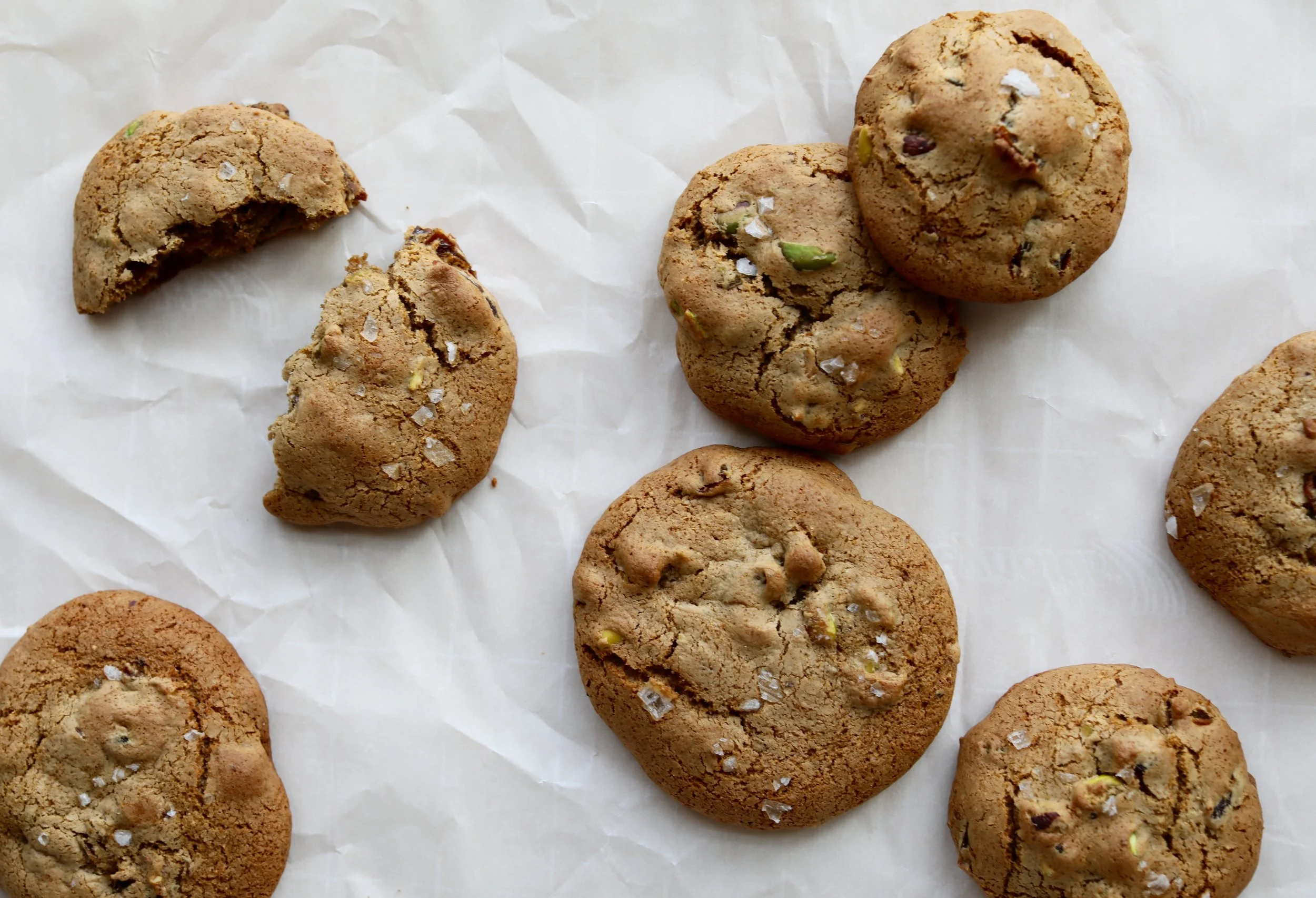
Chestnuts have this gentle sweetness and cozy, toasty flavor that feels like the baking version of turning on a lamp at 4:30 PM. One little hiccup: chestnut flour and cooked chestnuts can vary a lot depending on the brand, how fine the flour is, and how moist the chestnuts are. And like most cookies, a warm dough tends to spread faster. I have had batches that stayed in tidy little mounds and others that wanted to audition for a full sheet-pan situation.
This recipe is the version that finally earned a permanent spot in my notebook because it is reliable where it counts: controlled spread, tender middles, and lightly crisp edges. It uses a chestnut flour and all-purpose flour blend for structure, plus a short chill to help the dough firm up and bake more evenly. You also get two layers of chestnut flavor: chestnut flour for that warm, nutty base and chopped cooked chestnuts for little pockets of mild sweetness. If your chestnuts are the drier vacuum-packed kind, no worries. Pat them dry, chop them small, and they still bring great texture.
If you are starting with raw chestnuts, roast them first using our step-by-step guide on how to roast chestnuts. After that, this dough is all about a few easy guardrails that make results consistent: chill time, scoop size, and a simple glaze that makes them look bakery-fancy with basically no effort.
What to expect
- Texture: tender and soft-centered, with lightly crisp edges
- Flavor: toasty chestnut, vanilla, and a little brown sugar caramel note
- Spread: moderate, with a short chill to help keep the shape
- Finish: a quick vanilla glaze or a simple powdered sugar dusting
Why it works
- Chestnut flour plus all-purpose flour: Chestnut flour is naturally gluten-free and a bit starchy, so blending it with all-purpose flour keeps the cookies tender but still sturdy enough to hold their shape.
- Chilling the dough: A short chill firms the butter and hydrates the flours, which improves spread control and gives you a thicker, more even cookie.
- Gentle mix-ins: Chopped chestnuts are soft and can break down if overmixed. Folding them in at the end keeps those sweet, nutty chunks intact.
- Doneness cues you can actually see: These cookies can stay pale on top even when done. Looking for set edges and a just-matte center is the most reliable indicator.
Ingredient notes
Chestnut flour
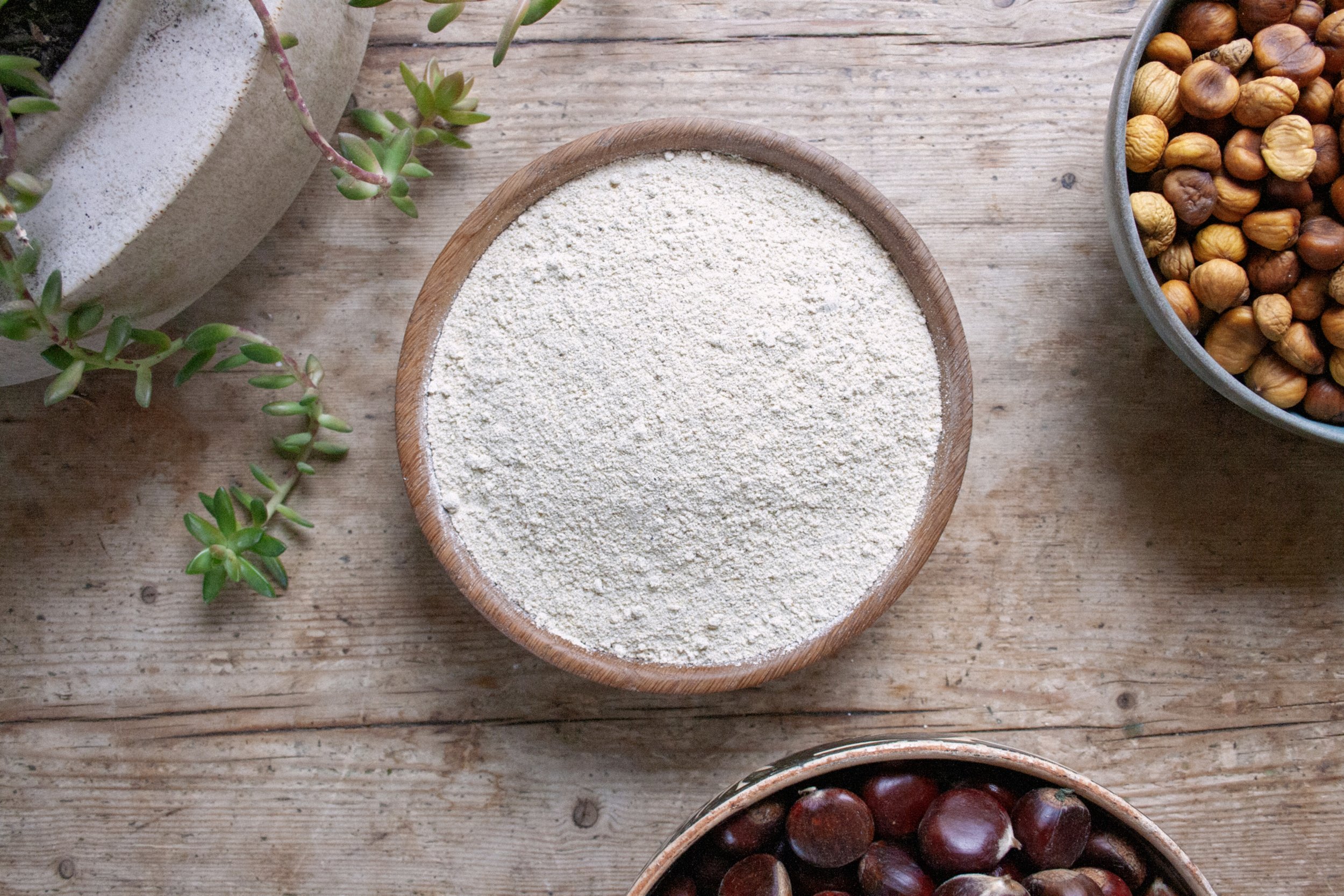
Chestnut flour brings sweetness and a toasty, earthy flavor. It also absorbs moisture differently than wheat flour, and the grind can vary by brand, so the dough should feel soft and slightly tacky right after mixing, then noticeably firmer after chilling. If you are new to it, our guide on how to bake with chestnut flour can help you get a feel for its personality.
Cooked chestnuts
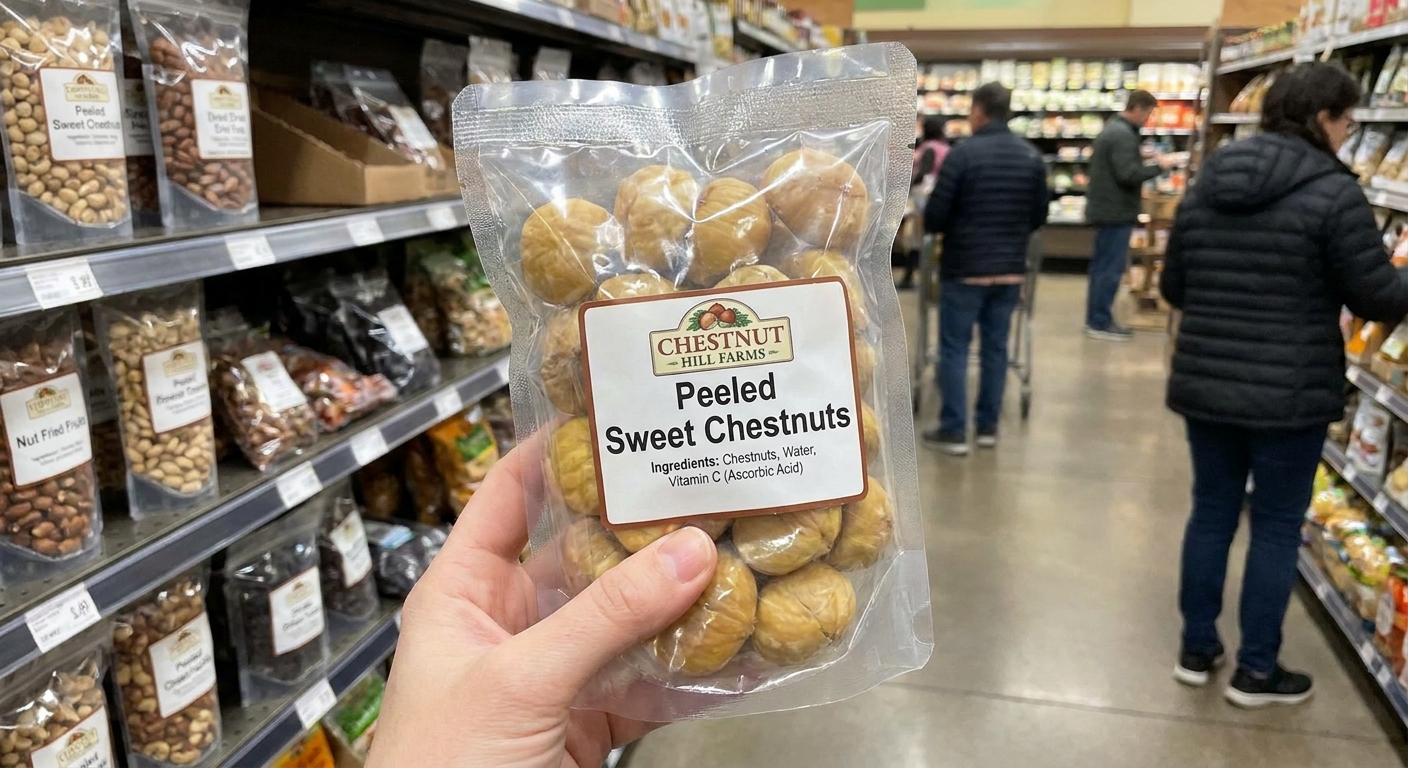
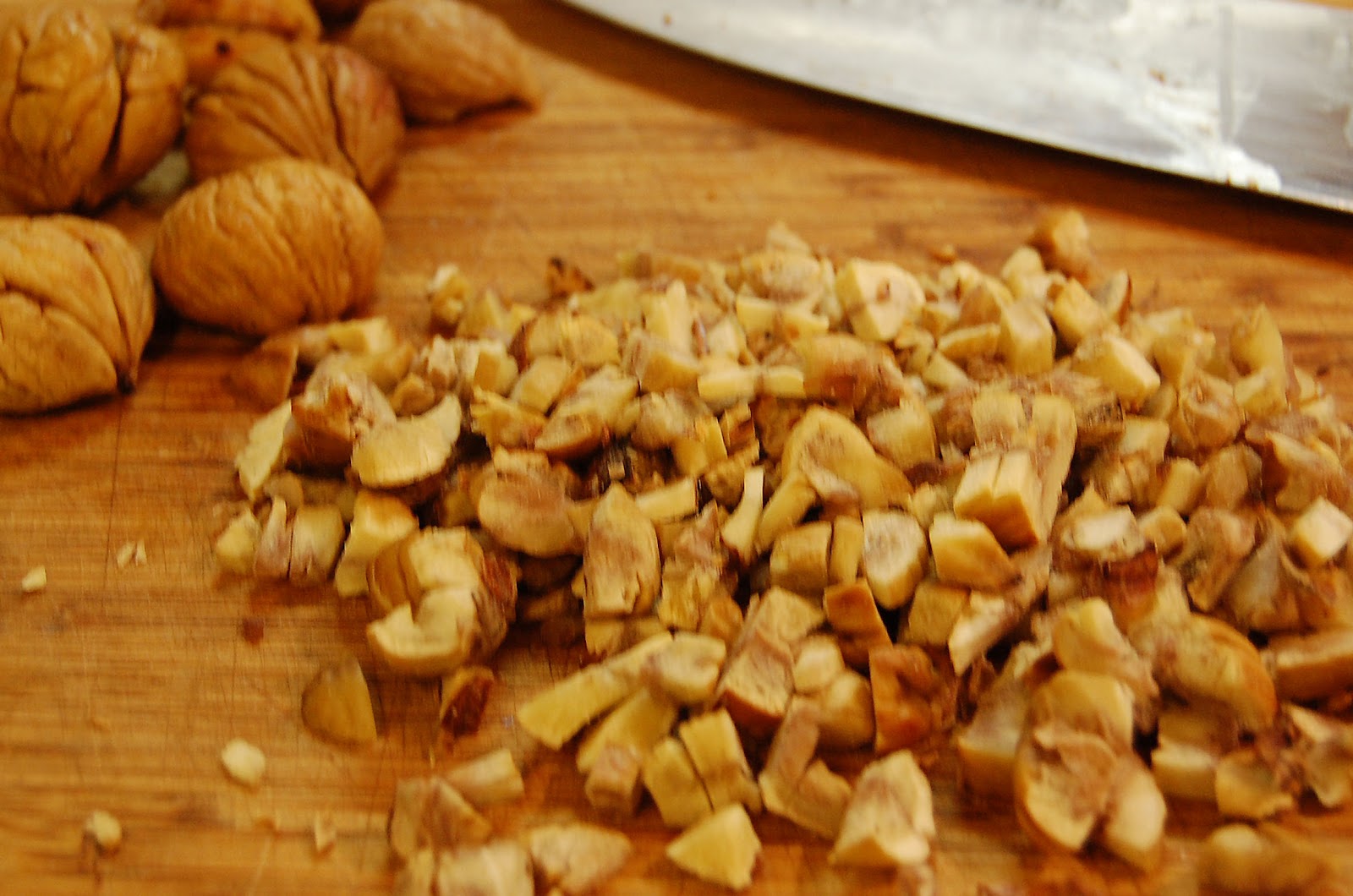
Use peeled cooked chestnuts, then chop them into small pieces, about pea-size. Too large and they fall out of the cookie; too fine and they disappear into the dough. Roast your own using how to roast chestnuts, or use vacuum-packed cooked chestnuts if that is what your week allows.
Butter
Room-temperature butter creams more evenly with sugar, which helps with lift and texture. If your butter is greasy or melty, the cookies will spread more.
Brown sugar
Brown sugar adds moisture and chew, which is especially helpful with chestnut flour since it can bake up a touch sandy if the dough is too dry.
Egg
One egg binds the dough and helps the cookies set without drying out. If your egg is extra small, the dough may look crumbly before chilling.
Equipment
- Mixing bowl and hand mixer or stand mixer
- Rubber spatula
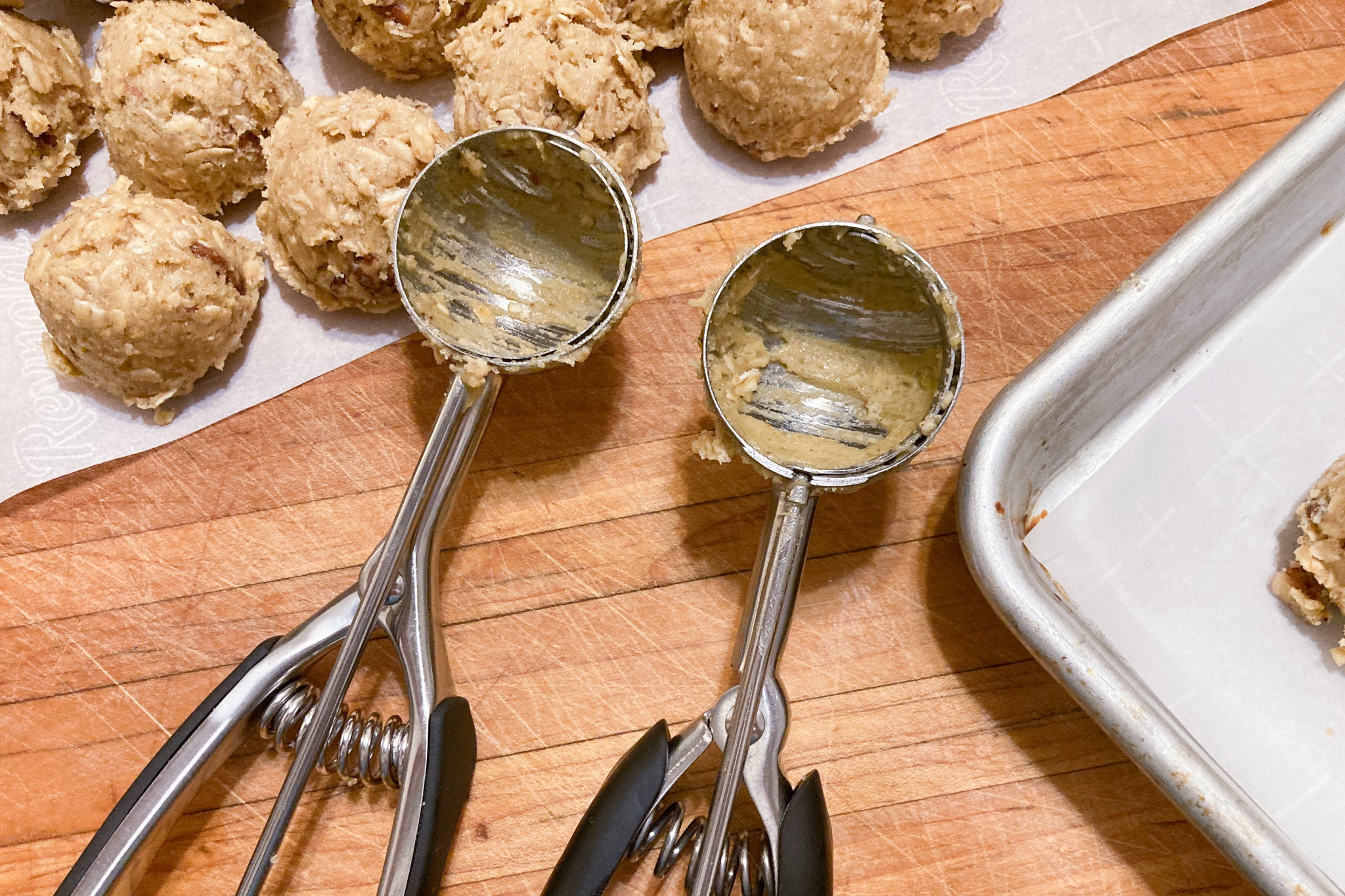
- Cookie scoop (about 1 1/2 tablespoons) or tablespoon measure
- Baking sheets
- Parchment paper
- Wire rack for cooling
- Small bowl and whisk for glaze
If you are shopping for baking basics, browse our equipment guides.
Pro tips
- Nail the dough texture: Right after mixing, the dough should be soft and slightly sticky, like thick frosting. After chilling, it should be scoopable and hold a rounded mound in the scoop.
- Spread control: Chill at least 30 minutes. If your kitchen is warm, 60 minutes is better. If the first tray spreads too much, pop the dough back in the fridge and bake the next tray colder.
- Uniform cookies: Scoop, then lightly roll the portion into a ball. Flatten just a touch so they bake evenly without turning cakey.
- Do not overbake: Pull them when the edges look set and lightly golden, and the centers look matte but still soft. They finish setting as they cool.
- Glaze timing: Glaze only when fully cool or it will melt and soak in.
Substitutes
- No cooked chestnuts: You can make the cookies with chestnut flour only. They will be smoother in texture and a little less sweet and nutty. Add 1 extra tablespoon brown sugar if you want a slightly sweeter cookie.
- All-purpose flour: A cup-for-cup gluten-free baking blend can work, but texture varies by brand. Expect a slightly more delicate cookie and consider chilling longer for spread control. For more gluten-free baking ideas, see gluten-free recipes.
- Milk for the glaze: Any milk works, dairy or unsweetened non-dairy.
- Vanilla: Almond extract is lovely with chestnut, but use a light hand.
Variations
- Chocolate drizzle: Skip the vanilla glaze and drizzle with melted dark chocolate instead. Chestnut and chocolate are best friends.
- Orange twist: Add 1 teaspoon finely grated orange zest to the dough for a brighter holiday flavor.
- Spiced: Add 1/2 teaspoon cinnamon plus a pinch of nutmeg. Keep it subtle so the chestnut stays the star.
- Snowy finish: Skip the glaze and dust generously with powdered sugar right before serving.
Serving ideas
- Serve with coffee, black tea, or a mug of hot cocoa.
- Add to a holiday cookie box next to something crisp and buttery for contrast.
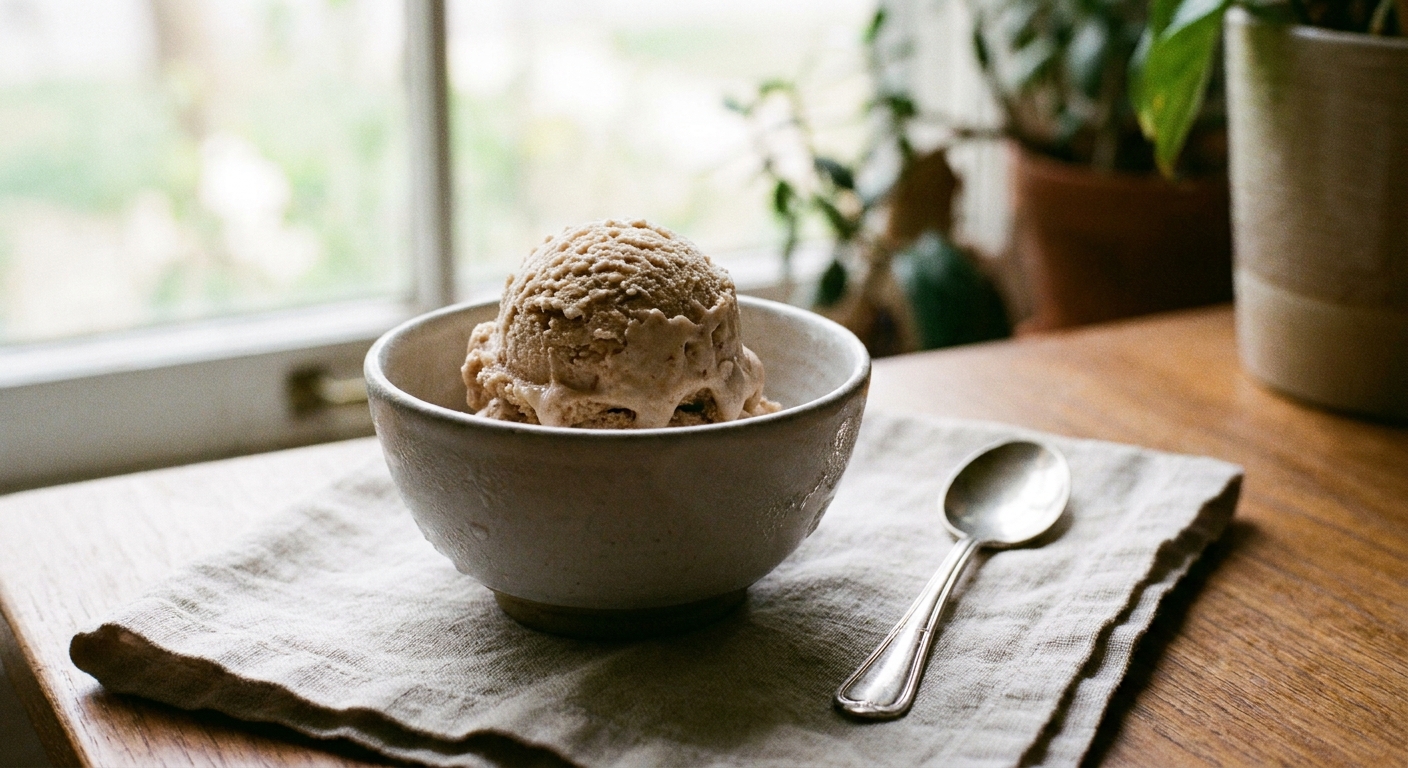
- Turn them into a simple dessert plate with chestnut ice cream.
Storage
- Room temperature: Store in an airtight container up to 4 days. Separate layers with parchment to protect the glaze.
- Freeze baked cookies: Freeze (un-glazed is best) up to 2 months. Thaw at room temperature, then glaze.
- Freeze cookie dough: Scoop into balls, freeze on a sheet pan, then transfer to a bag. Bake from frozen, adding 1 to 2 minutes to bake time.
Common mistakes
- Skipping the chill: Chestnut flour needs time to hydrate, and chilled dough spreads more predictably. Without chilling, the cookies can bake up flatter.
- Too much chestnut flour: It is tempting to swap it 1:1 for all-purpose flour, but that usually makes a drier, more crumbly cookie. The blend is what keeps them tender.
- Overmixing after adding chestnuts: Overmixing can smash the chestnuts and make the dough gummy.
- Baking until the tops brown: Wait for set edges and a matte center, not a deeply browned top. These are meant to be pale and tender.
FAQ
Are chestnuts sweet enough for cookies?
Yes, in a gentle way. Cooked chestnuts taste mildly sweet and nutty, more like a sweet potato than a typical nut. Pairing them with brown sugar and vanilla brings out that sweetness without making the cookie overly sugary.
Do chestnut cookies spread a lot?
They can, especially if your chestnut flour is finer or your dough is warm. Chilling the dough and using a chestnut flour and all-purpose blend keeps spread moderate. If you want extra thick cookies, chill 60 minutes and bake on a cool sheet pan.
What if my dough is too sticky to scoop?
Chill longer. Chestnut flour absorbs moisture over time. After 45 to 60 minutes, it should be much easier to handle. If it is still very sticky, dust your hands lightly with all-purpose flour when rolling.
Can I use jarred or vacuum-packed chestnuts?
Yes. Pat them dry before chopping so they do not add extra moisture to the dough.
Are chestnuts tree nuts?
Chestnuts are commonly grouped with tree nuts in cooking, but they are botanically different from many typical tree nuts. If you are baking for allergies, treat chestnuts as a potential allergen and check guidance specific to your needs. You can read more at are chestnuts tree nuts?
Chestnut Cookies with Vanilla Glaze
Soft, tender cookies made with chestnut flour and chopped cooked chestnuts, finished with a simple vanilla glaze for an easy bakery-style look.
Prep Time: 15 minutes
Cook Time: 10 to 12 minutes per batch
Total Time: 1 hour 10 minutes (includes chilling)
Servings: About 22 cookies
- 1 cup (120 g) all-purpose flour
- 3/4 cup (90 g) chestnut flour
- 1/2 teaspoon baking powder
- 1/2 teaspoon fine salt
- 1/2 cup (113 g) unsalted butter, room temperature
- 1/2 cup (100 g) packed light brown sugar
- 1/3 cup (65 g) granulated sugar
- 1 large egg, room temperature
- 2 teaspoons vanilla extract, divided
- 1 cup (about 140 g) cooked chestnuts, chopped
- 3/4 cup (90 g) powdered sugar
- 1 to 2 tablespoons milk
- Prep. Line 2 baking sheets with parchment paper. In a medium bowl, whisk together the all-purpose flour, chestnut flour, baking powder, and salt.
- Cream butter and sugars. In a large bowl using a hand mixer (or in a stand mixer), beat the butter, brown sugar, and granulated sugar on medium speed until light and fluffy, about 2 minutes. Scrape down the bowl.
- Add egg and vanilla. Beat in the egg until fully combined, then beat in 1 1/2 teaspoons vanilla extract.
- Mix the dough. Add the dry ingredients and mix on low just until no dry flour remains. The dough will be soft and slightly tacky.
- Fold in chestnuts. Add the chopped chestnuts and fold in gently with a spatula until evenly distributed.
- Chill. Cover the bowl and refrigerate for at least 30 minutes and up to 24 hours. The dough should become firmer and easy to scoop.
- Heat the oven. Arrange a rack in the center of the oven. Heat to 350 F.
- Scoop. Scoop dough into 1 1/2-tablespoon portions (about 30 g each) and place on the prepared baking sheet, spacing about 2 inches apart. Roll each portion briefly into a ball, then flatten slightly with your fingertips.
- Bake. Bake until the edges are set and lightly golden and the centers look matte but still soft, 10 to 12 minutes. If baking in batches, keep the remaining dough chilled between trays.
- Cool. Let cookies cool on the baking sheet for 5 minutes, then transfer to a wire rack to cool completely.
- Glaze. In a small bowl, whisk the powdered sugar with 1 tablespoon milk, remaining 1/2 teaspoon vanilla extract, and a pinch of salt (optional) until smooth. Add up to 1 more tablespoon milk, a teaspoon at a time, until the glaze ribbons off the whisk and settles back into itself in a few seconds.
- Finish. Drizzle or spoon a little glaze over each cooled cookie. Let stand 15 to 20 minutes until set before stacking.
- Dough texture cue: If the dough feels too soft to scoop cleanly, chill longer. Chestnut flour continues absorbing moisture as it rests.
- Spread control: For thicker cookies, chill 60 minutes and bake on a cool baking sheet.
- Dusting option: Skip the glaze and dust with powdered sugar right before serving.