Delishing
Chestnut Ice Cream

Chestnut ice cream is one of those flavors that tastes fancy but is actually very doable at home, as long as you start with a smooth, well-balanced base. For me, “balanced” here means the chestnut flavor is supported by enough dairy, plus just enough sugar, salt, and vanilla to keep it from tasting flat. The goal is a scoop that’s creamy and deeply nutty, not pasty or starchy. I tested this recipe both ways I make ice cream most often: a classic custard (churned) method for the silkiest texture, and a no-churn method for the nights when you want the reward without babysitting a machine.
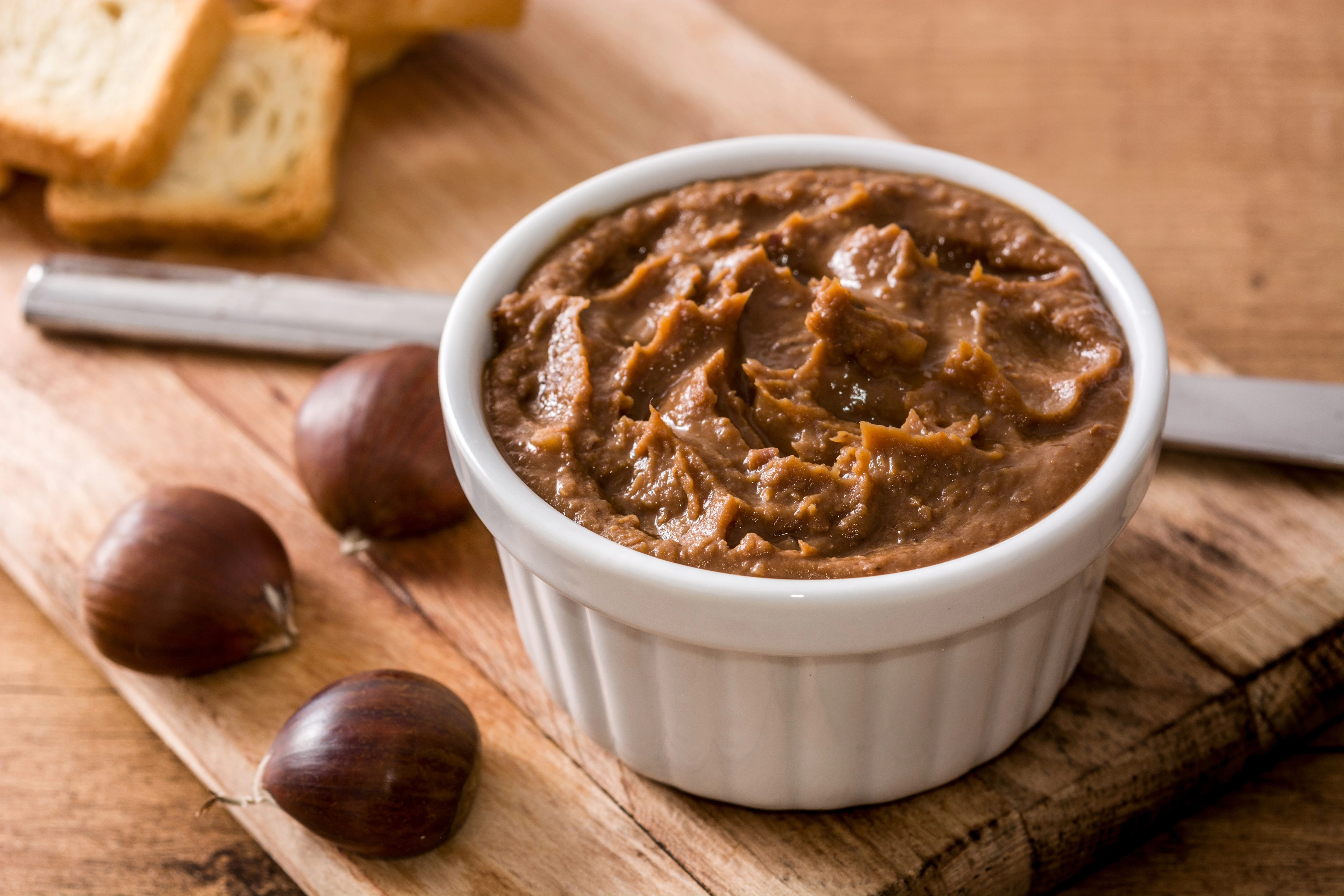
The key ingredient is chestnut purée. If you already have it, you’re halfway there. If you don’t, I walk through it on Chestnut Purée so you can make a batch and use it for desserts all week. One quick note before you start: chestnut purée can be unsweetened or sweetened, depending on whether it’s homemade or store-bought. If your purée tastes sweetened, stick with the listed sugar and condensed milk amounts first, then adjust after the base is fully chilled. Also, pay attention to texture. Some purées are very thick or a little fibrous, and that can read pasty once frozen unless you blend the base until completely smooth (and strain if you need to).
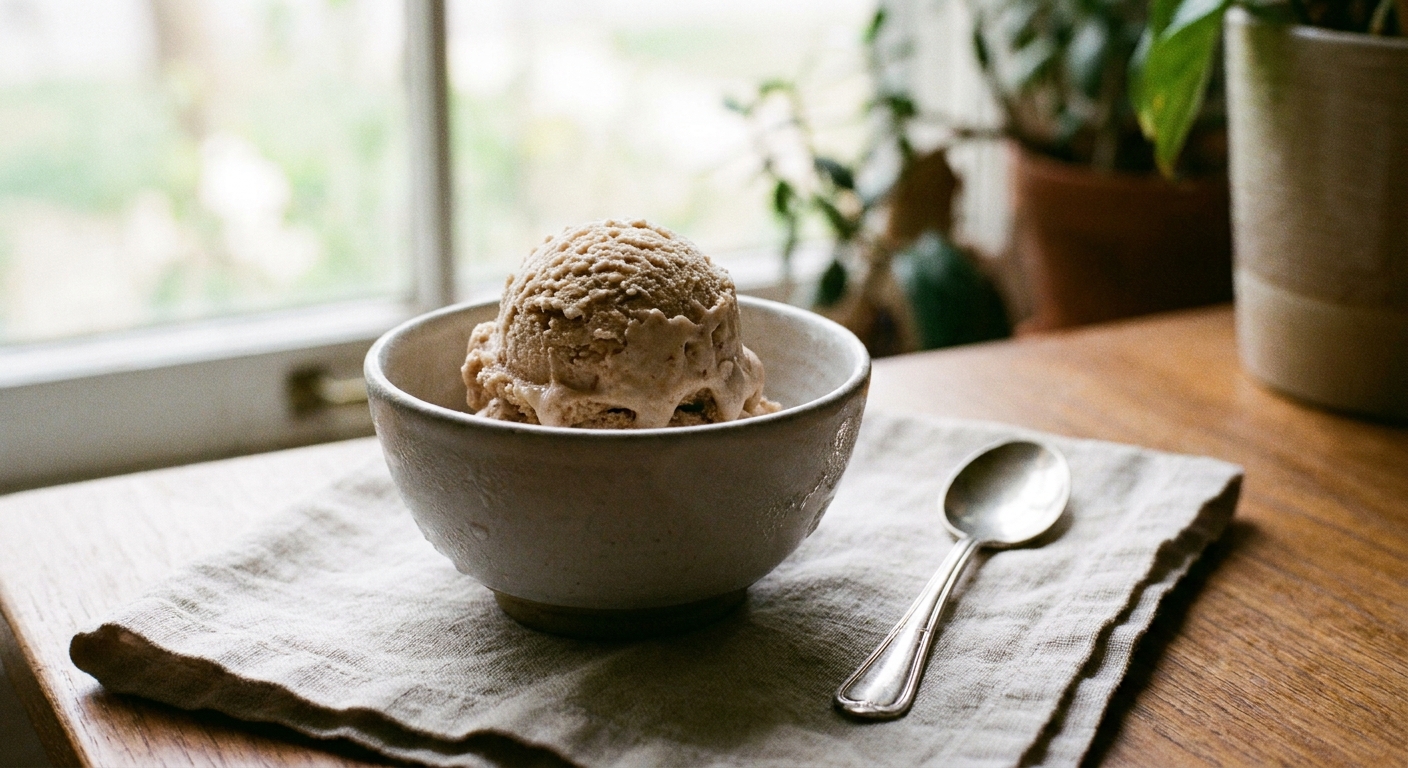
Below are two options: a churned custard and a no-churn version. Pick the churned custard if you want the smoothest, most stable scoop. Pick no-churn if you want the fastest path to chestnut ice cream, no special equipment required. Either way, expect chestnut ice cream to freeze fairly firm. A short rest on the counter before scooping makes it creamy again.
Custard or no-churn?
- Custard churn method: Most classic, ultra-creamy, and especially smooth in the freezer. You cook a short egg-yolk custard, chill it very cold, then churn.
- No-churn method: Whip cream, fold with sweetened condensed milk and chestnut purée, then freeze. Slightly fluffier texture, still delicious.
Both versions include a small hit of vanilla and a tiny bit of salt because chestnut flavor can read flat without them.
Churn and freeze cues
Ice cream timing varies wildly by freezer, machine, and how cold your base is, so I rely on cues more than the clock.
- Custard base chilling cue: The base should be thoroughly chilled, ideally 40°F/4°C or colder, before you churn. A colder base churns faster and helps it freeze with smaller ice crystals.
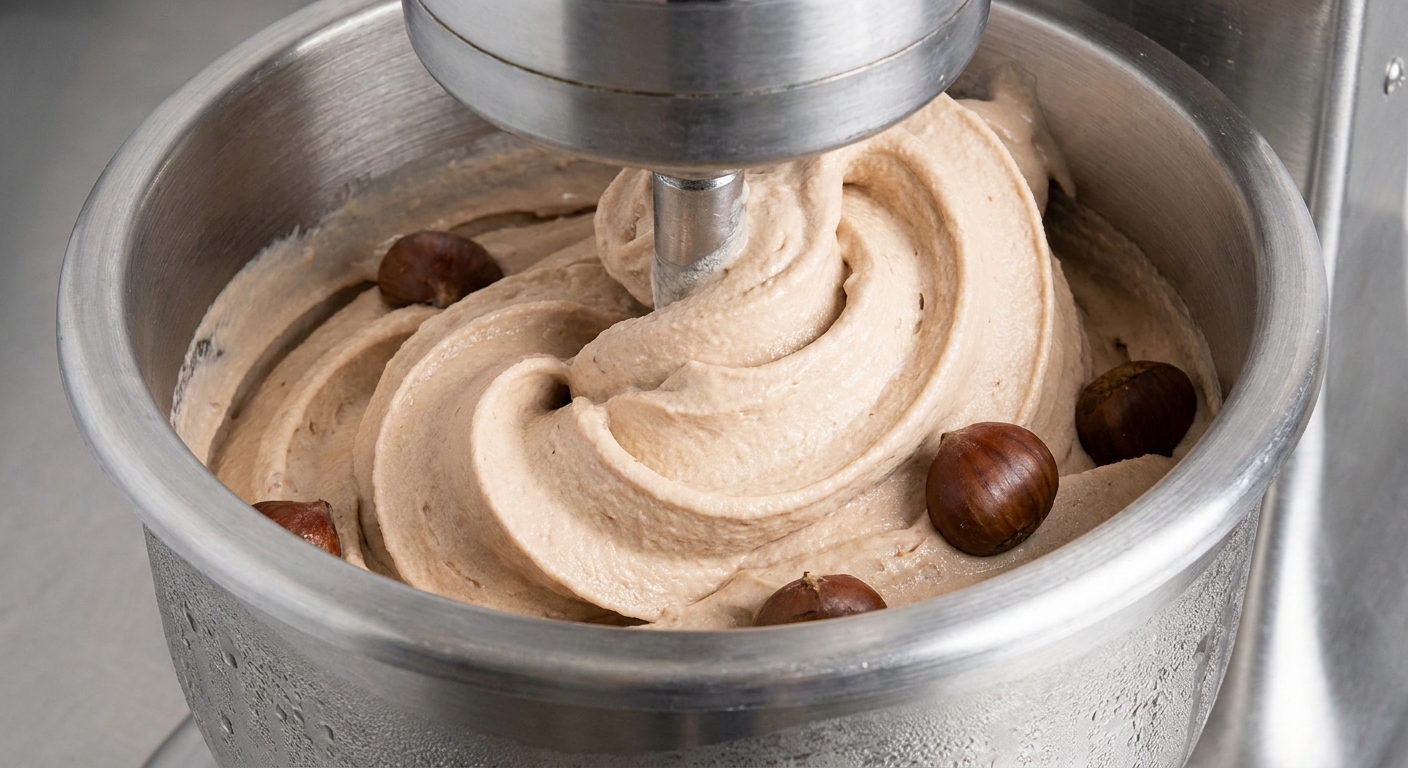
- Churn cue: Stop churning when it looks like soft serve and the dasher leaves distinct tracks that hold their shape for a moment instead of immediately melting back in.
- Freeze-to-scoop cue: After transferring to a container, press parchment directly on the surface, cover, and freeze until firm enough to scoop cleanly. In most home freezers, that means at least 4 hours, and overnight is even better. If it freezes rock-hard, let it sit at room temperature for 5 to 10 minutes before scooping.
Why this works
- Chestnut purée brings real flavor. Chestnuts have a naturally sweet, earthy, vanilla-like note that shines when you use a concentrated purée instead of just flavorings.
- Two textures, one goal. The custard version uses egg yolks for a richer, smoother mouthfeel. The no-churn version uses whipped cream and condensed milk to mimic churned creaminess without a machine.
- Anti-starch strategy. Chestnuts can taste floury if the purée is coarse or under-seasoned. Blending the base very smooth, adding a little salt, and using enough dairy keeps the flavor nutty, not pasty.
Ingredient notes
- Chestnut purée: Use smooth purée for the creamiest texture. If it’s even a bit grainy, run the finished base through a blender. For how to make it, start with Chestnut Purée. If your purée is sweetened, your finished ice cream may taste slightly sweeter, especially in the no-churn version with condensed milk.
- Dairy: Whole milk and heavy cream give the best balance of scoopability and flavor. For no-churn, heavy cream is non-negotiable because it needs to whip.
- Egg yolks (custard method only): These add richness and help prevent iciness. Save the whites for omelets or macarons.
- Sugar: Sweetness also affects texture. Too little sugar freezes hard and dulls chestnut flavor. Follow the amounts, then adjust after you taste the chilled base.
- Salt: A small amount makes chestnut taste more like itself. If your purée is already salted, start smaller.
- Vanilla: Chestnut and vanilla are best friends. It rounds out any “starchy” edge.
Equipment
- Medium saucepan
- Whisk and heatproof spatula
- Fine-mesh sieve (highly recommended for custard)
- Blender or immersion blender (best fix for any graininess)
- Ice cream maker (for churn method)
- Loaf pan or freezer-safe container with lid
- Parchment paper (to press onto the surface)
Pro tips for big chestnut flavor
- Blend the base. Even “smooth” purée can have tiny bits. A quick blend makes a huge difference in perceived creaminess.
- Season with intention. Add salt and vanilla, then taste the base once it’s fully chilled. Cold dulls sweetness, so that is the taste that matters.
- Strain the custard. For churned ice cream, a sieve catches any overcooked egg bits and keeps your final texture satin-smooth.
- Chill aggressively. A colder base churns faster and freezes smaller ice crystals. If you can, chill overnight.
- Temper before scooping. Chestnut ice cream can freeze firm. Five to ten minutes on the counter makes it scoop like a dream.
Substitutes
- Milk and cream: You can use half-and-half in place of whole milk, but keep heavy cream for body. Using only milk makes icier ice cream.
- Vanilla extract: Vanilla bean paste works beautifully. Use the same amount.
- Brown sugar: Swapping some granulated sugar for light brown sugar adds a caramel note that pairs nicely with chestnut.
- No ice cream maker: Use the no-churn method in the recipe card.
Variations
- Chestnut stracciatella: Fold in thin shards of melted dark chocolate right after churning (or midway through freezing for no-churn).
- Rum chestnut: Add 1 to 2 tablespoons dark rum to the chilled base. It boosts aroma and keeps the texture a little softer in the freezer.
- Chestnut praline: Fold in chopped candied nuts. If you love chestnut treats, you might also like Candied Chestnuts.
- Extra roasty: Stir in a few tablespoons of finely chopped roasted chestnuts for texture (small pieces, or they freeze hard).
Serving ideas
- With warm apple desserts like Apple Crumble with Oats or Classic Apple Pie
- Alongside chocolate, especially Chocolate Lava Cake
- As an affogato with strong coffee or espresso
- In a holiday sundae with a drizzle of caramel and a pinch of flaky salt
Storage
- Container: Store in a freezer-safe container with a tight lid. Press parchment directly against the surface to reduce ice crystals and freezer smells.
- Best texture window: Homemade ice cream is best within 1 to 2 weeks. It’s still safe after that, but texture slowly gets icier.
- To scoop: Let the container sit at room temperature for 5 to 10 minutes, or in the refrigerator for 15 to 20 minutes, until your scoop glides instead of shattering the surface.
Common mistakes
- Skipping the blend: Grainy purée reads as “starchy” in a frozen dessert. Blend the base until perfectly smooth.
- Churning a not-fully-chilled base: A warmer base churns more slowly and tends to freeze with larger ice crystals, which can mean a less creamy scoop. Chill thoroughly.
- Overcooking the custard: If it steams aggressively or bubbles, it can curdle. Keep heat low and stir constantly. Strain to rescue if needed.
- Under-sweetening: Less sugar can sound virtuous, but it freezes rock-hard and mutes chestnut flavor. Sweetness is part of the texture.
- Big mix-ins: Large chestnut chunks freeze hard. Chop small and use a light hand.
FAQ
Why does my chestnut ice cream taste starchy?
Usually it’s one of three things: the purée is not fully smooth, the base is under-seasoned (salt and vanilla help more than you’d think), or there isn’t enough fat to carry the flavor. Blend the base, taste once chilled, and do not skimp on cream.
Can I make this without an ice cream maker?
Yes. Use the no-churn method in the recipe card. It’s my go-to when I want results without extra gear.
How do I know the custard is thick enough?
Look for the “nappe” cue: it should coat the back of a spoon, and when you drag a finger through it, the line stays clean.
Is chestnut ice cream very sweet?
It’s balanced. Chestnuts have natural sweetness, but the salt keeps it from tasting sugary. If you prefer less sweetness, reduce sugar slightly, but know the ice cream will freeze harder.
Chestnut ice cream with two options: a classic churned custard for the smoothest scoop, and a simple no-churn method for an easier freeze-and-go version.
- Prep Time
- 25 minutes
- Cook Time
- 10 minutes
- Total Time
- 8 hours 35 minutes
- Servings
- About 1 quart
- For the churned custard method
- 1 1/2 cups whole milk
- 1 1/2 cups heavy cream, divided
- 2/3 cup granulated sugar
- 1/4 teaspoon fine salt
- 4 large egg yolks
- 1 cup chestnut purée (see Chestnut Purée)
- 1 teaspoon vanilla extract
- For the no-churn method
- 2 cups heavy cream, cold
- 1 (14-ounce) can sweetened condensed milk
- 1 cup chestnut purée (see Chestnut Purée)
- 1 teaspoon vanilla extract
- 1/4 teaspoon fine salt
- Churned custard method: Warm the dairy. In a medium saucepan over medium heat, combine the milk, 1 cup of the heavy cream, sugar, and salt. Whisk until the sugar dissolves and the mixture is steaming and very warm, but not boiling.
- Temper the yolks. In a bowl, whisk the egg yolks. Slowly ladle in about 1/2 cup of the hot milk mixture while whisking constantly. Repeat with another 1/2 cup.
- Cook the custard. Pour the yolk mixture back into the saucepan. Cook over medium-low heat, stirring constantly with a spatula, until the custard thickens enough to coat the back of a spoon and a finger swipe leaves a clean line, about 3 to 6 minutes. Do not let it boil.
- Strain and add chestnut. Immediately strain the custard through a fine-mesh sieve into a bowl. Add the chestnut purée, vanilla, and the remaining 1/2 cup heavy cream.
- Blend until silky. Use an immersion blender, or transfer carefully to a blender, and blend until completely smooth. This step helps prevent a floury, starchy mouthfeel.
- Chill thoroughly. Cover and refrigerate until very cold, at least 4 hours and preferably overnight.
- Churn. Churn in your ice cream maker according to the manufacturer’s directions until the texture looks like soft serve and the dasher leaves defined tracks.
- Freeze to firm. Transfer to a freezer-safe container. Press parchment directly on the surface, cover, and freeze until scoopable, at least 4 hours.
- No-churn method: Whip the cream. In a large bowl, whip the cold heavy cream to medium-stiff peaks.
- Fold the base. In a separate bowl, whisk together the sweetened condensed milk, chestnut purée, vanilla, and salt until smooth. Fold this mixture into the whipped cream gently until no streaks remain.
- Freeze. Spread into a loaf pan or freezer-safe container. Press parchment directly on the surface, cover, and freeze until firm, at least 6 hours and preferably overnight.
Note: For the cleanest chestnut flavor, taste the base only after it has chilled. Cold dulls sweetness, so that is the most accurate time to adjust with a pinch more salt or a small splash more vanilla. If your chestnut purée is sweetened, you may find you do not need any extra sweetness beyond what the recipe already includes.