Delishing
Chestnut Pie

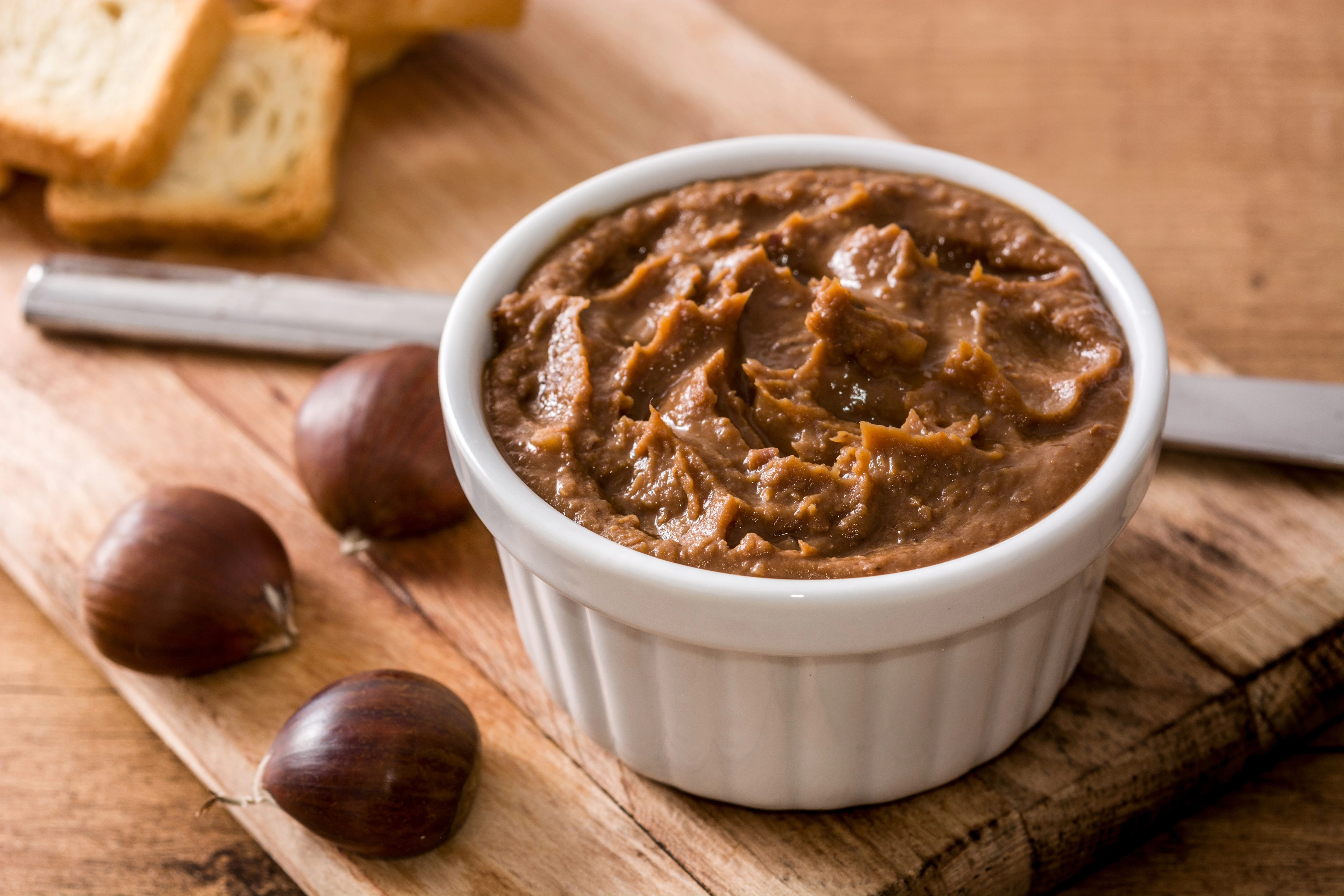
Chestnut pie is the kind of dessert I make when I want something holiday-worthy that still feels calm and doable on a busy weeknight. The flavor is gently sweet and nutty, almost like a cross between pumpkin pie and a vanilla custard, but with that unmistakable roasted chestnut coziness. It is much less boldly spiced than pumpkin pie, which is exactly why I love it.
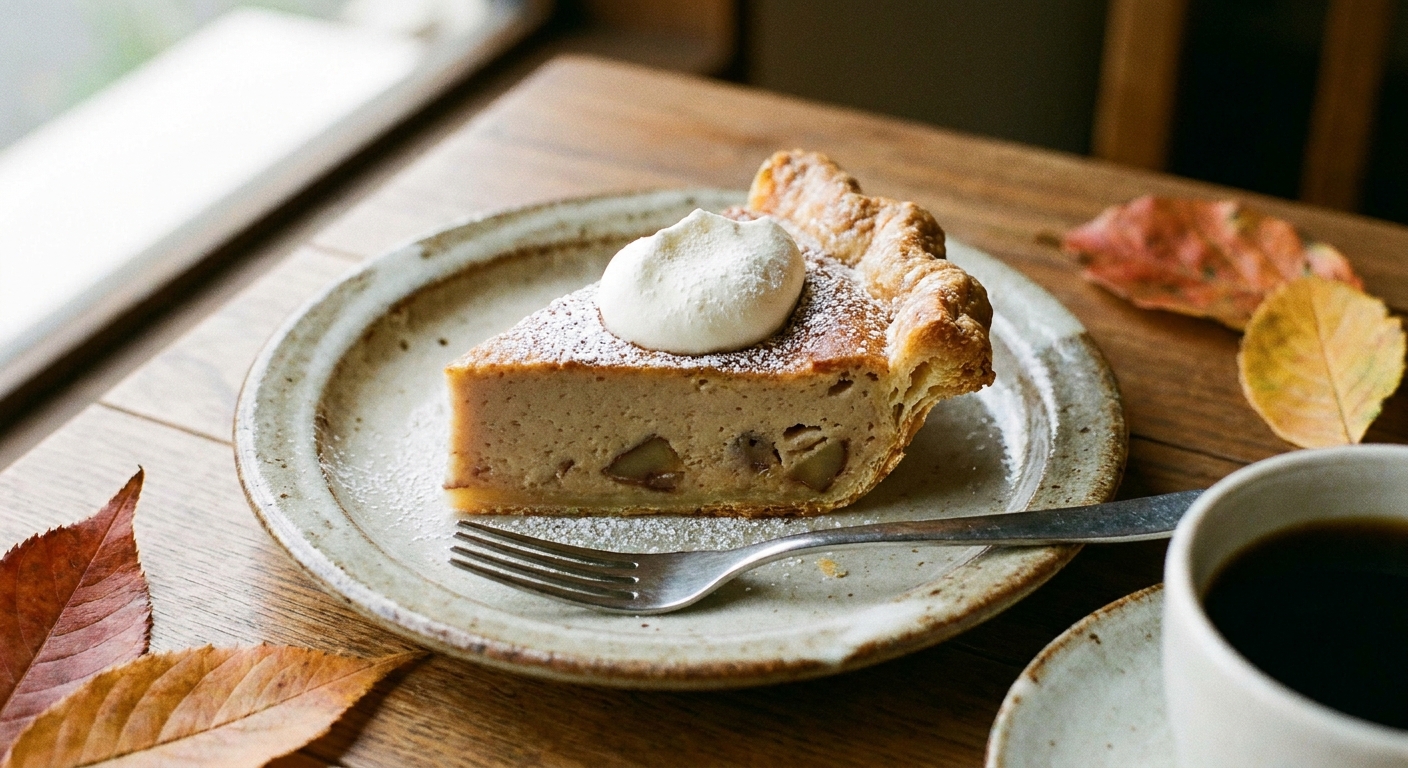
This version uses a bottom crust only and a stovetop-warmed chestnut custard. I gently warm the chestnut puree with the dairy and sugar first, then temper the eggs so the filling bakes up silky instead of grainy. It comes out creamy with a center that should jiggle like set gelatin, not slosh like liquid, then finishes setting as it cools. After a thorough chill, it slices into neat, clean wedges.
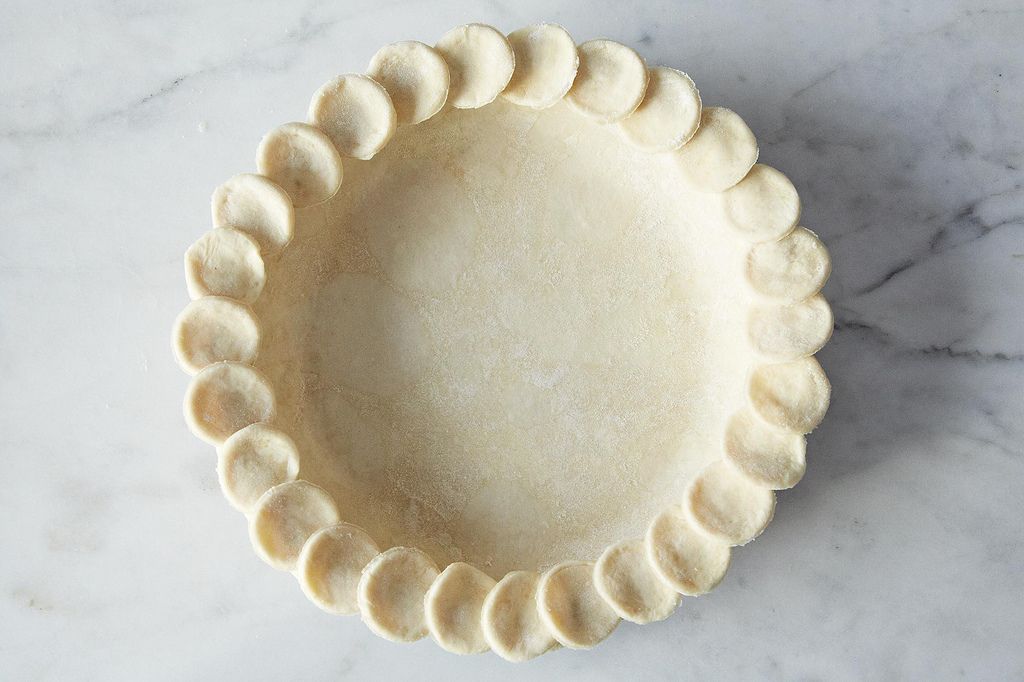
For the dough, I keep things simple and reliable by leaning on our go-to crust. Use All-Butter Flaky Pie Crust for a sturdy, crisp base that can handle custard fillings without turning soggy.
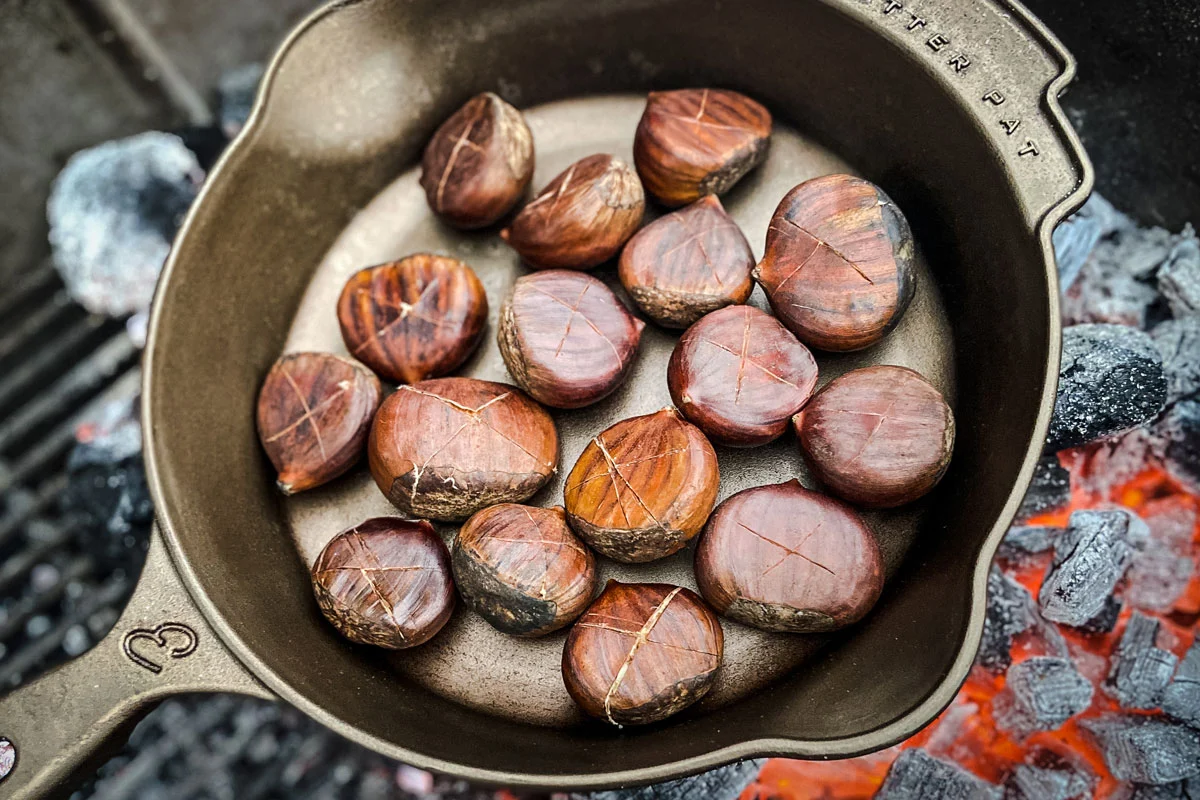
If you are starting with whole chestnuts, roasting is one of my favorite fast ways to build that deep, toasty flavor. My step-by-step is here: How to Roast Chestnuts. For this pie, I use puree for the smooth custard, and if I want a little texture, I fold in a handful of finely chopped chestnuts at the end.
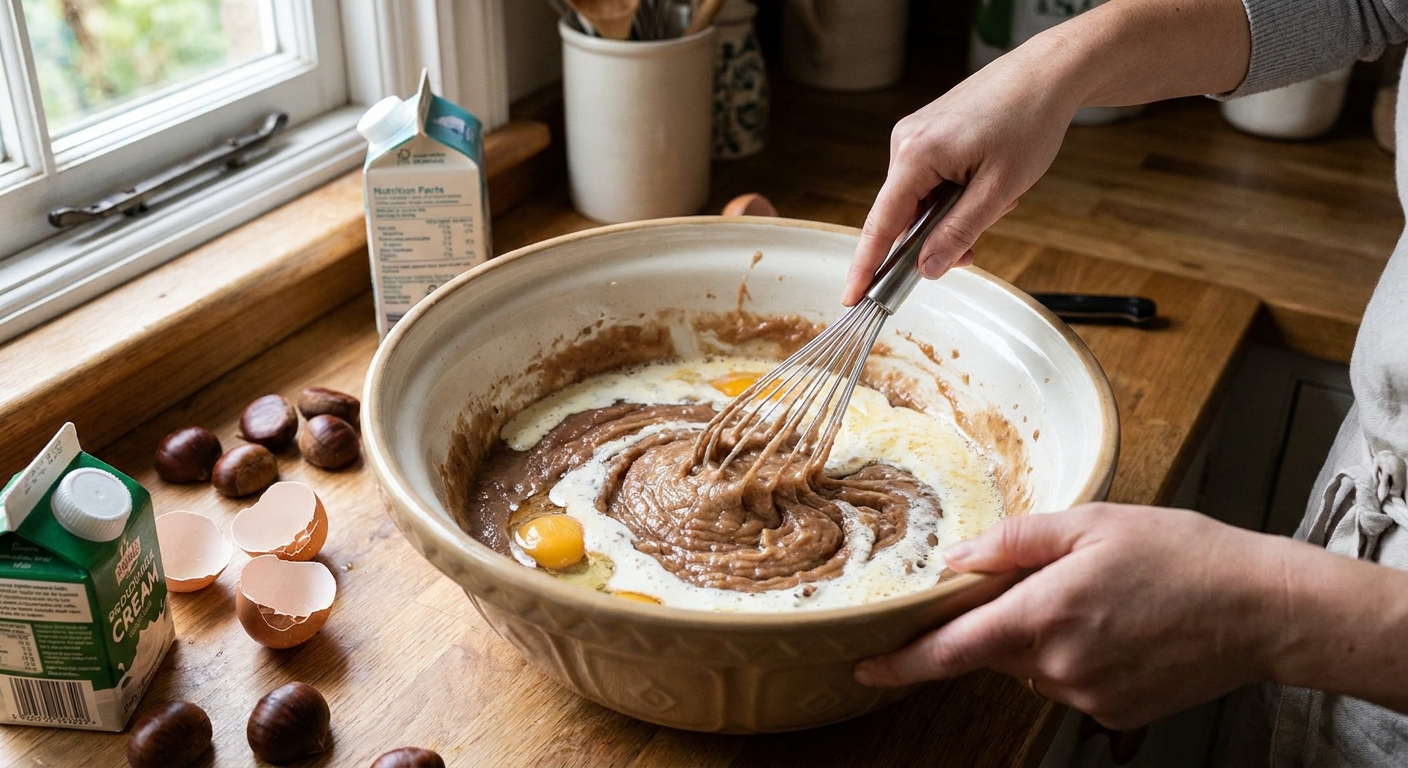
A quick note on puree: some chestnut purees are sweetened, and some are not. This recipe is written for sweetened chestnut puree. If yours is unsweetened, you will just bump the sugar a bit, and the notes below make that easy.
Once the custard is mixed, you want it silky and uniform, not bubbly. As the pie cools on a rack, the top should look matte and gently set before it heads to the fridge to firm up.
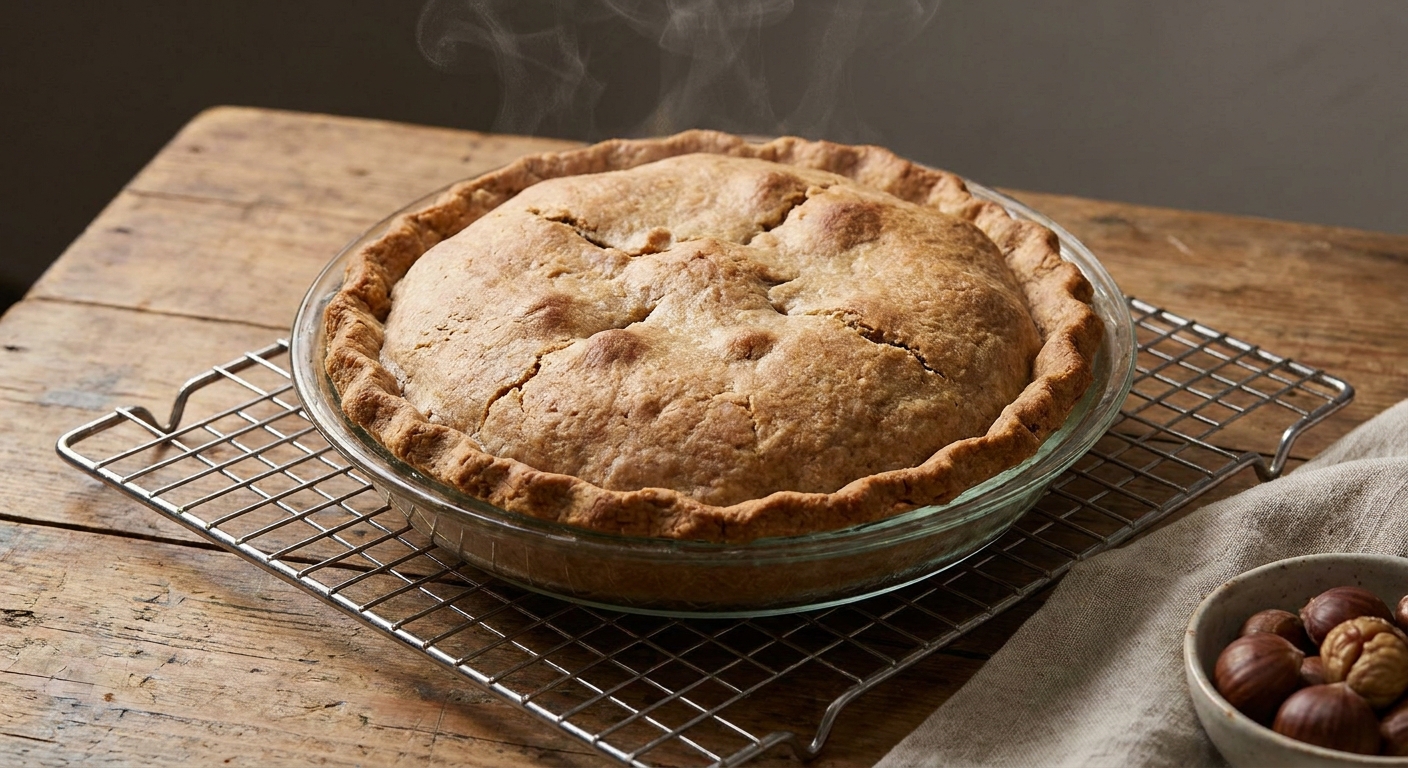
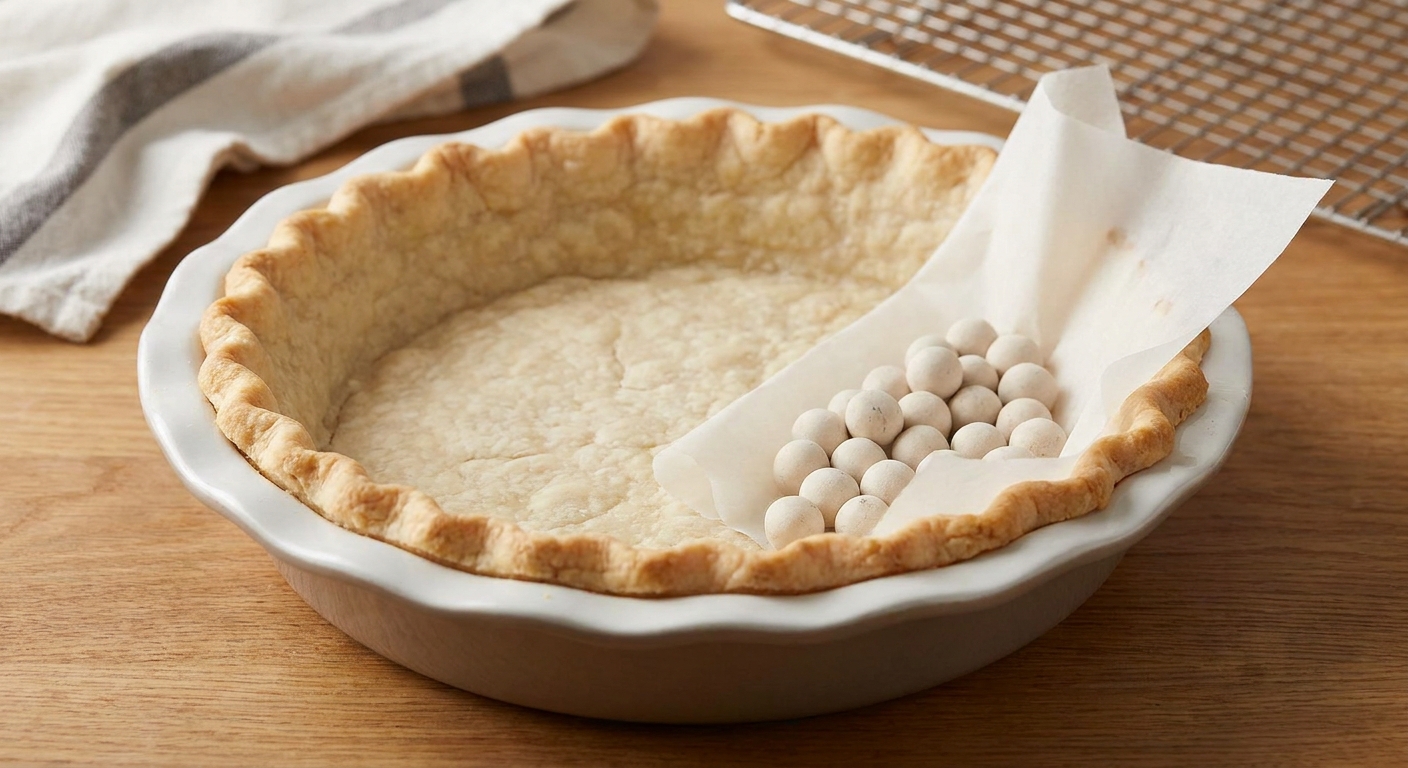
And yes, I do give the crust a short blind bake. What you are looking for is a bottom that looks dry and set, with edges just beginning to turn light golden. That small step is the difference between crisp and soggy.
What to expect
- Texture: smooth, creamy custard (plus tiny chestnut bits if you fold some in)
- Flavor: mellow roasted chestnut, vanilla, and warm spice from cinnamon with a hint of nutmeg
- Doneness cue: edges are set; the center has a gentle jiggle. If you use a thermometer, aim for about 175 to 180 F in the center
- Best serving: chilled for clean slices, then let a slice sit 10 minutes at room temperature if you like a softer custard
Why it works
- Stovetop-smooth custard base: Warming the puree with sugar and dairy helps it dissolve smoothly so you do not get grainy pockets, and tempering the eggs keeps the custard silky.
- Bottom crust only: Chestnut custard is delicate. Skipping a top crust keeps the bake even and prevents trapped steam from causing cracks.
- Gentle bake + chill: Baking just until the center jiggles, then cooling and chilling, gives you that creamy custard texture and clean slices.
Ingredient notes
Chestnut puree
Chestnut puree is what gives you that smooth, sliceable custard. This recipe is written for sweetened chestnut puree. If yours is unsweetened, you can still use it. Just increase sugar to taste and consider a tiny pinch more salt.
Whole chestnuts
Whole roasted chestnuts are best as an add-in for texture, or blended with warm dairy until smooth if you are making your own puree. For prep help, see How to Roast Chestnuts and How to Buy Fresh Chestnuts.
Eggs and yolk
Whole eggs set the custard; an extra yolk adds richness and helps the filling slice more neatly after chilling.
Cream and milk
Heavy cream gives you that plush custard mouthfeel. A little milk keeps it from feeling heavy.
Spices
Cinnamon is classic here, and a pinch of nutmeg reads “holiday” without overpowering the chestnut flavor.
Equipment
- 9-inch pie dish (glass or metal both work)
- Sheet pan (to catch drips and make moving the pie easy)
- Mixing bowl and whisk
- Fine-mesh sieve (optional, for extra-smooth custard)
- Instant-read thermometer (optional, helpful for custard doneness)
Pro tips
- Shield the crust: If your crust browns fast, tent the edge with foil halfway through baking.
- Do not overbake: The center should still jiggle. Overbaking makes custard pies puff, crack, and turn grainy as they cool.
- Chill for clean slices: This pie is at its best after a long chill. If you slice warm, it will be soft and a little messy.
- For ultra-smooth filling: Press the mixed filling through a fine-mesh sieve before pouring into the crust.
- Make-ahead win: Bake the pie the day before and chill overnight. It is one less thing at 5:00 PM when you are already tired.
Substitutes
- Half-and-half: Use in place of the cream and milk, same total volume. The pie will be slightly less rich but still lovely.
- Maple syrup: Swap part of the sugar for maple for deeper caramel notes. Reduce added sugar slightly to keep sweetness balanced.
- Bourbon or rum: Replace vanilla with 1 to 2 teaspoons for a warmer, grown-up flavor.
- Gluten-free: Use your favorite gluten-free pie crust. The filling itself is naturally gluten-free.
Variations
- Chestnut praline crunch: Sprinkle the top with chopped candied chestnuts. (See Candied Chestnuts.)
- Chocolate chestnut pie: Whisk in a little cocoa powder or melted chocolate for a mocha-like twist. For another chocolate option, check Chocolate Chestnut Cake.
- Orange-spice: Add orange zest and a pinch of cloves for a brighter holiday profile.
- Textured filling: Fold in 1/2 cup chopped roasted chestnuts so you get little nutty bites.
Serving ideas
- Dollop with lightly sweetened whipped cream.
- Serve with coffee after a cozy dinner, or alongside other seasonal desserts like Classic Tiramisu.
- For a showy finish, dust with powdered sugar right before serving.
Storage
- Refrigerate: Cover and chill up to 4 days.
- Freeze: Custard pies can be frozen, but the texture may soften slightly after thawing. If freezing, wrap tightly and freeze up to 1 month. Thaw overnight in the fridge.
- Best slicing: Slice straight from the fridge with a sharp knife wiped clean between cuts.
Common mistakes
- Not pre-baking the crust: Custard needs a head start, or you risk a damp, underbaked bottom.
- Overmixing with lots of bubbles: Extra air can lead to a foamy top. Whisk until smooth, then let the bowl sit 5 minutes before pouring.
- Baking until totally firm: If the center does not jiggle at all in the oven, it is likely overbaked. It will continue setting as it cools.
- Slicing too soon: Warm custard pies are delicious but not tidy. Chill for clean, confident slices.
FAQ
How do I know when chestnut pie is done?
The edges should look set and slightly puffed. The center should jiggle gently when you nudge the pie dish, like set gelatin. If you have an instant-read thermometer, the center is usually in the doneness zone around 175 to 180 F.
Why did my pie crack?
Cracks usually mean the custard went a little too far. Next time, pull it when the center still jiggles and let it cool slowly on a rack.
Can I use jarred or vacuum-packed chestnuts?
Yes. They are convenient and consistent. If they taste a little bland, a pinch more salt and an extra splash of vanilla can wake up the flavor.
Can I make this with homemade chestnut puree?
Absolutely. If your puree is thicker than applesauce, thin it with warm milk or cream so it blends smoothly into a custard.
Is chestnut pie the same as pumpkin pie?
They bake similarly, but chestnut pie is nuttier and more delicate, with less bold spice. Think warm vanilla notes with a roasted chestnut finish.
Chestnut Pie Recipe
A creamy, gently spiced chestnut custard baked in a flaky bottom crust. Bake until the center jiggles slightly, then chill well for clean slices.
Prep time: 25 minutes
Cook time: 50 to 60 minutes
Total time: 6 hours 15 minutes (includes cooling and chilling)
Servings: 8 slices
- 1 single pie crust (bottom crust only), prepared and chilled, from All-Butter Flaky Pie Crust
- 1 1/2 cups sweetened chestnut puree
- 1/2 cup whole roasted chestnuts, finely chopped (optional, for texture)
- 1/2 cup granulated sugar
- 1/4 teaspoon fine salt
- 1 teaspoon ground cinnamon
- 1/8 teaspoon ground nutmeg
- 1 cup heavy cream
- 1/2 cup whole milk
- 3 large eggs
- 1 large egg yolk
- 2 teaspoons vanilla extract
- Heat the oven. Arrange a rack in the lower third of the oven. Preheat to 375 F. Place a sheet pan on the rack to preheat as well.
- Roll and line the pie dish. Roll out your chilled dough and fit it into a 9-inch pie dish. Crimp the edge. Chill the lined crust in the refrigerator for 15 minutes while the oven finishes heating.
- Blind bake the crust. Line the chilled crust with parchment paper and fill with pie weights or dried beans. Bake on the preheated sheet pan for 15 minutes. Carefully lift out the parchment and weights. Bake 8 to 10 minutes more, until the bottom looks dry and the edges are just starting to turn light golden.
- Reduce oven temperature. Reduce the oven to 350 F.
- Warm the base. In a saucepan over medium-low heat, combine the chestnut puree, sugar, salt, cinnamon, nutmeg, cream, and milk. Cook, whisking often, until the mixture is smooth and steaming but not boiling, about 3 to 5 minutes.
- Temper the eggs. In a large bowl, whisk the eggs and egg yolk until blended. Slowly pour in about 1 cup of the warm chestnut mixture while whisking constantly. Then whisk the egg mixture back into the saucepan.
- Finish the custard. Cook over low heat, stirring constantly, for 1 to 2 minutes until the custard is silky and slightly thickened. Remove from heat and stir in the vanilla. If using chopped chestnuts, stir them in now. For extra-smooth filling, strain through a fine-mesh sieve into a bowl.
- Fill the crust. Pour the warm filling into the partially baked crust.
- Bake. Bake at 350 F for 30 to 40 minutes, until the edges are set and the center jiggles gently when you nudge the pie dish. If using an instant-read thermometer, the center is usually in the doneness zone around 175 to 180 F.
- Cool, then chill. Cool the pie on a rack until room temperature, about 2 hours. Refrigerate uncovered until fully cold and set, at least 4 hours and preferably overnight for the cleanest slices.
- Slice and serve. Slice cold. Wipe the knife between cuts for neat edges.
Notes
- Chestnut puree sweetness varies: If your puree is unsweetened, increase sugar by 2 to 4 tablespoons, tasting the warmed base before tempering the eggs.
- Doneness cue matters more than minutes: Pull the pie when the center still jiggles. It will set as it cools.
- Clean-slice trick: Chill overnight and cut straight from the fridge.