Chestnuts don’t taste like most nuts. Discover their mild, gently sweet, starchy “potato-meets-nut” flavor—plus how roasting, boiling, or candying changes ta...
Delishing
What Can I Substitute for Chestnuts?

Maya Brooks
Maya Brooks is a dedicated home cook and the lead recipe developer at Delishing, where she shares practical, foolproof meals for everyday life. With over a decade of hands-on kitchen experience, she specializes in creating approachable dishes that fit a variety of dietary needs and modern cooking methods. Maya is passionate about helping busy people get delicious, stress-free food on the table without needing formal culinary training.
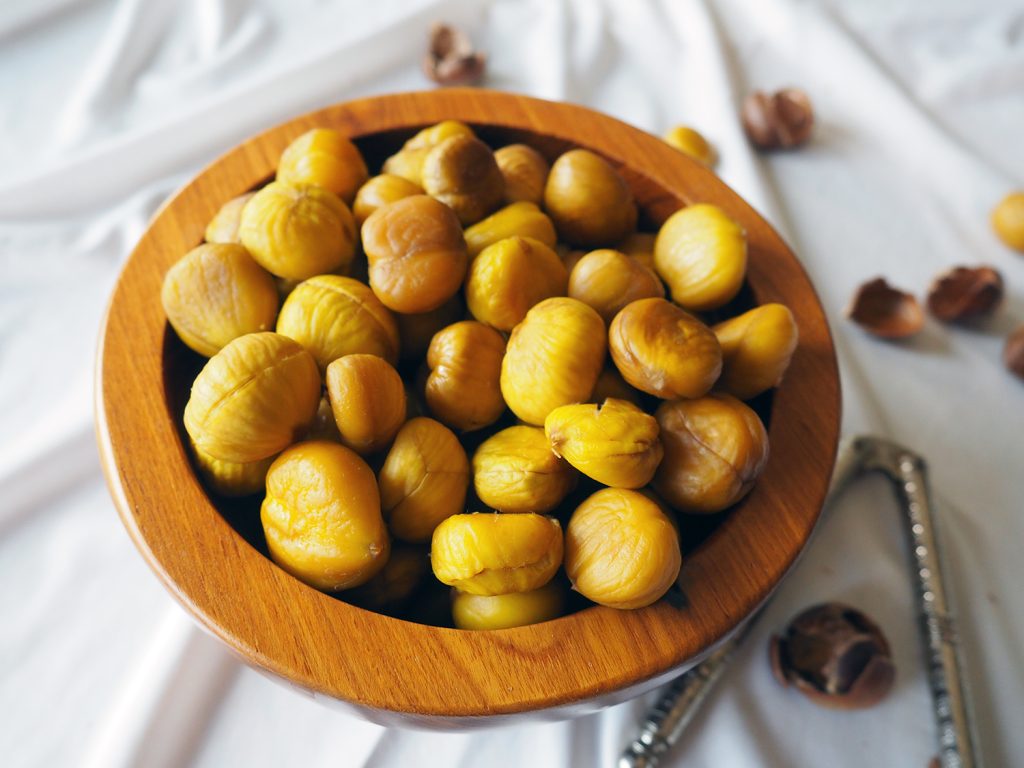
Chestnuts have a very specific vibe in recipes: mildly sweet, earthy, and tender with a soft bite that is more “starchy” than “crunchy.” So when a recipe calls for chestnuts and you cannot find them, cannot eat them, or just do not want to deal with them, the best substitute depends on what the dish needs most.
One quick clarification before you swap: most recipes mean cooked, peeled chestnuts (roasted, boiled, or jarred). If your recipe uses chestnut puree, choose a substitute that can blend silky (like sweet potato) rather than something crunchy (like nuts).
In my kitchen notebook, I basically group chestnut substitutes into two camps:
- Nut swaps (hazelnuts, walnuts, pecans): best when you want that toasty, rich, holiday flavor.
- Starchy swaps (sweet potato, peeled potato): best when you want chestnuts’ tender, filling texture in stuffing and soup.
Quick pick: best substitute by dish
- Stuffing: cooked sweet potato (most chestnut-like texture) or peeled potato (most neutral).
- Soup: cooked sweet potato for a naturally creamy result, peeled potato for a clean, savory base.
- Risotto or grain dishes: walnuts or pecans for richness, or sweet potato for a softer bite.
- Roasted vegetable sides: hazelnuts or pecans for crunch and a toasty finish.
- Pasta: walnuts for a savory, Italian-leaning vibe; hazelnuts for a more delicate nuttiness.
- Desserts: hazelnuts or pecans (and reduce added sugar a touch if using sweet potato).
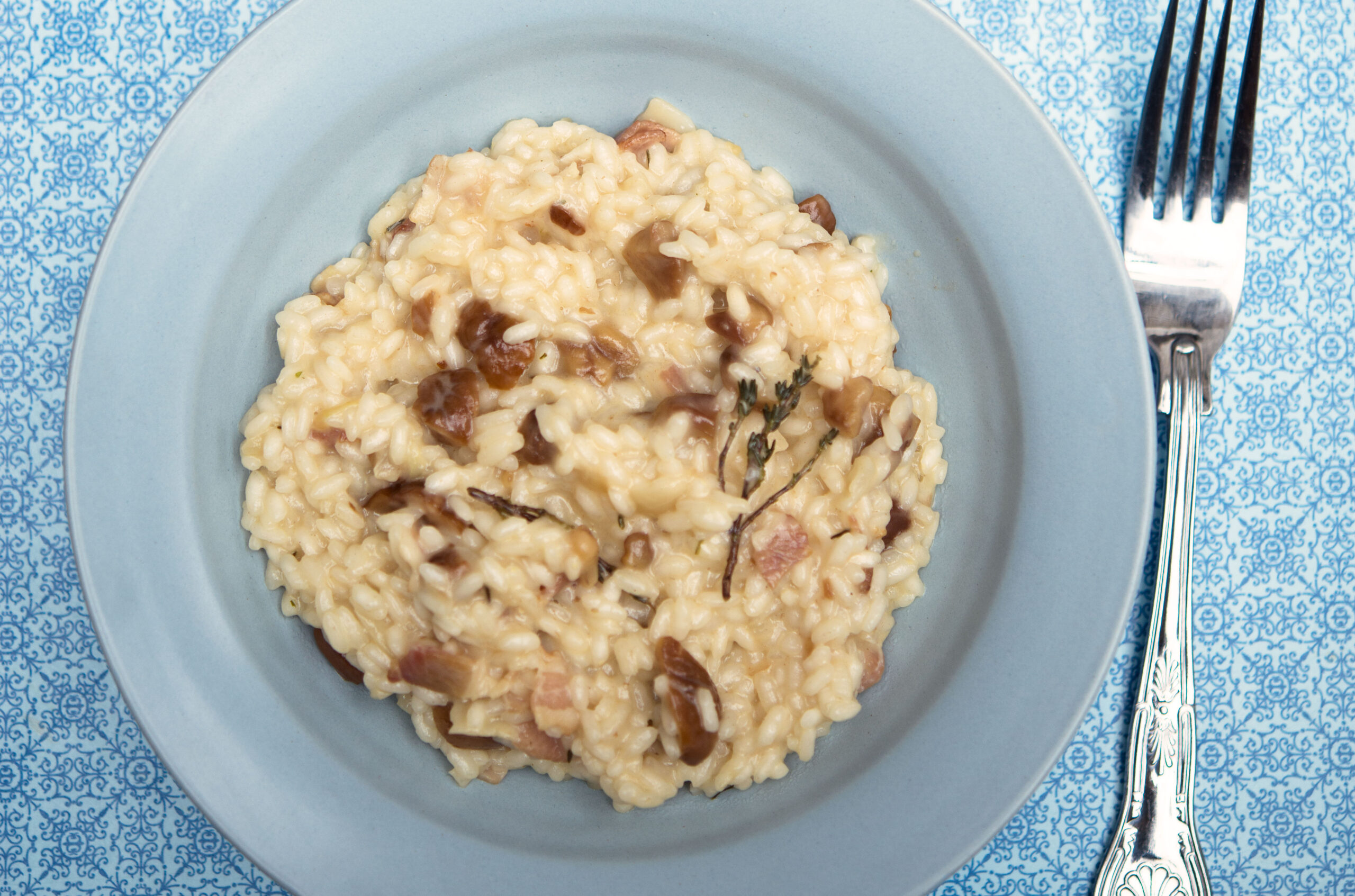
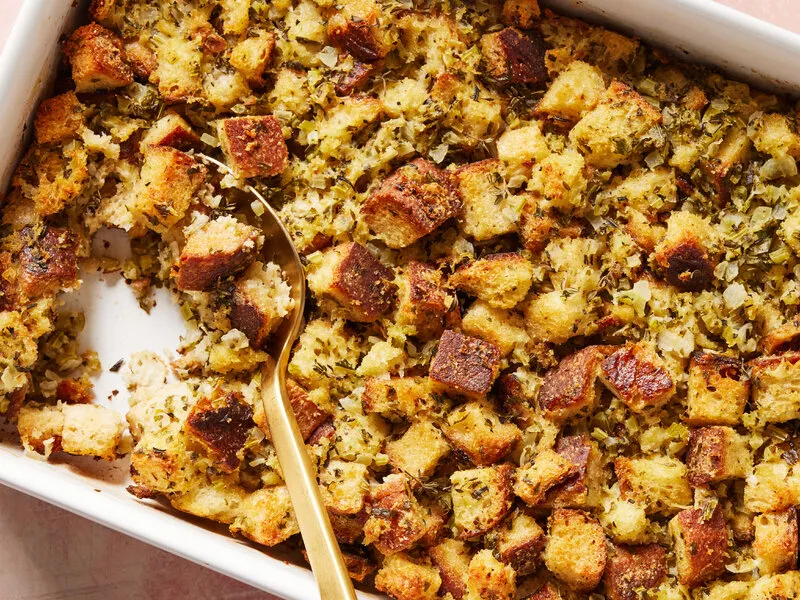
If you are making one of our chestnut-heavy recipes, you can use these swaps confidently in chestnut stuffing, chestnut soup, chestnut risotto, or even sausage and chestnuts.
The 5 best substitutes for chestnuts
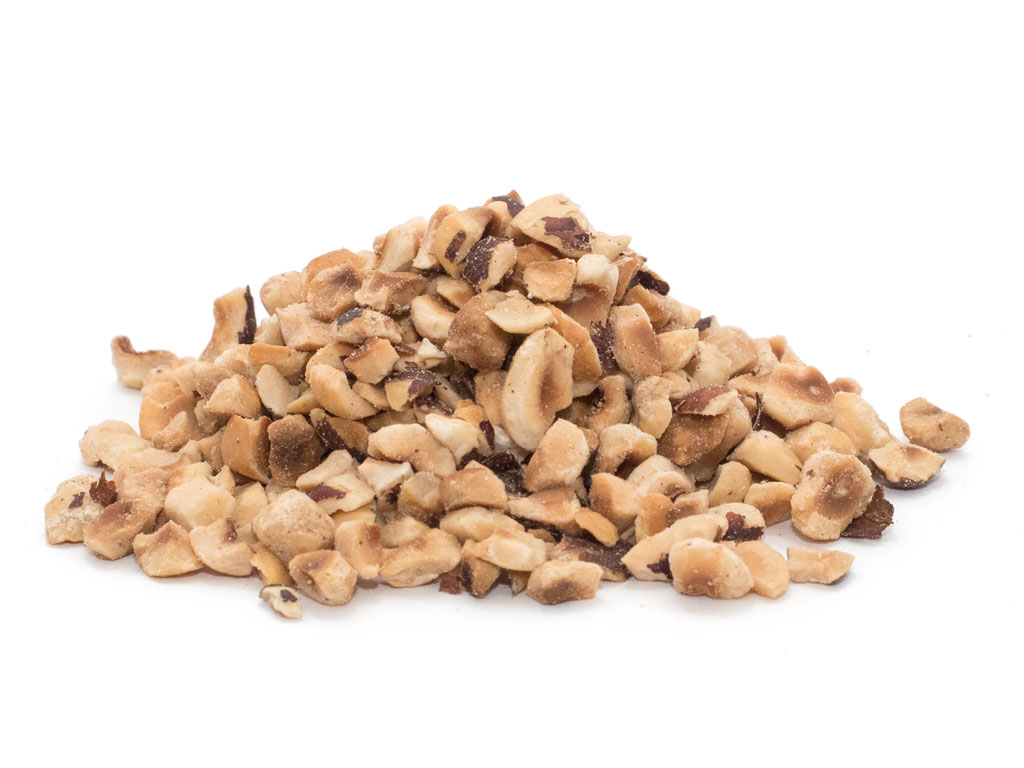
1) Roasted hazelnuts
Best for: vegetable sides, salads, pasta, and desserts where you want a clean, fragrant nut flavor.
What changes: hazelnuts are crunchier and more aromatic than chestnuts, with less starchiness. They add more “snap” and less of the soft, tender bite chestnuts are known for.
- How to use: chop medium-fine for stuffing, chop coarse for toppings. If you have time, toast briefly first for a deeper, rounder flavor.
- Sweetness check: hazelnuts read more roasty than sweet, so you may want a tiny bump of sweetness (like caramelized onions in savory dishes), not sugar.
My note from testing: if you want hazelnuts to feel less crunchy, chop them smaller and stir them in earlier so they soften slightly in the dish.
2) Walnuts
Best for: stuffing, pasta, and savory dishes where you want depth and a slightly bitter edge to balance sweetness.
What changes: walnuts bring more tannic, savory complexity than chestnuts. Texture is firmer and more crumbly, not tender-starchy.
- How to use: chop and start with a little less than the chestnut amount, then add more if you want.
- Flavor tip: walnuts pair especially well with herbs like sage, rosemary, and thyme, which show up a lot in chestnut recipes.
When walnuts are the wrong choice: in delicate soups where chestnuts are meant to blend smoothly, walnuts can taste too assertive.
3) Pecans
Best for: stuffing, roasted vegetable sides, and dishes where you want a sweeter, rounder nut flavor.
What changes: pecans are naturally sweeter and richer than chestnuts, and they stay crunchy unless chopped very small. They also bring more fat, which can make a dish feel more decadent.
- How to use: chop small for stuffing so you do not get “big nut bites.” Toasting helps them taste nuttier and less candy-like.
- Sweetness check: if your recipe already has sweet elements (dried cranberries, apple, maple), consider reducing them slightly so the final dish does not tip sugary.
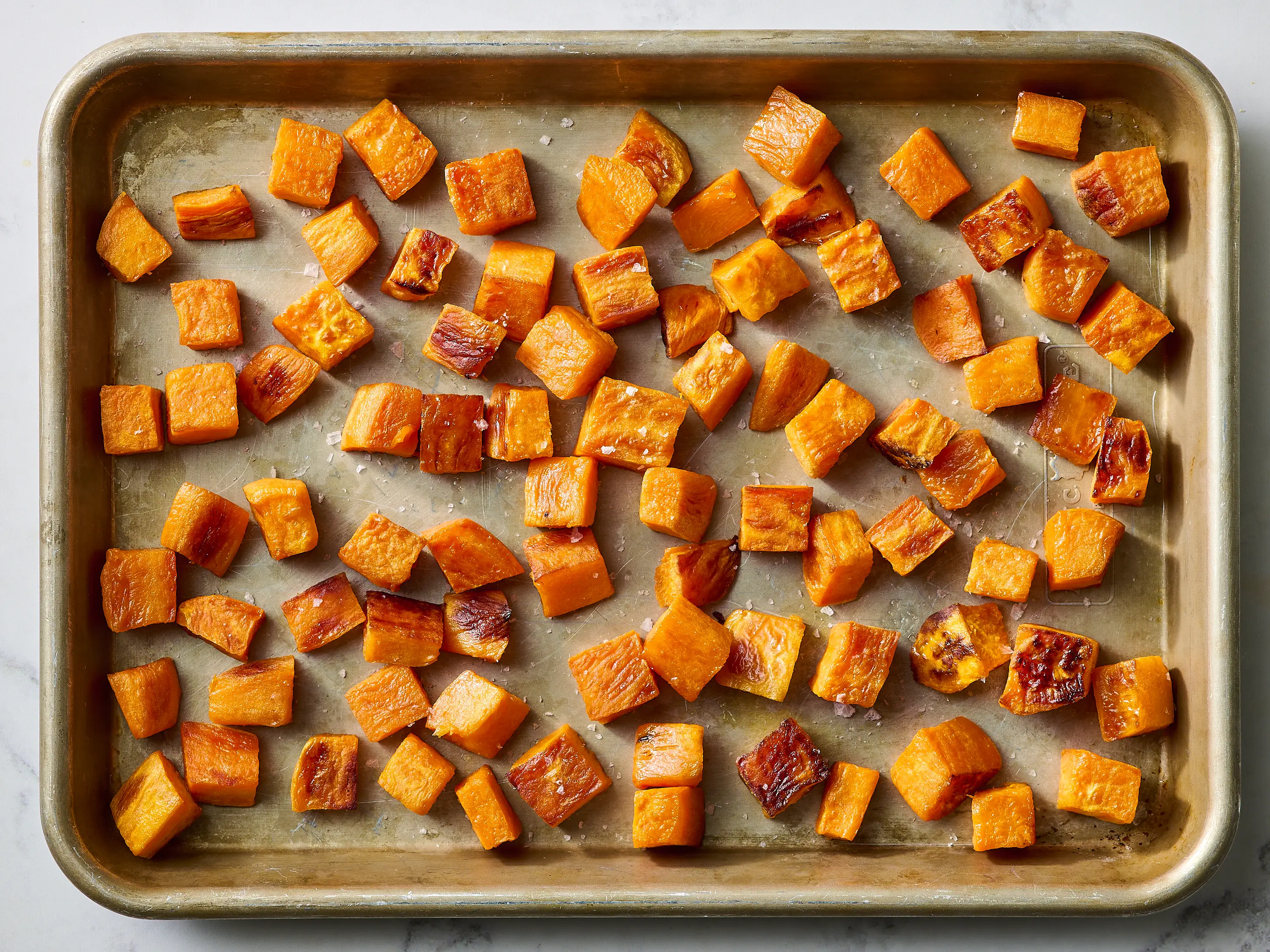
4) Cooked sweet potato (my favorite for stuffing and soup)
Best for: stuffing, soups, purees, and any dish where chestnuts are there for tender body more than crunch.
What changes: sweet potato nails the soft, starchy feel that chestnuts give, but it is sweeter and creamier. This can be a big win in soups, but it can push savory dishes into “sweet-savory” territory if you are not careful.
- How to use: cut into small cubes so it mimics chopped chestnuts. Aim for pieces that hold their shape, not fully mashed.
- Prep tip: roasting keeps sweet potato from getting waterlogged, which helps a lot in stuffing. For soup, boiling is fine because you are blending anyway.
- Seasoning tip: balance the sweetness with extra salt, black pepper, and fresh herbs. A little acidity (lemon juice or a splash of vinegar) can also keep flavors bright.
Where it shines: in chestnut soup-style recipes, sweet potato gives that cozy, velvety feel without needing nuts at all.
5) Peeled potato (the most neutral, most flexible)
Best for: stuffing and soups when you need chestnuts’ bulk and mildness, but you do not want extra sweetness or nut flavor.
What changes: potato is less aromatic than chestnuts and can be a little more watery if overcooked. The payoff is that it disappears into the recipe in a good way.
- How to use: dice small and cook until just tender so the pieces hold, especially in stuffing.
- Prep tip: if you are adding potato to stuffing, roasting or pan-browning the cubes drives off moisture and adds flavor.
- Flavor tip: because potatoes are neutral, make sure you have enough flavor builders in the recipe, like browned sausage, sautéed onions, and herbs.
Other substitutes to consider
If you have the basics covered but want a different angle, these are also worth a look:
- Butternut squash: similar to sweet potato but a little less sweet. Great for soups and stuffing-style mixes.
- Parsnips: starchy and slightly sweet, but more “rooty” and aromatic. Nice in soups and purees.
- Celeriac: savory and earthy, great for soup body when you want less sweetness.
- Almonds: a common pantry nut swap, but crunchier and less chestnut-like. Chop very small if using in stuffing.
How to choose the right swap
If the recipe uses chestnuts for a tender bite
Choose sweet potato or peeled potato. This is common in stuffing, soups, and creamy sauces where chestnuts are not meant to be crunchy.
If the recipe uses chestnuts for toasty flavor
Choose hazelnuts, walnuts, or pecans. This works well in roasted vegetable sides and grain dishes where little bursts of nutty richness are welcome.
If the recipe needs both body and nutty flavor
Do a 50-50 blend: half sweet potato (or potato) plus half nuts. This is my favorite “best of both worlds” move for holiday stuffing when chestnuts are missing.
Substitution amounts
These are easy, low-stress starting points. You can adjust to taste once you see the texture in the pan.
- For chopped chestnuts (as a mix-in): start with about 3/4 of the volume of chopped hazelnuts, walnuts, or pecans, then add more if needed. Nuts are richer and crunchier than chestnuts, so equal volume can tip a dish too crunchy fast.
- For chopped chestnuts in stuffing: substitute equal volume of small-diced cooked sweet potato or peeled potato.
- For chestnuts blended into soup: substitute equal volume cooked sweet potato for the closest creamy texture, or peeled potato for the most neutral flavor. If you are tempted to use nuts here, grind them very fine and use less, or the soup can turn heavy and taste “nut butter-ish.”
If you are subbing nuts for chestnuts in a recipe that was meant to be tender, chop the nuts smaller than you think you need. Big pieces read as “crunchy topping,” not “integrated ingredient.”
Allergy and diet notes
- Nut allergies: skip hazelnuts, walnuts, pecans, and almonds. Use sweet potato or peeled potato instead. Some people who react to other tree nuts can tolerate chestnuts, but many allergy guidelines still treat chestnuts as tree nuts and cross-reactivity can happen. When in doubt, check with your allergist.
- Gluten-free: all the whole foods listed here are naturally gluten-free, but if you have celiac disease, check labels for cross-contact, especially on packaged nuts. Also watch other ingredients in your recipe, like bread cubes in stuffing.
- Lower fat: potatoes and sweet potatoes keep the dish lighter than nut swaps.
If you want more detail on how chestnuts fit into the “tree nut” conversation, see Are chestnuts tree nuts?.
Troubleshooting
My dish is too sweet now
- Use peeled potato instead of sweet potato next time.
- Add more savory balance: extra salt, black pepper, sage, thyme, and a splash of lemon or vinegar.
- Reduce sweet mix-ins like dried fruit or maple.
It is too crunchy or feels like a topping
- Chop nuts smaller.
- Stir nuts in earlier so they soften slightly.
- Use half nuts and half potato or sweet potato for a more chestnut-like bite.
The flavor is kind of flat
- Potatoes need seasoning. Do not be shy with salt, aromatics, and herbs.
- If the recipe allows, add a little richness, like olive oil or butter, to replace some of what chestnuts contribute.
FAQ
What is the closest substitute for chestnuts in stuffing?
Cooked sweet potato is the closest for texture. If you want less sweetness, peeled potato is the safest, most neutral swap.
Can I use water chestnuts instead of chestnuts?
Usually, no. Water chestnuts are crisp and watery, not starchy and tender like chestnuts. They work for crunch in stir-fries, but they rarely work in stuffing or chestnut-style soups. If you are curious about the difference, see chestnuts vs. water chestnuts.
What substitute works best for chestnuts in soup?
Sweet potato for creamy body and gentle sweetness, or peeled potato for a savory, neutral base.
What if I need a substitute that is not a nut?
Go with sweet potato or peeled potato. They give you the cozy, filling texture that chestnuts add, without introducing common nut allergens.