Delishing
Sausage and Chestnuts

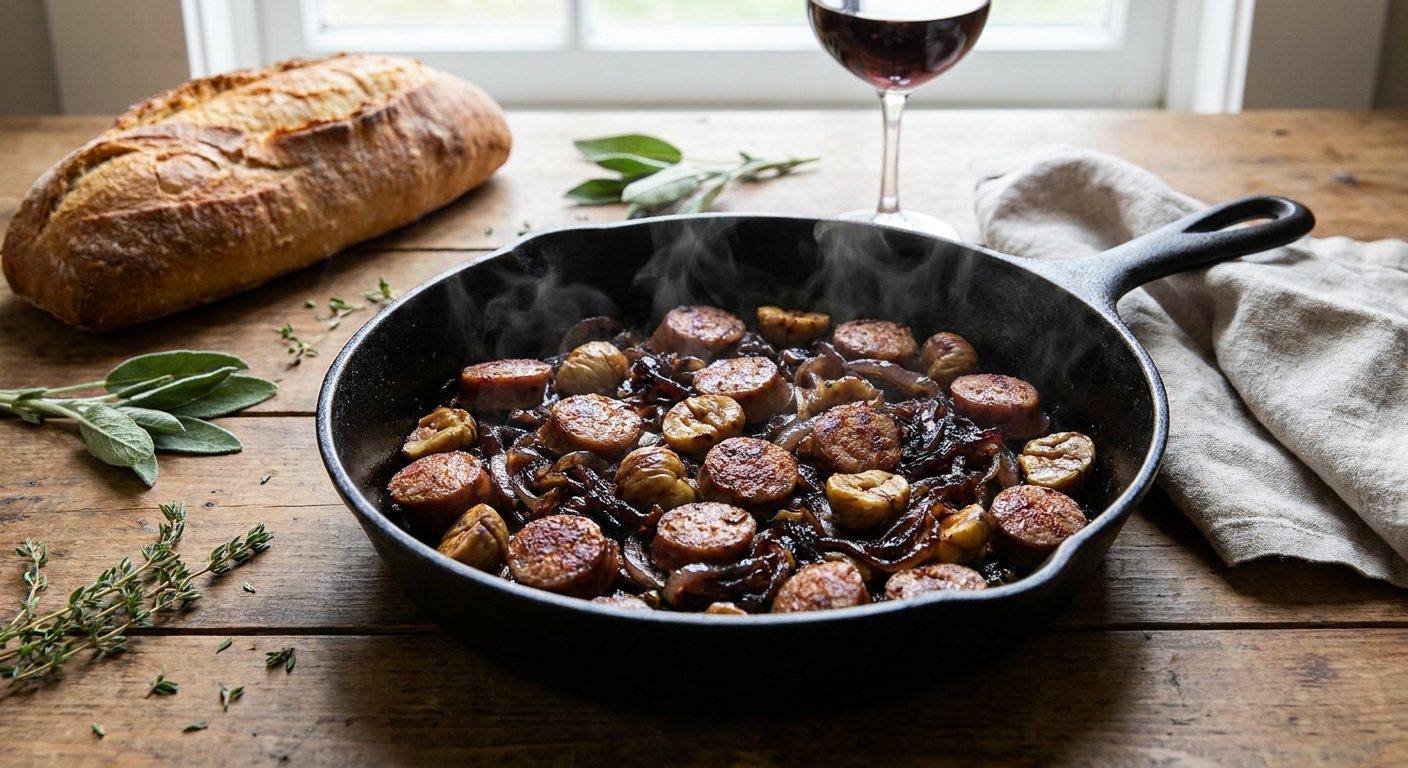
A cozy weeknight pan
This is one of those dinners that feels like you planned ahead, even when you absolutely did not. You brown sausage until it gets those crisp edges, soften onions until they turn sweet, then fold in chestnuts (roughly chopped or halved) just long enough to warm through and stay in satisfying chunks.
I started making this when I realized I always had some kind of sausage in the fridge and a bag of cooked, peeled chestnuts in the pantry during the cooler months. It is hearty without being heavy, and it has that slightly sweet, nutty chestnut flavor that tastes a little fancy without adding any stress.
You can make it all in a skillet for maximum browning, or go the sheet pan route and roast everything for a more hands-off dinner. Either way, the goal is the same: sausage browned and cooked through, onions silky, chestnuts warmed and intact.
What you need to know
Sausage choices: Italian sausage (sweet or hot) is my go-to, but smoked sausage works great too and cooks faster since it is already fully cooked. Chicken or turkey sausage is also a solid option if that is what you have.
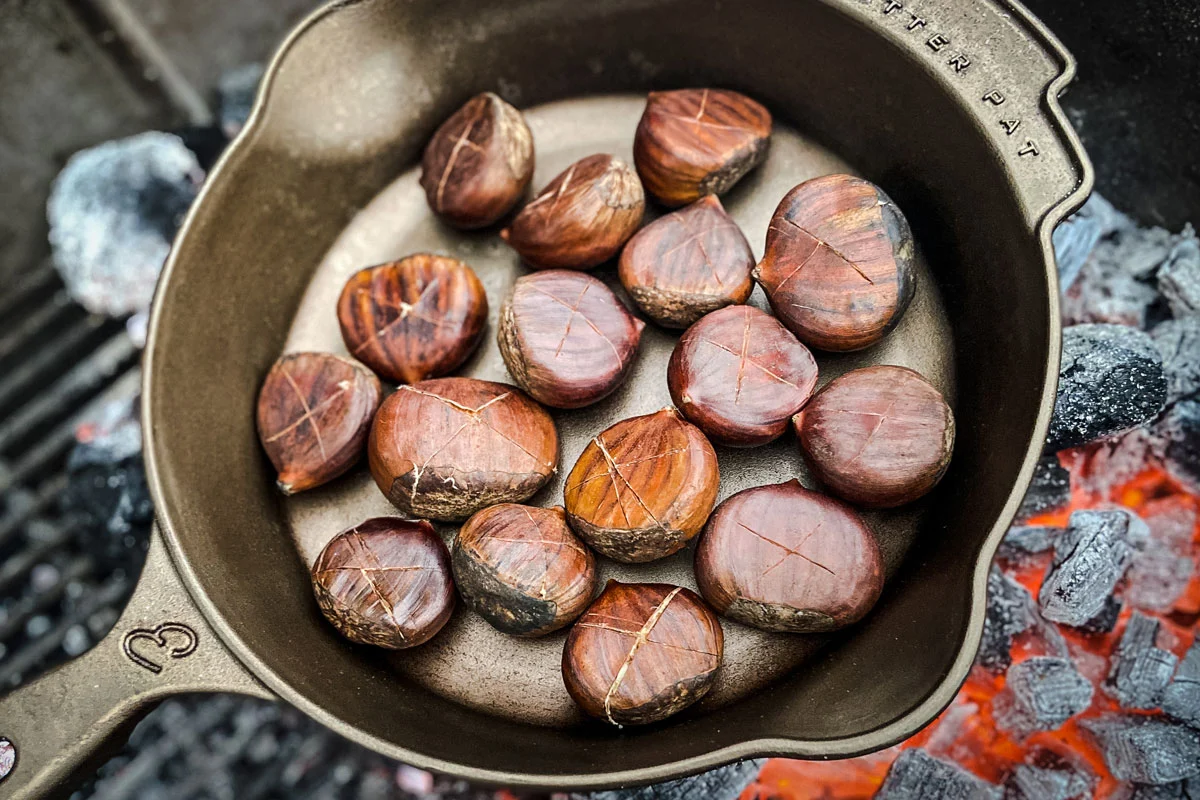
Chestnut shortcut: Cooked, peeled chestnuts (often vacuum-packed) are ideal here. If you are using freshly roasted chestnuts, peel them and let them cool a bit first so they hold their shape when you stir them in. If you want a refresher, my guide on how to roast chestnuts walks you through getting them tender and easy to peel.
Fat management: Depending on your sausage, you may have a generous layer of rendered fat in the pan. I usually spoon off a little if it looks excessive, then cook the onions in what is left so the whole thing stays glossy, not greasy.
Deglazing option: If you deglaze with broth or wine, it is optional. If you use wine, let it bubble for a minute to cook off the sharp alcohol edge before moving on.
What it tastes like
Savory, peppery sausage plus sweet onions is already a winning combo. Add chestnuts and you get a soft, starchy bite that lands somewhere between a potato and a nut. The chestnuts mellow the sausage richness and make the whole pan feel complete, even before you add a side.
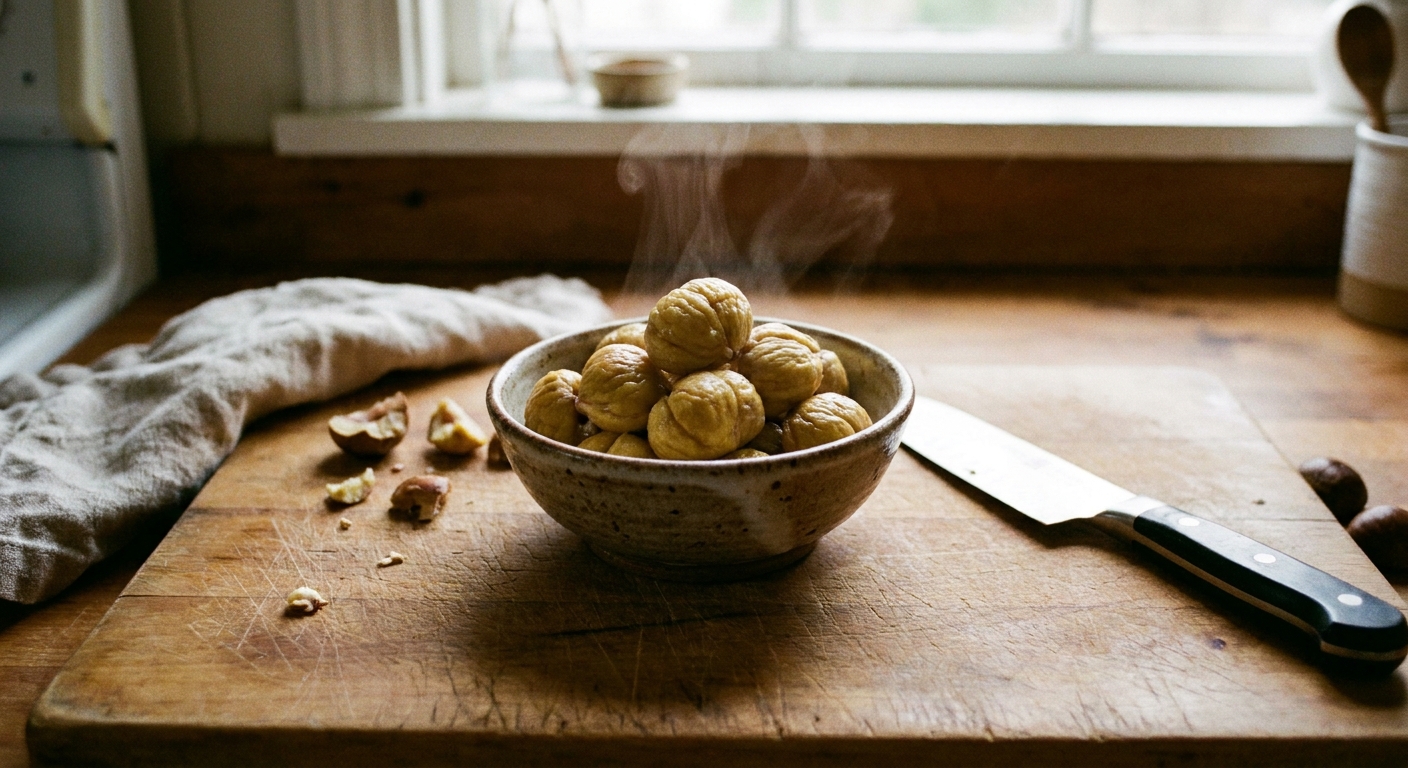
Keep chestnuts chunky
The trick is timing. Chestnuts are tender and can crumble if you stir them aggressively for too long. I like to add them near the end, then gently fold once or twice. Warm them through, do not cook them into the background.
Serving ideas
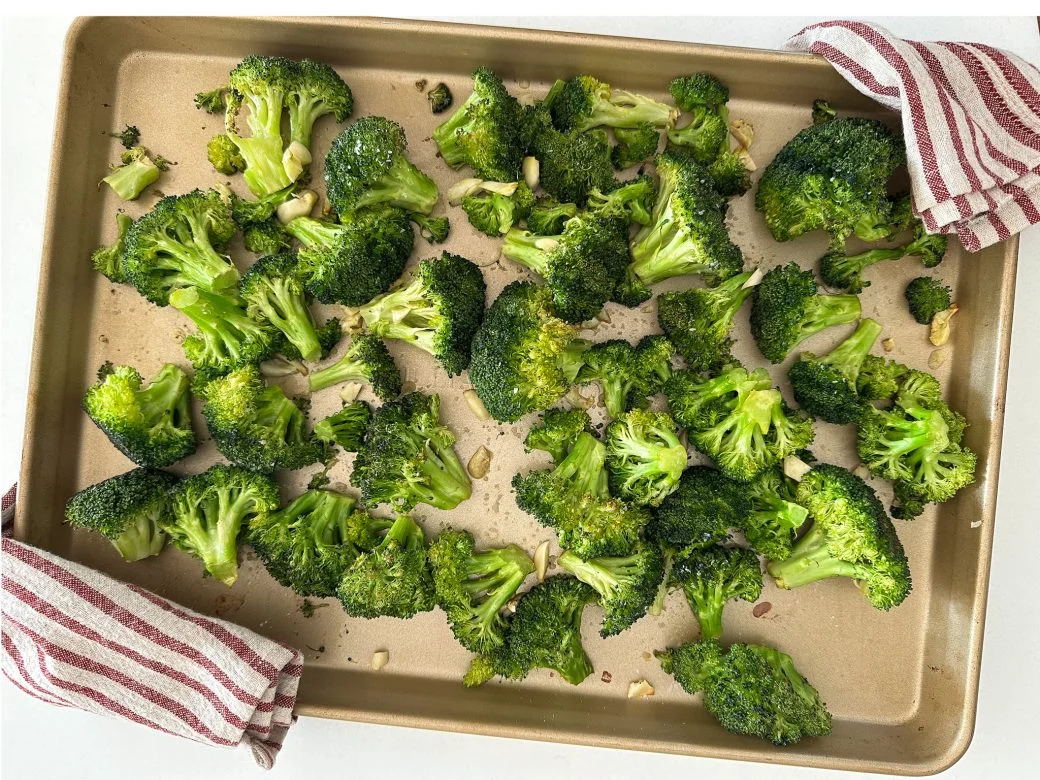
This is excellent spooned over polenta or mashed potatoes, piled onto crusty bread, or served with something green and simple. If you want an easy side that feels right with the sweet onions, roasted broccoli is always a win.
Why it works
- Sausage brings built-in seasoning: You get garlic, pepper, herbs, and salt without building a spice cabinet situation at 5:00 PM.
- Onions add sweetness: They balance salty sausage and highlight the naturally sweet chestnuts.
- Chestnuts act like a tender starch: They make the meal feel hearty without needing bread cubes or turning it into stuffing.
- Flexible cooking method: Skillet for maximum browning, sheet pan for low effort.
Ingredient notes
- Sausage: Italian sausage (sweet or hot) is the easiest win. Smoked sausage also works if you want faster cooking. Use links or bulk, just adjust slicing.
- Chestnuts: Look for cooked, peeled chestnuts (often sold vacuum-packed in the snack aisle). If you are starting from fresh, roast and peel them first, then break into large pieces.
- Onion: Yellow onion turns the sweetest as it cooks. Red onion is fine, just a bit sharper.
- Garlic and herbs (optional but lovely): A little garlic plus rosemary or thyme makes this taste holiday-cozy, even on a Tuesday.
- Liquid for deglazing (optional): A splash of chicken broth, apple cider, or dry white wine helps lift browned bits if your pan gets a little intense.
Equipment
- 12-inch skillet (cast iron or stainless steel for best browning)
- Chef's knife and cutting board
- Tongs or a sturdy spatula
- Instant-read thermometer (recommended for perfect doneness)
- Optional for sheet pan version: rimmed baking sheet and parchment paper
Pro tips
- Use a thermometer for zero guesswork: For pork sausage, aim for 160°F in the thickest piece. For chicken or turkey sausage, aim for 165°F.
- Brown first, then soften: Let sausage sit against the pan to develop color. Stirring too early can slow browning.
- Spoon off extra fat if needed: If your sausage renders a lot, removing a little before adding onions keeps the pan rich, not greasy.
- Add chestnuts late: Warm them for just a few minutes so they keep their shape.
- Control onion speed: If onions are browning too fast, lower heat and add a tablespoon or two of water to slow things down.
- Finish with acid: A squeeze of lemon or a tiny splash of vinegar at the end wakes up the whole pan.
Substitutes
- Chestnuts: There is not a perfect swap for their unique sweet, starchy texture, but small chunks of roasted potatoes or cooked cannellini beans can make the meal feel similarly hearty.
- Onion: Swap in leeks for a softer, sweeter flavor. Use the white and light green parts.
- Garlic: Use a pinch of garlic powder if that is what you have.
- Butter: Olive oil works great, especially with Italian sausage.
Variations
- Apple + sausage + chestnuts: Add 1 chopped apple with the onions for a sweet-savory vibe.
- Greens welcome: Stir in baby spinach at the very end, just until wilted.
- Spicy-sweet: Use hot Italian sausage and finish with a drizzle of honey.
- Sheet pan version: Roast sausage and onions first, then add chestnuts for the last few minutes so they do not dry out.
Serving ideas
- Spoon over creamy polenta or mashed potatoes.
- Serve with a simple green salad and a sharp vinaigrette.
- Pair with roasted vegetables like broccoli. (If you want an easy side, see roasted broccoli.)
- Make it brunch-friendly with a fried egg on top.
Storage
- Refrigerate: Store leftovers in an airtight container for up to 3 to 4 days.
- Reheat: Warm gently in a skillet over medium-low with a splash of water or broth. Microwave works too, but go in short bursts so the chestnuts do not turn mealy.
- Freeze: Freezing is possible, but chestnuts can become crumbly after thawing. If you do freeze, thaw overnight in the fridge and reheat gently.
Common mistakes to avoid
- Overcooking chestnuts: They go from chunky to crumbly fast. Add them late.
- Crowding the pan: If everything is piled up, sausage steams instead of browns. Use a big skillet or cook in batches.
- Guessing doneness: Sausage can look browned before it is cooked through. Check 160°F for pork and 165°F for poultry.
- Too-high heat the whole time: High heat is great for browning sausage, but onions need a calmer heat to turn sweet instead of bitter.
FAQ
Do chestnuts need to be cooked before adding them?
Yes. Use cooked, peeled chestnuts (vacuum-packed is easiest), or roast fresh chestnuts first. Then add them just to warm through.
Can I make this with smoked sausage?
Absolutely. Smoked sausage is already fully cooked, so you are mainly browning it for flavor. You can move faster and add chestnuts once onions are tender.
How do I know the sausage is done without a thermometer?
Slice the thickest piece. The center should be opaque with no pink left, and juices should run clear. A thermometer is still the most reliable.
Is this the same as chestnut stuffing?
No. This is a sausage dinner with chestnut pieces. There are no bread cubes and it is not baked as dressing.
Recipe Summary
Browned sausage, sweet onions, and chunky chestnuts come together in one pan for a cozy, fast dinner. Includes skillet and sheet pan options, plus clear doneness cues.
- Prep Time
- 10 minutes
- Cook Time
- 20 minutes
- Total Time
- 30 minutes
- Servings
- 4
Ingredients
- 1 tablespoon olive oil
- 1 1/4 pounds Italian sausage links (sweet or hot), sliced into 1/2-inch coins (or use bulk sausage)
- 1 large yellow onion, thinly sliced
- 1/2 teaspoon kosher salt, plus more to taste
- 1/4 teaspoon black pepper
- 2 cloves garlic, minced (optional)
- 8 ounces cooked, peeled chestnuts, broken into large bite-size pieces
- 1 teaspoon chopped fresh rosemary or thyme (optional)
- 2 to 4 tablespoons chicken broth, dry white wine, or water (optional, for deglazing)
- 1 teaspoon lemon juice or 1/2 teaspoon apple cider vinegar (optional, to finish)
Instructions
- Brown the sausage: Heat a large skillet over medium-high heat. Add olive oil. Add sausage in an even layer and cook, stirring occasionally, until browned on multiple sides, 6 to 8 minutes.
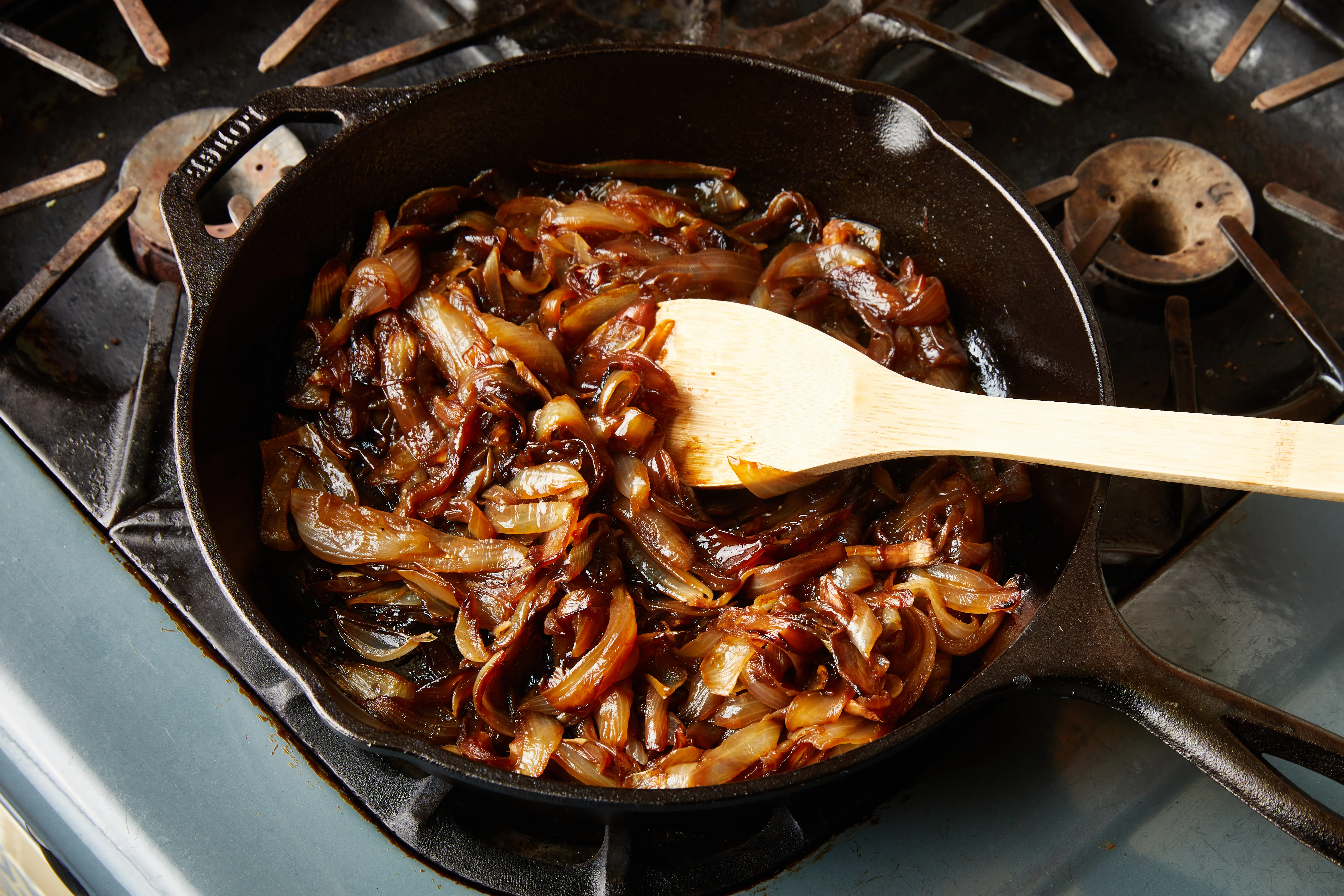
- Add onions: Add sliced onion, salt, and pepper. Reduce heat to medium. Cook, stirring occasionally, until onions are softened and lightly golden, 8 to 10 minutes. If the pan looks dry or onions start to brown too quickly, add 1 to 2 tablespoons broth, wine, or water.
- Check doneness: Make sure sausage is cooked through. The safest cue is temperature: pork sausage should reach 160°F and chicken or turkey sausage should reach 165°F in the thickest piece.
- Add garlic and herbs (optional): Stir in garlic and rosemary or thyme and cook 30 seconds, just until fragrant.
- Warm the chestnuts: Add chestnut pieces and gently fold them in. Cook 2 to 3 minutes, just until warmed through. Keep stirring minimal so the chestnuts stay chunky.
- Finish and serve: If you want, add a final splash of broth, wine, or water to loosen browned bits. If using wine, let it bubble briefly to cook off the alcohol edge. Turn off heat and stir in lemon juice or vinegar. Taste and add more salt and pepper if needed. Serve hot.
- Optional sheet pan method: Heat oven to 425°F. Toss sliced sausage and onion with olive oil, salt, and pepper on a rimmed sheet pan. Roast 15 minutes, stir, then roast 5 minutes more. Add chestnuts and roast 3 to 5 minutes, just until warmed. Check sausage doneness: 160°F for pork or 165°F for poultry. Finish with herbs and lemon or vinegar, if using.
Notes
Chestnuts are tender. Add them near the end and stir gently so they warm through without crumbling. For best browning, avoid overcrowding the pan and cook sausage in batches if needed.