Delishing
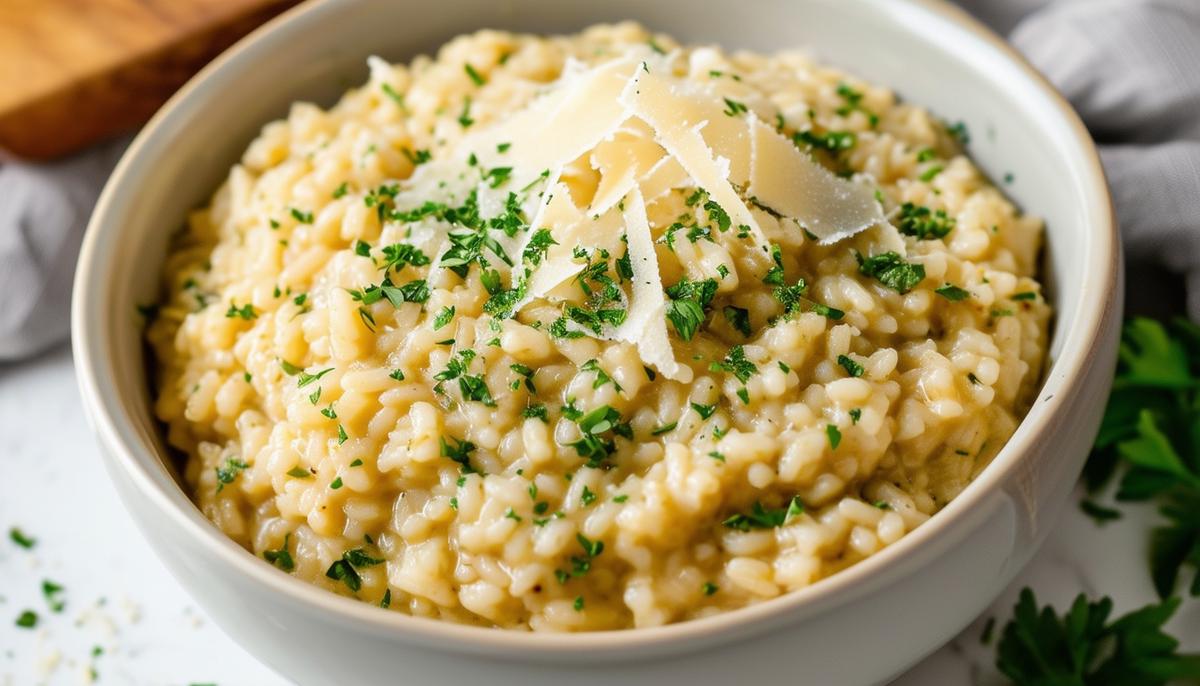
Chestnut Risotto

If risotto feels like a restaurant-only project, I get it. For years I avoided it because I thought you needed chef-level intuition, a special pan, and a calm household. What finally converted me was treating risotto like a rhythm, not a mystery: toast the rice, keep your stock warm in a small pot, add it in small doses, stir often enough to keep it from sticking and to coax out that creamy starch, and stop when it turns glossy and softly holds its shape.
This chestnut risotto is my favorite cold-weather version. Chestnuts add a subtle sweetness and a cozy, almost buttery feel that pairs beautifully with Parmesan. You can fold in chopped roasted chestnuts for texture, swirl in unsweetened chestnut purée for extra creaminess, or do both for that “wow, what is in here?” moment.
One quick note that saves a lot of heartbreak: use risotto rice. Arborio is the classic and easiest to find, and Carnaroli or Vialone Nano are also great. Long-grain rice will not give you the same creamy, spoonable result.
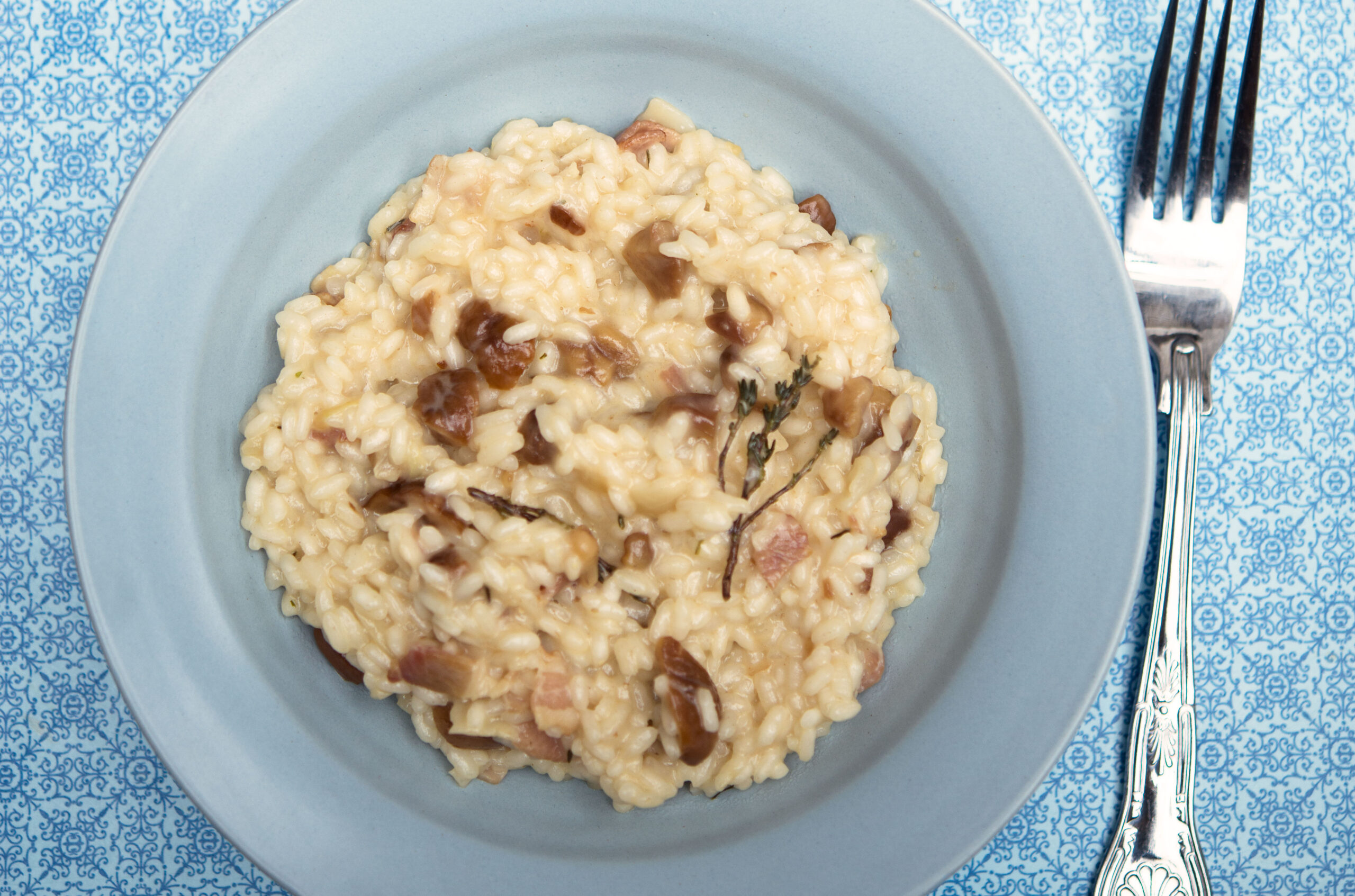
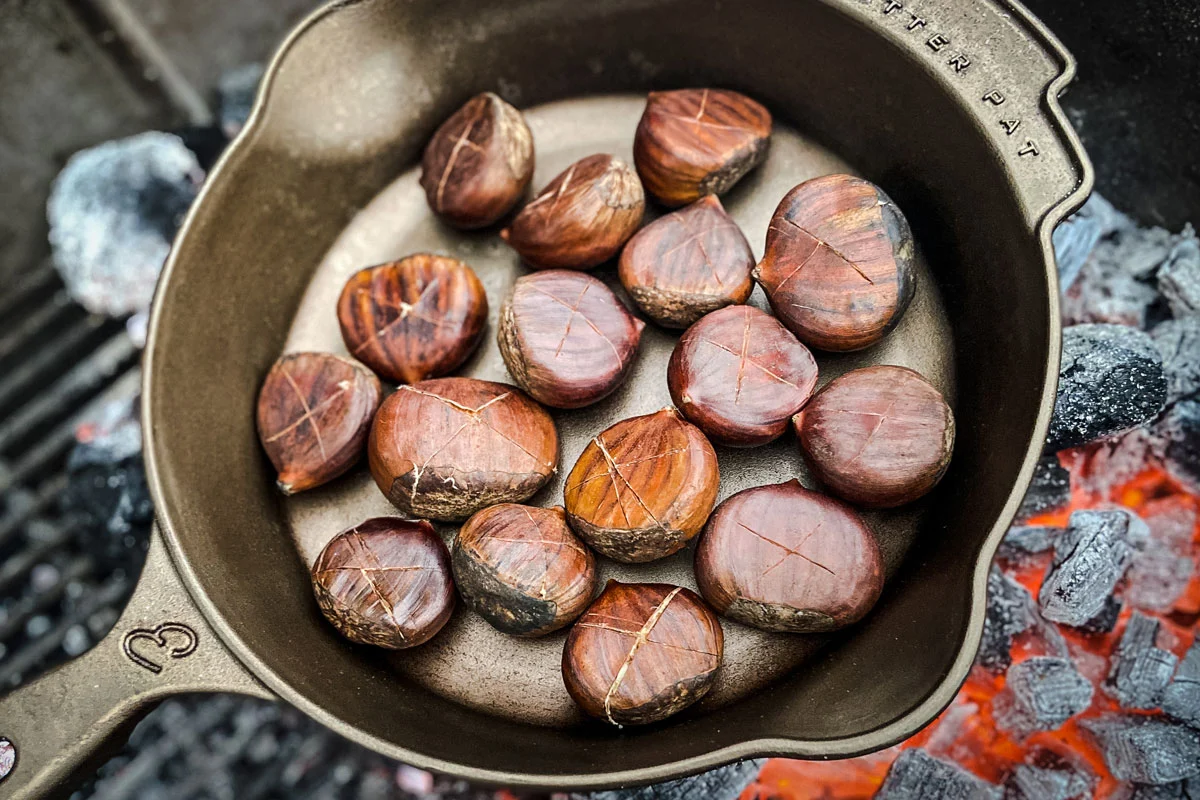
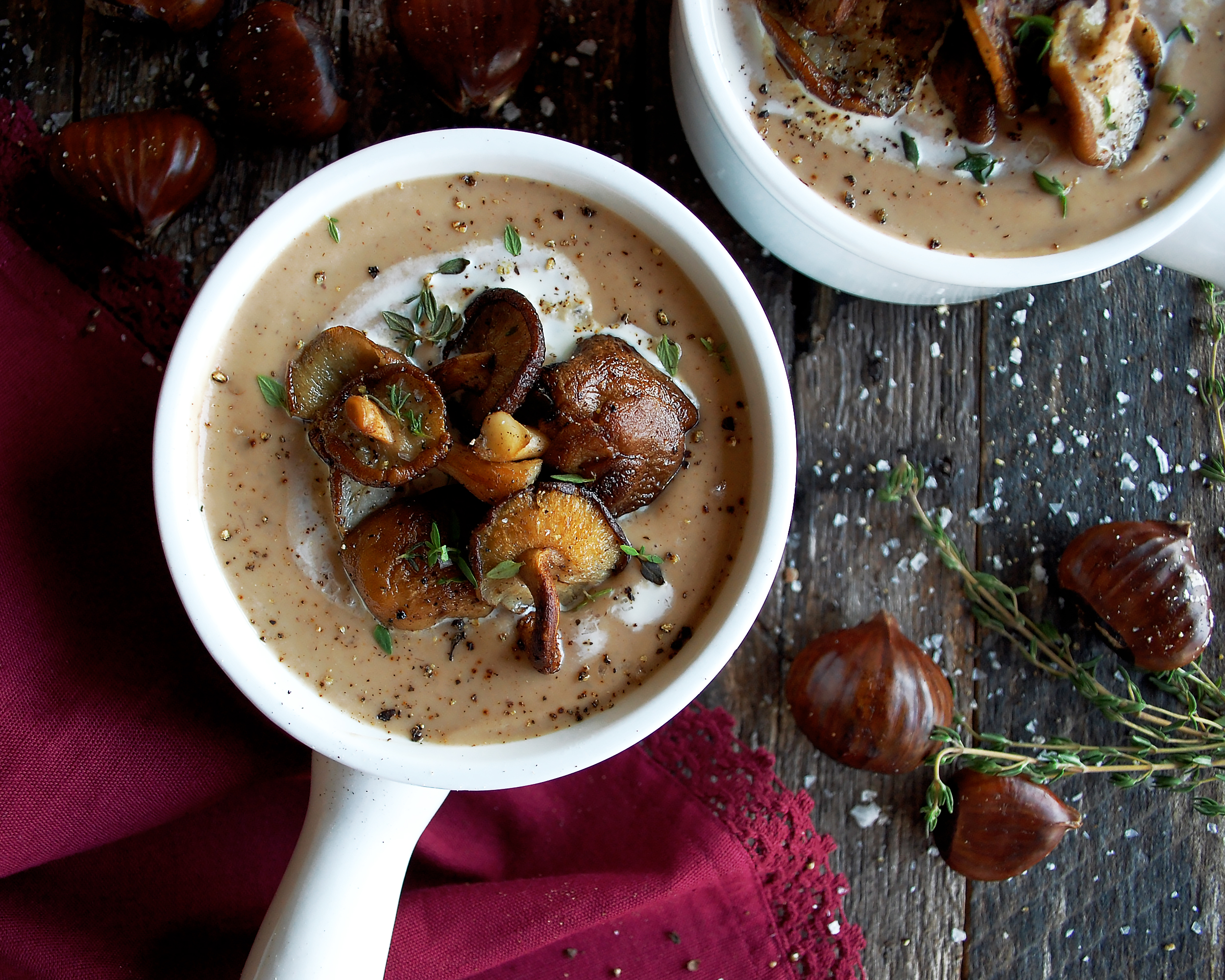
If you need a chestnut shortcut, jarred chestnuts work well here, and roasted fresh chestnuts are even better. If you want to roast your own, my step-by-step is on How To Roast Chestnuts. And if you love chestnuts as much as I do, you might also enjoy Chestnut Soup and Chestnut Stuffing.
What to expect
- Classic risotto technique with an easy ladle rhythm: add a ladleful of warm stock, about 1/3 to 1/2 cup, stir, let it absorb until the spoon leaves a trail that slowly fills in, then repeat
- Two chestnut options: chopped chestnuts for bite, purée for silkiness
- Two finishes: a classic Parmesan finish, plus an optional brown-butter drizzle for extra nutty richness
Timing note: for the best texture, stir chopped chestnuts in near the end so they stay distinct, and stir chestnut purée in off heat so it stays velvety.
Pan note: a wide, heavy-bottom pot or deep skillet is ideal here since it helps the stock absorb evenly. A taller saucepan will still work, but your timing may run a little longer and you might need an extra splash of stock at the end.
Chestnut choices
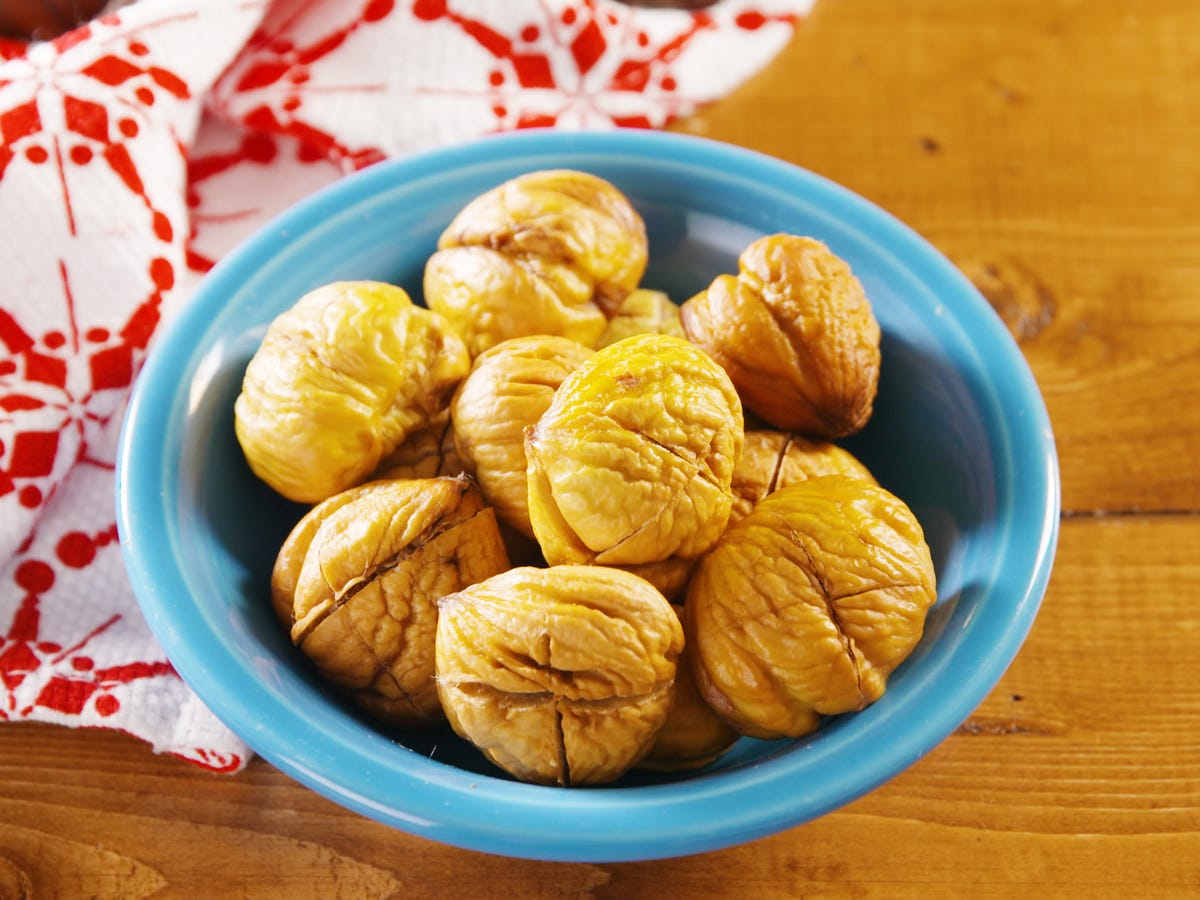
Roasted fresh chestnuts: best flavor, a little more prep. Once peeled, keep them covered so they do not dry out.
Jarred or vacuum-packed chestnuts: the weeknight hero. Rough-chop and go.
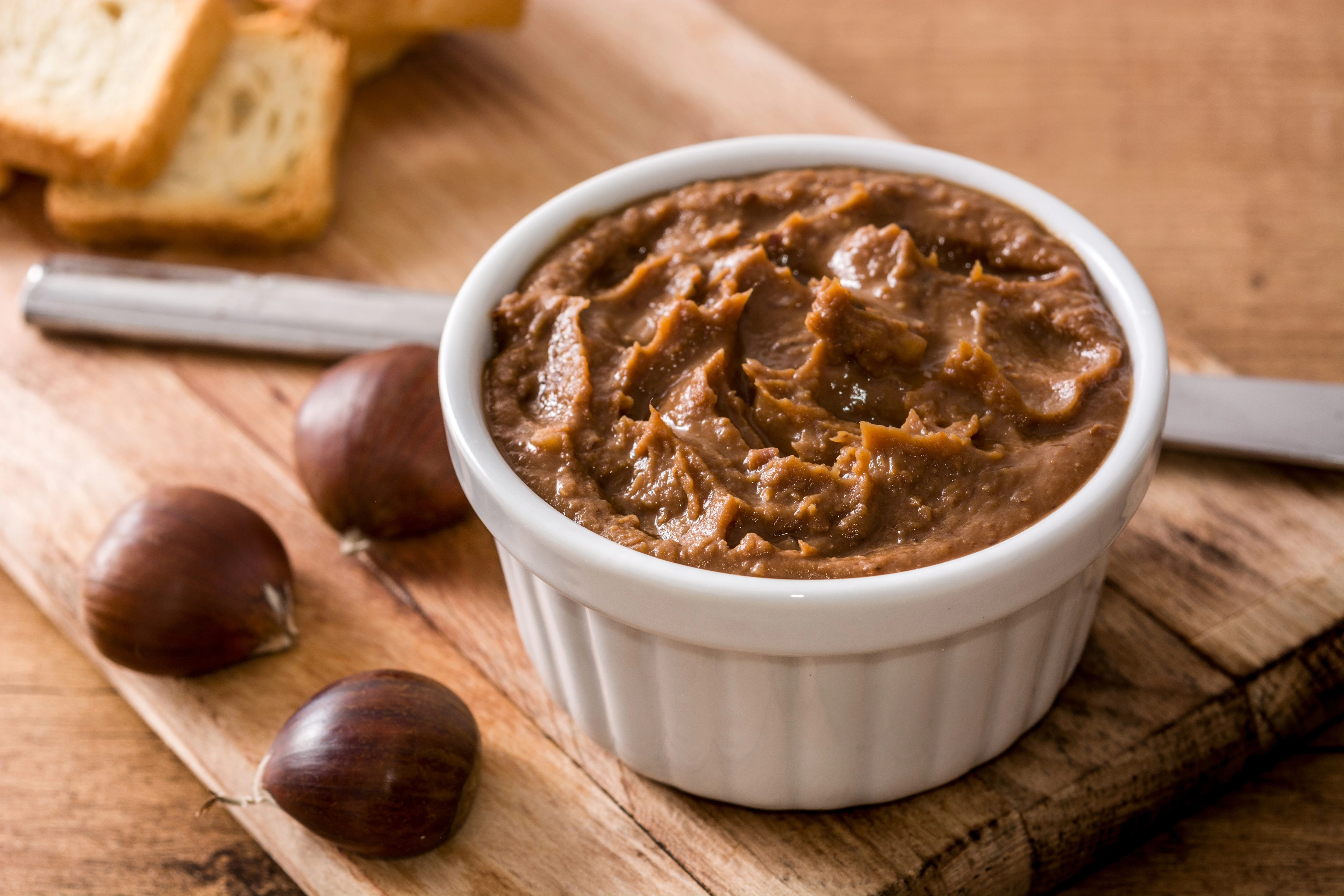
Chestnut purée: adds deep chestnut flavor and a velvety texture. Look for unsweetened chestnut purée, not sweetened chestnut spread.
Why it works
- Toasting the rice coats the grains in fat so they release starch slowly for that creamy texture without turning mushy.
- Warm stock plus small additions keeps the pot at a gentle simmer, which is how risotto cooks evenly.
- Chestnuts added near the end protect their delicate, sweet flavor and keep chopped pieces from dissolving completely.
- A final off-heat finish with butter and Parmesan gives you a glossy, restaurant-style texture called all’onda, meaning it should flow softly like a wave.
Ingredient notes
- Risotto rice: Arborio is classic and easy to find. Carnaroli or Vialone Nano also work well if you have them.
- Stock or broth: Chicken stock is rich and forgiving. Vegetable stock keeps it vegetarian. Warm it before you start so the pan never loses heat.
- Onion: A small yellow onion is perfect. Cook it until soft and sweet, not browned.
- White wine (optional): Adds brightness and helps balance the chestnut sweetness. If you skip it, use extra stock and add a squeeze of lemon at the end if needed.
- Chestnuts: Use chopped for texture, purée for creaminess, or both. Choose unsweetened chestnut purée, not sweetened chestnut spread. If you roast your own, see How To Roast Chestnuts.
- Parmesan: Freshly grated melts smoothly. Pre-shredded tends to clump.
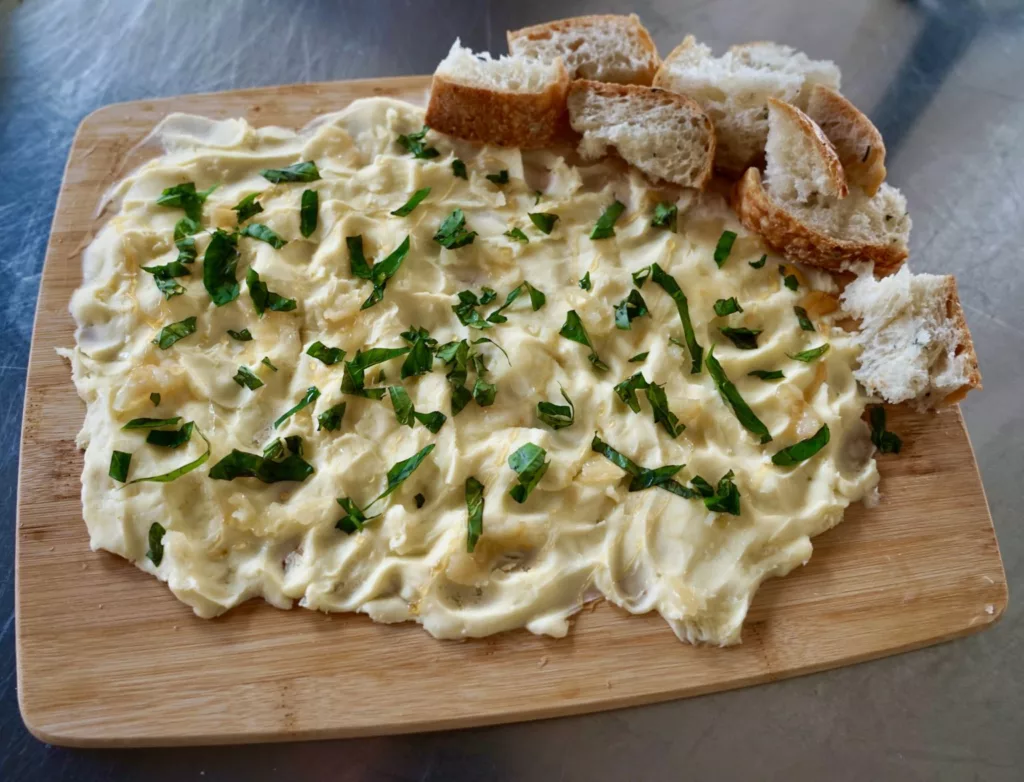
- Butter: Regular butter for classic risotto. Brown butter is optional and works best as a finishing drizzle or stir-in at the very end.
Equipment
- Wide heavy-bottom pot or deep skillet: A wider surface helps the stock absorb evenly.
- Medium saucepan: For keeping stock warm while you cook.
- Ladle: Makes portioning stock consistent.
- Wooden spoon or silicone spatula: You want something comfortable for steady stirring.
- Microplane or fine grater: For Parmesan that melts fast.
Pro tips
- Set your risotto station before you start: warm stock on one burner, risotto pot on the other, ladle and spoon within reach. This is my number one stress-reducer.
- Use a wide pan if you can: a wide, heavy-bottom pot or deep skillet helps the liquid absorb evenly and keeps the timeline more predictable.
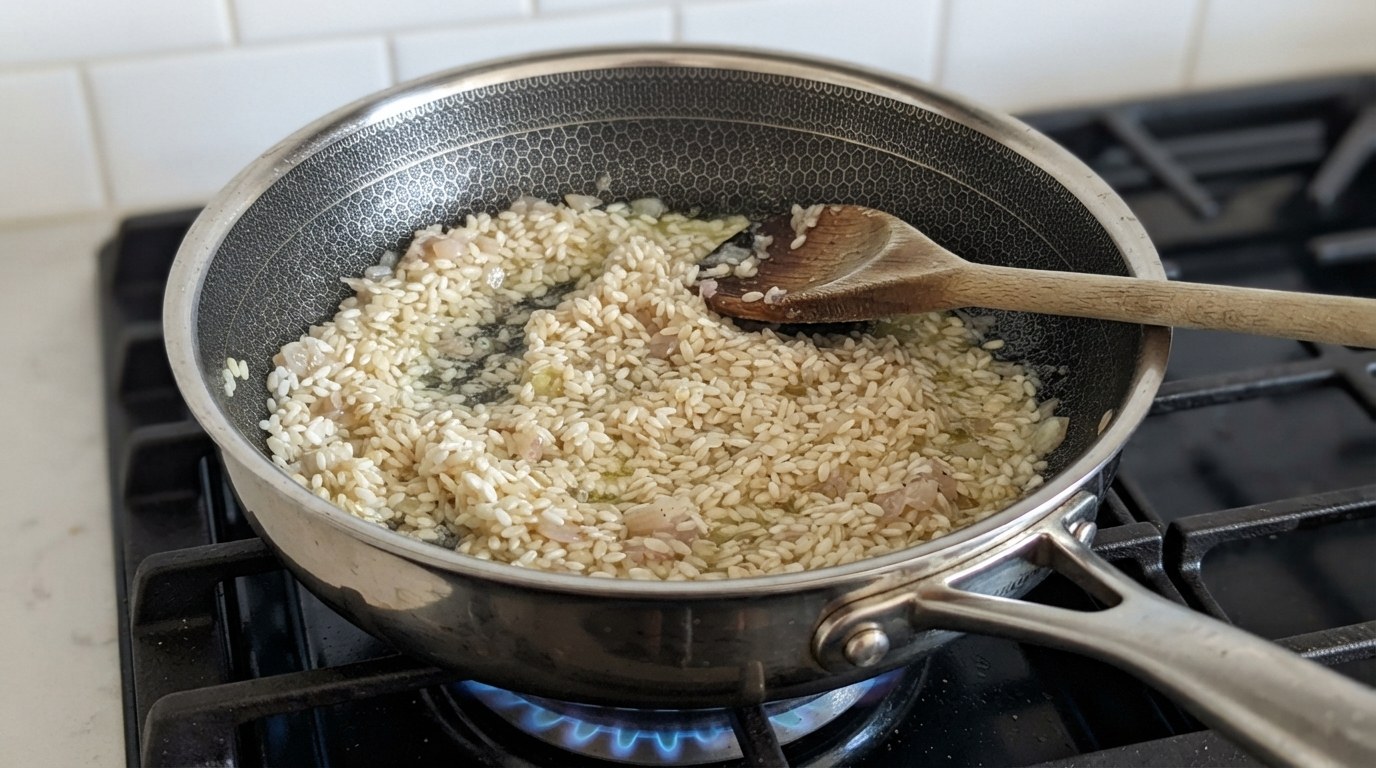
- Toast until the edges look translucent: You should smell a gentle nuttiness from the rice before you add wine or stock.
- Use a simple ladle rhythm: Add about 1/2 cup at a time, stir, and keep the mixture at a lively simmer. When the spoon leaves a trail that slowly fills in, it is time for the next ladle.
- Start tasting early: Begin tasting around 16 to 18 minutes. Your stove and pan change the timeline more than you think.
- Finish off heat: Turn off the heat before adding butter, Parmesan, and chestnut purée so the texture stays silky, not greasy.
Substitutes
- No wine: Skip it and add an extra ladle of stock. Finish with a small squeeze of lemon to brighten.
- No Parmesan: Pecorino Romano works but is saltier, so add it slowly and taste.
- Need vegetarian: Use vegetable stock and either keep the Parmesan (many vegetarians do) or swap to a vegetarian hard cheese alternative.
- Need gluten-free: Risotto is naturally gluten-free, but double-check your stock and any pre-prepped chestnuts for additives.
Variations
- Mushroom chestnut risotto: Sauté sliced mushrooms until browned, then proceed. Stir them in with the chestnuts.
- Sage and brown butter: Crisp a few sage leaves in the butter as it browns, then drizzle over finished risotto.
- Apple and chestnut: Add finely diced sautéed apple near the end for a sweet-savory holiday feel.
- Greens: Fold in baby spinach right after the last ladle of stock. It will wilt in a minute.
Serving ideas
- Serve as a cozy main with a simple salad and something crisp and green like Roasted Broccoli.
- Make it a holiday side next to Roast Chicken with Lemon Thyme.
- Top with a fried egg for a luxurious, pantry-friendly dinner.
- For a seafood pairing, keep it simple with Pan-Seared Scallops on top.
Storage and reheating
- Refrigerate: Cool, then store in an airtight container for up to 3 days.
- Reheat: Warm in a saucepan over medium-low with a splash of stock or water, stirring until creamy again.
- Freezing: You can freeze risotto, but the texture softens. If you do, thaw overnight in the fridge and reheat with extra liquid.
Common mistakes
- Adding cold stock: This cools the pot and slows cooking, which makes the texture uneven. Keep stock warm the whole time.
- Walking away too long: Risotto does not need frantic stirring, but it does need attention. Stay close and stir often.
- Cranking the heat: Boiling hard cooks the outside faster than the inside. Aim for a steady simmer.
- Overcooking: When it is done, the rice should be tender with the faintest bite. If it is totally soft and thick like paste, it went a bit far.
- Adding cheese over high heat: This can make it clumpy or oily. Always finish off heat.
FAQ
When do you add chestnuts to risotto?
Add chopped chestnuts in the last 5 minutes so they warm through but keep their texture. Add chestnut purée even later, usually off heat with the butter and cheese, so it stays silky.
How often should I add stock?
Add stock in small additions, about a ladle or roughly 1/2 cup at a time. Wait until the rice looks mostly absorbed and the spoon leaves a trail that slowly fills in, then add the next ladle.
Do I have to stir constantly?
No. Stir frequently and consistently, especially right after adding stock. You want to stir often enough to prevent sticking and help the risotto turn creamy, but you do not need to stir nonstop.
What should risotto look like when it is done?
It should be glossy and creamy, and it should slowly spread when you spoon it onto a plate. If it stands in a firm mound, it needs a splash more stock and a good stir.
Can I make this ahead?
You can, but risotto is at its best right after cooking. If you need a head start, cook it until it is just underdone, spread on a sheet pan to cool quickly, then reheat with hot stock and finish with butter and cheese right before serving.
Chestnut Risotto Recipe
Creamy stovetop arborio risotto with onion, warm stock, and chestnuts folded in near the end. Finish with Parmesan, then add an optional brown-butter drizzle for an extra nutty, cozy twist.
Prep Time: 10 minutes
Cook Time: 30 minutes
Total Time: 40 minutes
Servings: 4
- 5 to 6 cups low-sodium chicken stock or vegetable stock, kept warm (you may not use it all)
- 2 tbsp unsalted butter, divided (or 3 tbsp if doing the brown-butter finish)
- 1 tbsp olive oil
- 1 small yellow onion, finely chopped
- 2 garlic cloves, minced
- 1 1/2 cups arborio rice
- 1/2 tsp kosher salt, plus more to taste
- 1/4 tsp black pepper, plus more to taste
- 1/2 cup dry white wine (optional)
- 1 cup chopped roasted chestnuts (from fresh roasted, jarred, or vacuum-packed)
- 1/2 cup unsweetened chestnut purée (optional, for extra creaminess, not sweetened chestnut spread)
- 1/2 cup finely grated Parmesan cheese, plus more for serving
- 1 to 2 tsp fresh lemon juice (optional, to brighten)
- 2 tbsp chopped parsley or chives (optional, for serving)
- Warm the stock. Pour the stock into a saucepan and keep it at a low simmer. You want it hot throughout cooking.
- Sauté the aromatics. In a wide heavy-bottom pot or deep skillet over medium heat, melt 1 tbsp butter with the olive oil. Add the onion and cook, stirring often, until soft and translucent, 5 to 7 minutes. Add the garlic and cook 30 seconds, just until fragrant.
- Toast the rice. Add the arborio rice, salt, and pepper. Stir constantly for 1 to 2 minutes until the grains look slightly translucent around the edges and smell lightly nutty.
- Add wine (optional). Pour in the wine and stir until it is mostly absorbed, about 1 to 2 minutes.
- Start ladling. Add about 1/2 cup hot stock. Stir until the stock is mostly absorbed and the spoon leaves a trail that slowly fills in. Keep the risotto at a gentle simmer. Repeat, adding stock about 1/2 cup at a time and stirring frequently (often enough to prevent sticking and encourage creaminess), letting each addition absorb before adding more.
- Taste and watch the texture. Begin tasting after about 16 to 18 minutes of adding stock. Continue adding stock and stirring until the rice is tender with a slight bite and the mixture looks creamy and glossy, usually 20 to 25 minutes total from the first ladle.
- Add the chestnuts. Stir in the chopped chestnuts during the last 5 minutes of cooking so they warm through without disappearing into the rice.
- Finish off heat. Turn off the heat. Stir in the remaining 1 tbsp butter and the Parmesan until melted and silky. If using chestnut purée, stir it in now until fully incorporated. If the risotto looks thick, stir in a splash of hot stock to loosen it to a softly flowing consistency.
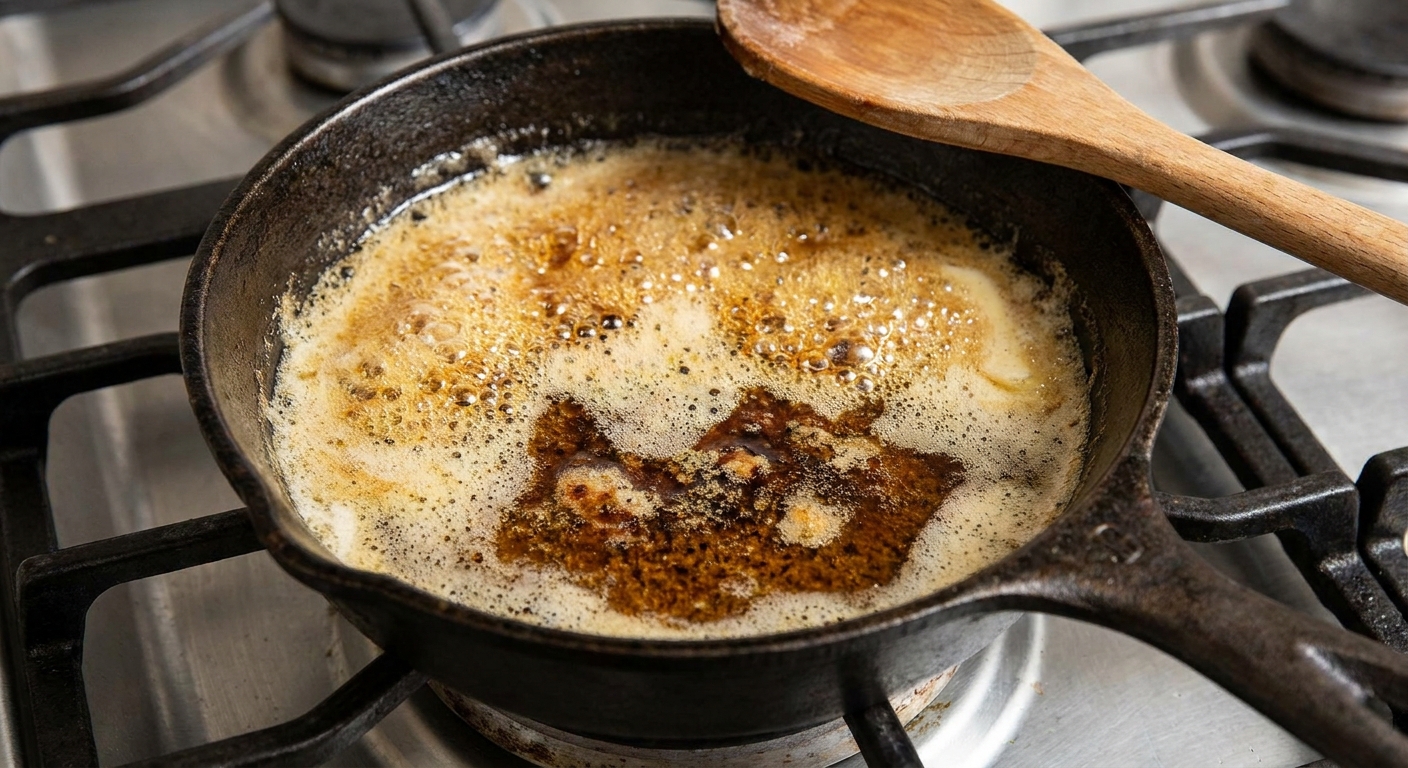
- Optional brown-butter finish. If you want the brown-butter finish, brown 2 tbsp butter in a small skillet over medium heat until it smells nutty and turns golden with brown specks, 3 to 5 minutes. Let it cool 1 minute, then drizzle over the top or stir it in right at the end.
- Brighten and serve. Taste and adjust salt and pepper. Add a little lemon juice if it needs lift. Serve immediately with extra Parmesan and herbs.
Notes
- Stock amount: The exact amount of stock depends on your pan, simmer level, and rice. Keep extra hot stock available and stop when the rice is tender and the risotto is creamy.
- Chestnuts: If your chopped chestnuts are very firm or dry, stir them in a bit earlier (around minute 15) so they soften.
- Texture target: The best risotto loosens slightly after you stir in butter and cheese. If it turns stiff before serving, add a splash of hot stock and stir again.