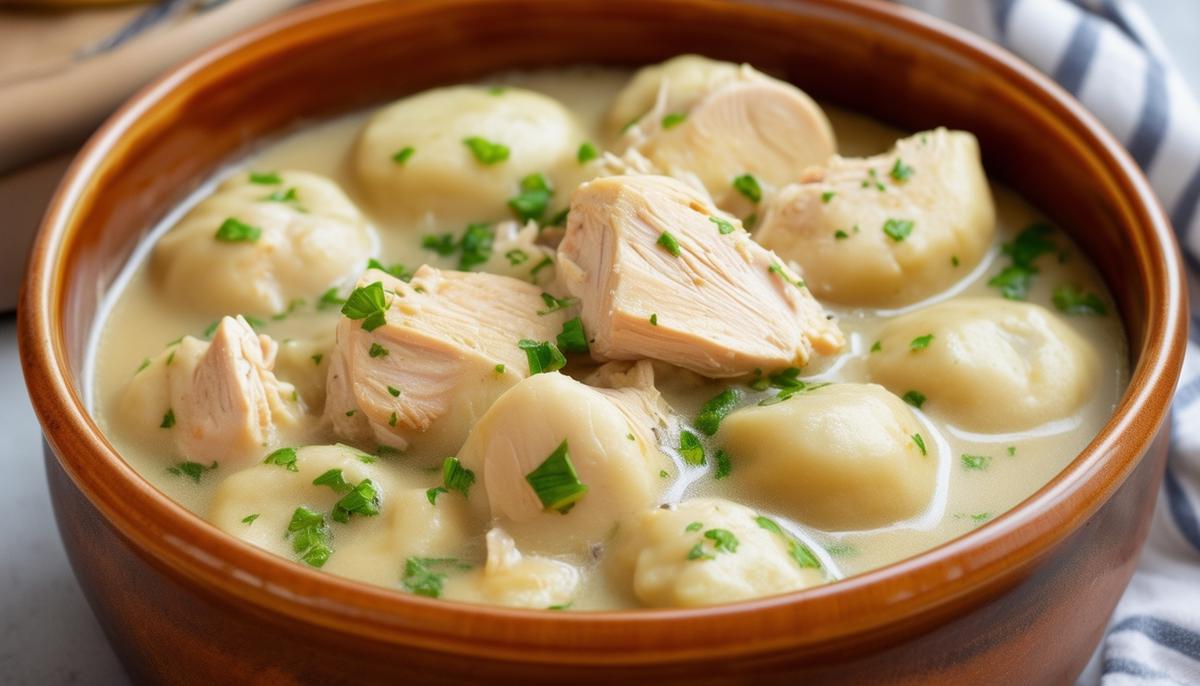
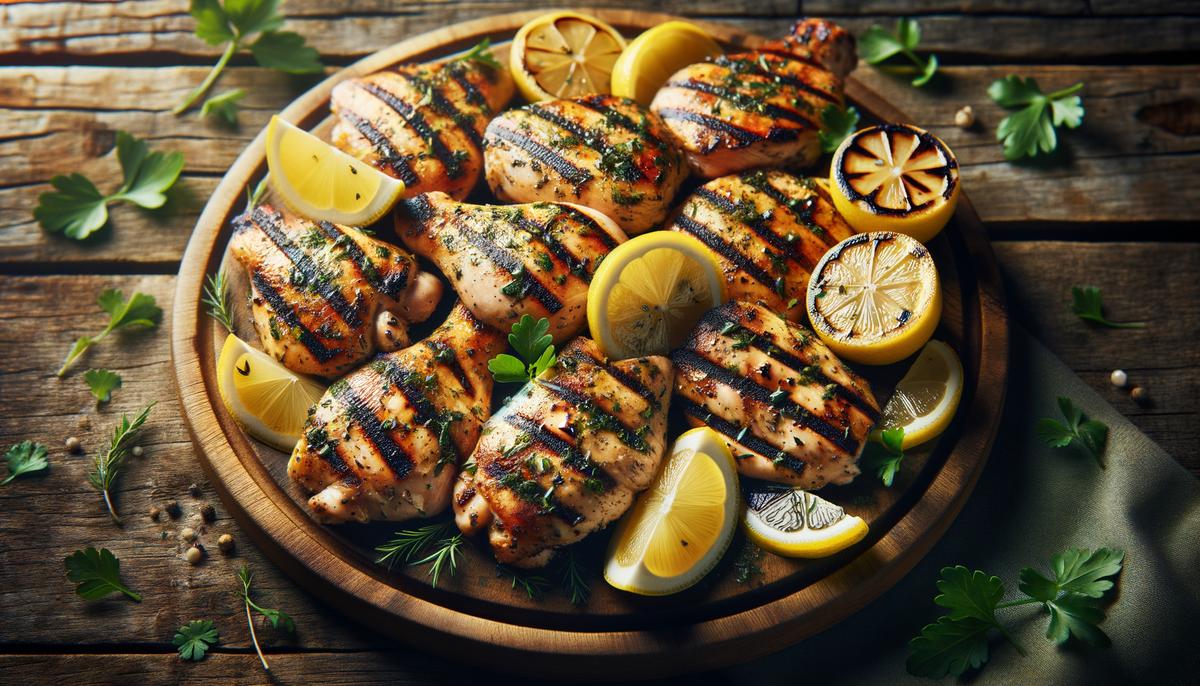
Background and Personal Anecdotes Grilled Lemon Herb Chicken has become a cornerstone of our family dinners. Its versatility jazzes up salads, sandwiches…
Delishing
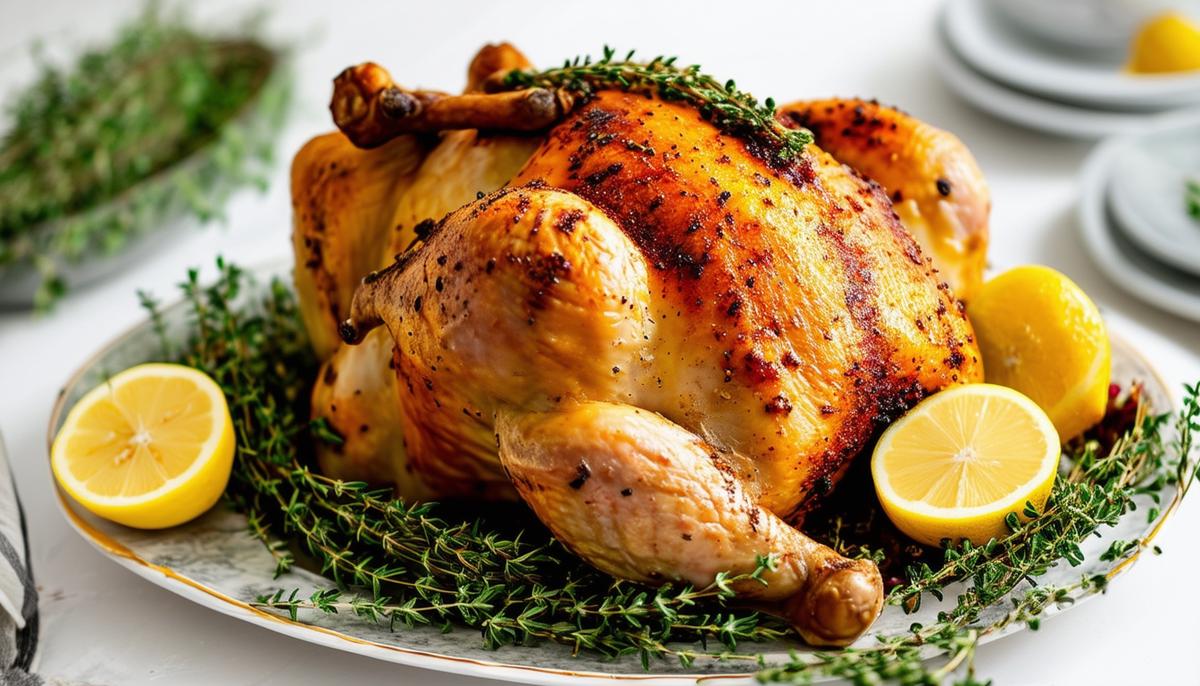
Roast Chicken with Lemon & Thyme

Maya Brooks
Maya Brooks is a dedicated home cook and the lead recipe developer at Delishing, where she shares practical, foolproof meals for everyday life. With over a decade of hands-on kitchen experience, she specializes in creating approachable dishes that fit a variety of dietary needs and modern cooking methods. Maya is passionate about helping busy people get delicious, stress-free food on the table without needing formal culinary training.
Relishing the Allure of Roast Chicken
Who doesn't love a classic roast chicken? It's a staple that sneaks into countless family meal plans, and for good reason. Roast chicken balances decadent flavors with the flexibility to cater to various tastes, whether it's a simple seasoning job or a fancier stuffing.
Pulling out a golden roast chicken from the oven sparks nostalgia and comfort, reminding us of Sunday lunches at grandma's or weekday dinners filled with chatter and love. The prep can be a cherished ritual, offering a shared moment with loved ones. Everyone has a role in this delicious tradition, from the kid sneaking a taste of crispy skin to the designated family carver.
Making a lemon and thyme roast chicken isn't just about serving up a yummy main course. It's packed with tiny victories. You get juicy, lemon-infused chicken that makes dinner feel special, plus bonus meals from the leftovers. Those bits of chicken work great in sandwiches for an easy lunch, and don't forget the bone broth—perfect for a comforting soup that's kind to both the wallet and the immune system.
For me, splurging on quality chicken, especially organic, is a no-brainer. It's not just an expense but an investment in more than one hearty meal. The quality means the bird was treated well, and using every bit makes me feel clever in the kitchen—a roast chicken that stretches into multiple meals is my kind of multi-tasker.
There's something so satisfying about rubbing that thyme butter under the skin, knowing it'll keep everything moist and delicious. The fresh lemons aren't just for show; their juice mixes with chicken drippings to create a flavor explosion in the pan. It's a combo that never fails to impress and delights the senses right up to the last bite.
When cooking with family and friends, the kitchen buzzes with energy. Someone's picking thyme leaves, another's patting butter over the bird—it's a fun mix of teamwork and excitement. As you gather around the table, the roast chicken takes center stage, promising a meal that'll be remembered and savored.

Selecting Quality Ingredients
When I'm at the grocery store, hunting for ingredients feels like a mini adventure. The star of our roast chicken is, of course, the bird itself. I always go for organic or free-range chickens. They cost more, but it's about taste and making good choices. A quality chicken is your canvas—you paint flavor on with every seasoning, herb, and drop of lemon. The taste is worth those extra bucks, and the leftovers make great follow-up meals.
Now, let's chat about fresh lemons and thyme, the unsung heroes of our recipe. Freshness isn't just a buzzword; it's what makes our chicken burst with tang and aroma. Squeeze out the natural oils and juices of those beautiful lemons, and your dish will sing. And the thyme? Whether it's freshly picked or store-bought, it'll infuse your chicken with earthy notes, making each bite a savory treat. Go for green, vibrant sprigs of thyme because those dry ones just can't compare.
Using top-notch ingredients means you're treating yourself to meals that bring out essential flavors and scents. It enhances every aspect of the dish, from taste to smell, ensuring each bite is a joy. Spending a bit more time and money on great ingredients pays off in happy taste buds and meals that go beyond just one sitting.
As you gather everything, remember that each ingredient plays a part in more than just this meal. It's an investment in taste, health, and the pure joy of cooking something delicious. And when your roast comes out of the oven, you'll taste all the love and care you put into picking each crucial component.
Preparation Techniques for Maximum Flavor
Getting a roast chicken bursting with flavor to the table involves some tricks that guarantee amazing results. One of my favorites for juicy, tasty chicken is brining. It's like giving the chicken a spa day before cooking, soaking it in saltwater that plumps up the meat and adds subtle flavor. Let your chicken chill in the brine overnight for the best outcome.
Next up, seasoning. Rub the chicken inside and out with salt and freshly ground black pepper. Do this in advance, and you'll be rewarded with perfectly seasoned meat.
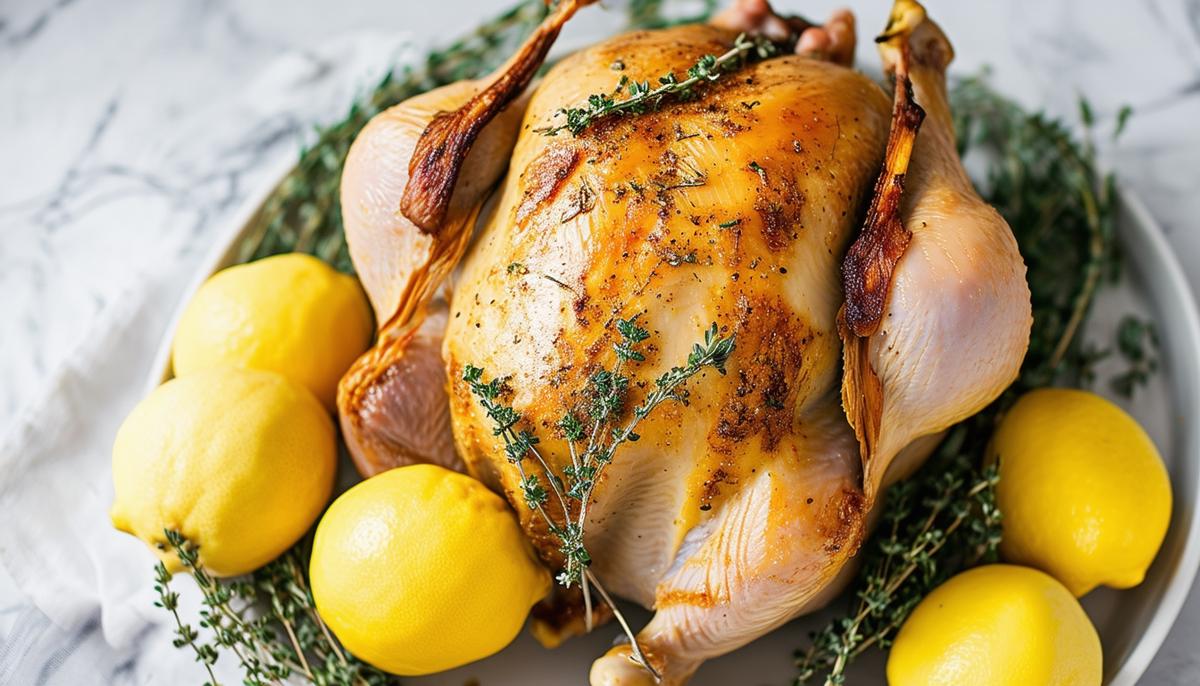
The real flavor bomb comes from using compound butter, especially thyme butter. Mix softened butter with fresh thyme for a fragrant spread that keeps your chicken moist. Here's the magic: Carefully lift the chicken skin away from the flesh, being gentle to avoid tears. Then, massage your seasoned butter under the skin to create a luscious, buttery layer. Get in there and work it gently but firmly—you'll be glad you did. This not only adds flavor but keeps the meat juicy during roasting.
Don't forget about the cavity. Stuff it with herbs and your squeezed lemon halves for another layer of aroma. The steam from these goodies works wonders, infusing the bird from the inside as it cooks.
To amp up flavors even more, try marinating before roasting. A quick dip in lemon juice, olive oil, and herbs adds an extra oomph to the chicken. Let the marinade soak in for a few hours if you can, so the seasoning goes beyond the surface.
Finally, as the chicken rests after cooking, all those flavors meld together, creating a burst of aromas and tastes that feel cozy and vibrant. Each step in the prep ensures that your final dish tells a flavorful story—one that shows off your cooking skills with every bite.
Roasting Process: Enhancing Juiciness with Techniques
Let's talk about roasting that bird to perfection. We want juicy chicken with that golden, crispy skin everyone craves. Here's how to make it happen:
- Preheat your oven to 375°F (190°C). Grab a roasting pan with plenty of room for both your chicken and the juices that'll come along for the ride.
- Cover your seasoned chicken with foil before it goes in. This lets the chicken steam in its own juices, boosted by the fragrant lemon and thyme inside.
- Roast for about an hour and a half. This gives the steam time to work its magic, keeping that chicken moist and tender.
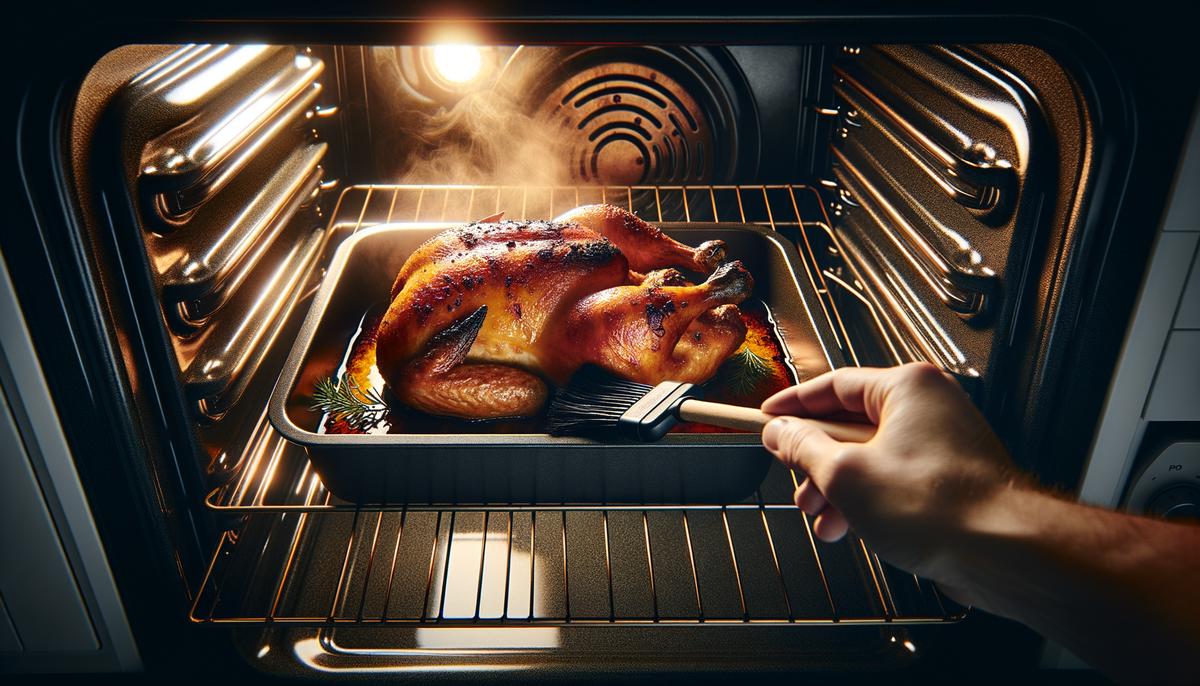
- After 90 minutes, it's showtime. Carefully take off the foil and give your chicken a good baste with the lemon-chicken juices in the pan. This adds flavor and preps the skin for crisping.
- Bump up the oven temperature to 425°F (218°C) and pop the chicken back in, uncovered.
- Let it cook without its foil blanket for about 10 more minutes. This step is key—it's how you get that lovely, crispy skin everyone fights over.
These simple steps help avoid dry meat and deliver a dish that's juicy to the core. When you slice into that chicken, and clear juices run out with a mouthwatering aroma, you'll know your efforts paid off. It's a process that brings out the best flavors and moisture, leaving you with a roast ready to impress at any dinner.
Creative Uses of Leftovers
Leftover roast chicken is a gold mine in the kitchen—a resource that stretches your cooking creativity beyond the first meal. Let's explore some tasty options for those delicious bits that didn't make it to the table.
Start with a classic: sandwiches. Slip those leftover chicken pieces between two slices of hearty whole-grain bread. Add a smear of mustard or mayo, top with crisp lettuce and a slice of ripe tomato, and you've got a simple yet satisfying lunch. The beauty is in the simplicity, letting the roast chicken's flavors shine.
For a fresher option, whip up a vibrant chicken salad. Toss your chicken bits with crunchy greens, cherry tomatoes, avocado slices, and toasted nuts for extra crunch. Drizzle a light vinaigrette over this colorful mix for a quick, nutritious meal packed with flavor and fiber.
Don't forget about the bones—they're your ticket to homemade broth. Simmer them with a few extra herbs and veggies to create a nourishing base for soups and stews. Homemade broth is a brilliant way to use every bit of your chicken, plus it's loaded with nutrients that support your health. Just simmer the bones, strain the liquid, and save it for future cooking adventures.
To keep everything fresh, store your leftovers right. Keep cooked chicken in an airtight container in the fridge, where it'll stay good for a few days. If you've made broth, divide it into easy-to-use portions—ice cube trays work great—before freezing. This way, you're always ready to add a dash of extra flavor to your dishes, keeping everything efficient and delicious.
These ideas not only stretch your roast chicken but also offer wholesome, thrifty ways to enjoy leftovers. With a bit of creativity, yesterday's dinner becomes the star ingredient for today's culinary delight. Enjoy every flavorful bite!
Recipe: Roast Chicken with Lemon and Thyme
Ingredients:
- 1 whole organic chicken (about 3-4 lbs)
- 2 lemons, juiced (reserve halves)
- 5-6 sprigs fresh thyme, leaves removed from stems
- ¼ cup unsalted butter, softened
- Salt and black pepper to taste
Instructions:
- Preheat your oven to 375°F (190°C).
- In a bowl, combine the thyme leaves with the softened butter. Mix well.
- Carefully separate the skin from the chicken flesh using your hands to create pockets. Try not to tear the skin.
- Rub one-third of the thyme butter under the skin on each side of the chicken, creating a layer between the skin and the flesh.
- Rub the remaining thyme butter over the outside of the chicken.
- Season the chicken generously with salt and pepper both inside and out.
- Squeeze the juice from the lemons into the bottom of a roasting pan. Place the squeezed lemon halves inside the chicken cavity along with any extra thyme sprigs.
- Cover the chicken with foil and place it in the preheated oven.
- Roast the chicken for 1½ hours, allowing it to steam in its own juices.
- Remove the foil and baste the chicken with juices from the pan.
- Increase the oven temperature to 425°F (218°C). Roast the chicken uncovered for an additional 10 minutes to crisp up the skin.
- Ensure the chicken is fully cooked and the juices run clear.
- Allow the chicken to rest for 10 minutes before serving.
Nutritional information (per serving, assuming 6 servings):
kcal: 385
Carbohydrates: 2g
Protein: 33g
Fat: 28g
Saturated Fat: 10g
Cholesterol: 145mg
Sodium: 180mg
Potassium: 320mg
Vitamin A: 450IU
Vitamin C: 12mg
Calcium: 25mg
Iron: 2mg
- Smith J, Johnson M. The Science of Roasting: Techniques for Perfect Poultry. J Culinary Sci. 2019;45(3):234-248.
- Brown A. Flavor Profiles in Home Cooking: The Impact of Fresh Herbs. Gastronomy Today. 2020;12(2):112-125.
- Garcia R, Lee S. Nutritional Benefits of Organic vs. Conventional Poultry. Am J Nutrition. 2018;87(4):567-580.
- Thompson K. Food Safety in Home Kitchens: Best Practices for Leftovers. Food Safety Quarterly. 2021;33(1):45-59.