Roast chestnuts the easy way with oven or skillet directions, safe scoring tips, and the steam-and-peel trick for shells that actually come off. Includes sto...
Delishing
Why Won’t My Chestnuts Peel?

Maya Brooks
Maya Brooks is a dedicated home cook and the lead recipe developer at Delishing, where she shares practical, foolproof meals for everyday life. With over a decade of hands-on kitchen experience, she specializes in creating approachable dishes that fit a variety of dietary needs and modern cooking methods. Maya is passionate about helping busy people get delicious, stress-free food on the table without needing formal culinary training.
I have a very specific kind of kitchen frustration reserved for chestnuts that look done, smell amazing, and then refuse to peel like they are glued shut. If you are staring at a pile of stubborn shells and that clingy papery inner skin (the pellicle), you did not “mess up” so much as miss one of the little conditions chestnuts need to cooperate: heat, steam, and a good score.
Goal in one sentence: get them hot, humid, and opened at the score, then peel immediately in small batches.
This is a troubleshoot-and-rescue guide for chestnuts you already cooked. If you want the full start-to-finish roasting method, head to How to Roast Chestnuts. For now, let’s get these peeled.
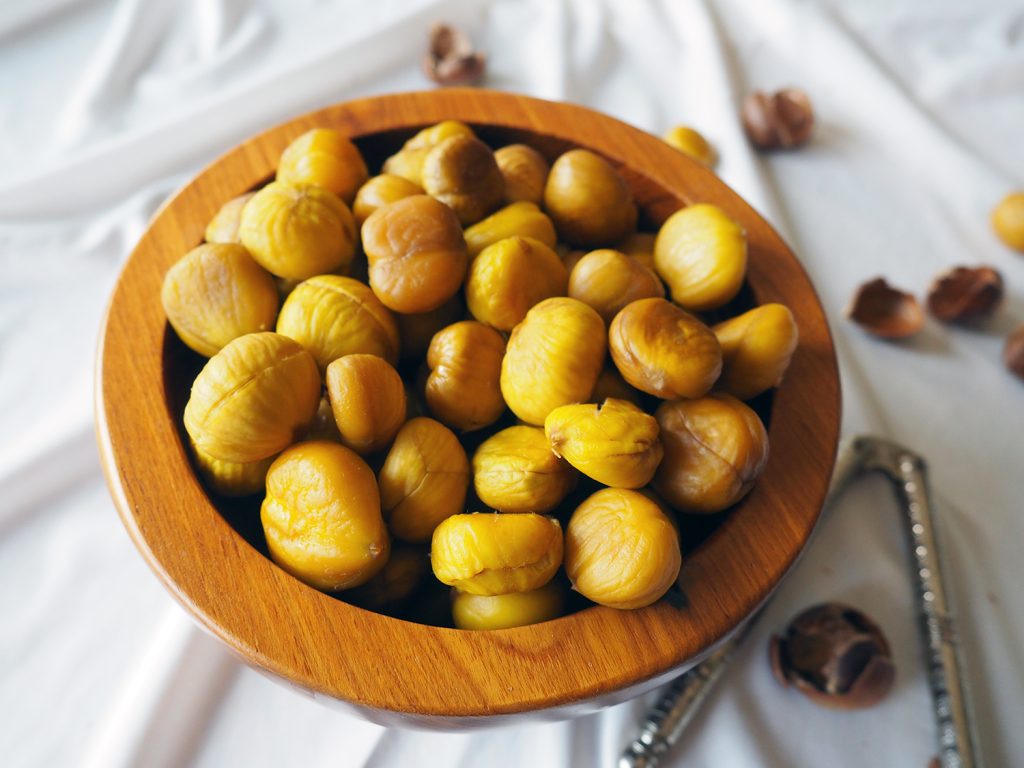
Quick diagnosis: what “stuck” looks like
Chestnuts have two layers that can fight you:
- The hard outer shell: usually the issue when the cut is too shallow or too small.
- The papery inner skin (pellicle): the usual culprit. It clings tight when the nut cools or dries out, or when the nut was older to begin with.
Most peeling problems are a timing and moisture issue, not a cooking time issue.
The top reasons chestnuts won’t peel
1) They cooled down before you peeled them
Chestnuts peel best when they are hot and steamy. As they cool, the inner skin contracts and grips the nut. This can happen quickly, often within 10 to 15 minutes on the counter.
2) The score was too shallow, too small, or in the wrong spot
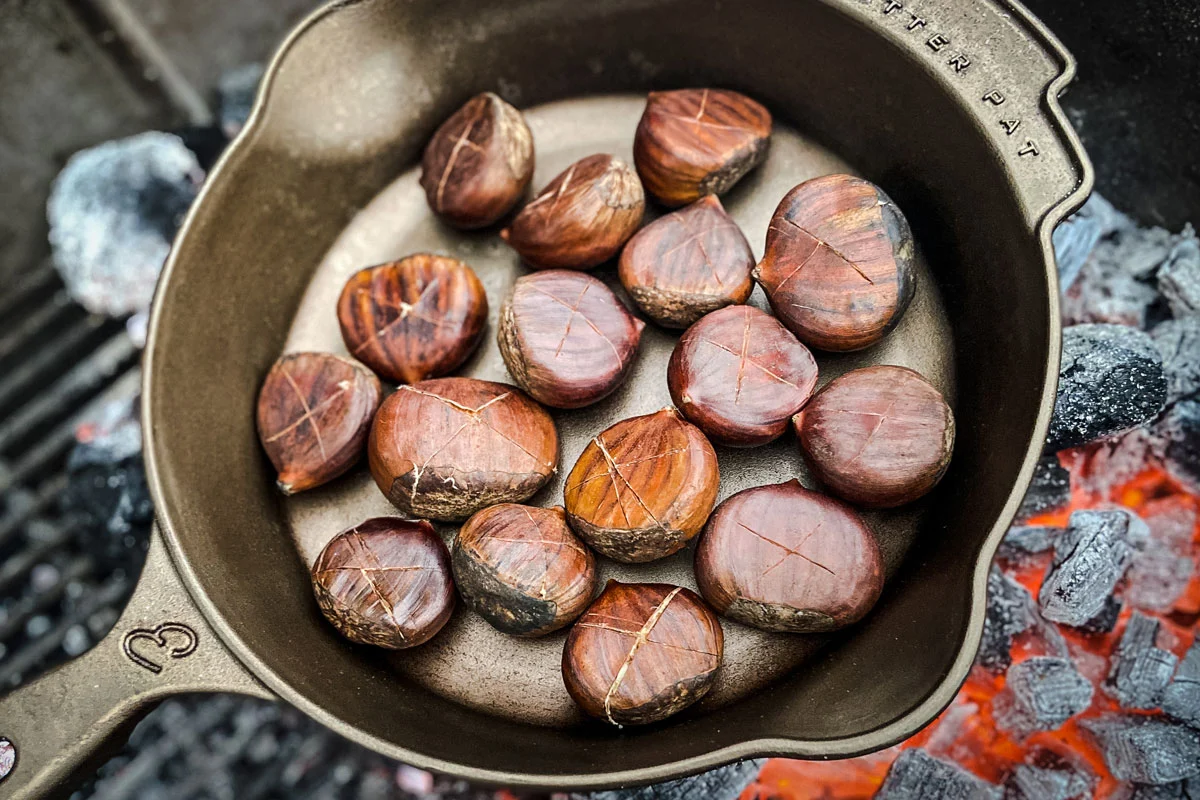
The score is not just there to vent steam and keep the shells from splitting unpredictably. It is also the “starting point” that lets steam work under the shell and loosens everything for peeling. If you only nicked the surface, the shell does not open and the inner skin stays welded on.
3) The chestnuts were old or dried out
Older chestnuts lose moisture in storage. Less internal moisture means less steam, and steam is what helps the shell and pellicle release. If the nuts feel very light for their size, look shriveled, or have lots of rattle inside the shell, peeling will be harder even if you cooked them correctly.
If you are not sure whether your nuts are still good, check our guide on how to tell if chestnuts have gone bad.
4) The cooking method did not create enough steam inside the shell
Dry heat can work beautifully, but it is less forgiving. If your method didn’t trap moisture (or the nuts were already dry), you get shells that crack but inner skins that cling. Methods that add steam tend to be easier for peeling.
Rescue fixes that actually work
Pick the rescue based on what you are seeing. You can also combine them, for example re-warm then towel rub.
Fix 1: Re-warm them with steam
If your already cooked chestnuts cooled, treat them like they need to be reset for peeling.
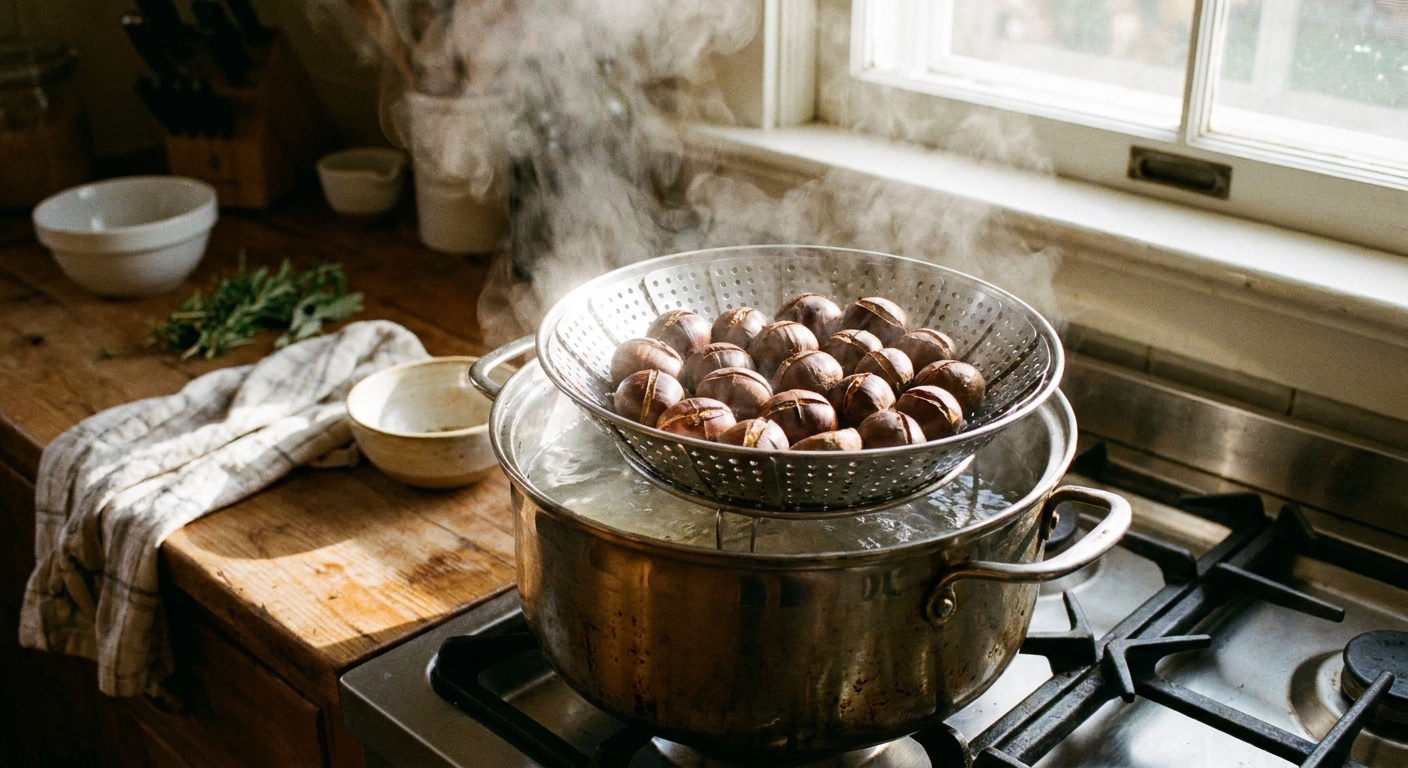
- Bring a small pot with an inch or two of water to a simmer.
- Add cooked chestnuts to a steamer basket or colander set over the pot.
- Cover and steam 3 to 5 minutes.
- Peel immediately, one at a time, keeping the rest covered with a towel so they stay hot.
Careful: steam burns are real. Use tongs or a slotted spoon to lift hot nuts, and peel slowly at first to avoid a surprise puff of steam.
Steam rehydrates the shell and softens the inner skin just enough to release.
Fix 2: Quick boil when the inner skin is the problem
If the shell comes off but the papery skin is fusing to the nut, boiling can help more than roasting-style heat.
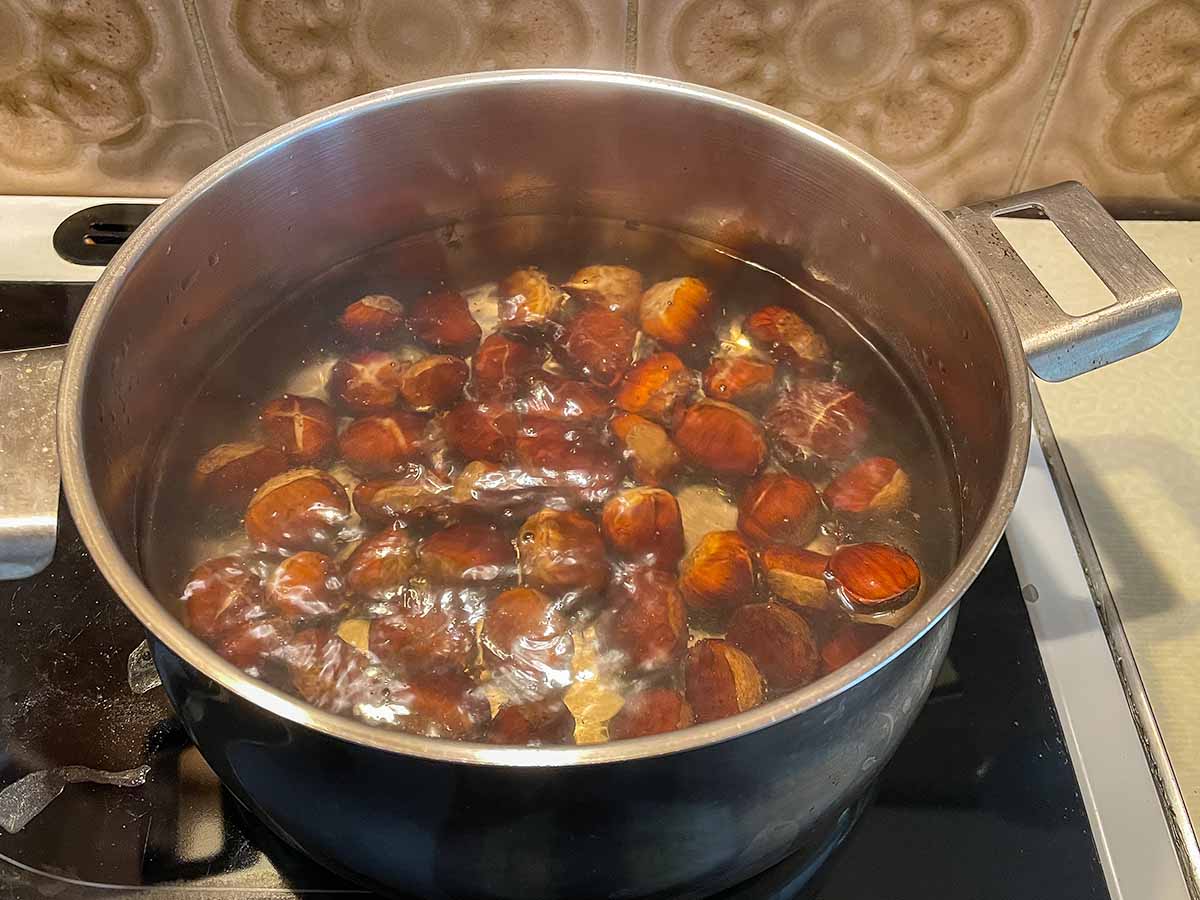
- Simmer the cooked chestnuts in water for 2 to 4 minutes.
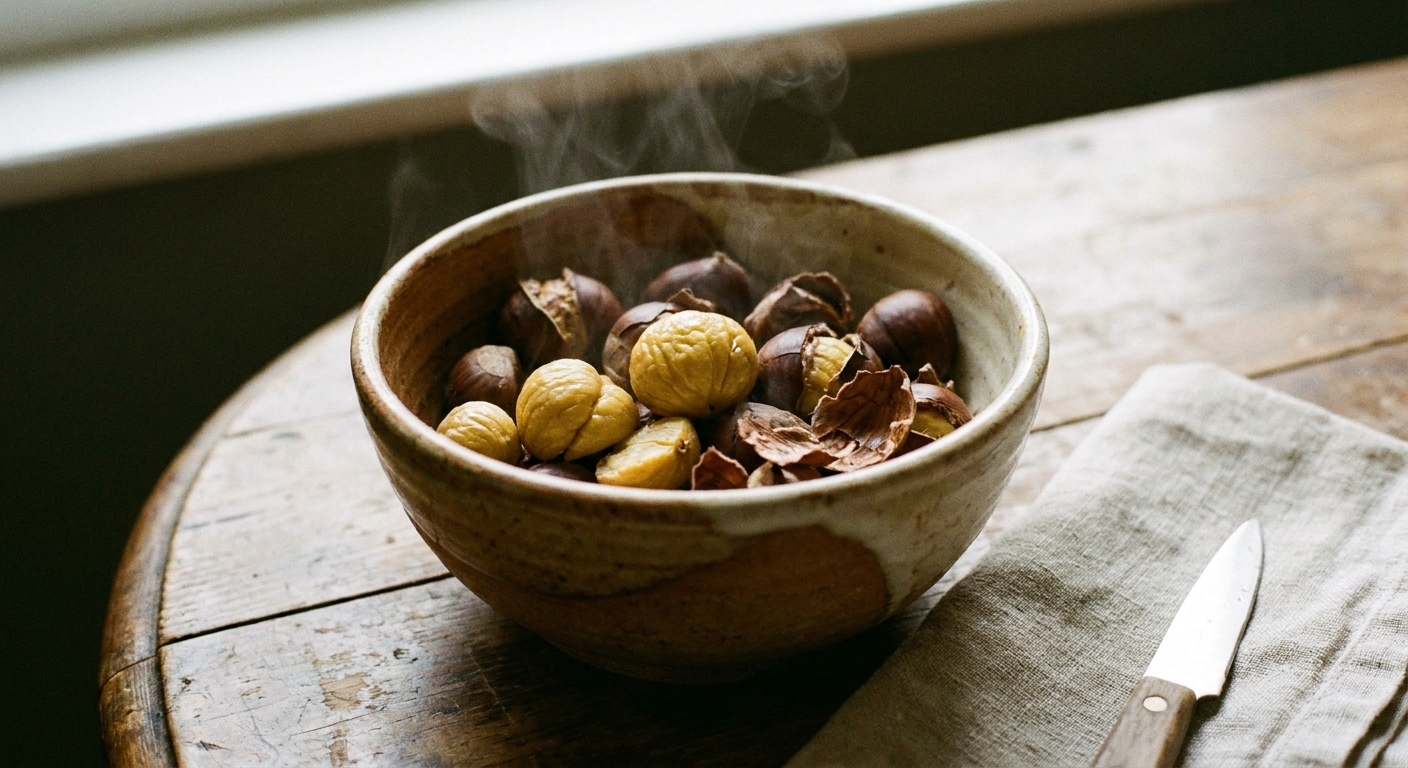
- Drain (a slotted spoon helps), then peel while hot.
Keep a small bowl of hot water nearby and drop peeled chestnuts in so they stay warm and supple while you finish the batch.
Fix 3: The towel rub trick
This works when the shells have split but are annoying to pick off.
- Put hot chestnuts in a clean kitchen towel.
- Wrap them up and rub firmly for 15 to 30 seconds.
- Unwrap and peel any remaining bits by hand.
The friction helps separate shell fragments and can pull off loose inner skin.
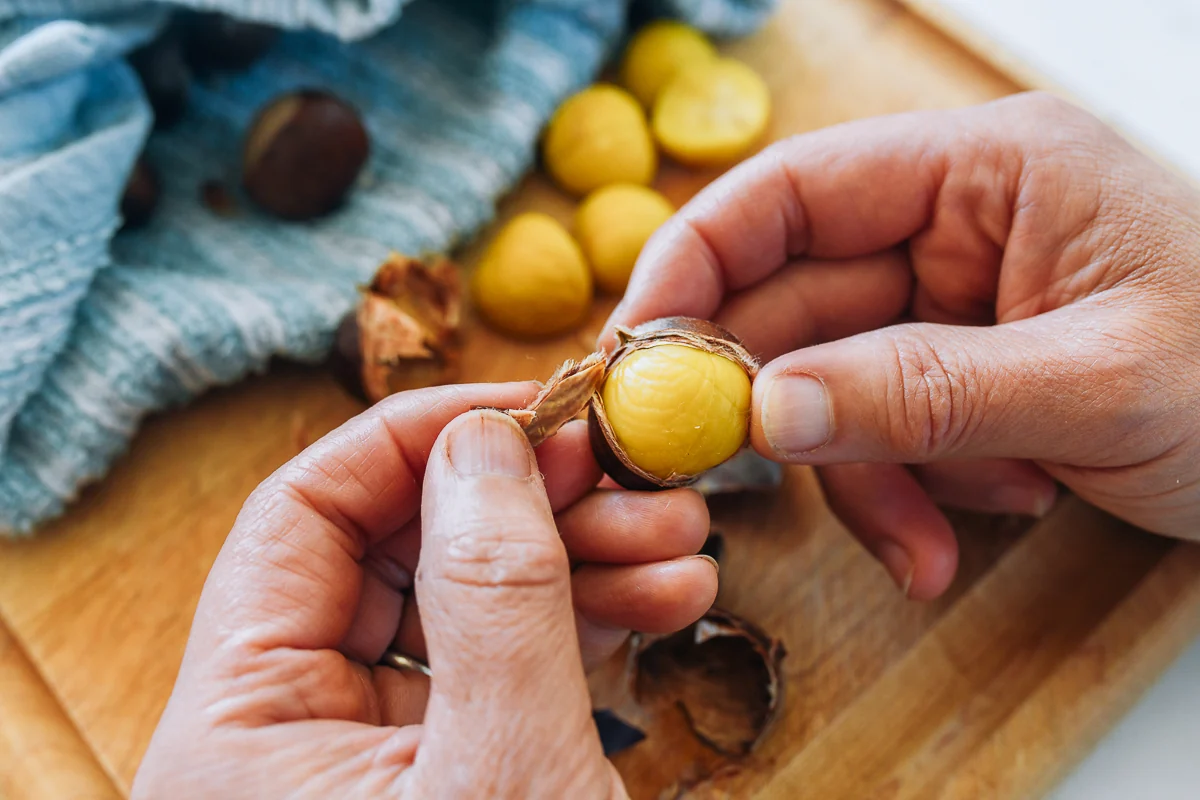
What to do if the score is the real issue
If your chestnuts are cooked but the shell never really opened, you can still salvage them.
Re-score, then steam
- Let the chestnuts cool just enough to handle safely.
- Use a sharp paring knife to deepen the existing cut (or add one) through the shell.
- Steam 3 to 5 minutes as described above.
Safety note: Use a towel to hold the nut steady and cut away from your hand. Chestnuts are rounded and slippery, especially once warmed.
When the chestnuts are dry or older
If you suspect dryness is the root cause, your goal is to add moisture back.
Try a longer steam
Steam for 6 to 8 minutes instead of 3 to 5, then peel immediately.
Use the “hot soak” assist
- After steaming, put the chestnuts in a bowl.
- Pour very hot water over them and cover for 1 to 2 minutes.
- Peel one at a time, keeping the rest in the warm water.
This is especially helpful when the inner skin is tearing off in little paper confetti pieces.
For next time, storing them correctly makes a huge difference. Here is my go-to guide for how to store fresh chestnuts.
When to stop and toss a nut
Every batch has a few that are just not worth saving. If you crack one open and it smells off, looks moldy, or the flesh is gray, slimy, or oddly discolored, discard it and move on. A stubborn peel is annoying. A bad chestnut is not dinner.
How to peel with less frustration
- Work in small batches. Keep the rest covered so they stay hot.
- Start at the score. Use it like a zipper and pull the shell back.
- Use your thumbs, not fingernails. Fingernails slip and hurt fast.
- Pinch and pull. Grab both shell and inner skin together when you can.
- Accept “good enough.” If a few bits of inner skin remain, they are edible. In purees, stuffing, or soup you will never notice.
Common questions
Are chestnuts supposed to be hard to peel?
They can be, yes. Chestnuts are easiest when they are fresh, properly scored, and peeled while hot. If one of those is off, peeling becomes a project.
Why is the inner skin sticking even when the shell comes off?
That is usually cooling or dryness. Re-warming with steam is your best fix.
Can I peel them later if I refrigerate them?
You can, but expect more sticking. If you refrigerate cooked chestnuts, plan to reheat them first, ideally with steam, then peel while warm.
What if I already peeled them but they tore up and look messy?
Messy is still delicious. Chop them for chestnut stuffing, blend them into chestnut soup, or turn them into a smooth chestnut puree where looks do not matter.
The one habit that prevents most peeling problems
Peel chestnuts while they are still hot, and keep the unpeeled ones covered so they stay steamy. I know that is not what anyone wants to hear when the house smells like roasted chestnuts and you are ready to snack, but it is the difference between a cozy kitchen moment and a sticky-fingered wrestling match.
If you want the full roasting method (including the scoring approach that makes peeling easier), you can follow along here: How to Roast Chestnuts.