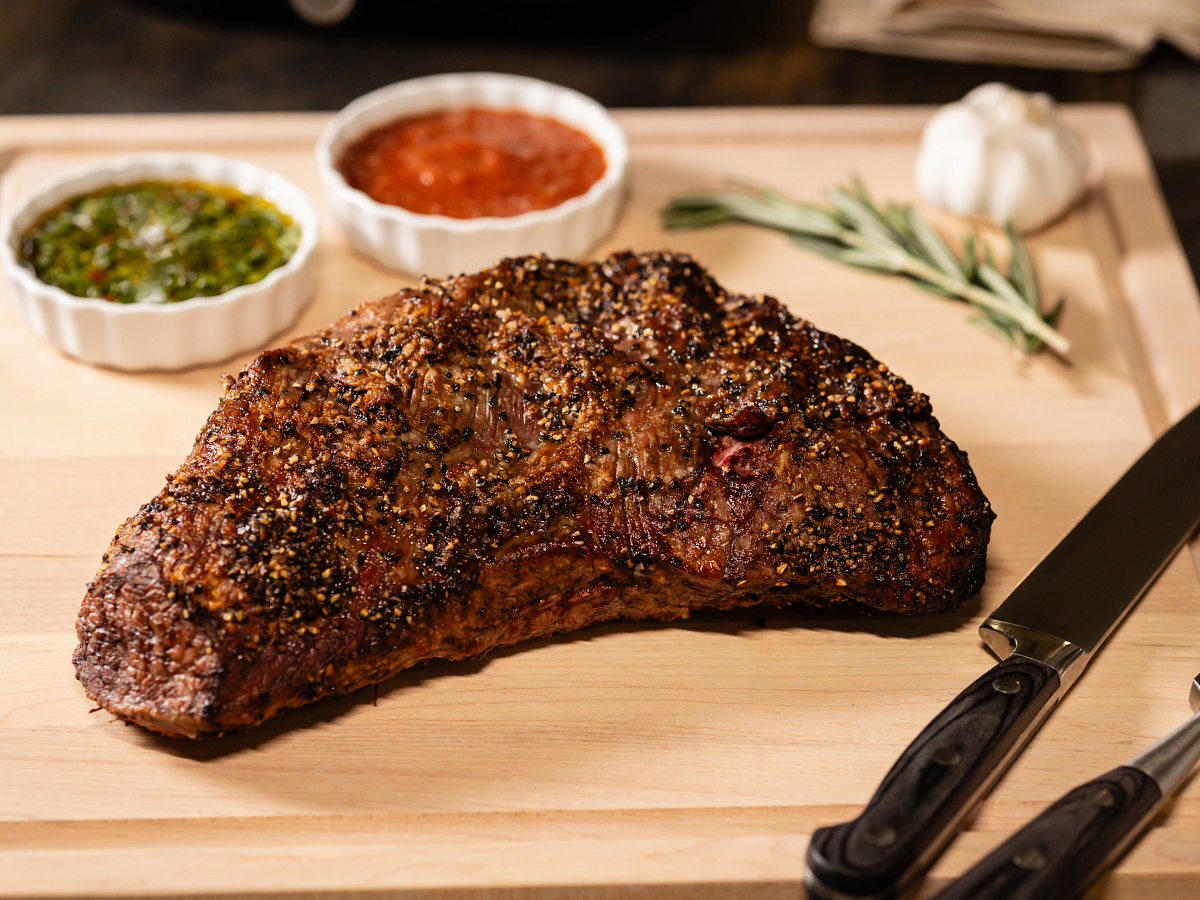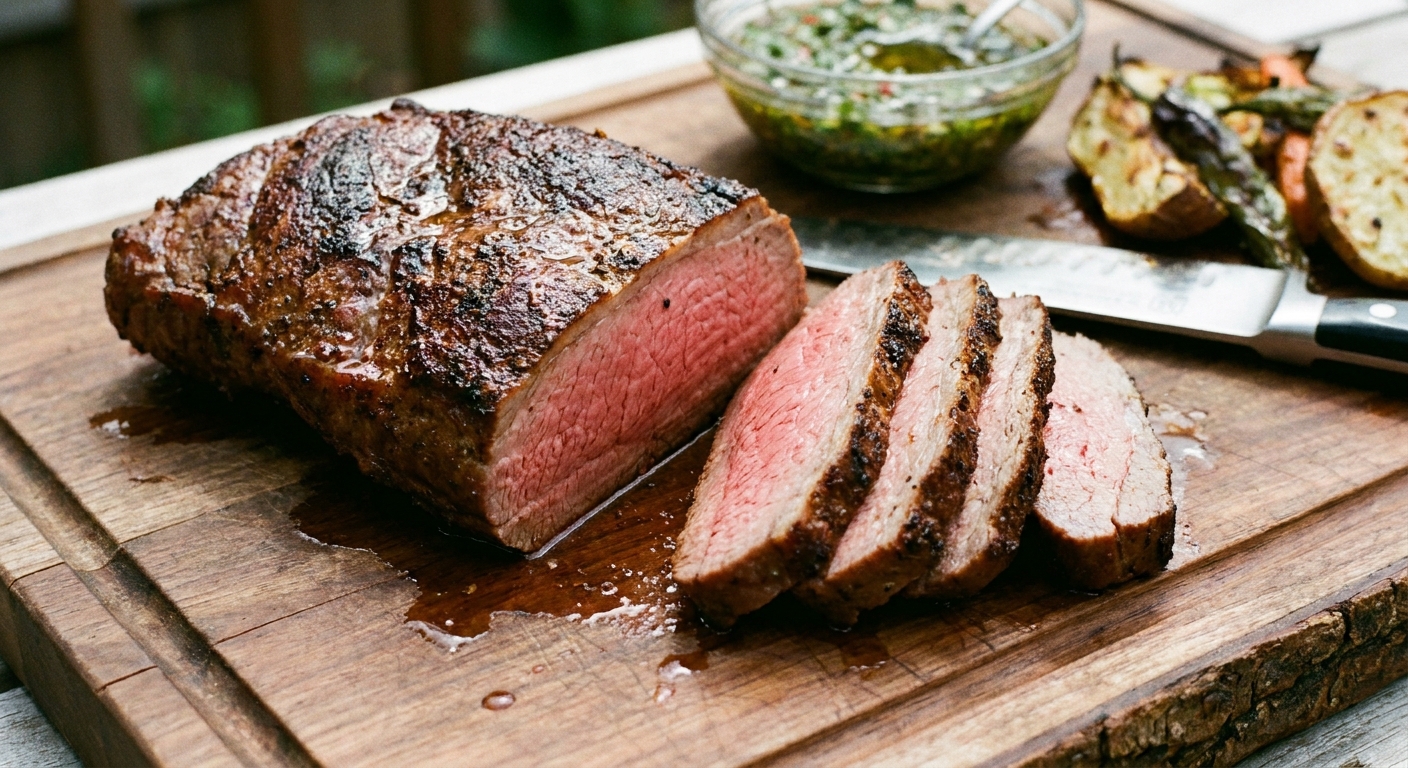
Tri-tip grain changes direction—this guide shows how to split the roast into lobes, slice 1–1 1/2-inch steaks across the grain, then pan-sear and butter-bast...
Delishing
Why Is My Tri-Tip Tough?

Maya Brooks
Maya Brooks is a dedicated home cook and the lead recipe developer at Delishing, where she shares practical, foolproof meals for everyday life. With over a decade of hands-on kitchen experience, she specializes in creating approachable dishes that fit a variety of dietary needs and modern cooking methods. Maya is passionate about helping busy people get delicious, stress-free food on the table without needing formal culinary training.
If your tri-tip came out tough, I want you to know two things: you are not alone, and you probably did not “ruin” it. Tri-tip is a little quirky because the grain changes direction through the roast, and that one detail causes most of the chewy, “why is my jaw tired” situations I hear about.
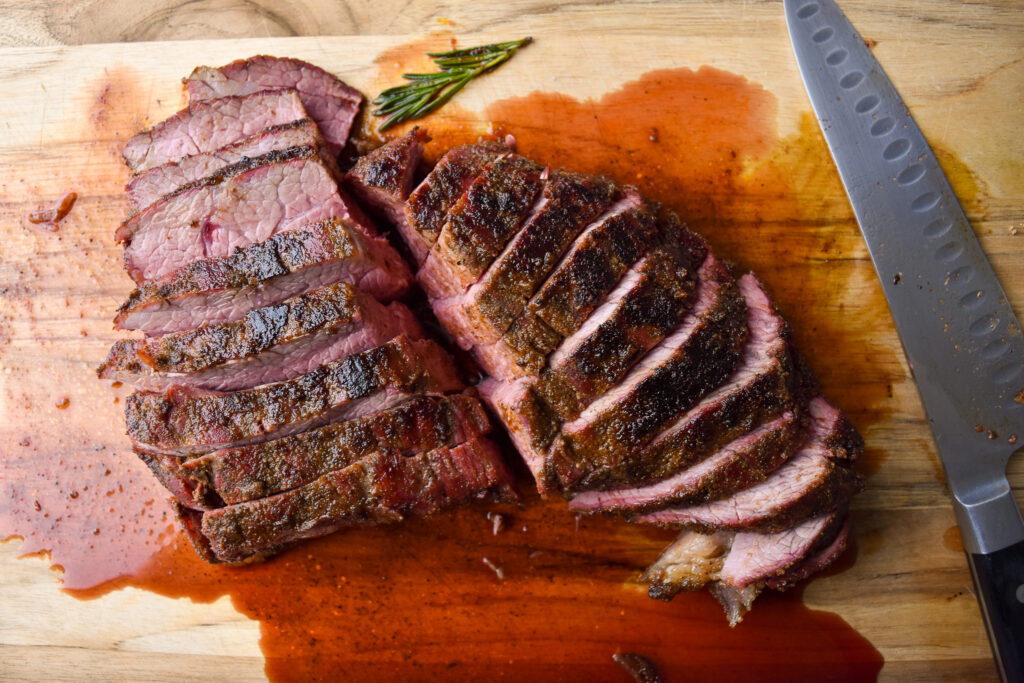
Below is my go-to troubleshooting checklist, plus a few reliable rescue moves to turn tough tri-tip into something you are genuinely happy to serve.
The 4 most common reasons tri-tip turns out tough
1) You sliced with the grain (or missed the changing grain)
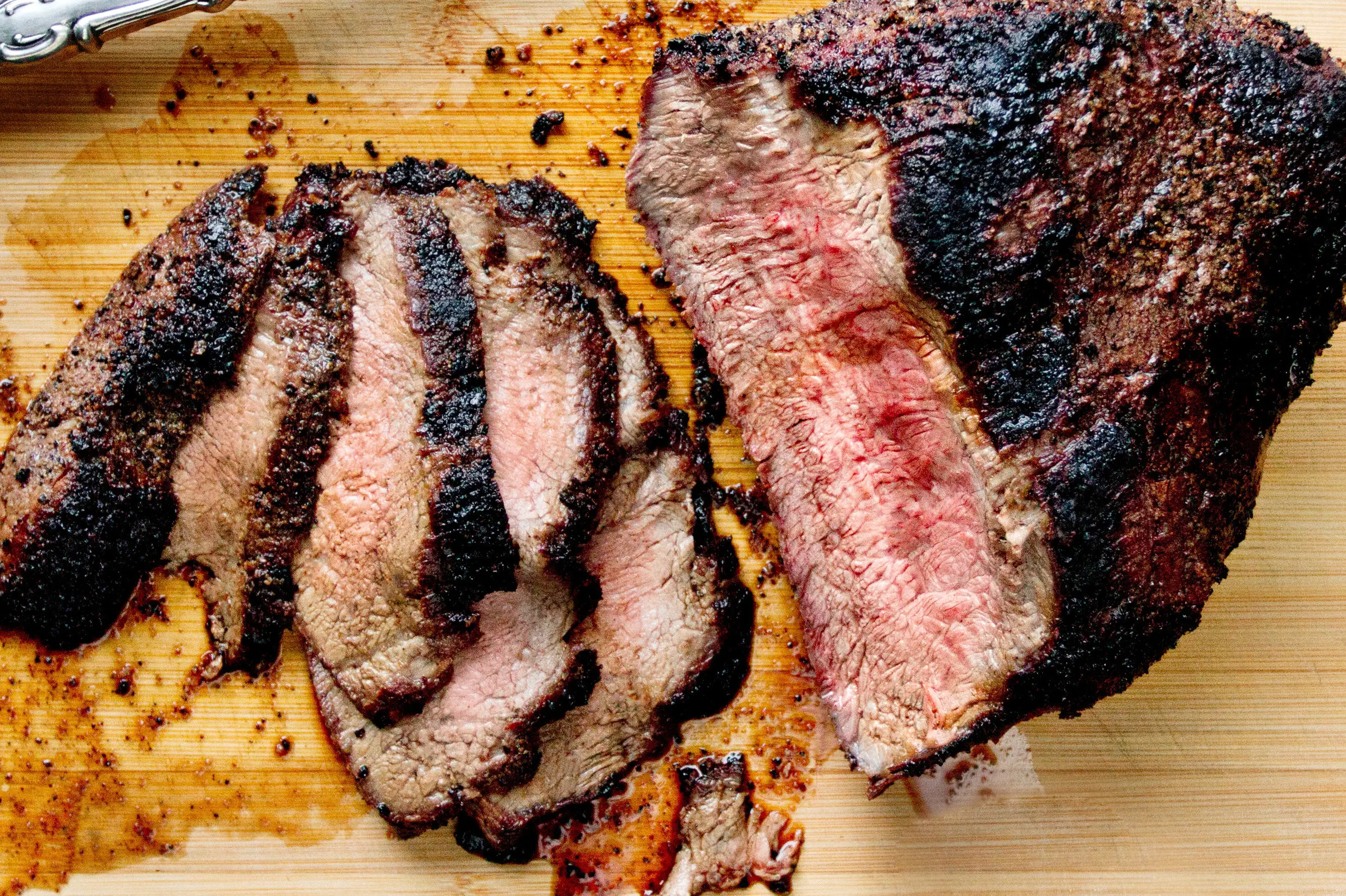
This is the big one. Tri-tip usually has at least two distinct grain directions that meet at an angle. If you carve the whole roast in one direction, part of it will almost always be cut with the grain, which reads as chewy no matter how perfectly it was cooked.
- What it looks like: Long muscle fibers running through each slice, and the slices feel “stringy.”
- Why it happens: The grain shifts across the roast, so you cannot treat it like a uniform steak.
- Fix for next time: Find the spot where the grain changes, cut the roast into two pieces there, then slice each piece across its grain.
2) It was overcooked (even if it did not seem that way)
Tri-tip is lean enough that it goes from tender to tight quickly, especially once you drift into medium-well territory. Also, the temperature keeps rising while it rests, so pulling “at the target temp” often means you overshoot.
- What it looks like: Less pink than expected, drier mouthfeel, firm slices.
- Common culprits: Guessing doneness by time alone, not using a thermometer, or cooking too hot for too long.
- Fix for next time: Use a thermometer and follow a proven method like our Tri-Tip Roast recipe. As a general anchor, many people like tri-tip pulled around 130 to 135°F for medium-rare, then rested, but your ideal number depends on your preferences and how you plan to serve it.
3) You sliced too soon (no rest time)
Resting is not just a chef habit, it is a texture saver. Slice too soon and the juices run out. The fibers also have not had a chance to relax.
- What it looks like: A puddle of juice on the cutting board and drier slices.
- Fix for next time: Rest 10 to 20 minutes, loosely tented with foil. Not tightly wrapped.
4) The center was cool or uneven (temperature gradient)
This one surprises people: tri-tip can feel tough when it is actually cool in the center or cooked unevenly. Cold fat is firmer, and cooler muscle fibers simply chew tighter. It can feel like “underdone means tough,” even though properly sliced rare meat can be tender when it is warm.
- What it looks like: Parts of the roast are done while the thickest center feels cool or looks less cooked.
- Common culprits: Meat going straight from fridge to heat, uneven thickness, or hot spots on a grill.
- Fix for next time: Let the roast sit out just long enough to take the chill off. For most tri-tips, that is often about 20 to 30 minutes on the counter, depending on roast size and room temperature. Then cook with a thermometer in the thickest part.
Quick diagnosis: what happened to your tri-tip?
If you want the fastest way to pinpoint the cause, use this:
- Chewy but still juicy? Usually slicing with the grain (or slicing too thick).
- Dry and firm? Usually overcooked, plus possibly sliced too soon.
- Juice everywhere on the board? Not rested long enough.
- Tough only in the center (or only on the edges)? Uneven doneness from temperature gradient or hot spots.
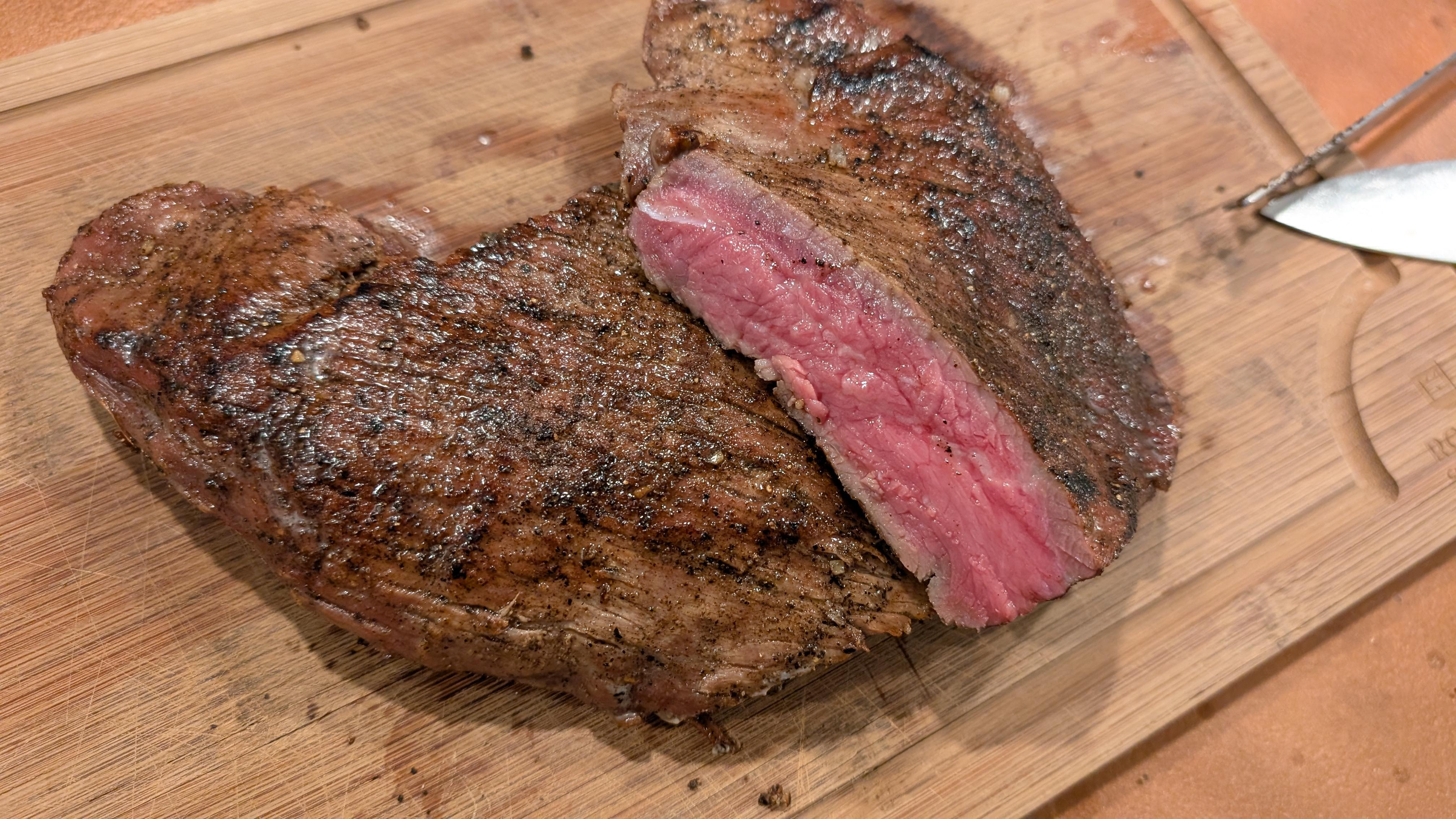
How to slice tri-tip so it is tender
This is the technique I write in my notebook in all caps because it matters that much.
- Rest the roast 10 to 20 minutes.
- Find the grain shift where the lines change direction, usually near the middle.
- Cut the roast in two at that point (you now have two pieces with a clearer grain direction each).
- Slice thinly across the grain, aiming for slices about 1/4 inch thick or thinner. The more cooked the meat is, the more important thin slicing becomes.
If you want more prep tips that affect tenderness, our guide on how to trim a tri-tip is worth a quick read, especially if your roast had a thick fat cap or silverskin that needed attention.
Rescue plan: what to do when tri-tip is already tough
You cannot completely reverse overcooking, but you can absolutely make tough tri-tip enjoyable. Pick the rescue method that matches your situation.
Rescue #1: Slice it thinner (and re-slice across the grain)
If you suspect grain issues, this is your first move.
- Stack 2 to 3 slices at a time and cut them again into thinner pieces.
- If the slices look long and stringy, rotate them 90 degrees and re-slice so you are cutting across the fibers.
Rescue #2: Warm it gently in jus or broth
This is my favorite save because it adds moisture and makes the meat feel more tender on the bite.
- Pour 1 to 2 cups of beef broth (or any pan drippings you saved) into a skillet.
- Add a splash of soy sauce or Worcestershire if you want deeper flavor.
- Warm until steaming, not boiling.
- Add thin-sliced tri-tip and heat just until warm, about 30 to 90 seconds.
Then serve it as sandwiches, rice bowls, or tacos. This is also a great moment to use our tips on how to reheat tri-tip without drying it out further.
Rescue #3: Chop and simmer for a new dish (if it is very overdone)
If the meat is truly dry and firm, treat it like a planned leftover and give it time in liquid.
- French dip style: Warm chopped tri-tip in beef broth, pile onto rolls, and dip.
- Chili or soup: Add chopped tri-tip late, and simmer gently so it softens without turning sawdust-dry.
- Quick skillet hash: Crisp potatoes first, then add chopped tri-tip at the end just to warm. Try it in our Tri-Tip Hash.
Rescue #4: If the center is cool, finish it gently
If the middle is still cool and a little firm, it can chew tougher than the warmer parts. The fix is not “cook it to death,” it is simply bringing it up to a more comfortable serving temperature without blasting the outside.
- Preheat the oven to 275°F.
- Put the roast (or thick slices) in a baking dish with a small splash of broth.
- Cover tightly with foil.
- Warm until the center reaches the doneness you want, checking often with a thermometer.
Once it is warmed through, rest a few minutes, then slice across the grain.
Rescue #5: Last resort tenderizing (when you did everything right)
Sometimes it is not you. A particular roast can be less tender because of grading, aging, or simply how it was cut. If you are stuck with a stubborn tri-tip, you can lightly pound slices between parchment to loosen the bite, then warm them in broth. I skip strong enzymatic tenderizers here because they can turn the texture oddly mushy if you overshoot, and that is a different kind of disappointment.
How to prevent tough tri-tip next time
- Use a thermometer. Time is a rough guess, temperature is truth.
- Rest before slicing. 10 to 20 minutes makes a real difference.
- Carve in two directions. Because the grain changes, your knife direction must change too.
- Do not blast it with heat the whole time. A hard sear is great, then finish more gently. Our Reverse Sear Tri-Tip method is a reliable way to get even doneness.
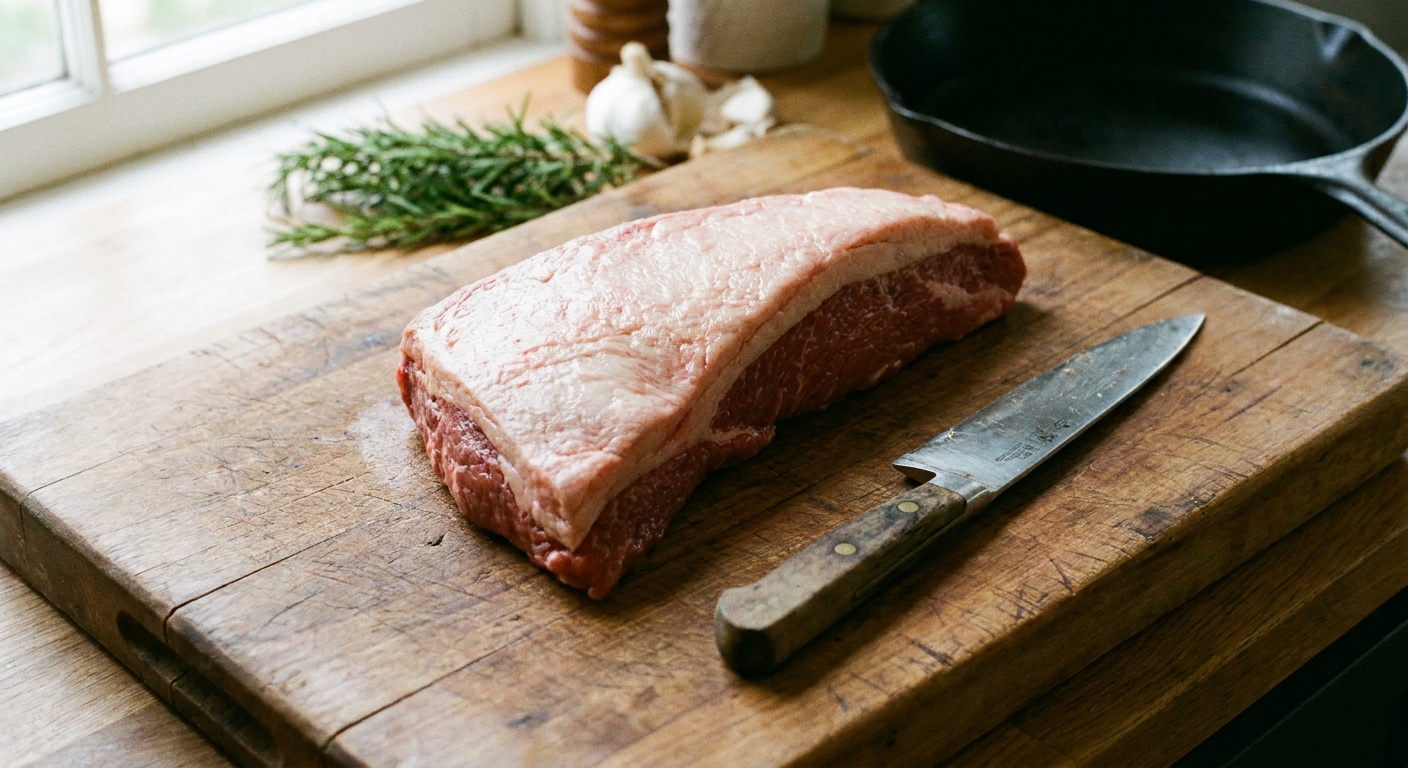
- Trim smart. Too much hard fat can block seasoning and heat, and silverskin can chew. See How to Trim a Tri-Tip.
Tri-tip toughness FAQ
Is tri-tip supposed to be chewy?
No. It is not as buttery as tenderloin, but properly cooked and sliced across the grain, tri-tip should be tender with a satisfying bite, not rubbery or stringy.
Does marinating make tri-tip tender?
It can help a little, especially with flavor and surface tenderness, but it will not fix slicing with the grain or major overcooking. If you like marinated tri-tip, start with our Tri-Tip Marinade, then still focus on temperature and slicing.
Can I slow cook tough tri-tip to make it tender?
You can, but the texture becomes more like shredded beef than classic sliceable tri-tip. If your goal is tender slices, your best “rescue” is thin slicing and warming in jus. If your goal is a totally different meal, a slow cooker method like Slow Cooker Tri-Tip can be a great pivot.
Why is my tri-tip tough even at medium-rare?
Almost always grain direction, or slices that are too thick. Medium-rare tri-tip sliced with the grain can still feel stubbornly chewy. Re-slice it thinner across the grain and you will feel the difference immediately.