Delishing
Tri-Tip Marinade

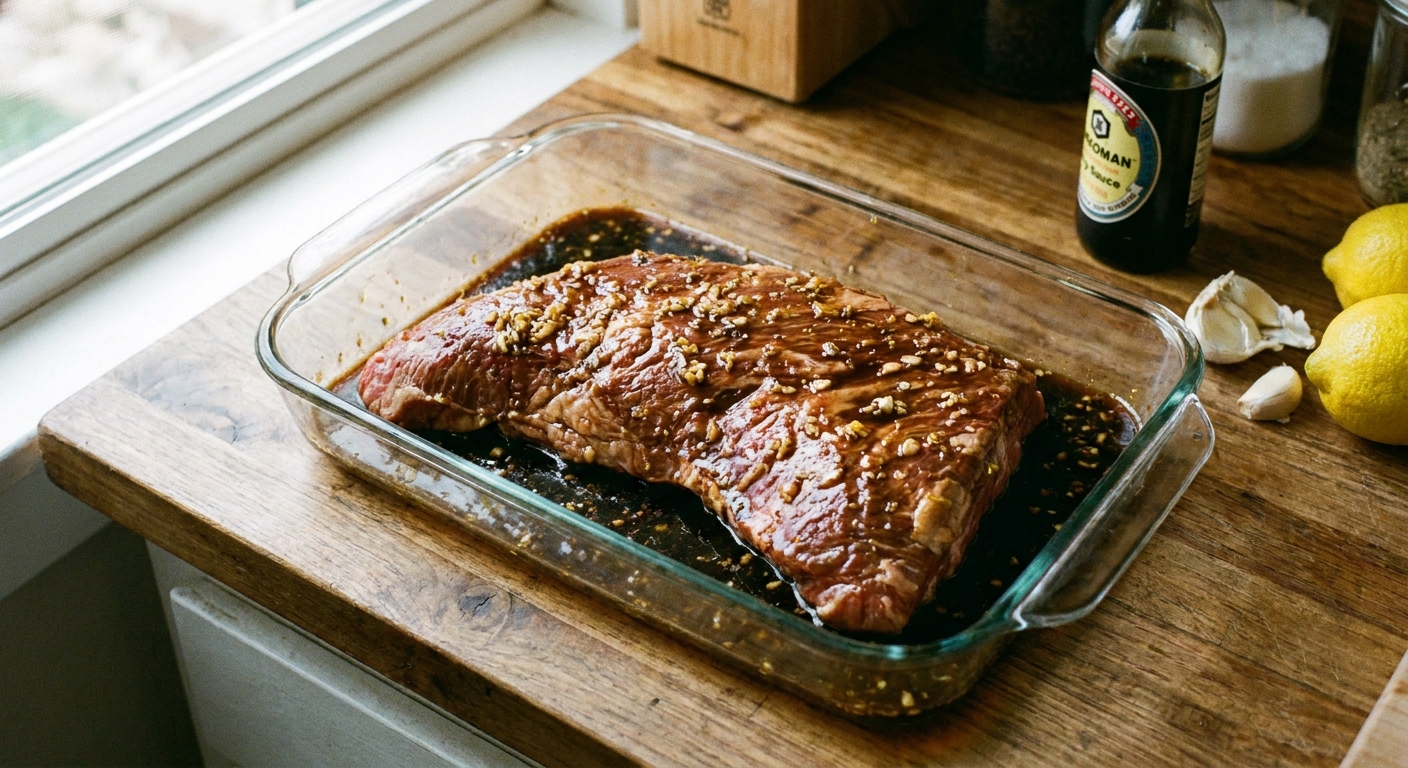
The marinade I use for juicy, sliceable tri-tip
If you love tri-tip as a sliced roast but want a little extra insurance against dryness, a wet marinade is the weeknight-friendly move. This one is built on a simple formula I keep in my notebook: salt + acid + oil + savory, balanced so it seasons the surface well and helps you get more evenly seasoned bites over time without turning the outside mushy.
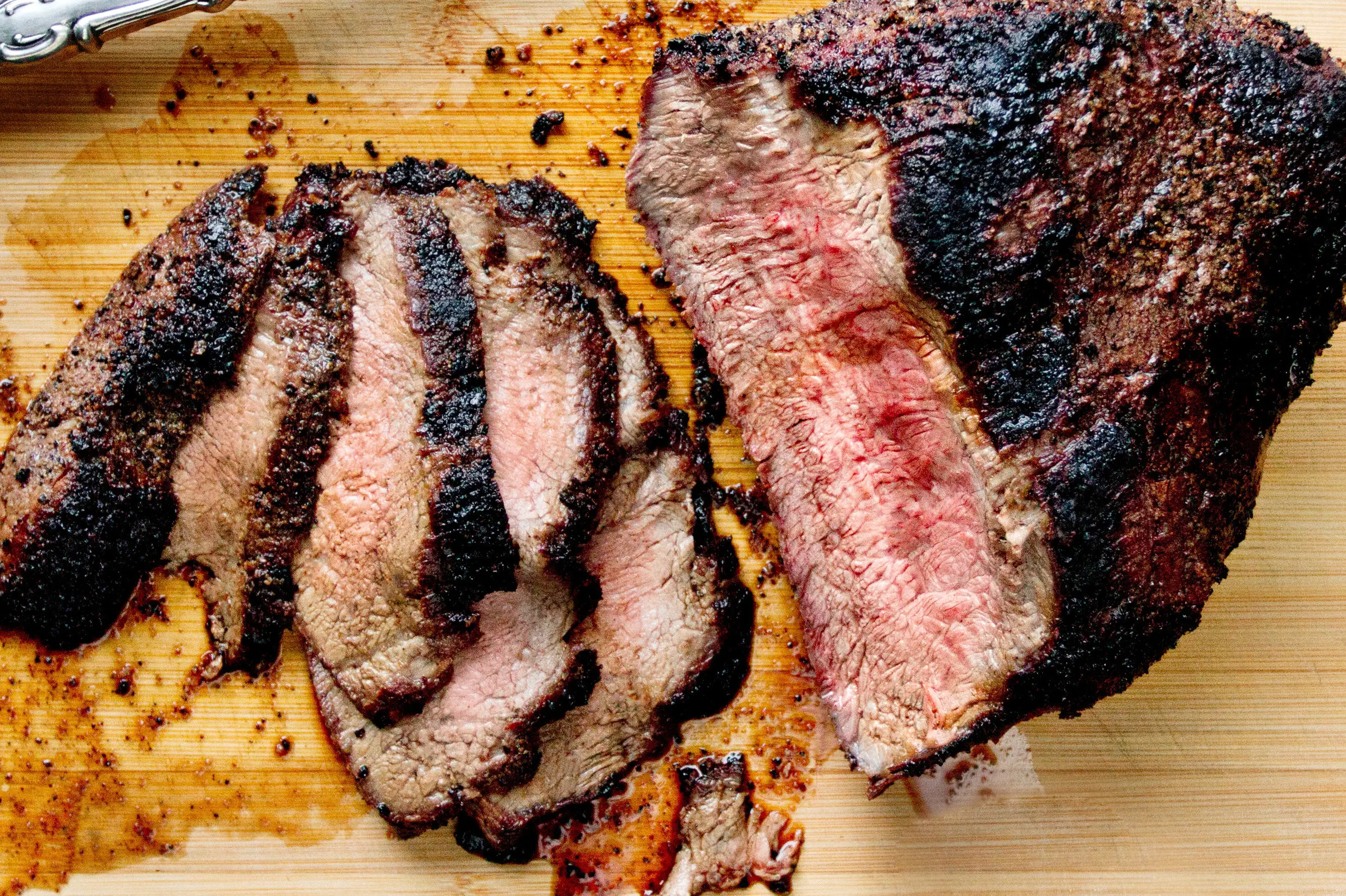
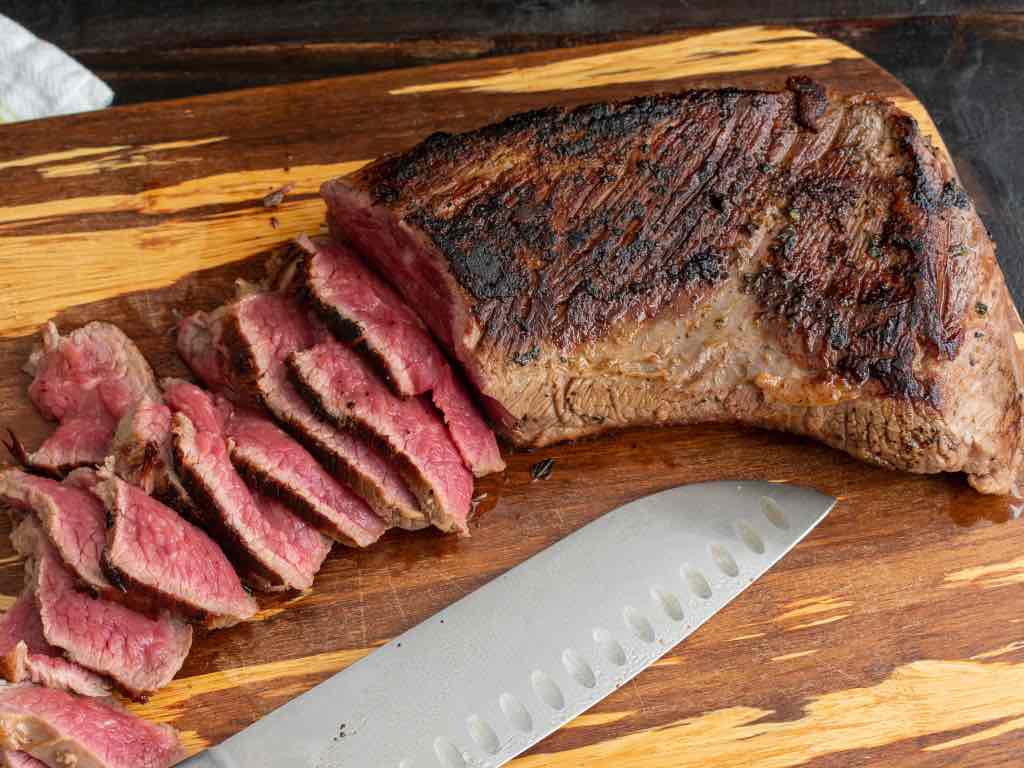
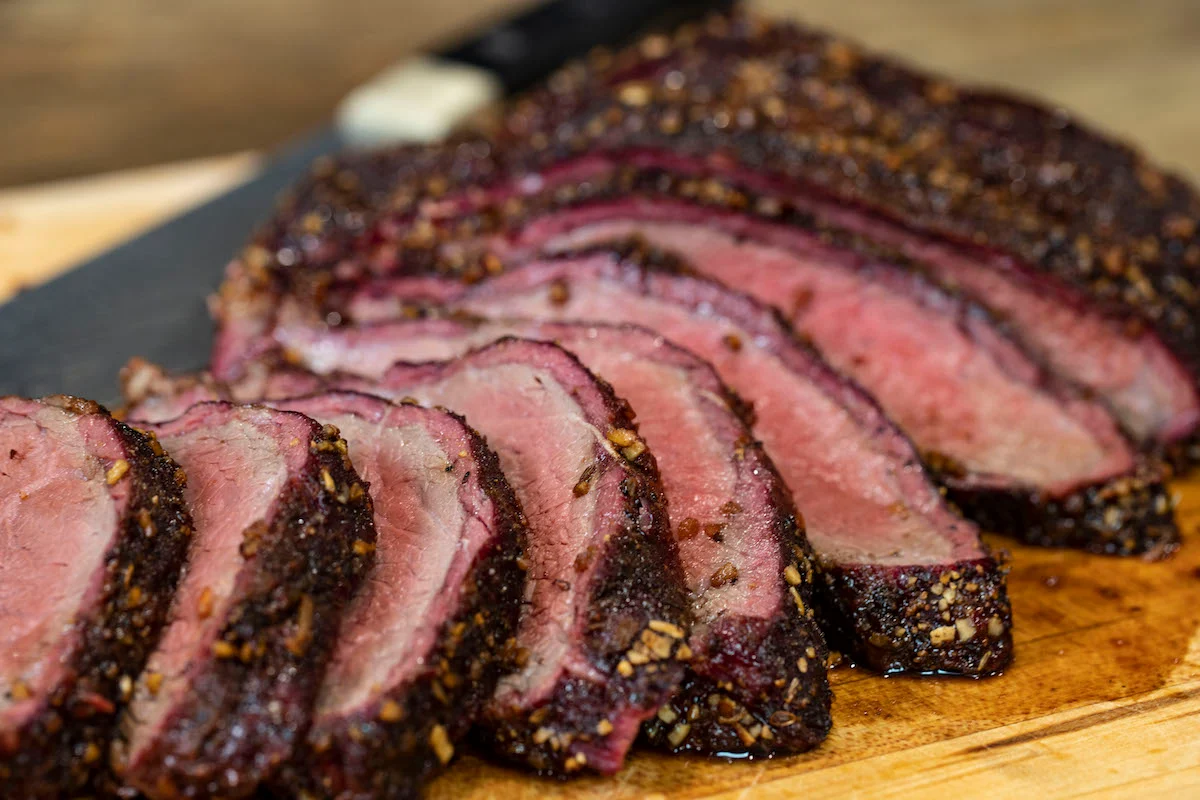
You will still cook this like a roast and slice it against the grain, just like my tri-tip roast. The difference is what happens before it hits the heat. A wet marinade gives you deeper surface seasoning and a more tender bite at the edges, but it also changes the crust. You get a flavorful browned exterior, not quite the same dry, peppery bark you can build with a dry rub.
Below you will find the exact ratios in the recipe card, plus soak time and a clear food-safety window so you can marinate confidently without guessing at 5:00 PM.
Wet marinade vs dry rub
A dry rub starts dry, so it can dehydrate the surface slightly and promote better browning and bark. A wet marinade does the opposite at first. It keeps the exterior moist, which can slow browning and soften the surface slightly.
Here is how I get the best of both worlds with a wet marinade:
- Pat it dry before cooking. This is the single biggest crust upgrade.
- Knock off big bits. I do not rinse, but I will scrape off any thick clumps of garlic or herbs that might burn during a hard sear. This matters even more here because the marinade has a little sugar for color, and sugar can scorch fast.
- Use high heat to start. Whether you finish in the oven or stay on the grill, that initial sear matters.
- Optional finishing salt. A light sprinkle of kosher salt right before searing helps the surface brown and pop.
If you want a true rub-style crust, use my tri-tip roast method. If you want bold flavor with less fuss, this marinade is your friend.
How long to marinate
Best window: 6 to 12 hours in the refrigerator.
Minimum: 2 hours if you are in a hurry. You will still get great surface flavor.
Maximum (for texture): 24 hours. Past that, the acid can make the surface a little mealy, especially with vinegar or citrus.
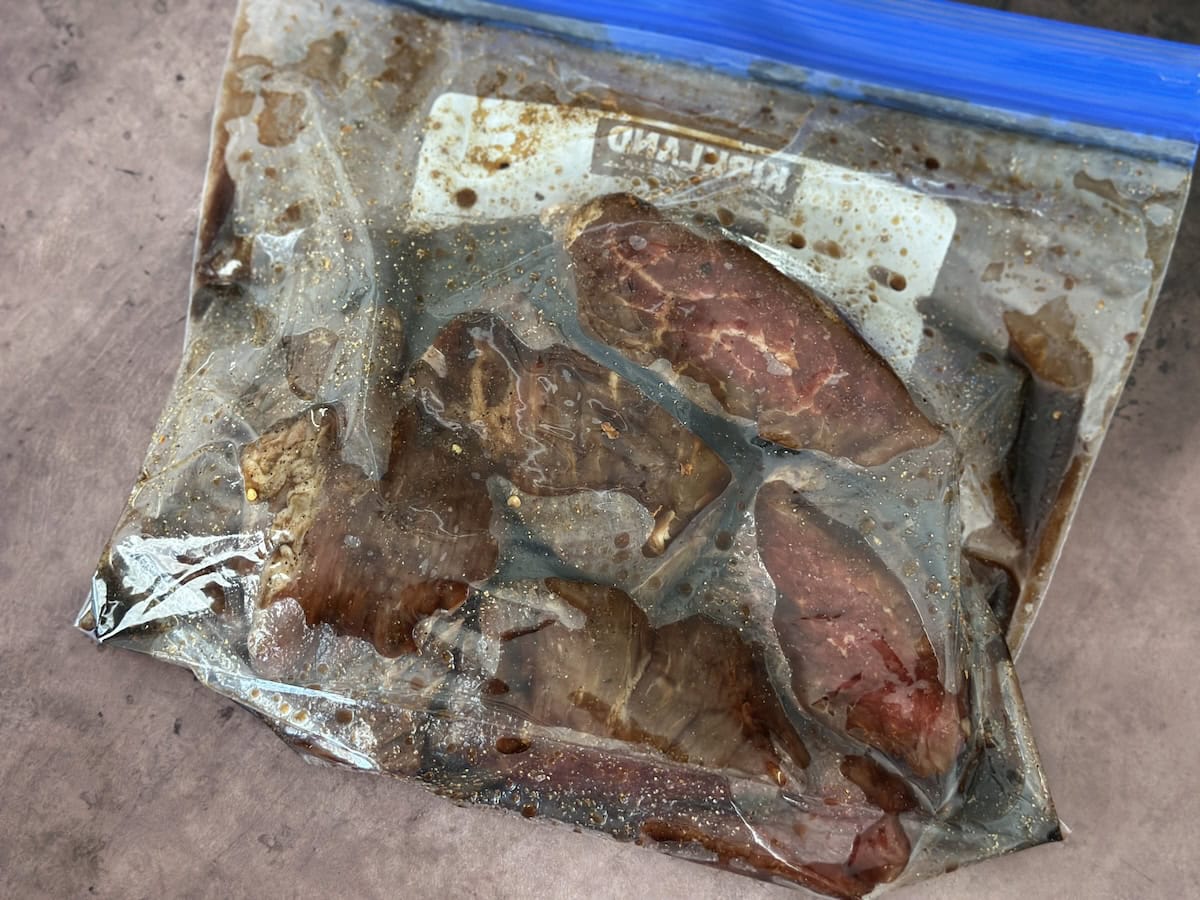
Food safety for marinades
Always marinate beef in the refrigerator, not on the counter. From a safety perspective, many whole cuts can be refrigerated in a marinade for up to 2 days if your fridge is holding at 40°F or below. For this acidic formula, I still recommend cooking within 24 hours for the best texture.
- Refrigerate at 40°F or below.
- Do not reuse marinade that touched raw beef. If you want a sauce, the cleanest approach is to reserve a small portion of the marinade before it touches the meat. If you must use the used marinade, bring it to a full rolling boil so it boils throughout, then simmer 3 to 5 minutes. Keep an eye on it if it is sugary, since it can scorch.
- Thaw safely. If your tri-tip is frozen, thaw in the fridge first, then marinate.
After marinating
This page is the marinade itself, but here is the quick roadmap so your roast turns out right:
- Remove tri-tip from the marinade.
- Let excess drip off, then pat very dry.
- Cook as a roast and slice against the grain.
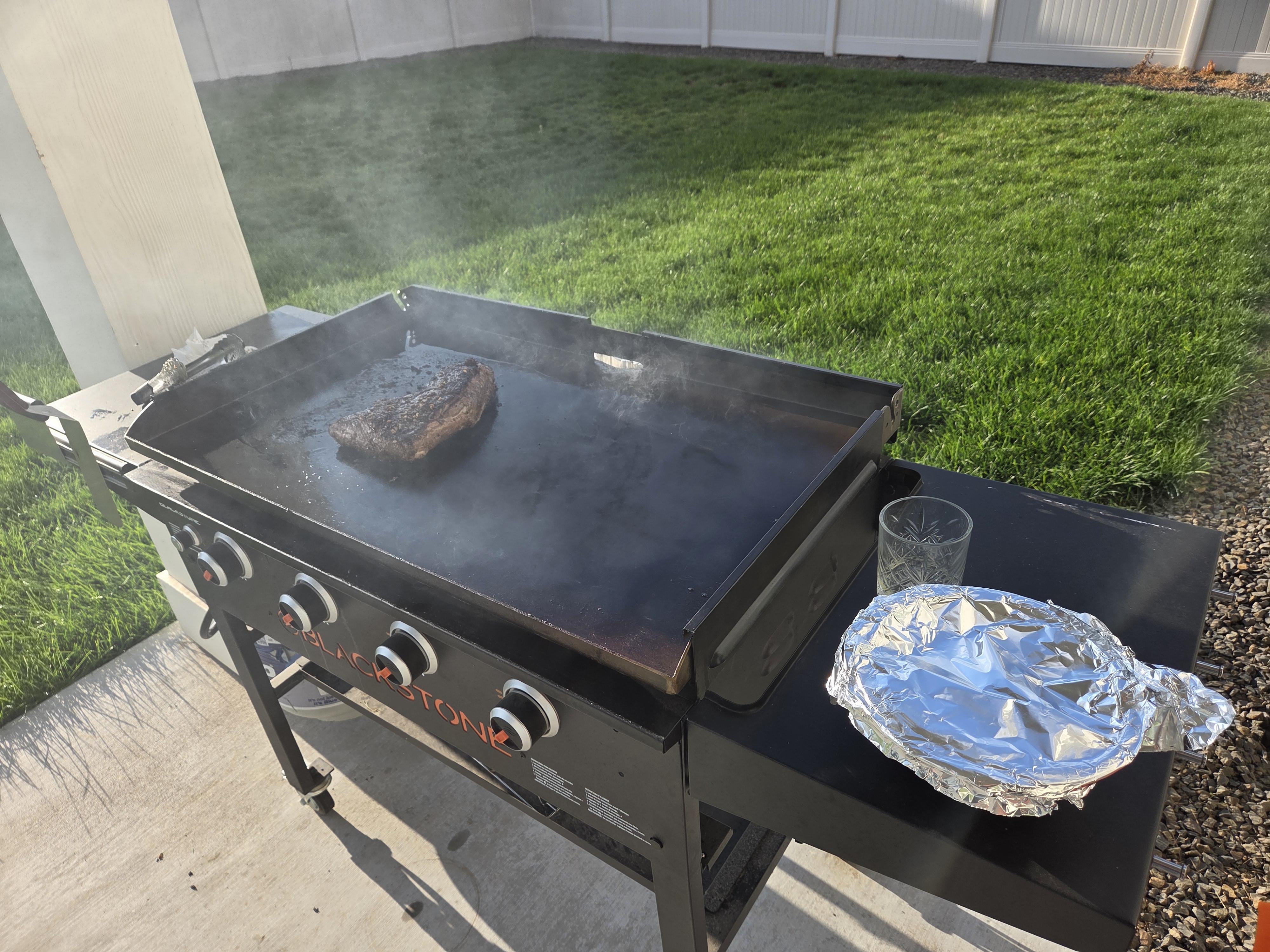
For full cooking methods, follow my guides for tri-tip roast, air fryer tri-tip, Blackstone tri-tip, smoked tri-tip, slow cooker tri-tip, or Instant Pot tri-tip.
Why it works
- Balanced ratios. Oil carries flavor and helps browning, acid adds brightness, salt seasons the surface and gradually penetrates a bit, and umami ingredients make it taste like you tried harder than you did.
- Enough salt to matter. This marinade is salty enough to season a whole roast, not just perfume the outside.
- A time window you can live with. It is great at 6 hours, better at 12, and from a safety standpoint many whole cuts can go longer refrigerated, but I keep this one to 24 hours for the best texture.
- Designed for slicing. The flavor profile stays roast-friendly, not taco-style, so it pairs with potatoes, salads, and simple veg.
Ingredient notes
Salt
I use kosher salt in the recipe. If you only have table salt, reduce the amount by about half because it is denser and will taste saltier faster. Also keep in mind soy sauce is already salty, so do not add extra salt until you taste the cooked beef.
Acid
Choose red wine vinegar for a classic steakhouse vibe or lemon juice for a brighter finish. Keep the total acid modest so the surface stays meaty, not soft.
Oil
Olive oil works, but a neutral oil (avocado, grapeseed, canola) browns a touch better at high heat.
Savory and sweet
Soy sauce brings umami plus salt. A small amount of brown sugar or honey helps color and balances the acid. Do not overdo it or it can scorch during searing.
Aromatics
Garlic, black pepper, and a little Worcestershire make it taste like a roast dinner, not a stir-fry. If you are garlic-sensitive, use garlic-infused oil and skip fresh garlic.
Equipment
- Measuring cups and spoons
- Medium bowl or large liquid measuring cup for mixing
- Whisk or fork
- 1-gallon zip-top bag or a nonreactive dish (glass or stainless steel)
- Rimmed sheet pan (to catch any fridge drips under the bag)
- Paper towels for drying the roast before cooking
Pro tips
- Lay it flat. Marinate in a bag laid flat so more of the meat stays in contact with the marinade.
- Flip once. If using a dish, turn the roast halfway through for even contact.
- Dry equals browner. After marinating, pat dry aggressively. Wet meat steams before it sears.
- Temper briefly. Let the tri-tip sit at room temperature 30 to 45 minutes before cooking so it cooks more evenly.
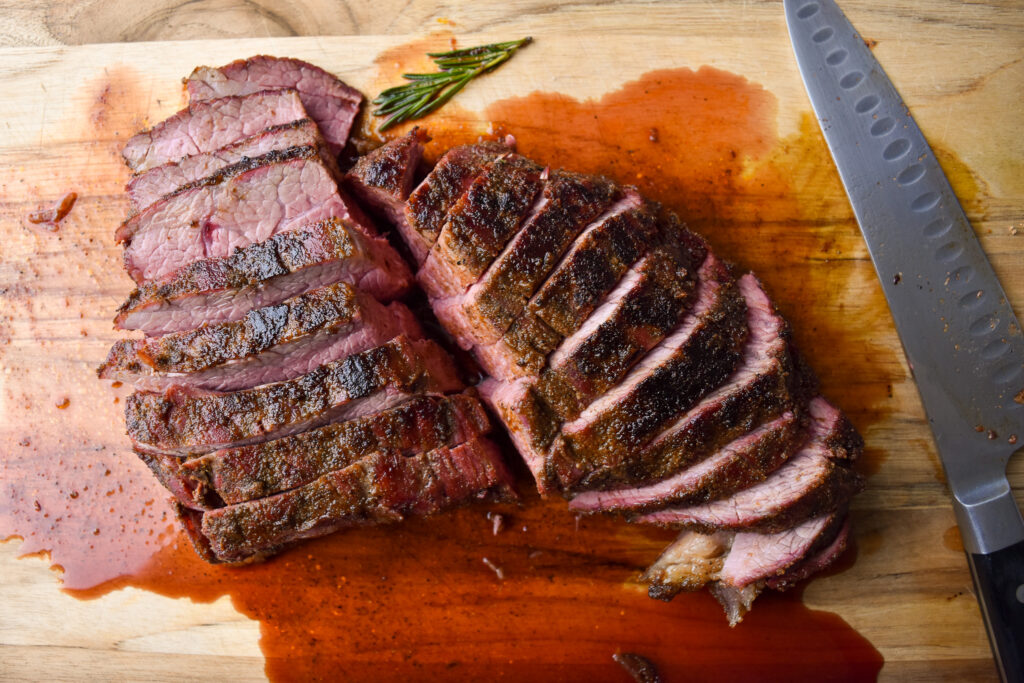
- Rest, then slice. Rest 10 to 15 minutes, then slice against the grain. Tri-tip has grain that changes direction, so rotate the roast as you slice.
Substitutes
- No soy sauce: Use tamari for gluten-free, or coconut aminos for a slightly sweeter profile.
- No red wine vinegar: Swap in balsamic vinegar (a bit sweeter) or apple cider vinegar (brighter).
- No Worcestershire: Use a little extra soy sauce plus a pinch of smoked paprika.
- No brown sugar: Use honey or maple syrup in the same amount.
Variations
- Herb-forward: Add 1 tablespoon chopped fresh rosemary and 1 tablespoon chopped parsley.
- Spicy roast: Add 1 to 2 teaspoons crushed red pepper flakes or 1 teaspoon cayenne.
- Smoky: Add 1 teaspoon smoked paprika and use a neutral oil for cleaner smoke flavor.
- Garlic-lover: Add 2 extra cloves of garlic plus 1 teaspoon garlic powder for longer-lasting garlic flavor after cooking.
Serving ideas
- Slice and serve with rosemary roasted sweet potatoes and a green salad.
- Build a steakhouse plate with classic creamy potato salad for a cookout vibe.
- Use leftovers in a sandwich with skillet caramelized onions.
- Pair with a simple veggie side like roasted broccoli or garlic roasted vegetables.
Storage
Before cooking
Marinate tri-tip in the refrigerator. For best texture with this acidic marinade, cook within 24 hours. If you need to push closer to 48 hours, it can still be safe at 40°F or below, but the surface can soften.
After cooking
Cool leftovers quickly and refrigerate in an airtight container for up to 4 days. For best texture, reheat gently or eat cold, thinly sliced.
Common mistakes
- Marinating on the counter. Always marinate beef in the refrigerator.
- Too much acid for too long. A very acidic marinade for more than 24 hours can give you a soft, mealy surface.
- Putting wet meat straight on the heat. If it is dripping, it will steam and you will miss out on browning.
- Letting garlic clumps burn. Before a hard sear, scrape off thick bits that will scorch.
- Skipping the rest. Resting helps juices redistribute so you can slice without losing them all to the cutting board.
- Slicing with the grain. This is the fastest way to make a tender roast feel chewy.
FAQ
What is the basic ratio for a tri-tip marinade?
My reliable baseline is about 3 parts oil to 1 part acid, plus enough salty and savory ingredients to season the roast. In the recipe card, soy sauce provides a big portion of the salt and umami, and a measured amount of kosher salt backs it up.
Can I marinate tri-tip for 2 hours?
Yes. You will get noticeable flavor on the outside and a bit of deeper seasoning at the surface. If you can swing 6 to 12 hours, it is even better.
Will marinating make tri-tip tender?
It can help, especially at the surface. The biggest tenderness factors are not overcooking, resting, and slicing against the grain. Think of marinade as flavor plus a small tenderness boost.
Do I rinse off marinade before cooking?
No rinsing. Just remove the roast and pat it dry well. Rinsing can spread bacteria around the sink and washes off flavor.
Can I use the marinade as a sauce?
Yes, but only if you handle it safely. The best move is to reserve a small portion before it touches the raw beef. If you did not reserve any, bring the used marinade to a full rolling boil, then simmer 3 to 5 minutes before serving.
Recipe Summary
Tri-Tip Marinade: A roast-friendly wet marinade (salt, acid, oil, and savory) designed to deeply season the surface and boost overall flavor, then cook the tri-tip as a roast and slice against the grain.
Prep Time: 10 minutes
Cook Time:
Total Time:
Servings: 6
- 1 tri-tip roast (about 2 to 3 pounds)
- 1/2 cup neutral oil (avocado, canola, or grapeseed)
- 3 tablespoons red wine vinegar (or fresh lemon juice)
- 1/3 cup low-sodium soy sauce (or tamari)
- 1 tablespoon Worcestershire sauce
- 1 tablespoon brown sugar (or honey)
- 1 1/2 teaspoons kosher salt
- 1 teaspoon freshly ground black pepper
- 4 cloves garlic, minced
- 1 teaspoon onion powder
- Optional: 1 teaspoon smoked paprika
- Optional: 1 teaspoon dried thyme or 1 tablespoon chopped fresh rosemary
- Mix the marinade. In a medium bowl or large liquid measuring cup, whisk together the oil, vinegar (or lemon juice), soy sauce, Worcestershire, brown sugar, kosher salt, black pepper, garlic, onion powder, and any optional spices or herbs.
- Bag or dish the tri-tip. Place the tri-tip in a 1-gallon zip-top bag laid flat on a rimmed sheet pan, or set it in a nonreactive dish. Pour the marinade over the meat. Seal the bag, pressing out excess air, or cover the dish tightly.
- Marinate (refrigerated). Refrigerate for 6 to 12 hours for best flavor. If using a dish, turn the roast once halfway through. You can marinate for as little as 2 hours. For best texture, do not exceed 24 hours.
- Prep for cooking. Remove the tri-tip from the marinade and let excess drip off. Do not rinse. Scrape off any thick clumps of garlic or herbs if you plan to sear hard, then pat very dry with paper towels. Let sit at room temperature for 30 to 45 minutes while you preheat your grill, smoker, skillet, or oven.
- Cook as a roast. Cook tri-tip using your preferred method until it reaches your desired doneness, then rest before slicing. (For step-by-step methods, follow Delishing’s tri-tip cooking guides.)
- Rest and slice. Rest the cooked tri-tip 10 to 15 minutes. Slice thinly against the grain, rotating the roast as needed because the grain changes direction.
- Food-safety note. Discard used marinade. If you want marinade as a sauce, reserve a portion before it touches the raw beef. If you did not reserve any, bring the used marinade to a full rolling boil so it boils throughout, then simmer 3 to 5 minutes before using.
Notes
- Crust tip: Patting the tri-tip dry after marinating is the key to better browning.
- Salt note: This recipe is written for kosher salt. If using table salt, reduce to about 3/4 teaspoon.
- Make-ahead: Mix the marinade up to 3 days ahead and refrigerate separately, then add to the beef when you are ready.