Delishing
Smoked Tri-Tip

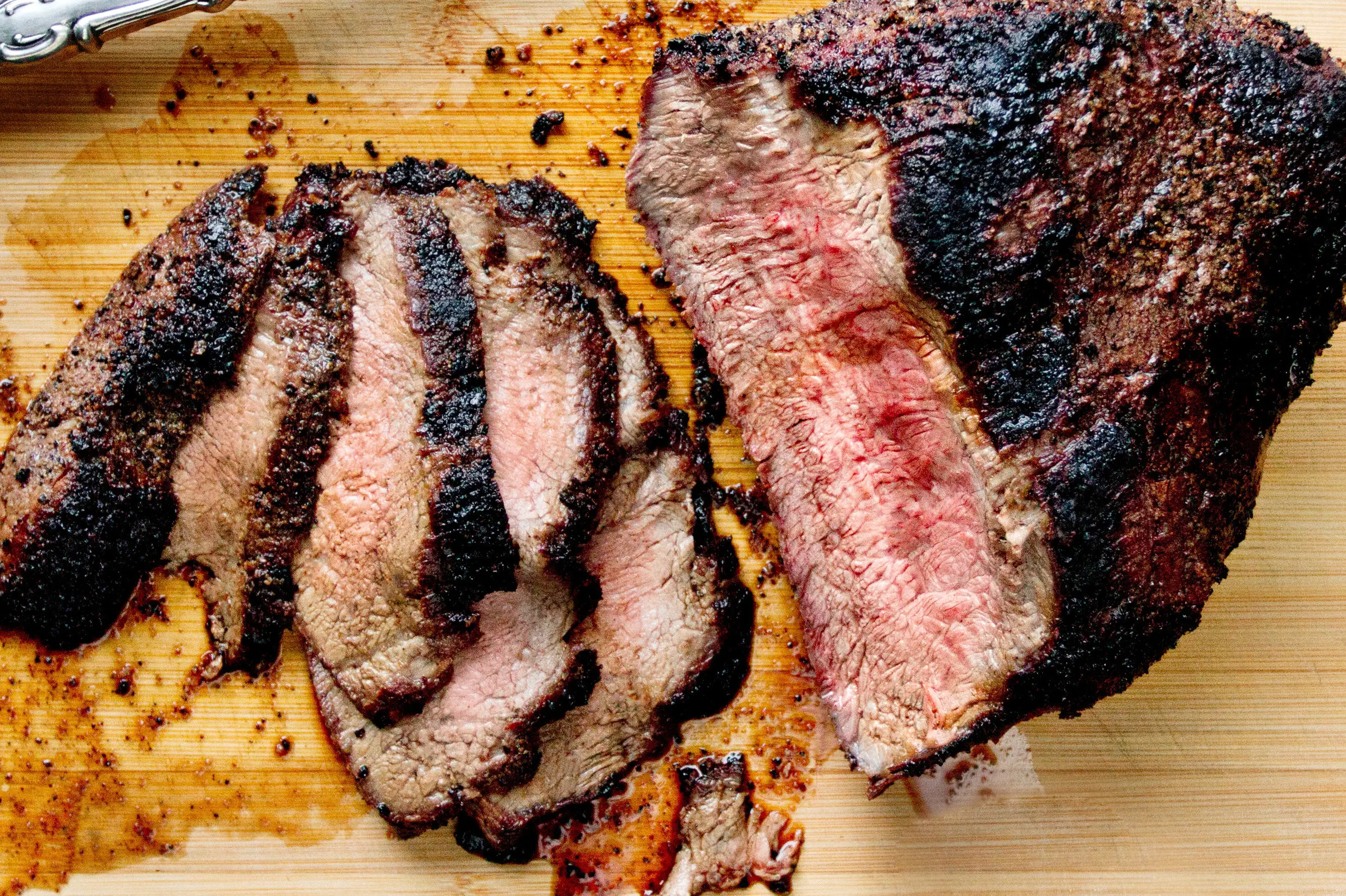
The first time I tried to “smoke” a tri-tip, I treated it like a fast roast and wondered why it tasted more like a regular grilled steak than barbecue. Once I started thinking of tri-tip as a low-and-slow project with a bark goal and a temperature goal, everything clicked. You get that rosy, beefy medium-rare center, plus a peppery crust that tastes like you earned it, even if it is a weeknight and you are running on fumes.
This recipe is built for offset smokers and charcoal setups first, with clear cues for bark and doneness. If you cook on a pellet grill, I tucked the timing guidance into Variations so this page covers both styles without turning into two different recipes.
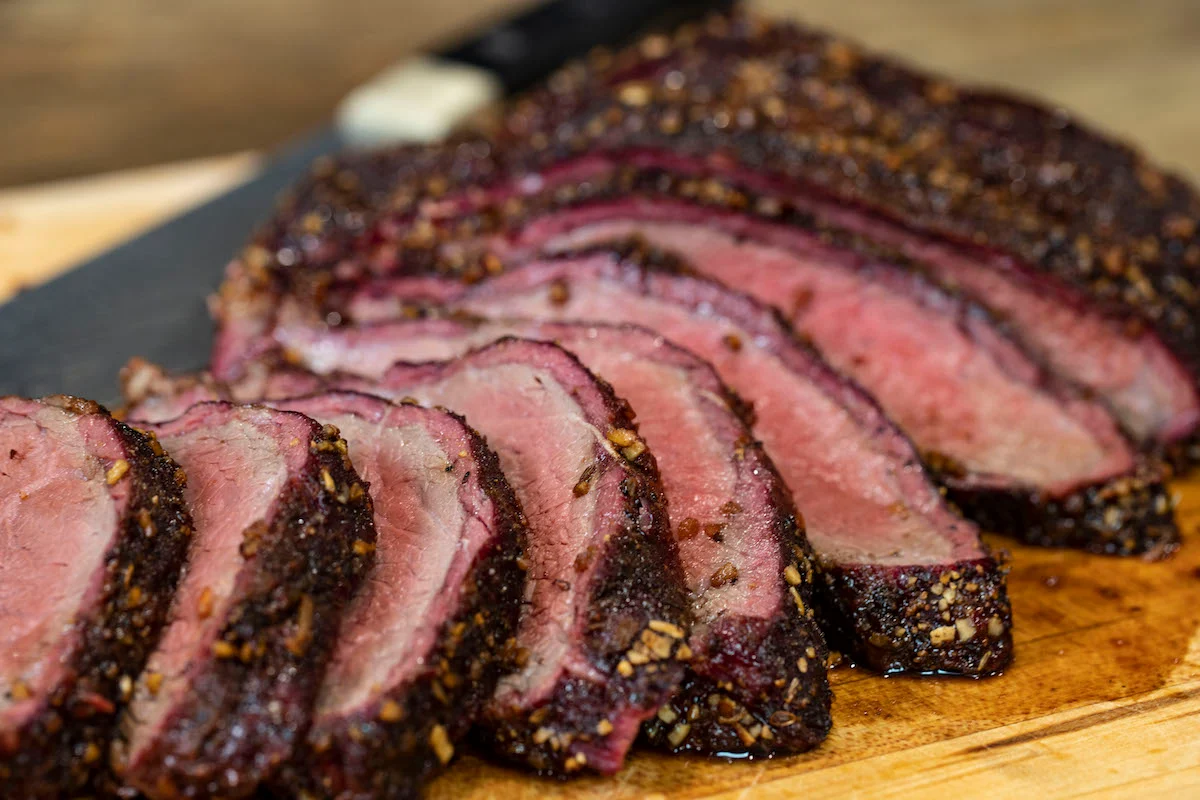
One more thing I learned the hard way: tri-tip has two grain directions. Slicing it correctly is the difference between tender and oddly chewy. I will walk you through the easy way to spot the grain change so your hard work pays off.
If you are looking for a faster cook, head to the dedicated Tri-Tip Roast page. This one is all about smoke, bark, and a calm, steady pit.
What to expect
- Low pit temp: 225 to 250°F is a great starting point for steady smoke and even cooking.
- Cook time: Plan about 1 hour 15 minutes to 2 hours at 225°F for a 2 to 3 pound tri-tip, depending on thickness and how steady your pit runs.
- Bark: A simple salt and pepper forward rub that sets up a beautiful crust.
- Medium-rare target: Pull around 125°F internal, then rest to finish. Most roasts land around 130 to 135°F after carryover, depending on size and whether you do the hot finish.
- Optional hot finish: A quick high-heat sear for extra crust if you want it.
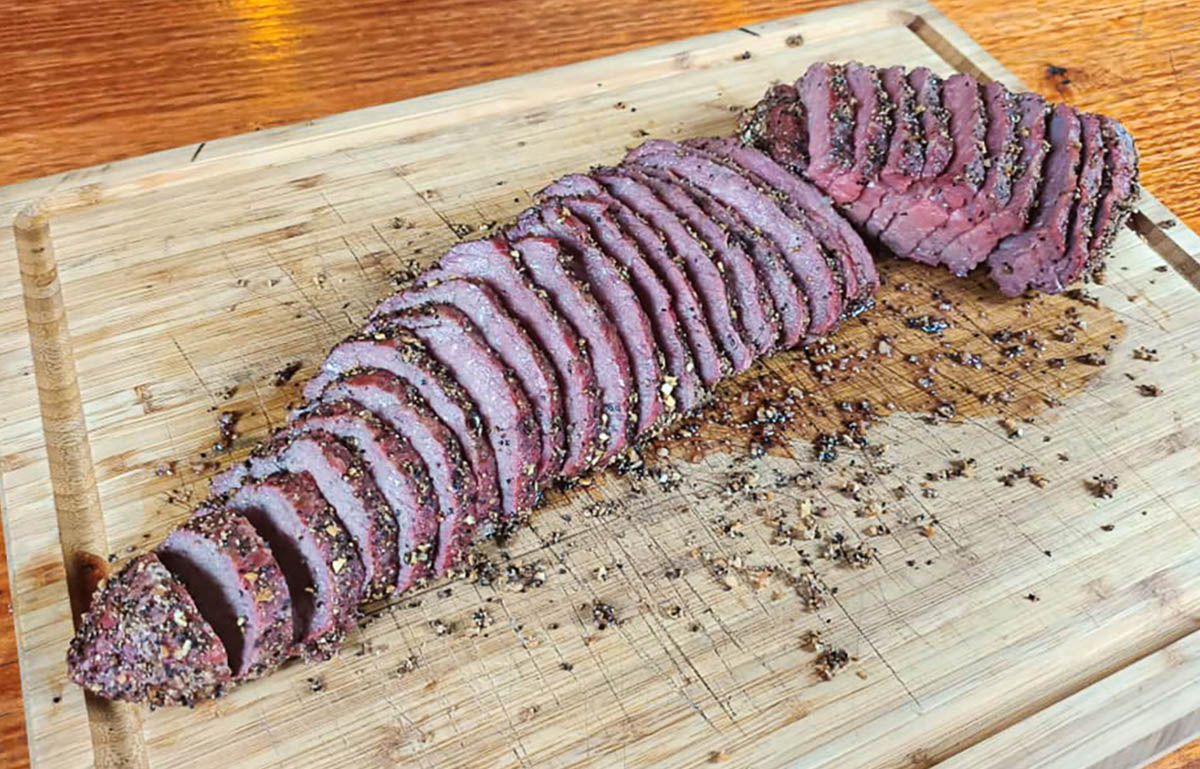
Why it works
- 225°F smoking temperature gives you time to build smoke flavor without overcooking the center.
- Dry brine plus a peppery rub helps the surface dry and set into a real bark, not a wet crust.
- Pulling at medium-rare keeps tri-tip juicy. It is a leaner cut than brisket, so it does not want to be pushed too far.
- Resting after smoking prevents a flood of juices on the cutting board and keeps slices tender.
- Optional hot finish lets you choose between pure smoked bark or a steakhouse-style crust.
Ingredient notes
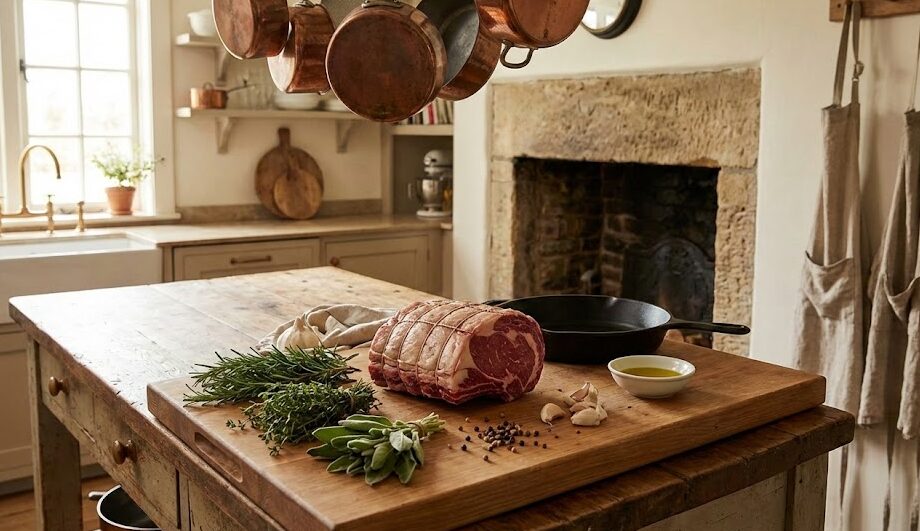
- Tri-tip roast: Look for 2 to 3 pounds, preferably with a decent fat cap. If it is very thick on one end, that is normal.
- Kosher salt: Best for even seasoning. If you only have fine salt, use less since it is denser.
- Coarse black pepper: This is where the bark personality comes from. Pre-ground pepper works, but it will be milder.
- Garlic powder and onion powder: Optional, but they round out the flavor without turning it sweet.
- Neutral oil: Helps the rub adhere. You only need a light coat.
Wood choice: Oak is classic for tri-tip and a very safe “first smoke.” Hickory is stronger and more assertive. Fruit woods like apple or cherry are milder and slightly sweeter, great if you want a softer smoke profile.
Equipment
- Smoker or grill set up for indirect heat (offset, charcoal kettle, ceramic cooker, or pellet grill)
- Instant-read thermometer (and a leave-in probe if you have one)
- Small bowl for mixing the rub
- Tongs
- Cutting board and sharp knife
- Aluminum foil for resting
Pro tips
- Dry brine for better bark: If you have time, season with salt 2 to 24 hours ahead and refrigerate uncovered. It helps the surface dry out so bark sets faster.
- Manage your smoke: Aim for thin, steady smoke, not thick white clouds. Clean smoke tastes like barbecue. Dirty smoke tastes bitter.
- Use temperature, not the clock: Tri-tip size and smoker behavior vary a lot. Watch the internal temp and the bark color.
- Know your grain: Tri-tip has two grain directions. After resting, look for the “seam” where the grain changes, cut the roast in half there, then slice each half against its own grain.
- Rest is not optional: Plan for 15 to 30 minutes. It makes slicing cleaner and the meat juicier.
Substitutes
- Wood: No oak? Use pecan for a gentler hickory vibe, or cherry for a mild, crowd-friendly smoke.
- Rub: You can swap in your favorite low-sugar BBQ rub. If it is very sugary, keep the pit at 225°F and avoid a long hot finish so it does not scorch.
- Oil: Any neutral oil works. Olive oil is fine too, but use a light coat.
Variations
Pellet grill timing (Traeger-style)
Cook this recipe exactly as written, with the same temperatures and target internal temps. Pellet grills tend to run steady, so your timing is often more predictable.
- At 225°F: Plan about 60 to 90 minutes for a 2 to 3 pound tri-tip to reach 125°F internal, depending on thickness and how cold the meat was.
- Bark cue: Because pellet smoke is usually lighter than an offset, let the surface get a little darker before you pull, as long as you are still on track for medium-rare.
- If your grill has a “super smoke” mode: Use it during the first 45 to 60 minutes, then continue at 225°F until done.
Extra pepper bark
Increase the black pepper to 2 tablespoons for a bolder Central Coast style bite. It is fantastic if you plan to serve it with a creamy side.
Santa Maria style vibe
Add 1 teaspoon dried rosemary (crushed) to the rub. Keep it subtle so it does not overpower the beef.
Serving ideas
- Backyard plate: Smoked tri-tip with Classic Creamy Potato Salad and Garlic Roasted Vegetables.
- Sandwich night: Thin-sliced tri-tip on toasted bread with horseradish mayo and caramelized onions.
- Taco situation: Chop leftovers and pile into warm tortillas with salsa and cabbage.
- Salad dinner: Slice and serve over a big green salad. If you want a hearty option, borrow the vibe from this BBQ Chicken Salad and swap in tri-tip.
Storage
- Refrigerate: Store sliced or whole tri-tip in an airtight container up to 4 days.
- Freeze: Freeze tightly wrapped portions up to 2 months for best quality.
- Reheat gently: Warm slices in a covered skillet with a splash of broth or water over low heat, just until heated through. Avoid blasting it in the microwave or you will lose that medium-rare tenderness.
Common mistakes
- Cooking too hot the whole time: You will miss out on smoke flavor and the center can overcook before bark sets.
- Pulling by time only: Two tri-tips that weigh the same can cook very differently. Use a thermometer.
- Slicing with the grain: This cut will punish you if you slice wrong. Find the grain change and slice each section against its grain.
- Skipping the rest: The meat will leak juices and eat drier than it should.
- Using heavy, dirty smoke: Thick white smoke often means the fire is not burning cleanly and can leave a bitter taste.
FAQ
What internal temperature should I pull smoked tri-tip?
For medium-rare, I pull at 125°F, then rest. The temperature will rise as it rests, and if you do the optional hot finish, carryover can be a little higher. If you prefer medium, pull closer to 135°F.
Do I need to wrap tri-tip while smoking?
Usually no. Tri-tip is small enough that you can ride it out unwrapped and keep the bark intact. If your bark is perfect but the internal temp is moving slowly, you can loosely tent with foil to prevent the surface from getting too dark.
What wood is best for smoked tri-tip?
Oak is my top pick because it is classic, balanced, and hard to mess up. Hickory is bolder. Cherry and apple are milder and a little sweeter.
Can I smoke tri-tip the day before?
Yes. Cool it, refrigerate, then reheat gently. For the best texture, slice after reheating instead of slicing cold, if you can.
Is the optional hot finish necessary?
No, it is purely a texture choice. If you love a steakhouse crust, do it. If you want a softer, more traditional smoked bark, skip it.
Smoked tri-tip cooked low and slow at 225°F for a peppery bark and a juicy medium-rare center, with an optional high-heat finish for extra crust.
Prep Time: 15 minutes (plus optional dry brine time)
Cook Time: 1 hour 15 minutes to 2 hours (plus 15 to 30 minutes resting)
Total Time: About 1 hour 45 minutes to 2 hours 45 minutes (not including optional overnight dry brine)
Servings: 6
- 1 tri-tip roast (2 to 3 pounds)
- 1 tbsp kosher salt
- 1 tbsp coarse black pepper
- 1 tsp garlic powder
- 1 tsp onion powder
- 1 tbsp neutral oil (avocado, canola, or vegetable)
- Wood chunks or splits for smoking (oak recommended, hickory for stronger smoke, or cherry/apple for milder smoke)
- (Optional, best bark) Dry brine: Pat the tri-tip dry. Season all over with the kosher salt. Place on a plate or rack and refrigerate uncovered for 2 to 24 hours. If you skip this, go straight to the rub step.
- Preheat the smoker: Bring your smoker to 225°F, set up for indirect heat. Add your wood (oak recommended) and wait for the smoke to run clean and thin.
- Season: If the tri-tip was dry brined, lightly pat the surface dry again. Rub all over with the neutral oil. In a small bowl, mix black pepper, garlic powder, and onion powder. Season the tri-tip evenly on all sides, pressing the rub in so it adheres.
- Smoke low and slow: Place tri-tip on the smoker, fat cap up if it has one. Smoke at 225°F until the internal temperature in the thickest part reaches 125°F for medium-rare, typically 1 hour 15 minutes to 2 hours depending on thickness and smoker stability. Start checking around the 1-hour mark. The outside should be deep brown with a set bark.
- (Optional) Hot finish for extra crust: When the tri-tip hits 125°F, move it to a very hot grill (about 450°F to 550°F) or sear directly over hot coals. Sear 60 to 90 seconds per side just to deepen the crust, keeping a close eye so it does not overcook.
- Rest: Transfer tri-tip to a cutting board and loosely tent with foil. Rest 15 to 30 minutes.
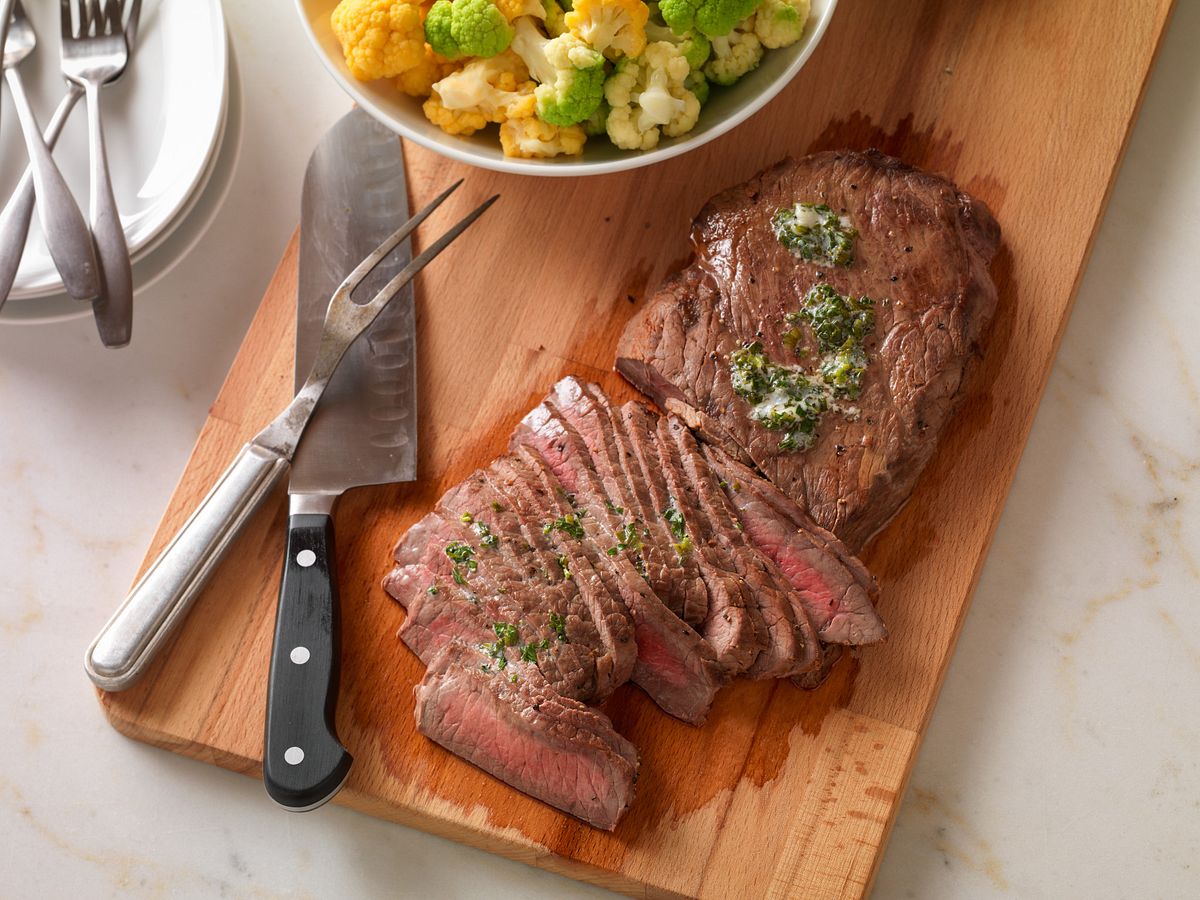
- Slice correctly: Find where the grain changes direction (often near the middle). Cut the roast into two pieces at that point, then slice each piece thinly against the grain. Serve immediately.
Doneness guide: Pull at 125°F for medium-rare, or 135°F for medium. Resting will raise the internal temperature slightly, and carryover can be a bit higher if you do the hot finish.
My bark rule: If the internal temp is close but the surface looks pale, give it a little more time as long as you are not pushing past your target doneness.
For a faster roast: Use the methods on our Tri-Tip Roast page. This smoked version is a different pace by design.