Delishing
London Broil Recipe

London broil is one of those dinners that feels fancy, but it is actually a weeknight lifesaver once you know two big moves: marinate for flavor, then cook it hot and fast like a steak. This is not a pot roast situation. Low-and-slow heat tends to dry out lean round cuts unless you are fully braising them, so for the classic “London broil” vibe, I recommend high heat and a confident rest.
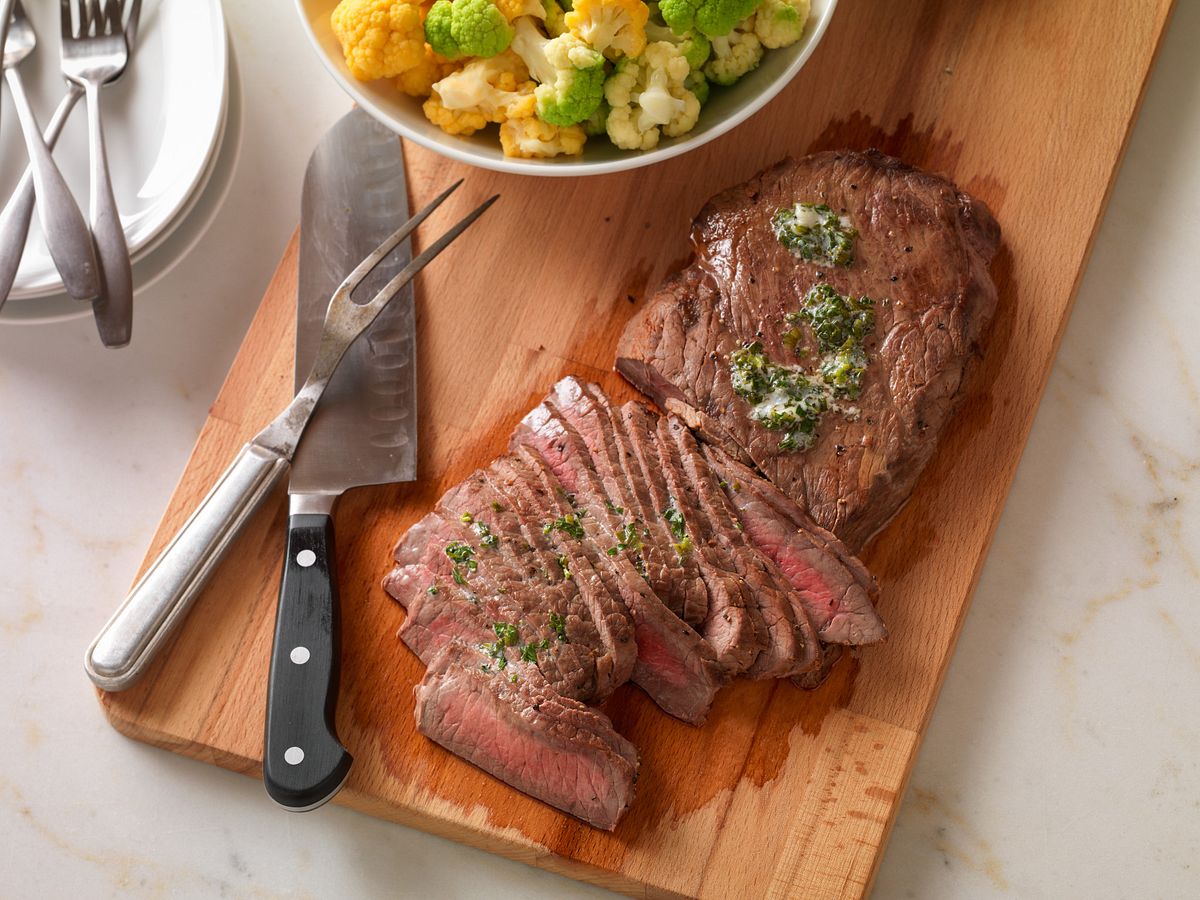
I started making London broil during a stretch of those 5:00 PM dinner panics when I needed something affordable that still felt like a real meal. After a lot of notebook testing, I landed on a marinade that does three jobs at once: it seasons well, it helps the surface brown fast, and it sets you up for a steak that eats tender when you pull it at the right temperature and slice it correctly. (That last part is where the “juicy” magic really happens.)
Here is what I will walk you through: the best cut to buy for “London broil,” how long to marinate (and how long is too long), two reliable cooking paths (broiler and grill), doneness targets you can actually trust, and the step that matters most of all: slicing thin, about 1/8 to 1/4 inch, against the grain. The recipe card below has the exact timing, temperatures, and setup details so you can cook it with confidence instead of guesswork.
What London broil is
Despite the name, London broil is usually a method more than a single cut: marinate a lean, thick steak, cook it over very high heat, rest, then slice thinly across the grain. In most U.S. grocery stores, packages labeled “London broil” are often top round or bottom round, and depending on the store and region you might also see flank steak (or even top sirloin) sold under the same name.
Round cuts are lean and can turn tough if they are overcooked or sliced the wrong direction. That is why the marinade, the thermometer, and the slicing technique matter so much here.
Broiler or grill
If you want to cook this in the oven, the best answer is simple: use the broiler. Broiling is essentially upside-down grilling, which is exactly the kind of intense heat you need to sear the outside before the inside overcooks. (The recipe card will walk you through where to position the rack and how to set up the pan.)
- Broiler (oven path): Great year-round, fast, and reliably high heat.
- Grill: Best smoky flavor and an easy sear, especially on a very hot grill.
- Regular baking: Not ideal for this dish. It cooks too gently and can push a lean cut toward a dry, roast-like texture.
Why this recipe works
- High-heat cooking equals better texture. A quick sear helps keep a lean cut from drying out.
- The marinade balances salt, acid, and sweetness. Salt seasons, acid brightens and helps tenderize slightly, and brown sugar boosts browning under the broiler or on the grill.
- A rest before slicing keeps juices in the meat. It is a small wait with a big payoff.
- Thin slices against the grain turn “tough” into tender. This is the London broil superpower.
Ingredient notes
Best cut for London broil
Look for top round labeled London broil, or ask the butcher for a thick top round steak (about 1 1/4 to 1 1/2 inches thick). Flank steak can also be sold as London broil and works well with this marinade, but it cooks a bit faster because it is usually thinner.
Soy sauce
This is your salty, savory base. If you use low-sodium soy sauce, you can season more aggressively at the end. If you use regular soy sauce, be cautious with extra salt until after cooking.
Acid (balsamic or red wine vinegar)
Acid adds brightness and helps the marinade penetrate. Do not marinate for days and days with lots of acid, especially with very lean beef, or the exterior can get a little mealy.
Worcestershire
A small amount adds depth and that steakhouse-style savoriness.
Oil
Helps carry flavor and promotes browning. Olive oil is fine here.
Garlic and black pepper
Go generous. Pepper and garlic love high heat.
Equipment
- Broiler-safe sheet pan plus a wire rack (recommended for even browning)
- Instant-read thermometer for doneness you can trust
- Tongs
- Sharp slicing knife and a sturdy cutting board
- Zip-top bag or shallow dish for marinating
If you want more general gear guidance, Delishing has an Equipment Guides hub that can help you decide what is actually worth buying.
Pro tips
Marinate long enough, but not forever
My sweet spot is 6 to 12 hours. You will get great flavor at 4 hours, but overnight is ideal for top round. Try not to go past 24 hours with an acidic marinade.
Dry the surface before cooking
After marinating, pat the steak dry. A dry surface browns faster, which means more flavor and less overcooking inside.
Preheat the broiler and put the rack high
You want the steak close to the heat source, typically 4 to 6 inches from the broiler element.
Use temperature, not guesswork
- Rare: pull at 120 to 125 F, rest to about 125 to 130 F
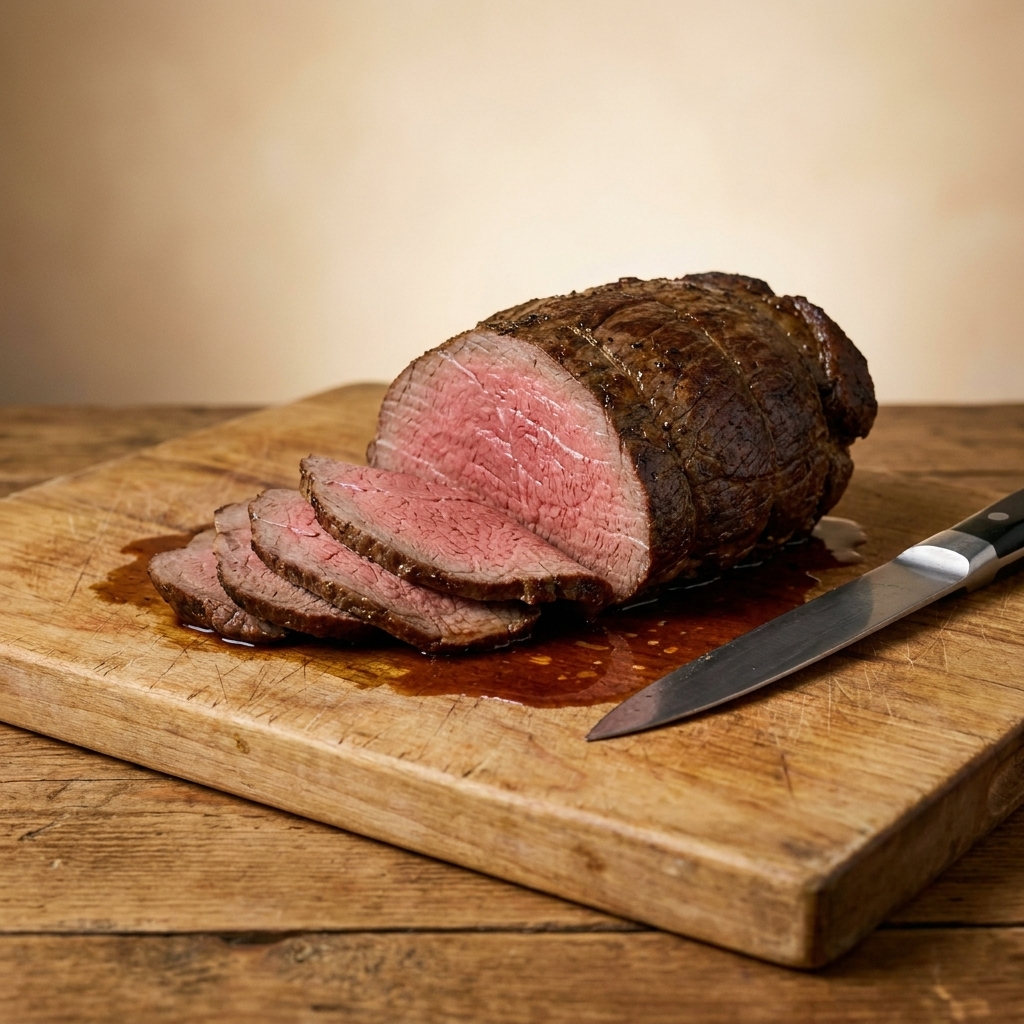
- Medium-rare: pull at 125 to 130 F, rest to about 130 to 135 F
- Medium: pull at 135 to 140 F, rest to about 140 to 145 F
Top round is lean, so I strongly recommend medium-rare for the most tender result.
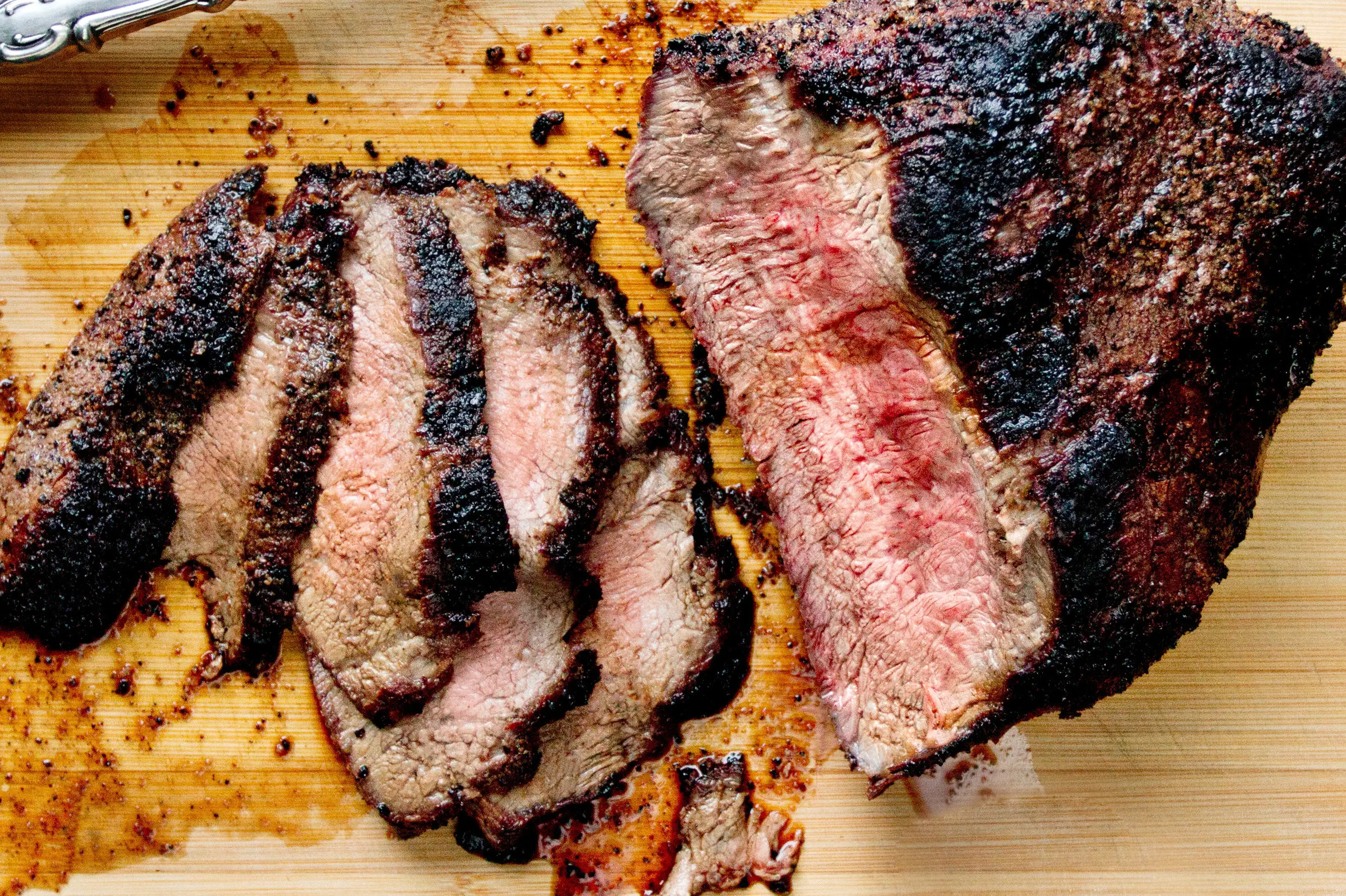
Slice thinly against the grain
Find the direction the muscle fibers run, then slice across them, as thin as you can manage. If you can, hold your knife at a slight angle for wider slices.
Substitutes
- Gluten-free: Use tamari or certified gluten-free soy sauce, and confirm your Worcestershire is gluten-free.
- No Worcestershire: Add 1 extra tablespoon soy sauce plus 1 teaspoon Dijon mustard.
- No balsamic or red wine vinegar: Apple cider vinegar works nicely.
- No brown sugar: Honey or maple syrup both work. Use the same amount, but expect slightly faster browning.
Variations
- Garlic-herb London broil: Add 1 teaspoon dried rosemary or thyme to the marinade.
- Spicy London broil: Add 1 to 2 teaspoons crushed red pepper flakes or 1 teaspoon smoked paprika.
- Citrus-soy London broil: Swap half the vinegar for fresh orange juice and add a little orange zest.
Serving ideas
I love London broil because it stretches. Those thin slices make it feel abundant, even with a modest-size steak.
- Classic steakhouse plate: Serve with baked potatoes with sour cream and garlic roasted vegetables.
- Summer grill dinner: Pair with grilled vegetable skewers.
- Sandwich night: Pile thin slices on toasted bread with a swipe of horseradish or mustard.
- Meal prep bowls: Slice and serve over greens or grains with any leftover marinade simmered briefly as a drizzle.
Storage
- Refrigerate: Store sliced steak in an airtight container for up to 3 to 4 days.
- Freeze: Freeze cooled slices in a freezer bag for up to 2 months for best texture.
- Reheat gently: Warm slices in a skillet with a splash of broth or water, just until heated through. Avoid blasting it in the microwave, which can push it into tough territory fast.
Common mistakes (and how to avoid them)
- Cooking it like a roast. London broil wants high heat. Use the broiler or a hot grill.
- Skipping the thermometer. Lean cuts go from perfect to dry quickly. Temperature removes the stress.
- Not resting. Rest 10 minutes so the juices redistribute.
- Slicing with the grain or too thick. This is the number one reason people think London broil is tough.
- Marinating way too long. Extended time in an acidic marinade can make the surface mushy.
FAQ
Can I cook London broil in the oven without broiling?
You can, but it will be less like steak and more like a firm roast. If your oven has a broiler, use it. If you truly cannot broil, sear the steak hard in a very hot skillet, then finish in a 425 F oven to your target temperature.
How long do I broil London broil?
It depends on thickness and how hot your broiler runs. Use the times in the recipe as a starting point, but trust your thermometer for the final call.
Is London broil supposed to be chewy?
No. It is a lean cut, but it should still eat tender when cooked to medium-rare and sliced very thin against the grain.
Can I use this marinade for flank steak?
Yes. Flank steak often cooks faster, so start checking temperature earlier.
Do I need to score the steak?
No. Scoring can make it harder to slice neatly. A good marinade and proper slicing are enough.
Recipe Summary
Marinated London Broil (Broiler or Grill)
A simple soy-balsamic marinade, cooked hot and fast under the broiler or on the grill, then sliced paper-thin against the grain for a tender, steakhouse-style dinner.
Prep Time: 10 minutes (plus marinating)
Cook Time: 10 to 14 minutes
Total Time: 20 to 25 minutes (plus marinating)
Servings: 6
Ingredients
- 1 (2 to 2 1/2 pound) top round London broil, about 1 1/4 to 1 1/2 inches thick
- 1/3 cup soy sauce (or tamari for gluten-free)
- 3 tablespoons balsamic vinegar (or red wine vinegar)
- 2 tablespoons olive oil
- 2 tablespoons Worcestershire sauce
- 2 tablespoons brown sugar (light or dark)
- 4 cloves garlic, minced
- 1 teaspoon kosher salt
- 1 teaspoon freshly ground black pepper
- 1 teaspoon Dijon mustard (optional but recommended)
- Chopped parsley, for serving (optional)
Instructions
- Marinate the steak: In a bowl, whisk together the soy sauce, balsamic vinegar, olive oil, Worcestershire, brown sugar, garlic, salt, pepper, and Dijon (if using). Place the steak in a large zip-top bag or shallow dish and pour the marinade over it. Seal or cover and refrigerate for 6 to 12 hours, turning once or twice if you think of it. (Minimum 4 hours, maximum 24 hours.)
- Bring to cool room temp: Remove the steak from the refrigerator 30 minutes before cooking so it cooks more evenly.
- Set up for broiler (oven path): Position an oven rack about 4 to 6 inches from the broiler. Preheat the broiler to high for at least 5 minutes. Line a rimmed sheet pan with foil for easy cleanup and set a wire rack on top if you have one.
- Dry the surface: Remove steak from the marinade and let excess drip off. Pat the surface very dry with paper towels. (Discard used marinade or see note below for turning it into a sauce.)
- Broil: Place the steak on the rack or directly on the lined pan. Broil for 5 to 7 minutes on the first side. Flip, then broil 4 to 7 minutes more, until an instant-read thermometer reads 125 to 130 F for medium-rare or 135 to 140 F for medium.
- Rest: Transfer the steak to a cutting board and rest for 10 minutes.
- Slice correctly: Identify the direction of the grain, then slice very thinly against the grain. Sprinkle with parsley if you like, and serve immediately.
- Grill option: Preheat a grill to high heat (aim for 450 to 500 F). Clean and oil the grates. Grill the dried, marinated steak for 5 to 7 minutes per side, then check temperature and cook to your target doneness (same temperature targets as above). Rest 10 minutes, then slice very thinly against the grain.
Notes
- Doneness: For best tenderness with top round, I recommend pulling at 125 to 130 F for medium-rare, then resting.
- Quick pan sauce (optional): If you want to use the marinade as a sauce, pour it into a small saucepan and bring to a full boil, then simmer for 3 to 5 minutes. (Never serve used marinade without boiling it.)
- Slicing tip: If your steak feels tricky to slice thinly, chill it for 10 to 15 minutes after resting. Slightly firmer meat can be easier to cut into very thin slices.