Delishing
Sirloin Tip Roast

Sirloin tip roast is one of those weeknight-budget cuts that can feel a little intimidating. It is lean, it can overcook quickly, and if you slice it the wrong way it can go from “cozy Sunday dinner” to “why is this so chewy?” in about 30 seconds.
After a lot of trial runs in my kitchen notebook (including one memorable roast I sliced with the grain and immediately regretted), this is the method I come back to. You season boldly, roast at a steady 325°F, pull it at the right internal temp, then rest long enough for the juices to settle back in. I keep it uncovered, ideally on a rack, so heat can circulate and the exterior browns instead of steaming.
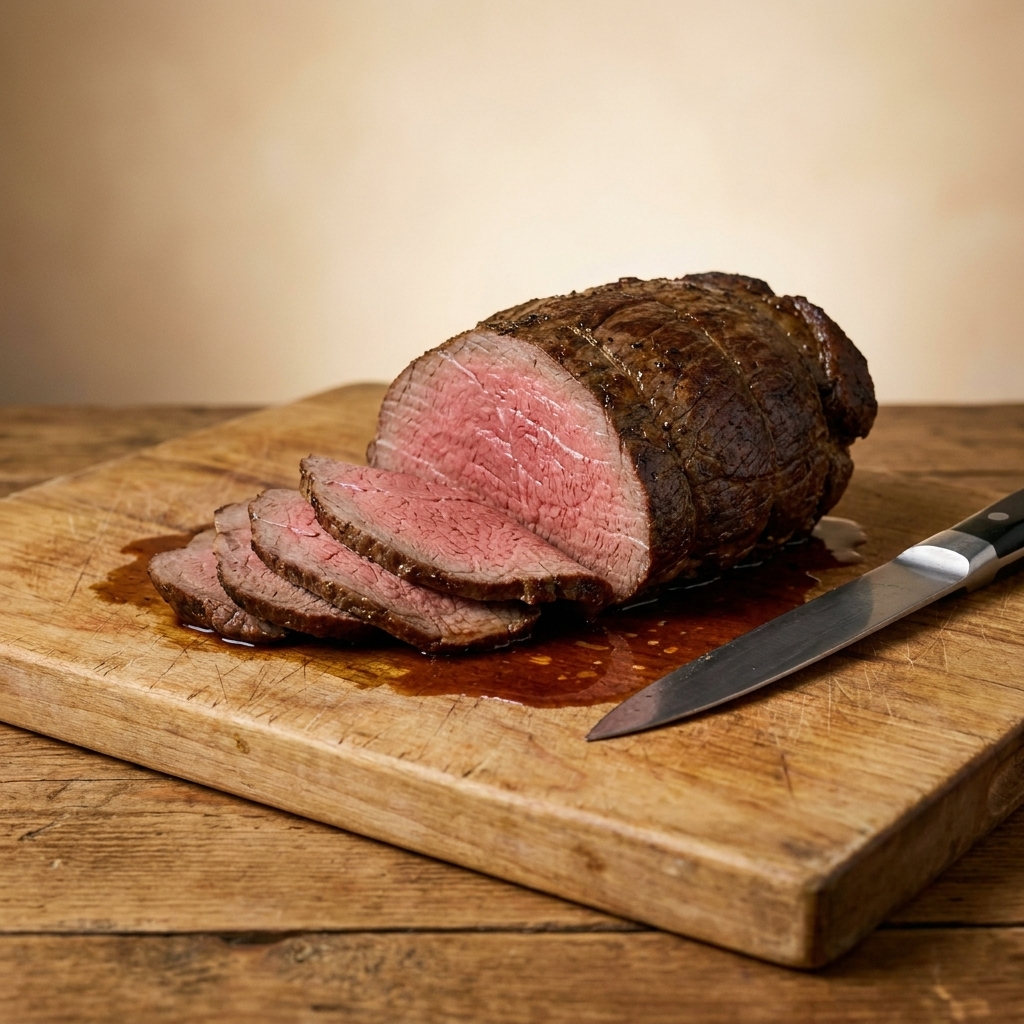
You will also see an optional pan gravy and a quick pan sauce built off the drippings. Think of the gravy as the classic thick, spoonable version (drippings plus broth, thickened gently), and the pan sauce as the fast, glossy option (drippings plus broth, scraped up from the pan, finished with a little butter). A lean roast loves a little help at the table.
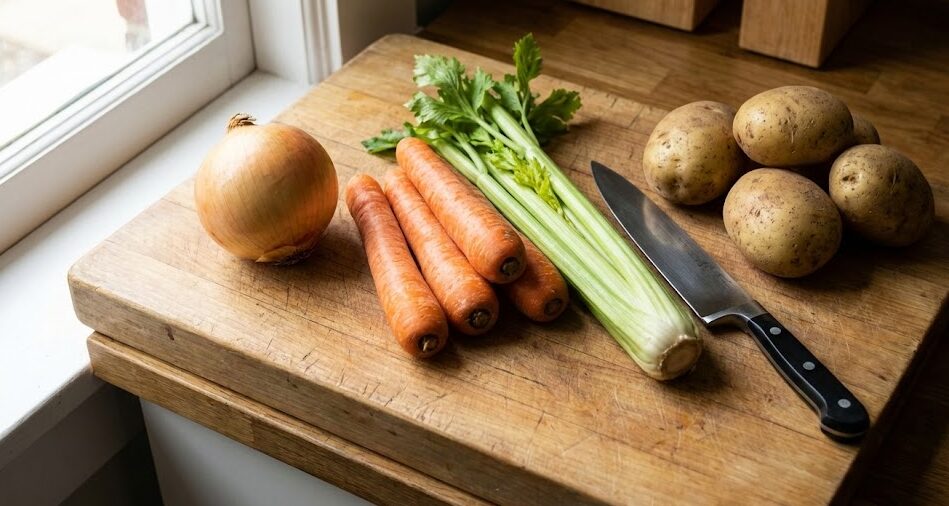
If you are building a full roast dinner, I love pairing this with something simple and hands-off like garlic roasted vegetables or rosemary roasted sweet potatoes.
What to know
Labels vary
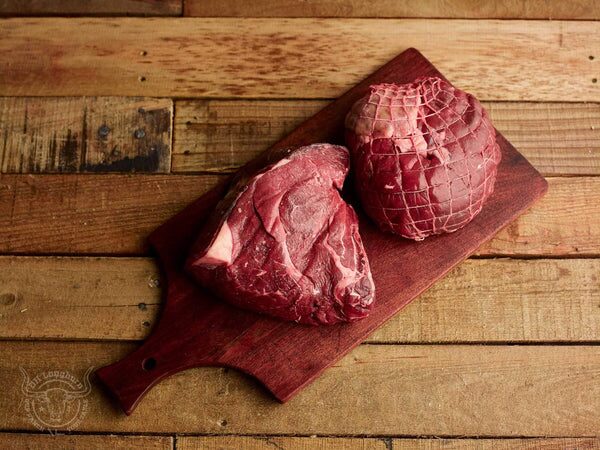
This cut may be labeled “sirloin tip,” “tip roast,” or “round tip roast,” depending on your store and butcher. It is often a lean roast from the round area, which is why temperature control and slicing direction matter more than fancy techniques.
Use a thermometer
Oven times vary based on roast shape, starting temperature, and your pan setup. The only reliable way to nail doneness is with an instant-read thermometer (or a leave-in probe).
Resting matters
Resting gives the roast time to reabsorb juices so you do not lose them all on the cutting board. It also finishes the last few degrees of carryover cooking. On a roast this size, carryover is usually in the 5 to 15°F range, with smaller roasts tending to be closer to the lower end.
In my kitchen, a 15 to 25 minute rest (loosely tented) is the sweet spot.
Doneness targets
Pull the roast from the oven when it is about 5 to 15°F below your final target, then let carryover finish the job. Treat these as helpful ranges, not a single magic number.
- Rare: pull at 115 to 120°F, rest to about 120 to 125°F
- Medium-rare: pull at 120 to 125°F, rest to about 125 to 135°F
- Medium: pull at 130 to 135°F, rest to about 135 to 145°F
- Medium-well: pull at 140 to 145°F, rest to about 145 to 155°F
- Well: pull at 150 to 155°F, rest to about 155 to 165°F
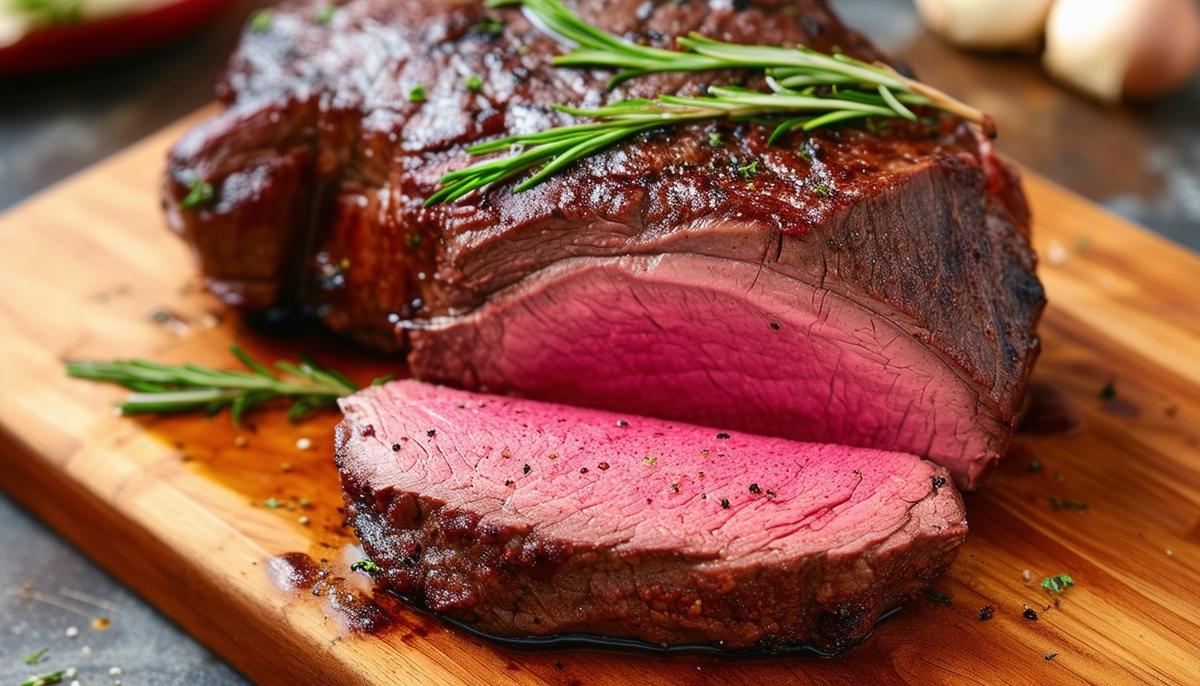
For sirloin tip roast, I strongly recommend medium-rare to medium for the best texture. If you prefer well-done, plan to lean harder on gravy or pan sauce to keep it feeling juicy.
How to slice
This is the make-or-break step for tenderness. Look closely at the roast and find the direction the muscle fibers run, those long lines in the meat. Then slice perpendicular to those lines.
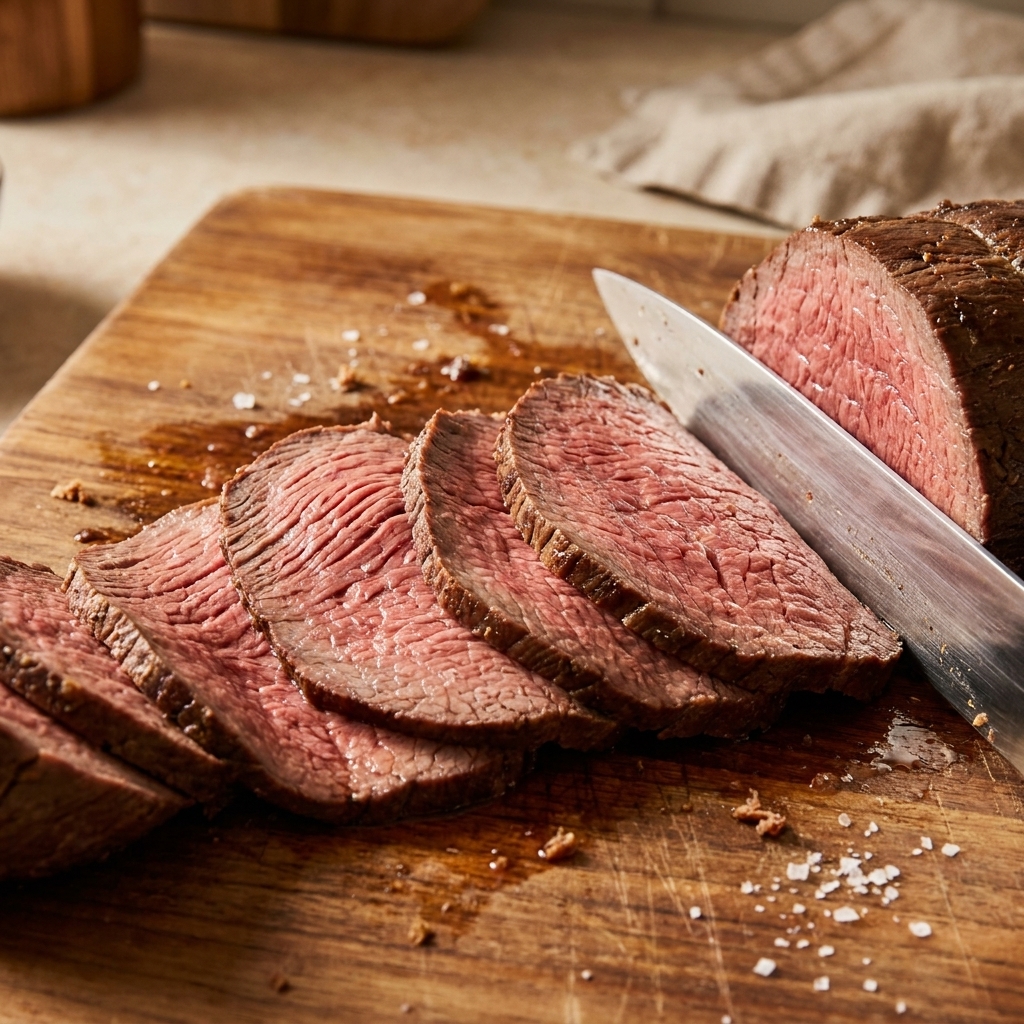
If the grain changes direction across the roast, rotate the meat as you go. And slice thin. I would rather have more thin slices than fewer thick ones.
Troubleshooting
- If it is tough: it is usually overcooked, sliced with the grain, or both.
- If it is underdone: slice what you need, then warm the slices gently in a covered skillet with a splash of broth, just until the pink looks right.
Why this works
- A bold dry rub builds flavor fast on a lean cut.
- A steady roast temperature cooks the center evenly without drying out the outside.
- Resting time prevents dry slices and gives you better pan juices for gravy.
- Slicing against the grain shortens muscle fibers, which is the quickest way to make this cut feel tender.
Ingredient notes
Sirloin tip roast
Look for a roast that is evenly shaped and 2 to 4 pounds. An even thickness helps it cook predictably.
Kosher salt
Kosher salt is easier to sprinkle evenly. If you only have table salt, use less (it is saltier by volume).
Garlic and onion powder
These give you reliable flavor and a great crust without worrying about fresh garlic burning.
Worcestershire and beef broth
Worcestershire boosts savory depth. Broth gives you enough liquid for pan gravy or a quick pan sauce.
Butter and flour (for gravy)
The recipe includes an optional gravy method. If you skip it, you can still deglaze the pan with broth for a simple sauce.
Equipment
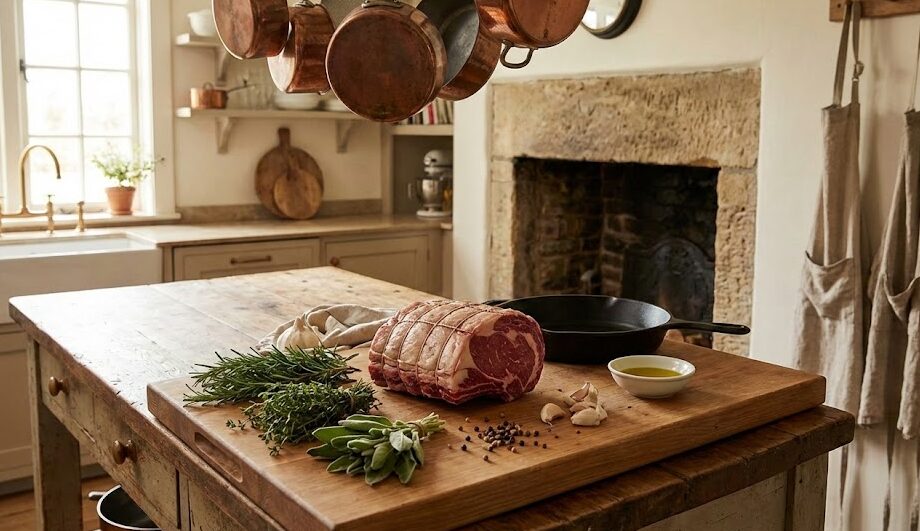
- Roasting pan or a sturdy rimmed baking sheet
- Wire rack (optional but helpful for airflow)
- Instant-read thermometer (highly recommended)
- Chef’s knife and cutting board
- Foil for resting
- Small saucepan (if making gravy)
Pro tips
- Dry the surface well: Pat the roast dry before oil and seasoning. A dry surface browns better.
- Let it sit at room temp briefly: 30 to 45 minutes helps it cook more evenly. If your kitchen is very warm, keep it closer to 20 to 30 minutes.
- Probe placement matters: Insert the thermometer into the thickest center, avoiding fat pockets and the pan.
- Rest at least 15 to 20 minutes: For a larger roast, 25 minutes is even better.
- Slice thin: Thin slices make a lean roast feel dramatically more tender.
Substitutes
- Broth: Chicken broth works in a pinch, but beef broth has better depth.
- Worcestershire: Use soy sauce (about half the amount at first, then adjust to taste) for a similar savory hit.
- Butter (gravy): Olive oil works, but butter tastes more classic.
- Flour (gravy): Use a gluten-free all-purpose flour blend. The gravy may be slightly less glossy but still tasty.
Variations
Herb and garlic roast
Add 1 to 2 teaspoons dried rosemary or thyme to the rub, plus a pinch of crushed red pepper for warmth.
Peppery roast
Double the black pepper and finish the pan sauce with a splash of cream for a peppercorn-style vibe.
Onion soup style
Whisk a spoonful of onion soup mix into the broth for the gravy. Keep the added salt light until you taste.
Serving ideas
- Serve with classic creamy potato salad when you want something picnic-style but still hearty.
- Round out the plate with garlic roasted vegetables for an easy oven side.
- Make it cozy with baked potatoes with sour cream and extra gravy.
- Turn leftovers into a hot sandwich with melty cheese, inspired by my love of a good classic melt format.
Storage
- Refrigerate: Store sliced roast (or the whole piece) in an airtight container for up to 4 days.
- Freeze: Freeze tightly wrapped slices for up to 2 months. Add a little gravy or broth before freezing to help protect against dryness.
- Reheat gently: Warm slices in a covered skillet with a splash of broth over low heat, or in the microwave at 50% power, just until heated through.
Common mistakes
- Overcooking: This is the fastest way to make sirloin tip roast tough. Pull it early and let carryover do the rest.
- Skipping the rest: If you slice right away, the juices run out and the meat eats dry.
- Slicing with the grain: Even a perfectly cooked roast will feel chewy if you slice the wrong direction.
- Under-seasoning: Lean cuts need a confident hand with salt and pepper.
- Boiling the gravy: Simmer gently so it thickens smoothly without turning gluey.
FAQ
Is sirloin tip roast the same as top sirloin roast?
No. Sirloin tip is typically leaner and usually comes from the round area. Top sirloin is generally more tender. This recipe is written specifically to help a lean sirloin tip roast stay juicy.
Should I sear it before roasting?
You can, but you do not have to. I designed this to be oven-only and reliable. If you want extra crust, you can sear in a hot skillet for 2 to 3 minutes per side before roasting, then proceed as written.
What if my roast is tied with butcher’s twine?
Leave it on for roasting and resting. Remove it right before slicing.
How do I make a pan sauce instead of gravy?
After roasting, set the pan over medium heat on the stove (or pour drippings into a skillet). Add broth and Worcestershire, scrape up browned bits, simmer 2 to 4 minutes, then whisk in a tablespoon of butter to finish. Taste and adjust salt and pepper.
How thin should I slice it?
For the most tender bite, aim for about 1/8 to 1/4 inch thick, and always against the grain.
Roasted Sirloin Tip Roast (with optional pan gravy)
A dependable, home-cook friendly sirloin tip roast with bold seasoning, clear doneness targets, proper resting time, and an easy gravy or pan sauce option using the drippings.
Ingredients
- 1 sirloin tip roast (about 3 pounds)
- 1 tablespoon olive oil
- 2 teaspoons kosher salt (plus more to taste)
- 1 1/2 teaspoons black pepper
- 2 teaspoons garlic powder
- 1 1/2 teaspoons onion powder
- 1 teaspoon paprika
- 1 tablespoon Worcestershire sauce, divided
- 1 cup low-sodium beef broth, divided
- 2 tablespoons unsalted butter (optional, for gravy)
- 2 tablespoons all-purpose flour (optional, for gravy)
Instructions
- Take the chill off the roast: Remove the sirloin tip roast from the refrigerator and let it sit at room temperature for 30 to 45 minutes. Pat very dry with paper towels.
- Heat the oven: Arrange a rack in the middle of the oven. Preheat to 325°F.
- Season: Place the roast on a rack set in a roasting pan (or on a sturdy rimmed baking sheet). Rub all over with olive oil. In a small bowl, mix salt, pepper, garlic powder, onion powder, and paprika. Sprinkle the seasoning all over the roast, pressing gently so it adheres. Drizzle 2 teaspoons Worcestershire over the top.
- Roast: Roast until the thickest center reaches your preferred pull temperature: 125°F for medium-rare, 135°F for medium. Start checking at about 50 minutes, then every 10 minutes after. Typical total roasting time for a 3 pound roast is 60 to 90 minutes, but rely on temperature, not the clock.
- Rest: Transfer the roast to a cutting board and tent loosely with foil. Rest 15 to 25 minutes. Do not skip this.
- Optional pan gravy (while the roast rests): Pour pan drippings into a measuring cup. Spoon off excess fat, leaving about 2 tablespoons fat if possible. Add enough beef broth to the drippings to make 1 1/2 cups total liquid.
- Make a roux: In a small saucepan over medium heat, melt the butter (or use 2 tablespoons reserved pan fat). Whisk in the flour and cook, whisking constantly, for 1 minute.
- Thicken: Slowly whisk in the drippings and broth mixture. Bring to a gentle simmer and cook 3 to 5 minutes, whisking often, until thickened. Stir in remaining Worcestershire (about 1 teaspoon) and season with salt and pepper to taste.
- Slice against the grain: Identify the direction of the grain (the long muscle lines) and slice thinly across it. Serve with gravy, or spoon a little warm broth over slices if you skipped the gravy.
Notes
- Doneness reminder: The roast will rise about 5 to 15°F as it rests, depending on size and how loosely it is tented.
- If you do not have enough drippings for gravy: Use more broth. You will lose some intensity, but it will still be delicious once seasoned.
- Pan sauce shortcut: Skip flour and simmer 1 cup broth with the pan drippings for 2 to 4 minutes, scraping up browned bits. Finish with 1 tablespoon butter off heat for shine.