Tenderizing Tips for the Best Beef Boneless beef chuck is your ticket to melt-in-your-mouth goodness in Instant Pot Beef Stew. The marbling transforms…
Delishing
The Coziest Oven Pot Roast

Maya Brooks
Maya Brooks is a dedicated home cook and the lead recipe developer at Delishing, where she shares practical, foolproof meals for everyday life. With over a decade of hands-on kitchen experience, she specializes in creating approachable dishes that fit a variety of dietary needs and modern cooking methods. Maya is passionate about helping busy people get delicious, stress-free food on the table without needing formal culinary training.
This is the meal I make when I want something that feels impressive but doesn’t require me to hover, panic, or Google “why is my beef still tough” at 9 p.m knowing full well I skipped a step.
If you’ve ever burned the edges, under-seasoned the middle, or wondered why your roast tastes…fine but not wow — you’re in the right place. We’re building flavor gently, layering it patiently, and letting time do most of the work.
No perfection required. Just a pot, an oven, and a little faith.
Why Pot Roast Works
Pot roast is one of those magical dishes that actually likes being ignored.
- Tough cuts become tender
- Simple ingredients turn rich and savory
- Mistakes soften instead of ruining everything
It’s the culinary equivalent of a deep breath.
What You’ll Need (Nothing Fancy, I Promise)
The Ingredients
Beef chuck roast (about 3 pounds)
This is the star. It’s affordable, well-marbled, and practically designed for slow cooking. Fat = flavor here, so don’t shy away.

Salt & black pepper
Be generous. Big cuts need real seasoning, not polite sprinkles.
Olive oil (or any neutral oil)
For searing and building that deep, savory base.
Onions (2 large)
They melt down and sweeten everything. Don’t rush them.
Garlic (3–4 cloves)
Because obviously.

Tomato paste (1 tablespoon)
Tiny amount, huge payoff. Adds richness and depth.
Red wine (1 cup)
Cabernet or merlot are great. If wine isn’t your thing, extra broth works — no shame.
Beef broth (2 cups, unsalted if possible)
This keeps everything juicy and becomes the gravy.
Carrots (3–4)
Sweet, hearty, and perfect for soaking up sauce.
Potatoes (3–4)
Cut them big so they don’t disappear.

Fresh herbs
- 2 bay leaves
- 1 sprig rosemary or thyme
They quietly perfume the whole dish.

Tools That Make Life Easier
- Dutch oven with a lid
- Tongs
- Sharp knife & cutting board
- Oven mitts (please don’t skip this part)
That’s it. No gadgets. No stress.
Let’s Cook
1. Preheat the Oven
Set your oven to 300°F. Low and slow is the whole point here.
2. Season the Meat
Pat the beef dry with paper towels — this helps it brown instead of steam.
Season all sides generously with salt and pepper. This is not the moment to be shy.
3. Sear for Flavor
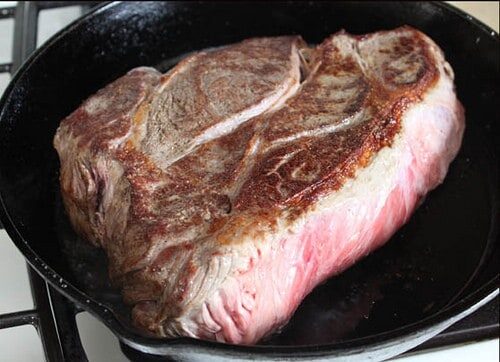
Heat your Dutch oven on the stove over medium-high heat. Add the oil.
When the oil shimmers, add the roast. Let it sit. Don’t poke it. Don’t move it.
After about 4–5 minutes, flip and repeat.
You’re not cooking it through — just building flavor.
Remove the roast and set it aside.
4. Build the Base
Lower the heat slightly. Add the onions with a pinch of salt.
Cook for 3–4 minutes, scraping up those browned bits. Add garlic and tomato paste and cook for another minute until everything smells incredible.
5. Deglaze
Pour in the wine. It will sizzle and look dramatic — that’s good.
Scrape the bottom of the pot and let the wine simmer for 2–3 minutes until slightly reduced.

6. Bring It All Together
Return the roast to the pot. Add carrots and potatoes around it.
Pour in the beef broth — enough to come about halfway up the meat, not drown it.
Tuck in the bay leaves and herbs.
7. Roast
Cover with the lid and place in the oven.
Cook for 3 to 4 hours, checking once or twice to make sure there’s still liquid. Add a splash of broth if needed.
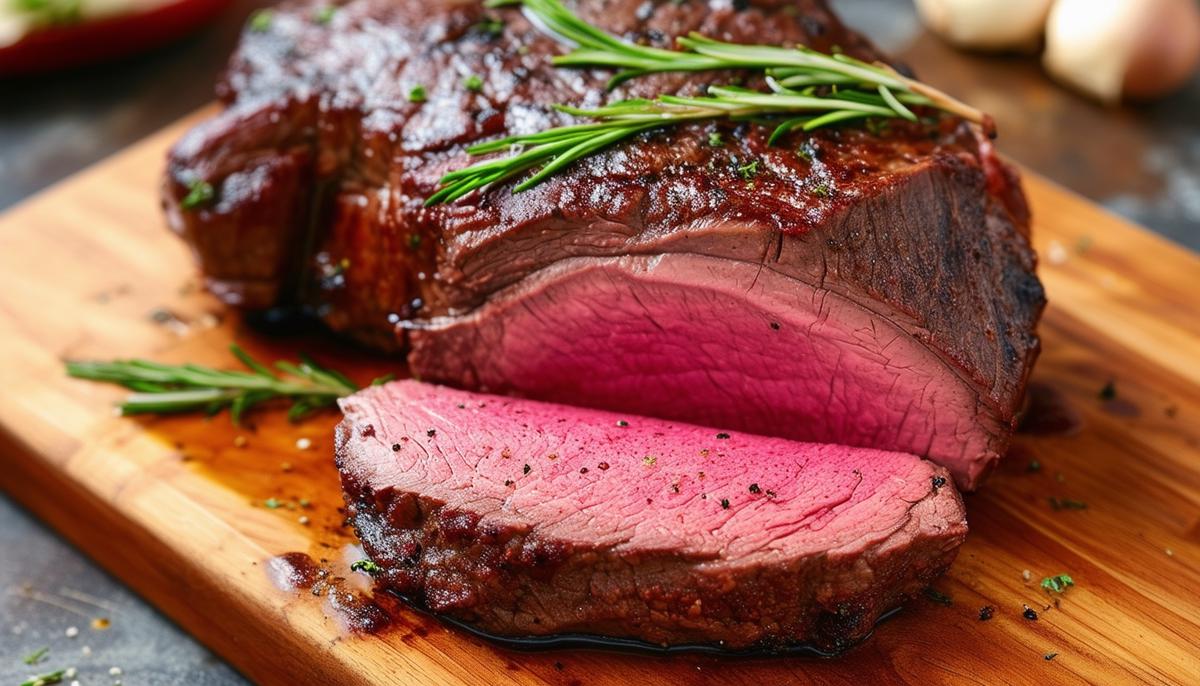
You’ll know it’s ready when a fork slides in easily and the meat practically falls apart on its own.
Let It Rest (Yes, Really)
Take the pot out and let everything sit uncovered for 10 minutes.
This helps the meat relax and the sauce thicken just a bit.
How to Serve It
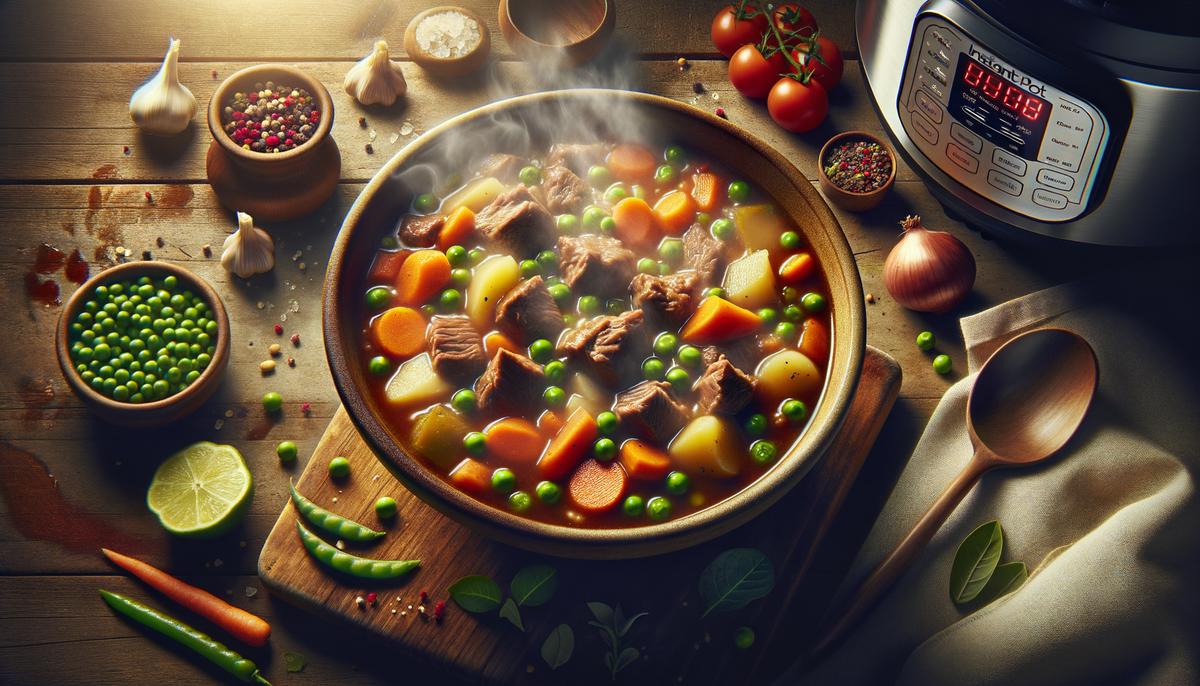
Scoop out tender chunks of beef, spoon over those soft veggies, and absolutely drench everything in gravy.
Perfect with:
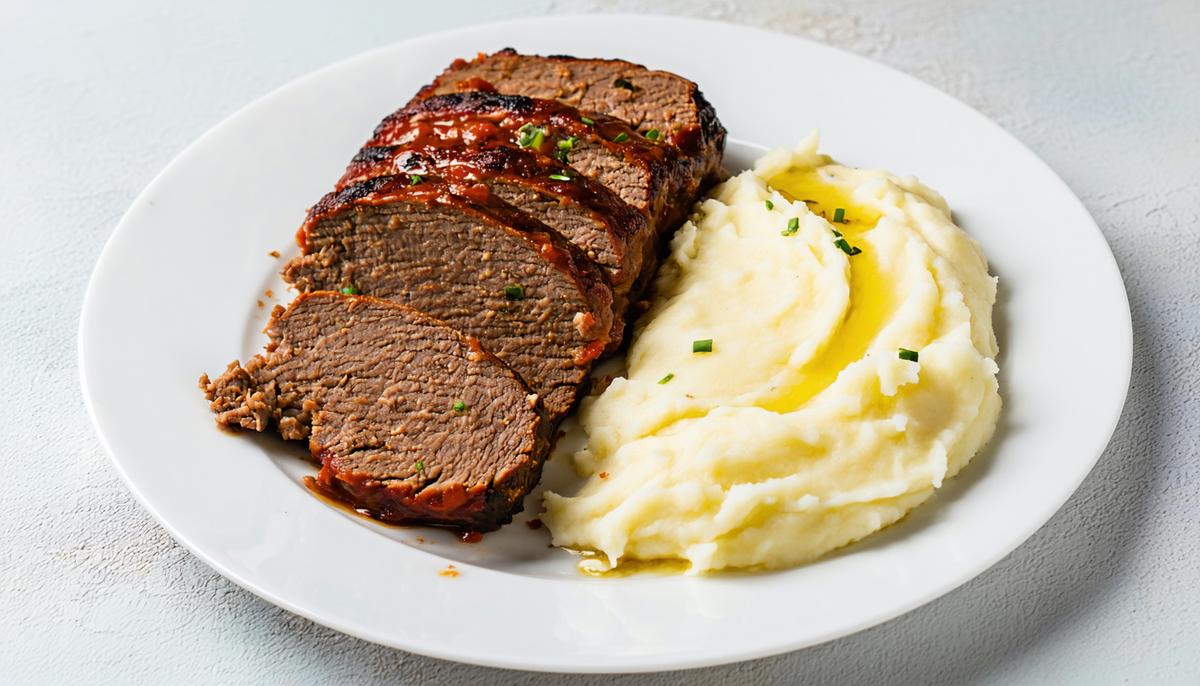
- Mashed potatoes
- Crusty bread
- Rice
- Or honestly, just a fork and a quiet moment
Leftovers (If You’re Lucky)
Pot roast somehow tastes even better the next day.
Store meat and liquid together in an airtight container:
- Fridge: up to 4 days
- Freezer: up to 2–3 months
Reheat gently on the stove or in the oven with a splash of broth.
Final Note From My Messy Kitchen
Pot roast isn’t about precision. It’s about patience.It’s about trusting that time, heat, and a handful of simple ingredients will figure things out — even if you don’t.
If your sauce splits a little or your carrots are softer than planned, congratulations: you’re doing it right. And if this meal makes your kitchen smell like comfort and makes you feel just a little more confident next time — that’s the real win.