Tenderizing Tips for the Best Beef Boneless beef chuck is your ticket to melt-in-your-mouth goodness in Instant Pot Beef Stew. The marbling transforms…
Delishing
Cozy Beef Stew

Maya Brooks
Maya Brooks is a dedicated home cook and the lead recipe developer at Delishing, where she shares practical, foolproof meals for everyday life. With over a decade of hands-on kitchen experience, she specializes in creating approachable dishes that fit a variety of dietary needs and modern cooking methods. Maya is passionate about helping busy people get delicious, stress-free food on the table without needing formal culinary training.
There are meals that impress people — and then there are meals that take care of you.
Beef stew is firmly in the second category.
This is the dish I make when the weather turns gray, when I’ve had one of those days where nothing quite clicks, or when I just want something bubbling quietly on the stove that doesn’t ask much of me. It’s humble. It’s hearty. And it’s incredibly forgiving — which is exactly why it works.
If you’ve ever worried about overcooking vegetables, under-seasoning broth, or choosing the “wrong” cut of beef, take a breath. Beef stew is here to prove that slow, steady cooking can turn almost anything into something deeply comforting.
Why Beef Stew Works So Well
Beef stew is built on patience, not perfection.
- Tough meat becomes tender
- Simple vegetables soak up flavor
- Small mistakes disappear over time
It’s a meal that rewards showing up — not showing off.
Ingredients (Simple, Flexible, No Stress)
The Beef
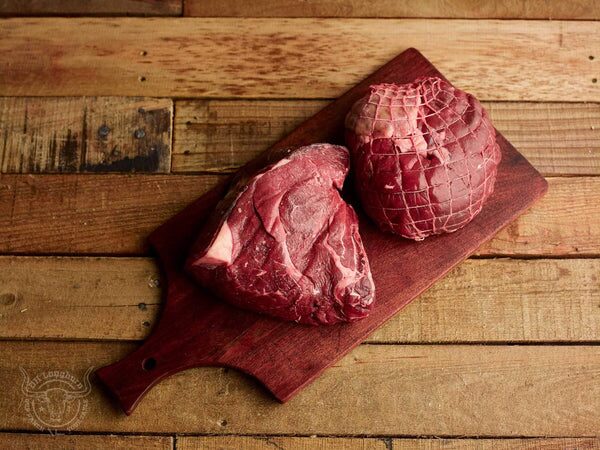
Beef chuck (about 2½–3 pounds)
This cut has just enough fat and connective tissue to break down into tender, spoon-soft bites. It’s affordable and ideal for slow cooking.

The Basics
- Salt & black pepper
- Olive oil or neutral oil
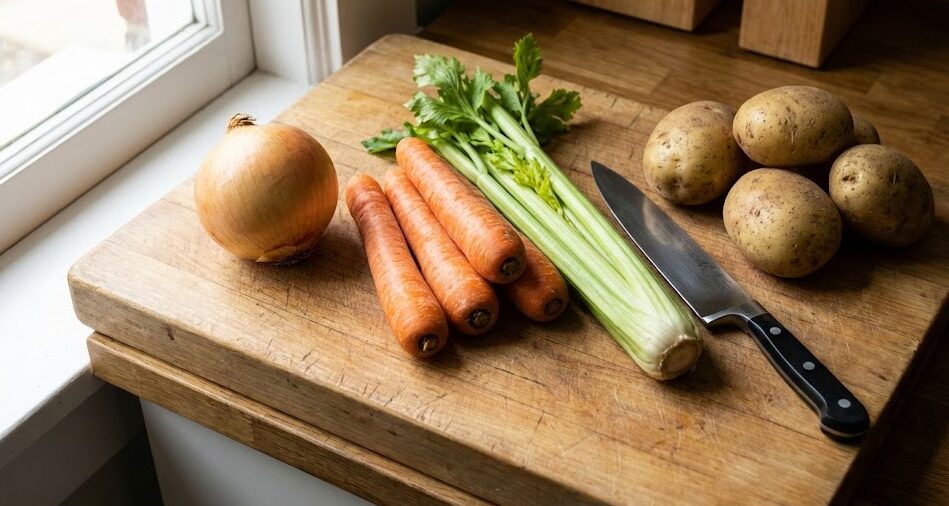
The Vegetables
- Onion (1 large, chopped)
- Carrots (3–4, chunked)
- Celery (2 stalks, sliced)
- Potatoes (3–4, cut into large pieces)
Big pieces are your friend here — they hold their shape and don’t dissolve.
The Flavor Builders
- Garlic (3 cloves, minced)
- Tomato paste (1 tablespoon)
- Beef broth (4 cups)
- Worcestershire sauce (1 tablespoon)
- Bay leaves (2)
- Fresh thyme or rosemary (optional, but lovely)

Tools You’ll Need
- Large Dutch oven or heavy-bottomed pot
- Tongs or wooden spoon
- Sharp knife and cutting board
That’s it. No gadgets. No drama.
How to Make Beef Stew (Slow and Steady)
1. Prep the Beef
Pat the beef dry and cut it into large, bite-sized chunks. Season generously with salt and pepper. This step matters — seasoning early builds flavor from the inside out.
2. Brown the Beef
Heat oil in your pot over medium-high heat. Add the beef in batches — don’t crowd the pot.
Let each piece brown deeply before flipping. Color equals flavor here.
Remove the beef and set it aside.

3. Build the Base
Lower the heat slightly. Add the onion, carrot, and celery to the pot with a pinch of salt.
Cook for about 5 minutes, stirring occasionally, until softened and fragrant. Add garlic and tomato paste and cook for another minute.
4. Deglaze
Pour in a splash of the beef broth and scrape up all the browned bits from the bottom of the pot. This is where the stew really starts to taste like stew.

5. Bring It Together
Return the beef to the pot. Add the remaining broth, Worcestershire sauce, bay leaves, and herbs.
Bring everything to a gentle simmer.
6. Let It Cook
Cover partially and simmer on low for 2 to 2½ hours, stirring occasionally.
About halfway through, add the potatoes so they soften without falling apart.
You’ll know it’s ready when the beef easily pulls apart with a fork and the broth tastes rich and rounded.
Optional Thickening (If You Like It Cozy-Cozy)
If you want a thicker stew:
- Mash a few potato pieces into the broth, or
- Stir in a cornstarch slurry (1 tablespoon cornstarch + 1 tablespoon water)
Both work. Neither is mandatory.

How to Serve It
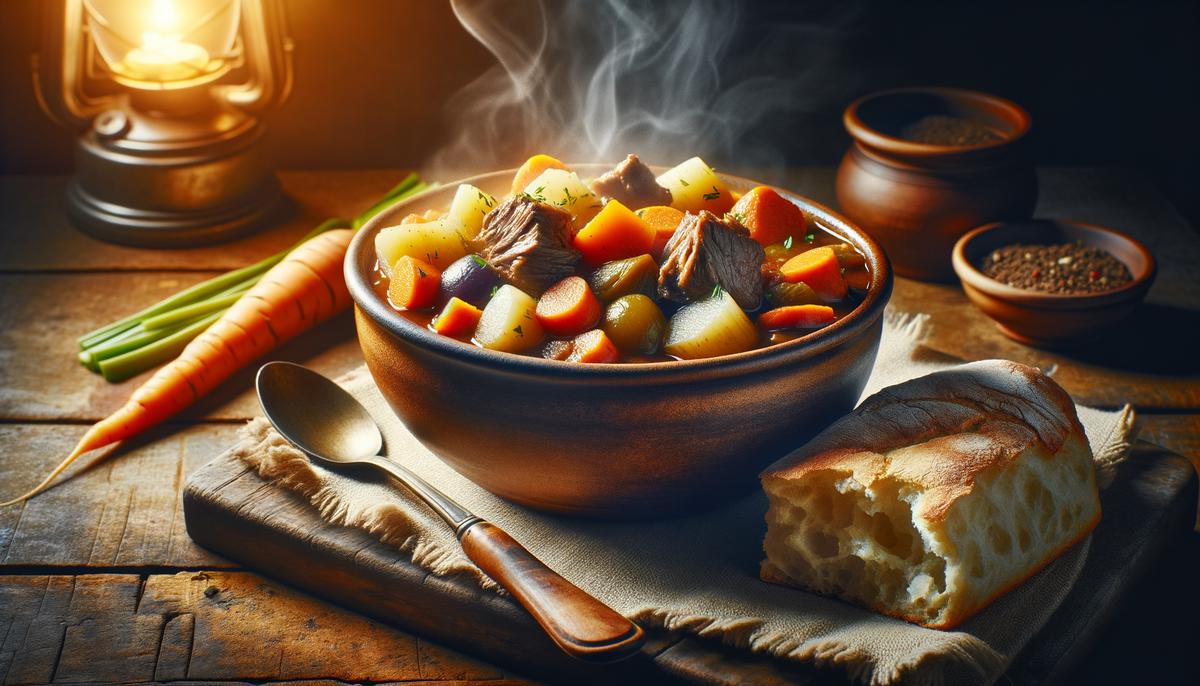
Ladle into big bowls. Eat slowly.
Perfect with:
- Crusty bread
- Biscuits
- Or honestly, just a spoon and a quiet moment
Leftovers (Even Better Tomorrow)
Beef stew somehow improves overnight.
- Fridge: up to 4 days
- Freezer: up to 3 months
Reheat gently on the stove with a splash of broth or water.
Final Notes From My Kitchen
Beef stew doesn’t need precision. It needs time. If your carrots are a little softer or your broth reduces more than expected — congratulations. You made stew, not a mistake.
Let it simmer. Let it rest. Let it take care of you.