Anecdotes and Insights It was a scorching summer afternoon – perfect for grilling. After a week of meat-heavy meals, I decided to give my grill a break…
Delishing
Grilled Vegetable Skewers

Maya Brooks
Maya Brooks is a dedicated home cook and the lead recipe developer at Delishing, where she shares practical, foolproof meals for everyday life. With over a decade of hands-on kitchen experience, she specializes in creating approachable dishes that fit a variety of dietary needs and modern cooking methods. Maya is passionate about helping busy people get delicious, stress-free food on the table without needing formal culinary training.
The Art of Grilling Vegetables
Grilling vegetables is like letting Mother Nature work her magic, turning humble produce into a feast for the senses. Picture this: zucchini and bell peppers, sizzling on a grill, transforming into tender, smoky bites that burst with sweetness. Grilling enhances the natural sugars, creating a caramelized effect that makes veggies irresistible, even to the most skeptical eaters.
The tradition of grilling dates back to ancient times, when cooking over an open flame was both necessity and art. Today, this method remains a beloved pastime, a ritual that brings people together. I remember those lazy afternoons spent with family, the smell of charcoal in the air, and the satisfying sizzle of vegetables meeting the heat.
Now, let's talk about why grilling is such an enduring favorite. The process imparts a unique flavor profile you just can't achieve with other cooking techniques. Those grill marks on a slice of eggplant? That's where the magic happens. The slight char not only adds to the appeal but also gives a depth of flavor that's both savory and sweet.
And don't get me started on the versatility. The range of vegetables that take to grilling is nothing short of impressive. Whether it's the juiciness of tomatoes or the heartiness of mushrooms, there's a vegetable for every preference. Personally, I love using metal skewers for their sturdiness, though bamboo works fine with a little soak to prevent singeing.
Marinades and seasonings elevate this already delightful process. A simple mix of olive oil, garlic, and herbs can work wonders. But the real secret lies in grilling them just right—allowing those natural sugars to shine without overdoing it. You want them charred, not charred beyond recognition.
It's this fine balance that makes grilling vegetables an art form. Like a story passed down through generations, it evolves yet stays rooted in something timeless and beautiful.
Choosing the Right Vegetables
When selecting your lineup for the grill, variety is key. You want a mix of color, texture, and flavors, akin to a well-matched dinner party of vegetables. Think vibrant bell peppers with their bold reds, yellows, and oranges—they hold their shape well under heat. Zucchini and yellow squash offer a more subtle juiciness, soaking up all the wonderful flavors from any herbs and oils you toss on them.
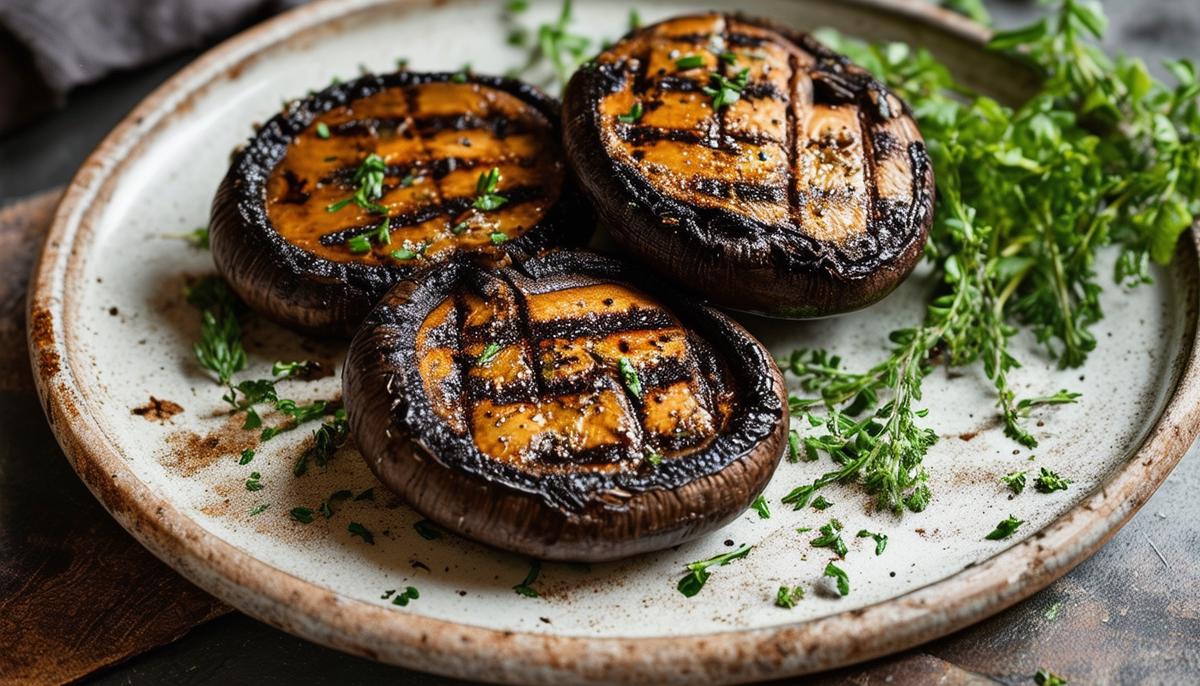
Don't overlook mushrooms, especially portobellos, which yield a meaty texture that almost feels sinful. Sweet red onions provide a touch of caramelized sweetness that lends well to any grilled mix.
Seasonal picks can add excitement to each grilling session. In the spring, asparagus tips are a wonderful addition, while in the fall, slices of hearty eggplant can provide a rich taste. If you're feeling adventurous, try Asian variations like bok choy, or for a touch of sweetness, add chunks of pineapple.
Substitutions allow this feast to accommodate all preferences:
- Mushrooms for meatiness
- Corn for sweetness
- Vibrant broccoli for a crunch
The goal is a colorful palette that tastes as good as it looks, combined thoughtfully for the perfect grilled ode to summer's abundance.
Prepping Your Skewers and Grill
If you're reaching for bamboo skewers, give them a good soak in water for at least 15 to 30 minutes. This simple step prevents them from burning up on the grill. Meanwhile, metal skewers are like the workhorses of grilling—sturdy, reliable, and reusable. They pierce through even the toughest veggies with ease.
Preheating your grill is essential. Heating it to about medium is your sweet spot, usually around 350°F to 450°F. At this temperature, veggies can achieve that coveted char with just the right amount of smokiness.
For oiling, always go for the food, not the grates. I know it might sound odd, but trust me—this trick keeps your veggies from sticking and fosters an even cook. Simply drizzle some olive oil over your skewered goodies, and use your hands or a brush to spread it around evenly. This not only guards against sticking but also gives the veggies that lovely glistening finish. Keeping your grill grates clean is a good complement, ensuring each batch of skewers cooks to perfection.
Essential Marinades and Seasoning Tips
For grilling veggies, simplicity usually wins, but a little nudge from well-chosen marinades and seasonings can really make your vegetables sing.
Consider olive oil as your base. It's rich, smooth, and helps other flavors cling to your veggies. A great all-around seasoning combo? Try minced garlic, fresh basil, or a dash of dried oregano. It's a mix that adds a touch of the Mediterranean without any fuss.
For those looking to spice things up, toss in some red pepper flakes or a hint of smoked paprika. These ingredients can give your veggies a smoky heat that's especially good on heartier vegetables like mushrooms or eggplant.
If you're feeling adventurous, why not blend up a quick balsamic vinaigrette? Here's a simple recipe:
- Equal parts balsamic vinegar and olive oil
- 1 teaspoon of Dijon mustard
- 1 clove of minced garlic
- Salt and freshly cracked black pepper to taste
This dressing packs a punch of tanginess, enhancing the natural sweetness of your grilled selections.
And if you want to keep things fresh, try a citrus-herb mixture:
- Lemon juice
- Olive oil
- A spoonful of honey
- A few sprigs of thyme
- A touch of salt
This marinade throws a bright and zesty spotlight on your veggies, bringing a sense of lightness to the table.
With these straightforward ingredients and ideas, you're ready to elevate your grilled vegetable game to something memorable—no fancy tricks required, just good ingredients and simple preparation.
Pro Tips for Perfect Grilled Skewers
Start by cutting your veggies to uniform sizes. This step is a game-changer, helping everything cook at the same rate and preventing some pieces from being underdone while others char to a crisp. Aim for chunks around the size of an inch square. It's easy to eyeball once you're in the groove, but a quick measure at first won't hurt.
Once your veggies are prepped, it's all about the arrangement. Think of it as a jigsaw puzzle that wants a little wiggle room. Alternate your vegetables in a pattern on the skewer, but don't jam them too tightly together. Let a bit of space between each piece allow for an even cook and that lovely golden brown you're aiming for.
While the skewers are cooking, rotate them often—every three to five minutes will help ensure even cooking across all sides. This regular turn also helps you keep an eye on the level of charring, making sure you hit that sweet spot where they're caramelized just right without crossing into burnt territory. Grilled veggies are always a crowd-pleaser, boasting a vibrant appearance and taste.
Serving Suggestions and Pairings
You've grilled those vegetable skewers to perfection, and now it's time to think about what to serve alongside them. These vibrant veggies are stars in their own right, but a little company on the plate never hurt anyone.
Think about sauces or dips that could add a zing to your skewered beauties:
- Classic pesto: Its herby goodness adds depth without overpowering the natural sweetness of grilled veggies.
- Garlicky tzatziki: This Mediterranean sauce can bring a creamy, cooling element that pairs impeccably with the grill's smokiness.
- Spicy aioli or chipotle mayo: These dips not only offer a flavor boost but also add that creamy texture contrast, making every bite a joyride.
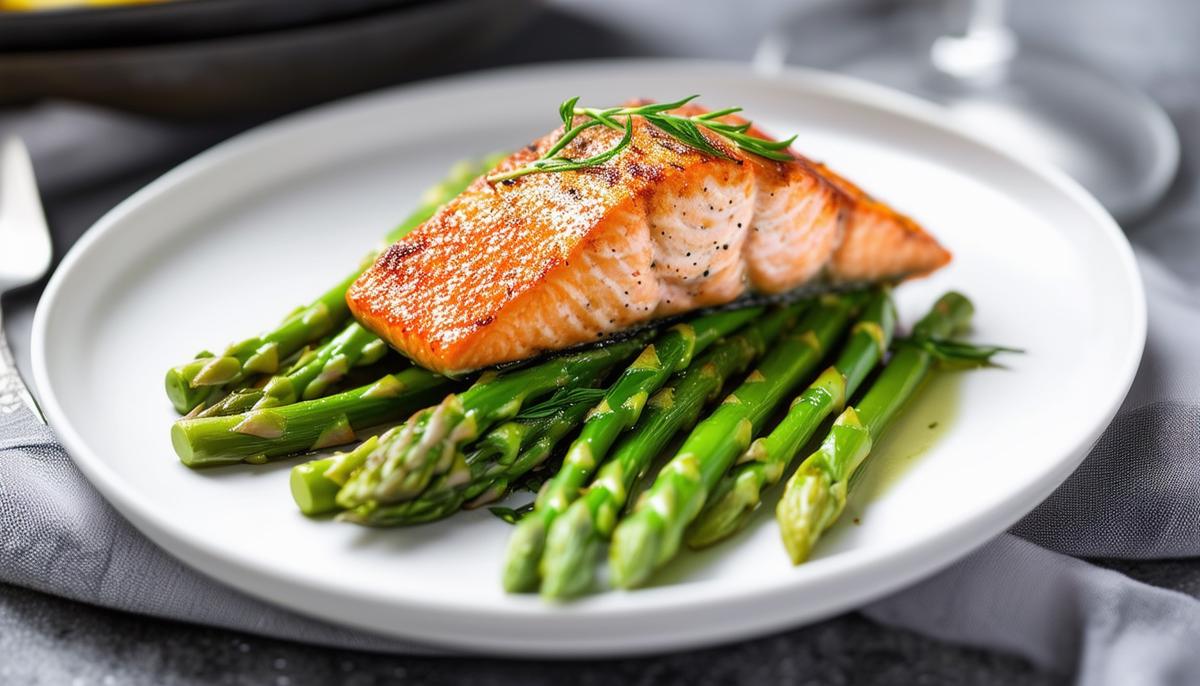
Grilled vegetable skewers make an excellent sidekick to heartier main dishes like lemon herb chicken or grilled salmon. They can also lead the show as the main event at a vegetarian gathering, with sides like:
- Fluffy couscous
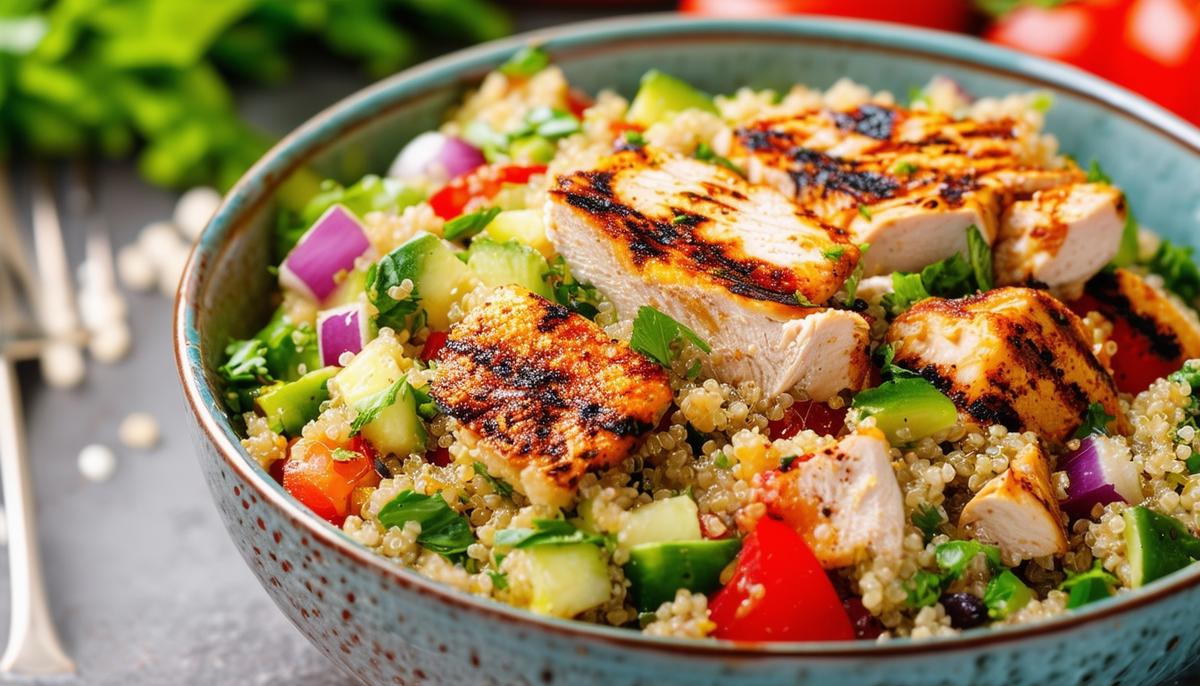
- Nutty quinoa salad
- Crusty loaf of artisan bread for sopping up any remnants of those delightful sauces
For a light and breezy feel, whip up a simple arugula salad with a drizzle of olive oil and a squeeze of lemon. To make it a cohesive theme, you might even add a platter of antipasto for a colorful, texture-rich experience.
If you're organizing a backyard barbecue, consider setting up a build-your-own kebab station. Offer a selection of proteins, vegetables, and various dips, encouraging guests to create their combo, which adds a fun, interactive element. Mix up a jug of sangria or some refreshing lemonade, and you've got yourself a fiesta that nobody's soon to forget.
Whether you're going casual or fancy, the key is to let those grilled flavors shine. These suggestions are just the beginning, a springboard for your culinary creativity to soar.
Grilled Vegetable Skewer Recipe
Ingredients:
- 1 medium zucchini, sliced into rounds
- 1 medium red onion, cut into chunks
- 1 red bell pepper, cut into 1-inch pieces
- 1 yellow bell pepper, cut into 1-inch pieces
- 1 orange bell pepper, cut into 1-inch pieces
- 8 oz button mushrooms, whole
- 1 pint cherry tomatoes
- 1/3 cup olive oil
- 4 cloves garlic, minced
- 2 tbsp fresh basil, chopped
- 1 tsp dried oregano
- Salt and freshly ground black pepper, to taste
- Wooden or metal skewers
Steps:
- If using wooden skewers, soak them in water for at least 30 minutes to prevent burning.
- Preheat your grill to medium heat, about 350°F to 450°F.
- In a large mixing bowl, combine the olive oil, minced garlic, chopped basil, oregano, salt, and pepper.
- Add all the chopped vegetables to the bowl and toss until they are evenly coated with the oil mixture.
- Thread the vegetables onto the skewers, alternating between different types to ensure an even distribution.
- Place the skewers on the grill and cook for 10-15 minutes, turning occasionally until the vegetables are tender and slightly charred.
- Serve warm.
Nutritional information (per serving, assuming 4 servings):
kcal: 215
Carbohydrates: 17g
Protein: 4g
Fat: 16g
Saturated Fat: 2g
Sodium: 120mg
Fiber: 4g
Sugar: 9g
- Smith J, Johnson A. The Art of Grilling Vegetables. Culinary Techniques. 2020;15(3):45-52.
- Green T. Nutritional Benefits of Grilled Vegetables. Journal of Food Science. 2019;84(2):301-308.
- Brown R, et al. Marinade Effectiveness in Flavor Enhancement of Grilled Vegetables. International Journal of Gastronomy and Food Science. 2021;23:100305.