Choosing and Preparing Your Ribeye Marbling is the secret handshake of steak lovers—those delightful fat ribbons promise tenderness and flavor. Thickness…
Delishing
How To Cook Lobster Tail

Maya Brooks
Maya Brooks is a dedicated home cook and the lead recipe developer at Delishing, where she shares practical, foolproof meals for everyday life. With over a decade of hands-on kitchen experience, she specializes in creating approachable dishes that fit a variety of dietary needs and modern cooking methods. Maya is passionate about helping busy people get delicious, stress-free food on the table without needing formal culinary training.
Lobster tail is one of those dinners that feels fancy, but the actual cooking part is not complicated once you know what to look for. The hard part is the fear of messing it up, especially when lobster is not exactly an everyday grocery item.
My weeknight-cook brain loves lobster tail because it cooks fast, forgives you if you use a timer, and pairs with almost anything you already know how to make. Below, I will walk you through broiling, baking, and grilling, plus exact timing ranges, doneness checks, and my favorite butter sauces for that steakhouse-at-home moment.
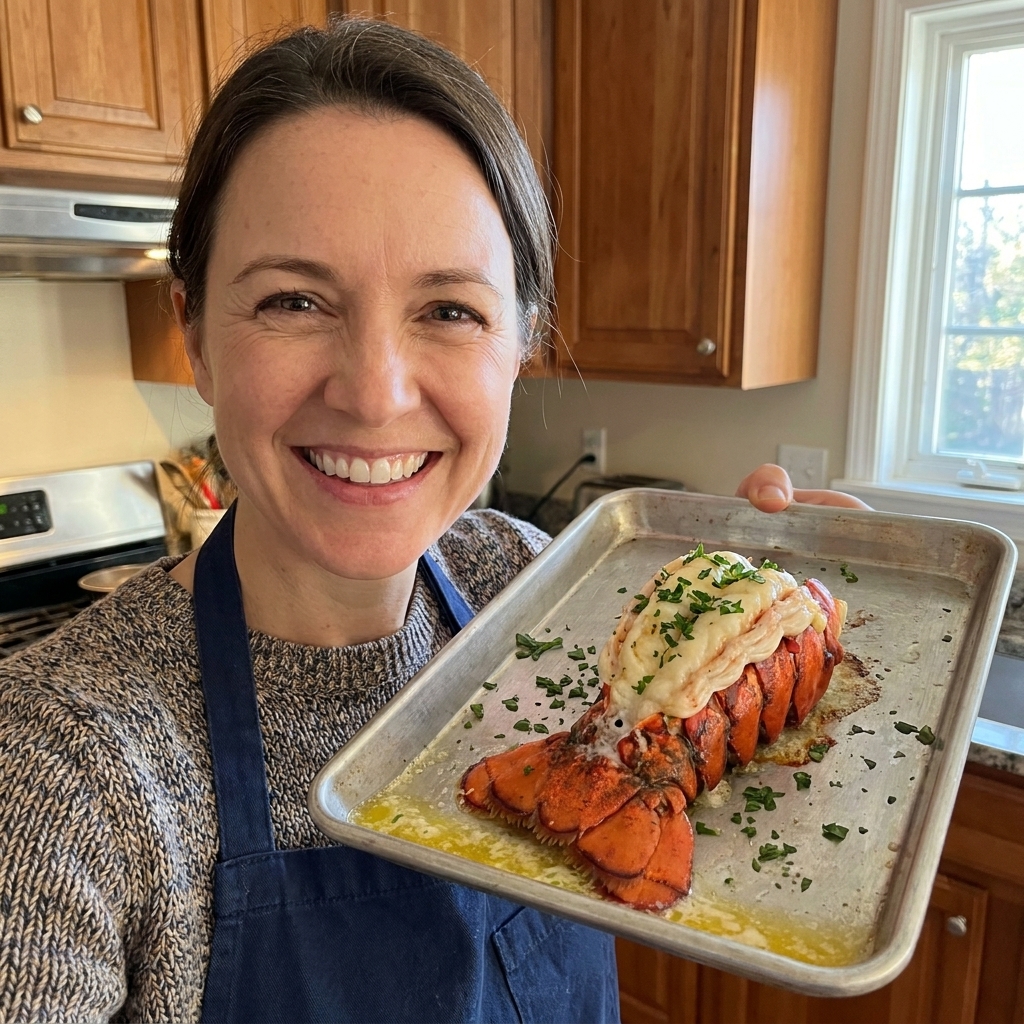
Before you start: choosing and prepping lobster tail
Fresh vs. frozen
Most lobster tails sold at regular grocery stores are frozen. That is totally fine. Frozen tails can be excellent, but they need a proper thaw so the meat cooks evenly.
- Best thaw: Overnight in the refrigerator on a plate (uncovered or lightly covered).
- Faster thaw: Cold water for 30 to 60 minutes, changing the water once or twice. If your tail is not in a sealed package (many are not), slip it into a zip-top bag and press out the air first.
- Avoid: Hot water or countertop thawing for long periods. It can push the lobster into the temperature danger zone.
How to butterfly lobster tail
Butterflying helps the lobster cook evenly and gives you that classic presentation where the meat sits on top of the shell. You can cook tails without butterflying, but you will get more reliable results if you do.
- Pat the thawed tail dry with paper towels.
- Using kitchen shears, cut down the top center of the shell, stopping just before the tail fin.
- Use your fingers to gently pry the shell open.
- Run a finger between shell and meat to loosen it (keep the meat attached at the base).
- Lift the meat up and rest it on top of the shell.
Should you remove the vein?
Sometimes you will see a thin, dark line running along the meat (basically the digestive tract). If you spot it, just lift it out with the tip of a paring knife or pull it out with a paper towel. If you do not see it, do not stress about it.
Quick seasoning that always works
My default is simple: melted butter, salt, pepper, and a little paprika for color. From there you can go lemony, garlicky, or spicy depending on the occasion.
Food safety note
Lobster is safest when the thickest part reaches 145°F on an instant-read thermometer. That said, if you like a slightly more tender, less firm bite, many cooks pull lobster at 140°F and let it rest, then confirm the temperature after resting.
Which method should you use?
All three methods work. Here is the real-life difference, not the marketing version.
- Broil: Fastest and best for that browned, restaurant-style top. Great when you want lobster now.
- Bake: Most gentle and even. Great when you are cooking multiple things in the oven and want low stress.
- Grill: Light smokiness and beautiful char marks. Great for summer dinners or surf-and-turf.
| Method | Best for | Typical cook time (4 to 6 oz tails) | Finish |
|---|---|---|---|
| Broiling | Speed and browning | 5 to 10 minutes | Most browned |
| Baking | Even cooking | 12 to 18 minutes | Moist and mild |
| Grilling | Smoky flavor | 6 to 12 minutes | Light char |
How long to cook lobster tail
Exact time depends on tail size, starting temperature, and your cooking method. Use time as your guide, then confirm with doneness cues.
Timing ranges by size
| Tail size | Broil | Bake (425°F) | Grill (medium-high) |
|---|---|---|---|
| 3 to 4 oz | 5 to 7 min | 12 to 14 min | 6 to 8 min |
| 5 to 6 oz | 7 to 9 min | 14 to 16 min | 8 to 10 min |
| 7 to 8 oz | 9 to 11 min | 16 to 18 min | 10 to 12 min |
How to tell when lobster tail is done
- Temperature: 145°F in the thickest part (or pull at 140°F and rest, then re-check, if you prefer a more tender texture).
- Color: Meat turns opaque and white. If the center still looks translucent or gray, it needs another minute. A little pink around the edges can be normal, especially near the shell.
- Texture: Firm but still springy. If it is rubbery, it is overcooked.
- Visual cue (butterflied): The meat should look plump and pull slightly away from the shell.
If you are nervous, pull the lobster at 140°F and let it rest 2 to 3 minutes. Carryover heat often takes it the rest of the way, but with smaller tails or very cold-start lobster, it may not. I like to re-check the temperature after the rest and give it another minute if needed.
Method 1: Broiled lobster tail
Broiling is my go-to for special occasions because it is quick, dramatic, and gives you that lightly browned top that tastes like melted butter and good decisions.
What you need
- Butterflied lobster tails
- Melted butter (or olive oil)
- Salt, pepper, paprika
- Sheet pan and foil
Steps
- Heat the broiler to high. Position an oven rack about 6 inches from the broiler element, adjusting as needed for your oven.
- Follow your oven manufacturer's broiler guidance for door position (some broilers want the door cracked, some want it closed).
- Line a sheet pan with foil for easy cleanup.
- Place butterflied tails on the pan. Brush with melted butter and season.
- Broil until opaque and 145°F, usually 5 to 10 minutes depending on size. This timing assumes butterflied tails.
Maya’s broiling tip
If your broiler runs hot (mine does), start checking early. Lobster goes from perfect to rubbery faster than you can set the table.
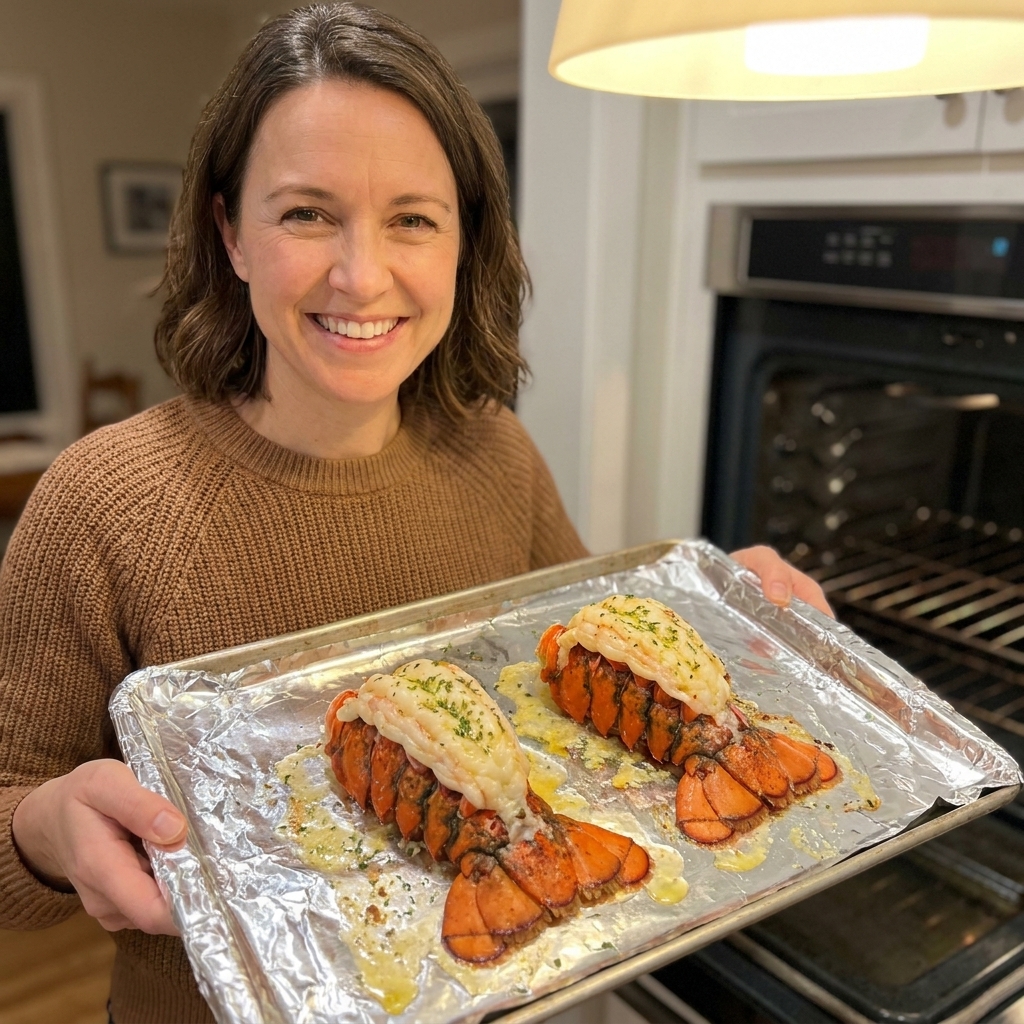
Method 2: Baked lobster tail
Baking is the calm, controlled method. If you are also roasting veggies or finishing a side dish, baking keeps everything predictable.
What you need
- Butterflied lobster tails
- Melted butter
- Salt and pepper
- Baking dish or sheet pan
Steps
- Heat the oven to 425°F.
- Place tails in a baking dish or on a sheet pan.
- Brush with butter and season.
- Bake until opaque and 145°F, usually 12 to 18 minutes depending on size.
Optional finish
If you want a little browning, you can broil for 30 to 60 seconds at the end. Do not walk away.
Method 3: Grilled lobster tail
Grilled lobster tail is a whole mood. It is especially great with a simple butter sauce and a crunchy salad.
Grill temperature
Aim for medium-high heat (about 400 to 450°F). Clean and oil your grates so the shell does not stick. If your grill runs hot closer to 450°F, go easy on butter at the beginning since it can scorch fast. I will often start with oil, then brush on butter near the end.
Two easy approaches
Option A: Meat-side down first
- Brush the exposed meat with oil (or a light swipe of melted butter if your grill is not blazing hot).
- Place tails meat-side down for 1 to 2 minutes to mark.
- Flip shell-side down and grill until 145°F, total about 6 to 12 minutes depending on size.
Option B: Shell-side down the whole time
- Place tails shell-side down over direct heat.
- Close the lid and cook until 145°F, about 6 to 12 minutes.
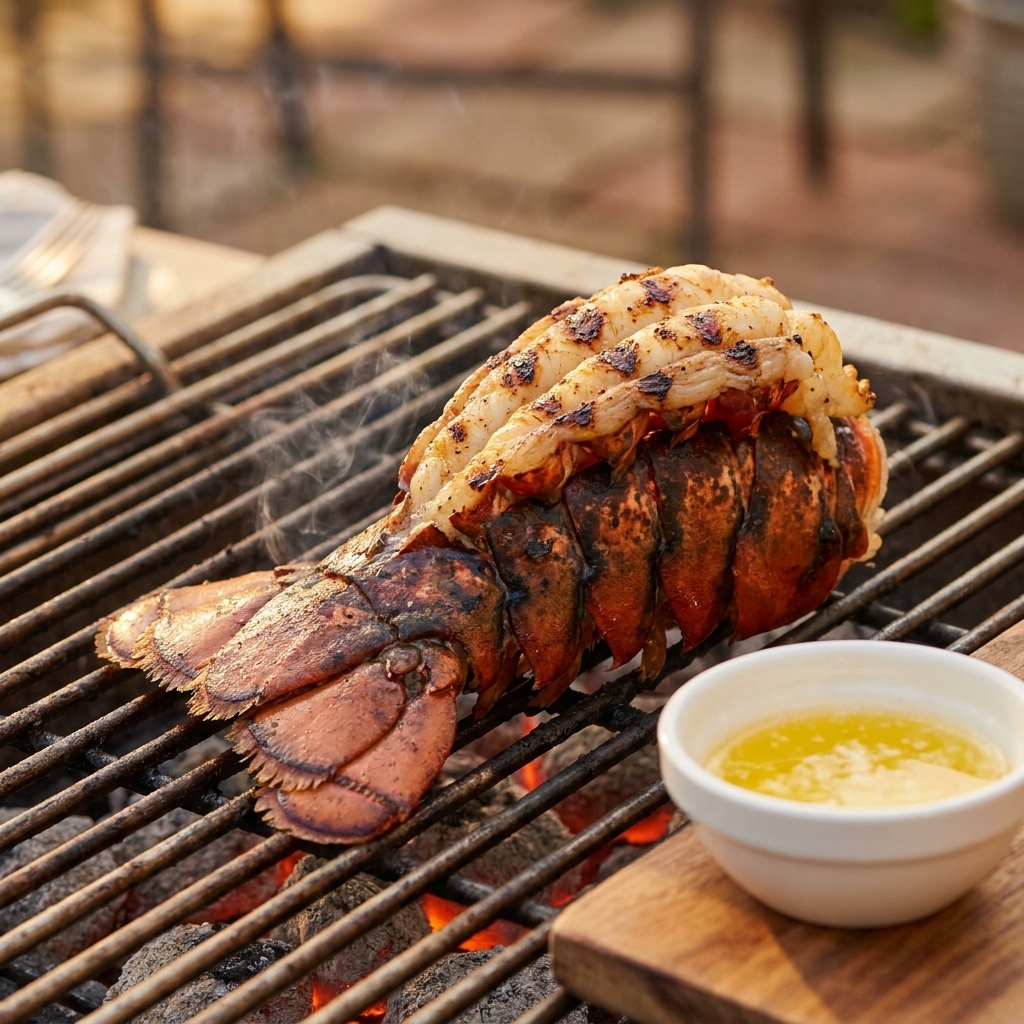
Butter sauces
You can absolutely serve lobster with plain melted butter and lemon wedges and call it a win. If you want to level up without adding much work, these are my favorites.
Classic lemon butter
- 4 tbsp unsalted butter, melted
- 1 to 2 tsp lemon juice
- Pinch of salt
Garlic herb butter
- 4 tbsp unsalted butter, melted
- 1 small garlic clove, finely grated or minced
- 1 tbsp chopped parsley
- Lemon zest (optional, but lovely)
- Pinch of salt
Spicy butter
- 4 tbsp unsalted butter, melted
- 1 tsp hot sauce or a pinch of cayenne
- Smoked paprika
- Honey (a few drops) if you like a sweet-heat vibe
- Pinch of salt
How to keep it smooth
Warm it gently. If you boil butter hard, it can separate and taste a little greasy. I melt it over low heat or in short bursts in the microwave, then stir in flavorings.
Serving ideas
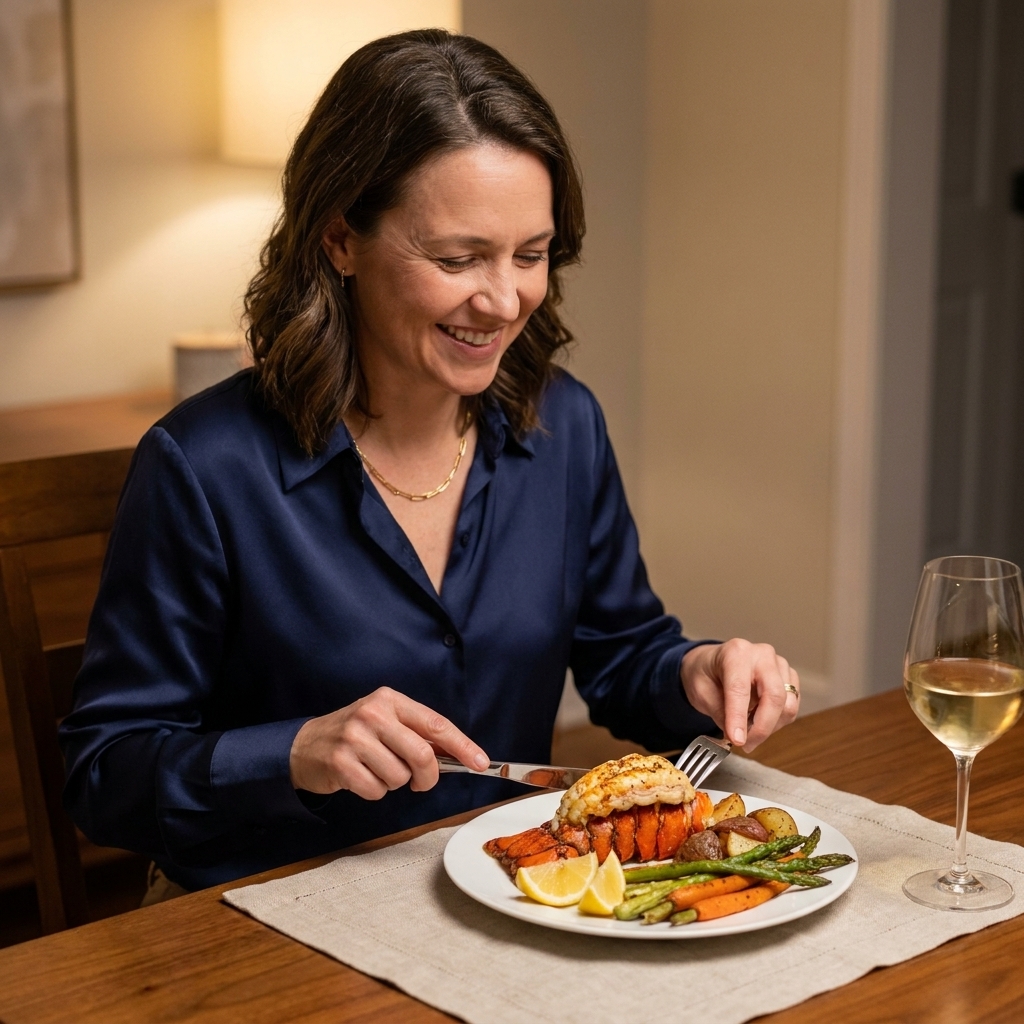
Lobster tail is rich, so I like to pair it with something crisp, something starchy, and something green.
- Surf-and-turf: Pair with garlic butter ribeye.
- Simple veggie side: Try garlic roasted vegetables.
- Bright, no-cook side: A quick caprese salad is perfect when you do not want more heat in the kitchen.
Finish with lemon wedges, extra warm butter on the side, and a sprinkle of flaky salt right at the table.
Common mistakes
- Overcooking: Set a timer and use a thermometer. If you are cautious, pull at 140°F, rest, then re-check.
- Cooking from half-frozen: The outside overcooks before the center is done. Thaw fully.
- Not drying the tail: Excess moisture steams the meat and dulls browning. Pat dry.
- Skipping seasoning: Lobster is mild. Salt matters, and butter needs a pinch of salt too.
- Broiler too close: You want browning, not scorched butter. About 6 inches is a good starting point in most ovens, but adjust if your broiler runs extra hot.
FAQ
Do I cook lobster tail shell up or down?
In the oven (bake or broil), cook with the shell on the bottom and the meat facing up. On the grill, you can do either. Shell-side down is gentler; meat-side down briefly gives you char.
Can I cook lobster tail without butterflying?
Yes. It will just take a little longer and doneness is slightly harder to judge. If you skip butterflying, consider baking for the most even results and check temperature in the thickest part.
Should lobster tail be rinsed?
I do not rinse lobster tail. Just thaw (if frozen), pat very dry, then season. Rinsing can add extra water and make browning harder.
How do I reheat cooked lobster tail?
Reheating is tricky because lobster dries out fast. The gentlest approach is wrapping the meat in foil with a little butter and warming at 300°F just until heated through. If you can, plan to cook lobster right before serving.