Delishing
Tri-Tip Hash

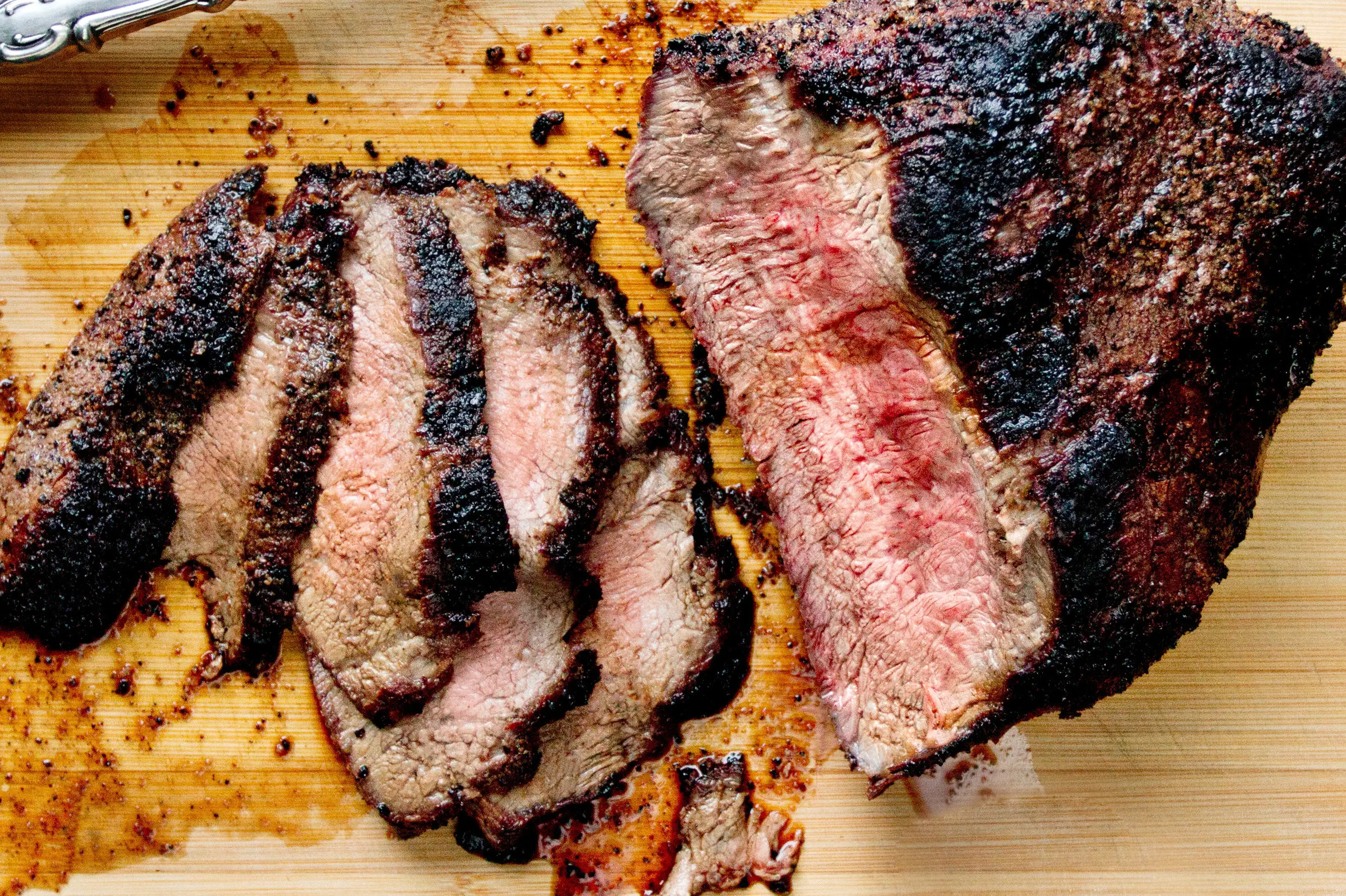
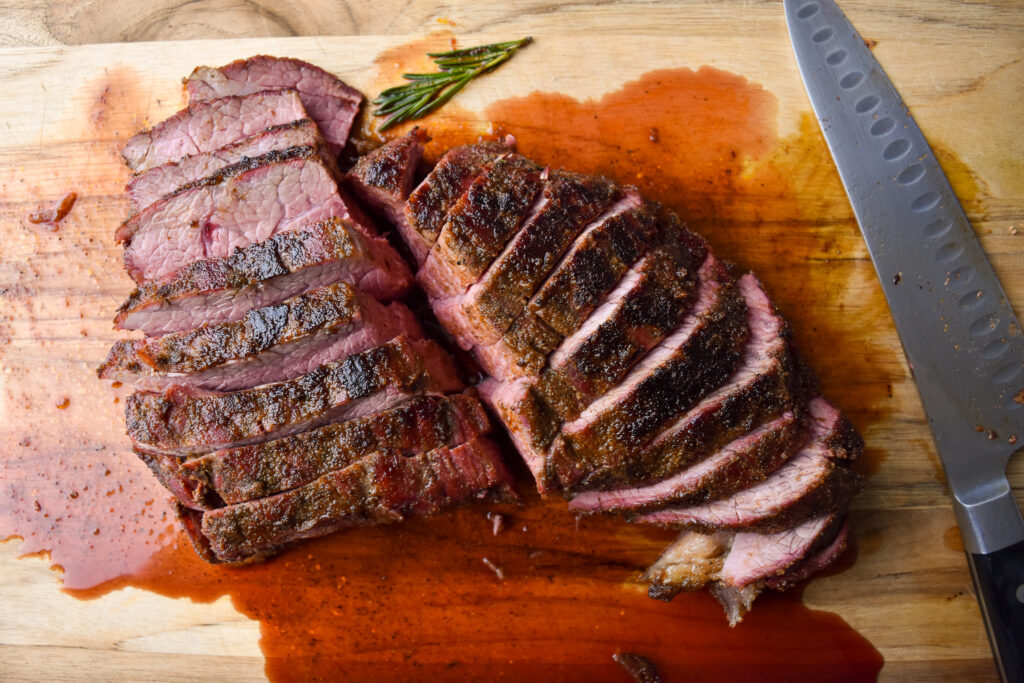
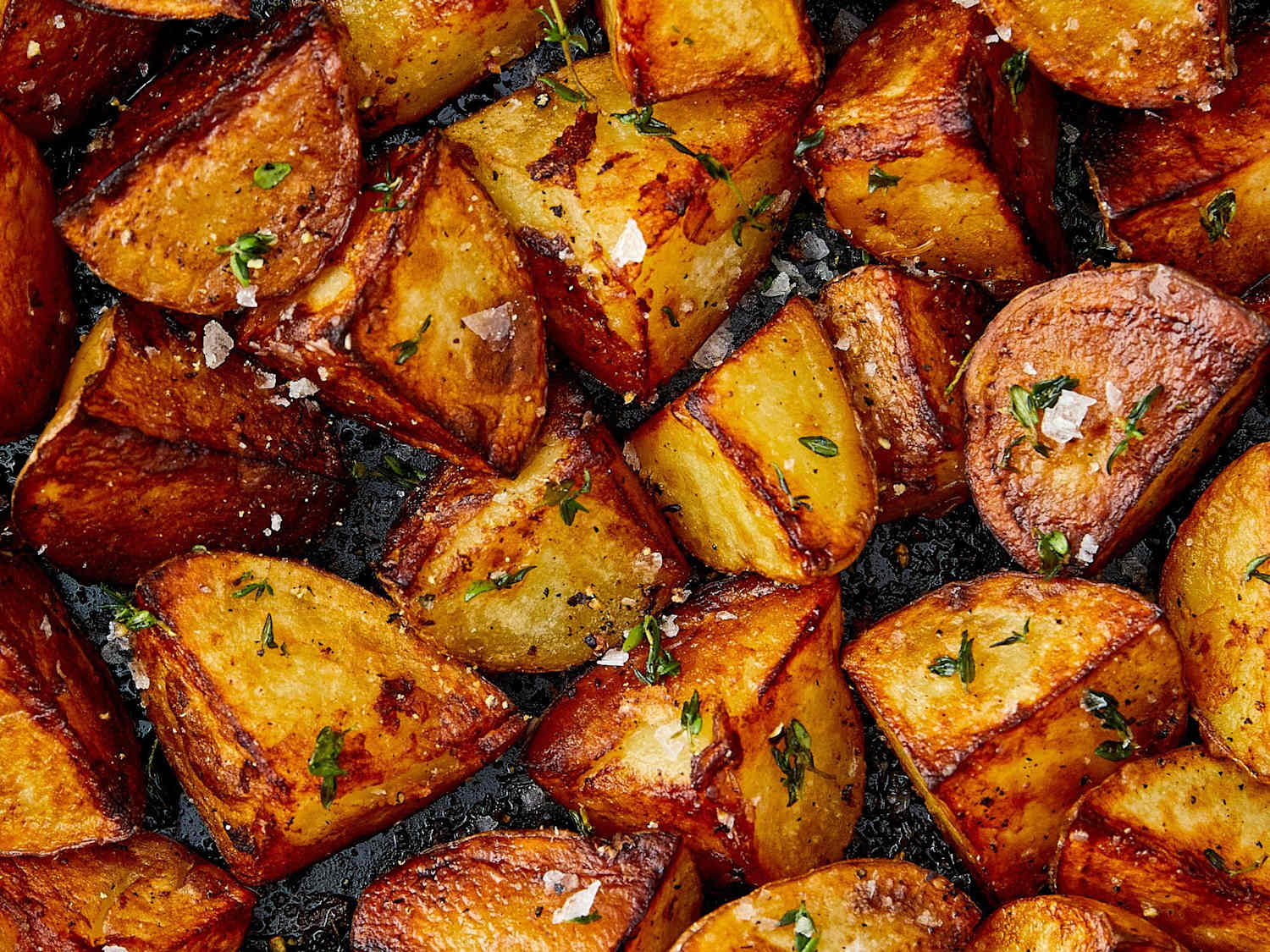
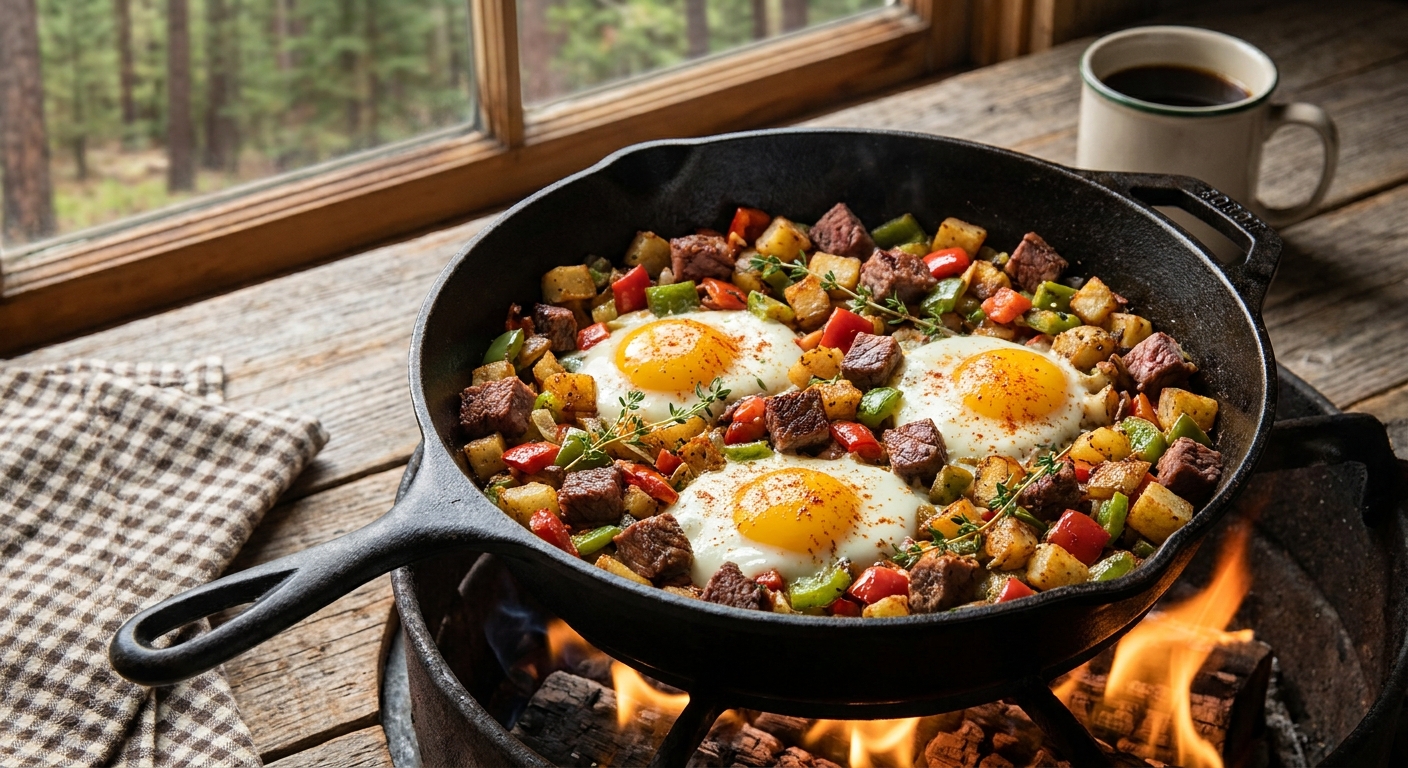
With leftover tri-tip in the fridge and leftover, par-cooked, or even frozen diced potatoes ready to go, you are about 20 minutes away from the most satisfying breakfast skillet. This tri-tip hash is my go-to “save dinner, win breakfast” move: crisp, golden potatoes, sweet onion and peppers, and warm diced tri-tip tucked in at the end so it stays juicy (not soggy or dry).
The key is treating the skillet like a little griddle. Let the potatoes sit long enough to brown, then give the vegetables a quick sauté. Add the tri-tip only to warm through, since leftover steak can go from tender to tough fast. Once the potatoes are already crisp and the eggs are in their little wells, cover the pan so the whites set without you hovering. The smoky, savory vibe mostly comes down to how your tri-tip was seasoned, plus that little hit of smoked paprika.
If you need a great starting point for leftovers, make my tri-tip roast the night before. And if your tri-tip is already cooked and sliced, my guide on how to reheat tri-tip helps you warm it without drying it out.
What to expect
- Texture: crispy potatoes, tender peppers and onions, and browned edges on the tri-tip
- Flavor: smoky, savory, and just a little sweet from the peppers and onion (the heat level depends on your steak seasoning)
- Skill level: beginner-friendly, but it rewards patience in the browning steps
Why it works
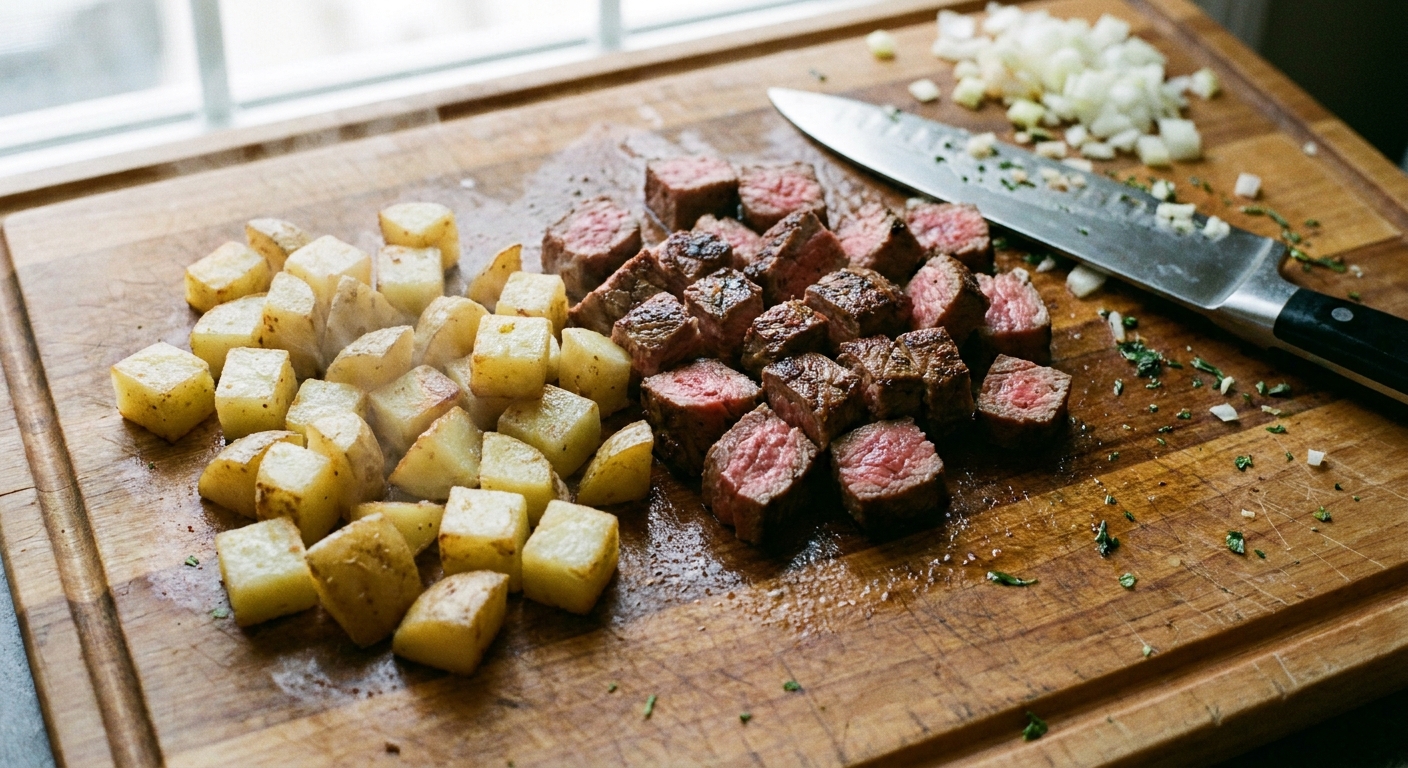
- Leftover tri-tip goes in late. Cooked beef only needs a quick warm-through. Adding it at the end keeps it juicy and prevents that simmered, gray texture.
- Par-cooking the potatoes is the crispness shortcut. A quick microwave or brief simmer gives you a fluffy interior so the skillet can focus on browning.
- Hot pan, enough fat, and time. Hash gets crispy when it has contact with the pan and is not stirred every 20 seconds.
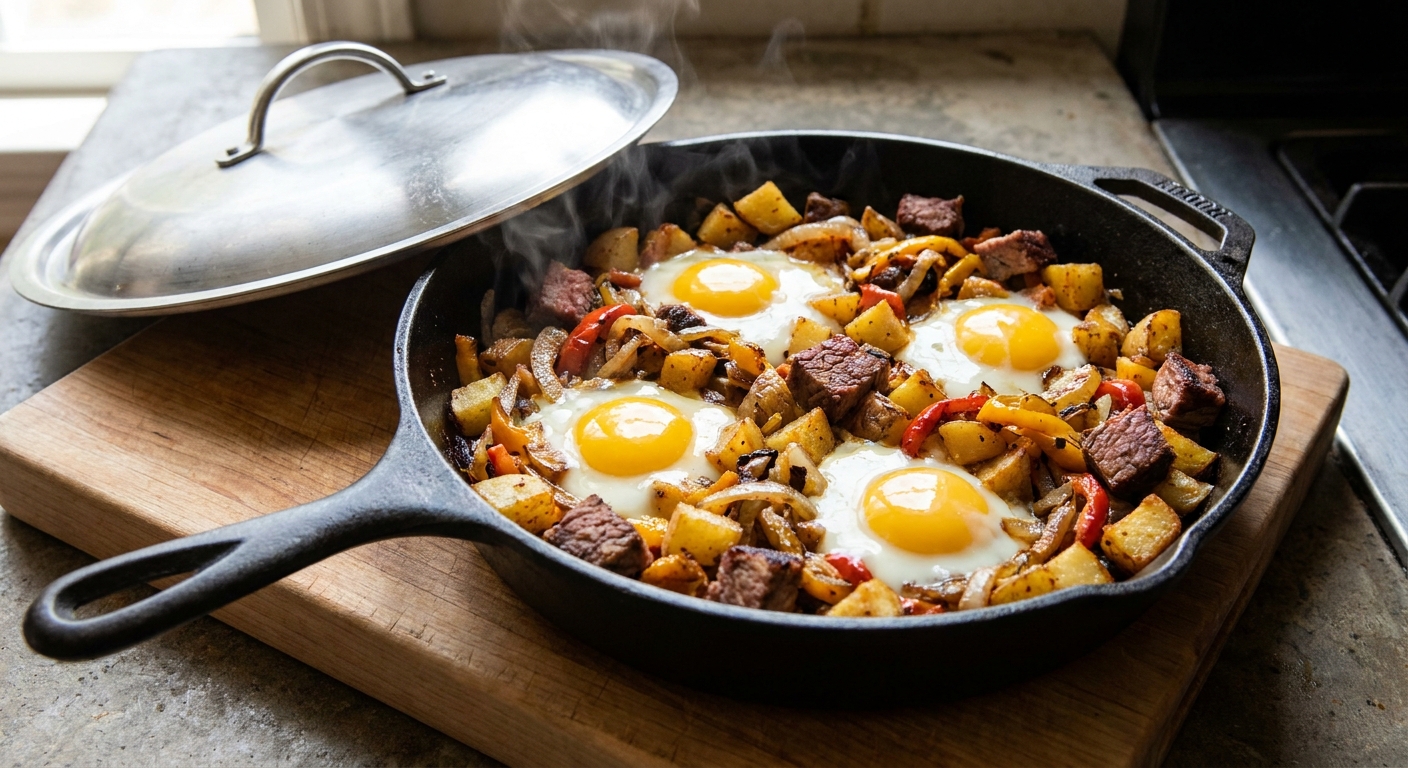
- Eggs steam and set right on top. A lid turns your skillet into a mini oven so the whites set without overcooking the yolks.
Ingredient notes
Cooked tri-tip: This recipe is designed for leftover cooked tri-tip, not raw stew beef. Dice it into small, bite-size pieces so it heats fast.
Potatoes: Yukon Golds are my favorite for hash because they crisp beautifully and stay creamy inside. Russets also work, just be a bit gentler when stirring.
Onion and bell pepper: Classic diner hash flavor. Any color bell pepper is fine, and poblano is great if you want a little heat.
Eggs: I like eggs cooked directly in the skillet, but you can absolutely top with fried eggs cooked separately if you want more control.
Seasoning: Smoked paprika gives “griddle” vibes even on a random Tuesday. If your leftover tri-tip is heavily seasoned, taste before adding extra salt.
Equipment
- 12-inch cast iron or heavy nonstick skillet: Cast iron gives the best browning, but a good nonstick skillet makes egg finishing easy.
- Lid: For setting the eggs. A sheet pan can work in a pinch.
- Wide spatula: Helps you flip and press the hash for maximum crisp edges.
- Microwave-safe bowl or small pot: For par-cooking the potatoes.
Pro tips
- Dry potatoes crisp, wet potatoes steam. After par-cooking, let the potatoes sit a minute to release steam, then pat dry if needed.
- Press, then wait. Once the potatoes hit the skillet, press them into an even layer and leave them alone for several minutes before flipping.
- Warm the tri-tip, do not cook it again. Add it right before the eggs so it stays tender.
- Make little wells for eggs. Scoot the hash aside so each egg has a spot to settle and cook evenly.
- Use medium heat for eggs. High heat browns the bottom too fast before the whites set.
Substitutes
- No tri-tip leftovers? Any cooked steak works, or leftover london broil. Even cooked brisket is fantastic.
- No bell peppers? Use mushrooms, zucchini, or leftover roasted vegetables.
- No fresh potatoes? Thawed frozen diced hash browns work well. Start them in a hot oiled skillet and brown first, then add vegetables.
- Egg-free: Skip the eggs and finish with sliced avocado or a dollop of salsa.
Variations
- Southwest: Add cumin, use poblano, and top with salsa and cilantro.
- Cheesy: Sprinkle shredded cheddar or pepper jack on top right before adding the lid for the eggs.
- Steakhouse: Swap bell pepper for mushrooms and finish with a little steak sauce on the side.
- Spicy: Add diced jalapeño with the onions and a pinch of crushed red pepper.
Serving ideas
- Serve with hot sauce, salsa, or a simple sour cream swirl.
- Add a side of fruit for an easy brunch plate.
- Turn it into a breakfast burrito with warmed tortillas and a sprinkle of cheese.
- If you are feeding a crowd, pair it with something make-ahead like hard-boiled eggs for extra protein options.
Storage and reheating
Store: Refrigerate leftover hash (without runny eggs if possible) in an airtight container for up to 3 to 4 days.
Reheat: Re-crisp in a skillet over medium heat with a small splash of oil. The microwave works, but the potatoes will soften.
Egg note: If you expect leftovers, I recommend cooking eggs separately and adding them fresh to each serving.
Common mistakes to avoid
- Starting with raw beef. Hash is a leftover-friendly skillet. Raw beef releases too much liquid and changes the dish into a stew situation.
- Overcrowding the pan. If everything is piled up, it steams. Use a large skillet or brown in batches.
- Stirring constantly. Browning needs contact time. Flip once the bottom is deeply golden.
- Adding tri-tip too early. Cooked steak can go from tender to dry in minutes. Warm it at the end.
FAQ
Can I make tri-tip hash with rare or medium-rare tri-tip?
Yes. Dice it small and add it at the very end, just long enough to take the chill off. That keeps the center tender.
How do I keep potatoes from sticking?
Use enough oil, preheat the skillet, and let the potatoes brown before you try to flip them. A well-seasoned cast iron pan helps a lot.
Can I cook the eggs separately?
Absolutely. If you like precise yolk doneness, fry or poach your eggs separately and place them on top right before serving.
What is the best way to dice tri-tip for hash?
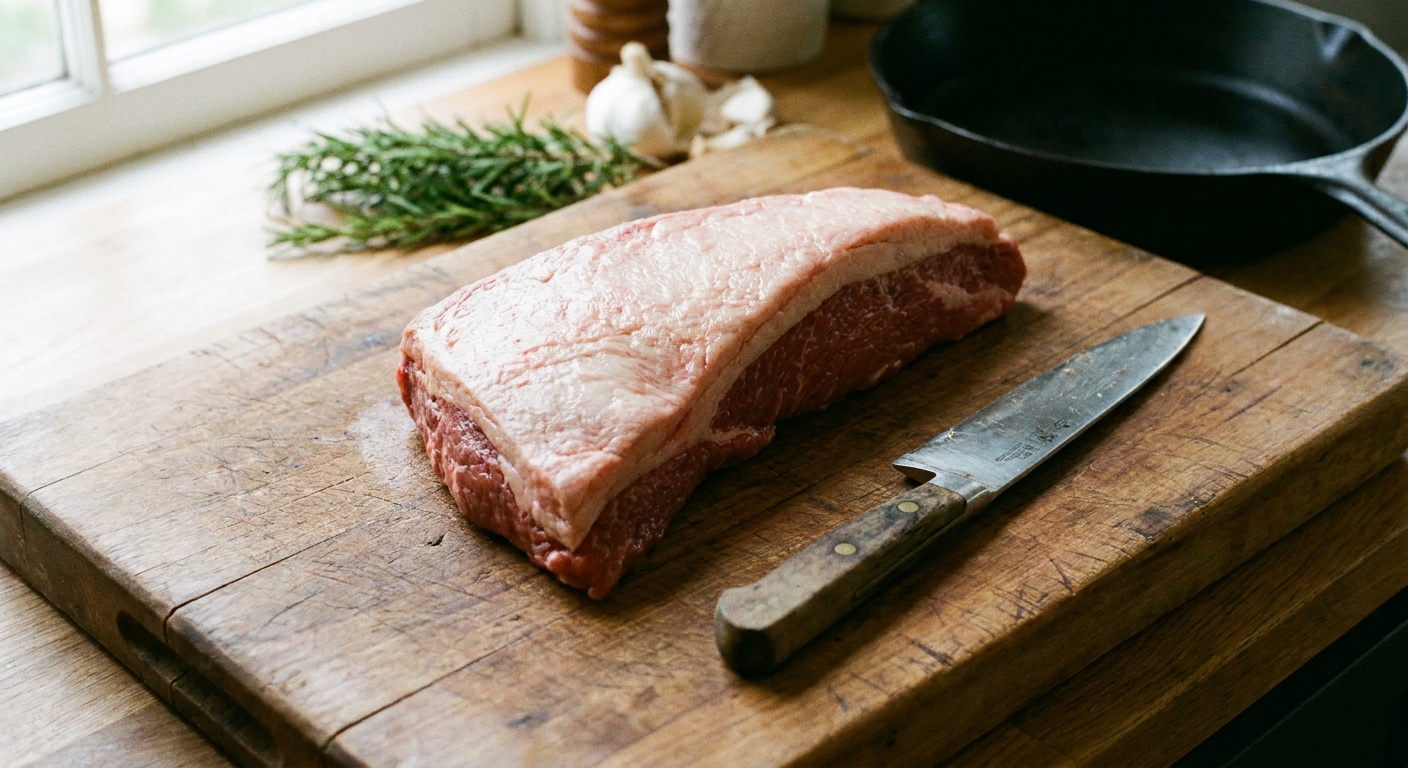
Slice it into strips first, then cut into small cubes. If you need help portioning or prepping tri-tip from the start, my how to cut tri-tip into steaks guide is a good reference for understanding the grain and knife work.
Tri-Tip Hash
A crispy breakfast skillet made with diced cooked tri-tip, golden potatoes, peppers, and onions, finished with eggs cooked right in the pan.
Prep Time: 10 minutes
Cook Time: 20 minutes
Total Time: 30 minutes
Servings: 4
- 1 1/2 pounds Yukon Gold potatoes, cut into 1/2-inch dice (about 4 medium)
- 2 tablespoons olive oil, divided
- 1 tablespoon butter (optional, for extra browning)
- 1 medium yellow onion, diced
- 1 bell pepper, diced (any color)
- 2 cloves garlic, minced
- 2 cups diced cooked tri-tip (about 10 to 12 ounces)
- 1 teaspoon smoked paprika
- 1/2 teaspoon kosher salt, plus more to taste
- 1/4 teaspoon black pepper
- 4 large eggs
- 2 tablespoons water (for steaming the eggs)
- Optional toppings: chopped parsley or cilantro, hot sauce, salsa, shredded cheese
- Par-cook the potatoes. Place diced potatoes in a microwave-safe bowl with 2 tablespoons water, cover, and microwave 5 to 7 minutes, stirring once halfway through, until just barely tender but not falling apart. Drain any water and let potatoes sit uncovered 2 minutes to steam dry.
- Brown the potatoes. Heat a large cast iron or heavy nonstick skillet over medium-high heat. Add 1 1/2 tablespoons olive oil (and butter if using). When the fat is shimmering, add the potatoes in an even layer. Press them down lightly and cook 5 minutes without stirring. Flip and continue cooking 4 to 6 minutes, stirring only occasionally, until deeply golden and crisp in spots.
- Cook the vegetables. Push potatoes to one side of the skillet. Add remaining 1/2 tablespoon olive oil, then add onion and bell pepper. Cook 4 to 5 minutes, stirring, until softened and lightly browned. Stir in garlic and cook 30 seconds until fragrant.
- Add the tri-tip and season. Add diced cooked tri-tip to the skillet along with smoked paprika, salt, and black pepper. Toss everything together and cook 1 to 2 minutes, just until the meat is warmed through.
- Create wells for the eggs. Use a spoon to make 4 small wells in the hash mixture. Crack an egg into each well.
- Steam to set the eggs. Drizzle 2 tablespoons water around the eggs (not directly on the yolks). Cover with a lid and reduce heat to medium. Cook 3 to 6 minutes, until egg whites are set and yolks are done to your liking.
- Serve. Remove from heat and top with herbs, hot sauce, salsa, or cheese if desired. Serve straight from the skillet.
Make-ahead note: You can dice and par-cook the potatoes up to 24 hours ahead. Refrigerate, then bring to room temp for 10 minutes before browning.
Leftover tri-tip tip: If your tri-tip is cold and very lean, add it off heat and let carryover warmth bring it up, or add it with a small splash of beef broth to prevent drying.