Delishing
Skillet Fried Potatoes

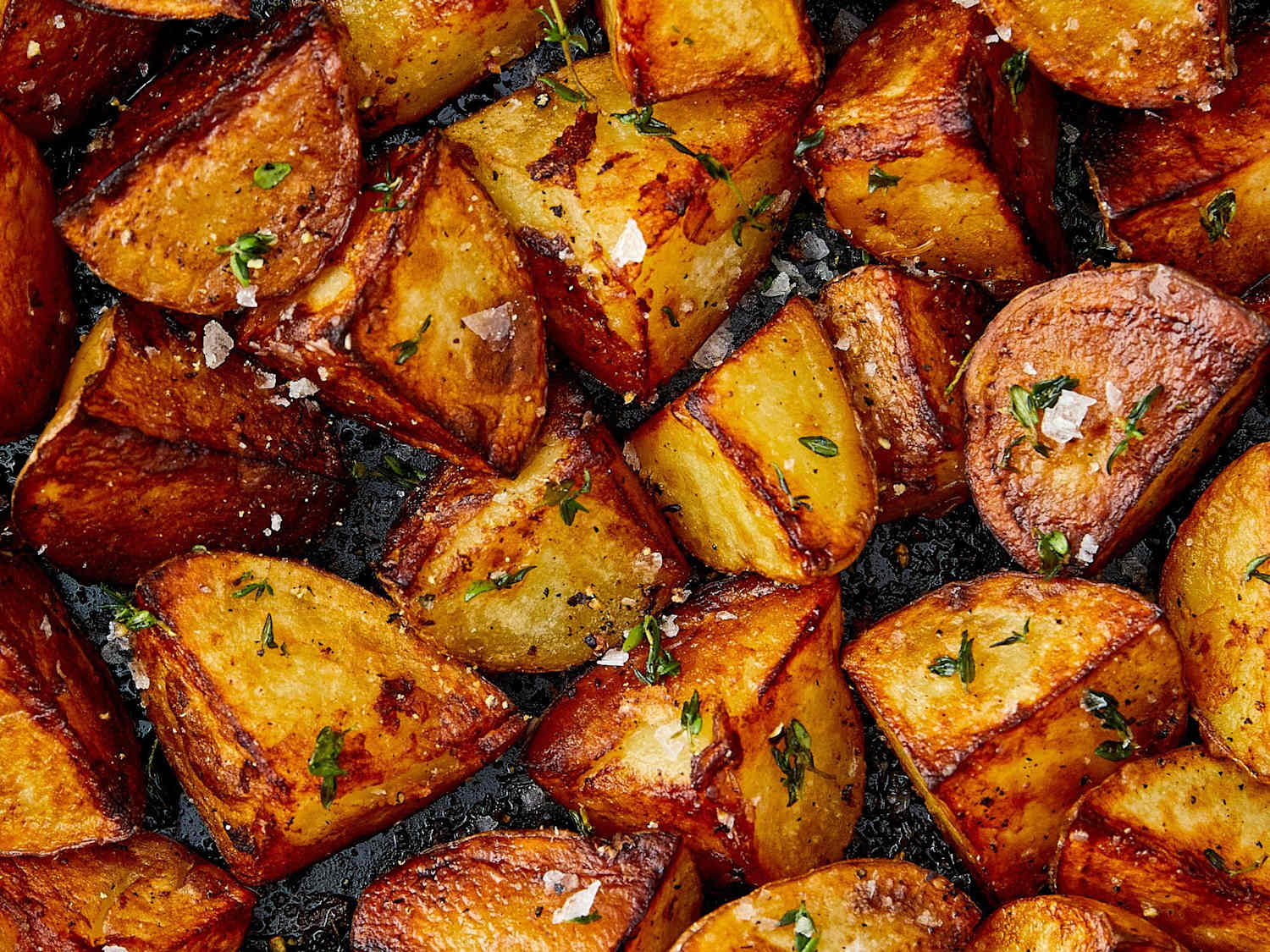
The skillet potatoes I make when dinner needs a win
When it hits 5:00 PM and my brain is already tired, skillet fried potatoes are my reliable reset. Cheap, filling, and somehow they make whatever else you have feel like dinner. The real trick is not fancy seasoning. It is controlling moisture so the potatoes brown instead of steam.
This recipe is built for that diner-style payoff: crisp edges, soft centers, and plenty of salty, peppery flavor. You can slice them like classic home fries or cube them for a chunkier bite. Either way, two habits do the heavy lifting: dry the potatoes well after par-cooking, then give them space in a hot skillet and let them sit long enough to build a crust before you start flipping.
I am also including my go-to fried potatoes and onions variation, because if you have one onion, you are about to feel like a genius.
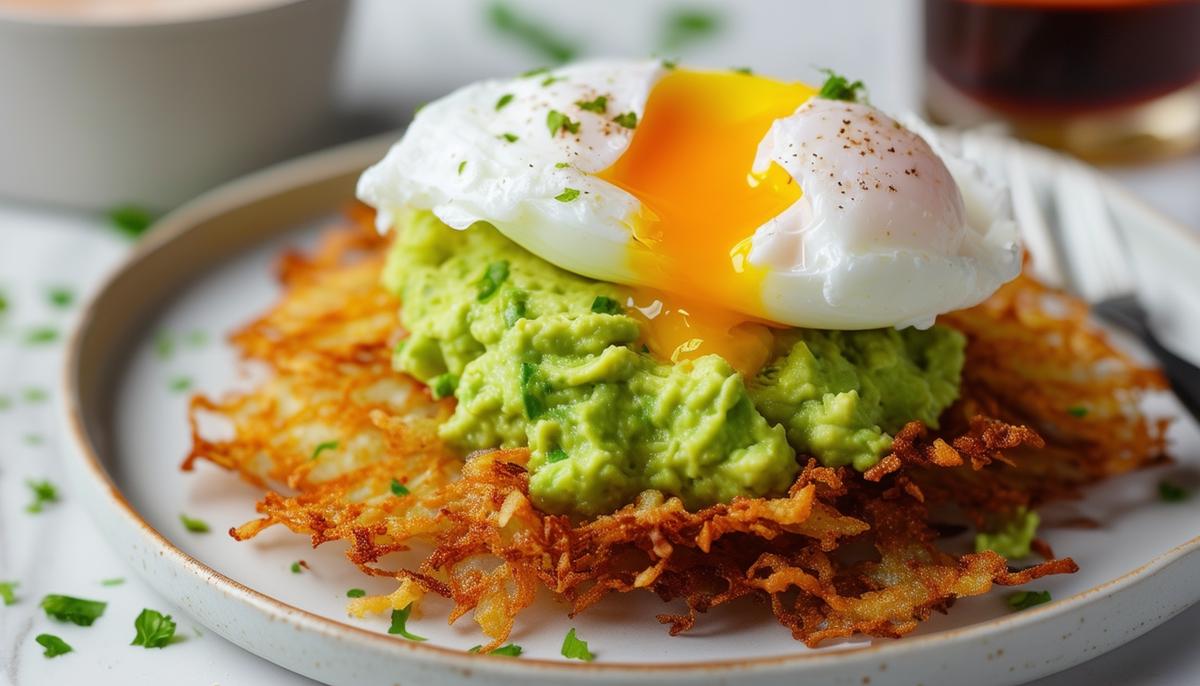
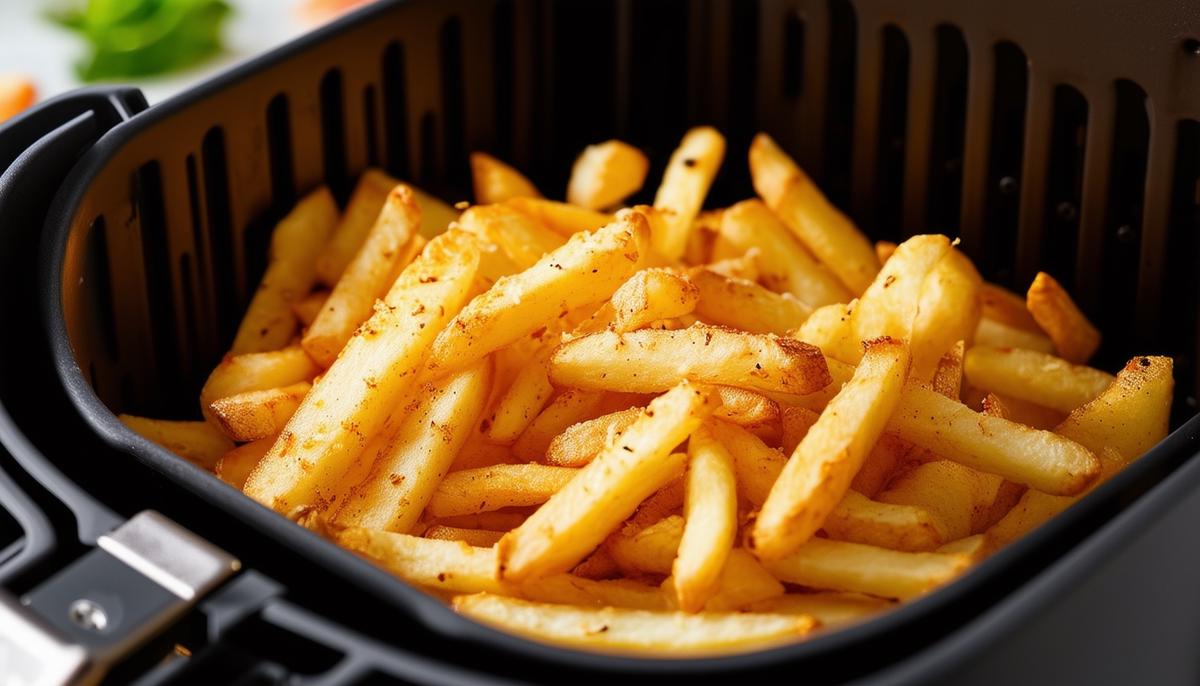
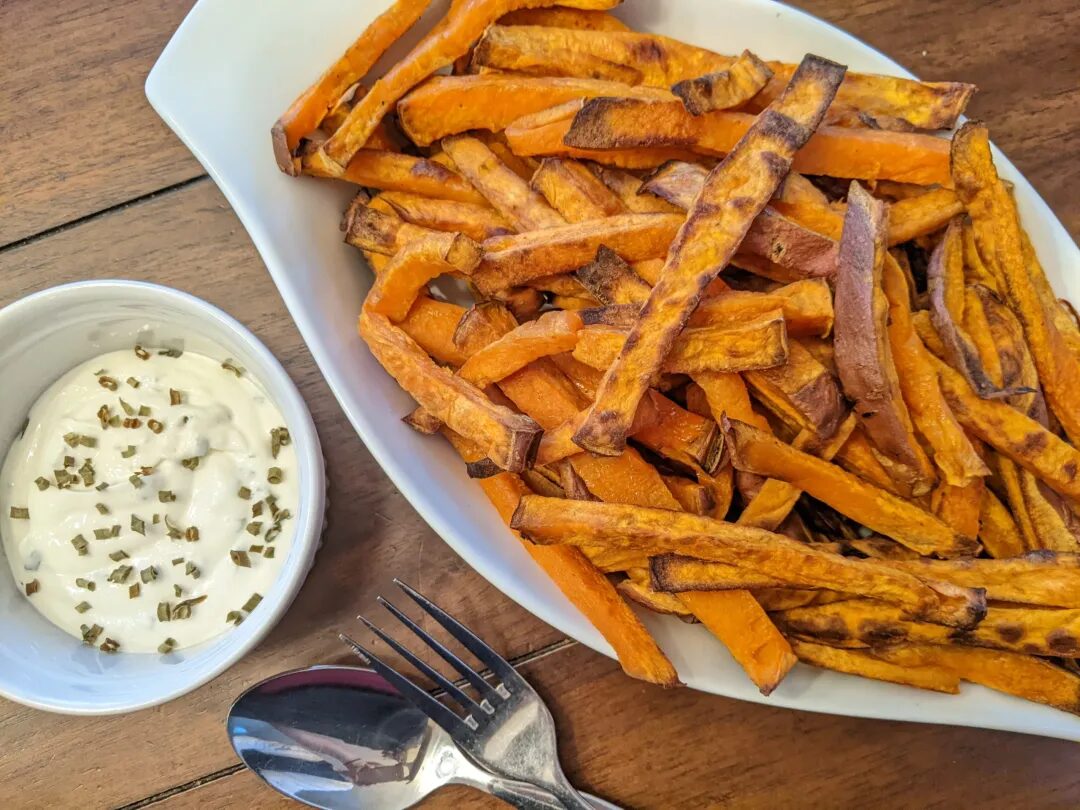
If you are looking for other ways to do potatoes, think of these as different techniques: shredded hash browns are their own thing, and so are air fryer French fries and sweet potato fries. This one is all about the skillet.
What to expect
- Texture control: cues for crisp edges versus softer centers without guesswork.
- No soggy potatoes: a simple blot-and-air-dry step that helps browning actually happen.
- Flexible cut: sliced or cubed, with timing cues that still work.
- Onion option: sweet, browned onions without burning or turning everything mushy.
Why it works
- Surface moisture gets handled first. Dry potatoes plus a hot pan equals browning. Wet potatoes equal steaming.
- A brief par-cook gives you the best of both worlds. The centers turn tender quickly, so you can focus on crisping the outside in the skillet.
- Enough fat and enough space. A thin sheen of fat and a single layer helps each piece make contact with the pan instead of sweating in a pile.
- Stirring less builds crust. Leaving the potatoes alone for a few minutes at a time creates those crunchy, browned edges.
Ingredient notes
Potatoes
Yukon Gold is my favorite for skillet frying because it browns nicely and stays creamy inside. Russet gets extra crisp but can break up more easily. Red potatoes hold their shape well and give you a waxier, firmer center.
Fat
Use neutral oil (like avocado or vegetable oil) for reliable browning. For extra flavor, I love a mix of oil and butter. The oil raises the smoke point, and the butter gives that restaurant-style richness.
Onion (optional)
Yellow onions brown beautifully and go sweet. If you want a milder onion flavor, use a sweet onion.
Seasoning
Salt and black pepper are the baseline. Garlic powder and paprika add breakfast potatoes energy without overwhelming the potato flavor.
Equipment
- 12-inch skillet, preferably cast iron or heavy stainless steel for strong browning
- Wide spatula for flipping without smashing
- Medium pot (for par-cooking)
- Colander
- Clean kitchen towel or paper towels for drying
If your potatoes tend to stick, take a look at our guide to nonstick pans and consider using a well-seasoned cast iron skillet.
Pro tips
- Dry means crisp. After draining, spread potatoes on a towel and pat dry. I know it feels extra. It is the difference between golden and pale.
- Hot pan, then potatoes. Let the oil shimmer before adding potatoes. If the pan is lukewarm, the potatoes absorb oil and soften.
- Single layer is not negotiable. If you crowd the pan, you trap steam. Use a bigger skillet or cook in batches.
- Crisp edges vs soft center: For crispier edges, keep the heat medium-high and stir less often. For a softer center, cover for 2 to 3 minutes early in cooking, then uncover and finish browning.
- Season in layers. A small pinch of salt right after the potatoes hit the pan, then adjust at the end. This keeps you from over-salting.
Substitutes
- Oil: Use avocado oil, vegetable oil, canola oil, or light olive oil. Avoid extra virgin olive oil at higher heat if it smokes in your kitchen.
- Butter: Swap for ghee if you want buttery flavor with a higher smoke point.
- Onion: Use shallots for a sweeter, faster-cooking option. Add them later since they brown quickly.
- Seasoning: Swap paprika for smoked paprika, or add dried thyme or rosemary for a more herby feel.
Variations
Fried potatoes and onions
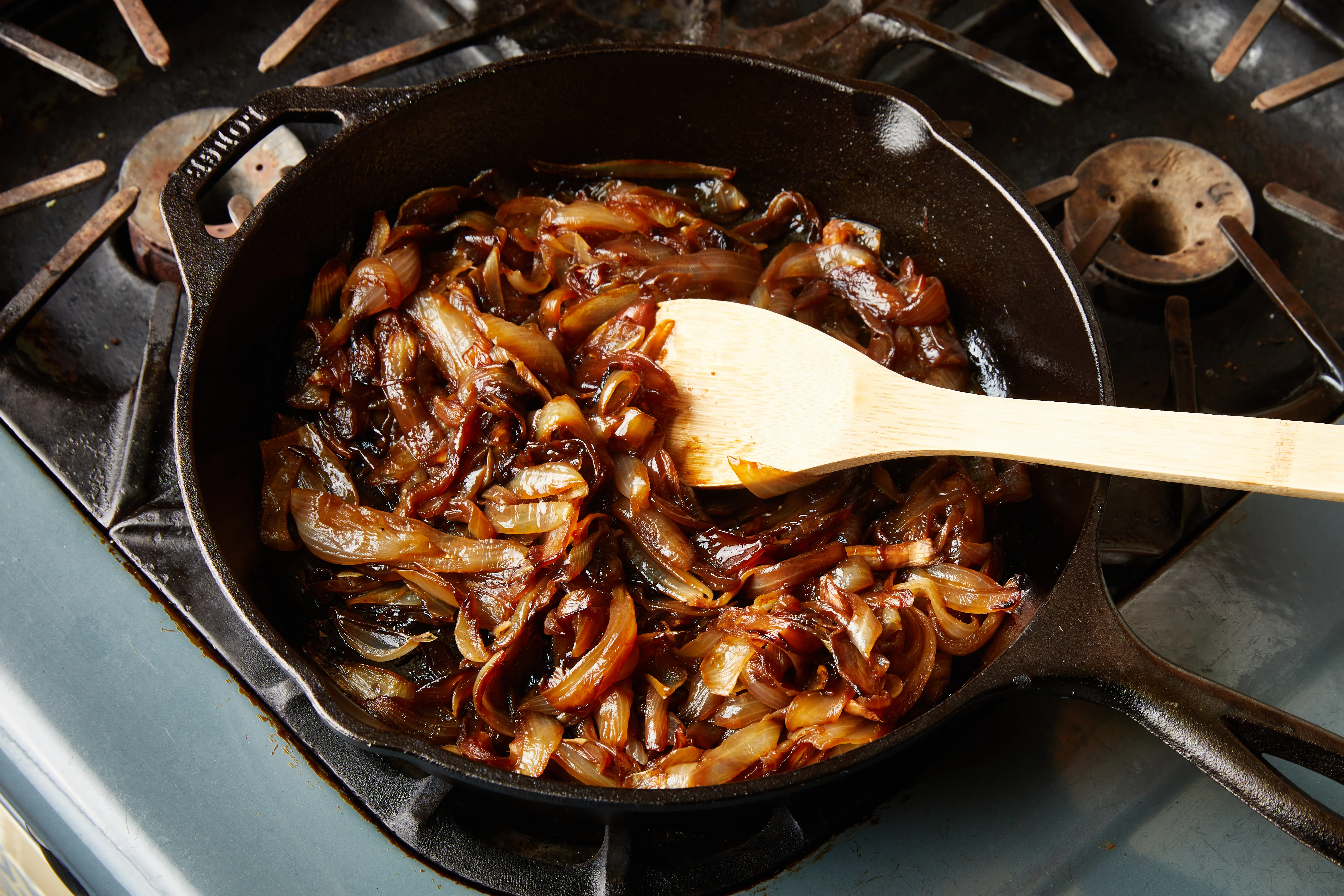
Add sliced onions once the potatoes have started to brown. The timing matters: onions release moisture, so if you add them too early, everything steams.
Breakfast-style skillet potatoes
Add 1/2 teaspoon paprika and 1/4 teaspoon garlic powder, then finish with chopped parsley. Serve with eggs or tuck into a breakfast burrito vibe like our sausage breakfast burrito.
Spicy potatoes
Add a pinch of cayenne and finish with hot sauce. I do this when I want them to hold their own next to something creamy.
Serving ideas
- With a cozy bowl of classic vegetable soup
- Next to baked chicken legs or crispy baked chicken wings
- Under fried or poached eggs, with a simple side of fruit
- Alongside pan-seared filet mignon when you want steakhouse energy without steakhouse effort
- As a base for a quick clean out the fridge bowl with sautéed greens and a dollop of sour cream
Storage and reheating
Store: Cool completely, then refrigerate in an airtight container for up to 4 days.
Reheat (best for crisp): Warm a skillet over medium heat with a small drizzle of oil. Add potatoes in a single layer and cook 5 to 8 minutes, stirring once or twice, until hot and re-crisped.
Microwave: Works for speed, but the potatoes will soften. If you microwave first, you can quickly re-crisp in a skillet for 2 to 3 minutes.
Common mistakes (and how to fix them)
- They are pale and soft. Your pan was not hot enough or the potatoes were wet. Dry them thoroughly and wait for shimmering oil.
- They are steaming. The pan is crowded or you are stirring too often. Spread them out and leave them alone for a few minutes at a time.
- Burned outside, raw inside. The pieces were too thick or the heat was too high. Cut smaller or par-cook a little longer, then brown over medium to medium-high.
- Everything turned mushy after adding onions. Add onions later, once potatoes have started browning. Or cook onions first, remove, then add back at the end.
- They stick to the pan. Use enough fat, preheat properly, and do not try to flip too early. Once a crust forms, they release more easily.
FAQ
Should I boil potatoes before frying?
For skillet fried potatoes, I strongly prefer a quick par-cook. It makes the centers tender without needing tons of oil or a long cook time. If you skip it, keep the cut smaller and expect a longer skillet time.
Do I need to soak potatoes first?
Not for this method. Soaking can help remove surface starch, but the biggest win here is drying the surface and not crowding the pan.
What cut is best: slices or cubes?
Slices give you more surface area for browning and that classic diner look. Cubes stay chunkier and feel heartier. Both work, as long as the pieces are uniform.
When do I add onions?
Add them after the potatoes have browned in spots, or cook onions separately and fold them in at the end. Onions release water, so early-onion adds can slow crisping.
Can I make these in an air fryer?
This recipe is designed for the skillet. For air fryer potatoes that are shaped like fries, use our air fryer French fries instead.
Skillet Fried Potatoes
Golden, crispy-edged skillet potatoes with tender centers, plus an optional onion variation that browns without turning soggy.
Prep Time: 10 minutes
Cook Time: 25 minutes
Total Time: 35 minutes
Servings: 4
- 2 lb Yukon Gold potatoes, sliced 1/4-inch thick or cut into 1/2-inch cubes
- 1 1/2 tsp kosher salt, divided, plus more to taste
- 3 tbsp neutral oil (avocado, vegetable, or canola), divided
- 2 tbsp unsalted butter (optional, for extra flavor)
- 1/2 tsp freshly ground black pepper, plus more to taste
- 1 medium yellow onion, thinly sliced (optional)
- 1/2 tsp garlic powder (optional)
- 1/2 tsp paprika (optional)
- 2 tbsp chopped fresh parsley or chives (optional, for serving)
- Par-cook the potatoes. Add potatoes to a medium pot and cover with cold water by 1 inch. Add 1 teaspoon of the salt. Bring to a boil over high heat, then reduce to a brisk simmer. Cook until the outside is just tender but the pieces still hold their shape, 5 to 7 minutes for slices and 7 to 9 minutes for cubes.
- Drain and dry thoroughly. Drain potatoes in a colander, then spread them on a clean kitchen towel or a thick layer of paper towels. Pat dry well. Let them air-dry for 3 to 5 minutes while you heat the pan. This drying step is key for browning.
- Heat the skillet. Place a large skillet (12-inch) over medium-high heat. Add 2 tablespoons of the oil. When the oil shimmers, add the potatoes in a single layer. If your skillet is smaller, cook in batches.
- Brown without fussing. Sprinkle with the remaining 1/2 teaspoon salt. Cook undisturbed for 3 to 4 minutes, or until the undersides are deeply golden in spots. Flip with a spatula and continue cooking, stirring only every 3 to 4 minutes, until browned and crisp-edged all over, 12 to 16 minutes.
- Optional: add butter and seasonings. Reduce heat to medium. Add butter (if using) and the remaining 1 tablespoon oil if the pan looks dry. Add black pepper, garlic powder, and paprika (if using). Toss for 30 to 60 seconds until fragrant.
- Optional onion variation. If using onion, push potatoes to the edges of the skillet. Add onion to the center with a small drizzle of oil if needed. Cook 4 to 6 minutes, stirring occasionally, until softened and browned. Toss onions with potatoes and cook 1 to 2 minutes more so flavors meld.
- Choose your finish. For extra crisp edges, keep heat at medium-high for the last 2 minutes and leave the potatoes undisturbed. For a softer center, cover the skillet for 2 to 3 minutes earlier in the browning stage, then uncover and finish crisping.
- Serve. Taste and add more salt and pepper as needed. Finish with parsley or chives if you like, and serve hot.
Cut note: Keep slices or cubes uniform so they cook evenly.
Make-ahead note: You can par-cook, drain, and dry the potatoes up to 24 hours ahead. Refrigerate uncovered for 30 minutes to dry further, then transfer to a covered container. This can actually boost crisping.
Pan note: If potatoes stick, give them another minute before flipping. Once a crust forms, they release more easily.