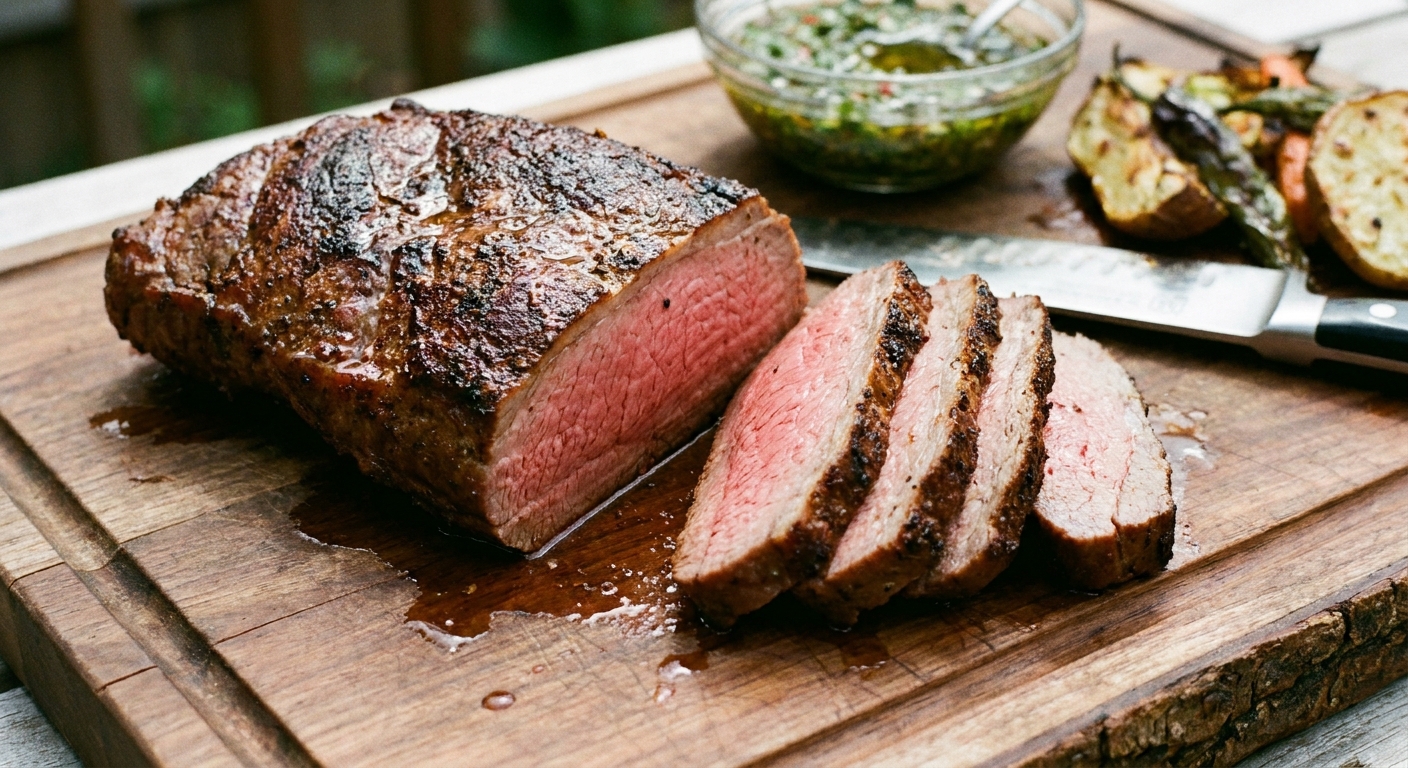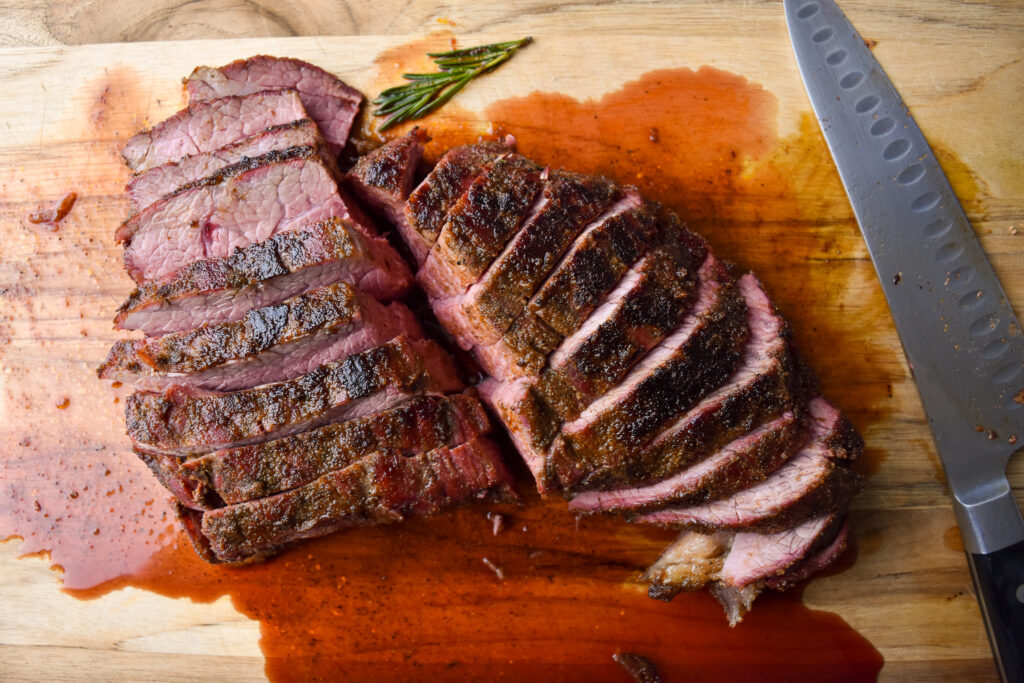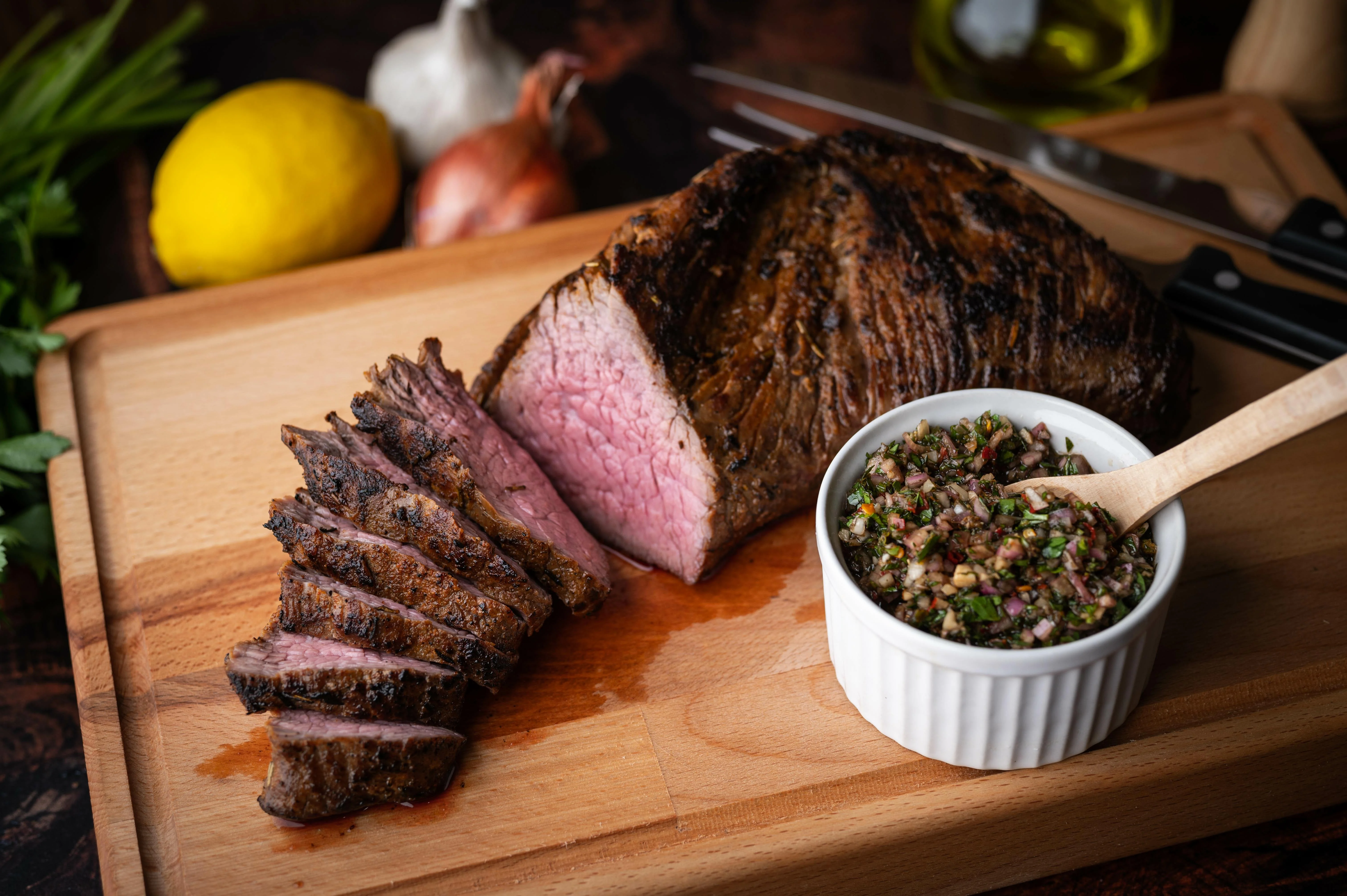
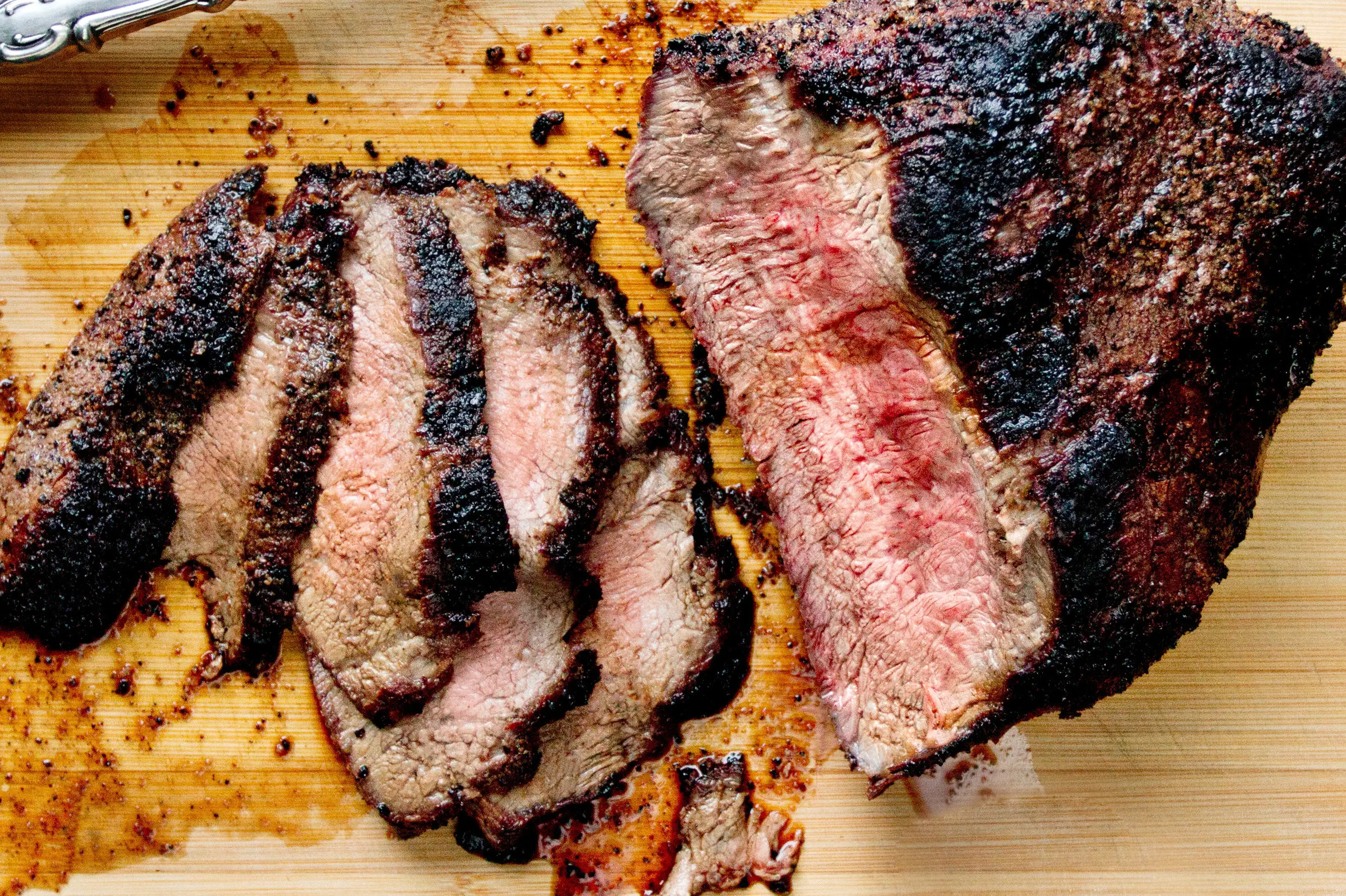
Tri-tip doesn’t have to be intimidating. Get a deeply seasoned crust, a juicy medium-rare center, and step-by-step grill or oven directions—plus how to slice...
Delishing
How to Cook Frozen Tri-Tip

Maya Brooks
Maya Brooks is a dedicated home cook and the lead recipe developer at Delishing, where she shares practical, foolproof meals for everyday life. With over a decade of hands-on kitchen experience, she specializes in creating approachable dishes that fit a variety of dietary needs and modern cooking methods. Maya is passionate about helping busy people get delicious, stress-free food on the table without needing formal culinary training.
I have absolutely been there: it is 5:00 PM, everyone is hungry, and the tri-tip you swore you moved to the fridge is still rock-solid in the freezer. The good news is you can cook a frozen tri-tip safely and it can still turn out tender and delicious. The key is choosing the right method (hello, oven), adding time, and accepting one truth up front: a hard sear is not going to work until the surface thaws.
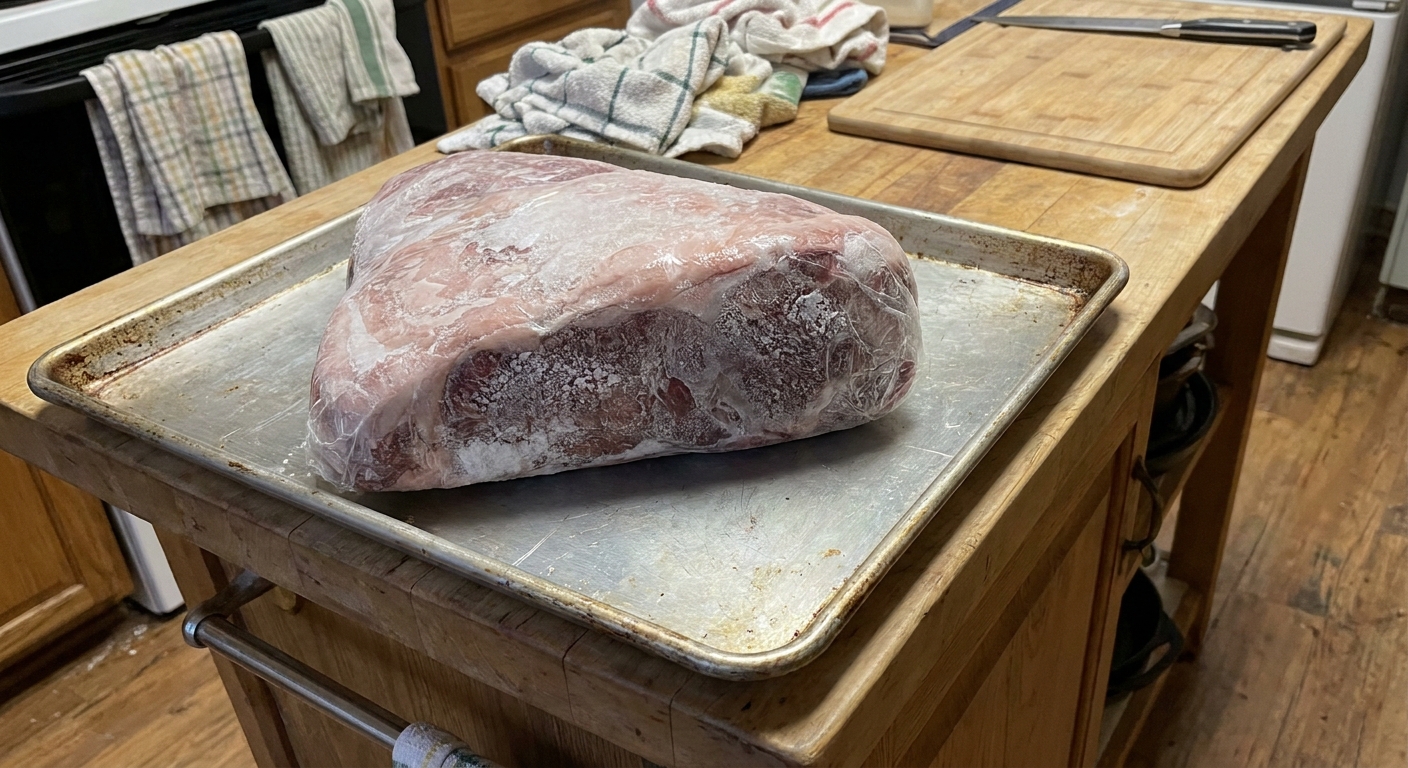
Can frozen tri-tip go straight into the oven?
Yes. A frozen tri-tip can go straight from the freezer into a preheated oven. In fact, the oven is one of the most forgiving ways to handle from-frozen cooking because it provides steady heat that can bring the interior up to temperature without scorching the outside.
What you do not want to do is start with high-heat searing on the stovetop. With a frozen exterior, you will get uneven browning, lots of steam, and a surface that tends to burn in spots before it ever truly browns.
If you are cooking a thawed roast, follow my standard method here: Tri-Tip Roast. This page is specifically for nights when the meat is still frozen.
Best method: oven first, sear at the end
When tri-tip is frozen, the most reliable game plan is:
- Roast first at a moderate temperature until the exterior is thawed and the center is warming.
- Season once the surface can accept it (salt will not stick well to an icy crust).
- Sear at the end once the outside is thawed and dry, either in a hot skillet or with a quick blast under the broiler.
Step-by-step: frozen tri-tip in the oven
1) Preheat the oven to 325°F.
Line a rimmed baking sheet with foil for easy cleanup and set a wire rack on top if you have one. The rack helps airflow and encourages more even cooking.
2) Unwrap and remove all packaging.
If your tri-tip is vacuum-sealed, cut it open and discard the plastic. Do not cook it in the packaging unless it is specifically labeled oven-safe (most store packaging is not).
3) Pat off surface frost if you can.
If there is a thick layer of ice crystals, scrape or quickly rinse them off with cold water, then pat dry. A thick icy layer slows everything down and creates more steaming.
4) Roast until the surface is thawed enough to season.
Put the roast in the oven and let it go for 25 to 35 minutes, then check it. You are not trying to cook it fully at this stage. You are just waiting for the outside to soften so seasoning can actually adhere. What you are looking for: the surface is no longer icy and feels damp or tacky instead of hard-frozen.
5) Pull it briefly, oil and season generously, then return to the oven.
Rub with oil, then season with salt, pepper, garlic powder, and any favorite steak seasoning. Since you are seasoning mid-roast, I usually go a little bolder than I would on a fully thawed roast. Once the meat surface is thawed, salting at this stage has time to sink in and helps flavor a lot.
6) Insert a thermometer and continue roasting.
Place the probe in the thickest part, avoiding any big seam of fat. Try not to let the tip touch the rack or pan, which can throw off the reading. Roast until you hit your target pull temperature (I list exact numbers below).
7) Sear, then rest.
For the best crust, sear after roasting once the exterior is thawed and dry. Then rest the meat 10 to 20 minutes before slicing so the juices stay put. (If you rest first, you will still get a sear, but it is usually a little less aggressive because the surface cools down.)
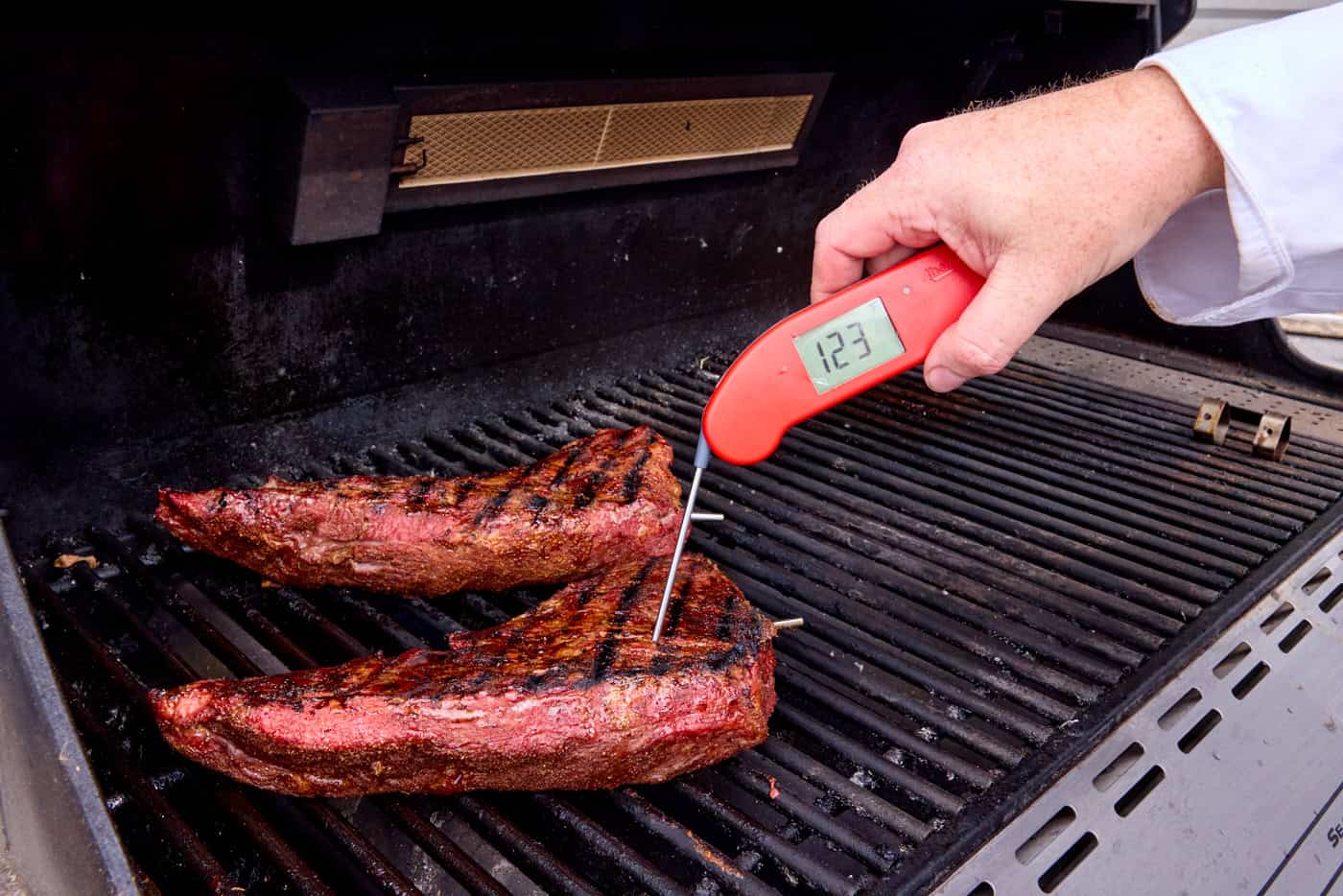
How much longer does frozen tri-tip take?
The honest answer: it depends on thickness, how solid-frozen it is, and your oven. But you can plan on a meaningful time increase compared to thawed tri-tip.
Realistic time estimate
For a typical tri-tip (about 2 to 3 pounds), roasted at 325°F from fully frozen:
- Expect roughly 1.5 to 2.25 hours total to reach medium-rare to medium, including the initial thawing period in the oven.
- It is often 30 to 60 minutes longer than starting from thawed, but very thick roasts can run longer.
My best tip: Use time as a rough schedule for dinner plans, but use a thermometer to decide when it is done. Tri-tip is too good to guess on.
Why the timing varies
- Thickness rules everything. A compact, thick tri-tip takes longer than a wider, flatter one.
- Surface ice slows heating. Ice has to melt before real cooking can begin.
- Oven calibration is real. If your oven runs cool, a from-frozen roast can feel like it is taking forever.
Why searing fails until the surface thaws
This is the part that saves a lot of frustration. A great sear needs two things: dry surface and hot fat. Frozen meat fights both.
- Ice turns to water, fast. When the frozen exterior hits heat, the ice melts and then steams. Steam is the enemy of browning.
- Heat gets used up thawing. Much of the pan or oven energy goes into changing ice to water, not into browning the meat.
- Seasoning will not stick well. Salt and spices tend to slide off an icy surface, then you end up with patchy flavor.
If you want that craveable crust, your best move is to roast first, then sear once the exterior is thawed and dry. For other methods you can use once your tri-tip is thawed, see: Reverse Sear Tri-Tip, Dutch Oven Tri-Tip, or Air Fryer Tri-Tip.
Pull temps and safety
For tri-tip, I always pull based on internal temperature, then let carryover cooking finish the job during the rest.
- Rare: pull at 120°F (rest to about 125°F)
- Medium-rare: pull at 125°F (rest to about 130°F)
- Medium: pull at 135°F (rest to about 140°F)
- Medium-well: pull at 145°F (rest to about 150°F)
Food safety note: With intact whole-muscle beef, bacteria are generally on the surface, which is why searing and cooking the exterior matters so much. If your tri-tip is needle-tenderized, blade-tenderized, or injected, treat it more cautiously since those processes can push surface bacteria inward. If you want a more conservative, widely used benchmark, cook to 145°F and give it a 3-minute rest.
Quick doneness check from frozen: Because frozen roasts can heat unevenly, I like to confirm temperature in two spots (the very thickest part and a second area near the center), especially before you sear.
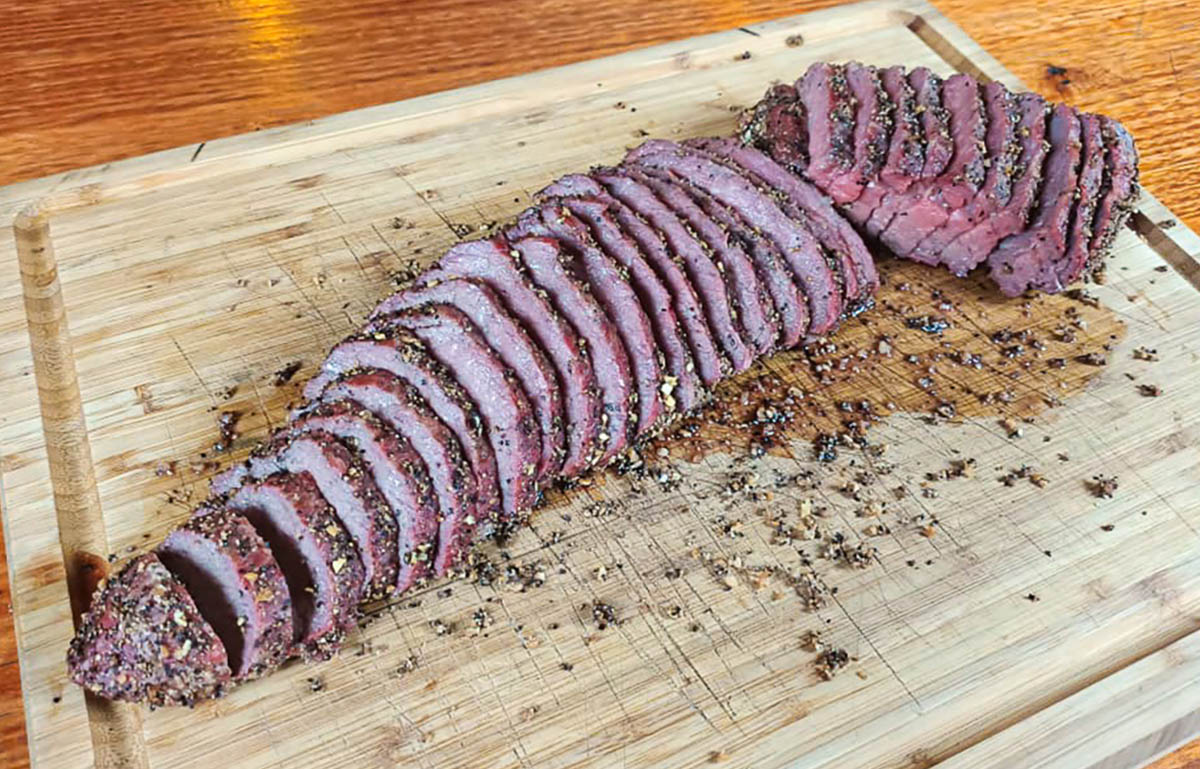
How to slice tri-tip
Tri-tip has grain that changes direction, which is why it can taste tender one night and oddly tough the next if you slice it wrong.
- Let it rest first so the juices redistribute.
- Find the grain direction, then slice across it.
- If the grain shifts, rotate the roast and keep slicing against the grain.
- Go thin. Thin slices make even medium tri-tip feel more tender.
If you want the full deep dive, I also cover prep and carving basics here: How to Trim a Tri-Tip.
Troubleshooting
The outside is getting dark but the inside is still cold
- Drop the oven temperature to 300°F and keep going.
- Use a rack if you can to prevent the bottom from overcooking.
- Cover loosely with foil if the surface is browning too fast.
My seasoning fell off
- That usually means the surface was still icy.
- Roast 10 to 15 minutes longer, then rub with a little oil and re-season.
It tastes bland
- From-frozen starts make it harder to build a crust early, so you often need bolder seasoning once the surface thaws.
- After slicing, finish with a pinch of flaky salt or a quick pan sauce.
I am worried it went bad in the freezer
If you are unsure about odor, texture, or how long it has been stored, check: How to Tell If Tri-Tip Has Gone Bad.
Quick FAQ
Should I thaw frozen tri-tip in water first?
If you are already committed to cooking tonight, going straight to the oven is simpler and reduces handling. Water-thawing can work if done correctly (cold water, changed frequently), but it is an extra step and does not guarantee a better outcome than oven roasting from frozen.
Can I cook frozen tri-tip in a slow cooker?
I do not recommend putting a solid-frozen whole roast straight into a slow cooker. Slow cookers heat too gently at the beginning, which can keep the meat in an unsafe temperature range for too long. If you want slow cooker tri-tip, start with thawed and use: Slow Cooker Tri-Tip.
Can I cook frozen tri-tip and still get a good crust?
Yes, just later. Roast until the surface is thawed and dry, then finish with a fast sear in a ripping hot skillet or under the broiler.