Freeze tri-tip the right way: pat dry, remove air, portion cooked slices, label clearly, and thaw in the fridge for a dry surface that sears beautifully.
Delishing
How to Tell if Tri-Tip Has Gone Bad

Maya Brooks
Maya Brooks is a dedicated home cook and the lead recipe developer at Delishing, where she shares practical, foolproof meals for everyday life. With over a decade of hands-on kitchen experience, she specializes in creating approachable dishes that fit a variety of dietary needs and modern cooking methods. Maya is passionate about helping busy people get delicious, stress-free food on the table without needing formal culinary training.
I have a running page in my kitchen notebook called “Trust your nose.” It started after I tried to talk myself into cooking a bargain-pack of beef that smelled a little off. I did not win that argument. Tri-tip is too good (and too pricey) to gamble with, so here’s how I check whether a raw or cooked tri-tip has gone bad once it’s already in your fridge or freezer.
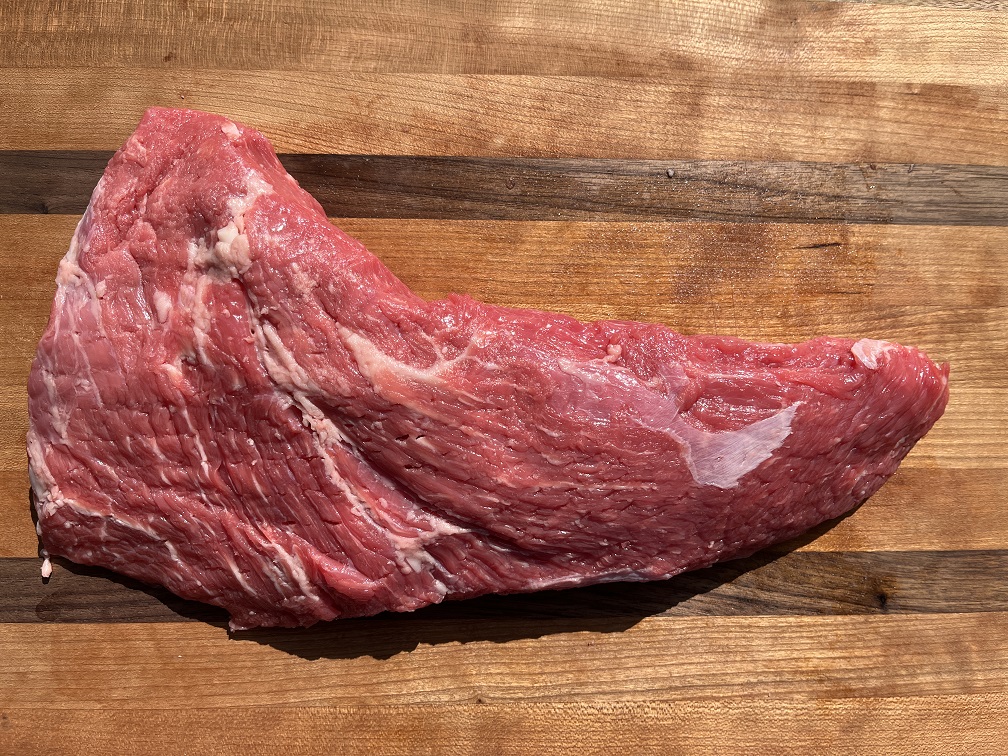
If you notice a truly sour, rotten, or ammonia-like smell, a sticky or slimy surface, or gray-green discoloration, throw it out. Freezer burn is usually a quality issue, not a safety one, but if the meat is badly dried out or you suspect it was stored improperly, it is often best to toss it rather than gamble.
Quick toss checklist
If any of these are true, do not cook it, taste it, or try to “save” it with seasoning.
- Sour, rancid, rotten, or ammonia-like smell (not just a brief “fridge smell” when you first open a package)
- Sticky, tacky, or slimy film on the surface that does not rinse away
- Color that has turned gray-green, or looks unnaturally dull with greenish patches
- Cooked tri-tip that smells off after chilling
- Cooked tri-tip that feels slippery or slimy in a way that is not just normal fat or juices
- Visible mold on cooked leftovers
Signs spoiled raw tri-tip
1) Smell test
Fresh beef should smell mild, slightly metallic, or like clean raw meat. When tri-tip is going bad, the smell becomes sharp and sour, sometimes described as rancid or ammonia-like. If you open the package and the odor makes you pull back instinctively, trust that reaction and toss it.
One note: vacuum-sealed beef can release a stronger smell right when you open it. That just-opened odor should fade as the meat sits out for a few minutes. If it stays sour or gets worse, that is your answer.
2) Sticky or slimy texture
Raw tri-tip will feel damp. That is normal. What is not normal is a slick, mucus-like coating or a sticky, tacky surface. Spoilage bacteria can create that film, and it tends to feel unpleasant even with a quick touch using clean fingertips.
3) Color changes
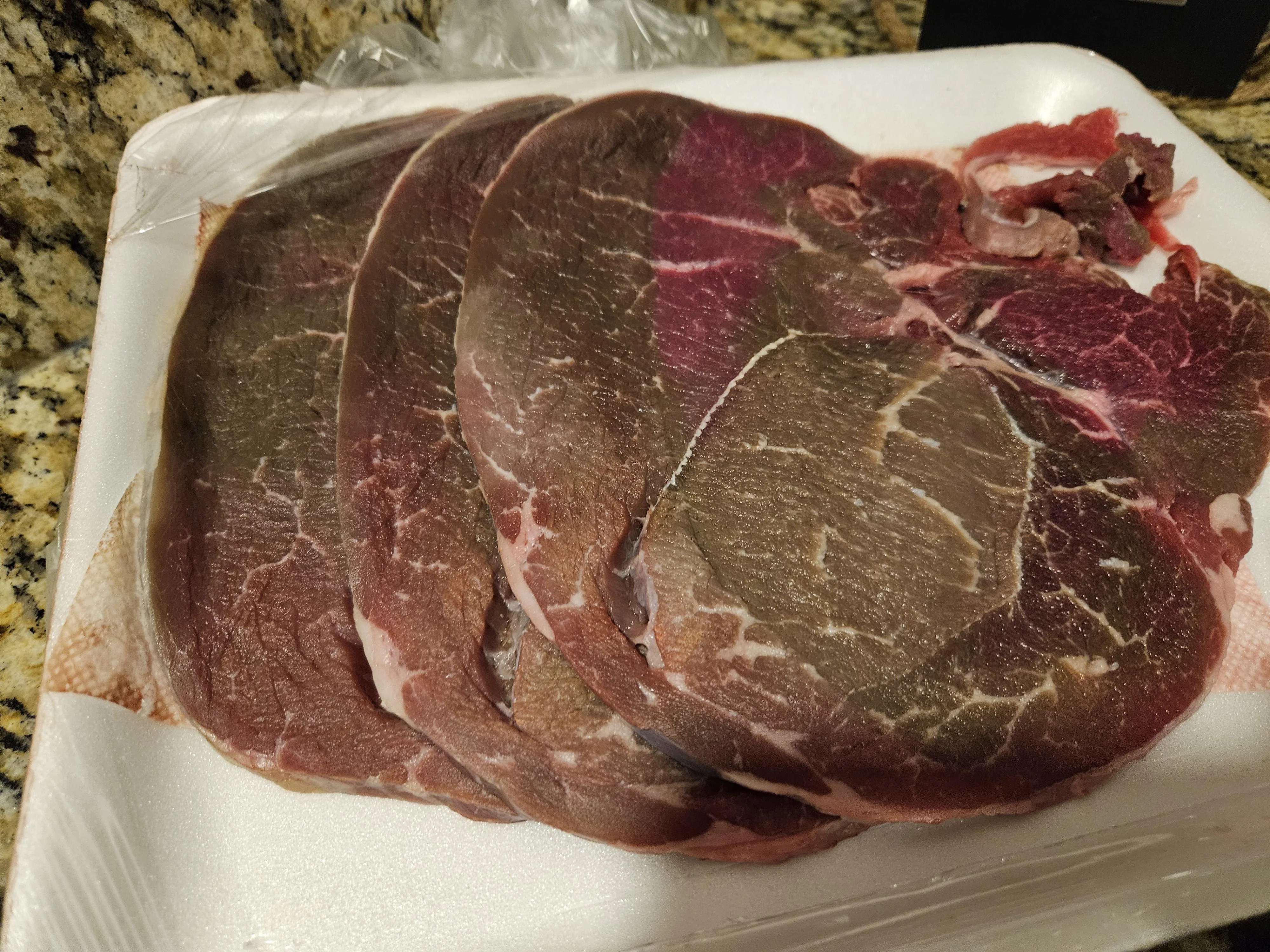
Color can be confusing with beef, so here’s how I think about it:
- Normal: bright red on the outside, sometimes a darker purplish-red in the center (especially if it was vacuum-sealed). Slight browning on the surface can also happen from oxygen exposure over time.
- Not normal: gray-green tones, greenish patches, or discoloration that looks “dirty” rather than simply darker or browner.
When in doubt, use color with smell and texture. A questionable smell plus weird color means it is not worth the risk.
Signs cooked tri-tip
Cooked tri-tip can spoil too, especially if it sat too long before being refrigerated or has been in the fridge for a while. These are my “nope” signals:
- Off smell after chilling: sour, funky, or rancid notes when you open the container.
- Slippery or slimy feel: a thin, slick layer that feels mucus-like is not the same as normal moisture, juices, or a bit of rendered fat.
- Visible mold: any fuzzy spots or unusual growth means throw it away immediately. Do not scrape it off.
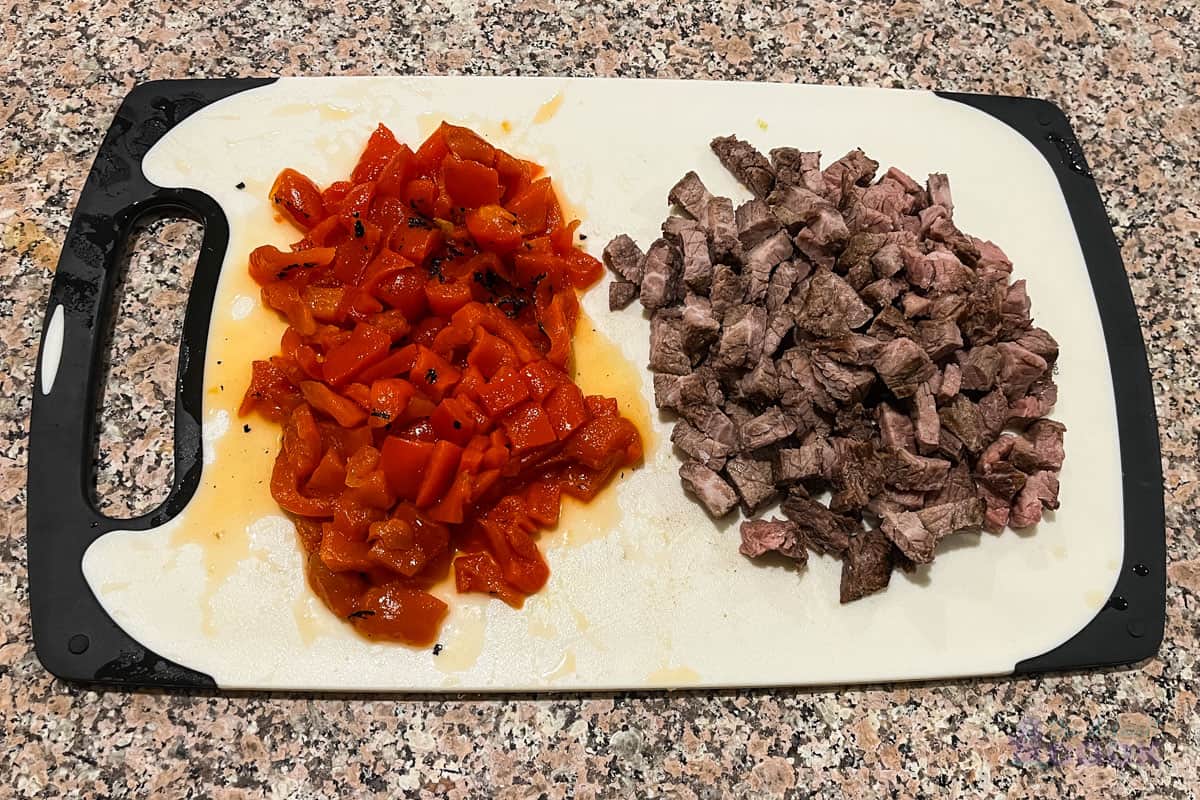
If you are on the fence, do not taste it to decide. Spoiled food can make you sick even if a small bite seems fine.
Need help with safe warming once you know it is still good? See How to Reheat Tri-Tip.
Time and temperature basics
My nose gets the final vote, but time and temperature matter too. Here are the guidelines I use as a reality check:
- Do not leave tri-tip out too long: refrigerate within 2 hours of cooking or bringing it home (within 1 hour if it is very hot out).
- Raw tri-tip in the fridge: if it’s a whole roast, I treat 3 to 5 days as the typical window, assuming it stayed cold and smells normal.
- Cooked tri-tip in the fridge: aim to finish within 3 to 4 days.
- Frozen tri-tip: if it stays fully frozen, it can remain safe much longer, but quality is best within a few months. If you see lots of ice crystals or the wrapping is loose, expect faster quality loss.
If your tri-tip has been sitting in that gray zone, trust your senses and skip the “just one bite” test.
Freezer burn
Freezer burn is not the same thing as spoilage, but it can absolutely ruin texture and flavor. It happens when air reaches the meat and pulls moisture out.
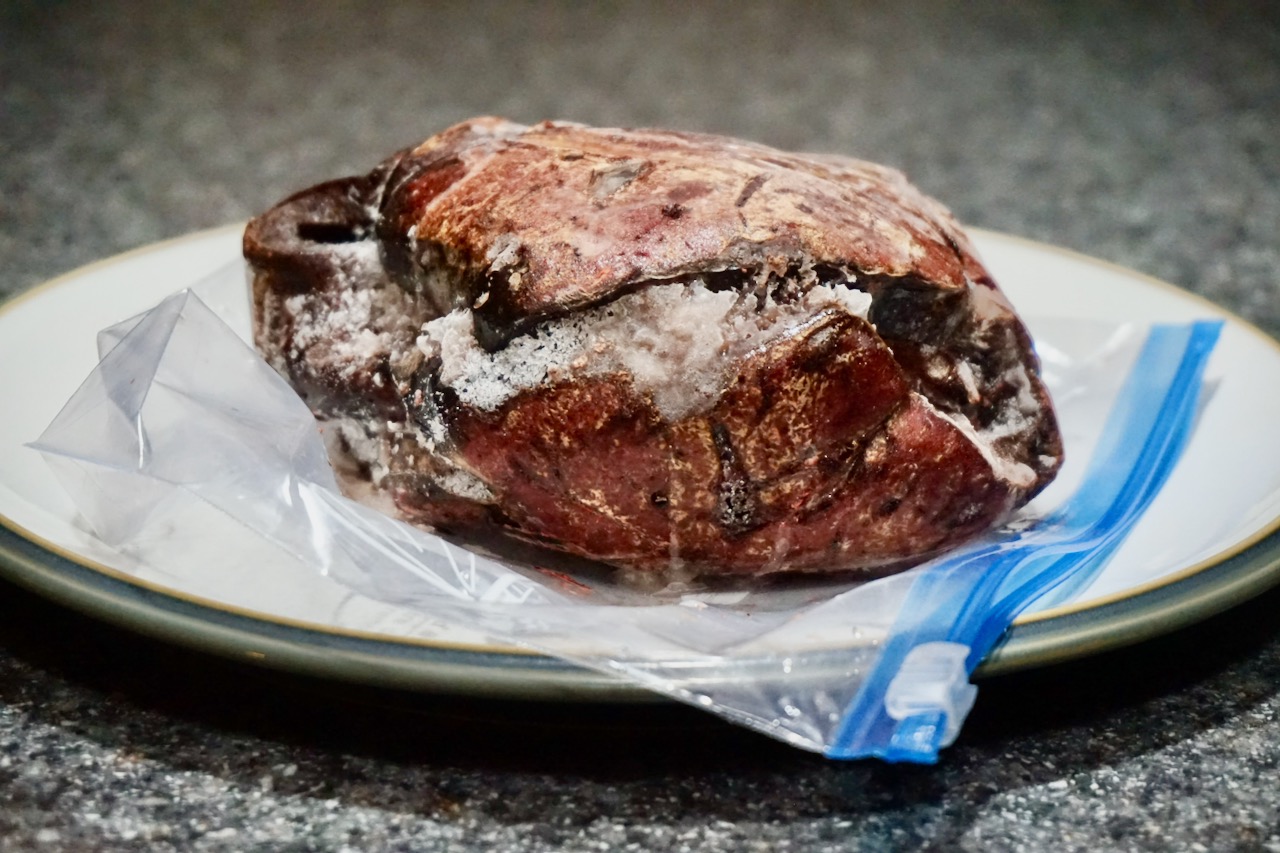
What freezer burn looks like
- Pale gray, whitish, or ashy patches on the surface
- Dry, leathery edges or a rough, desiccated feel
- Ice crystals inside the packaging or loose wrapping that allowed air in
When to toss it
If the tri-tip is heavily freezer burned and looks extensively dried out, it is usually “past use” in a practical sense. Freezer burn alone is typically a quality problem, but meat that has been poorly wrapped, repeatedly thawed and refrozen, or stored for a very long time is not something I risk.
If your freezer burn is minor and you want to prevent it next time, this guide helps: How to Freeze Tri-Tip.
Common questions
My tri-tip looks darker than usual. Is it bad?
Not automatically. Beef can look darker (purplish-red) when it has had less exposure to oxygen, especially in vacuum-sealed packaging. Let it sit unwrapped for a couple minutes, then reassess. If it also smells sour or feels slimy, toss it.
It smells strong when I open the package, but then it fades. Safe?
That can happen with vacuum-sealed meat. If the smell fades quickly and the meat looks normal and feels normal (no sticky or slimy film), it is often fine. If the odor lingers, turns sour, or makes you hesitate, do not use it.
Can I cook spoiled tri-tip to make it safe?
No. Cooking can kill many bacteria, but it does not reliably remove toxins that certain bacteria may produce. If it smells spoiled, feels slimy, or looks gray-green, discard it.
Do sell-by dates mean it is unsafe the next day?
Not necessarily. Sell-by and use-by dates are usually about quality and store inventory, not a magic safety switch. Proper storage plus smell, texture, and appearance tell you more than the date alone.
What if only part of it looks questionable?
With raw meat, I do not trim around spoilage. If one section is gray-green, sticky, or off-smelling, I consider the whole piece compromised and throw it out.
What to do next
- Do not taste it. A small bite is not a safe test.
- Bag it and discard it so juices do not drip in your trash can.
- Clean and sanitize anything the meat touched: cutting boards, plates, sink, counter, and your hands.
If your tri-tip passes all the checks and you are ready to cook, you can head to my cooking pages like Tri-Tip Roast or Air Fryer Tri-Tip.