Reheat tri-tip the right way with gentle heat and a splash of broth. Get ideal temp targets (110–120°F) plus oven, covered-skillet, and microwave tips to kee...
Delishing
How to Freeze Tri-Tip

Maya Brooks
Maya Brooks is a dedicated home cook and the lead recipe developer at Delishing, where she shares practical, foolproof meals for everyday life. With over a decade of hands-on kitchen experience, she specializes in creating approachable dishes that fit a variety of dietary needs and modern cooking methods. Maya is passionate about helping busy people get delicious, stress-free food on the table without needing formal culinary training.
Tri-tip is one of those cuts that rewards you for thinking ahead. When I was in my busiest season at work, freezing tri-tip was how I kept “real dinner” on the table without last-minute panic. The key is simple: protect it from air, label it like Future You is a stranger, and thaw it in a way that keeps the surface dry enough to sear later.
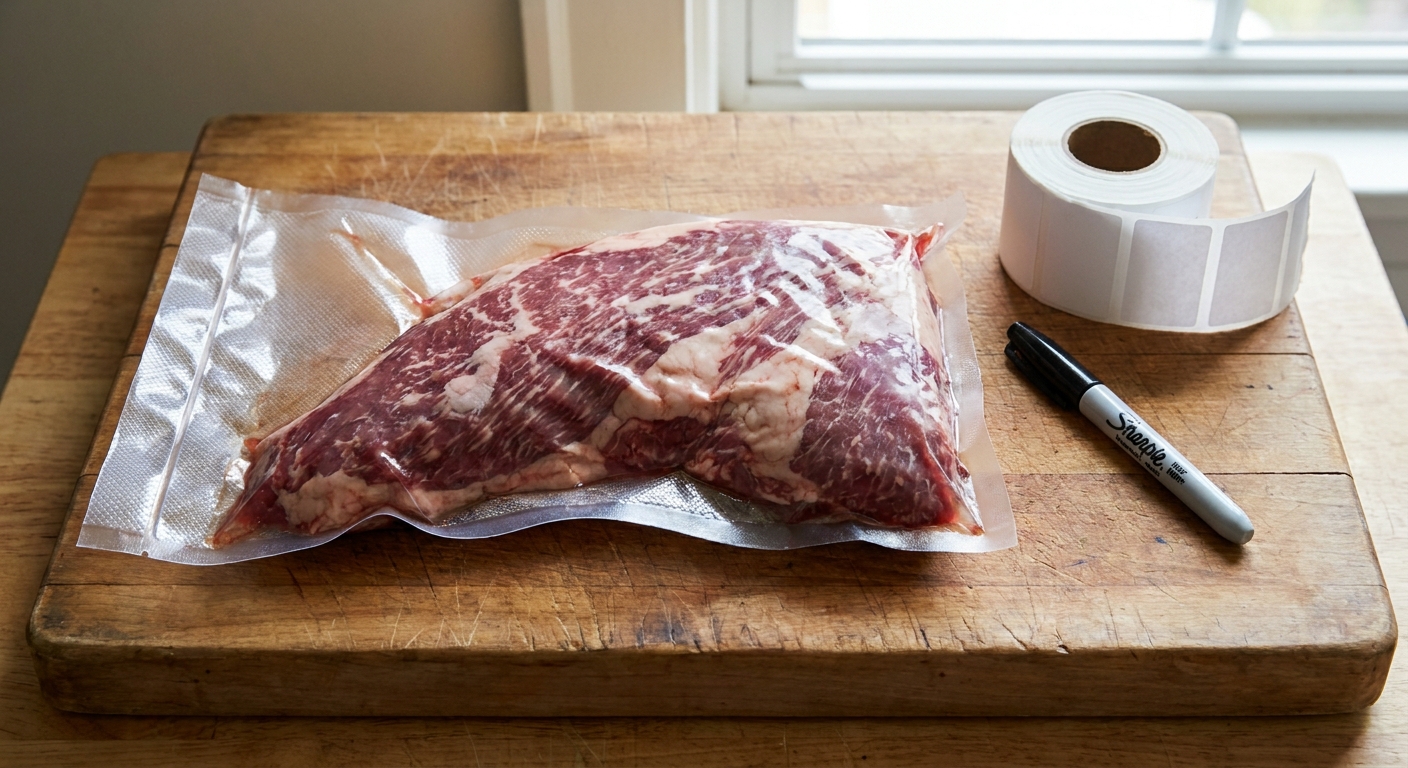
Before you freeze: pick your goal
- Freezing raw tri-tip is best when you want a fresh cook later with the best texture and the most flexible seasonings.
- Freezing cooked tri-tip slices is best for quick weeknight meals, sandwiches, salads, tacos, and grain bowls.
Both work. The biggest enemy in both cases is freezer burn, which is really just dehydration plus oxidation from exposure to air.
How to freeze raw tri-tip
1) Pat it dry
Use paper towels to blot the surface. Moisture on the outside turns into ice crystals and makes the surface wetter when it thaws, which is the opposite of what you want for a great sear.
2) Decide: plain, dry rub, or marinade
- Plain: Most flexible. Season right before cooking.
- Dry rub: Great for flavor with minimal mess. Rubs also help a tiny bit with surface drying.
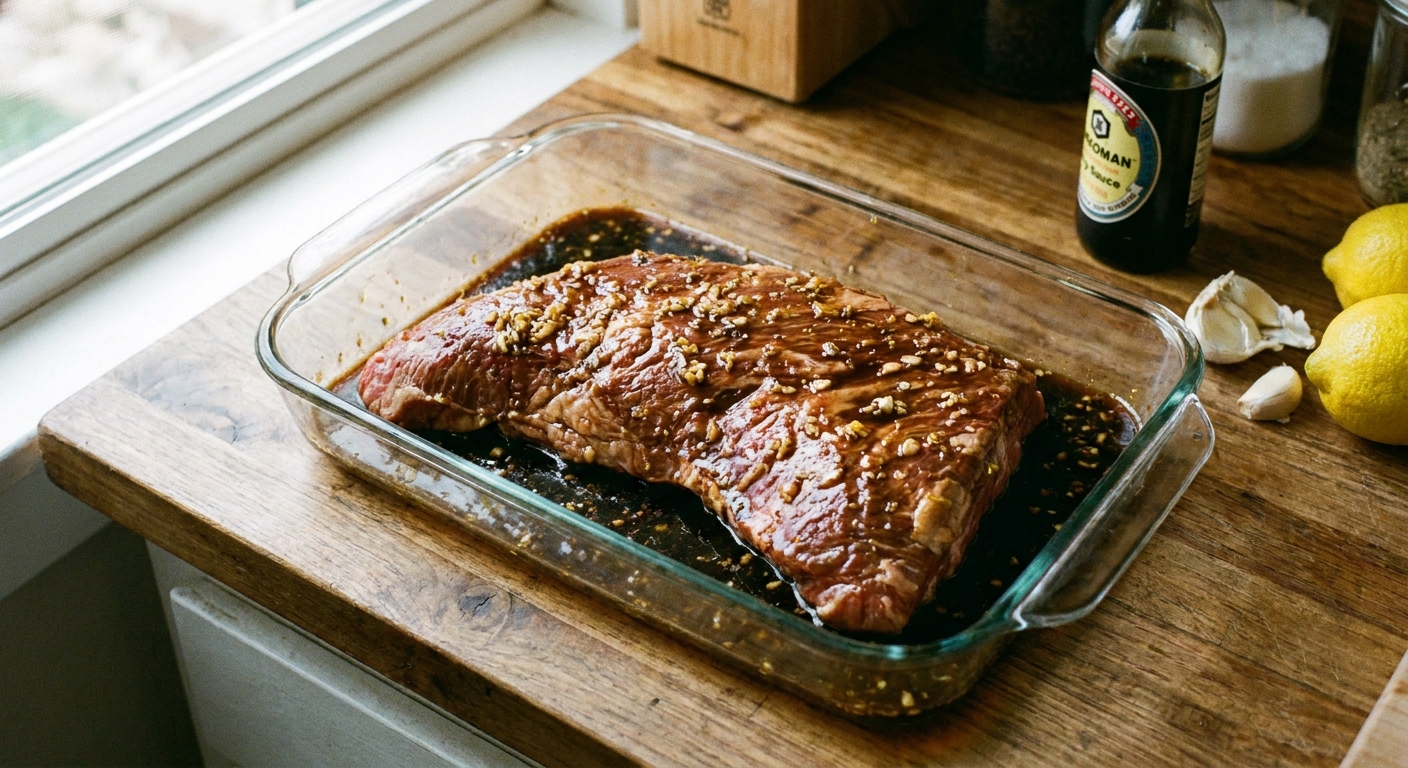
- Marinade: Convenient, but it can slightly soften the surface over time, especially with acidic marinades or long soaks. It still cooks up delicious, just know you might not get quite the same crust as a dry-surface roast.
If you want cooking instructions for later, bookmark our main tri-tip guide: Tri-Tip Roast.
3) Wrap it tightly (choose one)
- Best: Vacuum seal. It removes air, which prevents freezer burn in one step.
- Very good: Plastic wrap + freezer bag. Wrap the roast in 2 tight layers of plastic wrap, then slide into a heavy-duty freezer bag (not a thin sandwich bag) and press out as much air as possible.
- Also works: Plastic wrap + foil + freezer bag. Foil adds extra protection if your freezer is busy and things get jostled around.
If you are using a freezer bag, I like the “water displacement” trick: lower the bag slowly into a bowl of water (keeping the opening above water) so the water pressure pushes air out, then seal.
4) Label like it matters (because it does)
- Write “Tri-tip”
- Add raw (or “marinated” or “dry rub”)
- Add the date
- Optional but helpful: weight and the seasoning used
5) Freeze fast and flat
Lay it flat on a sheet pan or a flat spot in the freezer until firm, then you can stand it up to save space. Freezing flat helps it thaw more evenly later.
How to freeze cooked tri-tip slices
Cooked tri-tip freezes surprisingly well if you package it in a way that limits air exposure and supports gentle reheating later.
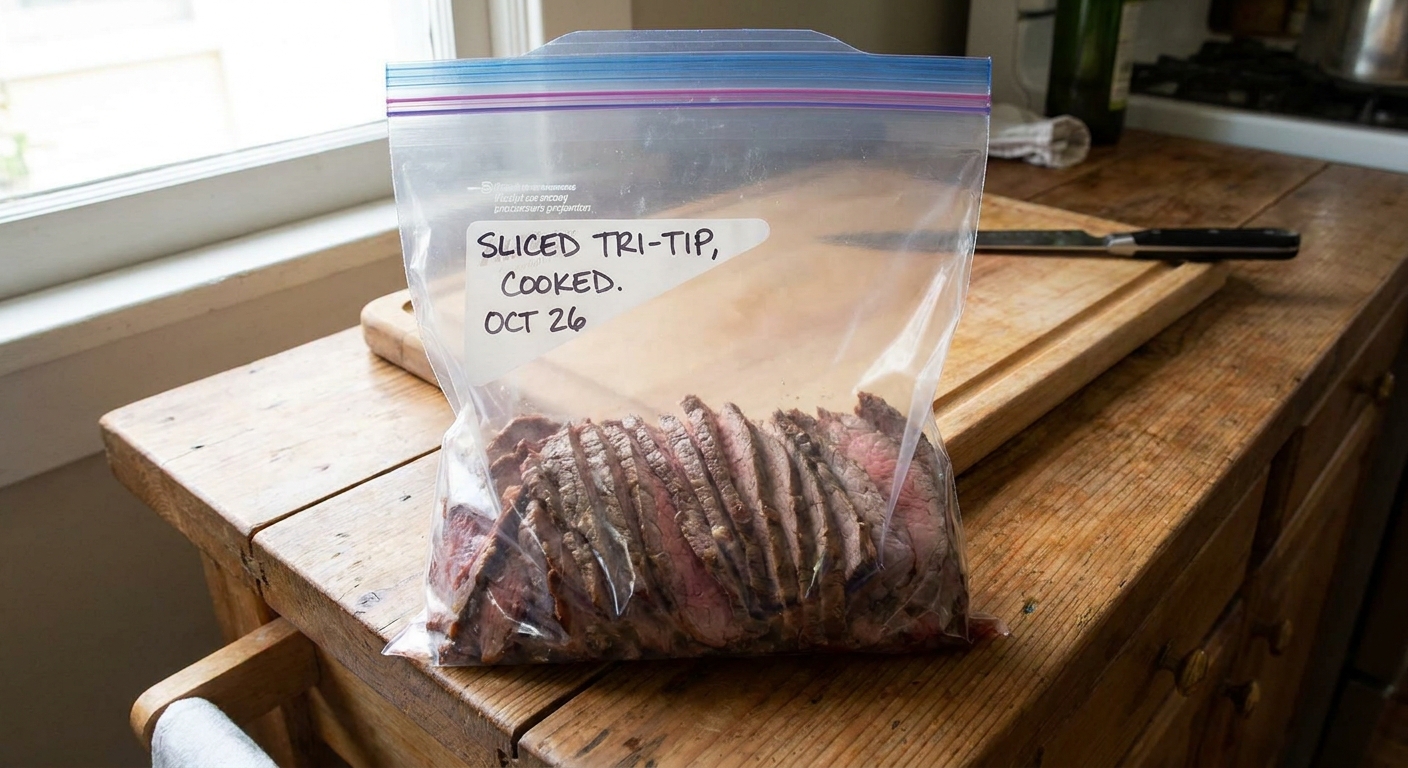
1) Cool quickly
Let the meat cool just until it is no longer steaming, then refrigerate promptly. As a general rule, get cooked meat into the fridge within 2 hours (within 1 hour if the room is very warm).
2) Slice smart (or keep it chunked)
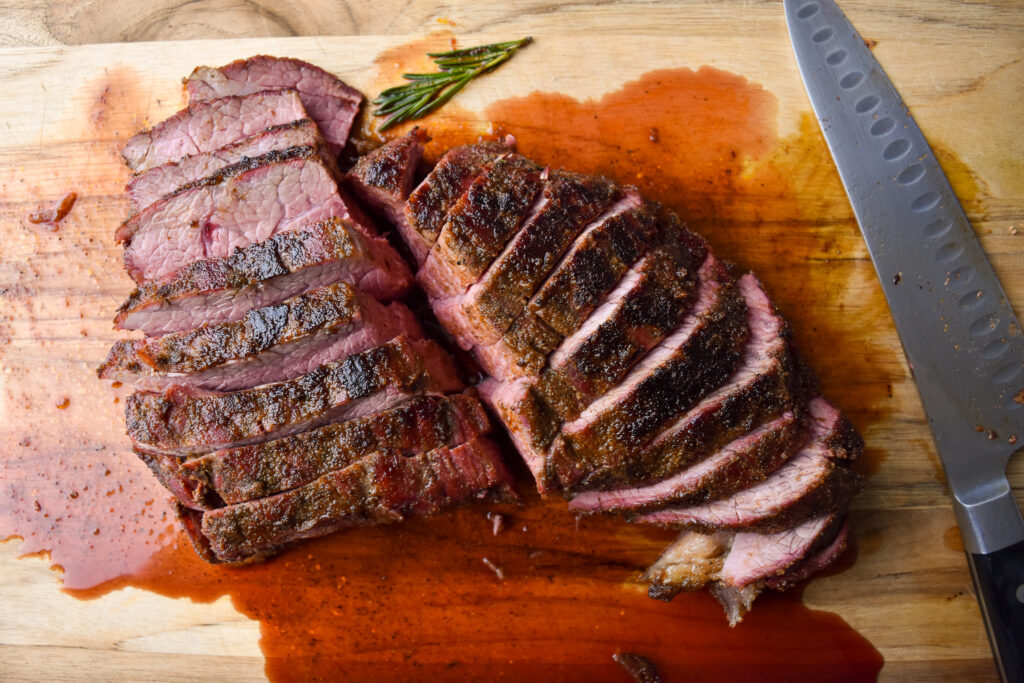
- For fastest thawing: Slice first.
- For slightly juicier results: Freeze in thicker slices or chunks.
3) Add a little protection
My favorite method is to freeze portions with a spoonful or two of their own juices. If you do not have drippings, a splash of beef broth works. You are not trying to make soup, just adding a little buffer against dryness.
4) Package in meal-size portions
- Portion into freezer bags and press flat, or use vacuum seal bags.
- If using a bag, arrange slices in a single layer for quick thawing.
- Double-bag if your freezer is prone to odd odors.
5) Label clearly
- Write “Tri-tip cooked, sliced”
- Add the date
- Optional: note seasoning and serving idea, like “garlic pepper, tacos”
How long tri-tip lasts in the freezer
Freezing keeps food safe for a long time, but quality is what usually drops first. Here is a practical timeline for best quality in a typical home freezer (0°F or lower).
- Raw tri-tip: best within 6 to 12 months
- Cooked tri-tip slices: best within 2 to 6 months (I aim for 2 to 3 months for peak flavor and texture)
If it goes longer, it is often still safe, but you may notice dryness, off flavors, or a dull “freezer” taste.
Best way to thaw for a good sear
If you want that gorgeous browned crust later, thawing matters almost as much as seasoning. This is the method I use when I plan to roast, grill, or sear a previously frozen raw tri-tip.
Dry-surface thaw
- Keep it wrapped and thaw in the refrigerator on a rimmed plate or tray to catch leaks and avoid cross-contamination.
- Give it time: timing depends on thickness and fridge temperature. As a rough guide, a 2 to 3 pound tri-tip often takes about 24 hours, and 3 to 5 pounds can take 36 to 48 hours.
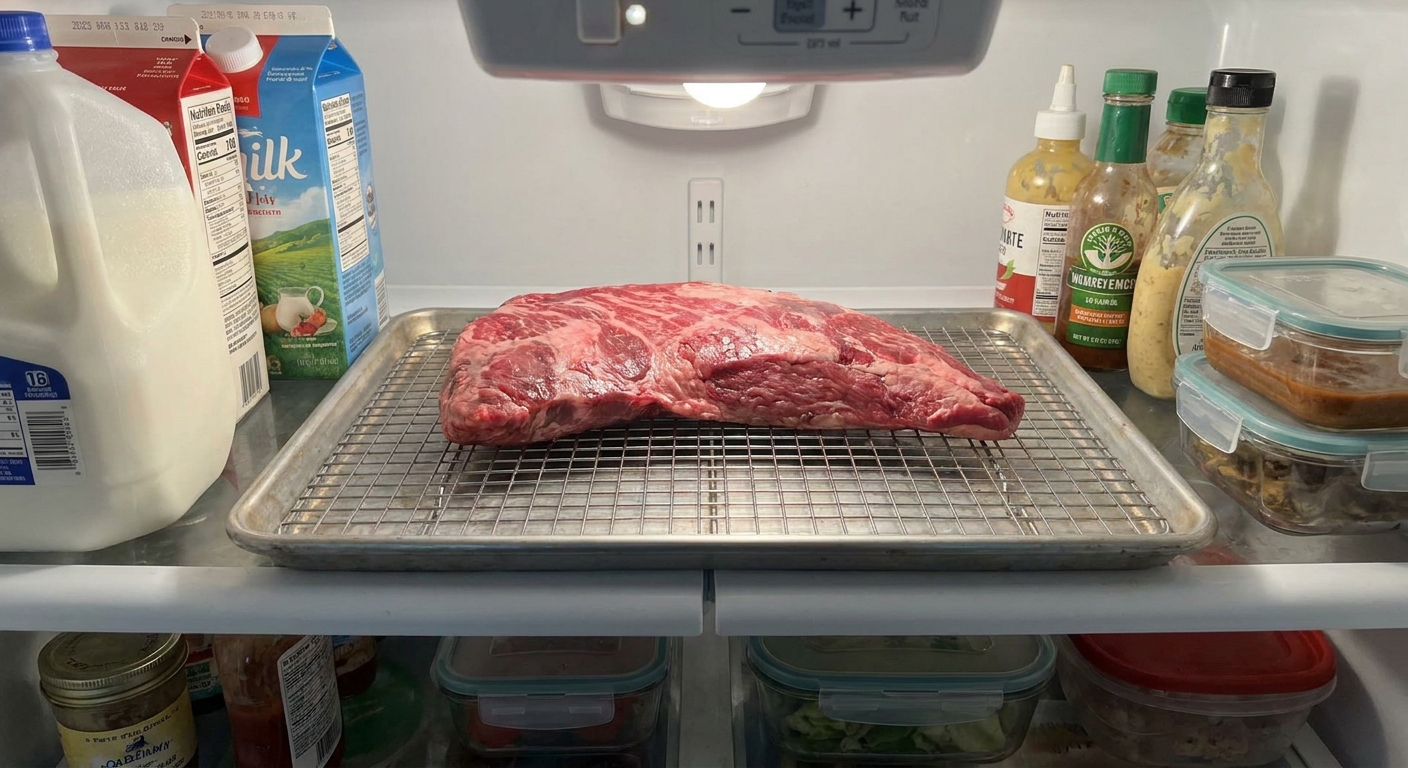
- Unwrap and dry-brine (optional but amazing): once thawed, remove from packaging, pat very dry, then salt lightly and place uncovered on a rack set over a sheet pan in the fridge for 8 to 24 hours.
- Pat dry again before cooking. That last blot is what gets you from “it browned” to “it crusted.”
This uncovered rest in the fridge is my not-so-secret weapon for a dry surface. It is the same idea as air-drying chicken skin, just with beef.
Can you thaw faster?
You can, but it is a trade-off.
- Cold water thaw: Submerge the sealed roast in cold water and change the water every 30 minutes. It is faster, but the exterior tends to be a bit wetter. If you do this, pat it very dry and consider an uncovered fridge rest for a few hours before searing.
- Microwave thaw: I avoid this for tri-tip. It is easy to accidentally start cooking the edges, which hurts final texture.
Quick tips for thawing and reheating cooked slices
If what you froze is already cooked, your goal is gentle heat so you do not squeeze out the juices.
- Thaw in the fridge: Put the sealed bag in the refrigerator on a plate overnight.
- Fast thaw: Submerge the sealed bag in cold water and change the water every 30 minutes.
- Gentle reheat: Warm slices with a splash of broth or drippings in a covered skillet on low heat until just hot. Do not crank the heat.
For a full, step-by-step approach, use: How to Reheat Tri-Tip.
Common freezing mistakes
- Not removing air: Air causes freezer burn. Press it out or vacuum seal.
- Freezing in the store tray: The overwrap is not freezer-grade for long storage. Rewrap properly.
- Skipping the label: “Mystery roast” is not a fun dinner game. Label it.
- Freezing huge portions of cooked slices: You will only thaw what you need if you portion first.
- Thawing on the counter: Keep thawing in the fridge for the safest, most even results.
What to do after thawing
If you froze tri-tip raw and want a full cook plan, head to Tri-Tip Roast. If you froze cooked slices and want to warm them without drying them out, follow How to Reheat Tri-Tip.
Freezing tri-tip FAQ
Should I freeze tri-tip whole or cut into pieces?
Raw: whole is simplest and best for even cooking later. Cooked: portion it before freezing so you only thaw what you need.
Is freezer burn dangerous?
Not usually, but it tastes bad and the texture suffers. Trim badly affected spots if needed.
Can I refreeze tri-tip after thawing?
If you thawed it safely in the refrigerator and it stayed cold (40°F or below) the whole time, it is generally okay to refreeze from a food safety standpoint, but quality drops. I treat refreezing as a last resort.
Do I need to thaw before cooking raw tri-tip?
For best results, yes. Cooking from frozen makes the outside overcook before the center catches up. If you are in a pinch, thaw in the fridge or cold water first, then cook.