Delishing
Chinese Sugar-Roasted Chestnuts

There is something almost unfairly comforting about street-style Chinese sugar-roasted chestnuts: warm shells with a crackly amber sheen, a toasty caramel scent, and a sweet, starchy chestnut inside that tastes like fall turned up to full volume. The first time I tried recreating them at home, I made two classic mistakes at once: I did not score deeply enough, and I tried to peel them immediately. The result was a combination of stubborn shells and burnt fingertips. My notebook now has a big, underlined reminder: score boldly, then cool.
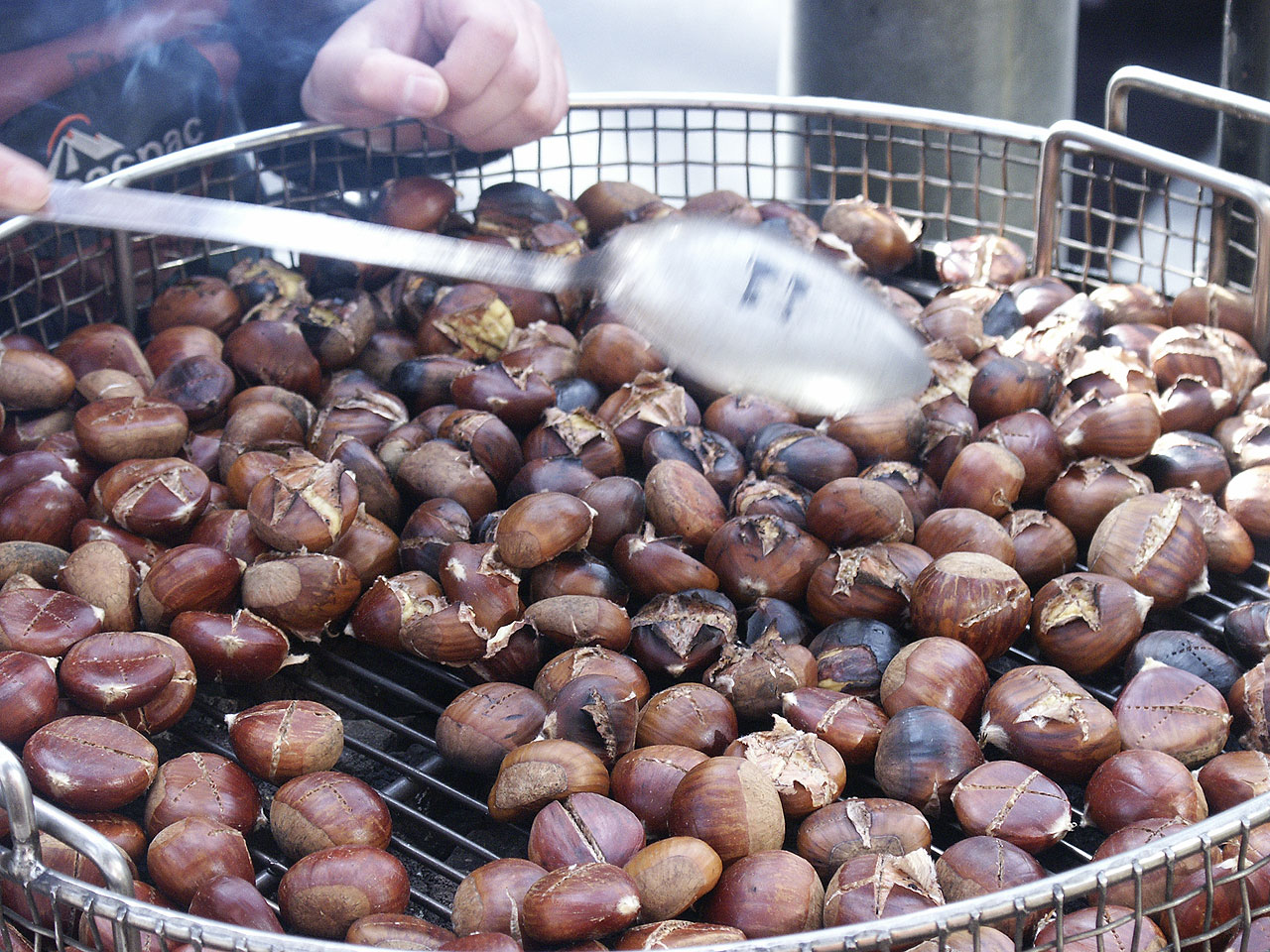
This recipe recreates one popular street-style version, the kind where the shells get tossed in a wok with a thin sugar glaze that turns glossy, then crackly. Not every vendor uses sugar, and some use other syrups, but if you are chasing that lacquered look and caramel-kissed aroma, this is the home-kitchen route that gets you there.
A quick note before you start: scoring is not just for easy peeling. It is also a simple safety step that helps prevent chestnuts from bursting as they roast. And because sugar can go from “perfect” to “burnt” fast, good ventilation helps, and constant tossing is not optional. The method in the recipe cooks the chestnuts until they are truly tender first, then lets the glaze finish quickly at the end, so you get that crackle without sacrificing the center.
You will also cool the chestnuts until they are safe to handle before peeling. That short wait is the difference between clean, easy release and a wrestling match with the inner skins.
If you are brand new to chestnuts, it is worth starting with good ones. Look for glossy, heavy nuts with no rattling, and skip anything with mold or pinholes. My guide on how to buy fresh chestnuts is a helpful quick read, and how to tell if chestnuts have gone bad can save you from a disappointing batch.
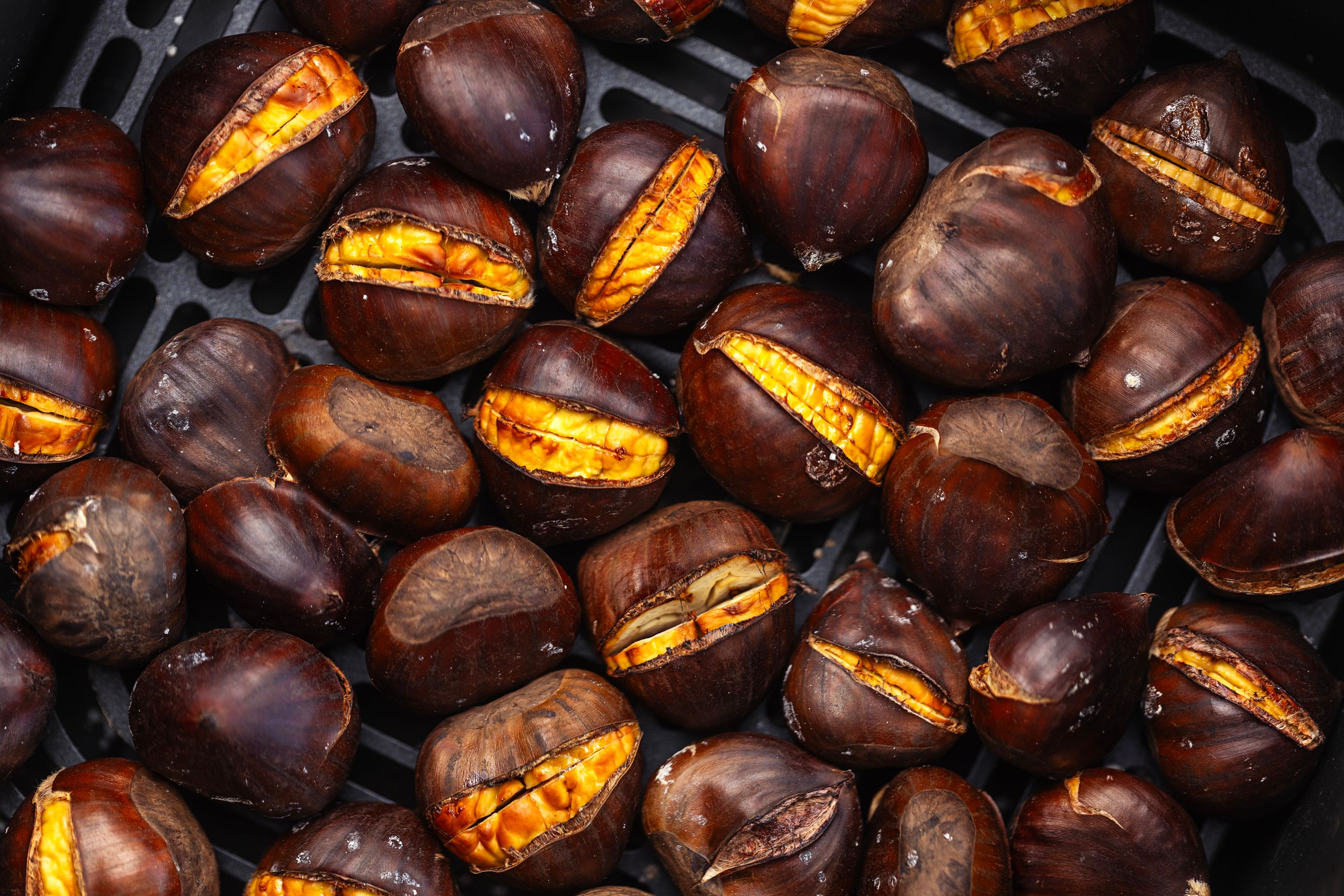
If you want a plain baseline first, I also have a basic walkthrough on how to roast chestnuts for general handling and peeling confidence. And if you want a hands-off approach, air fryer chestnuts are great for a simple roast (no sugar coat, but very weeknight-friendly).
What makes these different from candied chestnuts
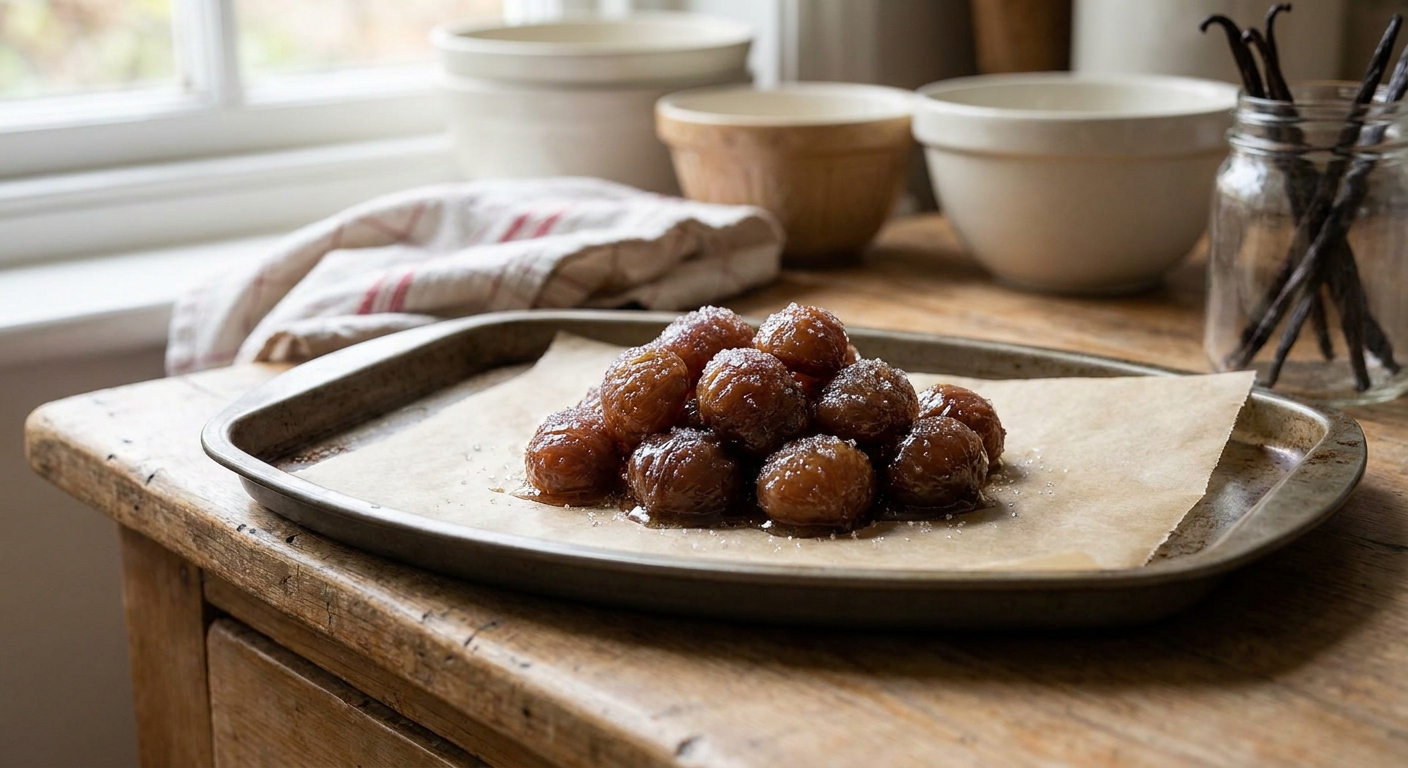
Chinese sugar-roasted chestnuts are cooked in the shell and coated on the outside with caramelized sugar as you toss them in the wok. That coating is part flavor, part aroma, and part that signature street-food look. Candied chestnuts, on the other hand, are typically peeled chestnuts simmered in syrup until glossy and sweet all the way through. Both are delicious, just totally different projects.
Street-style hot sand note
If you have watched street vendors, you have probably seen chestnuts roasted in a big wok or rotating drum with dark sand or tiny pebbles. The sand is there to hold heat and spread it evenly, so the chestnuts get steady contact and roast without hot spots. In a home kitchen, I do not recommend trying to source random sand. Food-safe, heat-stable media is a real safety detail, and it is easy to end up with grit where you do not want it.
The good news: you can get a very similar feel at home with a wok or heavy skillet, frequent tossing, and careful heat management so the sugar coats instead of scorching.
Why it works
- Deep scoring gives steam an escape route so the shells open instead of turning into pressure cookers.
- A quick par-cook helps the chestnuts turn tender before the sugar glaze goes from clear to amber.
- A small amount of water dissolves the sugar first, so it coats the shells evenly before it caramelizes.
- Constant tossing mimics the street-vendor motion, preventing hot spots and helping the sugar form that thin, crackly amber layer.
- Cooling time lets the nut finish steaming inside the shell and makes peeling noticeably easier.
Ingredient notes
- Fresh chestnuts: Look for glossy, heavy nuts with no rattling inside the shell. If you need shopping help, see how to buy fresh chestnuts. Avoid any with moldy spots or pinholes.
- Granulated sugar: This gives you the classic crackly coat. Brown sugar can work, but it is stickier and easier to scorch.
- Water: Just enough to dissolve the sugar into a syrup that can cling to the shells.
- Neutral oil (optional): A tiny amount can help prevent sticking in some pans, but it is not required if you keep the chestnuts moving.
Equipment
- Wok (best) or a wide, heavy skillet
- Chestnut knife or sturdy paring knife for scoring
- Wooden spatula or wok turner for constant tossing
- Sheet pan or large plate for cooling
- Kitchen towel (optional) to hold warm chestnuts while peeling
Pro tips
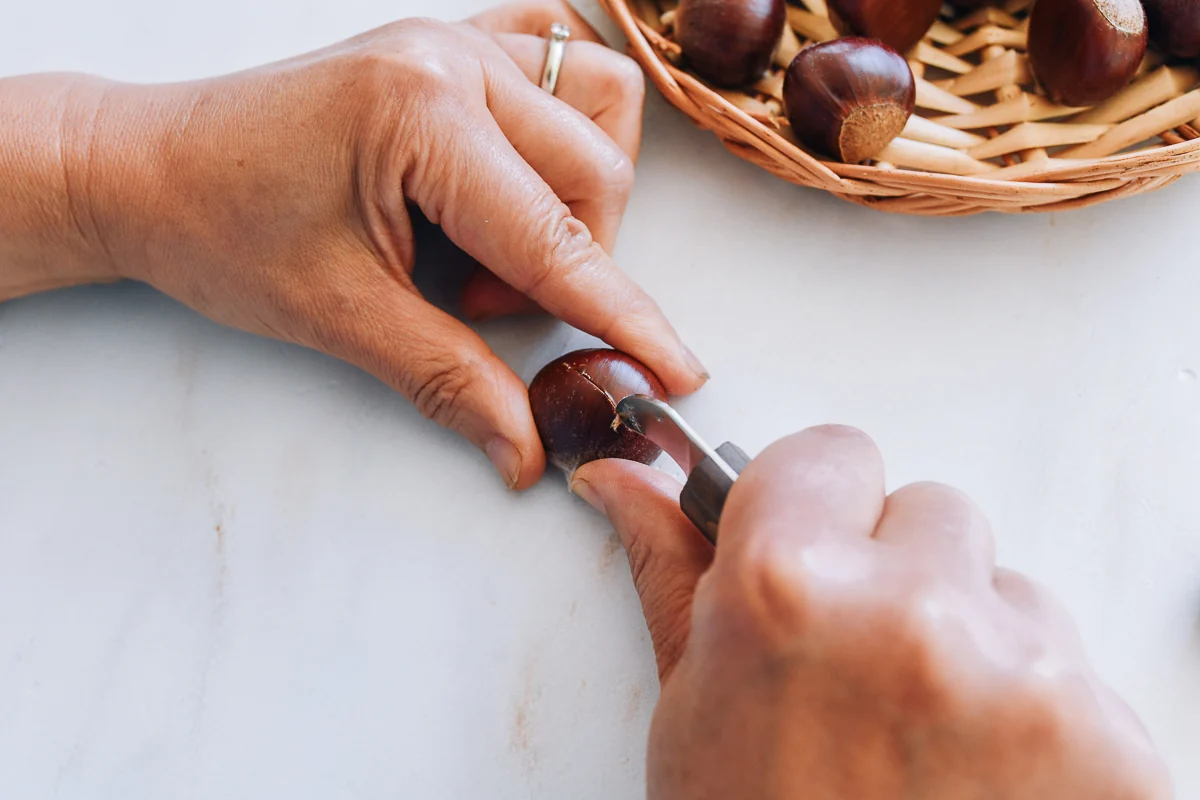
- Score on the flat side. It is steadier, safer, and the shell tends to open wider.
- Go deeper than you think. You want to cut through the shell and into the inner skin slightly. Shallow scores are the number one reason chestnuts are hard to peel.
- Keep the heat medium to medium-high. Too low and you will get sticky sugar. Too high and the sugar can burn before the nuts heat through.
- Use the doneness cues. When they are ready, the score marks gape open, the nuts smell sweet and roasty, and one nut peeled after cooling should be tender all the way through.
- Cool before peeling. Give them at least 10 minutes, or until safe to handle. Warm is fine. Hot is when they fight you.
Substitutes
- No wok? Use your widest heavy skillet. The key is surface area so you can toss without crowding.
- Lower sugar: You can reduce the sugar slightly, but the coating will be thinner and less crackly.
- Flavor add-ins: A small piece of cinnamon stick or a strip of orange peel can perfume the sugar syrup. Remove before cooling.
Variations
- Five-spice sugar roast: Add a pinch of Chinese five-spice to the sugar after it dissolves.
- Vanilla-scented: Stir a few drops of vanilla extract into the syrup right at the end, off the heat.
- Extra glossy shells: Add 1 teaspoon of neutral oil with the sugar. It can boost shine, but keep tossing to avoid greasy shells.
Serving ideas
- Serve warm as a snack with hot tea.
- Pack into small bags for a fall walk or movie night treat.
- After peeling, chop the chestnuts and sprinkle over oatmeal like in my oatmeal with brown sugar and walnuts for a seasonal twist.
Storage
These are best the day you make them, when the shells are crisp and the chestnuts are soft inside. That said, you can store them.
- Room temperature: Store fully cooled chestnuts in a loosely covered container for up to 1 day. Tight sealing can soften the sugar coating.
- Refrigerator: Up to 3 days in a container. The coating may turn tacky.
- Reheat: Warm briefly in a dry skillet over medium heat, tossing constantly, just until fragrant. Do not crank the heat or the sugar can burn.
If you want longer storage, it is usually better to freeze plain roasted or cooked chestnuts rather than sugar-coated ones. My guides on how to cook frozen chestnuts and how to store fresh chestnuts can help you plan ahead.
Common mistakes (and fixes)
- Not scoring enough: If the shells barely open, peeling will be a battle. Next time, score deeper and wider. If you are mid-batch, keep cooking and test one after cooling. Undercooked chestnuts are also hard to peel.
- Sugar burning: If it smells sharp or looks very dark fast, lower the heat immediately and keep tossing. A wide pan and constant motion are your best insurance.
- Sticky, wet coating: This usually means the heat was too low or you did not cook long enough for the syrup to reach the crackly stage. Keep tossing until the shells look dry and lacquered, not syrupy.
- Peeling too soon: Hot chestnuts cling to their inner skins. Let them cool, then peel. I know it is hard to wait. It is worth it.
FAQ
How do I know the chestnuts are done?
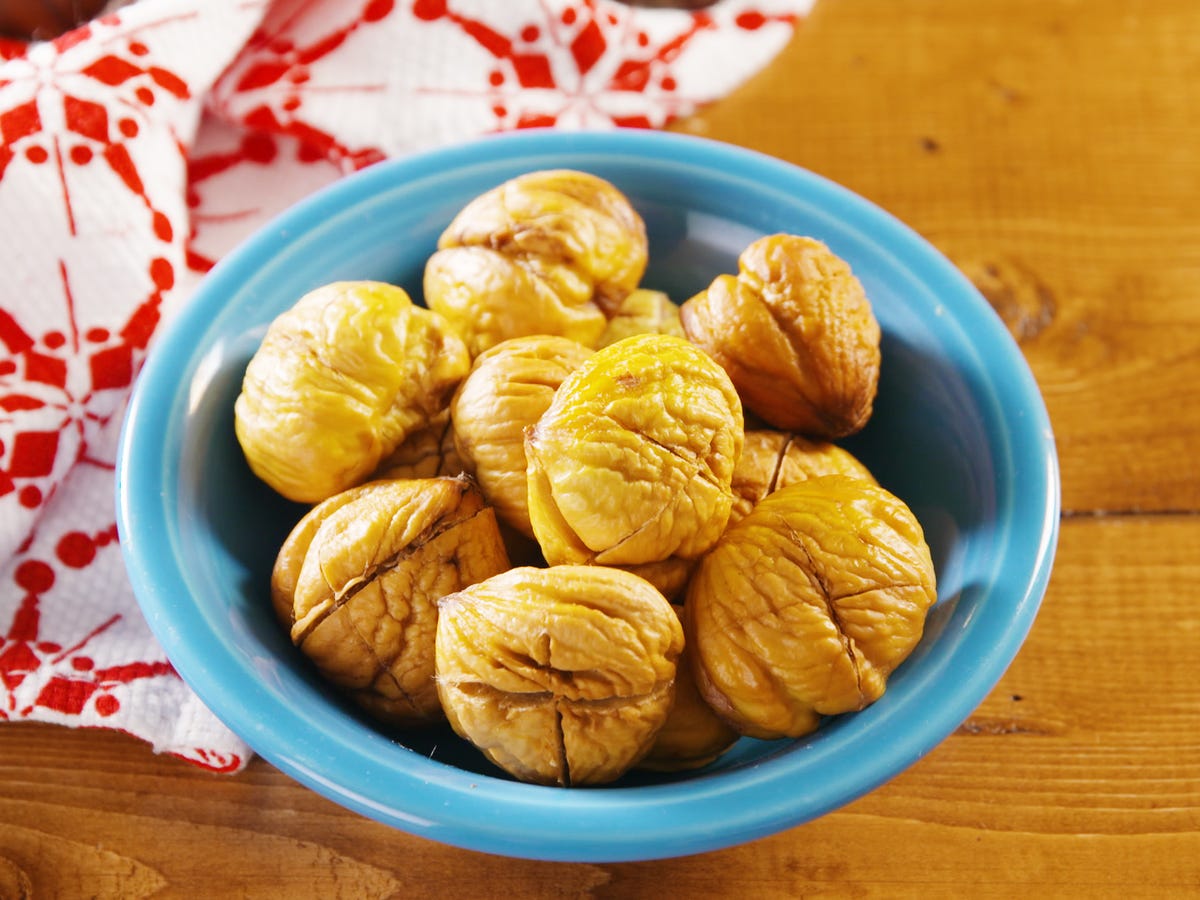
Look for three cues: the scored Xs are opened up, the shells have a dry-looking amber sheen (not wet syrup), and a test chestnut peeled after a short cool-down is tender and steamy inside with no crunchy core.
Is it safe to roast chestnuts without scoring?
No. Always score chestnuts. They can burst from trapped steam.
Do I eat the sugar coating?
You can, but most people peel the chestnuts and discard the shells. The coating mostly perfumes the roast and adds that street-style aroma. If you do lick your fingers after peeling, I will not judge.
Can I make these with peeled chestnuts?
Not this style. Peeled chestnuts are better for syrup-candied methods like candied chestnuts or purees like chestnut purée.
Are chestnuts tree nuts?
Botanically, chestnuts are considered tree nuts, but they are very different from most nuts in texture and starch content. If allergies are a concern, see are chestnuts tree nuts? and follow your medical guidance.
Recipe: Chinese Sugar-Roasted Chestnuts
Scored chestnuts are simmered briefly to turn tender, then tossed in a wok with sugar and water until the shells turn glossy and crackly. Cool before peeling for the easiest release.
Ingredients
- 1 pound (about 450 g) fresh chestnuts
- 1/3 cup (65 g) granulated sugar
- 1/4 cup (60 ml) water
- 1 teaspoon neutral oil (optional)
- Pinch of fine salt (optional)
Instructions
- Rinse and dry. Rinse the chestnuts, then dry them very well. (Water on the shells can make the sugar seize and spatter.)
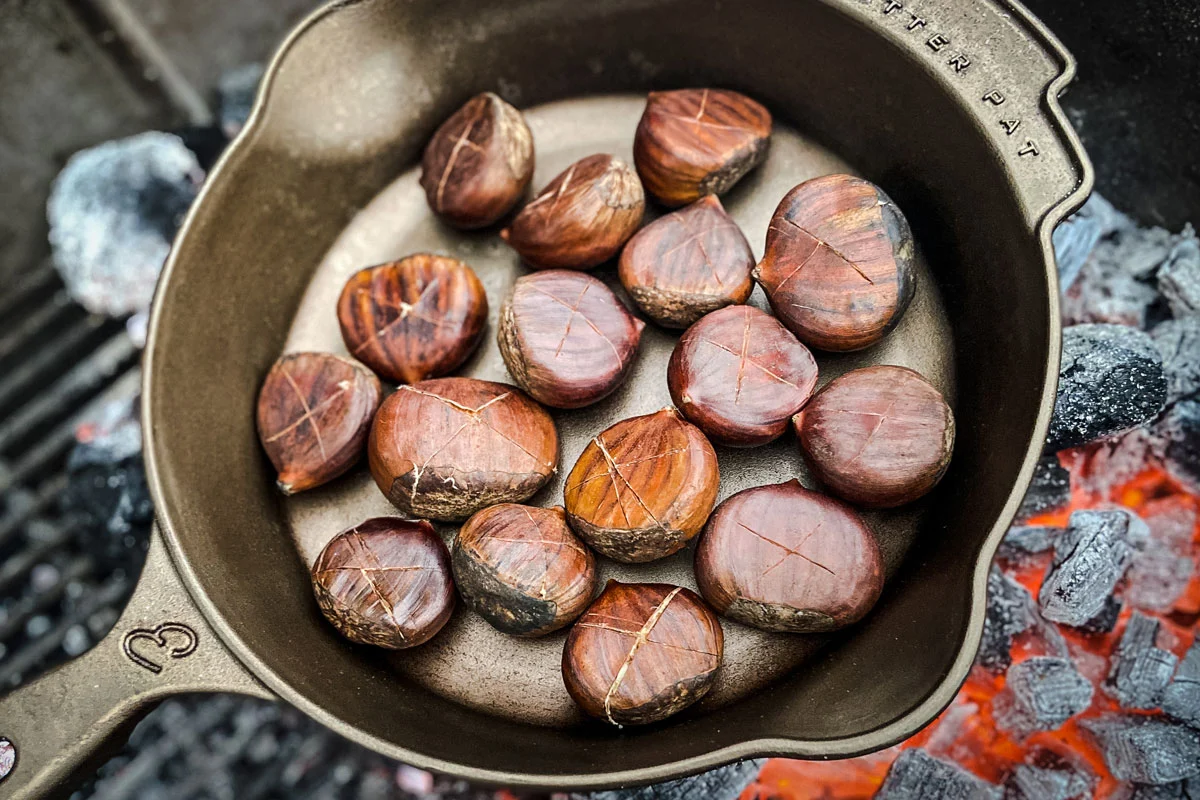
- Score the chestnuts. Using a chestnut knife or paring knife, cut a deep X on the flat side of each chestnut, cutting through the shell and slightly into the inner skin.
- Par-cook to get them tender. Put the scored chestnuts in a saucepan and cover with cold water by about 1 inch. Bring to a boil, then reduce to a steady simmer and cook until the chestnuts are starting to tenderize, about 10 minutes. Drain well, then pat the shells dry with a towel.
- Heat the wok. Set a wok (or wide heavy skillet) over medium heat. Add the oil, if using.
- Dissolve the sugar. Add the sugar and water. Stir until the sugar dissolves and looks like a clear syrup, 1 to 2 minutes.
- Add chestnuts and toss constantly. Add the drained chestnuts. Toss and stir continuously so the syrup coats the shells evenly as it thickens.
- Glaze until amber and crackly. Keep the heat at medium to medium-high and continue tossing as the syrup turns amber and dries into a thin, crackly glaze on the shells. If it starts to darken too quickly or smells sharp, lower the heat and keep tossing.
- Use a doneness test. Transfer 1 chestnut to a plate, let it cool for several minutes, then peel. The chestnut should be tender all the way through with no hard, chalky center. If underdone, return the batch to the wok and toss 2 to 4 minutes more, lowering the heat if the glaze is darkening too fast.
- Cool before peeling. Pour the chestnuts onto a sheet pan or large plate. Let cool at least 10 minutes, or until safe to handle, before peeling. Peel and enjoy warm.
- Optional finishing salt. If you like, sprinkle a pinch of fine salt over the peeled chestnuts just before serving.
Notes
- Safety: Always score chestnuts before cooking to help prevent bursting.
- About the street hot-sand method: Vendors often use hot sand or pebbles to retain heat and distribute it evenly. For home cooking, a wok plus constant tossing achieves a similar roast without introducing grit or unknown materials.
- Peeling tip: If a chestnut cools completely and becomes hard to peel, warm it for 30 to 60 seconds in a dry skillet, then peel while warm.