Delishing
Tri-Tip Stir-Fry

Tri-tip is famous as a roast, but it is also one of my favorite “panic dinner” shortcuts. When you slice it thin across the grain and cook it hot and fast, it turns into a seriously weeknight-friendly stir-fry: tender beef, crisp vegetables, and a glossy soy-ginger-garlic sauce that tastes like you planned ahead.
This recipe is built for real life. No long marinating, no roasting a whole tri-tip, and no fancy wok skills required. Do three small things that make a huge difference: chill the beef briefly so it slices cleanly, toss it in a light cornstarch coating that helps it sear and keeps the sauce glossy, and keep the cooking time short so it stays juicy.
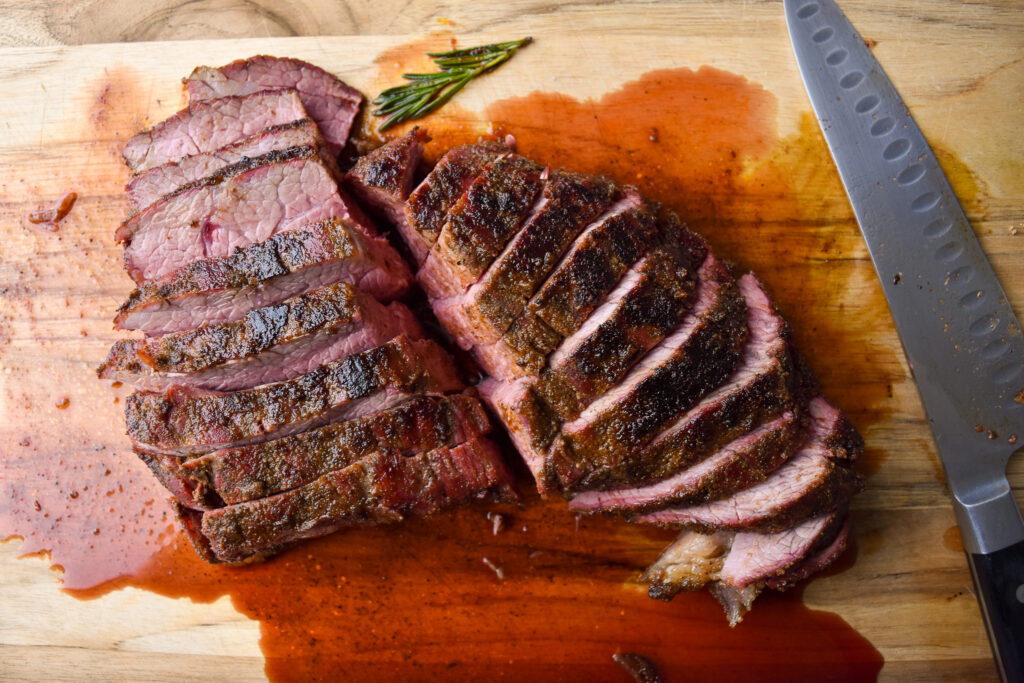
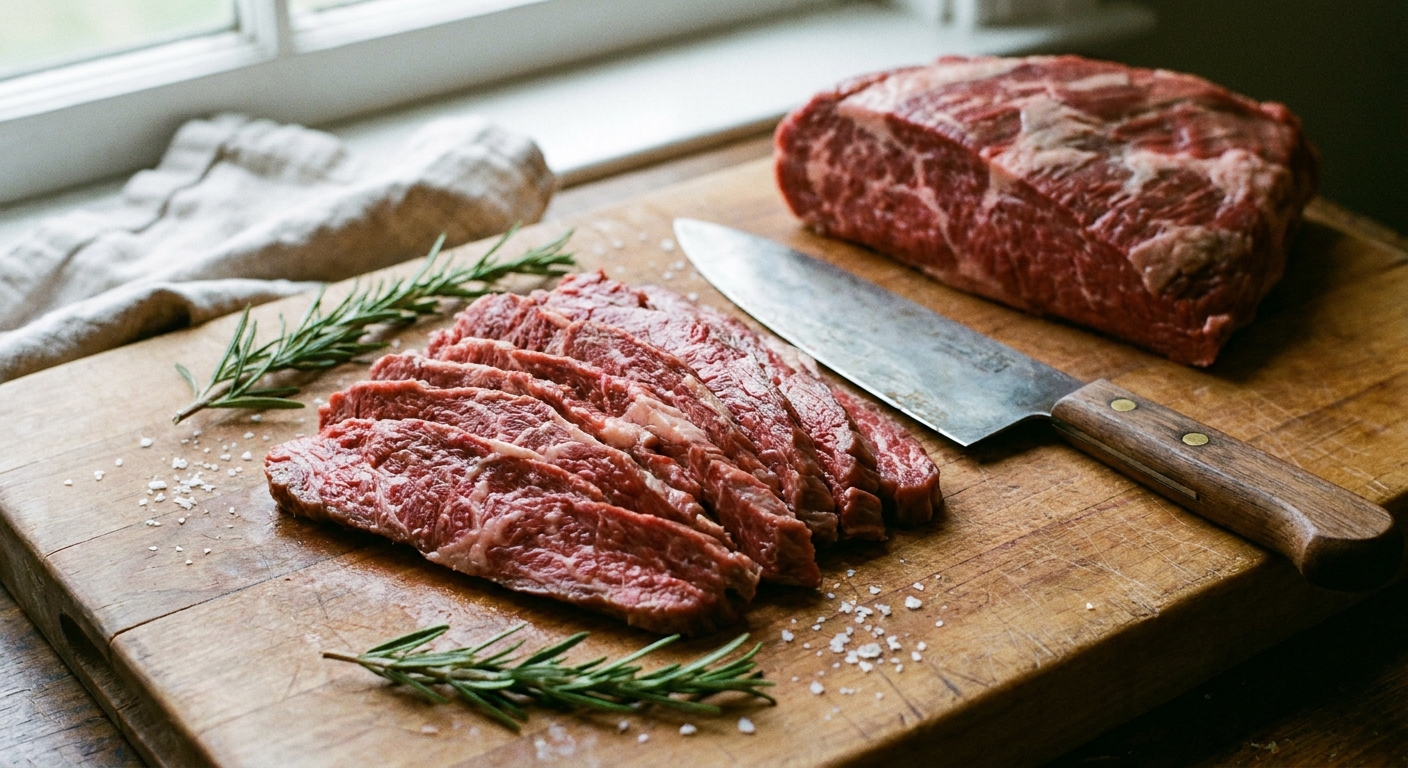
One extra tri-tip heads-up that saves a lot of frustration: the grain can change direction across the cut. If you notice the lines shifting as you slice, just rotate the meat (or cut it into a couple smaller pieces) so you keep going against the grain.
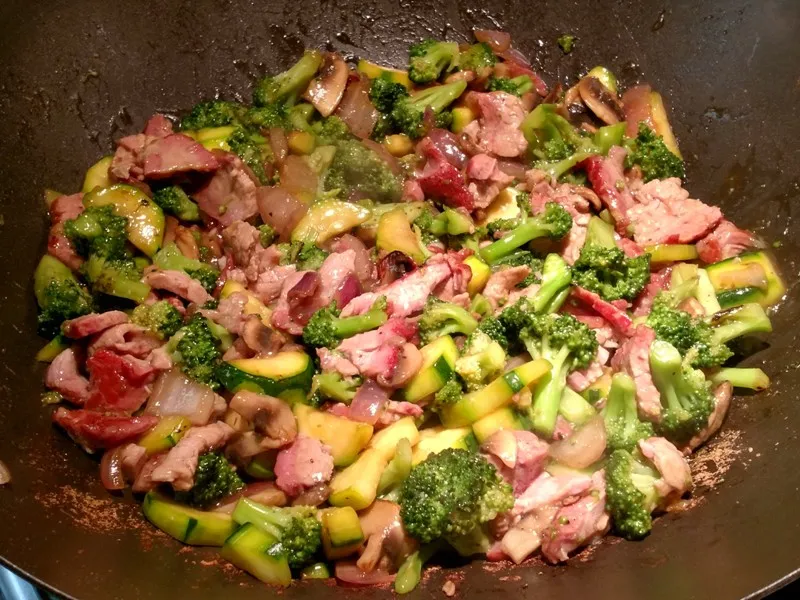
If you have ever wondered why your tri-tip turned out chewy, the answer is often grain direction plus overcooking, but thick slices, crowding the pan (so the meat steams), or leaving silverskin on can do it too. I cover the big ones here, and if you want a deeper dive on the toughness question, you can also read Why Is My Tri-Tip Tough?.
Why this recipe works
- Across-the-grain slicing: Tri-tip has a noticeable grain that changes direction. Slicing thinly against it shortens muscle fibers, which makes every bite feel more tender.
- Light cornstarch coating: A thin dusting forms a quick “velvet” layer that helps protect the beef as it sears and thickens the sauce slightly as it hits the pan.
- High heat, short time: Stir-fry is not slow cooking. We sear the beef quickly, pull it out, then finish in sauce so it stays juicy.
- Cook in stages: Vegetables need more time than sliced beef. Cooking them first keeps everything crisp-tender instead of soggy and overdone.
Ingredient notes
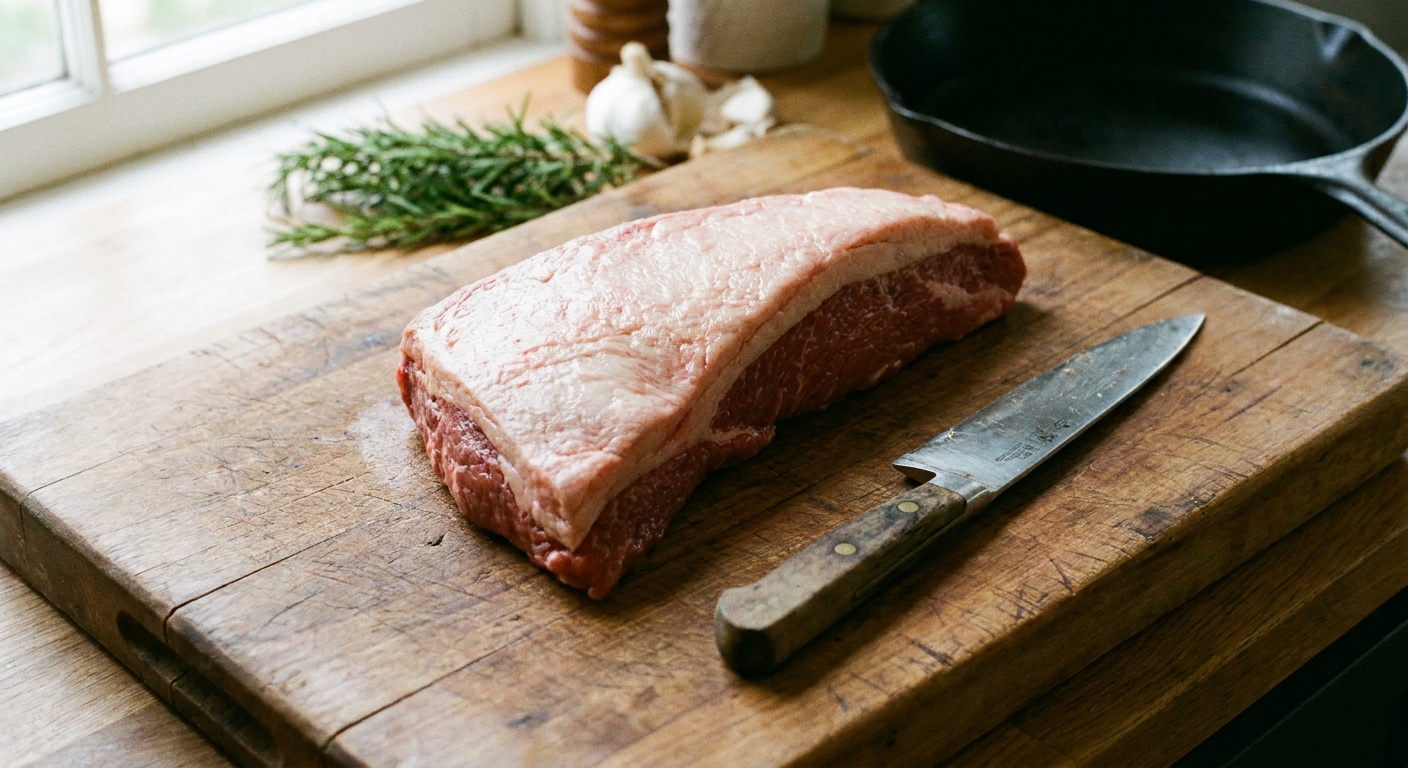
Tri-tip: Look for a well-marbled piece. Even though we are slicing it, the fat helps tenderness and flavor. If your tri-tip is already cooked, use my reheating guidance instead and toss it in at the very end just to warm through. See How to Reheat Tri-Tip.
Cornstarch: This is the classic stir-fry move for tender beef. Arrowroot starch can work too, but it can get slightly more glossy and thick.
Soy sauce: Use low-sodium if you can. It gives you more control, especially if you like extra sauce for rice.
Fresh ginger and garlic: Fresh is worth it here. Jarred versions are fine in a pinch, but the flavor will be flatter.
Veggies: I wrote this for “clean-out-the-crisper” flexibility. Just keep the sizes consistent so they cook evenly.
Equipment
- Large skillet or wok, 12-inch is ideal (more surface area means better browning)
- Sharp chef’s knife for thin slicing
- Cutting board
- Small bowl for sauce
- Tongs or a spatula for fast tossing
If you are shopping for cookware, Delishing has a helpful overview here: Equipment Guides.
Pro tips for tender tri-tip stir-fry
1) Find the grain before you cut
Tri-tip grain can change direction across the roast. Before slicing, look at the surface lines and decide where “across” is. If needed, cut the piece into 2 to 3 smaller chunks so you can re-orient and keep slicing against the grain.
2) Partially freeze for easier slicing
Pop the beef in the freezer for about 15 to 20 minutes. You are not freezing solid, just firming it up so you can get those thin, even slices without the knife dragging.
3) Do not crowd the pan
If your pan is packed, the beef steams and turns gray. Cook the beef in two batches if you need to. It is a small annoyance that pays off in texture.
4) Pull the beef early
Sear until the outside is browned but the inside is still a little under. It will finish cooking when it goes back in with the sauce.
5) Sauce last, fast
Once sauce hits the pan, it reduces quickly. Toss just until glossy and thickened, then get it off the heat.
Substitutes
- Tri-tip substitute: Flank steak or top sirloin both work well. (Flank needs very strict across-the-grain slicing.)
- Soy sauce substitute: Tamari for gluten-free, or coconut aminos for a slightly sweeter profile.
- Cornstarch substitute: Arrowroot starch or potato starch.
- Vegetable swap: Use what you have, but aim for a mix of quick-cooking (snow peas, bell pepper) and slightly sturdier (broccoli, carrots) for the best texture.
Variations
- Spicy: Add 1 to 2 teaspoons chili crisp or 1 teaspoon sriracha to the sauce.
- Orange-ginger: Add 2 teaspoons orange zest and replace half the water with orange juice.
- Extra saucy: Double the sauce ingredients and use a wide pan so it still reduces quickly.
- Low-carb: Serve over cauliflower rice or shredded cabbage. You might also like our Keto Chicken Stir-Fry for another fast weeknight option.
Serving ideas
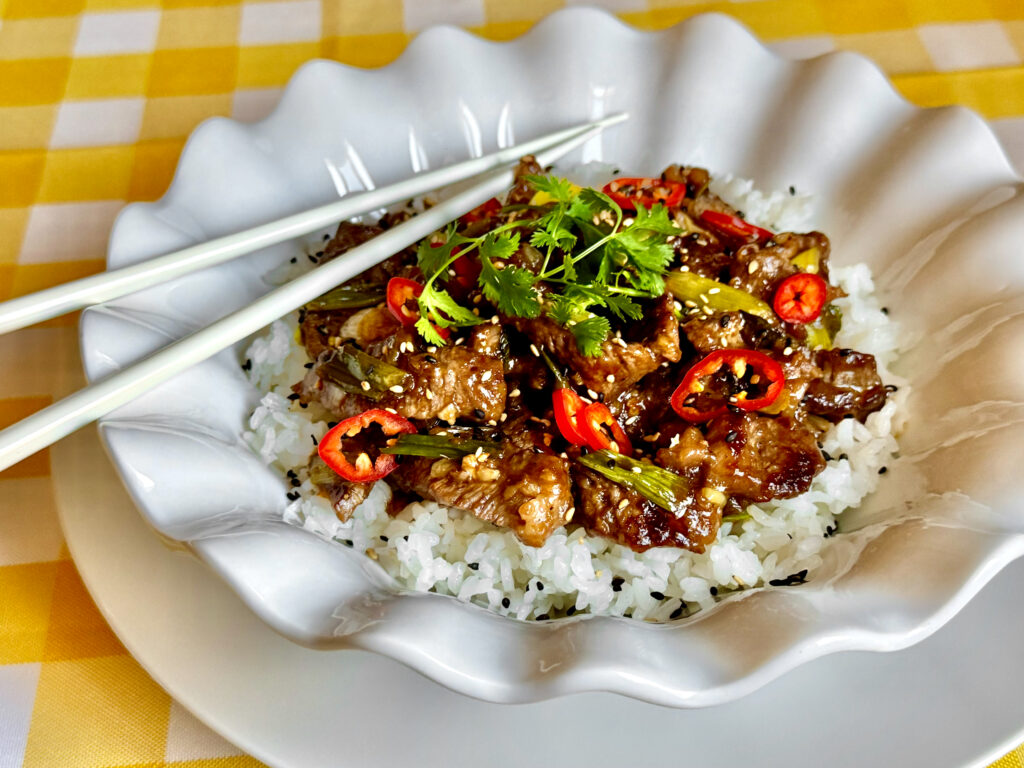
- Classic: Steamed jasmine rice or brown rice with sliced scallions on top.
- Noodles: Toss with cooked rice noodles or ramen-style noodles (add a splash of water to loosen sauce).
- Veggie-forward: Serve over quick sautéed cabbage. Our braised cabbage is also a cozy side when you want something softer and sweeter.
- Meal prep bowls: Rice, stir-fry, and a crunchy topping like sesame seeds or chopped peanuts.
Storage and reheating
- Refrigerate: Store leftovers in an airtight container for up to 3 to 4 days.
- Reheat gently: Warm in a skillet over medium heat with a splash of water, stirring just until hot. Microwaving works, but it can overcook the beef quickly.
- Freeze: You can freeze it for up to 2 months, but the vegetables soften after thawing. If freezing, slightly undercook the veggies for best texture later.
Common mistakes (and how to avoid them)
- Slicing with the grain: This is the number one reason tri-tip feels chewy in a stir-fry. Rotate the meat as needed and keep slices thin.
- Cooking the beef too long: Stir-fry beef should be in and out fast. Sear, remove, then return briefly in sauce.
- Skipping preheating: A lukewarm pan leads to steaming. Preheat until very hot before adding oil.
- Adding sauce too early: Sauce slows browning and can make vegetables soft. Cook components first, then sauce at the end.
- Overcrowding: If the pan is full, do batches. Better browning equals better flavor and texture.
FAQ
Is tri-tip good for stir-fry?
Yes. It is flavorful, usually well-marbled, and it stays tender when sliced thin across the grain and cooked quickly over high heat.
How thin should I slice tri-tip for stir-fry?
Aim for about 1/8 inch thick. Thin slices cook in seconds, which is what keeps them juicy.
Do I need to marinate tri-tip for stir-fry?
No. This recipe uses a quick cornstarch toss plus a fast sauce finish. If you have time, even 10 minutes with soy and a little cornstarch can help, but it is not required.
My tri-tip stir-fry turned out tough. What happened?
Usually one of three things: the beef was sliced with the grain, it was cooked too long, or the pan was not hot enough and the meat steamed. For more troubleshooting, see Why Is My Tri-Tip Tough?.
Can I use frozen tri-tip?
Yes, as long as it is fully thawed before slicing. For thawing and handling tips, see How to Cook Frozen Tri-Tip.
Recipe: Tri-Tip Stir-Fry
Thin-sliced tri-tip, crisp vegetables, and a glossy soy-ginger-garlic sauce, cooked hot and fast so the beef stays tender. No long marinating and no roasting required.
Prep Time: 20 minutes
Cook Time: 10 minutes
Total Time: 30 minutes
Servings: 4
- 1 1/4 lb tri-tip steak (raw), sliced 1/8-inch thick across the grain
- 2 tbsp cornstarch
- 3 tbsp low-sodium soy sauce
- 1 tbsp oyster sauce
- 1 tbsp rice vinegar
- 1 tbsp honey or brown sugar
- 1 tsp toasted sesame oil
- 1/2 cup water
- 1 1/2 tsp fresh ginger, finely grated
- 3 cloves garlic, minced
- 2 tbsp neutral oil (avocado, canola, or grapeseed), divided
- 3 cups broccoli florets
- 1 red bell pepper, thinly sliced
- 1 cup snap peas
- 1 medium carrot, peeled and thinly sliced on a bias
- 4 scallions, sliced (whites and greens separated)
- 1 tbsp sesame seeds (optional)
- Cooked rice, for serving
- Slice the tri-tip. If the beef is soft or hard to slice, place it in the freezer for 15 to 20 minutes to firm up. Slice tri-tip thinly (about 1/8 inch) across the grain. If the grain changes direction, cut the tri-tip into smaller pieces and rotate as needed so you keep slicing against the grain.
- Coat the beef. Place sliced beef in a bowl and sprinkle with cornstarch. Toss until every piece has a light coating. Set aside while you mix the sauce.
- Mix the sauce. In a small bowl, whisk together soy sauce, oyster sauce, rice vinegar, honey, sesame oil, water, ginger, and garlic. Set by the stove.
- Preheat the pan. Heat a large skillet or wok over high heat until very hot, about 1 to 2 minutes. Add 1 tablespoon neutral oil and swirl to coat.
- Sear the beef in batches. Add half the beef in a single layer. Cook 45 to 60 seconds undisturbed to brown, then stir-fry 30 to 60 seconds more until just browned on the outside but still slightly underdone inside. Transfer to a plate. Repeat with remaining 1 tablespoon oil and remaining beef.
- Cook the vegetables. Add broccoli and carrots to the hot pan. Stir-fry 2 minutes. Add bell pepper, snap peas, and scallion whites. Stir-fry 2 to 3 minutes more until crisp-tender. If the pan looks dry, add 1 to 2 tablespoons water and scrape up any browned bits.
- Finish with sauce. Whisk the sauce again (starch can settle), then pour it into the pan. Bring to a simmer, stirring constantly, 30 to 60 seconds, until glossy and slightly thickened.
- Return beef and toss. Add the seared beef (and any juices) back to the pan. Toss 30 to 60 seconds, just until the beef is cooked through and coated.
- Serve. Remove from heat. Top with scallion greens and sesame seeds if using. Serve immediately over cooked rice.
Note: For the most tender result, prioritize slicing across the grain and keeping the beef’s time in the pan very short. If your skillet is smaller, cook the beef in two batches to avoid steaming.