Delishing
Tri-Tip Fajitas

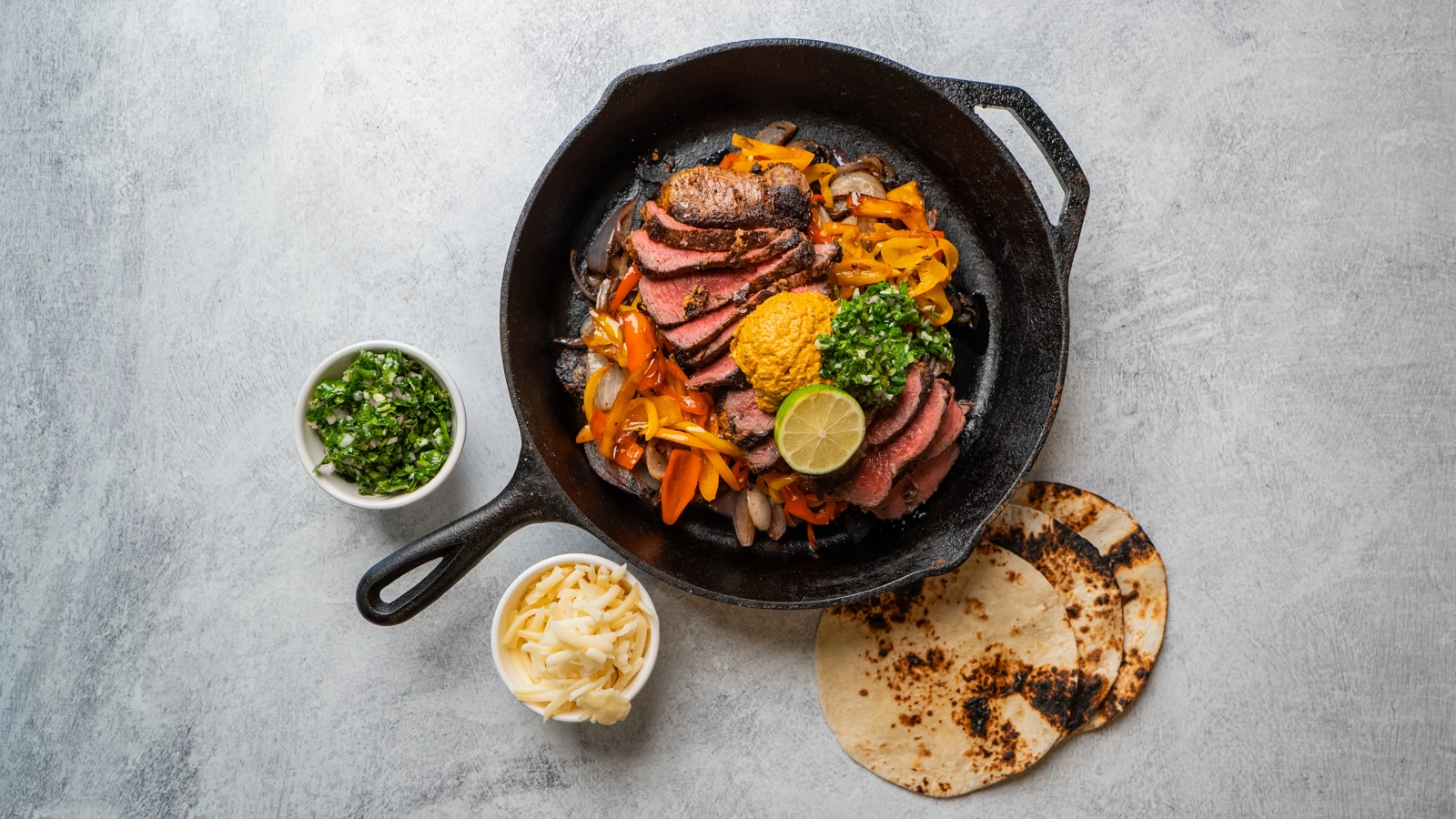
Tri-tip fajitas are my answer to that 5:00 PM panic: you want restaurant-style sizzling fajitas, but you do not have time for a long marinade or a grill. This version uses raw tri-tip sliced thin, then cooked hot and fast in a cast-iron skillet, so dinner is usually on the table in about 35 to 45 minutes (even with a short marinade and batch-searing).
This recipe is built around three things that make fajitas reliably great at home: a quick lime and oil marinade (even 15 to 30 minutes helps with flavor), a very hot pan for real browning, and a simple technique for cooking the steak and vegetables without steaming them. Pile everything into warm tortillas and finish with lime and whatever toppings you love. For the most tender bite, keep the beef thin and aim for medium-rare to medium.
If you love tri-tip but usually cook it as a roast, you might also like our tri-tip roast for weekends and leftovers. And if you ever wonder why some slices chew more than others, see how to cut tri-tip into steaks for a quick grain breakdown.
Why it works
- Quick marinade, big payoff: Lime juice, oil, garlic, and fajita spices season the surface fast and encourage browning.
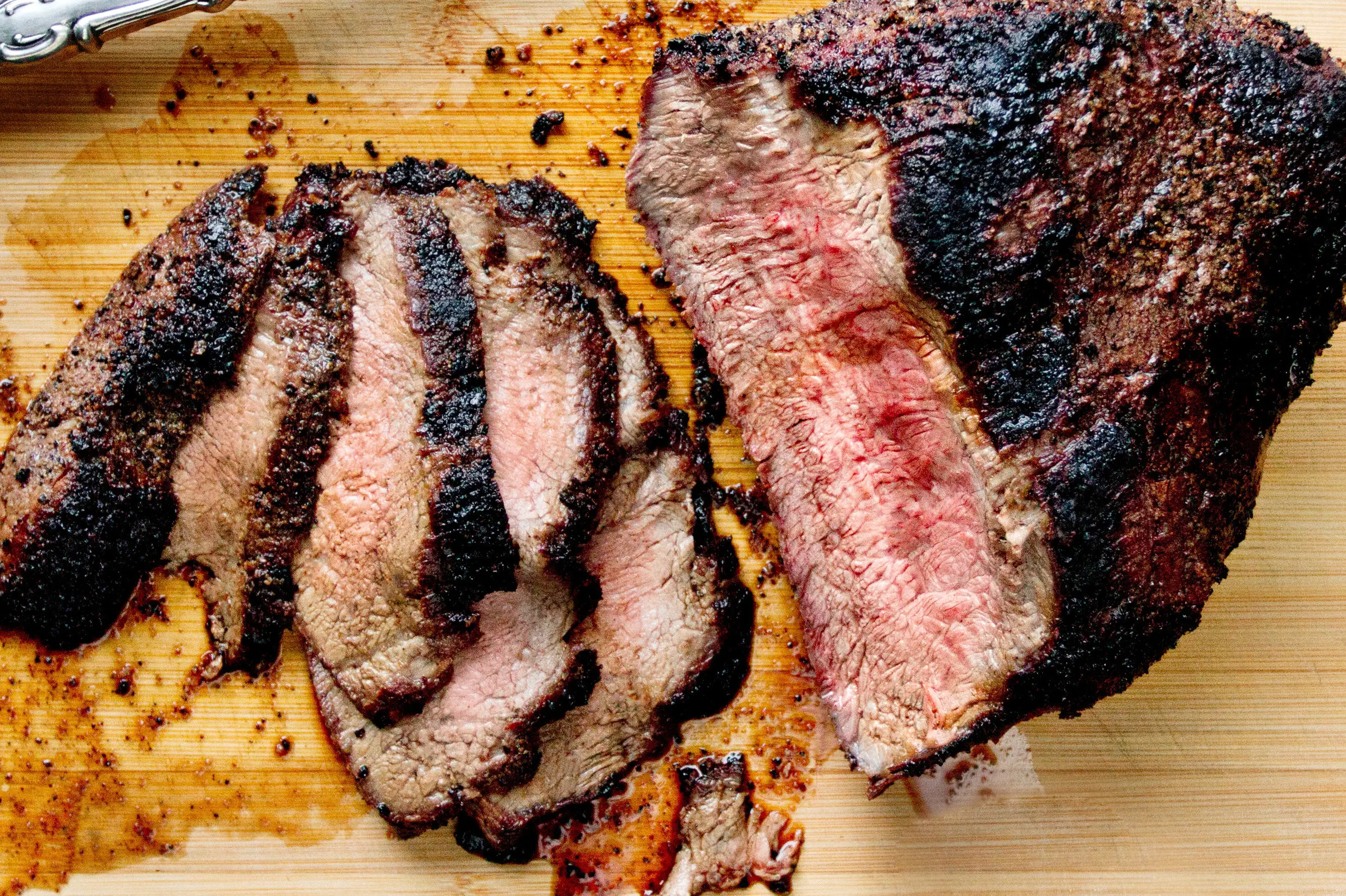
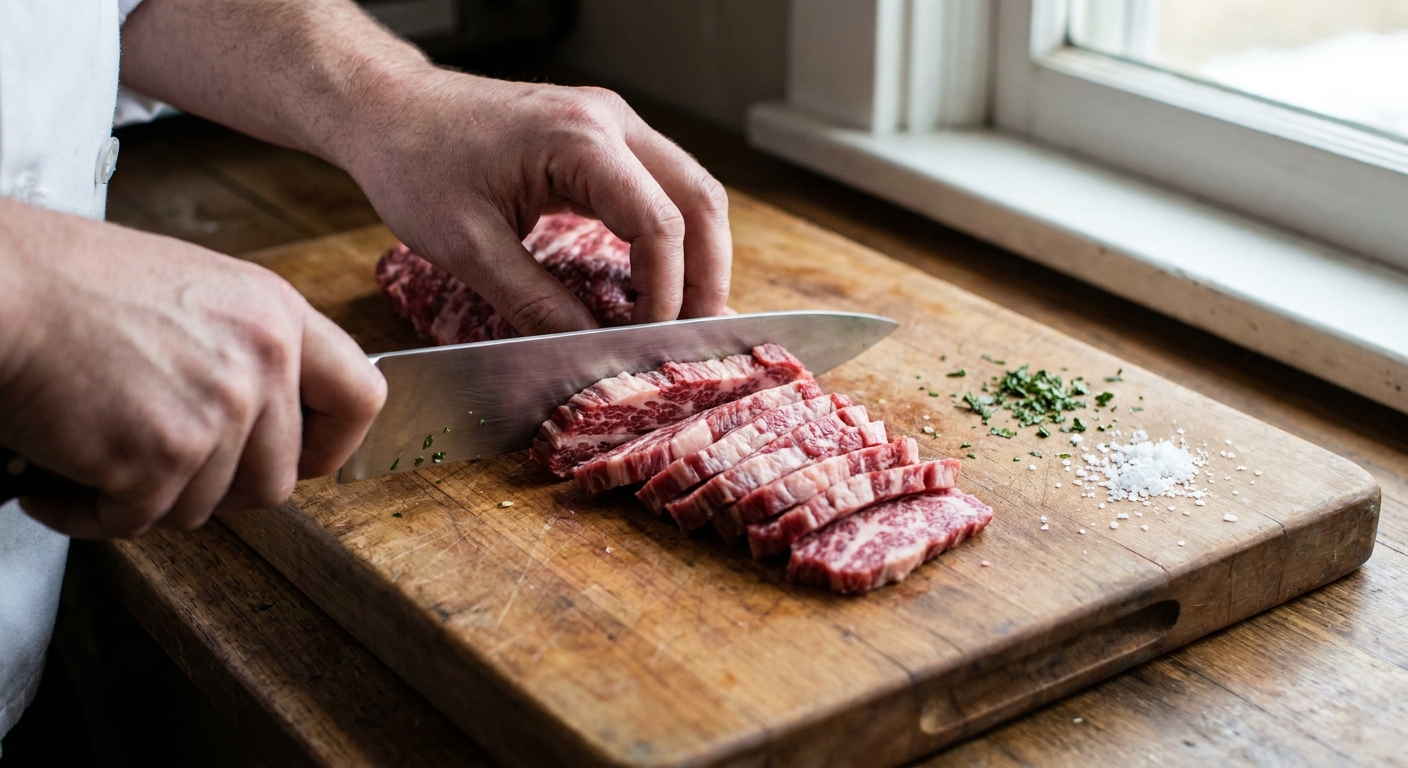
- Across-the-grain slicing: Tri-tip has distinct grain directions. Thin slices cut across the grain shorten muscle fibers, which is the difference between tender fajitas and chewy ones.
- Two-stage skillet method: Steak first for a hard sear, then peppers and onions, then everything reunites so the beef does not overcook.
- Resting time matters: A short rest after searing keeps juices in the meat, especially with thin slices.
Ingredient notes
Tri-tip
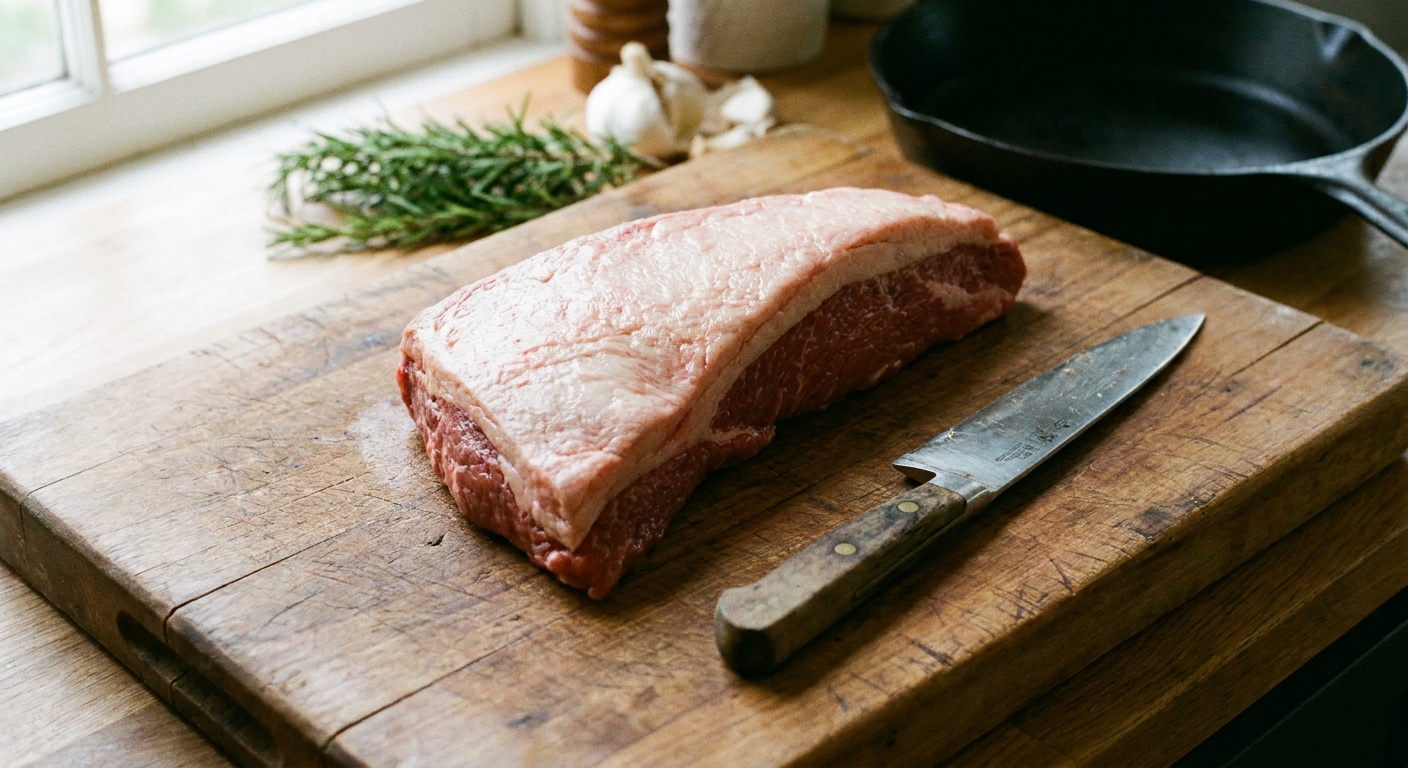
Look for a well-marbled tri-tip roast and trim any thick exterior fat cap down to about 1/4 inch. You will be slicing it thin before cooking, so you do not need a perfect roast shape.
Lime juice and oil
Lime brings fajita brightness, and oil carries the spices and helps the steak sear instead of drying out. If you only have lemons, they work too.
Fajita seasoning
Use store-bought or mix your own (chili powder, cumin, paprika, garlic powder, onion powder, oregano, salt, and pepper). If your blend is salty, go lighter on added salt.
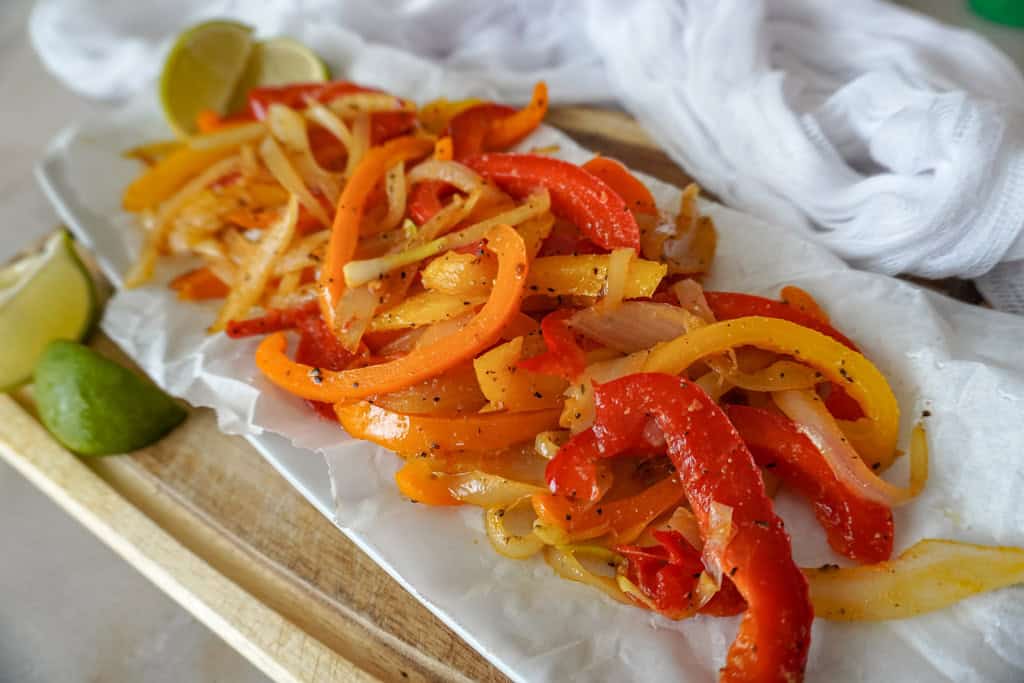
Peppers and onions
Any bell pepper colors work. I like a mix because it looks great and tastes sweeter. Yellow onions caramelize nicely, but red onions are great too.
Equipment
- Large cast-iron skillet or heavy stainless steel skillet (12-inch is ideal)
- Sharp chef’s knife and cutting board for thin slicing
- Tongs for fast flipping
- Instant-read thermometer (optional but helpful for doneness)
If you are choosing cookware for high-heat searing, see our guide: Nonstick pans ranked worst to best.
Pro tips
- Chill to slice thin: If your tri-tip feels floppy, pop it in the freezer for 10 to 15 minutes. It firms up and slices cleaner.
- Find the grain before you cut: Tri-tip grain changes direction. Slice the roast into 2 or 3 sections if needed so you can keep cutting across the grain.
- Do not crowd the pan: Cook steak in 2 batches if your skillet is not large. Crowding causes steaming and gray beef.
- Use high heat, then move fast: You want browning in 1 to 2 minutes per side for thin strips, not a slow simmer.
- Finish with acid: A squeeze of lime after cooking makes everything taste louder without adding more salt.
Substitutes
- No tri-tip: Flank steak or skirt steak work well. Flank is leaner, so avoid overcooking. If you are deciding between cuts, read tri-tip vs flank steak.
- No lime: Lemon juice or orange juice. Orange is slightly sweeter and very good with cumin.
- No tortillas: Serve over rice, cauliflower rice, or in lettuce cups.
- No fajita seasoning: Use chili powder plus cumin and a pinch of oregano. Add garlic and onion powder if you have them.
Variations
- Smoky chipotle: Add 1 to 2 teaspoons chipotle in adobo (minced) to the marinade.
- Tex-Mex style: Add a pinch of sugar to help caramelization, then top with shredded cheese.
- Extra veggie: Sauté sliced mushrooms with the peppers and onions.
- Low carb: Serve in bowls with peppers, onions, avocado, salsa, and a dollop of sour cream.
Serving ideas
Set up a simple fajita bar so everyone builds their own. My go-to toppings:
- Warm flour or corn tortillas
- Pico de gallo or salsa (try homemade salsa and pico)
- Sliced avocado or guacamole
- Sour cream or Greek yogurt
- Cilantro and extra lime wedges
- Crumbled queso fresco or shredded cheddar
Want a side that feels restaurant-y without extra work? Toss together a quick salad or make crispy sheet pan nachos if you are feeding a crowd.
Storage
- Refrigerate: Store cooked steak and veggies together in an airtight container for up to 3 to 4 days.
- Reheat: Warm in a skillet over medium-high heat with a splash of water, or microwave in short bursts. For best texture, reheat just until hot.
- Freeze: You can freeze cooked fajita filling for up to 2 months. Thaw overnight in the fridge before reheating.
Common mistakes
- Slicing with the grain: This is the number one reason tri-tip fajitas turn chewy. Take a moment to spot the grain and cut across it.
- Cooking steak and veggies all at once: The pan cools down, everything releases liquid, and you lose browning.
- Not preheating the skillet: You want the pan hot enough that the steak sizzles immediately.
- Overcooking thin strips: Thin beef goes from tender to dry fast. Pull it when it is just done, then let carryover heat finish the job.
FAQ
Is tri-tip good for fajitas?
Yes. Tri-tip is flavorful like a roast but can eat like steak when you slice it thin across the grain and cook it hot and fast.
How do I slice tri-tip for fajitas?
Cut it into thin strips across the grain. Because tri-tip grain changes direction, you may need to rotate the meat or cut it into sections first.
How long should I marinate tri-tip for fajitas?
Even 15 to 30 minutes helps. If you have time, 2 to 8 hours in the fridge is great. I do not recommend going much longer with a very acidic marinade because the surface can get mushy.
What internal temperature should I cook it to?
For the most tender fajitas, aim for medium-rare to medium. Because the steak is thinly sliced, it will cook quickly and can overshoot if left in the pan too long.
Can I make these gluten-free?
Yes. Use corn tortillas and confirm your fajita seasoning is gluten-free. For more gluten-free dinner ideas, browse our gluten-free recipes.
Tri-Tip Fajitas
Thin-sliced tri-tip seared hot and fast, then tossed with sautéed peppers and onions and served in warm tortillas. A quick lime marinade builds bold fajita flavor without a long wait.
Prep time: 20 minutes
Cook time: 15 minutes
Total time: 35 minutes (plus optional marinating)
Servings: 4
- 1 1/2 pounds tri-tip (trimmed), sliced very thin across the grain
- 2 tablespoons fresh lime juice (about 1 lime), plus lime wedges for serving
- 2 tablespoons neutral oil (avocado, canola, or vegetable), plus more as needed for the pan
- 2 teaspoons fajita seasoning (store-bought or homemade), plus more to taste
- 3/4 teaspoon kosher salt (use less if your seasoning is salty)
- 1/2 teaspoon black pepper
- 2 cloves garlic, minced
- 1 medium yellow onion, sliced
- 3 bell peppers (any colors), sliced into strips
- 2 tablespoons water (only if needed to deglaze)
- 8 small flour or corn tortillas, warmed
- Optional toppings: chopped cilantro, pico de gallo or salsa, sour cream, sliced avocado, crumbled queso fresco
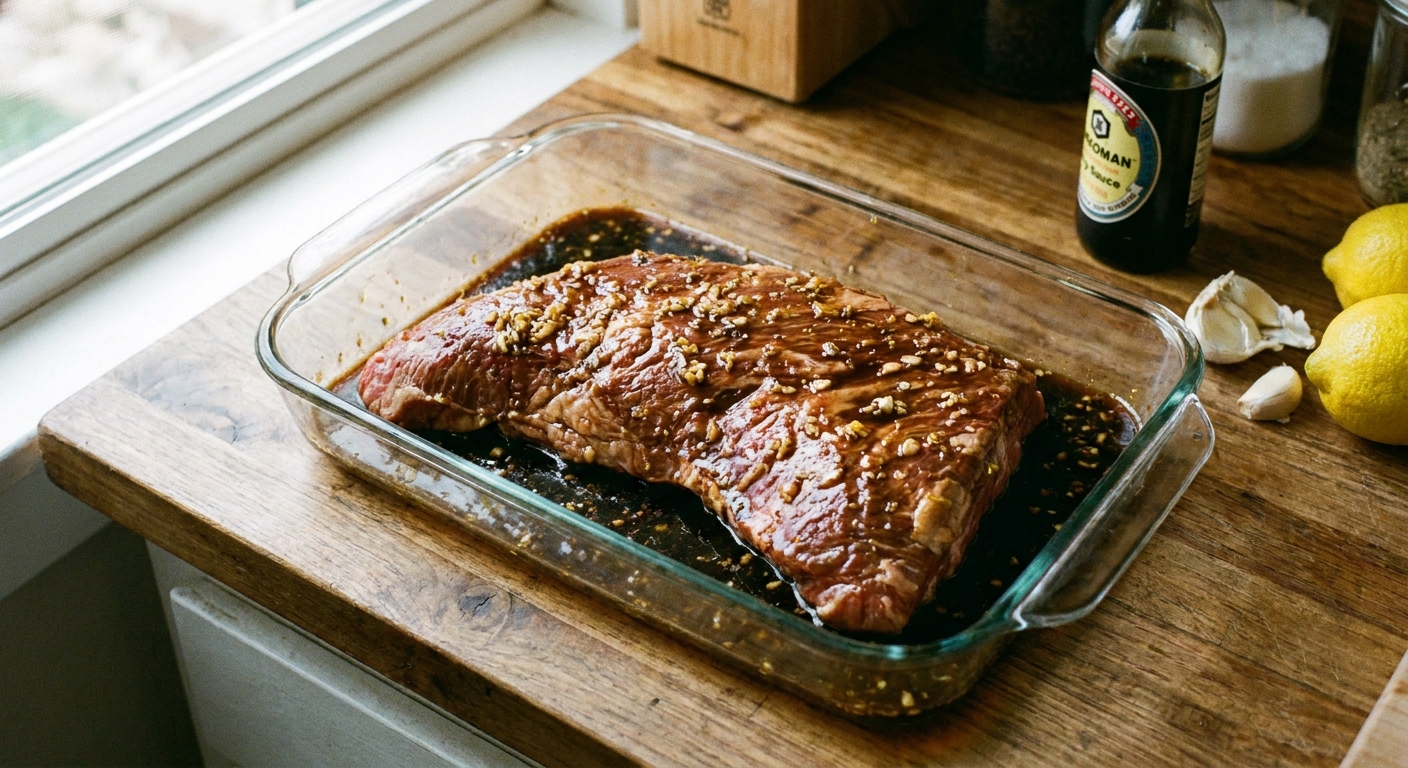
- Marinate the steak: In a medium bowl, combine lime juice, 2 tablespoons oil, fajita seasoning, salt, pepper, and garlic. Add the thin-sliced tri-tip and toss well. Marinate at room temperature for 15 to 30 minutes, or cover and refrigerate for up to 8 hours. If refrigerated, let it sit out for 15 minutes before cooking for more even searing.
- Preheat the skillet: Heat a large cast-iron or stainless steel skillet over high heat until very hot, about 2 to 3 minutes. Add 1 teaspoon oil and swirl to coat.
- Sear the steak in batches: Add half the steak in an even layer. Cook, undisturbed, until browned on the first side, 60 to 90 seconds. Flip and cook 30 to 60 seconds more, just until no longer raw. Transfer to a plate. Repeat with remaining steak, adding a little more oil if the pan looks dry.
- Cook the peppers and onions: Reduce heat to medium-high. Add 1 teaspoon oil, then add the onions and peppers. Cook, stirring occasionally, until softened with browned edges, 6 to 8 minutes. If the pan gets too dry or the browned bits threaten to burn, add 1 to 2 tablespoons water to deglaze and scrape up the flavorful bits.
- Bring it together: Return the steak and any juices to the skillet. Toss with the vegetables and cook 30 to 60 seconds, just to warm through. Taste and add an extra pinch of fajita seasoning or salt if needed.
- Serve: Serve hot in warmed tortillas with lime wedges and your favorite toppings.
Note: Tri-tip has changing grain direction. If you notice the slices getting long and stringy as you cut, rotate the meat and keep slicing across the grain.
Doneness tip: If you are using a thermometer, medium-rare is about 130°F to 135°F and medium is about 140°F to 145°F. Pull the steak a little early since it continues to cook when you toss it back in the hot pan.