Delishing
Homemade Salsa (Pico and Restaurant Style)

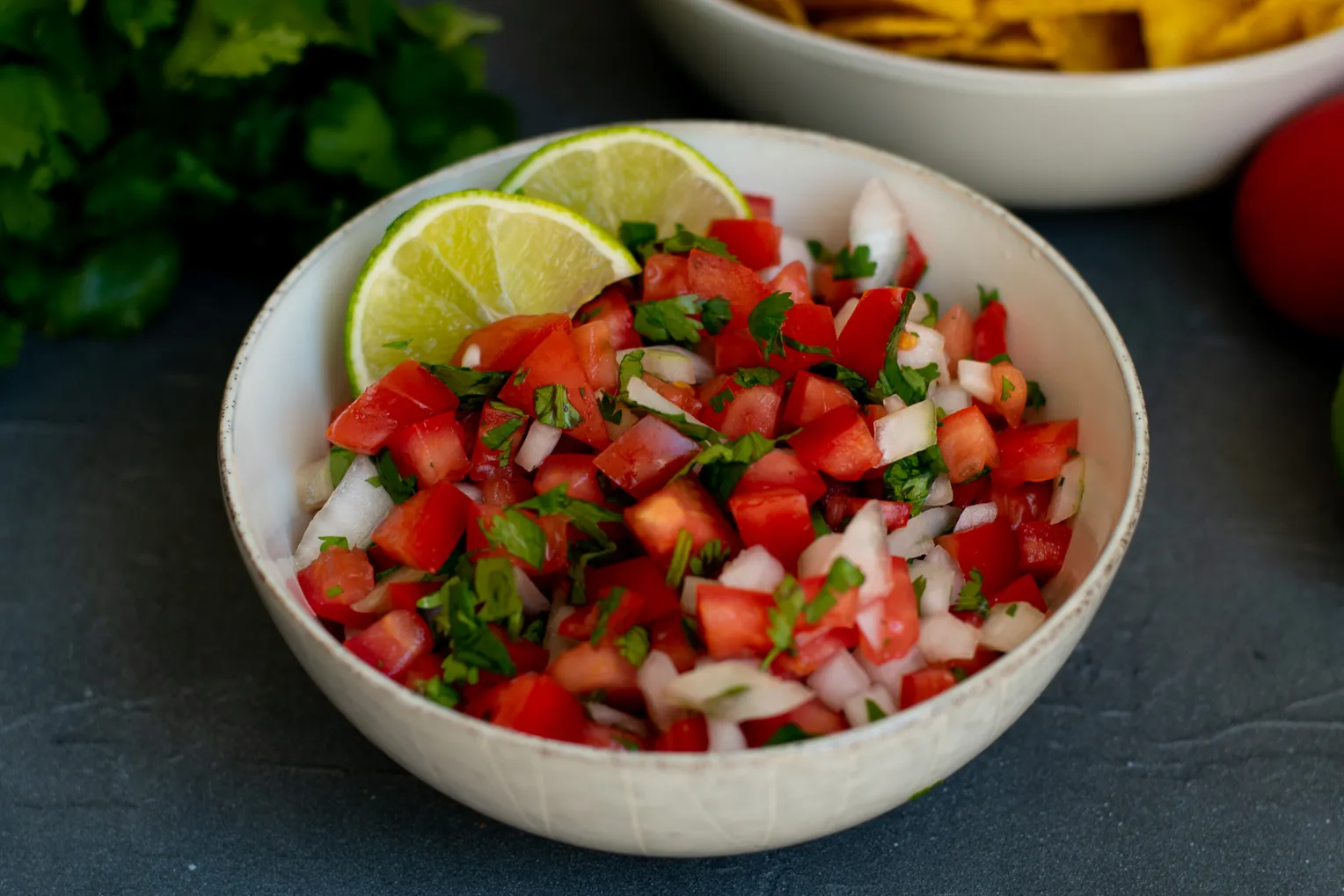
Homemade salsa is one of those small kitchen wins that makes dinner feel instantly more put-together. It is also the fastest way I know to rescue a bland bag of chips, a basic breakfast scramble, or a last-minute quesadilla situation.
This page gives you two versions using the same core ingredients: tomatoes, onion, chile, cilantro, lime, and salt.
- Pico-style (chopped): fresh, crisp, and chunky. Ideal when you want texture.
- Restaurant-style (blended): loosely blended, pourable, and scoopable. Ideal when you want that classic chips-and-salsa bowl.
The best part is you can decide the heat level without guesswork, and I will show you exactly when to salt so your salsa tastes bright and clean, not watery and flat. You will also get a couple quick fixes for when things go too spicy or too loose.
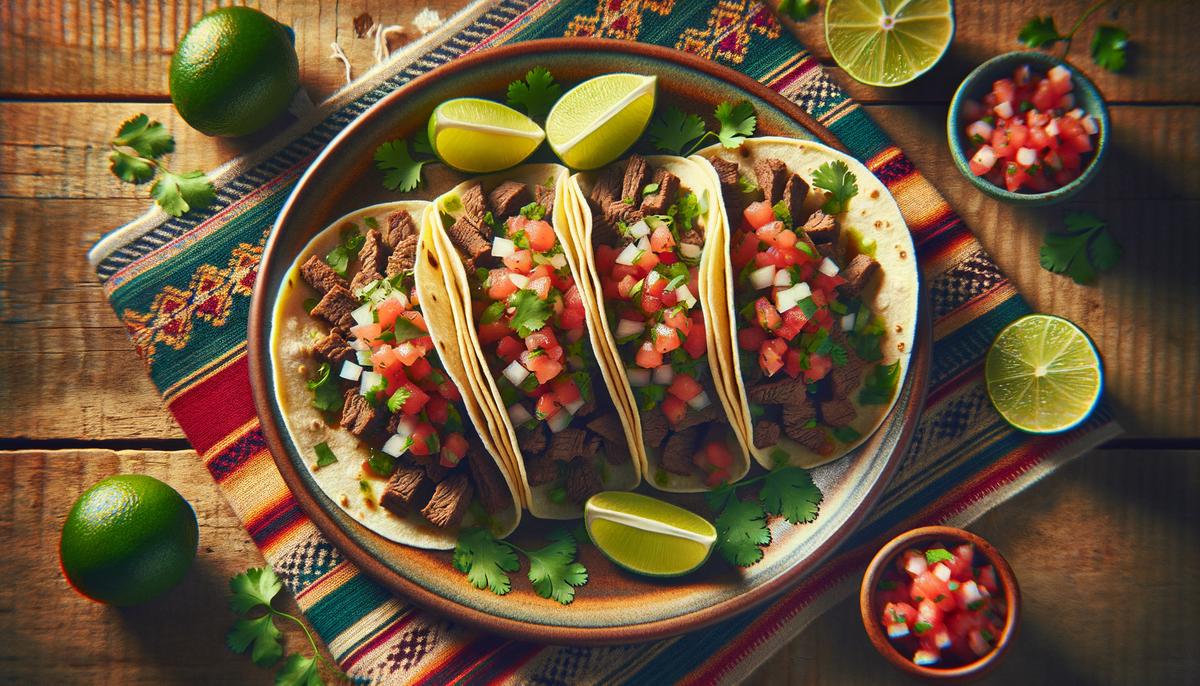
If you are making this as part of a bigger spread, these salsas fit right in next to weeknight favorites like Beef Tacos with Pico de Gallo or our Beef Burrito with Salsa. But this page is all about getting the salsa itself exactly right.
Why it works
- Same ingredients, two textures. You can go chunky or smooth based on what you are serving, without learning two totally different recipes.
- Salt timing prevents watery salsa. Salting too early pulls liquid from tomatoes fast. The method here uses salt intentionally so you control the final consistency.
- Heat level is adjustable and predictable. Most of the burn lives in the chile ribs and seeds. Remove them for mild, keep some for medium, keep all for hot.
- Lime at the end keeps it bright. Citrus tastes freshest when it is not sitting around for hours.
Ingredient notes
Tomatoes
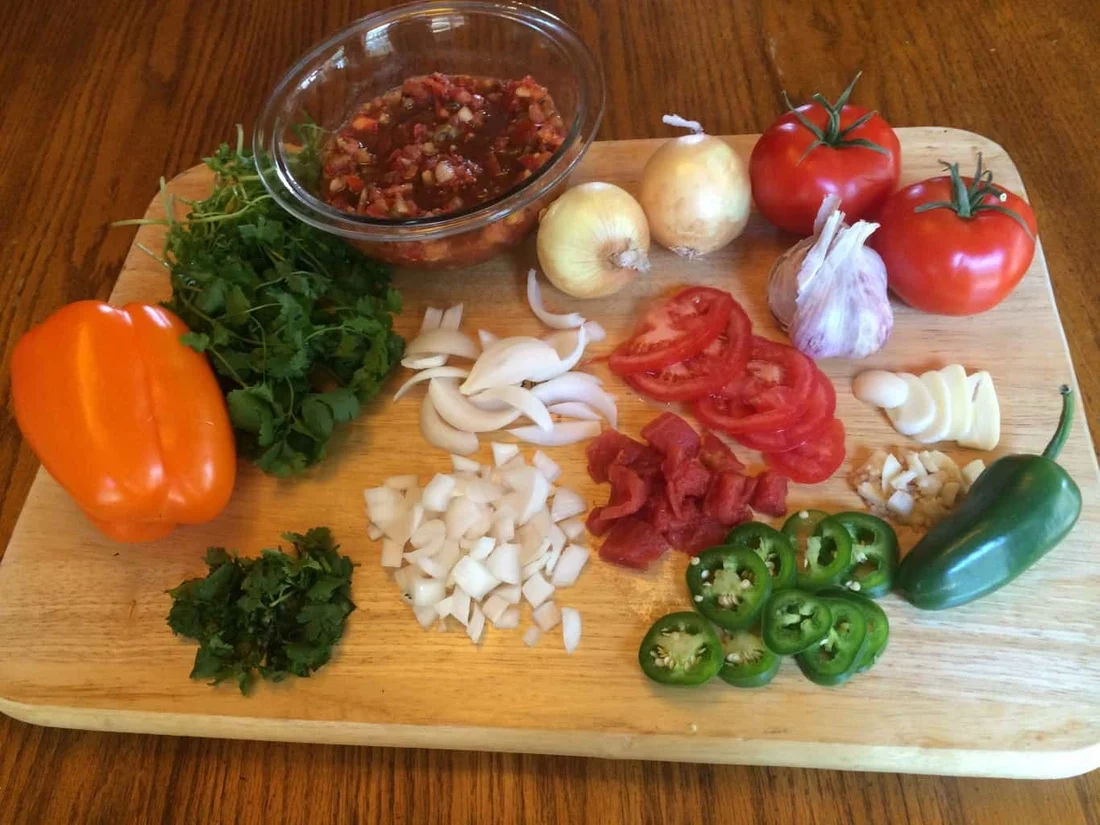
Use ripe tomatoes that smell like tomatoes. Roma tomatoes make a less watery pico. If your tomatoes are extra juicy, you can seed them, or drain the chopped salsa briefly in a fine-mesh sieve.
Onion
White onion is classic. If raw onion bites too hard for you, rinse the chopped onion under cold water and drain well, or soak it for 5 minutes in cold water, then drain.
Chile peppers
Jalapeño is the everyday choice. Serrano is smaller and usually hotter. For mild salsa, remove all ribs and seeds. For medium, keep a little. For hot, keep them.
Cilantro
Use the leaves and tender upper stems. Thick lower stems can taste grassy.
Lime
Fresh lime juice makes the salsa taste snappy and clean. Start with less, then add more after salting and tasting.
Salt
Kosher salt is easiest to control. If you use fine sea salt, add a little less at first and adjust.
Equipment
- Cutting board and sharp knife
- Mixing bowl
- Citrus juicer (optional but helpful)
- Food processor or blender (for restaurant-style salsa)
- Fine-mesh sieve (optional for draining excess liquid)
Pro tips
How to choose your heat level
- Mild: Use 1 jalapeño, remove seeds and ribs.
- Medium: Use 1 jalapeño, keep some ribs and a few seeds.
- Hot: Use 1 serrano or 2 jalapeños, keep ribs and seeds.
Always wash your hands well after handling chiles. If you wear contacts, be extra careful.
Salt timing (the not-watery secret)
For chunky pico, I like to salt after everything is chopped and mixed, then let it sit for 10 minutes and taste again. That short rest pulls a little juice out so flavors mingle, but you still control how loose it gets.
For blended salsa, salt after blending, then let it rest 5 to 10 minutes before the final taste. Blending traps a lot of flavor in tiny bits, and a brief rest helps the salt dissolve and the salsa taste more balanced.
Blend smart for restaurant-style
Pulse, do not puree. A few short pulses keeps it scoopable, not foamy. If you accidentally over-blend, stir in a handful of finely chopped tomato and onion to bring back texture.
Substitutes
- No fresh chiles: Use a small pinch of dried red pepper flakes for heat. Start tiny and build.
- No limes: Lemon works in a pinch. The flavor is a little different but still bright.
- Cilantro-haters: Use flat-leaf parsley for freshness, or skip the herbs and add a little extra lime.
- Onion swap: Red onion is fine, especially in pico. It will taste sharper and slightly sweeter.
Variations
Roasted tomato salsa flavor
If you want a deeper, smoky vibe, you can char whole tomatoes and the chile in a dry skillet until blistered, then chop or blend as written. Let them cool first so you do not steam the herbs.
Extra citrus
Add a little lime zest at the end for a punchier aroma.
Garlic option
Add 1 small garlic clove to the restaurant-style version before blending. Go easy, raw garlic can take over quickly.
Serving ideas
- Classic: tortilla chips and a squeeze of extra lime
- Spoon over scrambled eggs or omelettes, like our Spinach and Feta Omelette
- Add to bowls and salads, like a simple burrito bowl
- Serve with taco night: tacos, gluten-free chicken tacos, or vegan black bean tacos
Storage
How long it keeps
Store salsa in an airtight container in the refrigerator. For best flavor and texture, plan on 3 to 4 days. It is often safe a bit longer if kept cold and handled cleanly, but the tomatoes and cilantro start to lose that fresh pop after day 4.
What changes in the fridge
- Pico-style: It will release more liquid over time. Stir before serving, or drain off a little juice if you want it chunkier.
- Restaurant-style: It may thicken slightly as tiny tomato solids hydrate. Stir and taste, then add a squeeze of lime if it tastes muted.
Can you freeze it?
I do not recommend freezing fresh pico because the texture turns mushy. Restaurant-style blended salsa freezes better, but it will still lose some fresh brightness. If you freeze it, thaw in the fridge and stir well.
Common mistakes
- Salting too early, then wondering why it is watery. Salt draws out tomato juice. Use the salt timing tips above so you stay in control.
- Using under-ripe tomatoes. If the tomatoes are bland, the salsa will be bland. No amount of lime can fully fix that.
- Over-blending restaurant-style salsa. Pureeing introduces air and can make it foamy. Pulse in short bursts.
- Not tasting twice. Taste right after mixing, then again after a short rest. Salsa changes fast as salt dissolves and juices release.
FAQ
How do I make salsa less spicy after it is made?
Stir in more diced tomato and a pinch more salt, plus a small squeeze of lime. Dairy does not really belong in salsa, but serving it with something creamy on the side can help the overall bite.
How do I make salsa spicier?
Add more minced chile with seeds and ribs, or add a tiny pinch of cayenne. Let it sit 10 minutes and taste again. Heat blooms as it rests.
Why does my salsa taste flat?
It almost always needs one of two things: more salt or more acid. Add a pinch of salt, stir, taste. Then add lime a little at a time.
Should I peel tomatoes for salsa?
Not necessary for most home salsas. If tomato skins bother you in restaurant-style salsa, you can blend a bit longer and it becomes less noticeable.
Can I make it ahead?
Yes. For pico, I like it best after 15 to 30 minutes and up to 24 hours. For blended salsa, it is great after a short rest and even better after a few hours in the fridge.
Homemade Salsa (Pico and Restaurant Style)
Two easy salsa options from the same fresh ingredients: a chunky pico-style salsa and a blended restaurant-style salsa. Choose your heat level, salt at the right time, and let it rest briefly for the best flavor.
- 4 medium ripe tomatoes (about 1 1/2 pounds total)
- 1/2 medium white onion, finely diced (about 1/2 cup)
- 1 jalapeño or serrano chile, finely minced (remove seeds and ribs for mild)
- 1/2 cup loosely packed chopped fresh cilantro (leaves and tender stems)
- 1 to 2 tablespoons fresh lime juice (from 1 lime), plus more to taste
- 3/4 teaspoon kosher salt, plus more to taste
- Prep the tomatoes. Core the tomatoes. For pico, dice them small. For restaurant-style, roughly chop them into chunks that will blend easily. If your tomatoes are extremely juicy, scoop out some seeds and watery pulp first.
- Prep the onion and chile. Finely dice the onion. Mince the chile very finely. For a mild salsa, remove the seeds and pale inner ribs. For more heat, leave some or all of them.
- Choose your style.
- Pico-style (chopped): In a medium bowl, combine the diced tomatoes, onion, chile, and cilantro.
- Restaurant-style (blended): Add the tomato chunks, onion, chile, and cilantro to a food processor or blender. Pulse 6 to 10 times until scoopable and mostly smooth with small bits remaining.
- Add lime and salt, then rest. Add 1 tablespoon lime juice and 3/4 teaspoon kosher salt. Stir well. Let the salsa rest for 10 minutes, then taste and adjust with more salt and lime as needed. If you want it less watery, drain briefly in a fine-mesh sieve, then return to the bowl.
- Serve. Serve immediately, or refrigerate for 1 to 24 hours for deeper flavor. Stir before serving.
Heat note: Chile heat varies a lot. Start mild, then add more minced chile or a pinch of cayenne if you want it hotter.
Salt note: Salsa often needs more salt than you think because tomatoes are sweet and watery. Adjust in small pinches, tasting after each addition.
Storage: Refrigerate in an airtight container for 3 to 4 days. Stir before serving.