The Magic of Keto Meals When I first started exploring keto, it was a whirlwind of googling fat bombs and meal prepping like a fitness influencer. One…
Delishing
Butter-Braised Green Cabbage (Plus 3 Easy Variations)

Maya Brooks
Maya Brooks is a dedicated home cook and the lead recipe developer at Delishing, where she shares practical, foolproof meals for everyday life. With over a decade of hands-on kitchen experience, she specializes in creating approachable dishes that fit a variety of dietary needs and modern cooking methods. Maya is passionate about helping busy people get delicious, stress-free food on the table without needing formal culinary training.
Cabbage is the kind of ingredient I used to buy with good intentions, then panic at 5:07 PM because I could not remember what I planned to do with it. The turning point for me was learning one technique that makes cabbage taste like something you would happily eat straight from the pan: a quick butter-braise with proper salt and a splash of acid at the end. It turns a humble head of green cabbage into a silky, savory side that works with almost anything.

Below is the main butter-braised cabbage recipe, then three truly useful variations (roasted wedges, a simple slaw, and a cozy cabbage soup) so you can use what you have without starting from scratch each time.
Butter-Braised Green Cabbage
What you get: tender, sweet cabbage with a buttery sheen, seasoned well, and finished with acid so it tastes bright instead of flat.
Serves: 4 as a side.
Ingredients
- 1 medium head green cabbage (about 2 to 2 1/2 pounds)
- 3 tablespoons unsalted butter
- 1 tablespoon olive oil
- 1 small yellow onion, thinly sliced (optional but recommended)
- 3/4 teaspoon kosher salt, plus more to taste
- 1/4 teaspoon black pepper
- 2/3 cup low-sodium chicken broth or vegetable broth
- 1 teaspoon Dijon mustard (optional, for a little backbone)
- 1 to 2 teaspoons apple cider vinegar or fresh lemon juice (your acid)
- Optional add-ins: 1 to 2 minced garlic cloves, caraway seeds, red pepper flakes
Quick salt note: If you use Morton kosher salt, start with a light 1/2 teaspoon and add more at the end. Diamond Crystal is less salty by volume, so 3/4 teaspoon is usually just right.
How to Cut Cabbage Fast
- Remove any loose or damaged outer leaves.
- Cut the cabbage in half through the core.
- Cut each half into quarters, then slice out the thick core triangle from each wedge.
- Slice the cabbage into 1/2-inch ribbons.
If you want a little more bite, slice thicker. If you want it almost melt-in-your-mouth, slice thinner.
Instructions
Pan tip: Use your widest skillet or a wide pot (a 12-inch skillet is perfect). Cabbage looks like way too much at first, then collapses fast once it hits heat.
- Start with fat and aromatics. Heat a large skillet or wide pot over medium heat. Add the butter and olive oil. When the butter is melted and foamy, add onion (if using) and cook 3 to 4 minutes until softened.
- Season early. Add the cabbage ribbons, salt, and pepper. Toss well for 1 to 2 minutes so the salt starts drawing out moisture. This is the first step to cabbage that tastes seasoned all the way through, not just on top.
- Braise, do not boil. Pour in the broth and scrape up any browned bits. Once it starts to bubble, reduce heat to medium-low so you maintain a gentle simmer. Cover and cook 8 minutes, stirring once halfway through.
- Finish uncovered to concentrate flavor. Uncover and cook 4 to 8 minutes, tossing occasionally, until the liquid is mostly gone and the cabbage is tender and glossy. Stir in Dijon if using.
- Add acid at the end. Turn off the heat and stir in 1 teaspoon vinegar or lemon juice. Taste and add the second teaspoon if needed, plus a pinch more salt if it tastes dull.
Total time: about 20 minutes.
Salt and Acid
Here is the simple rule I keep in my notebook: salt during cooking, acid at the end.
- Salt early so it can penetrate and pull out a little water, which helps the cabbage soften and taste savory.
- Acid late so it stays bright and does not turn harsh. A small splash wakes up the natural sweetness that braising brings out.
How to Keep It Bright
Dull or grayish-green cabbage usually comes from overcooking, a hard boil, or just letting it sit too long and too hot. Acid is not the main culprit, but adding it early can sometimes nudge the color and flavor in a direction I do not love. These are the fixes that actually work:
- Keep the heat at a gentle simmer. You want a quiet braise, not aggressive bubbling.
- Use a wide pan. Crowding steams cabbage. A wide skillet helps moisture evaporate at the end so flavor concentrates.
- Add vinegar or lemon at the end. A late splash tastes fresher and keeps you from over-reducing the liquid with acid already in it.
- Cook just until tender. For most stoves, that is 12 to 18 minutes total once the cabbage hits the pan.
What to Serve With It
- Next to anything roasted: try it with roast chicken with lemon thyme.
- With a rich main: it is a perfect counter to garlic butter ribeye.
- As a cozy side for soups and stews: especially cozy beef stew.
Storage and Reheating
- Fridge: Store in an airtight container up to 4 days.
- Reheat: Warm in a skillet over medium heat with a splash of water or broth. Finish with a tiny squeeze of lemon to refresh.
- Freezing: You can freeze it, but the texture softens more. I prefer using leftovers in soup (see variation below).
Variations
If you are standing there with a cabbage and decision fatigue, pick the vibe you want: caramelized and crisp, fresh and crunchy, or warm and spoonable.
1) Roasted Cabbage Wedges
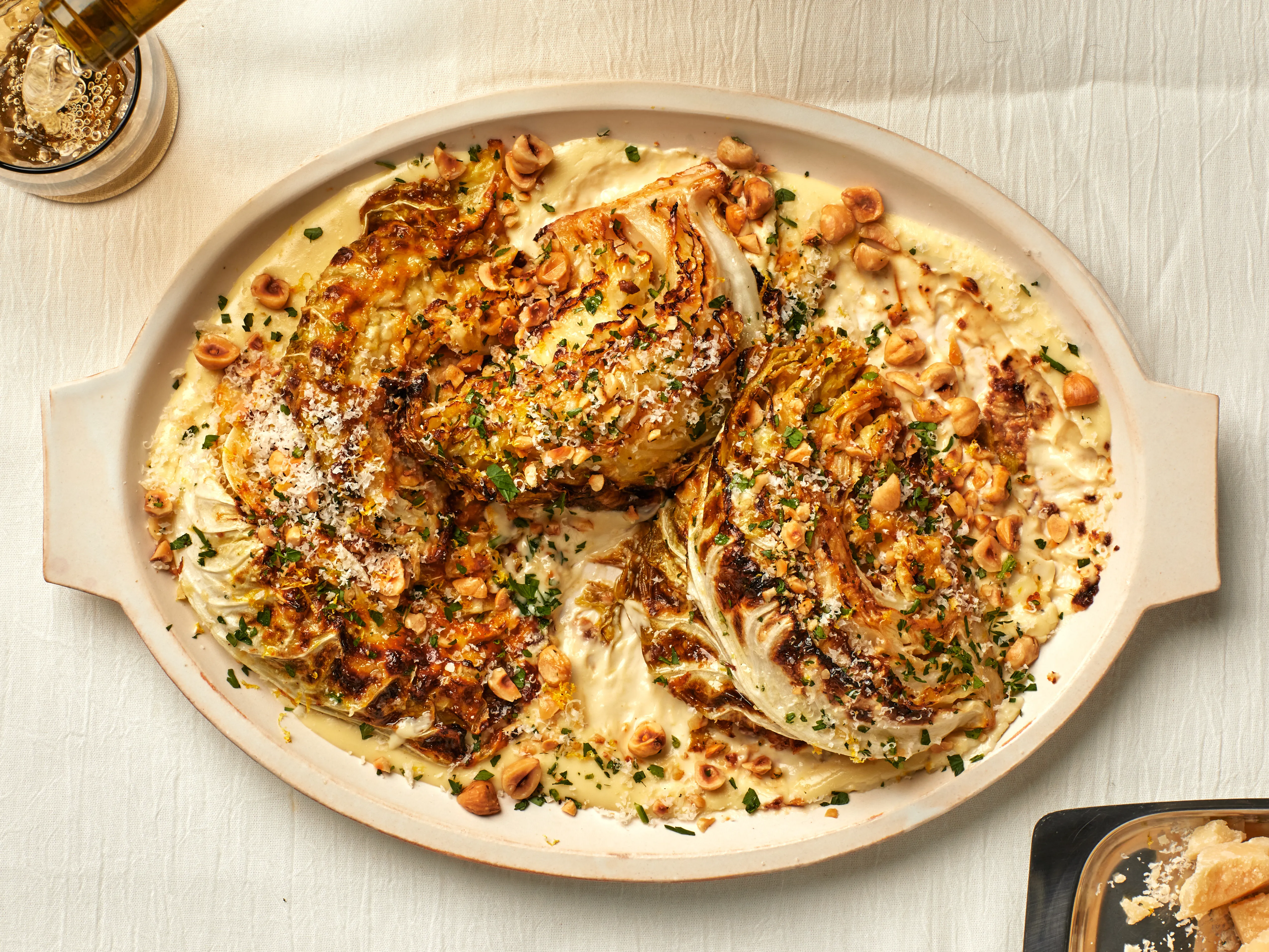
Best for: people who love crispy edges and deep flavor.
Ingredients
- 1 head green cabbage, cut into 6 to 8 wedges with the core left intact
- 3 tablespoons olive oil
- 1 teaspoon kosher salt
- 1/2 teaspoon black pepper
- Optional: smoked paprika, garlic powder, grated Parmesan, or a drizzle of balsamic vinegar after roasting
Directions
- Heat oven to 425 F.
- Place wedges on a sheet pan. Brush or drizzle with olive oil on both sides and season with salt and pepper.
- Roast 20 minutes, flip carefully, then roast 10 to 15 minutes more until the edges are deeply browned and the centers are tender.
- Finish with a squeeze of lemon or a small drizzle of balsamic for brightness.
Note: Leaving the core in is what keeps wedges from falling apart. Think of it as the cabbage toothpick you do not have to add.
2) Simple Cabbage Slaw
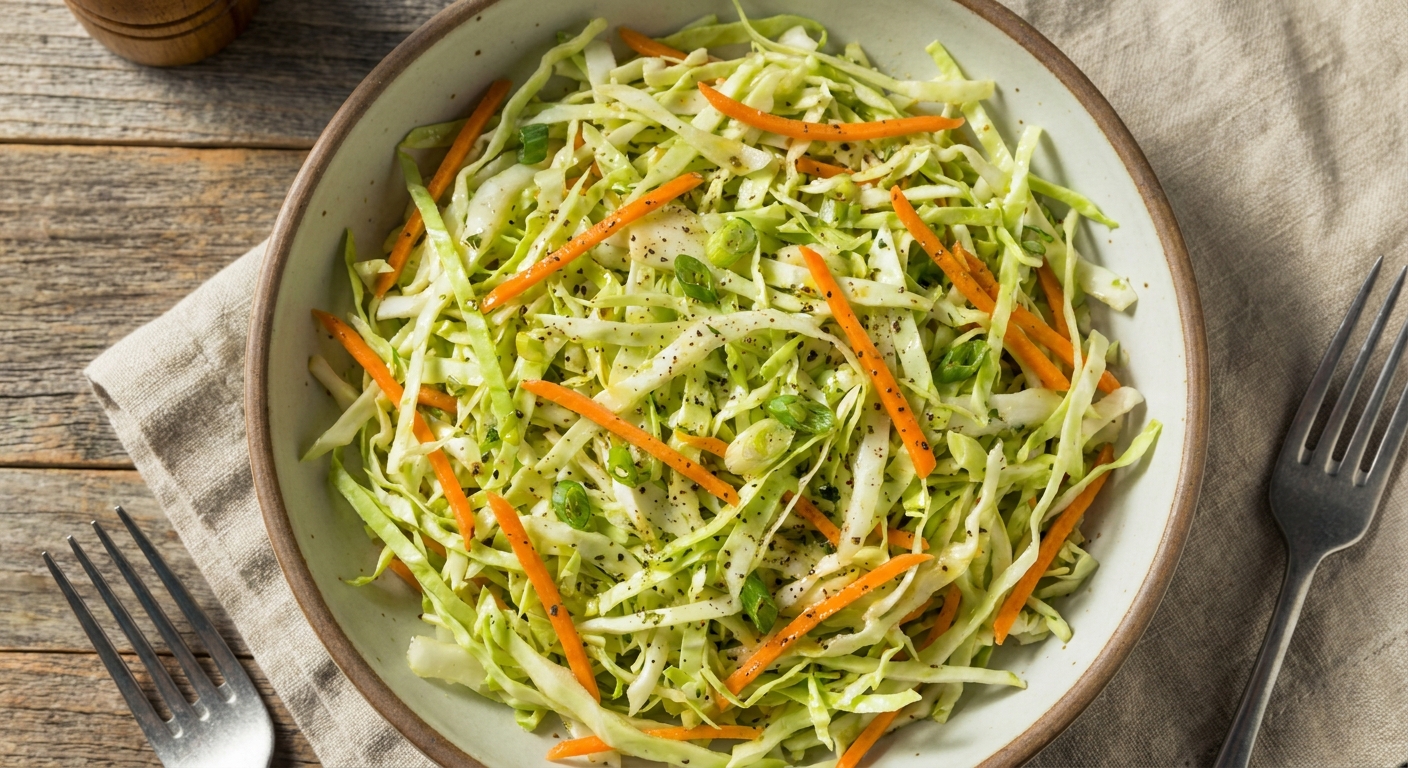
Best for: tacos, barbecue nights, and when you want crunch that lasts.
Ingredients
- 4 cups shredded green cabbage
- 1 carrot, shredded (optional)
- 2 scallions, thinly sliced (optional)
- 2 tablespoons apple cider vinegar or lime juice
- 1 tablespoon honey or sugar
- 3 tablespoons olive oil
- 3/4 teaspoon kosher salt
- Black pepper to taste
Directions
- In a large bowl, whisk vinegar, honey, olive oil, salt, and pepper.
- Add cabbage (and carrot, scallions if using). Toss well.
- Let sit 10 minutes, toss again, and taste. Adjust salt or acid as needed.
This style of slaw is exactly what I lean on for fish tacos with cabbage slaw because it stays crisp and does not get heavy.
3) Cozy Cabbage Soup

Best for: meal prep, clean-out-the-fridge nights, and when you want cabbage to feel like a whole meal.
Ingredients
- 2 tablespoons olive oil
- 1 onion, diced
- 2 carrots, diced
- 2 celery stalks, diced
- 3 garlic cloves, minced
- 6 cups chicken or vegetable broth
- 4 cups chopped green cabbage (raw or leftover braised cabbage works great)
- 1 (14.5-ounce) can diced tomatoes (optional but adds great flavor)
- 1 teaspoon kosher salt, plus more to taste
- 1/2 teaspoon dried thyme or Italian seasoning
- 1 bay leaf (optional)
- Optional add-ins: cooked white beans, shredded chicken, diced potatoes
- 1 to 2 teaspoons lemon juice or vinegar to finish
Directions
- Heat olive oil in a soup pot over medium heat. Add onion, carrots, and celery. Cook 6 to 8 minutes until softened.
- Add garlic and cook 30 seconds.
- Add broth, cabbage, tomatoes (if using), salt, thyme, and bay leaf. Bring to a gentle simmer.
- Simmer 15 to 25 minutes until cabbage is tender. If using leftover braised cabbage, start checking at 10 minutes.
- Turn off heat, remove bay leaf, and finish with lemon juice or vinegar. Taste and adjust salt.
Make it heartier: Stir in cooked beans or leftover shredded chicken at the end and warm through.
Cabbage FAQs
Should I wash cabbage?
Yes. I rinse the whole head, then peel off one outer leaf and rinse again if it looks dusty. If you are slicing into ribbons, you can also rinse the cut cabbage in a colander and spin or pat dry. Drier cabbage browns better, wetter cabbage steams more.
Can I use red cabbage instead of green?
You can, but the flavor is a little more peppery and it will tint everything purple, which is not bad, just different. For the butter-braise, red cabbage usually needs a few extra minutes to become truly tender.
Why does my cabbage taste bland?
It almost always needs more salt, or it needs acid at the end, or both. For cooked cabbage, I treat vinegar or lemon as a finishing seasoning the way I treat a final pinch of salt.
How do I keep cabbage from getting soggy?
Use a wide pan, do not crowd it, and finish uncovered so excess moisture evaporates. In slaw, salt in the dressing helps, but too much salt too early can draw out lots of water, so stick to the amounts and taste as it sits.