Not sure if your tri-tip is still safe? Use this quick checklist for raw and cooked beef: sour or ammonia smell, sticky/slimy film, gray-green color, mold, a...
Delishing
How Long Does Raw Tri-Tip Last in the Fridge?

Maya Brooks
Maya Brooks is a dedicated home cook and the lead recipe developer at Delishing, where she shares practical, foolproof meals for everyday life. With over a decade of hands-on kitchen experience, she specializes in creating approachable dishes that fit a variety of dietary needs and modern cooking methods. Maya is passionate about helping busy people get delicious, stress-free food on the table without needing formal culinary training.
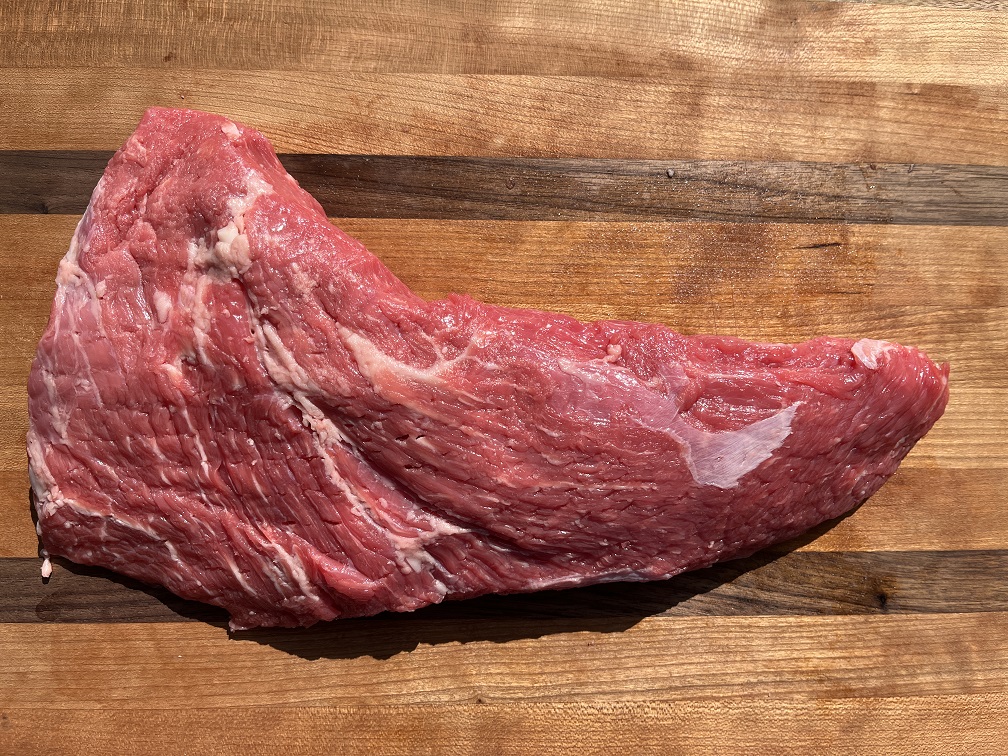
If you have raw tri-tip in the fridge and dinner plans are suddenly wobbling, you are not alone. I have absolutely bought tri-tip with big weekend energy, then hit Wednesday and realized it is still sitting there. The good news is that storing it safely is simple once you know the time window and how the packaging changes things.
One quick note on timing: when I say “3 to 5 days,” I mean about 3 to 5 days from the time the tri-tip is consistently refrigerated in your fridge (usually when you get home from the store). If it was previously frozen and you thawed it in the fridge, use that same window starting after it is thawed.
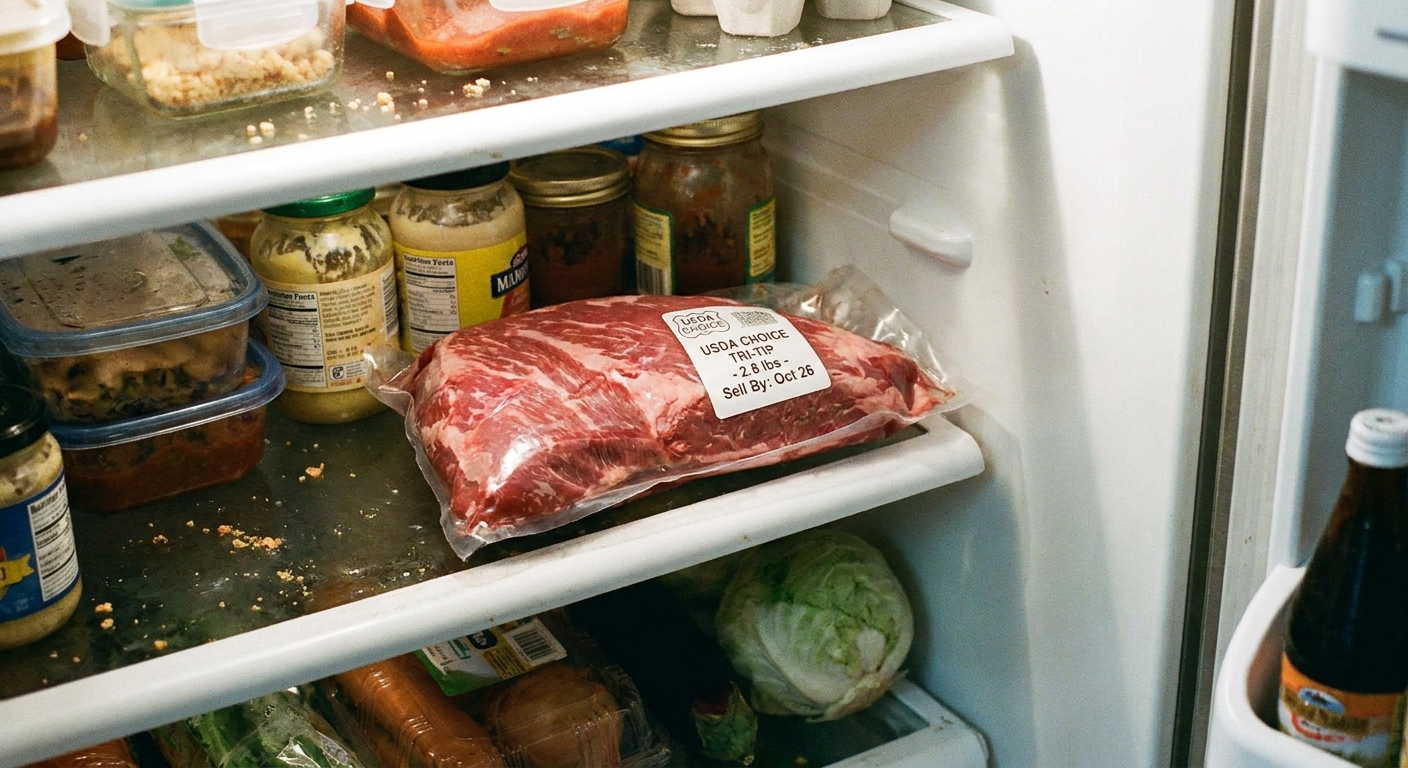
Quick answer: the safest fridge window
Raw tri-tip lasts about 3 to 5 days in the fridge when it is kept cold (at or below 40°F) and stored properly.
- Best quality: cook within 1 to 2 days if you can.
- Typical safe window: 3 to 5 days.
- If you will not cook it by day 3: freezing is the safest move.
This is the same general refrigerator guidance used for raw beef roasts and steaks.
How packaging affects storage time
Packaging matters because it affects exposure to air, potential leaks, and how stable the temperature stays while you store it. I still use the same baseline rule, then I decide whether to lean toward the shorter end.
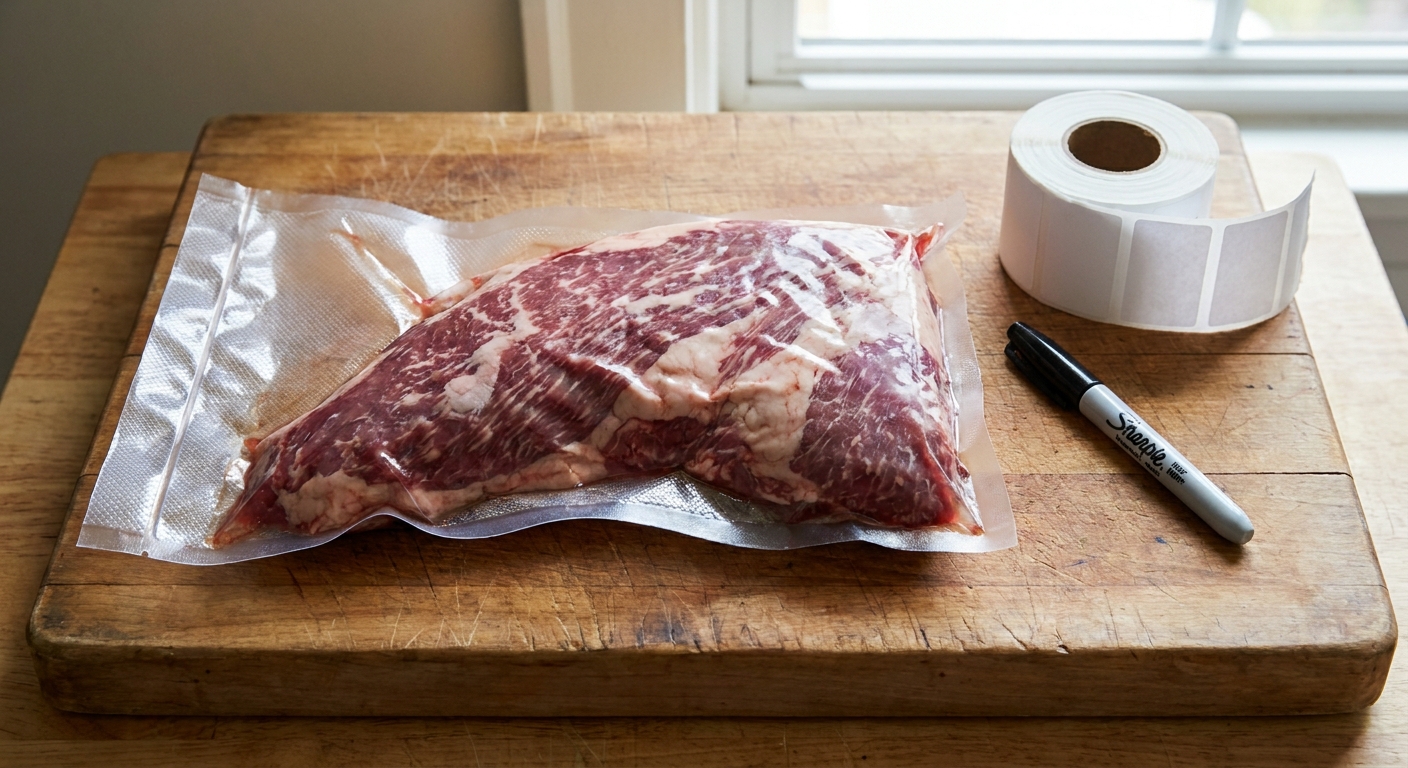
1) Vacuum-sealed (cryovac) tri-tip
For home-fridge planning, 3 to 5 days is the safest general rule, even if it is vacuum-sealed. Vacuum sealing helps with quality and slows oxidation, but it does not automatically make raw beef last indefinitely in a home fridge.
You may see claims that unopened, processor-sealed vacuum packs can keep longer under very consistent refrigeration. That can be true in ideal conditions, but since most of us do not have perfectly steady fridge temps, I stick with 3 to 5 days for simple, safe guidance.
- If you open the vacuum seal: treat it like freshly wrapped raw beef and aim to cook within 3 to 5 days from opening (sooner is better).
2) Store-wrapped on a tray (plastic wrap over foam tray)
Use the 3 to 5 day guideline, but this is the packaging I cook earlier if I can. It is more prone to tiny leaks, odor transfer, and temperature swings if it gets moved around in the fridge.
If the wrap looks loose or there is any purge collecting in the tray, I move it to a tighter container right away (more on that below).
3) Rewrapped by the butcher
Again, 3 to 5 days is a smart window. Use the sell-by or use-by date as a cue for how quickly to prioritize it. Butcher paper is breathable, which can be fine short-term, but it is not the most leak-proof option for a busy home fridge.
4) Freshly portioned at home
If you cut a tri-tip into smaller pieces or steaks (or transfer it to a different container), you have increased handling and surface exposure. I still use the 3 to 5 day window, but I aim for the front half of that window for best quality.
If you need help portioning it, see How to Cut Tri-Tip Into Steaks.
Where to store raw tri-tip in the fridge
The goal is simple: keep it cold, keep it contained, and avoid drips.
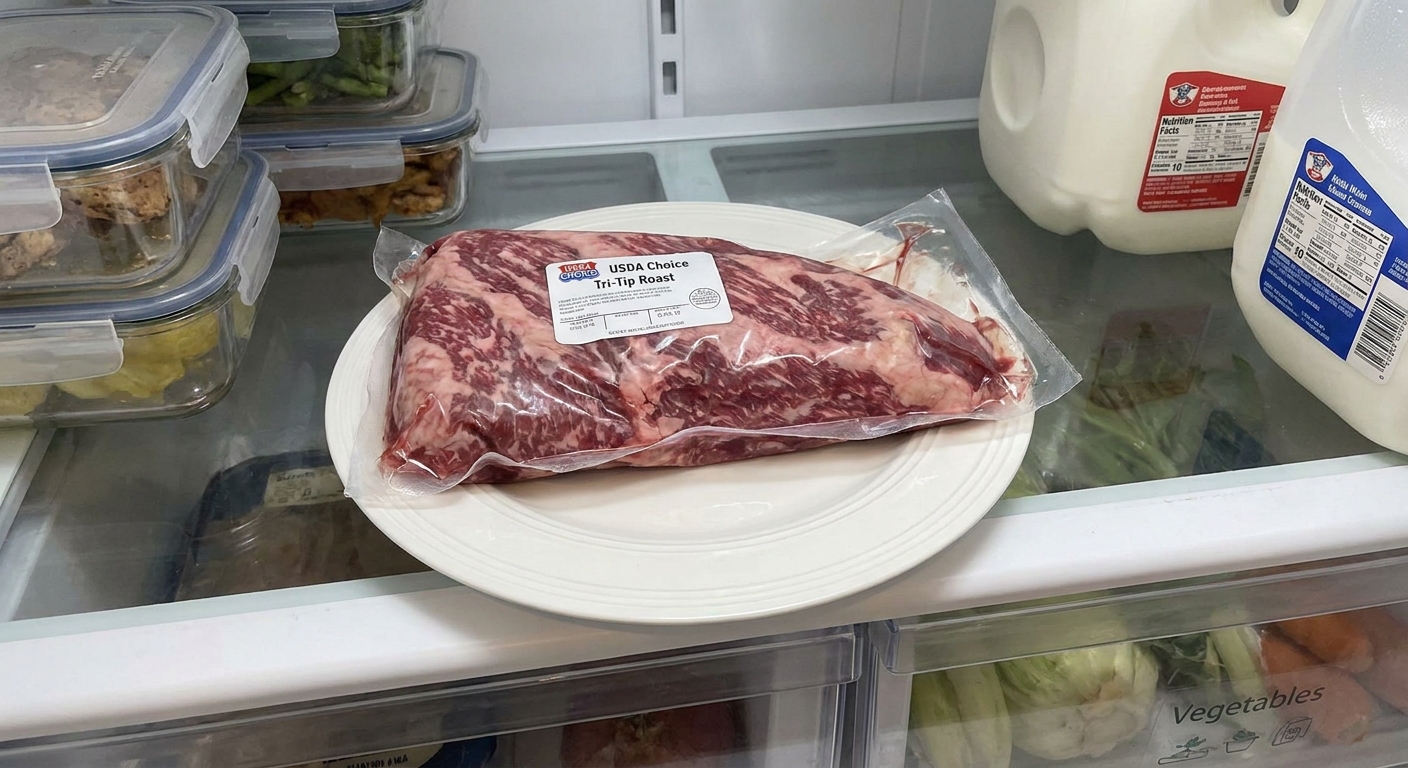
- Put it on the bottom shelf to prevent drips onto other foods.
- Keep it toward the back where temperatures are usually steadiest (many fridges run colder in the back than near the door).
- Set it on a rimmed plate or small sheet pan even if it is sealed, just in case it leaks.
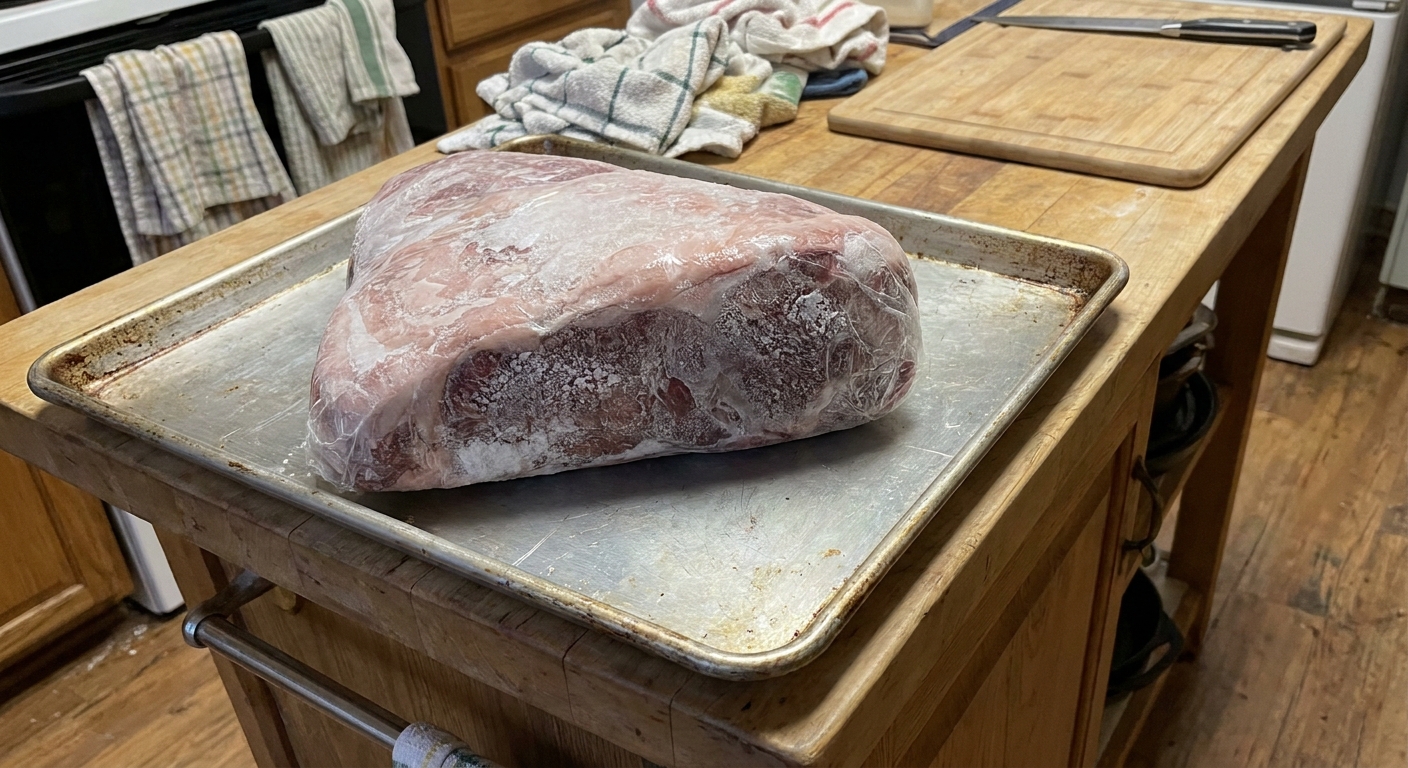
If you are not cooking it soon, freeze it
If your plan is not solid, I recommend freezing tri-tip earlier rather than later.
My practical rule
- Cooking within 1 to 2 days: keep it refrigerated.
- Unsure you will cook it by day 3: freeze it.
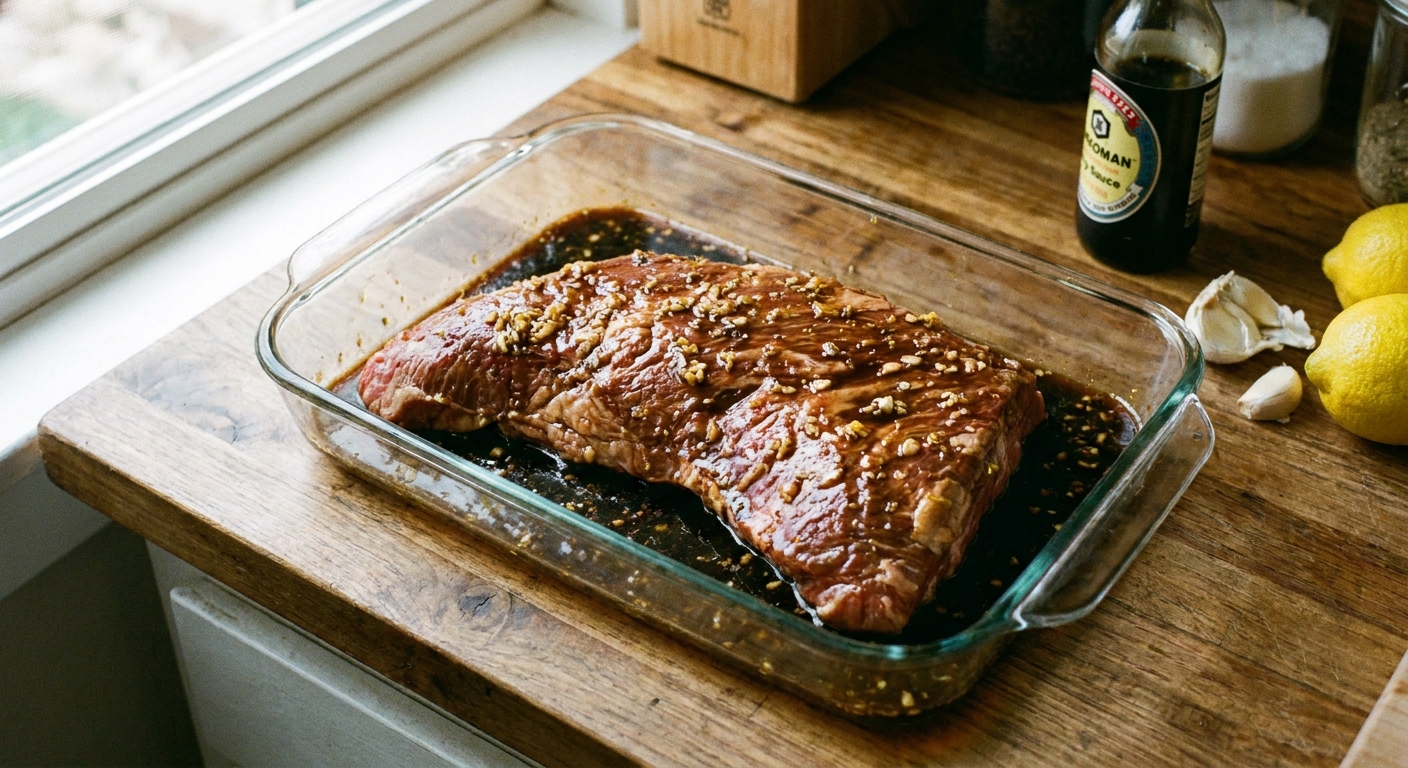
- Already at day 4 or 5: do not try to “buy time” with a marinade. Either cook it now or, if something feels off, check for spoilage signs and decide whether to discard.
Freezing is about hitting pause while the meat is still in good shape, not after it has spent almost a week in the fridge.
For step-by-step freezer wrapping and thawing guidance, head to How to Freeze Tri-Tip.
What about sell-by and use-by dates?
Use dates as a guide, not a guarantee. In real life, your fridge temperature, how long the meat sat out during shopping, and how it was handled all affect its true shelf life.
- Sell-by: mostly a store inventory cue. You can often still cook after this date if the meat has been refrigerated properly.
- Use-by: often the strongest guidance you will see on the label for when to use it for best quality, and sometimes safety. If it is approaching, cook promptly or freeze.
If you are stuck between the date on the label and the number of days it has been in your fridge, I prioritize the most conservative option.
Simple storage tips that help
- Keep the fridge at 40°F or below. If you do not have a fridge thermometer, this is one of those small upgrades that pays off in peace of mind.
- Do not open and rewrap repeatedly. Every peek warms it up a little and adds handling.
- Contain it well. If the original tray wrap feels flimsy, slide the whole package into a zip-top bag or airtight container.
- Separate from ready-to-eat foods. Store below produce, leftovers, and anything you will not cook again.