Stop bringing home dried-out or hollow chestnuts. Use quick tests for weight, shell condition, holes, mold, and rattling—plus a simple water test and smart s...
Delishing
European vs Chinese Chestnuts

Maya Brooks
Maya Brooks is a dedicated home cook and the lead recipe developer at Delishing, where she shares practical, foolproof meals for everyday life. With over a decade of hands-on kitchen experience, she specializes in creating approachable dishes that fit a variety of dietary needs and modern cooking methods. Maya is passionate about helping busy people get delicious, stress-free food on the table without needing formal culinary training.
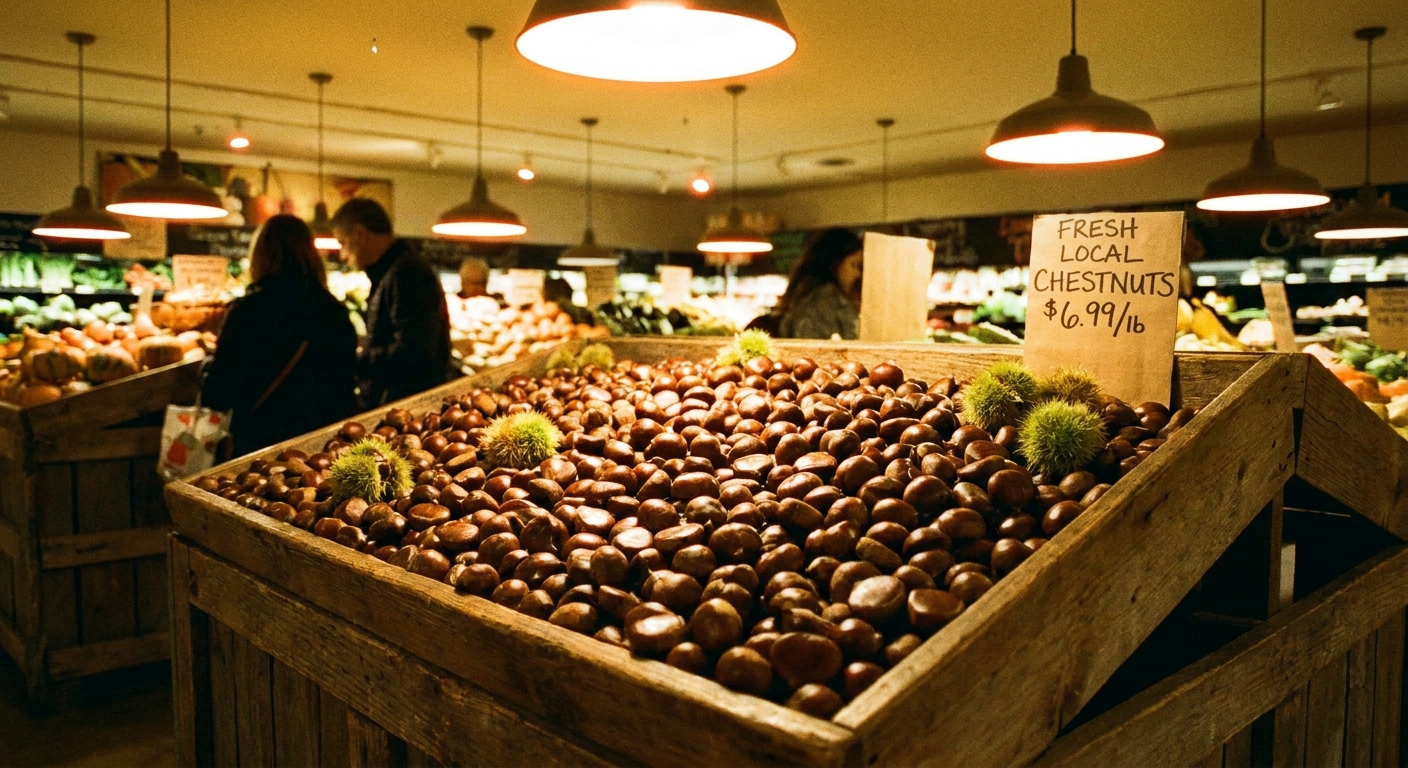
Every November I do the same thing: I grab a bag of chestnuts from the big seasonal produce bin, get home feeling very cozy and festive, and then immediately remember the not-so-cozy part. Chestnuts can be finicky. Some peel like a dream, some fight you like they have a personal grudge, and the difference often comes down to which type you bought (and how fresh they are).
In many U.S. grocery stores, those loose chestnuts are often Chinese chestnuts. But origin can vary by region and supplier, and some stores stock European imports too. At specialty markets, farmers’ markets, or imported produce sections, you may also see European sweet chestnuts (often Italian or French). Both are edible sweet chestnuts, not horse chestnuts. But they can behave differently in the kitchen, especially when you roast them.
Quick answer: which should you buy?
- Best for roasting: European sweet chestnuts tend to roast up bigger and meatier, with a more classic holiday chestnut vibe. They can be a little more stubborn to peel, but the payoff is a larger nut.
- Best for boiling and peeling: Chinese chestnuts are often easier to peel after boiling or steaming, and their slightly firmer, sweet texture works beautifully in savory dishes.
- If you want the easiest peel overall: Japanese chestnuts are often reported to be easier to peel, but it still depends on freshness and method, and they are less commonly found. I treat them as a “lucky find” option.
One big caveat: freshness matters as much as variety. A fresh batch of any sweet chestnut will peel better than a dried out batch of the “right” one.
If you already have chestnuts and just need the method, head to How To Roast Chestnuts. For a boiling-first approach, Boiled Chestnuts is a great match.
European vs Chinese chestnuts: what you’ll notice in the store
Chestnuts are one of those ingredients where your eyes and hands can tell you a lot. Here are the real world differences you are most likely to notice when you are staring into a chestnut display trying to make a quick decision.
Size and shape
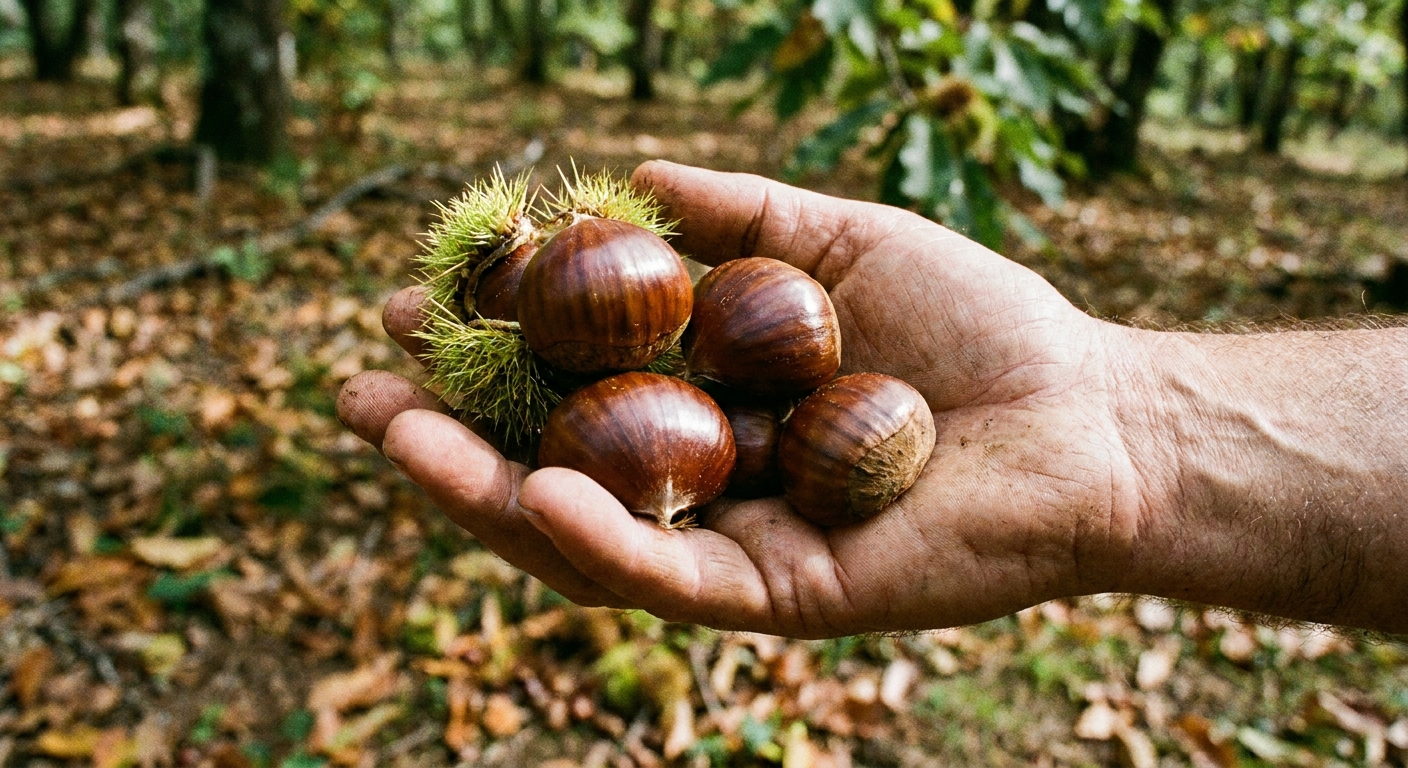
European sweet chestnuts (Castanea sativa) are often larger, with a fuller, rounder look. When roasted, that extra size can translate to a more generous, fluffy interior.
Chinese chestnuts (Castanea mollissima) are usually smaller and can look slightly more compact. They often have a flatter side from how they grow in the burr.
The tip shape trick
If you are looking for a fast visual cue, check the pointy end.
- Chinese chestnuts often have a more pronounced little point or tuft at the tip.
- European sweet chestnuts can look rounder and less sharply tipped, though this is not a perfect rule.
Because bins get mixed and labeling is not always specific, I treat tip shape as a hint, not a guarantee.
Peeling
This is the part that matters when you are standing over a cutting board with hot chestnuts and a short attention span.
Chinese chestnuts: often easier for beginners
Chinese chestnuts are widely considered more forgiving to peel, especially if you boil or steam them first. The inner skin (the papery layer under the shell) still matters, but it often cooperates more than you’d expect.
European sweet chestnuts: worth it, but can be stubborn
European chestnuts can be more frustrating if they cool down before you peel them. When they are hot, they peel much better. When they sit, that inner skin can cling and tear the nut. Also, some batches just peel better than others, even within the same variety.
My notebook rule: no matter which type you buy, peel chestnuts while they are hot enough to handle. I usually roast or boil, then wrap them in a clean kitchen towel for a few minutes to trap steam, then peel in batches.
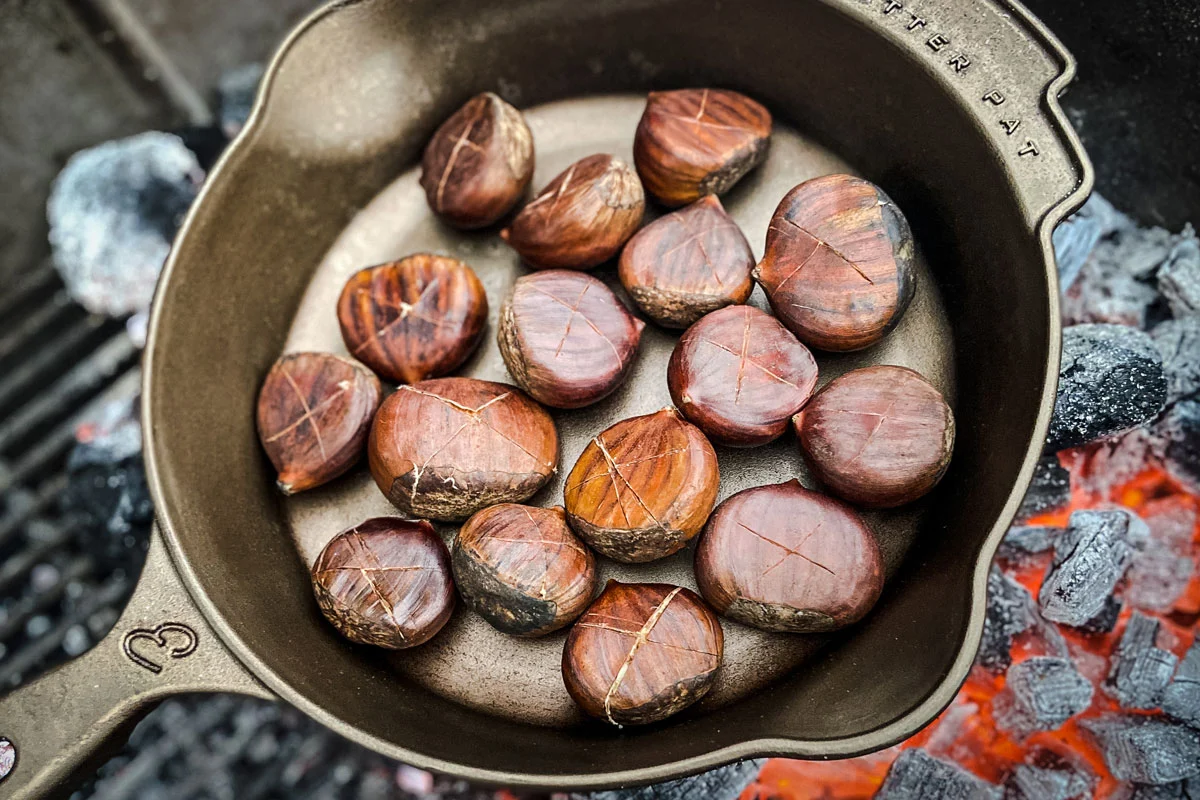
Safety note: always score chestnuts before cooking so steam can escape. It helps with peeling, and it also helps prevent the occasional burst in the oven or air fryer. And yes, use a towel, because those shells stay lava-hot longer than you think.
Japanese chestnuts (related, easy peel type)
Japanese chestnuts (Castanea crenata) are often described as easier to peel with a larger, showy nut. When they are very fresh and you steam or boil them, they can be a dream. I just do not see them as consistently in everyday grocery stores, so I plan recipes around Chinese or European types.
Sweetness and flavor
Both types are sweet chestnuts, but the sweetness and texture can feel a little different.
- European sweet chestnuts: They tend to be rich, starchy, and “bready” once roasted. They give you that classic warm, nutty holiday flavor.
- Chinese chestnuts: They are sweet too, but often a bit firmer and less floury. They can be fantastic in savory cooking, like stir fries or braises, because they often hold their shape a bit better.
In desserts, both work. If you are chasing that super fluffy chestnut puree texture, European chestnuts are often the easier path, but you can absolutely make it work with Chinese chestnuts too.
Roasting vs boiling
For roasting
If your goal is the classic peel-and-eat roasted chestnut experience, I lean European when I can find them fresh and plump. Bigger nuts mean a better reward for your effort.
That said, Chinese chestnuts roast well too. If the only chestnuts available are from the store display, you can still get great results. The biggest differences you will notice are nut size and how cleanly the skins come off.
Need the step-by-step? Use How To Roast Chestnuts, or if you love the air fryer shortcut, see Air Fryer Chestnuts.
For boiling (or boiling before peeling)
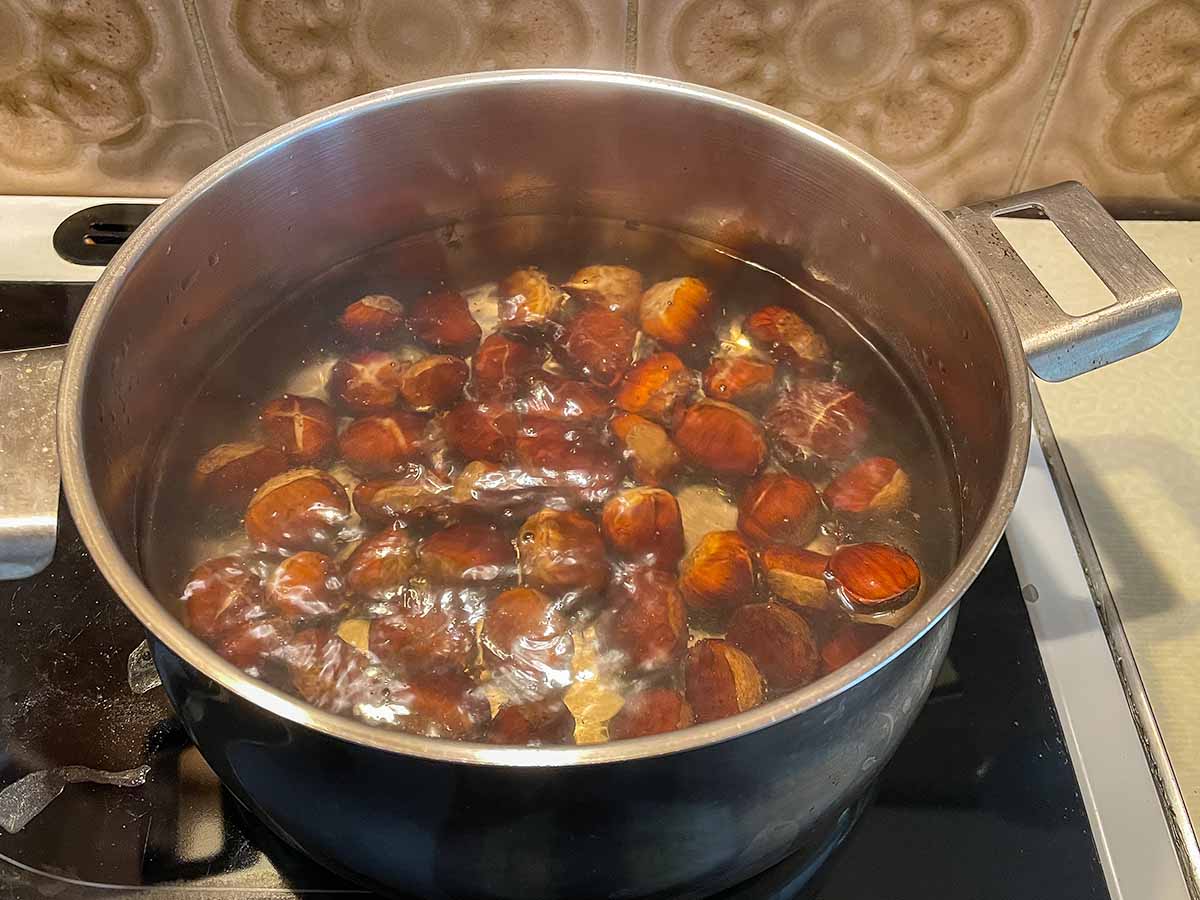
For a lot of home cooks, boiling is the calmer, more controlled method. It is also a great way to prep chestnuts for stuffing, soups, and purees.
Chinese chestnuts can be a great choice here because they often peel more easily after boiling or steaming. If you are making something like chestnut soup or stuffing, that easier peel can save your sanity.
Try Boiled Chestnuts for a straightforward method, or explore cozy recipes like Chestnut Soup and Chestnut Stuffing.
How to store fresh chestnuts
Chestnuts dry out fast, and dry chestnuts are the ones that crumble, cling, and generally ruin your plans.
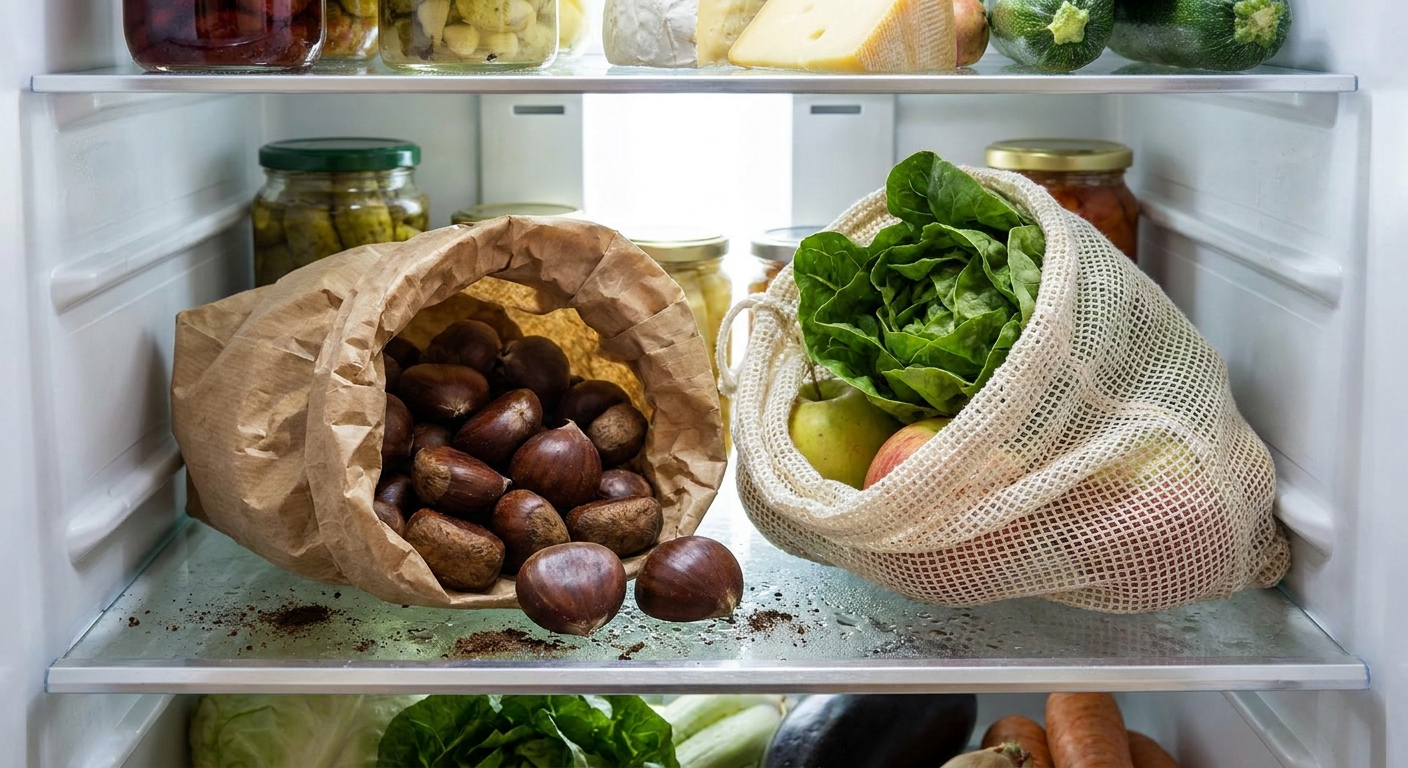
- Fridge: Store fresh chestnuts in the refrigerator in a breathable bag (like paper or a loosely closed produce bag). Use them within about a week if you can.
- Freeze: For longer storage, I like to cook them first (roast or boil), peel while warm, then freeze the peeled nuts in an airtight bag. They are much easier to use later, especially for soup, stuffing, and purees.
How to pick the best chestnuts
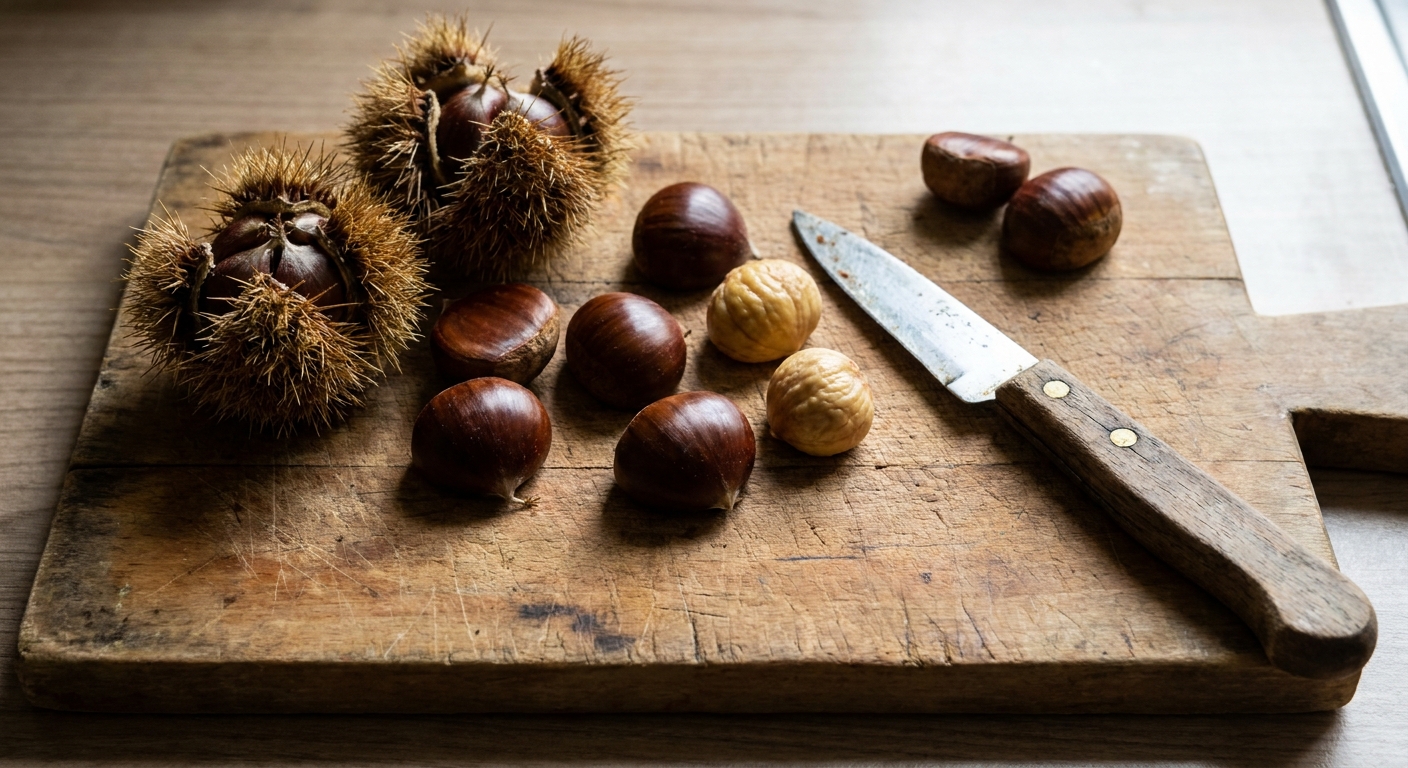
- Choose heavy nuts: They should feel dense for their size. Light chestnuts are often dried out.
- Look for glossy shells: Dull, shriveled shells usually mean the nut is old.
- Avoid mold: Any fuzzy spots or off smell is a hard no.
- Check for pinholes: Tiny holes can indicate pests.
FAQ
Are European and Chinese chestnuts both safe to eat?
Yes. Both are edible sweet chestnuts. This is different from horse chestnuts, which are not for eating. If you want a safety focused identification, see Horse Chestnuts vs Sweet Chestnuts.
Why do some chestnuts peel perfectly and others fall apart?
Peeling success usually comes down to freshness, keeping them hot while peeling, and whether the inner skin releases. Older chestnuts tend to cling and crumble.
Can I swap European for Chinese chestnuts in recipes?
Almost always, yes. Expect European chestnuts to be larger and more floury when cooked, and Chinese chestnuts to be a bit firmer. If a recipe calls for “1 cup cooked chestnuts,” either type works.
Do I need to soak chestnuts before roasting?
Not usually. The more reliable move is to score them properly so steam can escape, then roast until the shells curl back. For the exact timing, use How To Roast Chestnuts.