Delishing
Chestnut Truffles

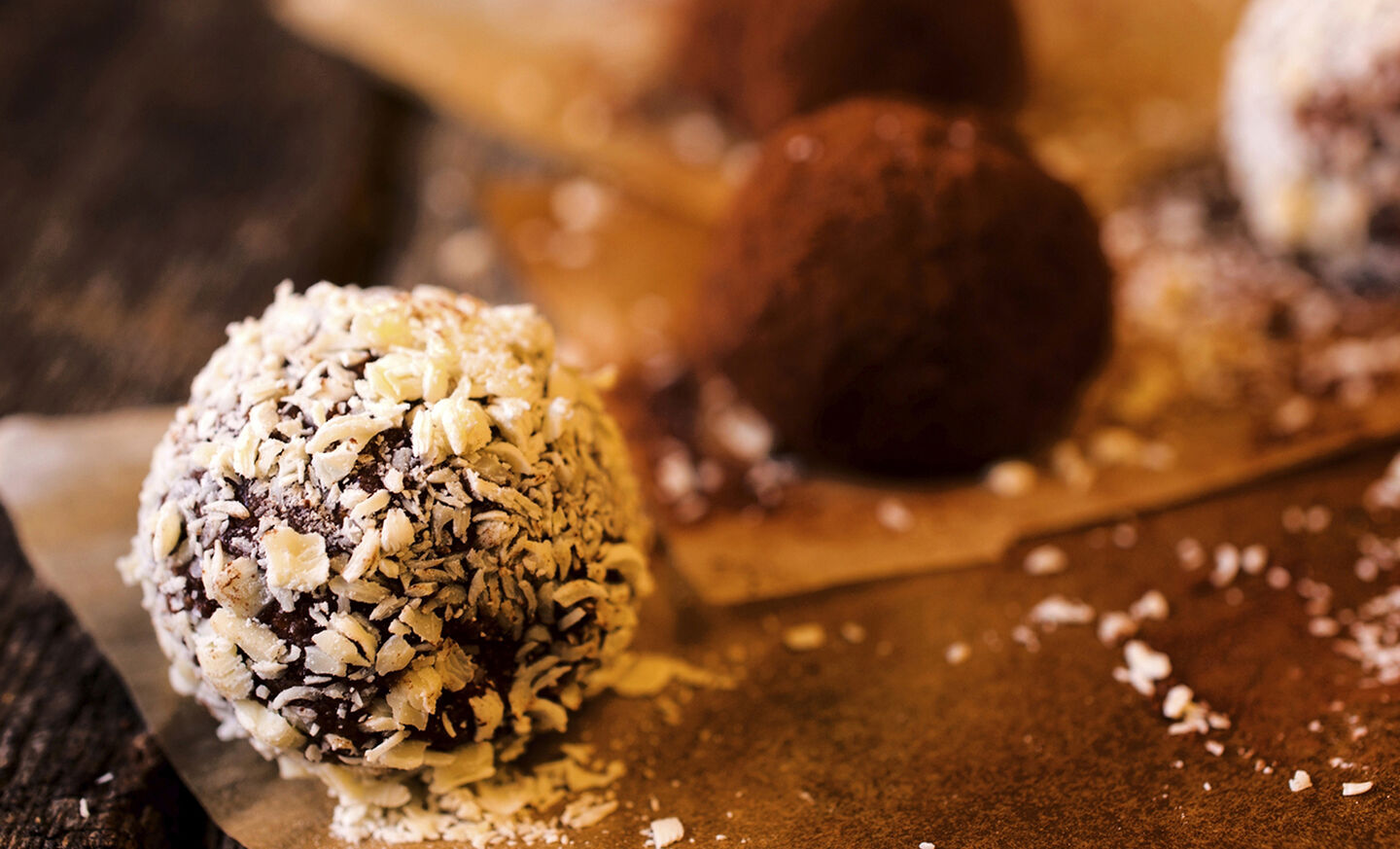
A no-bake truffle for the holidays
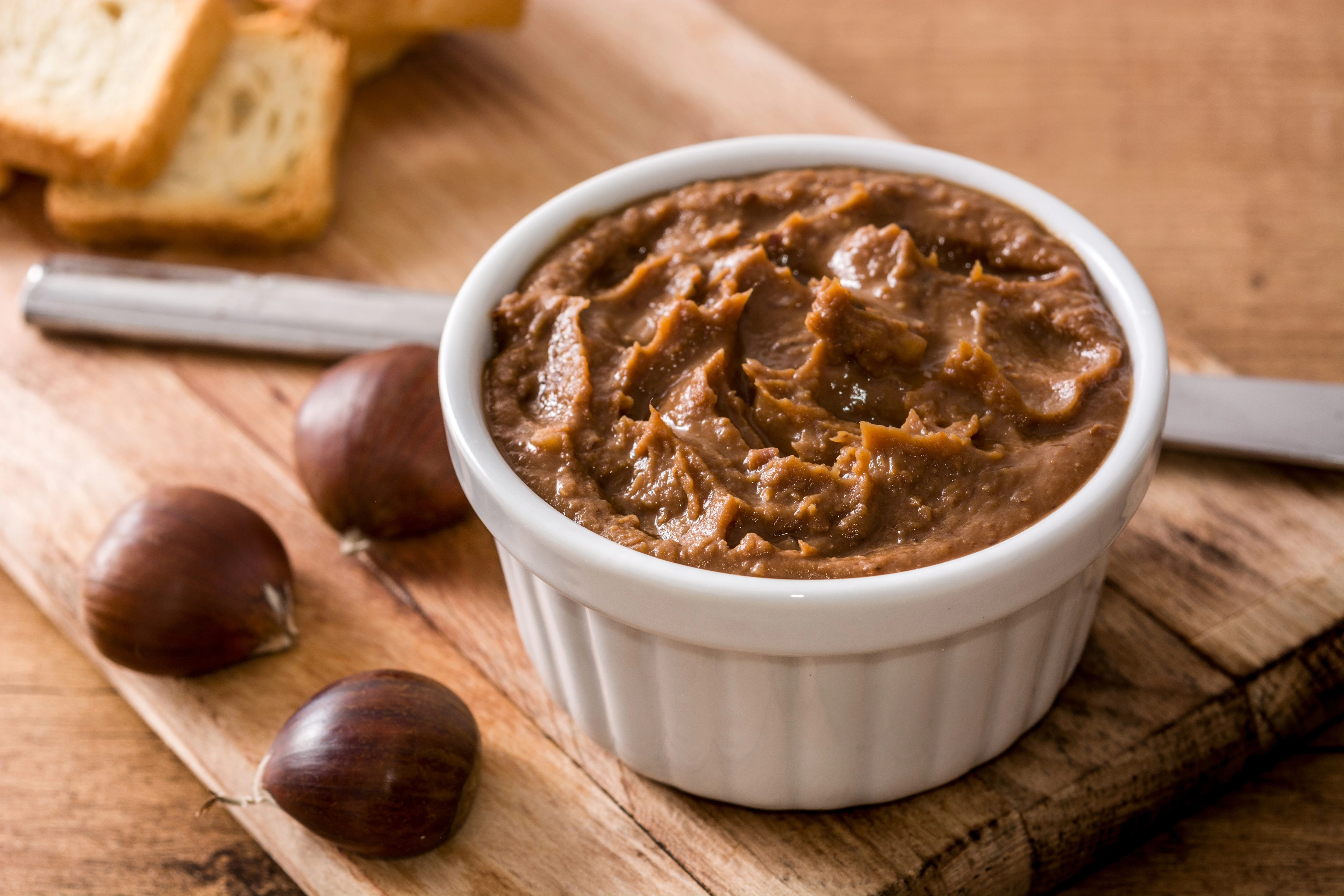
If you love the cozy, gently sweet flavor of chestnuts but want something easier than baking a whole cake, these chestnut truffles are the answer. They are rich like a classic chocolate truffle, but the chestnut puree softens the chocolate edge and gives the center a mellow, creamy, almost fudgy feel. I started making them during one especially chaotic December when my kitchen was already packed with dinner prep, and I needed a dessert I could make in short bursts between everything else. This one became a keeper because the steps are forgiving: blend a quick puree, stir together a ganache-style base, chill, then roll and coat.
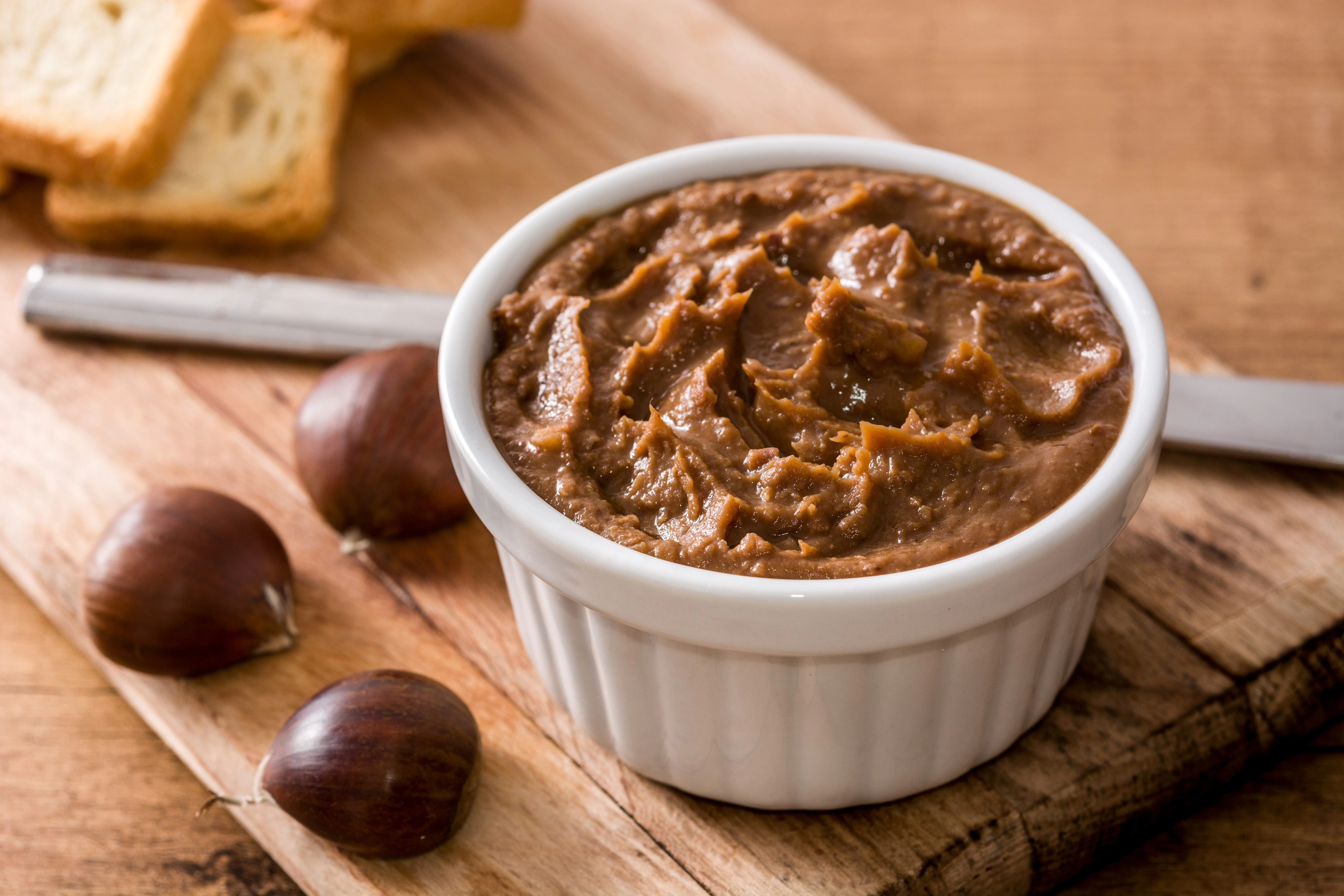
In this recipe, the chestnuts do two jobs. They bring that slightly earthy, nutty warmth with a hint of vanilla-like sweetness, and they help thicken the mixture so you can roll neat little bites without any baking. The base comes together fast, then it just needs time to chill so it firms up.
You can make these with roasted and peeled fresh chestnuts, or take the easy route with plain cooked chestnuts (vacuum-packed or jarred is fine). Just skip anything candied or packed in syrup, since that will throw off the sweetness and texture. Once they are chilled, they keep best in the fridge, which also makes them ideal for making ahead before a party or boxing up as gifts.
If you are starting from fresh chestnuts, follow my roasting method first, then come back here: How to Roast Chestnuts. If you already have cooked chestnuts, you are only minutes away from mixing the truffle base (then it needs time to chill).
Why it works
- Chestnut puree makes the filling naturally thick. Unlike many nuts, chestnuts are starchy, so the mixture firms up beautifully as it chills.
- Chocolate ganache gives you reliable texture. Warm cream melts the chocolate evenly, then sets into a smooth, scoopable base once chilled.
- No baking, no candy thermometer. You get a fancy result with very low technical stress.
- Easy to scale for gifting. Double the batch, chill on sheet pans, and set up a coating station for fast rolling.
Ingredient notes
- Cooked chestnuts: Fresh-roasted and peeled chestnuts taste amazing, but vacuum-packed cooked chestnuts also work. Avoid chestnuts packed in syrup.
- Chocolate: Use good-quality semisweet or dark chocolate (bar chocolate or high-quality chips). Milk chocolate works but makes a softer truffle.
- Heavy cream: This is what turns melted chocolate into a stable ganache. Half-and-half can work in a pinch, but the truffles will be softer.
- Butter (optional but recommended): A little butter makes the center silkier and helps the mixture feel less sticky when rolling.
- Vanilla and salt: Tiny additions that make the chestnut flavor taste fuller and the chocolate taste more chocolatey.
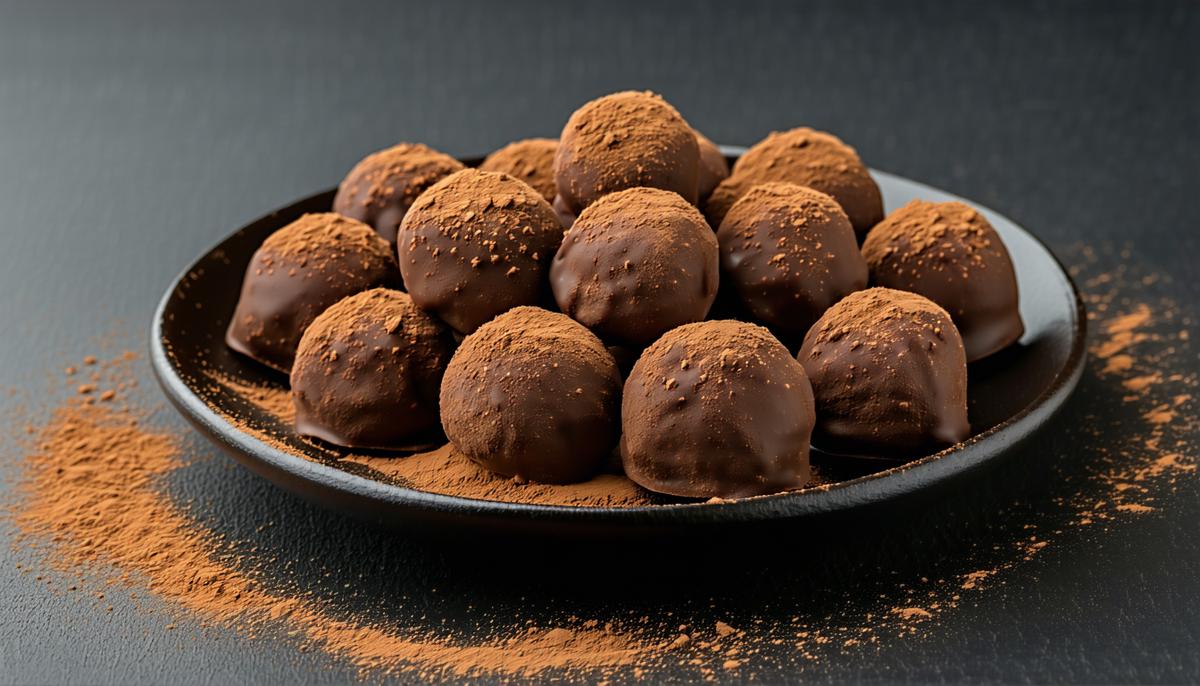
- Coatings: Cocoa powder is classic. Finely chopped toasted hazelnuts, pistachios, walnuts, or almonds add crunch. Powdered sugar is pretty but melts easily if stored warm.
Equipment
- Food processor or high-powered blender (for smooth chestnut puree)
- Small saucepan (to warm cream)
- Heatproof bowl (for melting chocolate)
- Rubber spatula
- Sheet pan and parchment paper
- Small cookie scoop (optional but makes uniform truffles)
Pro tips
- Puree while the chestnuts are still warm. Warm chestnuts blend smoother with less added liquid.
- Add liquid slowly. Chestnuts vary in moisture. Start with less cream or milk in the puree and only add enough to get a thick, smooth paste.
- Chill until truly firm. If the mixture feels like soft frosting, give it more time. Firm dough rolls cleaner and coats better.
- Roll quickly with cool hands. Warm hands melt the surface. If you run hot, rinse hands in cool water and dry well between batches.
- Toast nuts for coating. Toasted nuts taste dramatically better and stay crunchier.
Substitutes
- For fresh chestnuts: Use cooked, peeled chestnuts (vacuum-packed) to skip roasting and peeling.
- For heavy cream: Use canned full-fat coconut milk for a dairy-free version. Chill the can, then use the thick portion for best texture.
- For semisweet chocolate: Use dark chocolate for a deeper flavor. If using milk chocolate, reduce cream slightly to keep the truffles firm.
- For nut coatings: Use crushed freeze-dried raspberries, shredded coconut, or cocoa nibs.
Variations
- Rum or brandy: Add 1 to 2 teaspoons to the ganache for a grown-up finish.
- Orange-chestnut: Add 1 teaspoon finely grated orange zest to the mixture before chilling.
- Espresso: Dissolve 1 teaspoon espresso powder into the warm cream before pouring over chocolate.
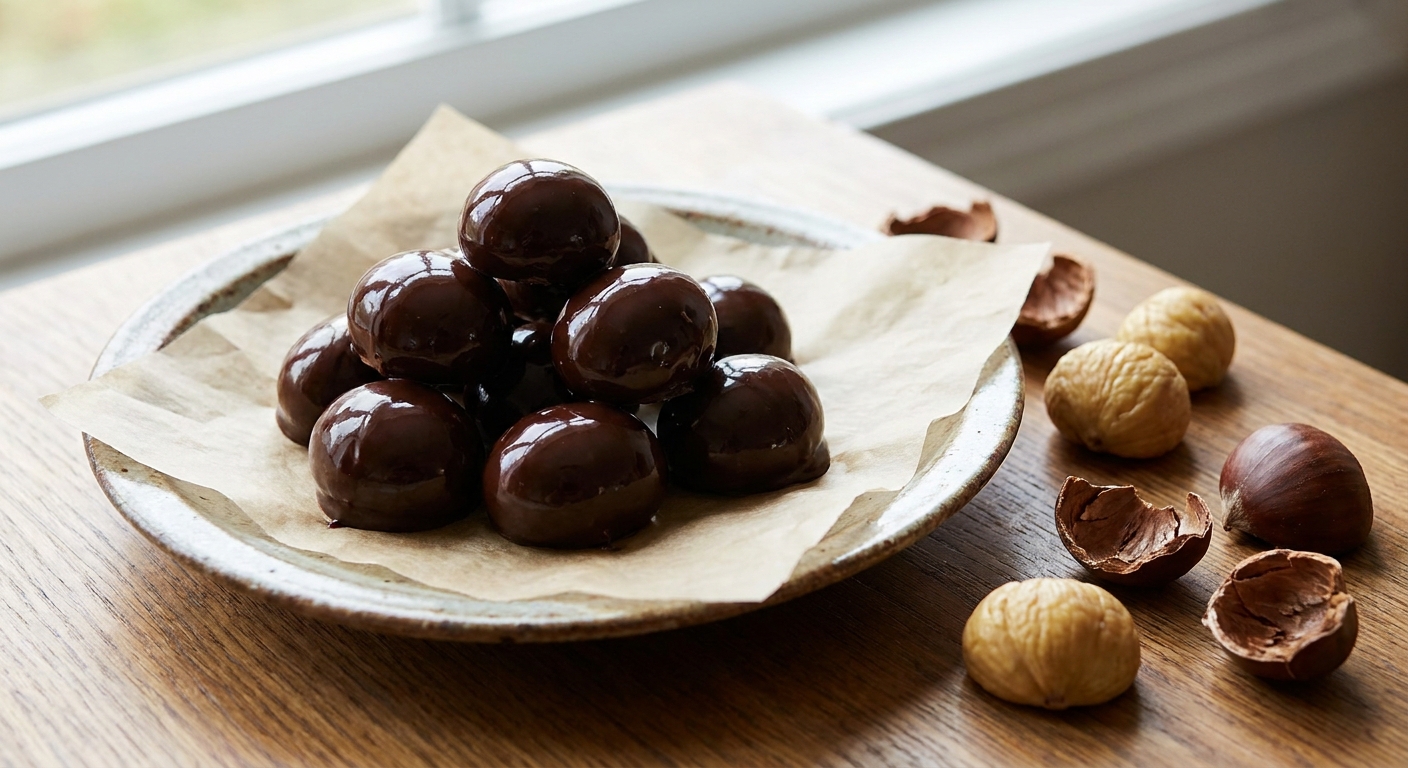
- Chocolate-dipped: Chill rolled truffles, then dip in melted tempered chocolate or melted chocolate with a little coconut oil for a thin shell.
Serving ideas
- Box them in mini paper candy cups for gifting.
- Serve with coffee after dinner, especially alongside a cozy seasonal drink like a roasted chestnut latte.
- Add to a dessert board with fruit, cookies, and salted nuts.
- For a chestnut-themed spread, pair with slices of chocolate chestnut cake for a baked plus no-bake combo.
Storage and gifting
- Refrigerator: Store in an airtight container, with parchment between layers, for up to 1 week. Let sit at room temperature 10 to 15 minutes before serving for the best texture.
- Freezer: Freeze in a sealed container for up to 2 months. Thaw overnight in the fridge.
- For gifting: If gifting at room temperature for several hours, choose a cocoa or nut coating rather than powdered sugar, and keep the box in a cool spot away from heat sources.
Common mistakes (and easy fixes)
- The mixture is too soft to roll: Chill longer, or stir in a little more melted chocolate, then re-chill. Cocoa-only fixes tend to make them dusty and bitter.
- The truffles are grainy: The chestnuts were not pureed enough. Reprocess the mixture if possible. A food processor usually beats a blender here.
- The chocolate seized: The cream was not hot enough or water got into the bowl. Warm gently over a double boiler and stir slowly, or add a teaspoon of warm cream at a time to bring it back.
- Coating won’t stick: The truffles are too cold and dry. Let them sit 2 to 3 minutes at room temp, then roll again quickly.
FAQ
Do I have to make chestnut puree from scratch?
No. If you have ready chestnut puree (unsweetened), you can use it. Most home cooks will find it easiest to blend cooked chestnuts with a splash of cream or milk until smooth. If you are starting from fresh chestnuts, roast and peel them first: How to Roast Chestnuts.
Can I use jarred chestnuts?
Yes, as long as they are plain cooked chestnuts, not candied. If you need help with handling packaged chestnuts, see how to cook jarred chestnuts.
Are these gluten-free?
They can be. Chestnuts and chocolate are naturally gluten-free, but always check labels on chocolate, vanilla, and coatings for gluten-containing additives or cross-contact.
Why do my truffles taste bland?
Usually it is not enough salt or vanilla, or the chocolate is very mild. A pinch more salt and a slightly darker chocolate fixes this fast.
Can I make them vegan?
Yes. Use dairy-free dark chocolate and replace heavy cream with the thick part of canned full-fat coconut milk. Skip the butter or use a plant-based butter.
Recipe
Chestnut Truffles
No-bake chocolate chestnut truffles with a smooth ganache-style center. Roll in cocoa powder or chopped toasted nuts for an easy, giftable treat.
- 8 ounces (about 1 1/2 cups) cooked, peeled chestnuts
- 2 to 4 tablespoons heavy cream or whole milk (as needed for pureeing)
- 8 ounces semisweet or dark chocolate, finely chopped (or high-quality chocolate chips)
- 1/2 cup heavy cream
- 1 tablespoon unsalted butter (optional)
- 1 teaspoon vanilla extract
- 1/4 teaspoon fine salt
- Unsweetened cocoa powder, for coating
- 1/2 to 3/4 cup finely chopped toasted nuts (hazelnuts, pistachios, walnuts, or almonds), for coating (optional)
- Make the chestnut puree: Add cooked chestnuts to a food processor. With the machine running, drizzle in 2 tablespoons cream or milk and process until very smooth, scraping down as needed. Add 1 to 2 more tablespoons only if needed to create a thick, smooth paste.
- Make the ganache base: Place chopped chocolate in a heatproof bowl. Warm 1/2 cup heavy cream in a small saucepan just until steaming and small bubbles appear around the edges, 2 to 4 minutes. Pour hot cream over chocolate and let sit 2 minutes, then stir from the center outward until glossy and smooth. Stir in butter (if using) until melted.
- Combine: Add chestnut puree to the ganache along with vanilla and salt. Stir until fully blended and uniform. The mixture should look like thick chocolate frosting.
- Chill: Cover and refrigerate until firm enough to scoop and roll, at least 2 hours (longer is fine).
- Scoop and roll: Line a sheet pan with parchment. Use a small cookie scoop or spoon to portion the mixture into bite-size mounds. Roll quickly between your palms to form balls, placing each on the parchment-lined pan. If the mixture gets sticky, return it to the fridge for 15 to 20 minutes.
- Coat: Roll truffles in cocoa powder or chopped toasted nuts until evenly coated. Tap off excess cocoa.
- Set: Refrigerate coated truffles for 20 to 30 minutes to set, then transfer to an airtight container for storage.
Notes: For the smoothest truffles, puree chestnuts until completely silky before mixing with chocolate. If you prefer a firmer truffle for warm rooms or gifting, choose dark chocolate and use the lower end of added liquid when pureeing.